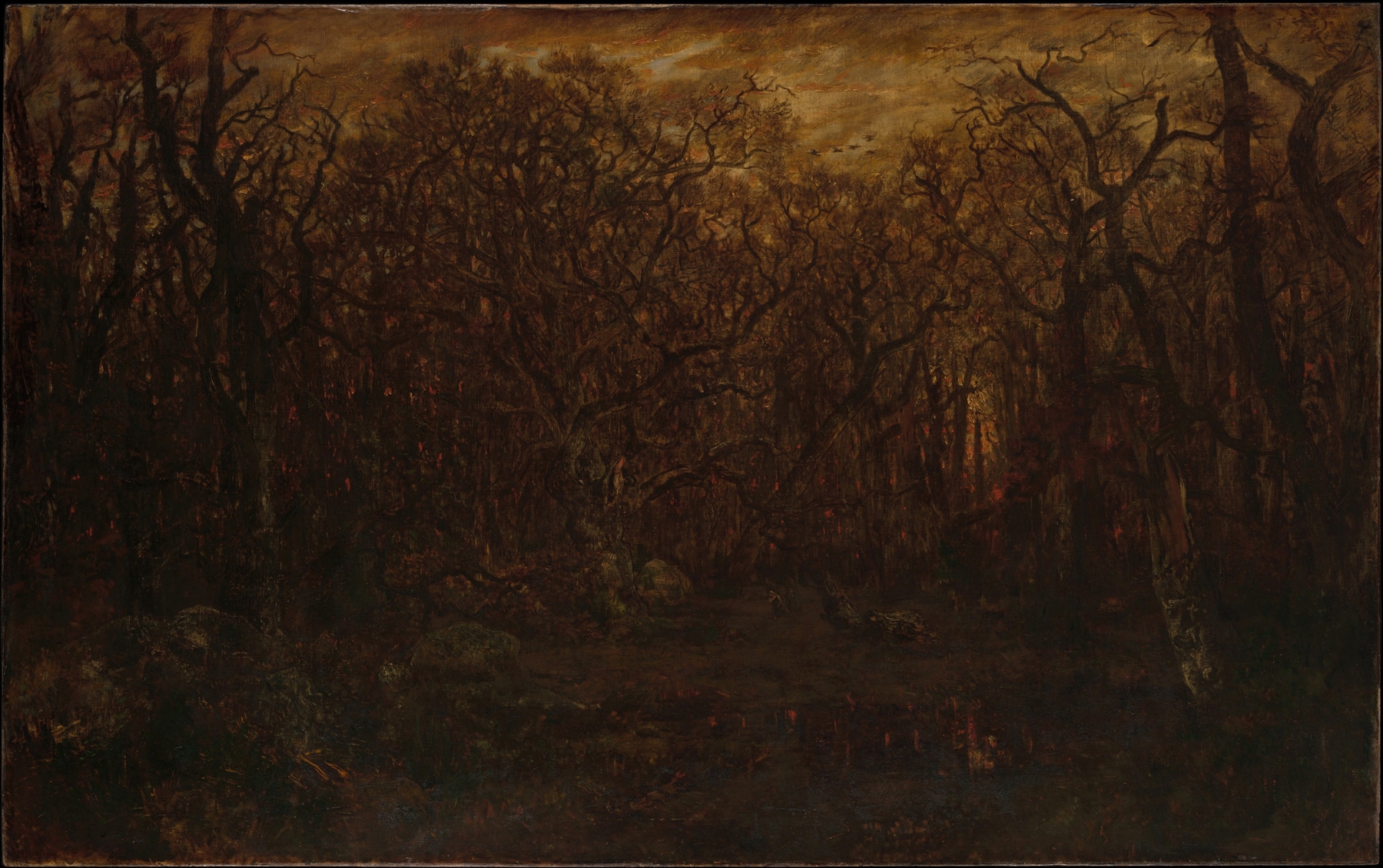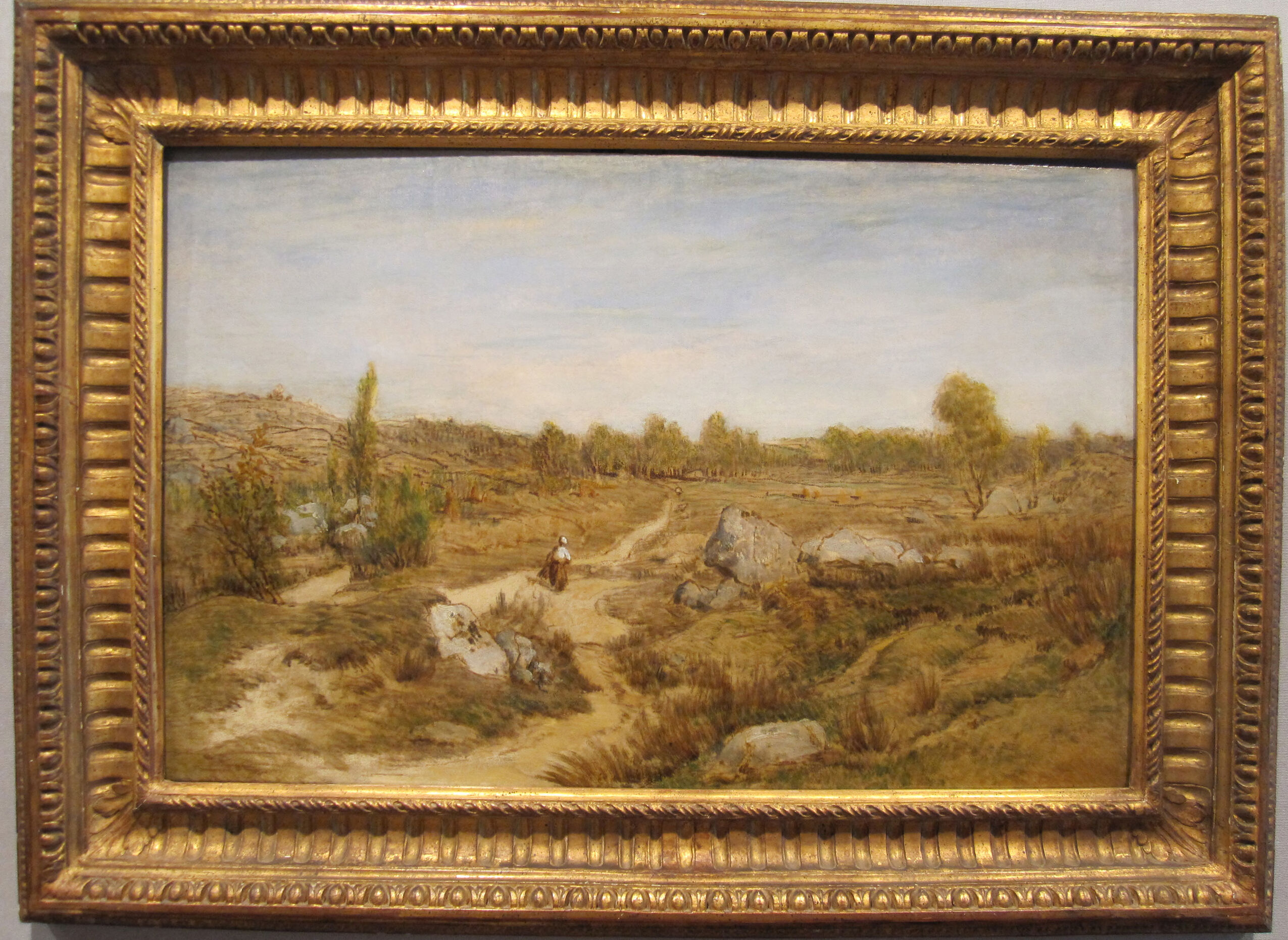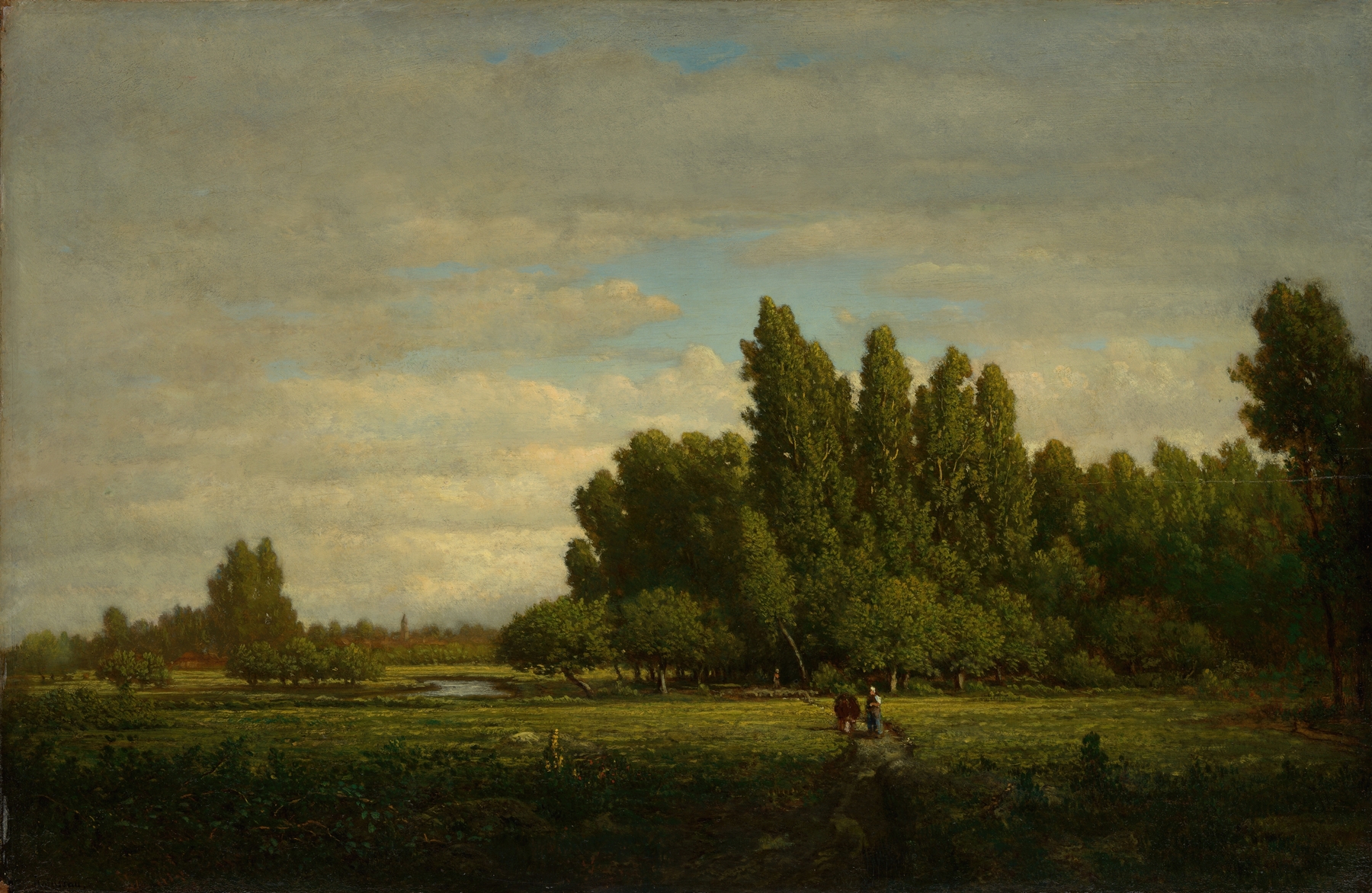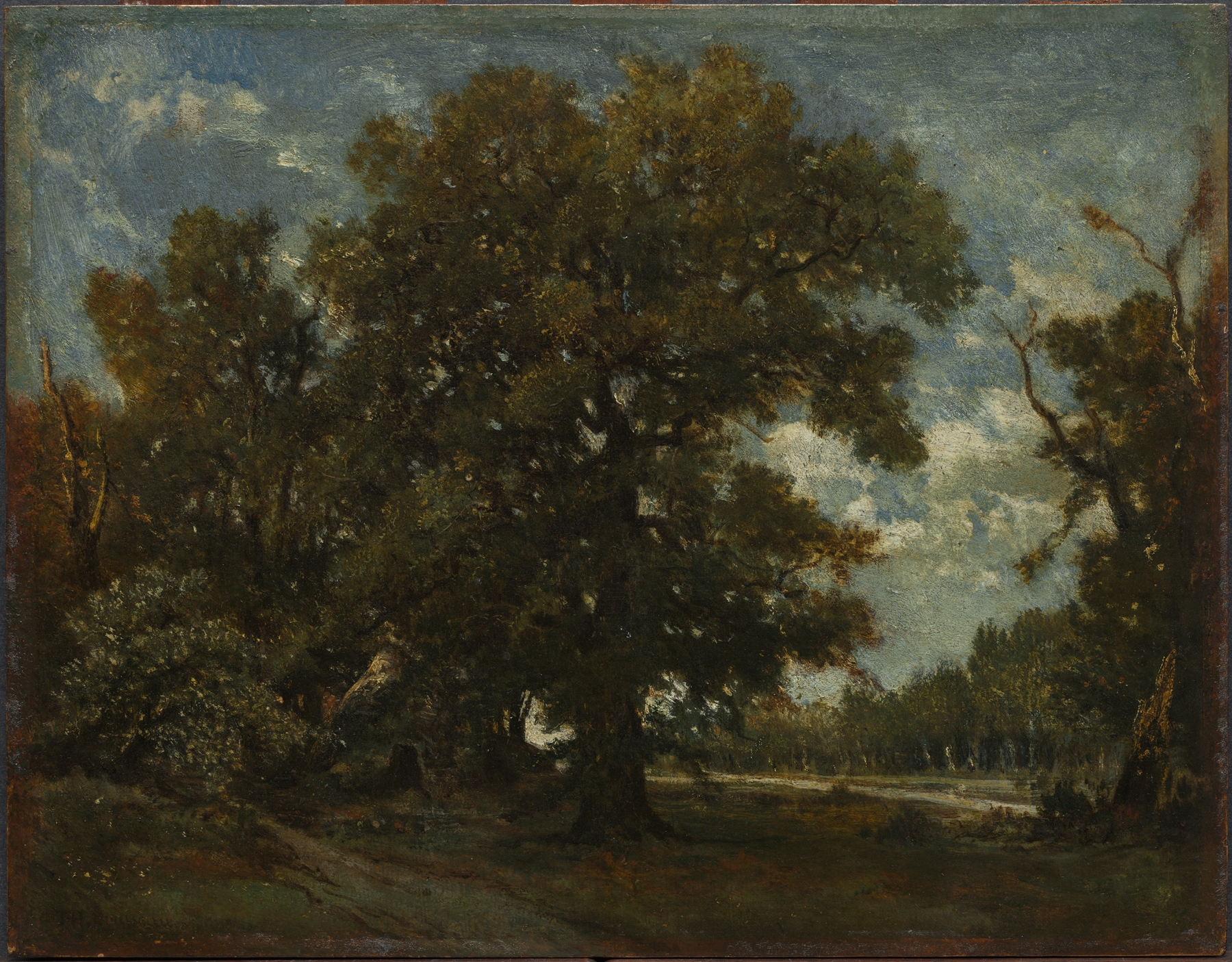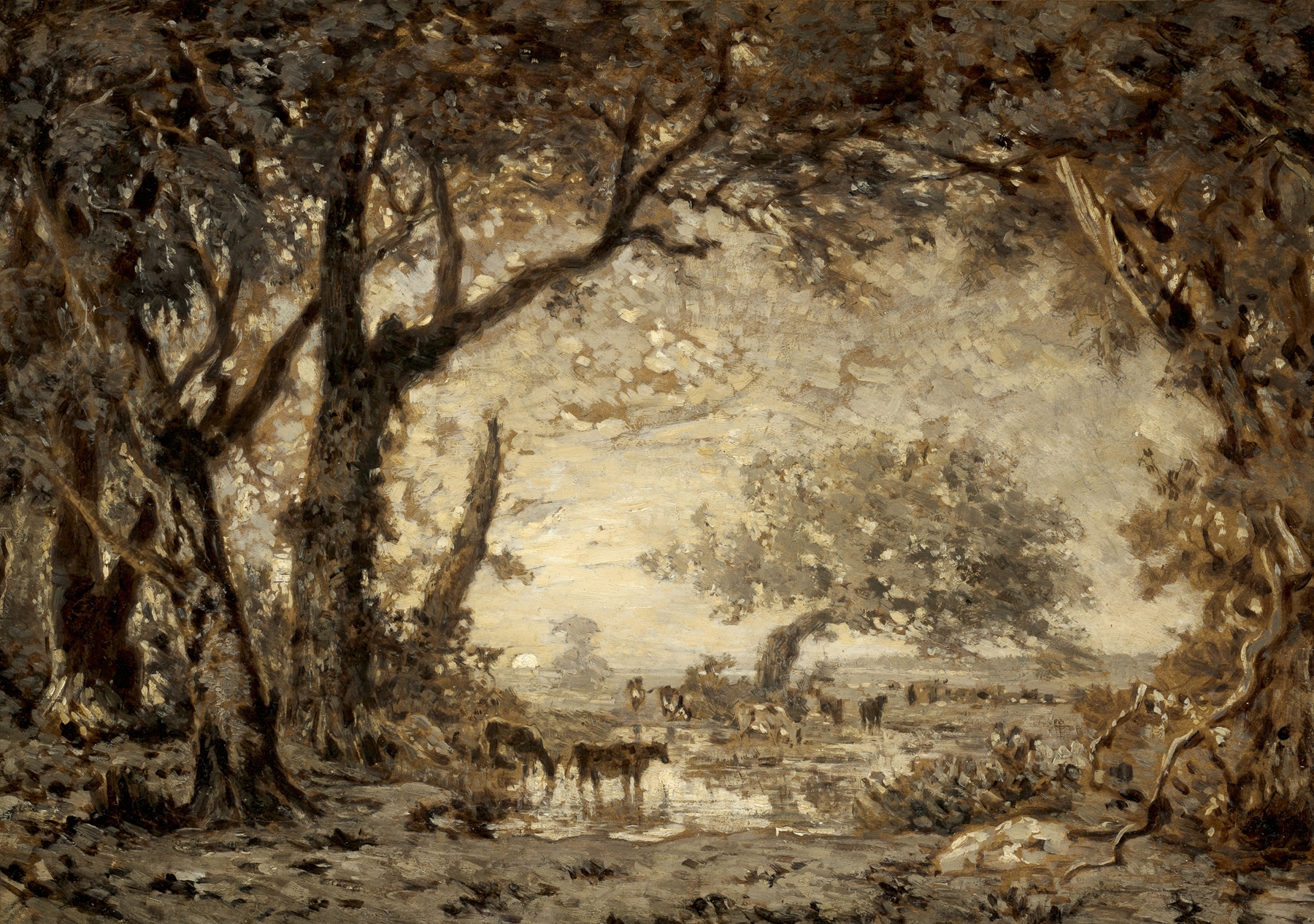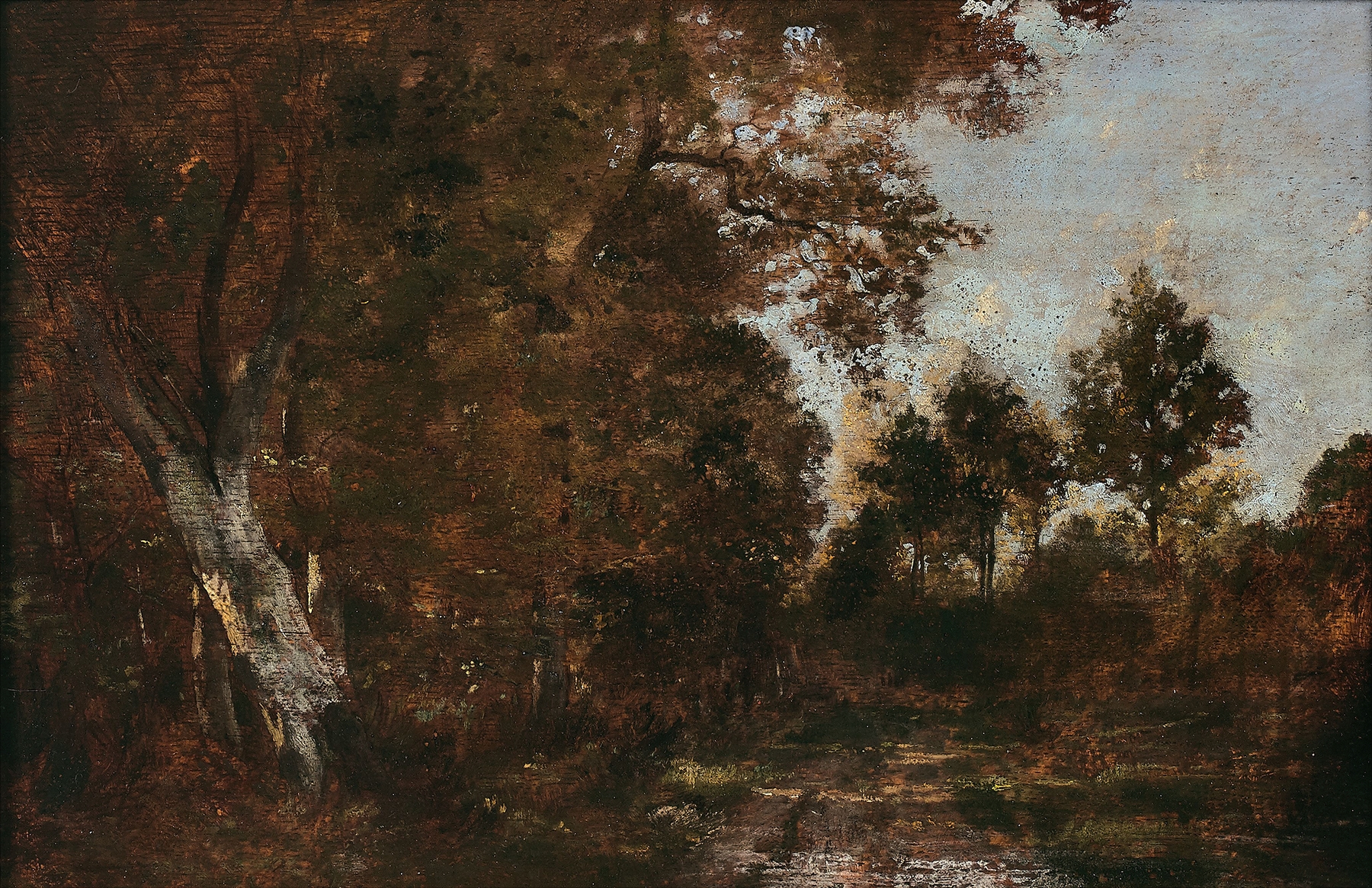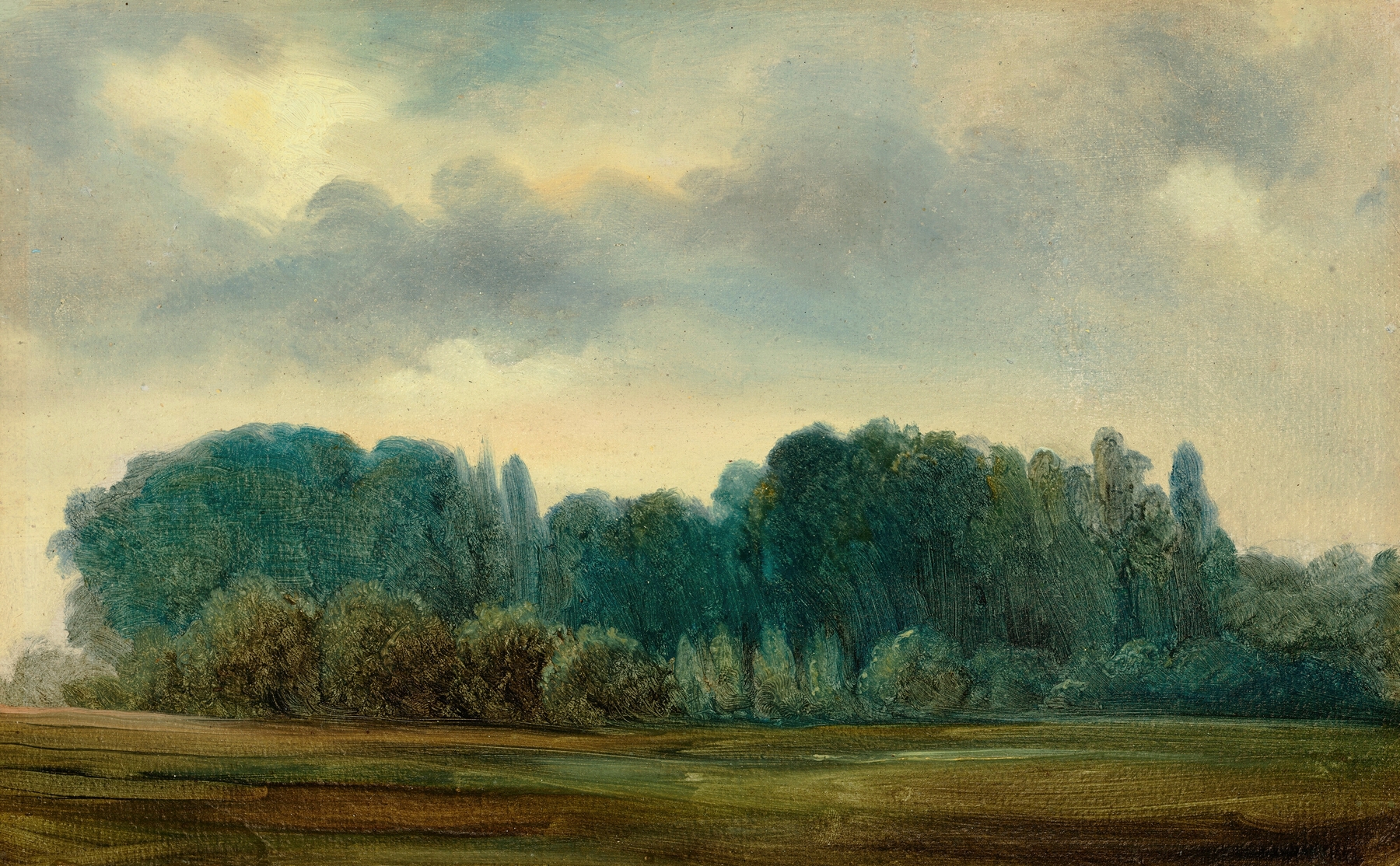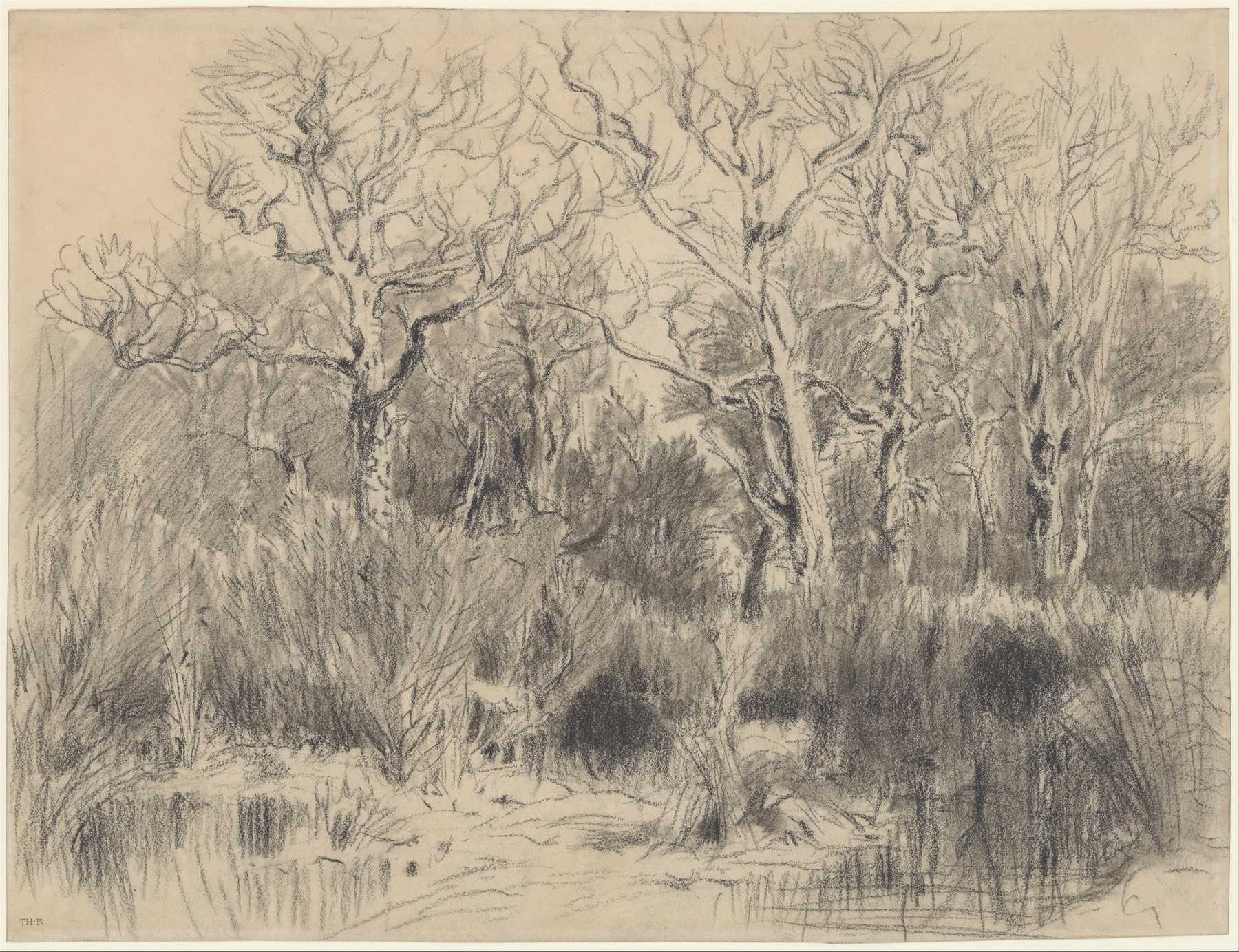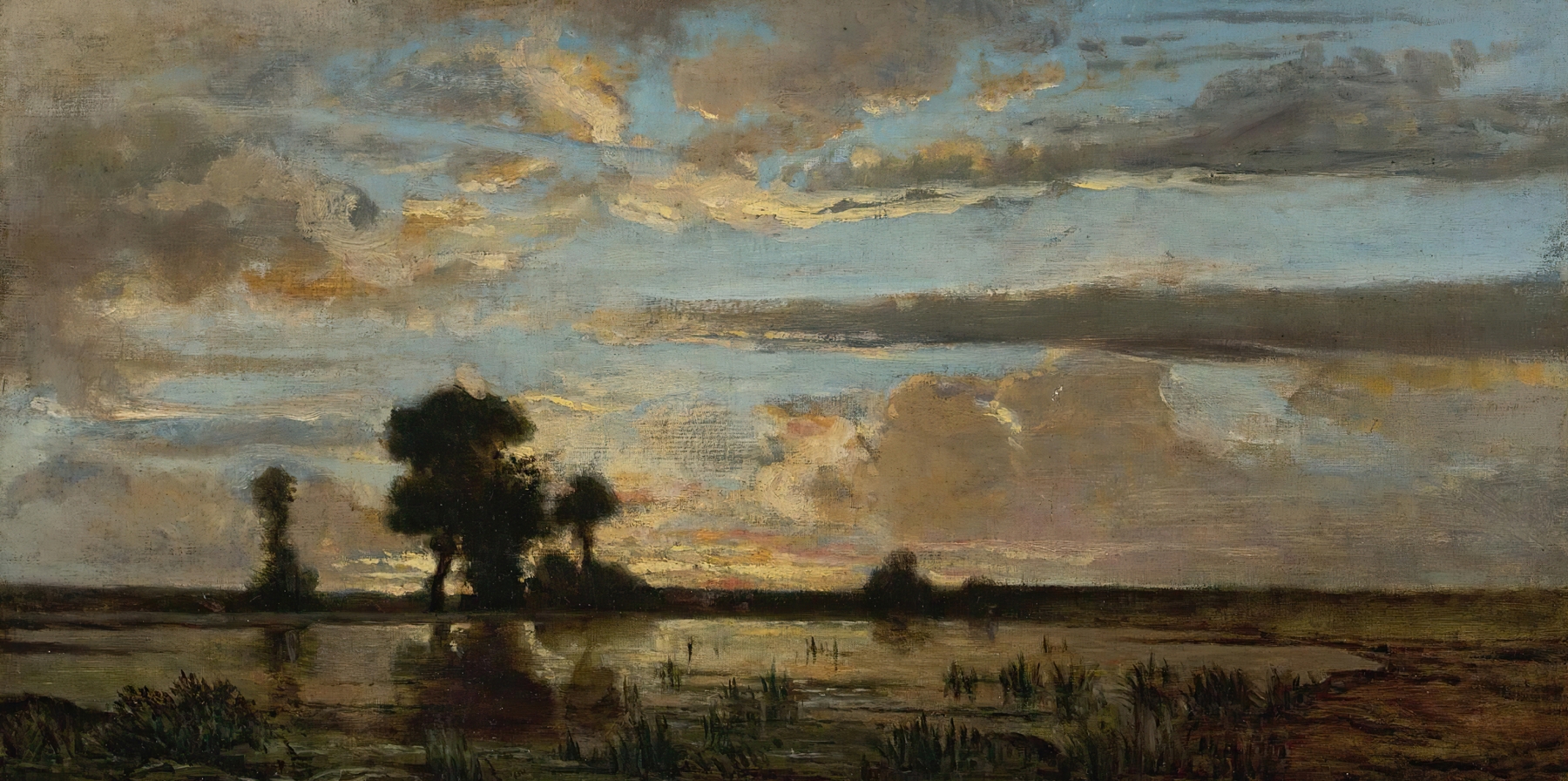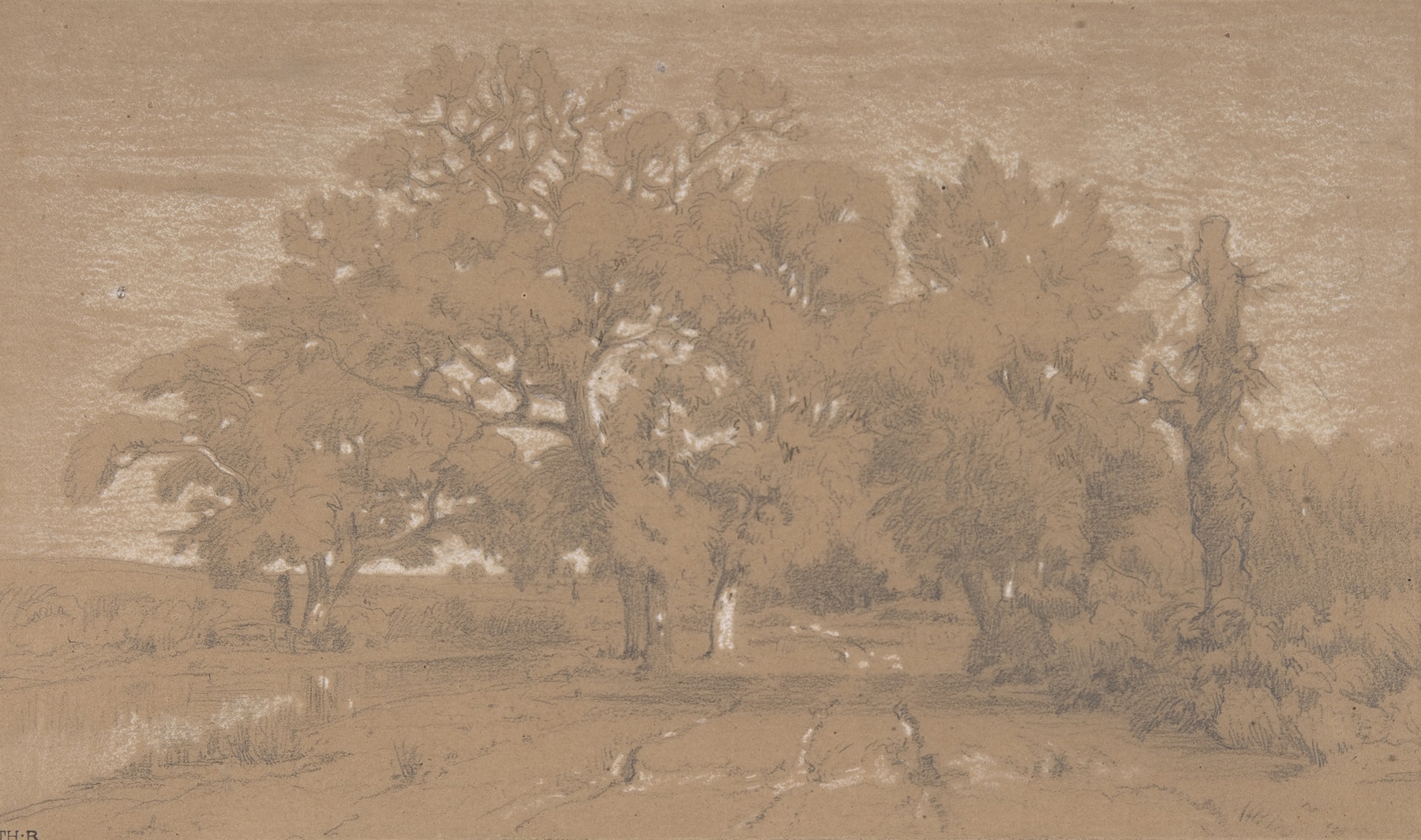
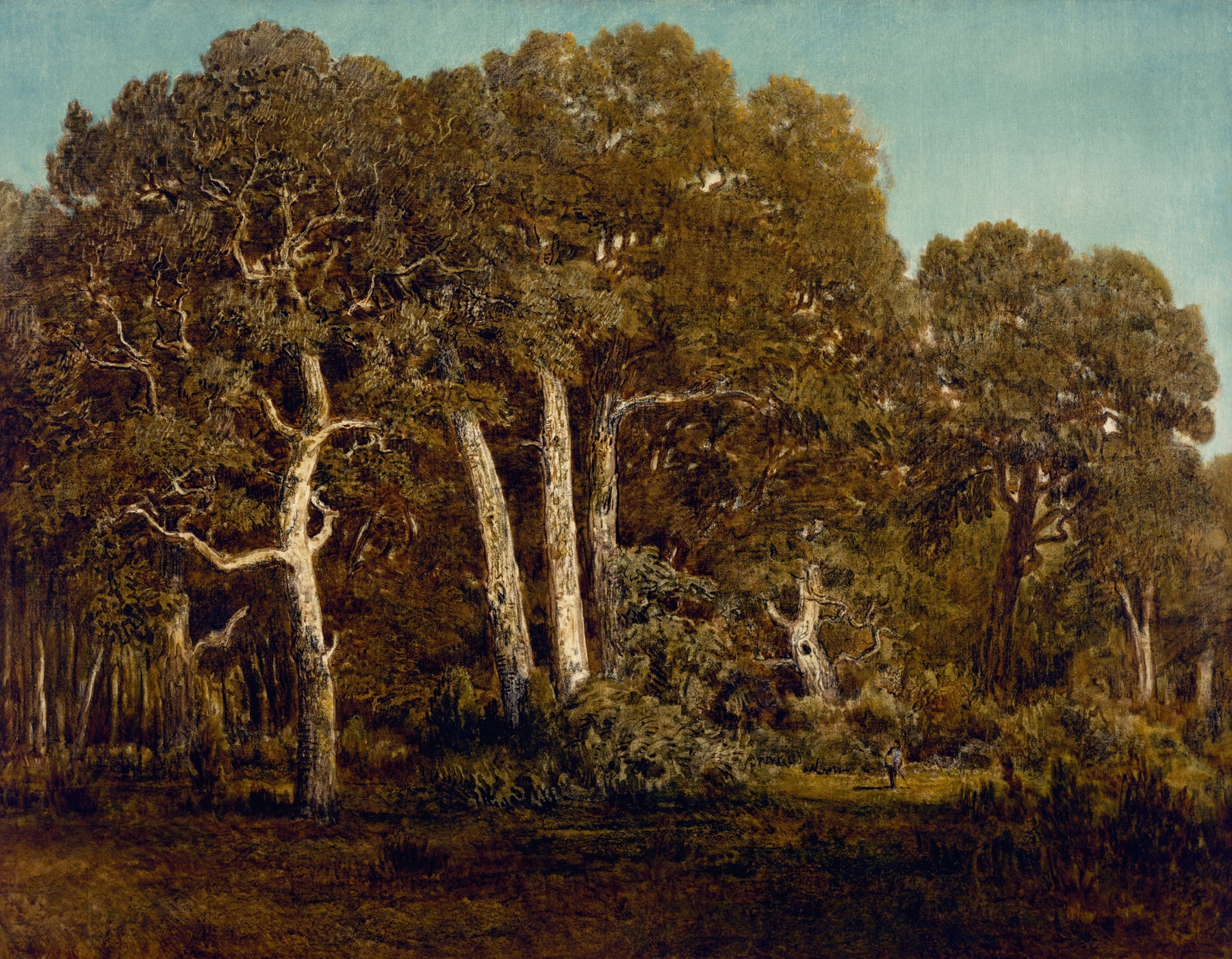
Who listens when art speaks of silence? A stillness pervades the scene, inviting contemplation of the transient nature of life and the whispers of mortality that echo through the landscape. Look to the foreground where the rugged path beckons with a muted invitation, framed by the gnarled roots of weathered trees. The palette is rich with earthy tones, a testimony to the artist's mastery of capturing the subtle interplay of light and shadow. Notice how the hazy horizon blurs the lines between earth and sky, evoking a sense of depth that promises both discovery and uncertainty. The brushstrokes, both delicate and bold, lead the eye along the winding trail, urging viewers to reflect on their own journeys through the vast canvas of existence. Amidst the tranquil beauty lies an undercurrent of melancholy. The towering trees, while majestic, stand as sentinels to the passage of time, their branches reaching out as if yearning to grasp fleeting moments. The interplay of light filtering through the leaves serves as a reminder of life’s fragility and the inevitability of change. There is a contrast here between the serene landscape and the unsettling awareness of mortality, suggesting that even in beauty, there exists a profound sense of loss. In 1842, Rousseau painted this work during a period characterized by a deepening appreciation for nature and its complexities. Living in France, he was part of the Barbizon School, which sought to break away from the constraints of the traditional academic approach to landscape painting. This period in art was marked by a desire to embrace realism and express personal emotion, a reflection of the changing tides in society and the artist's own introspective journey.