Landscape — History & Analysis
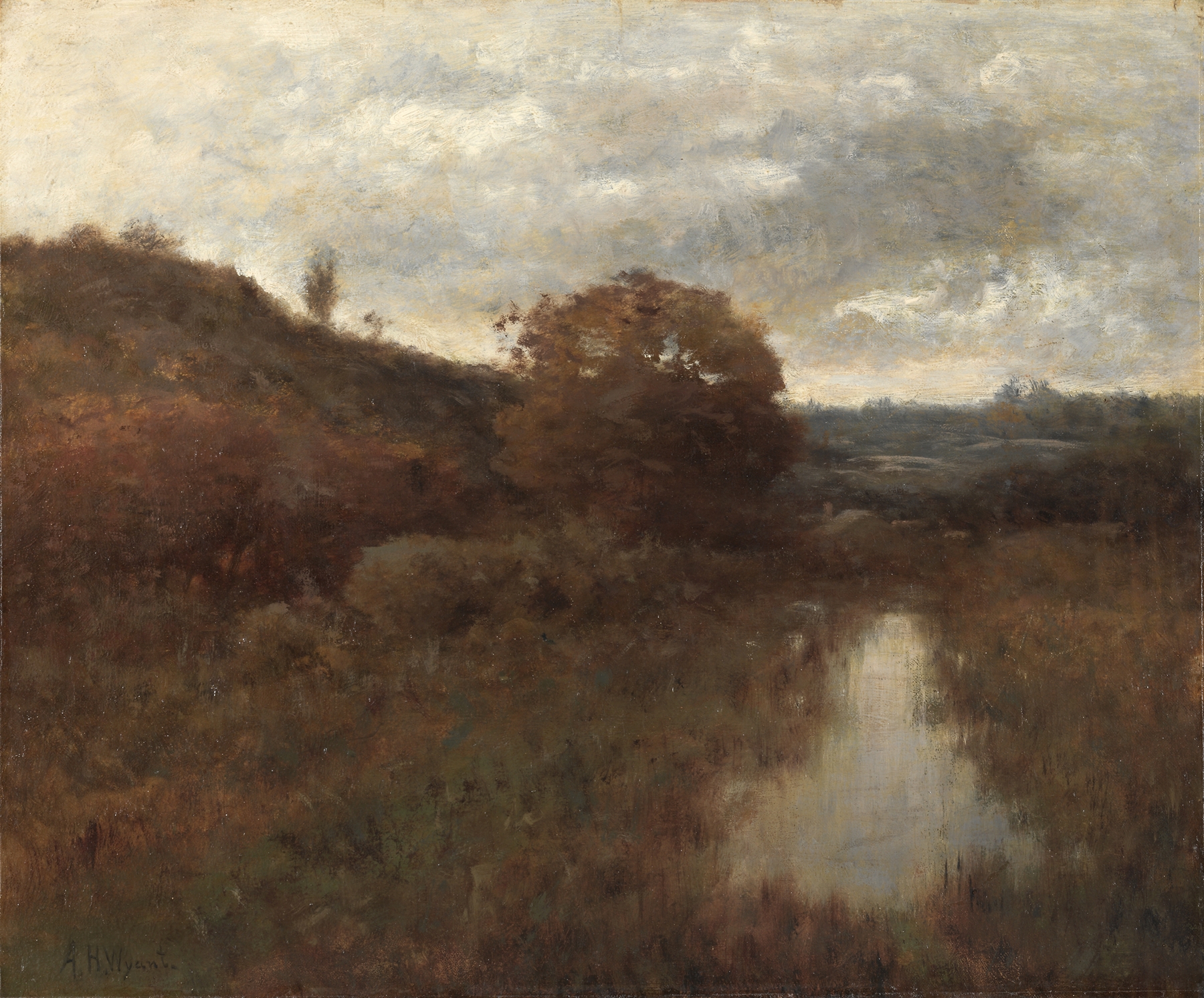
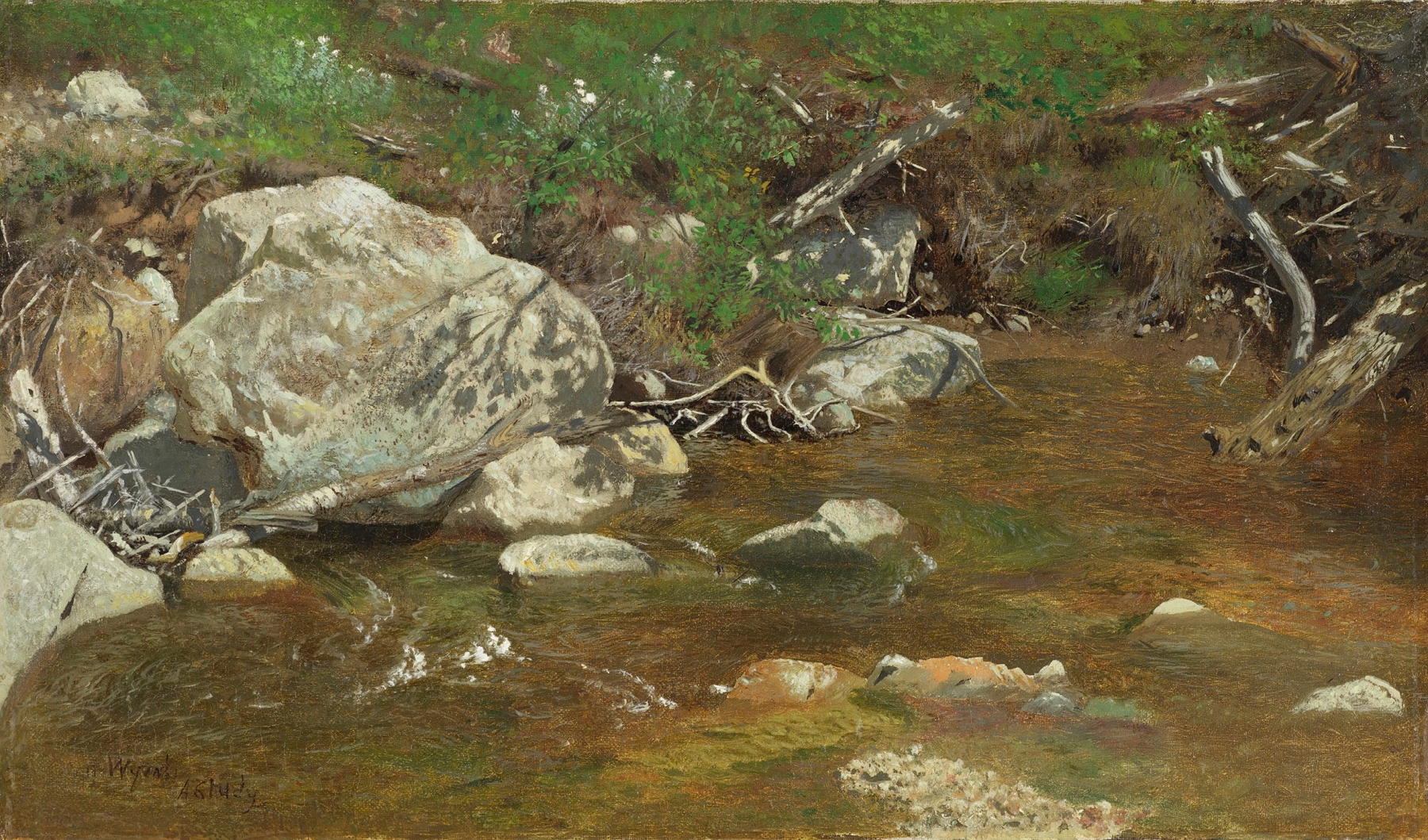
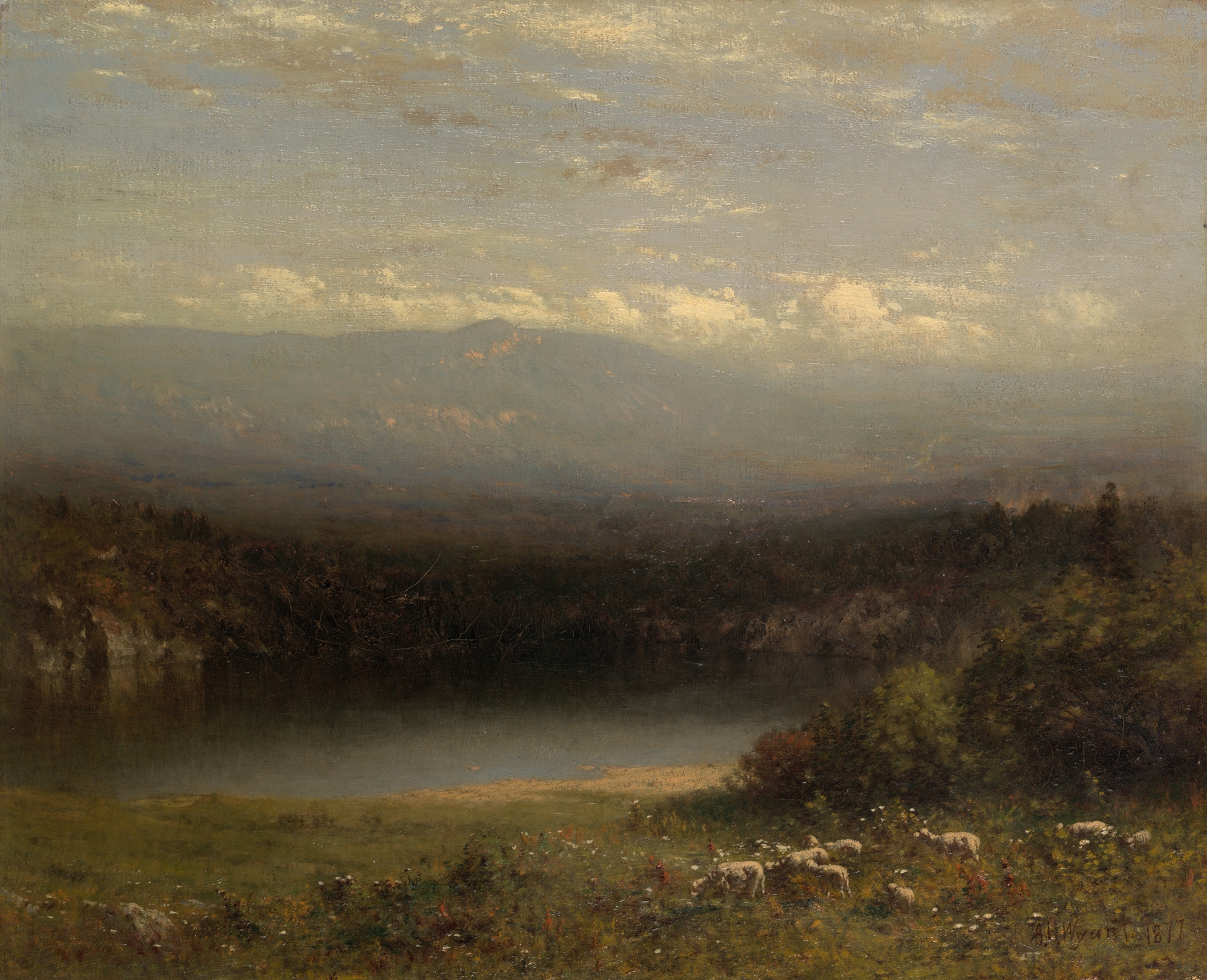
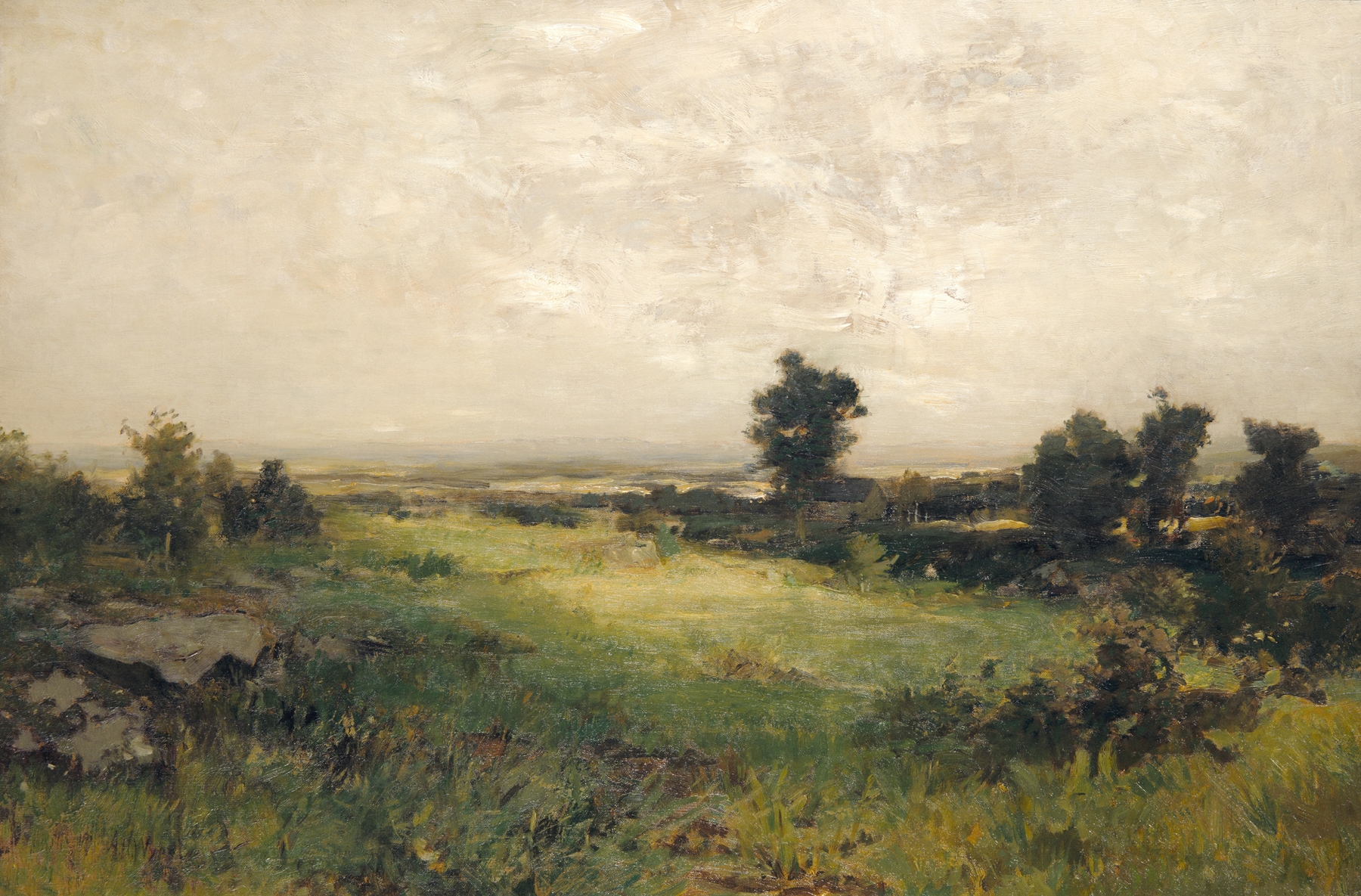
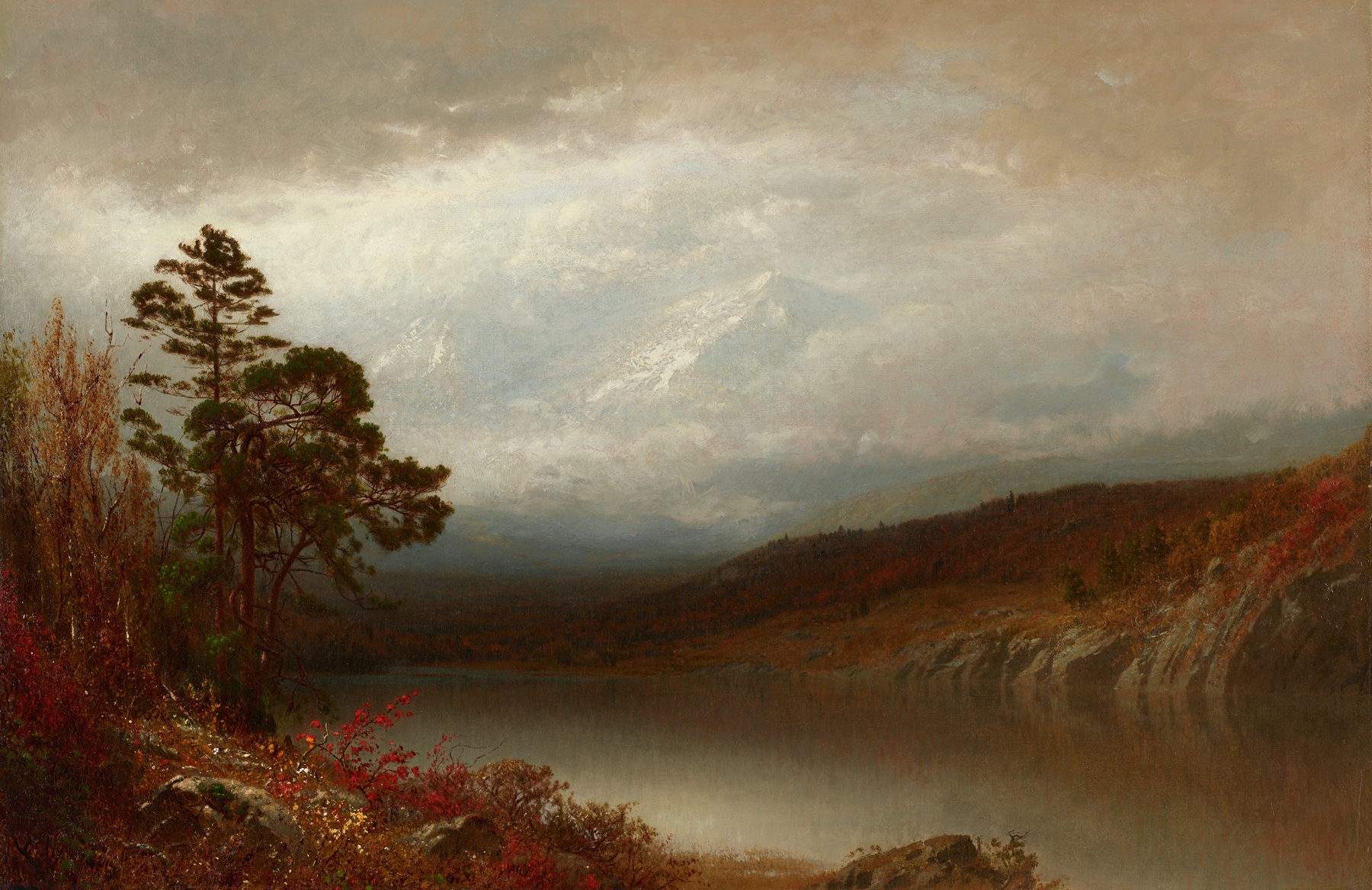
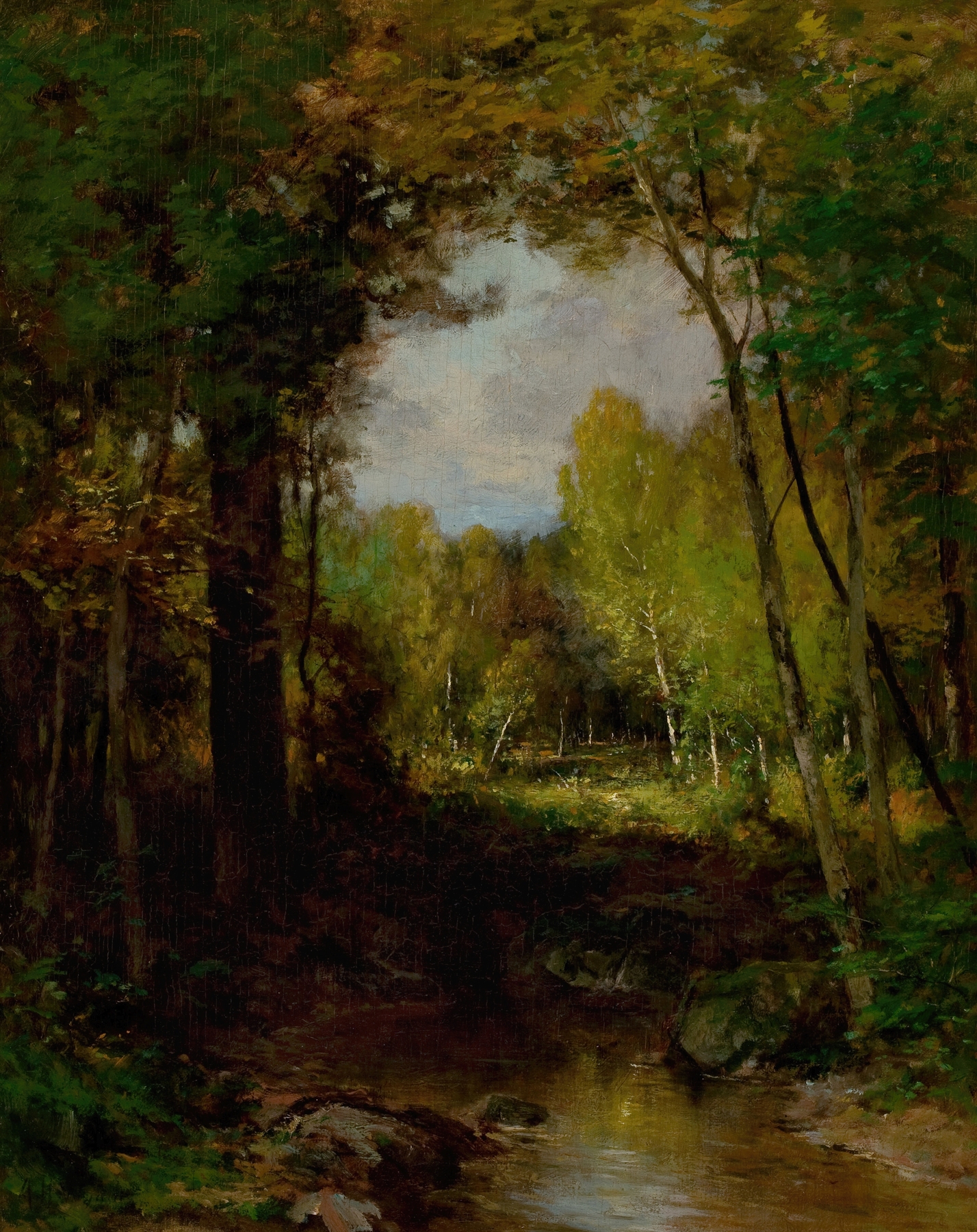
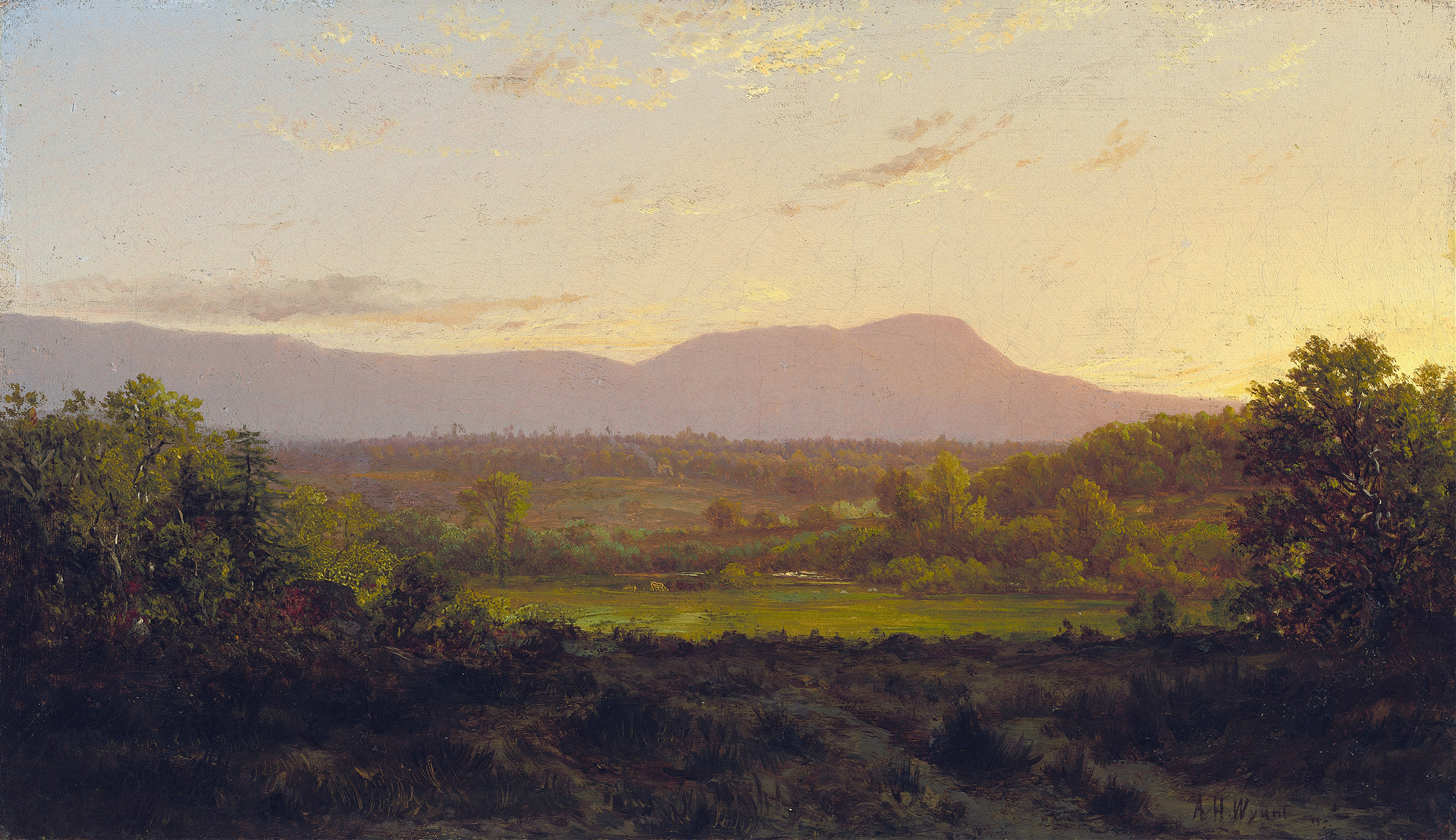
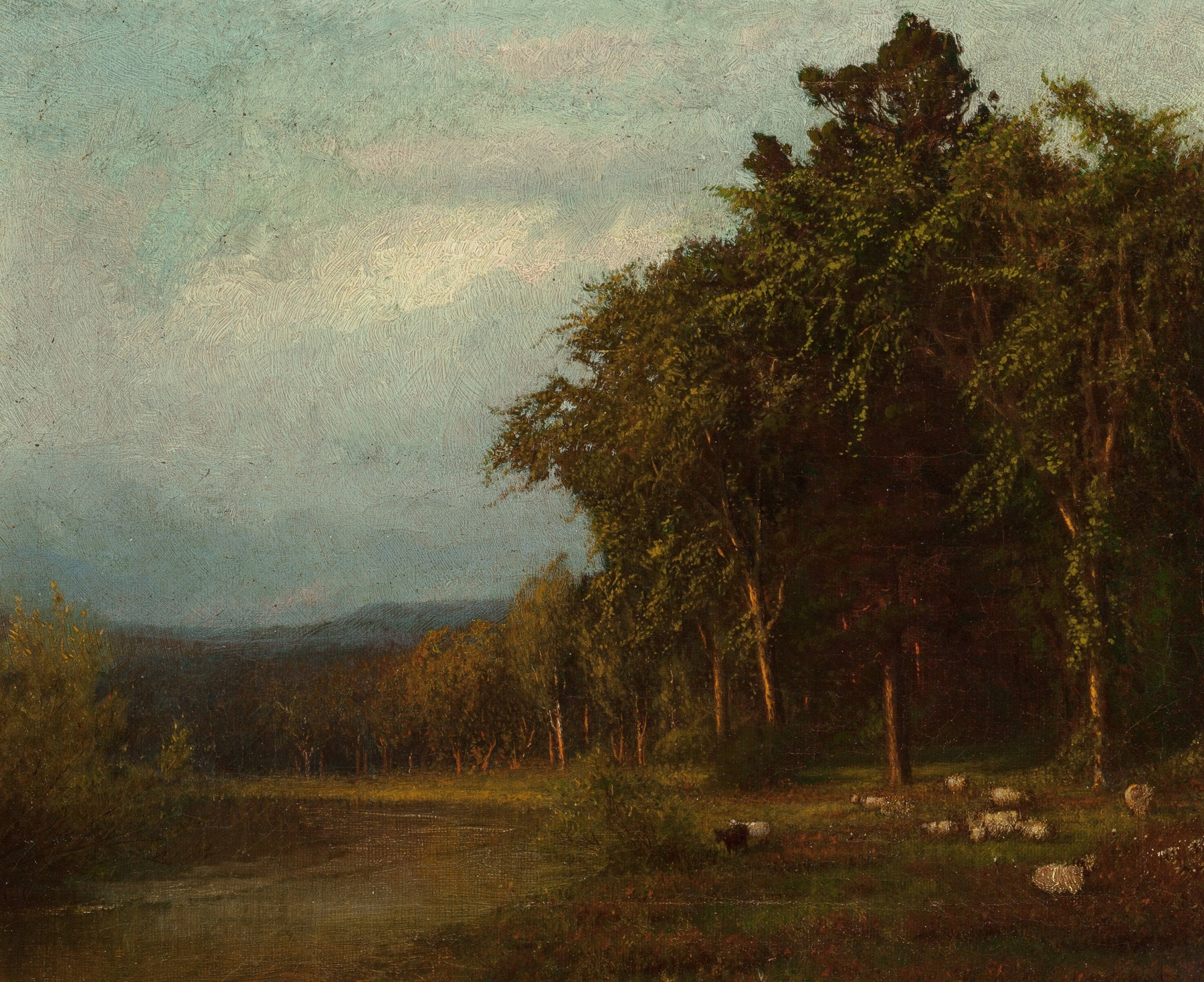
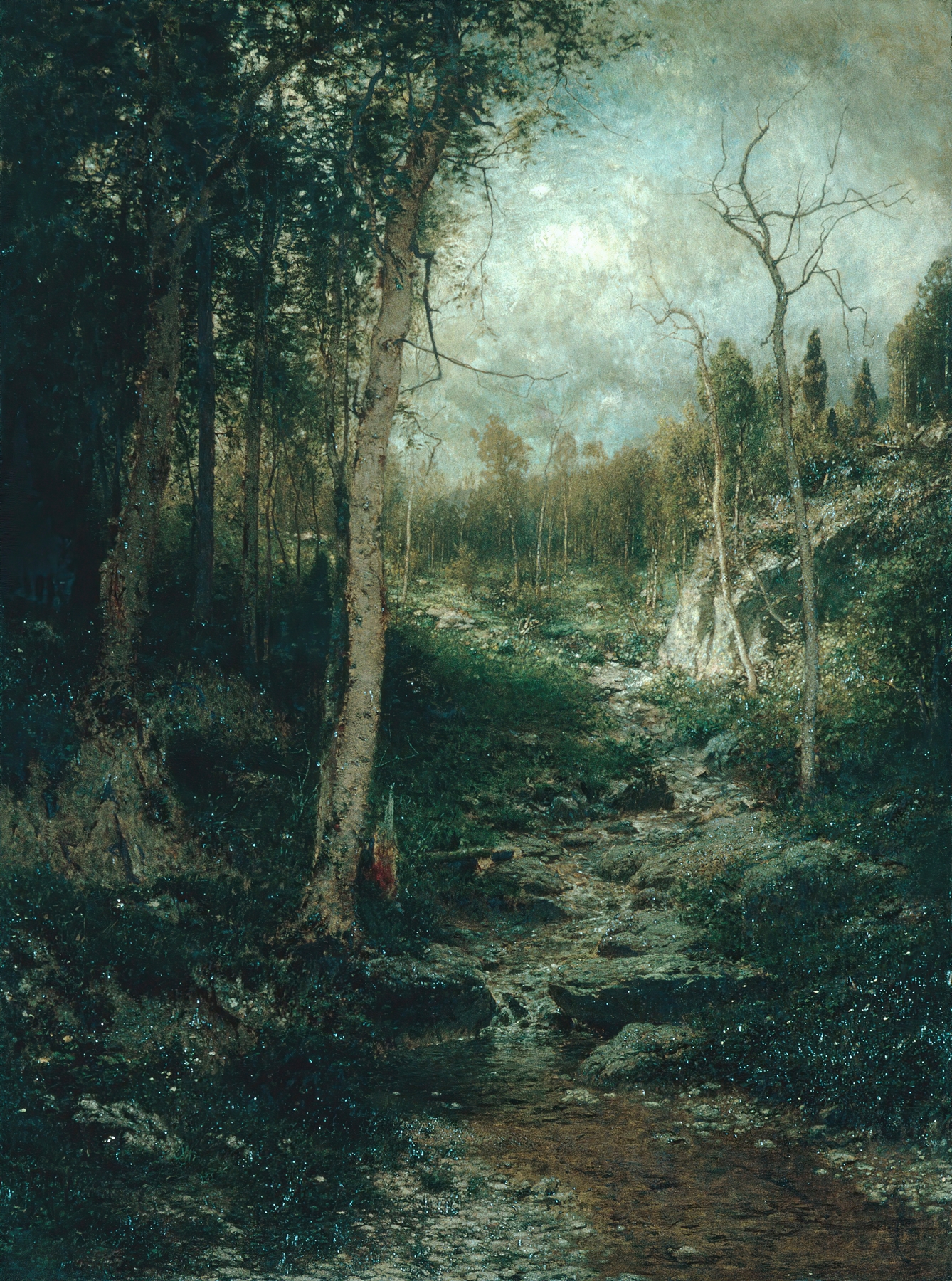
Can paint confess what words never could? In Landscape, vivid hues dance across the canvas, whispering secrets of nature's beauty that evade mere language. Focus your gaze on the soft gradient of greens and blues that fill the background. The way the artist blends the colors creates a sense of depth, guiding you from the foreground's textured foliage to the distant hills that fade into the horizon. Notice the interplay of light — how it spills through the trees, casting dappled shadows that add a rhythm to the scene.
Each brushstroke seems to breathe, inviting you to step into this quiet haven. Yet, beneath the surface beauty lies a dichotomy of tranquility and turmoil. The vibrant colors are juxtaposed with the ominous, dark clouds looming above, suggesting an impending storm or change. This contrast encapsulates a moment of pause, hinting at the conflict between the serene landscape and the turbulent emotions of its observer.
The brushwork, fluid yet purposeful, adds a dynamic tension that intensifies this duality, making you ponder the relationship between nature and human experience. In 1865, as Landscape emerged from the studio, Wyant was navigating his own journey in the art world, having settled in New York after studying in Germany. The mid-19th century was a time of transition in American art, with Romanticism and the Hudson River School influencing many artists. His work reflected an evolving appreciation for the natural world, even as industrialization began to encroach upon the idyllic landscapes he so passionately captured.