Landscape — History & Analysis
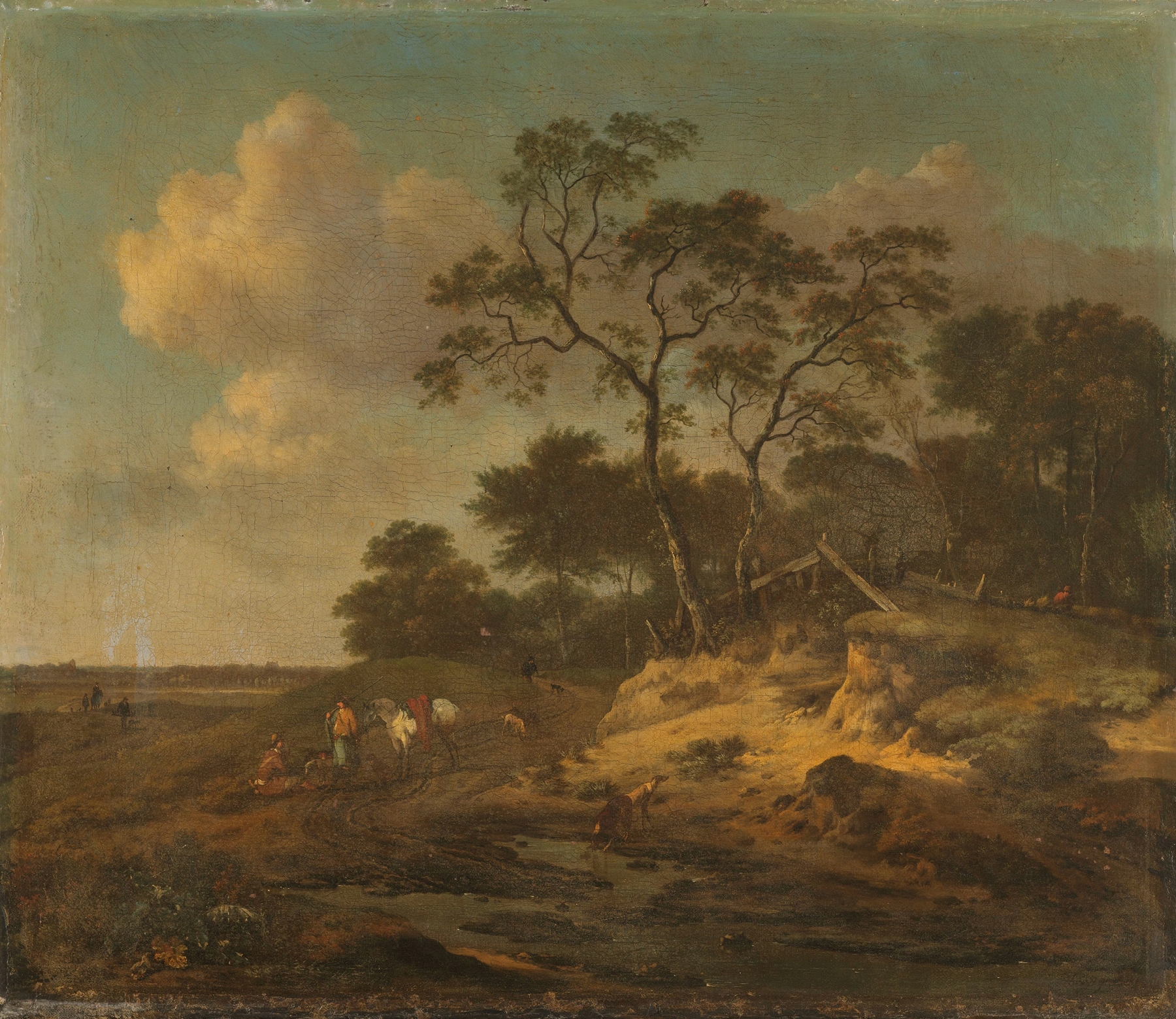
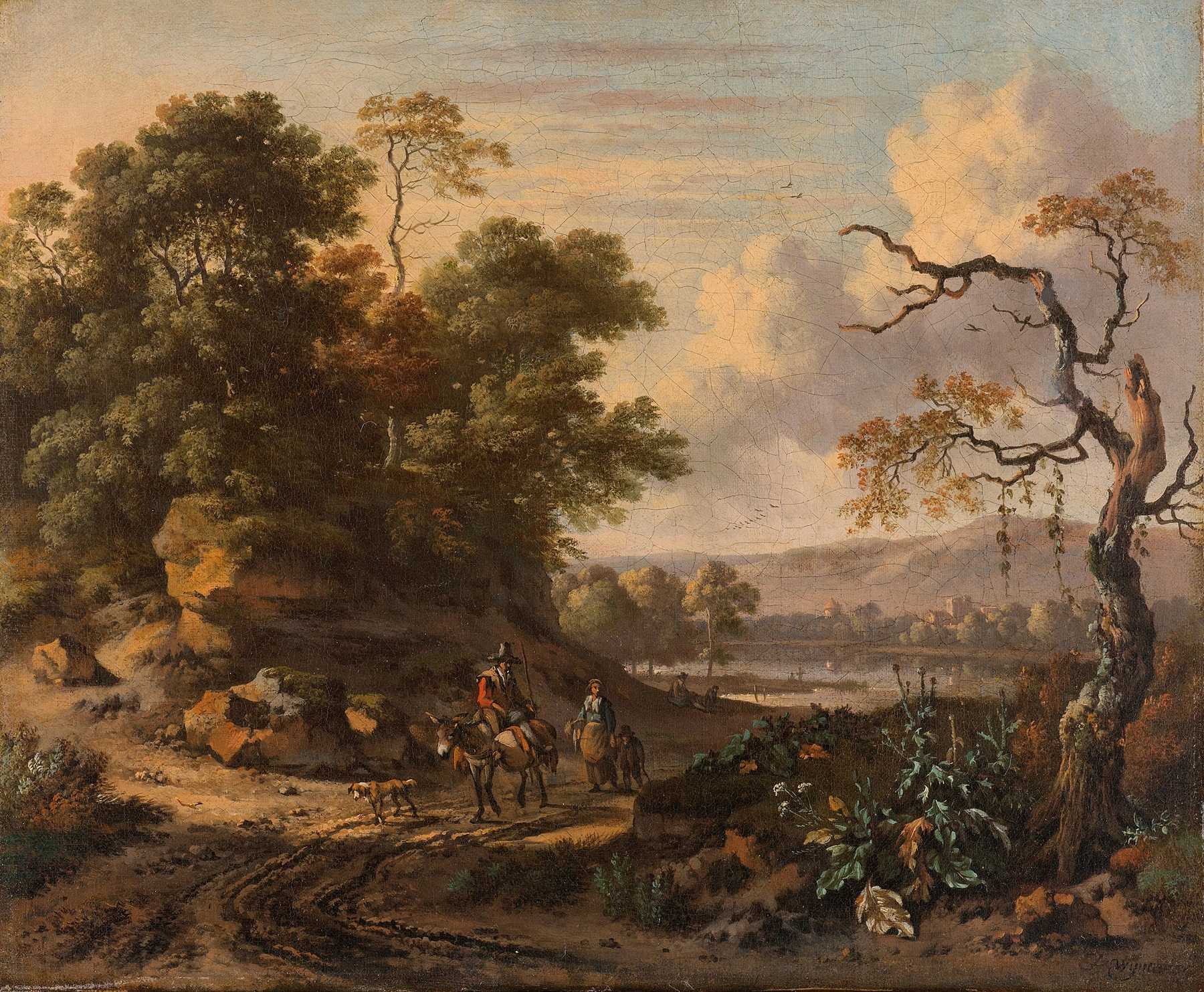
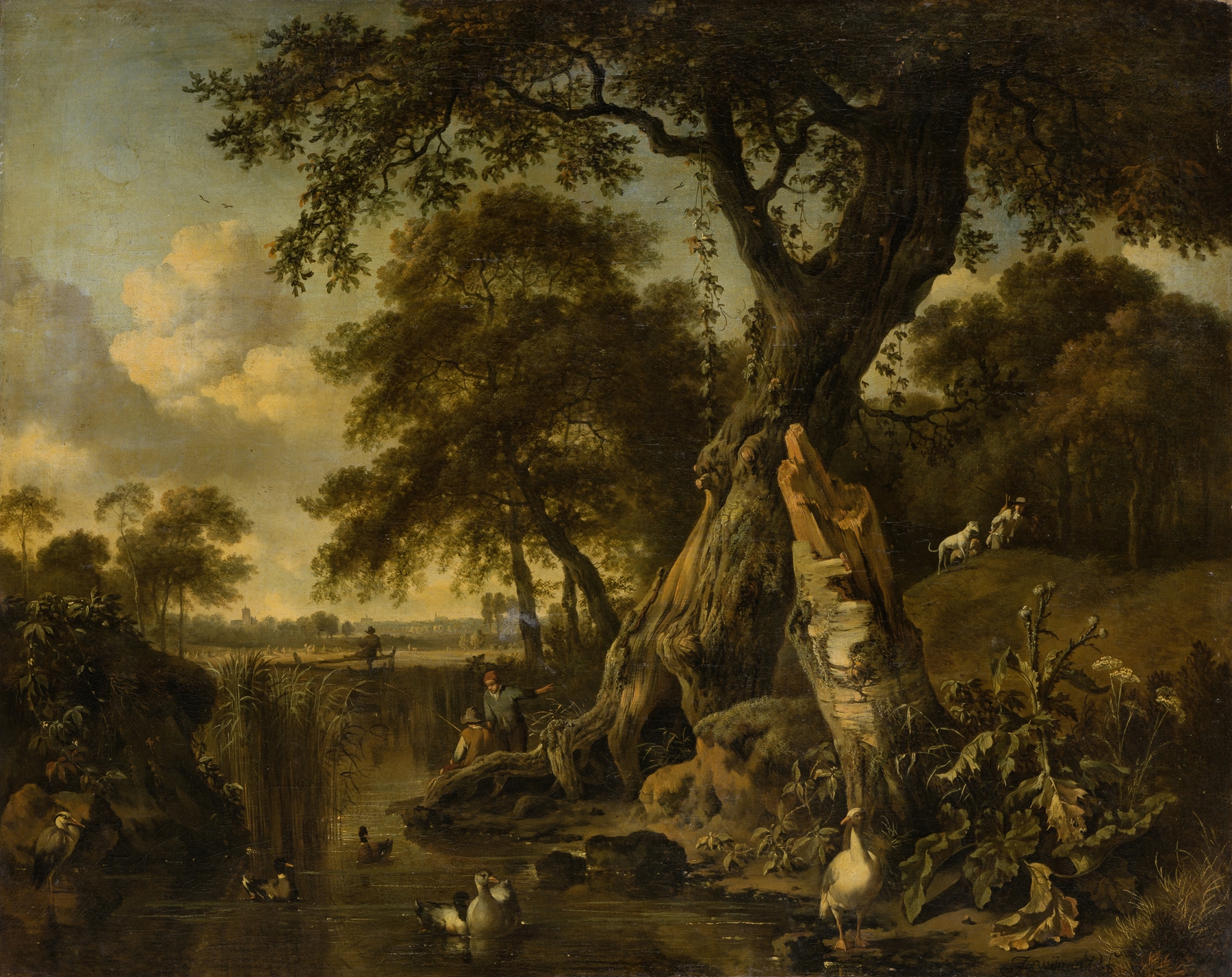
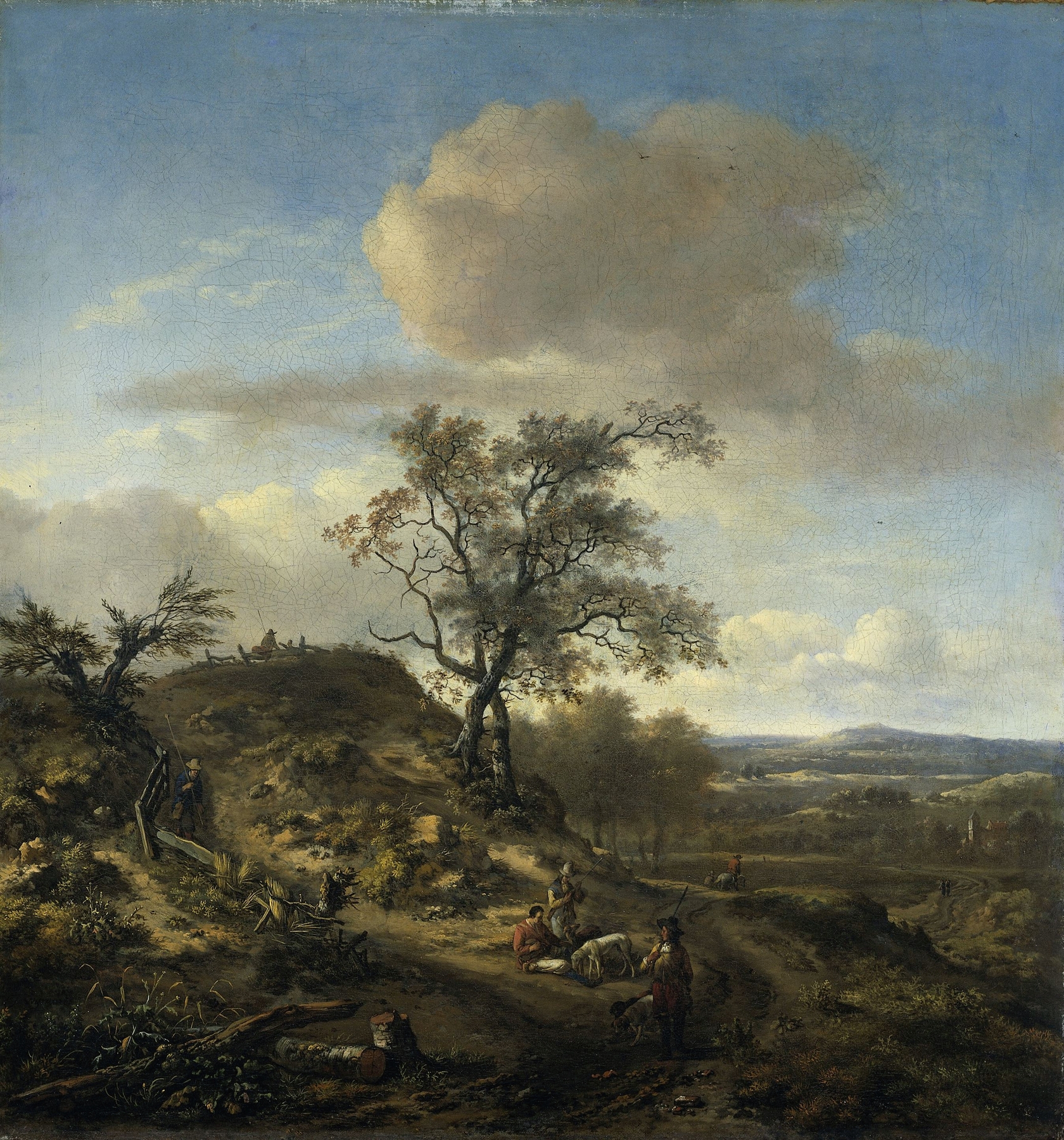
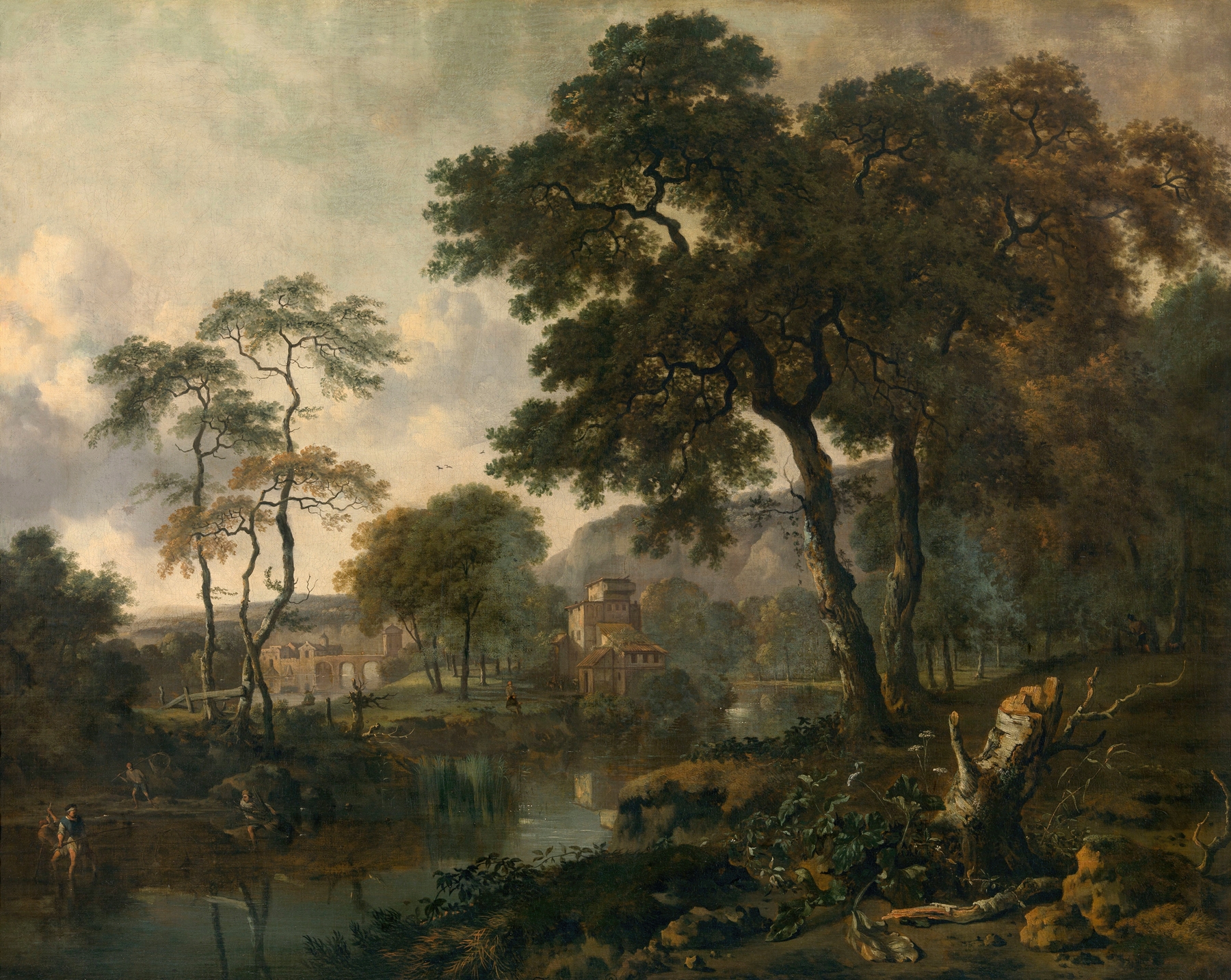
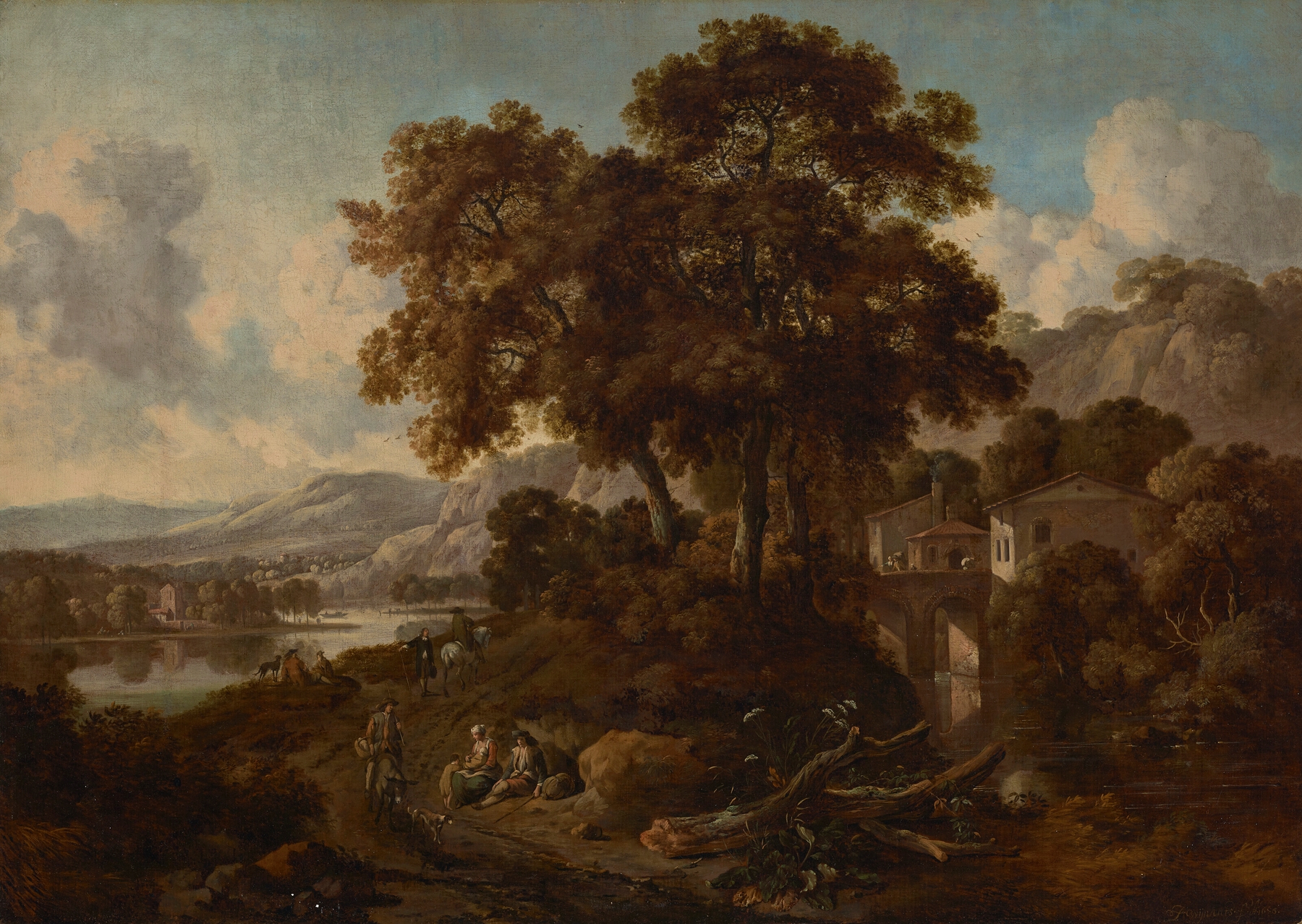
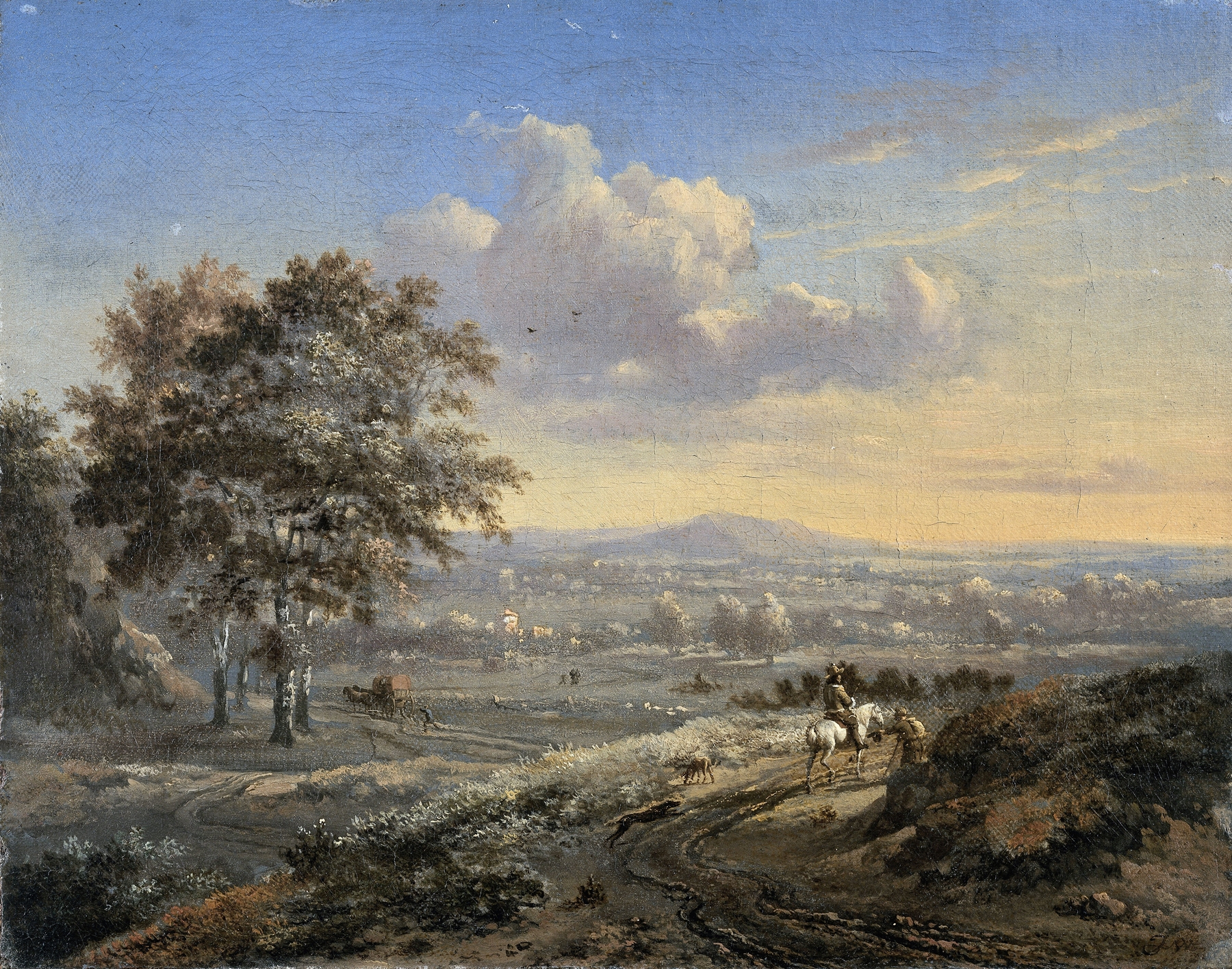
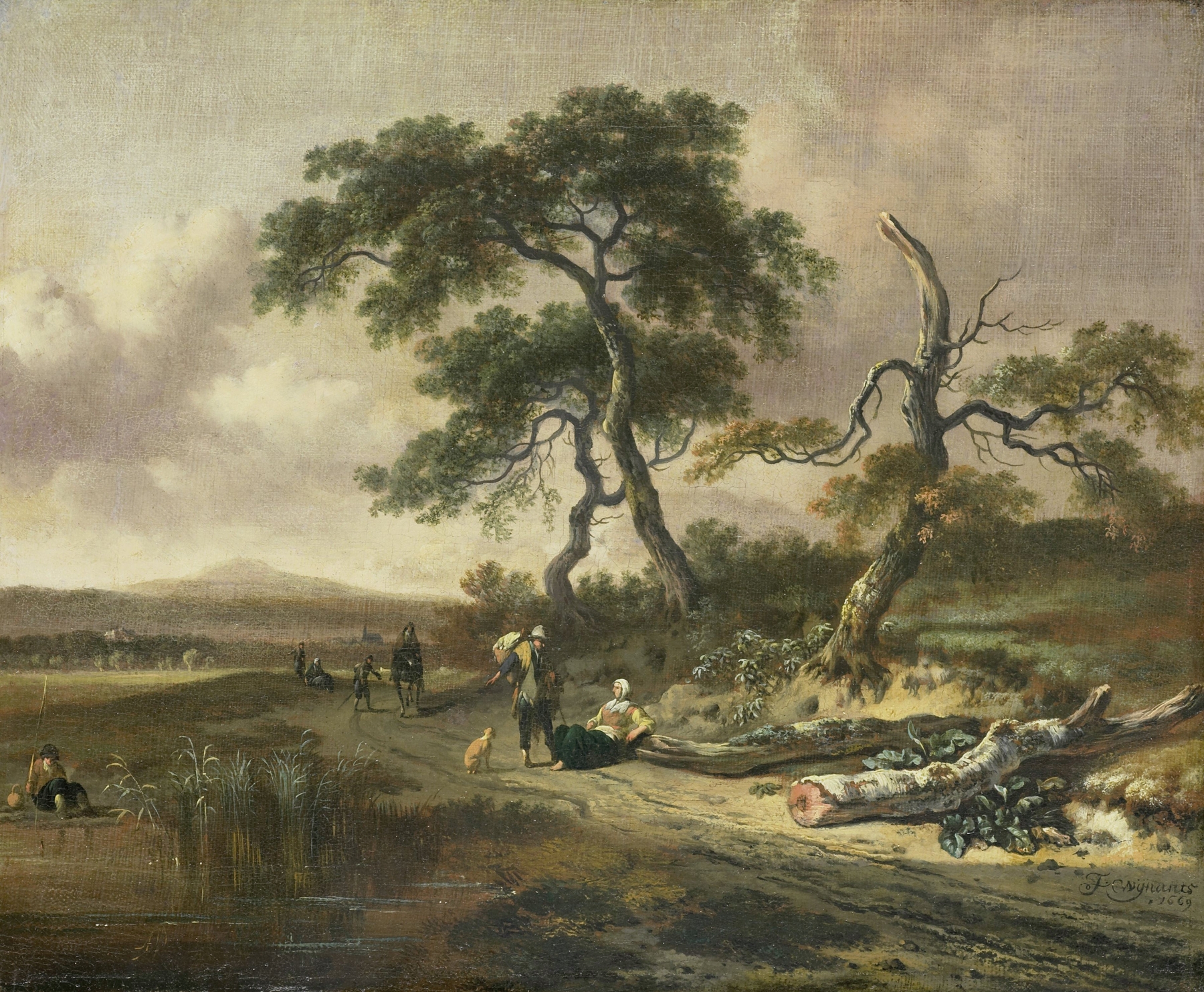
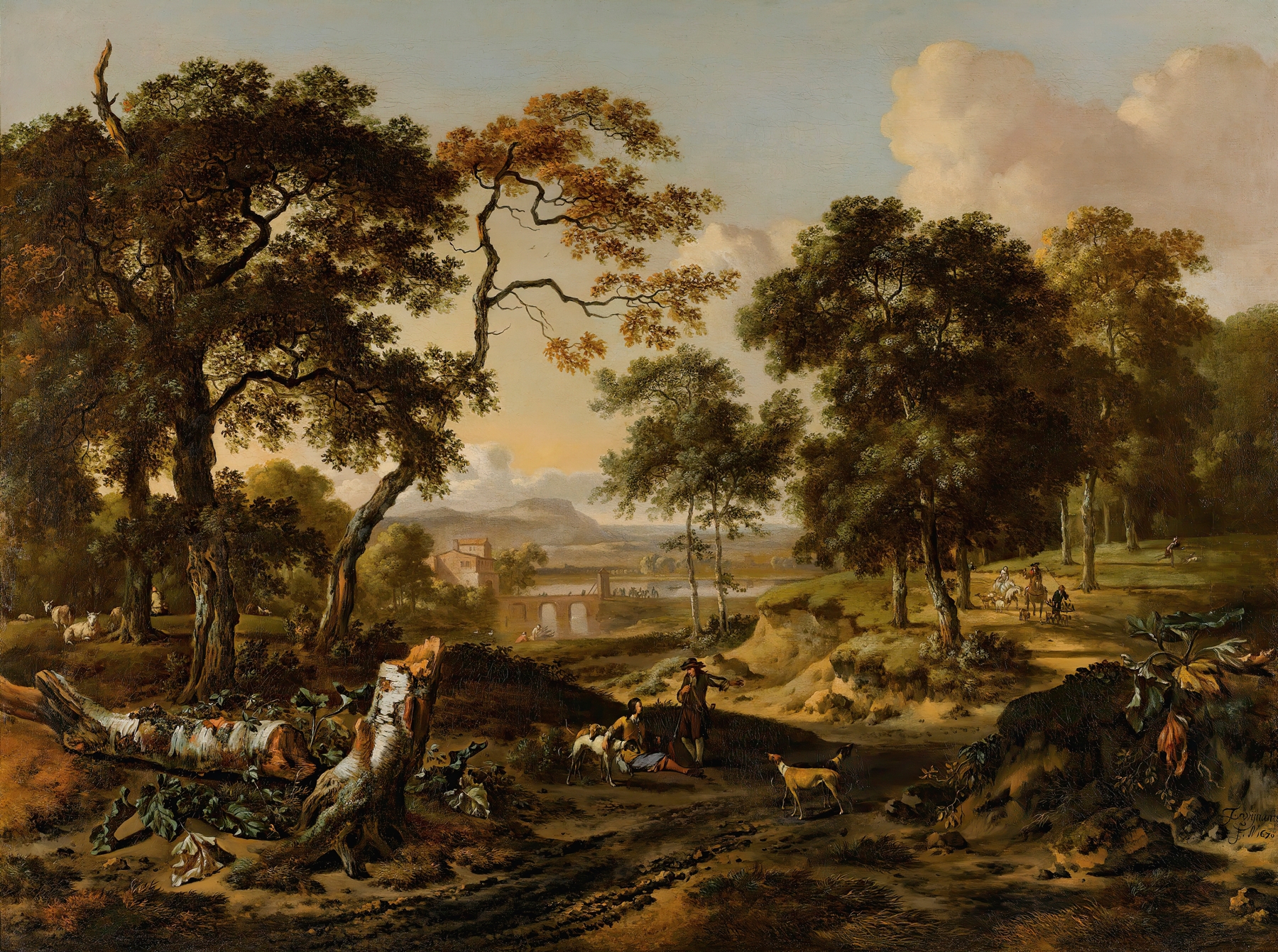
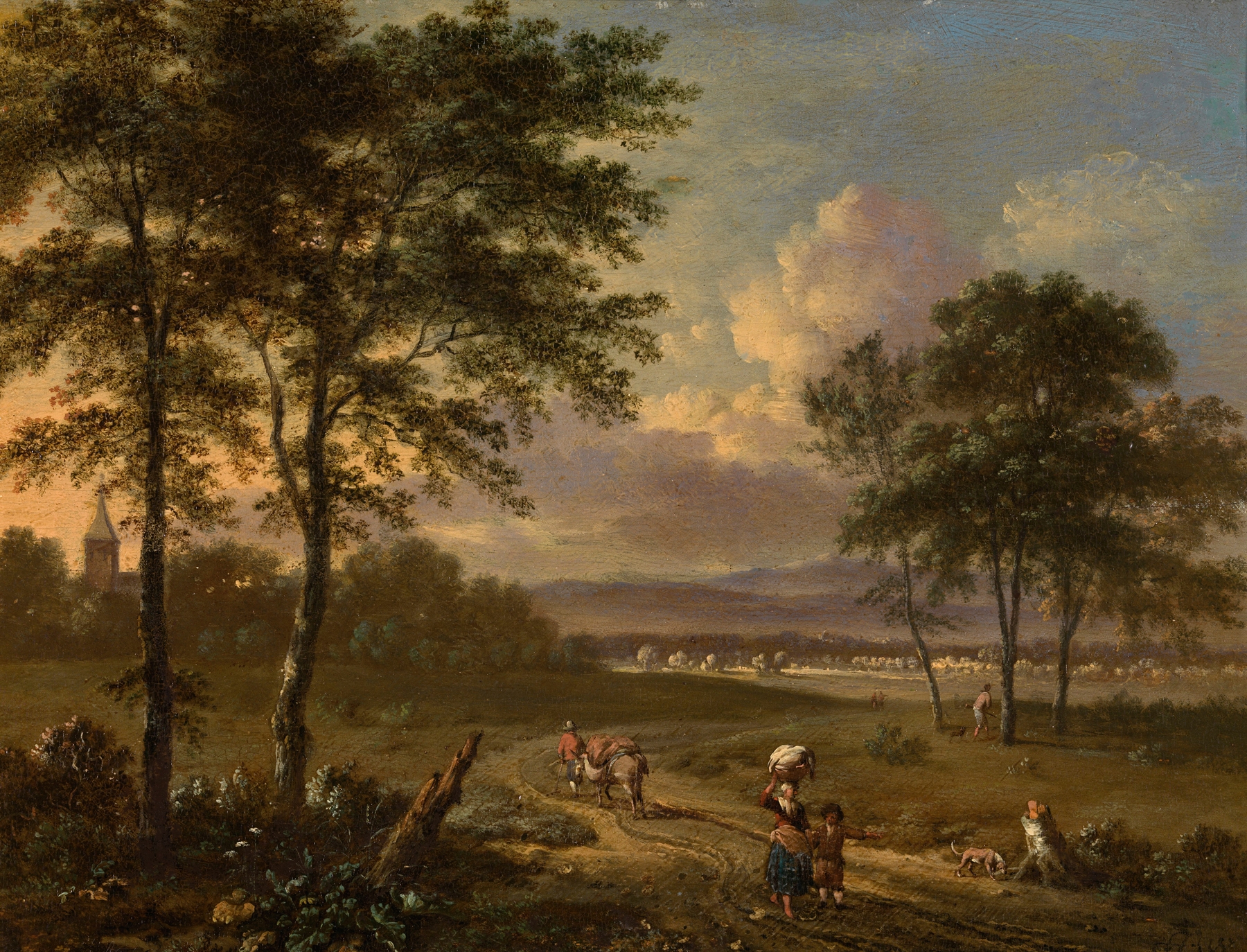
“Art reveals the soul when the world turns away.” In the tapestry of memory, landscapes become the vessels of our past, inviting us to wander through their depths. Look to the horizon, where warm shades of ochre blend seamlessly with the verdant greens of the meadow. The soft strokes of paint depict a tranquil scene, dotted with grazing cattle and distant figures engaged in daily tasks. Notice how the light bathes the landscape in a golden glow, suggesting the fading warmth of a setting sun, while dappled shadows contribute to the gentle serenity of the composition.
Each element harmonizes, inviting viewers to breathe in the pastoral atmosphere. Yet a closer examination reveals more than just nature’s calm; it whispers of human presence and the passage of time. The figures, though small and seemingly insignificant, hold the weight of memory—each gesture tells a story of labor, of connection to the land. The towering trees in the background hint at the strength and endurance of nature, while the meandering path suggests a journey, perhaps one of reflection or nostalgia.
This delicate interplay of life and landscape speaks to our own personal histories, inviting us to reflect on what we carry within. Jan Wijnants created this evocative piece in 1679, during a period of artistic flourishing in the Dutch Golden Age. Living in Amsterdam, he was immersed in a world where genre scenes and landscapes thrived, capturing the beauty of rural life. This painting reflects not only his mastery of light and color but also the collective memory of a society deeply connected to the rhythms of nature and the simplicity of existence.