Landscape — History & Analysis
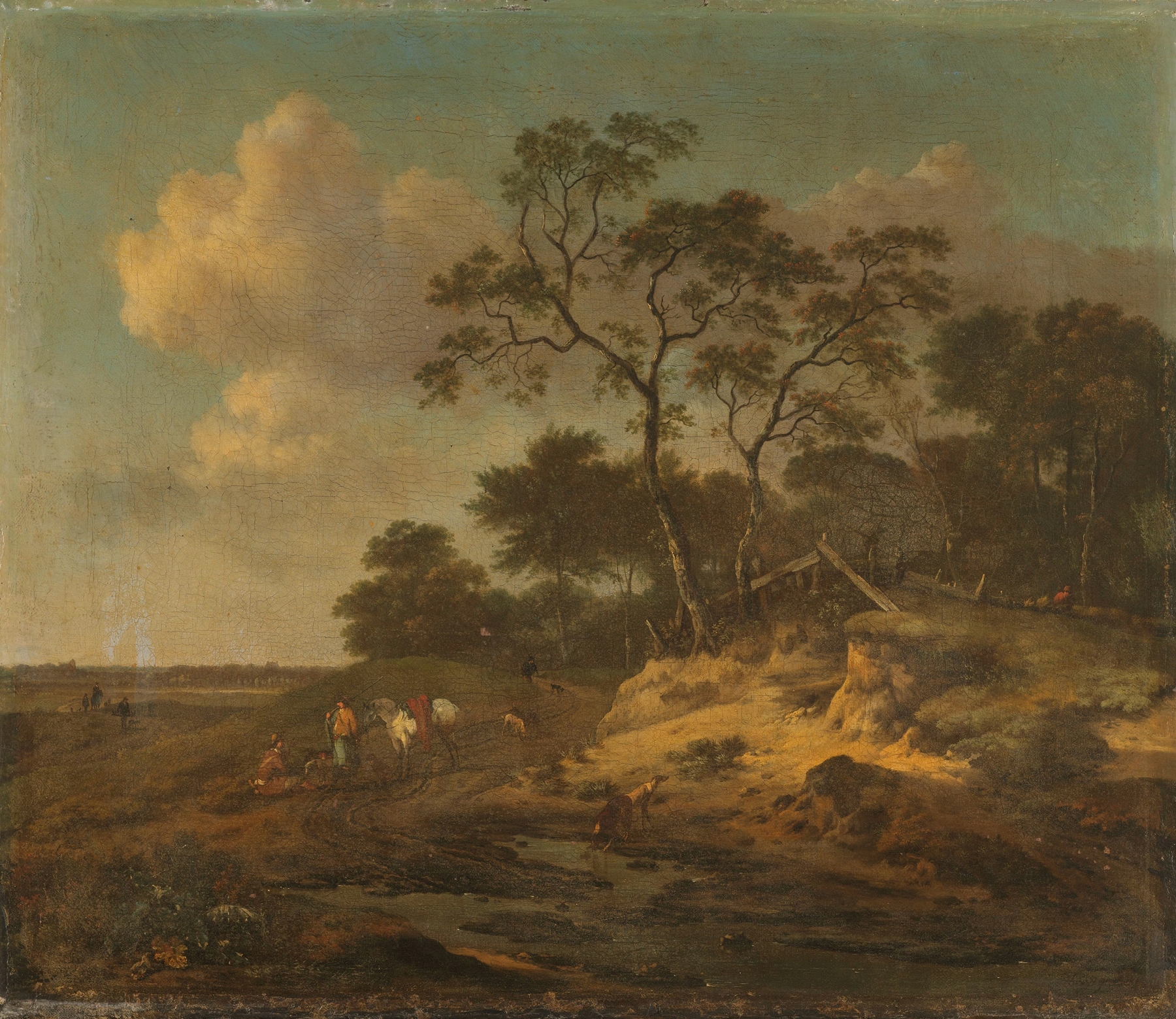
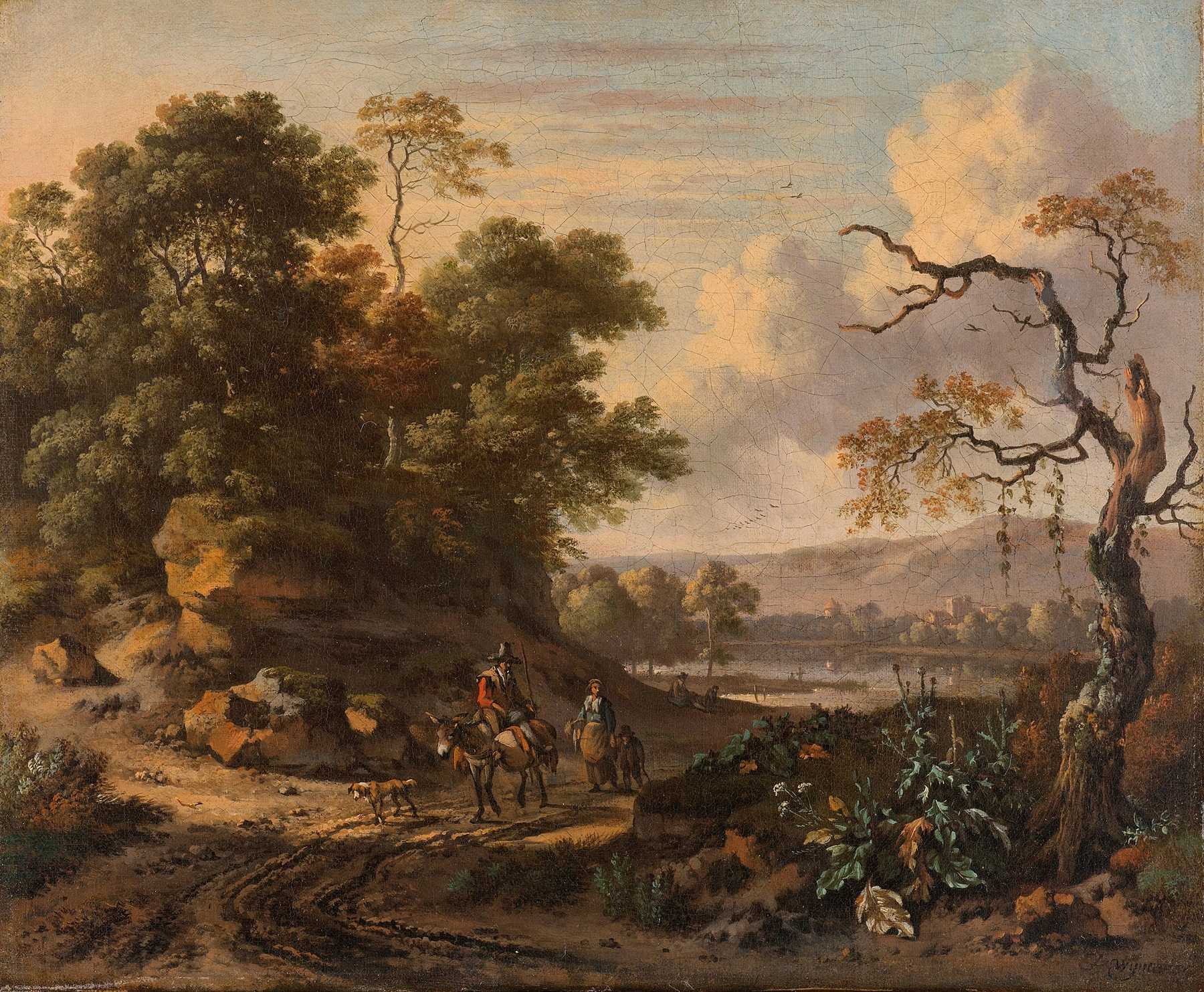
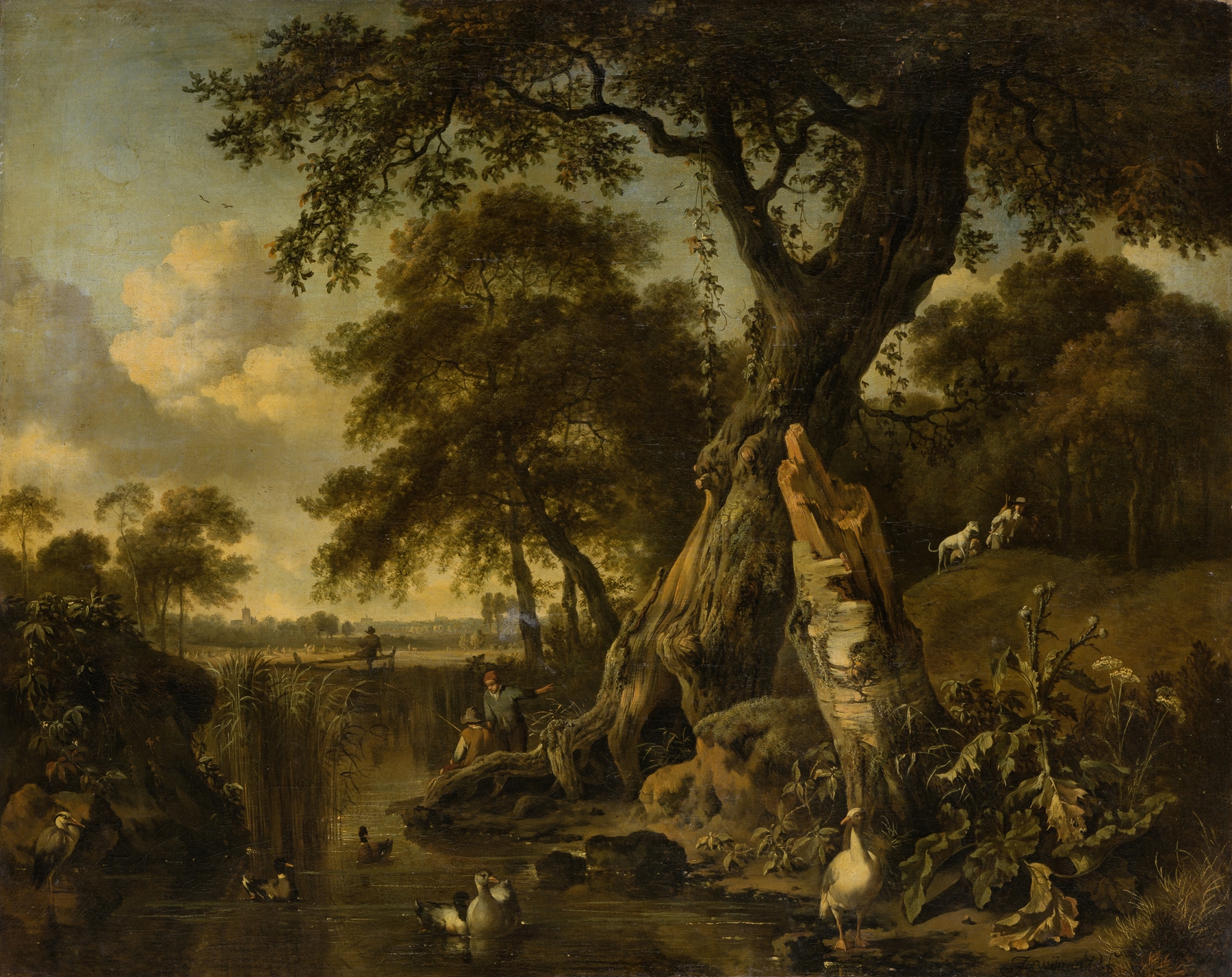
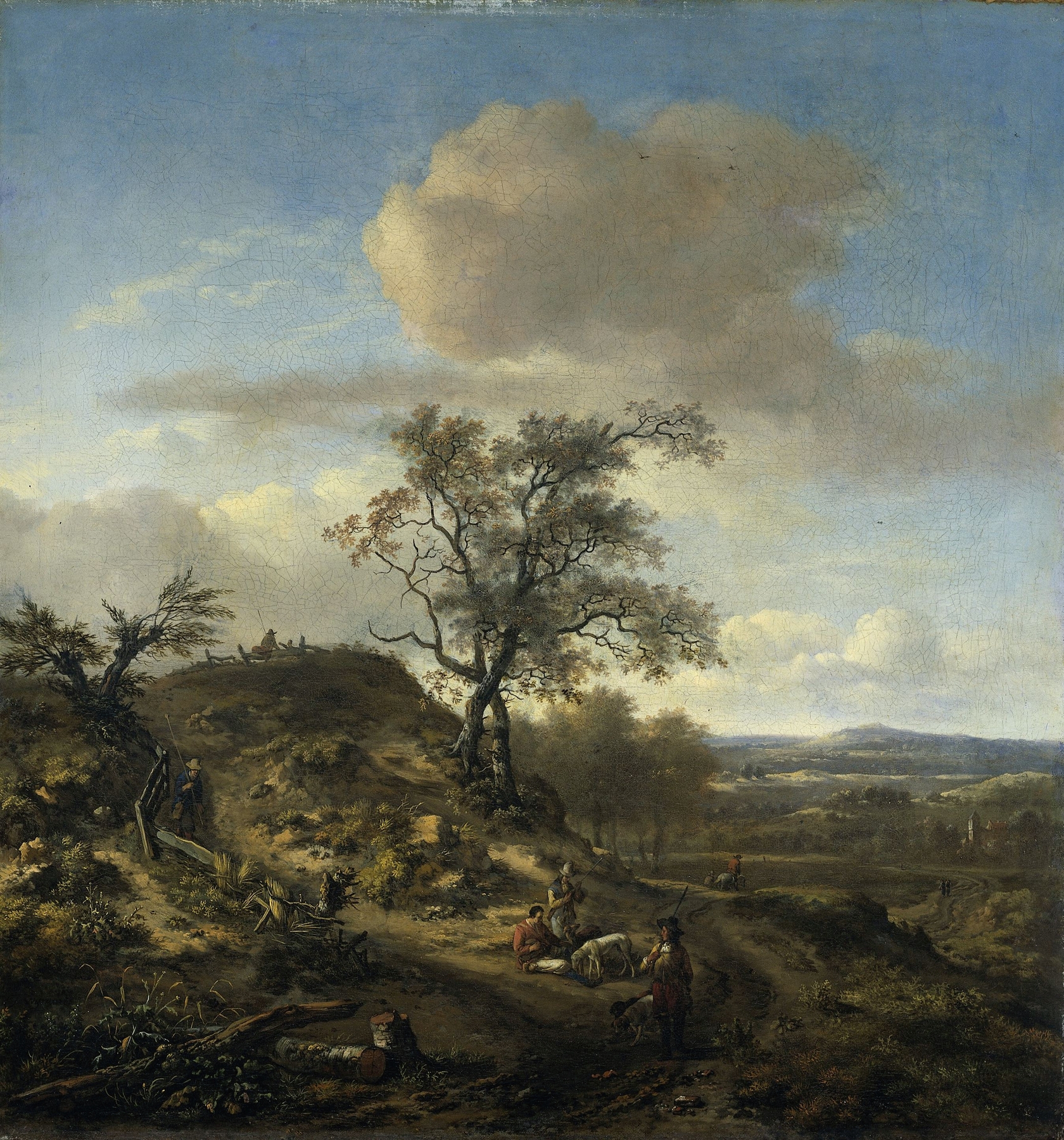
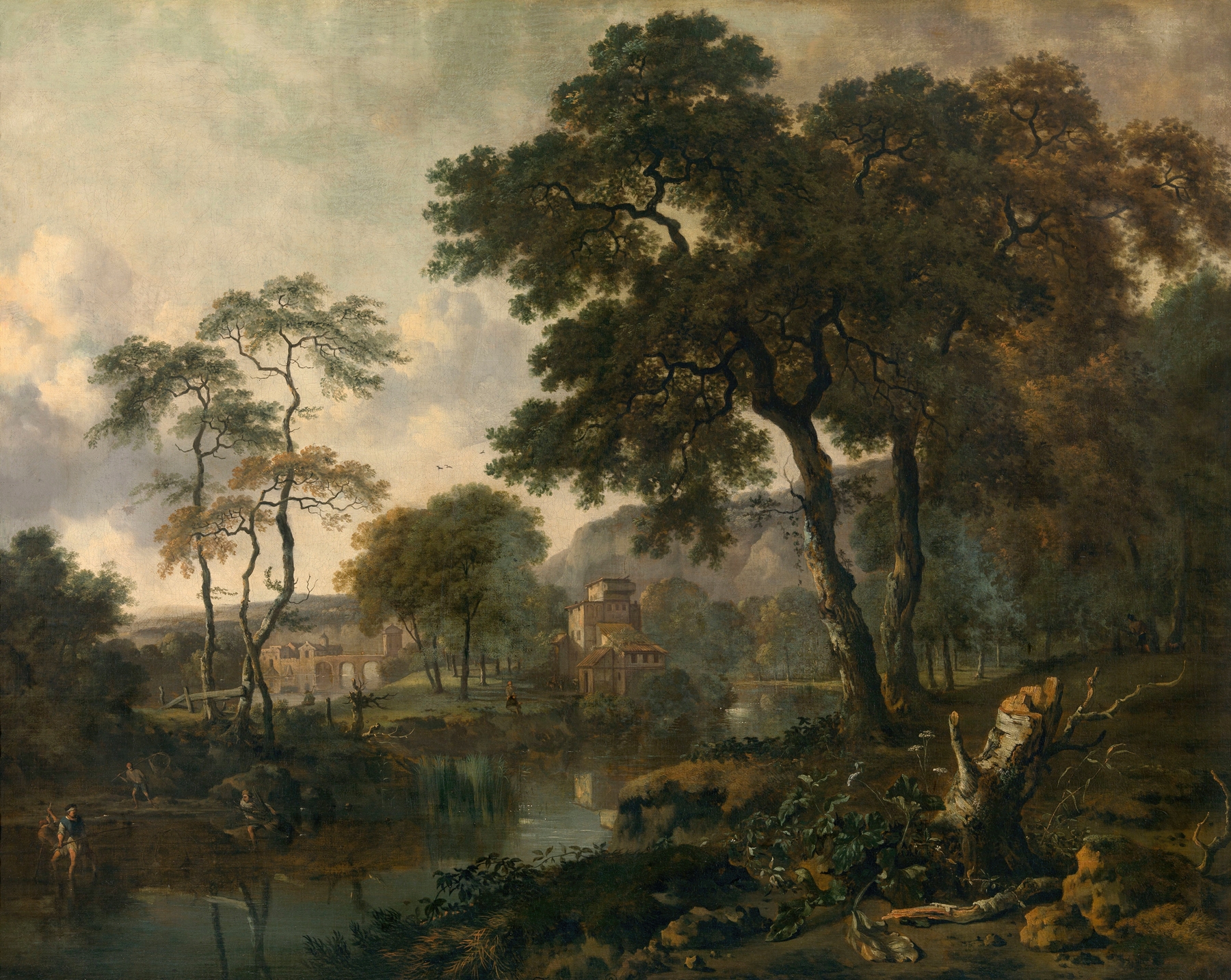
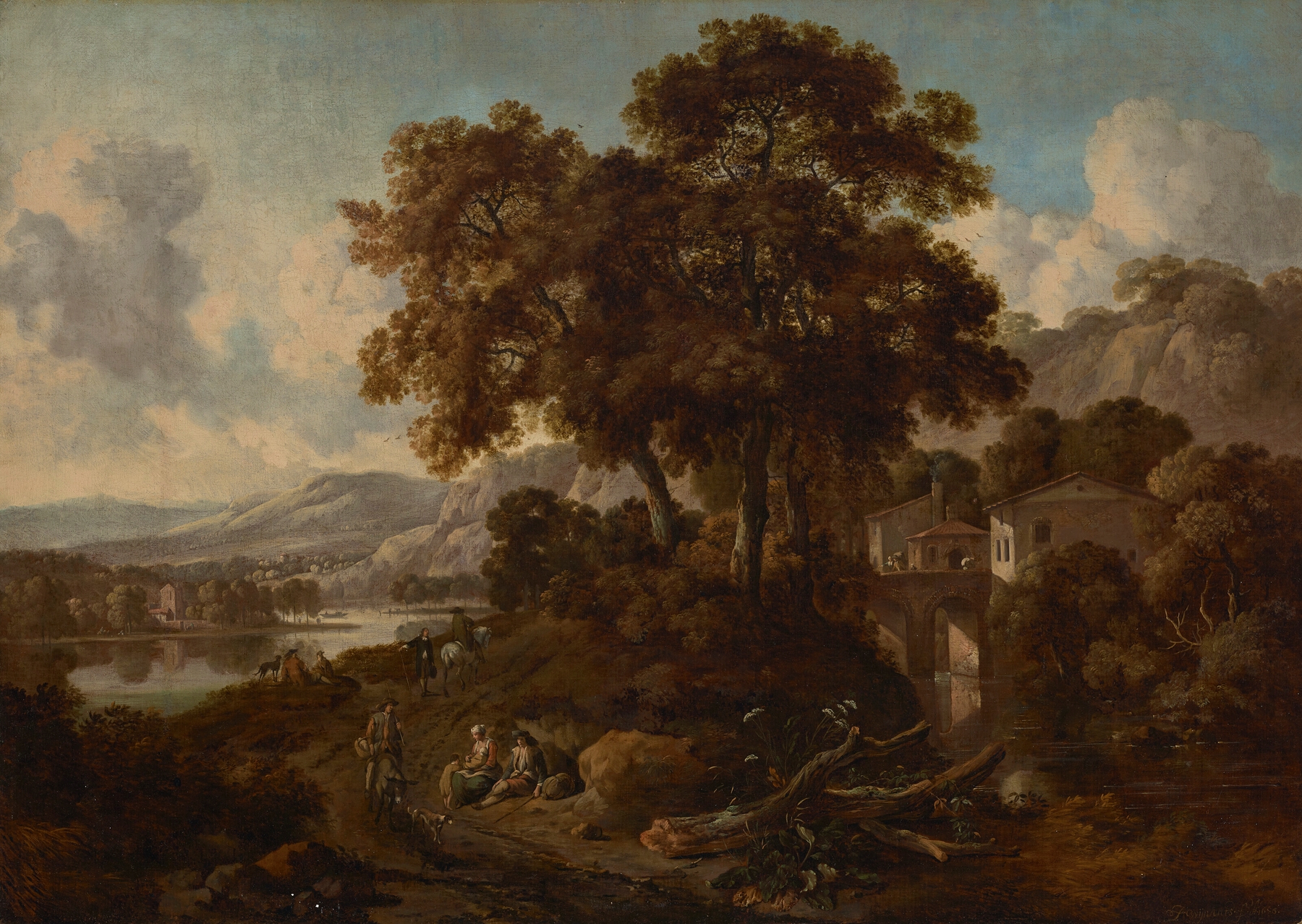
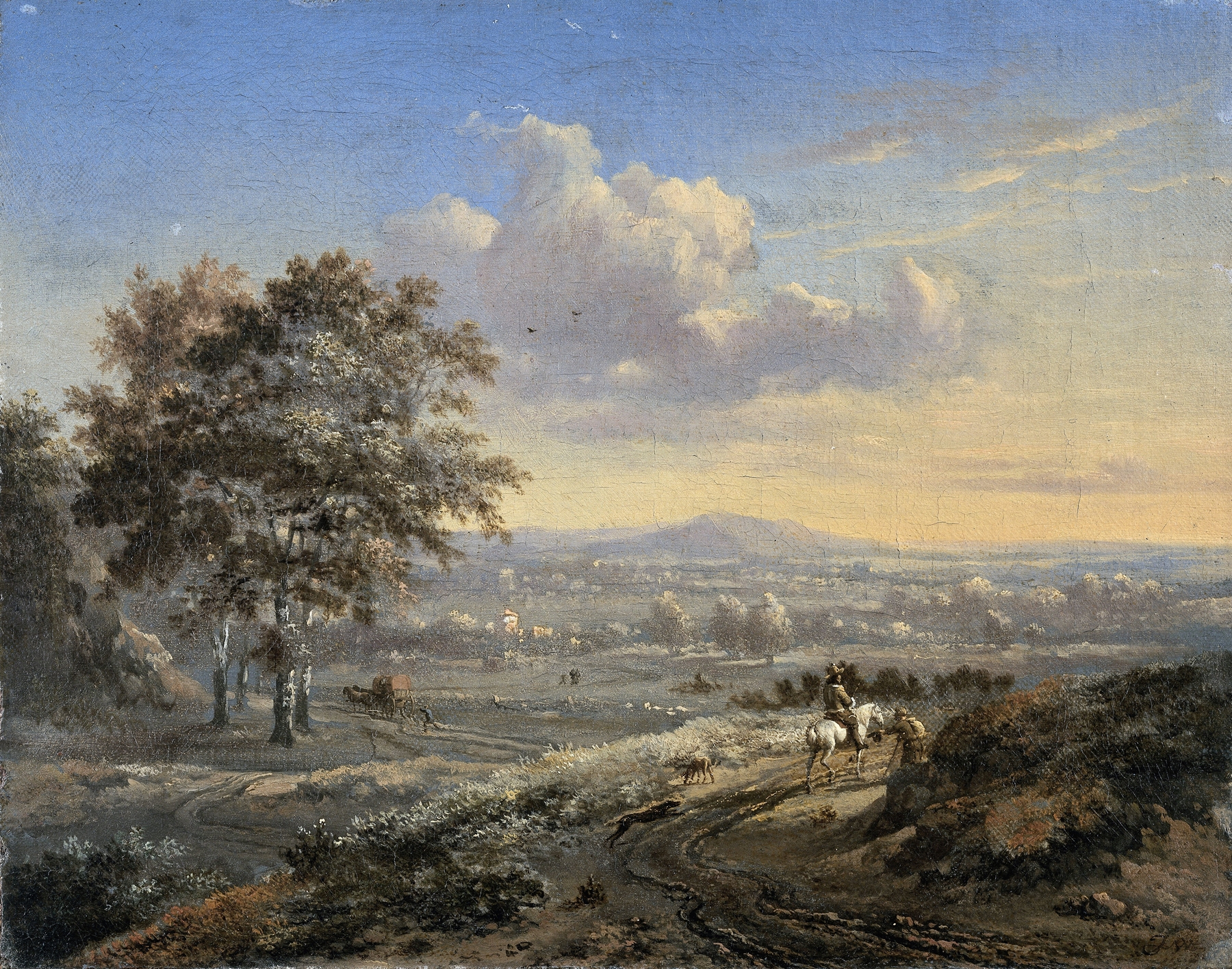
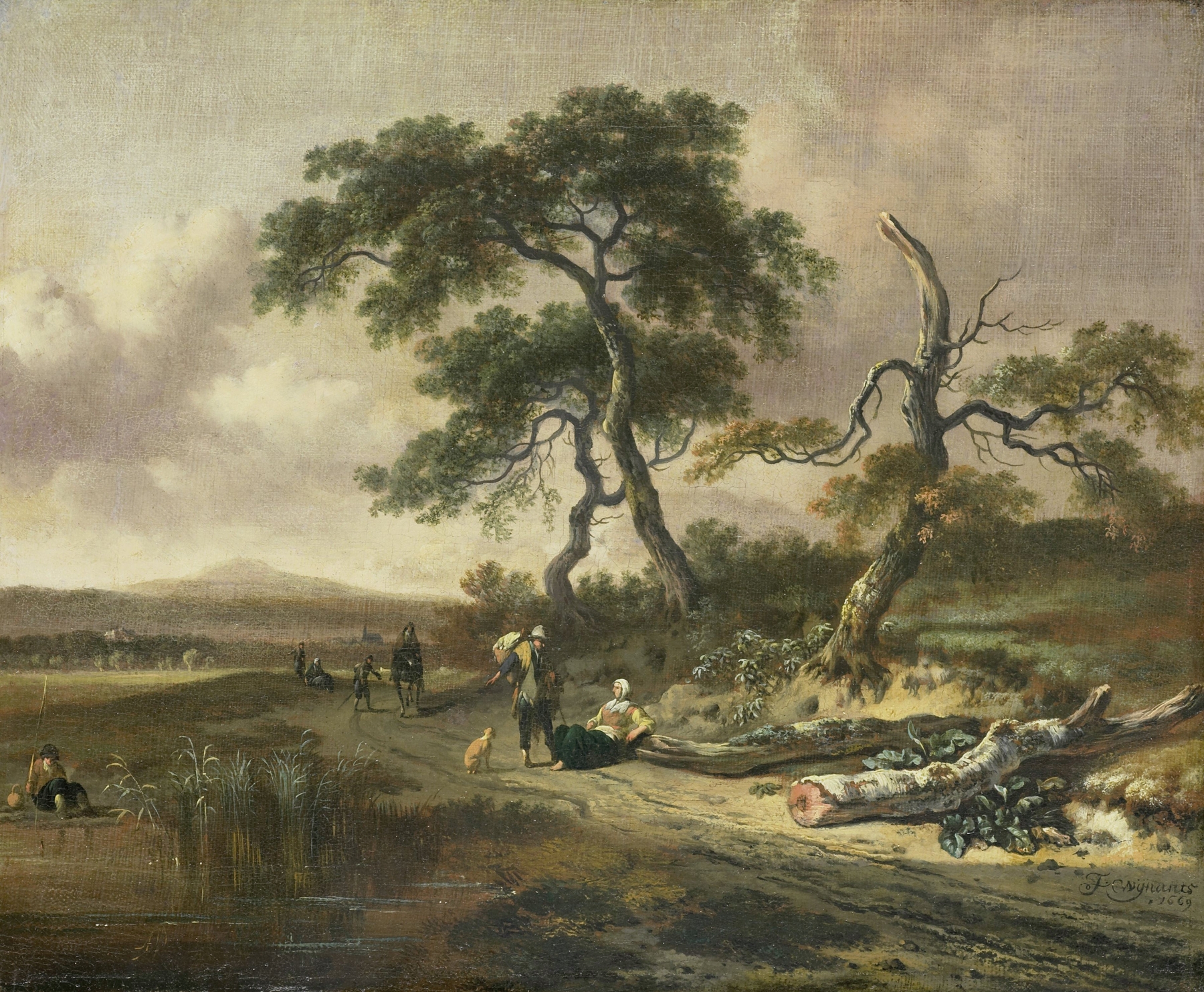
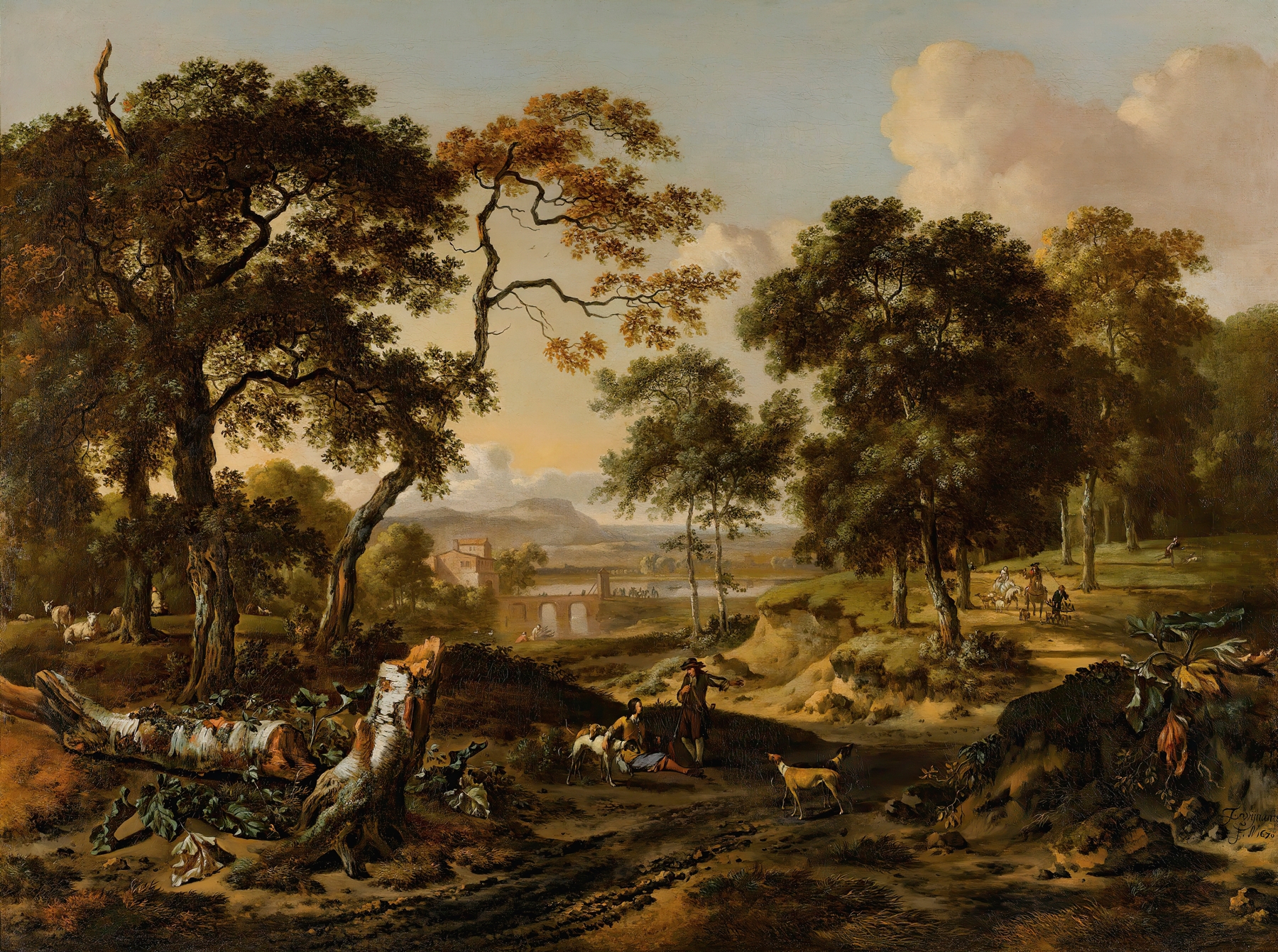
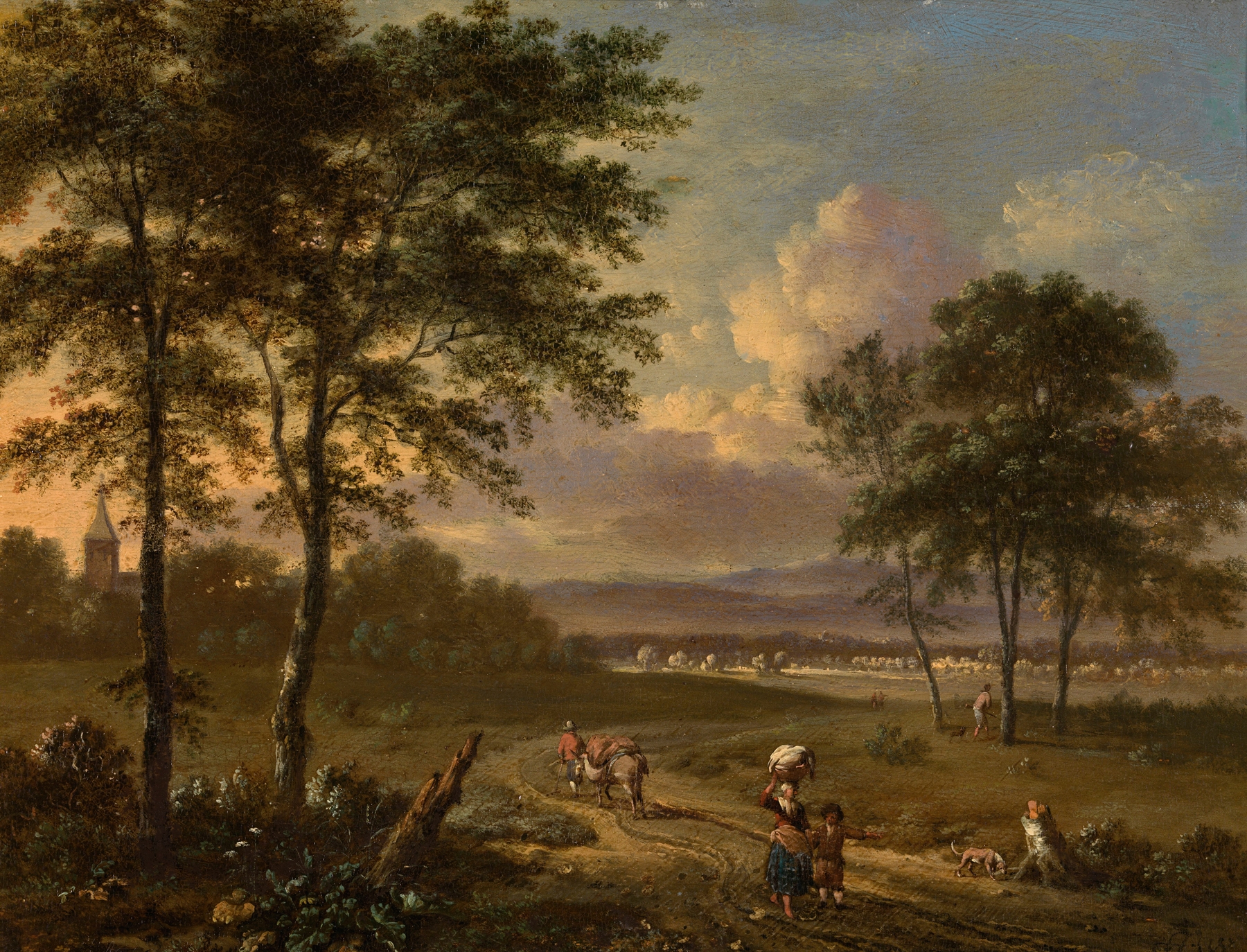
Can paint confess what words never could? In the tranquil embrace of Jan Wijnants' Landscape, the canvas becomes a mirror to our obsessions, reflecting nature's infinite allure and the depths of human longing. Look closely at the sprawling horizon where lush, verdant fields meet a vivid, cerulean sky. The light dances across the landscape, illuminating patches of wildflowers that seem to pulse with life.
Notice how the composition draws you in; the winding path leads your eye towards the grouping of trees on the left, creating a sense of journey and exploration. The brushstrokes are deft, some soft and delicate, while others are bold and textured, inviting you to touch the very essence of the earth. Amidst this natural splendor lies a subtle tension; the serenity of the scene teeters on the edge of yearning. The interplay of shadows and highlights suggests an underlying story, perhaps of man’s eternal quest to conquer or connect with nature.
The solitary figure in the foreground, dwarfed by the vastness surrounding him, embodies both the wonder and isolation that often accompany obsession, emphasizing the duality of human existence. Jan Wijnants painted this captivating work in the late 17th century, during a period marked by a deepening appreciation for the Dutch landscape genre. Living in a time when artists began to explore the emotional resonance of nature, Wijnants captured not just vistas but the intricate relationship between humanity and the environment. This painting reflects both his mastery of light and color and the era's burgeoning philosophical inquiries into the self and its place within the natural world.