Landscape — History & Analysis
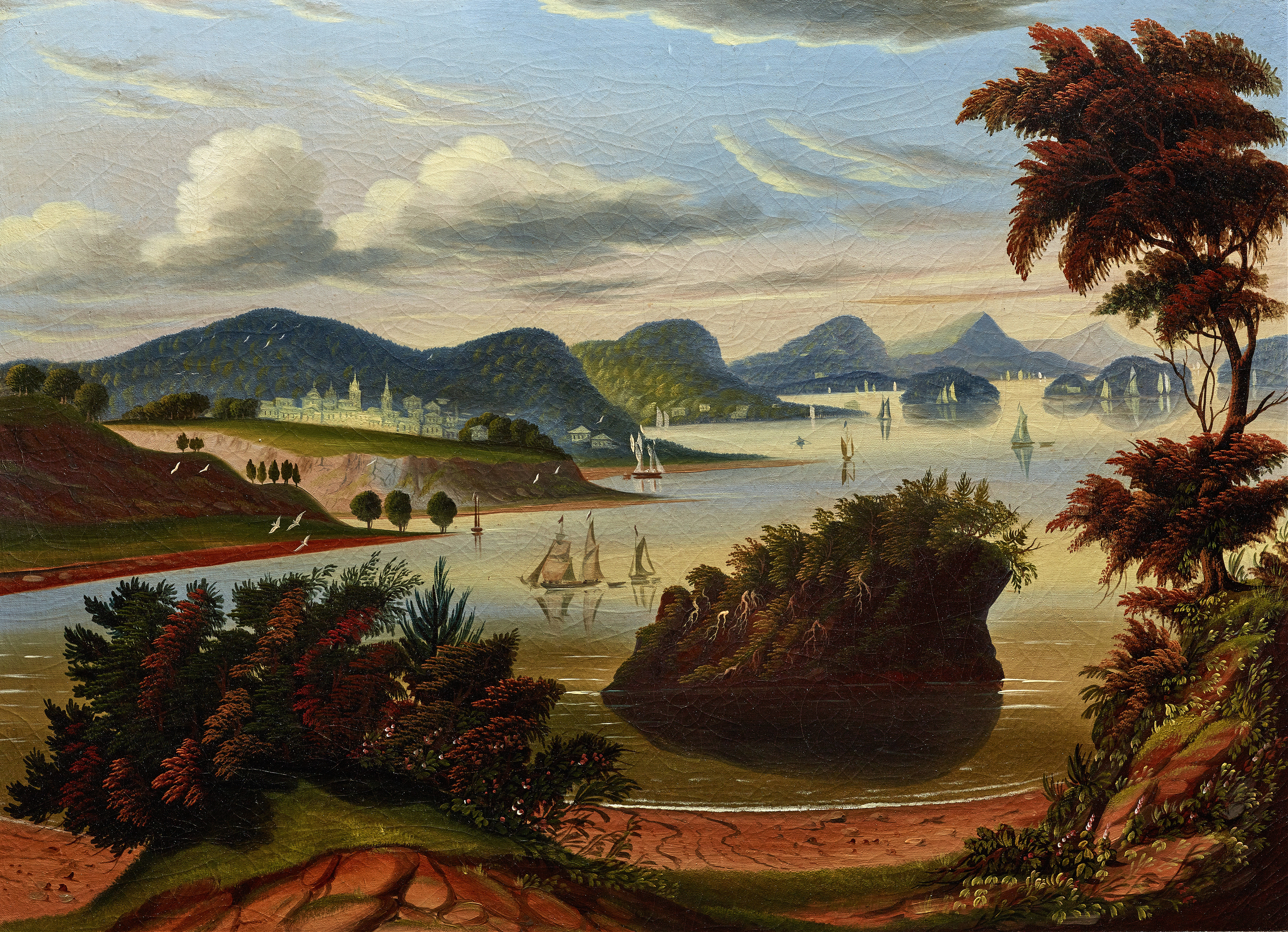
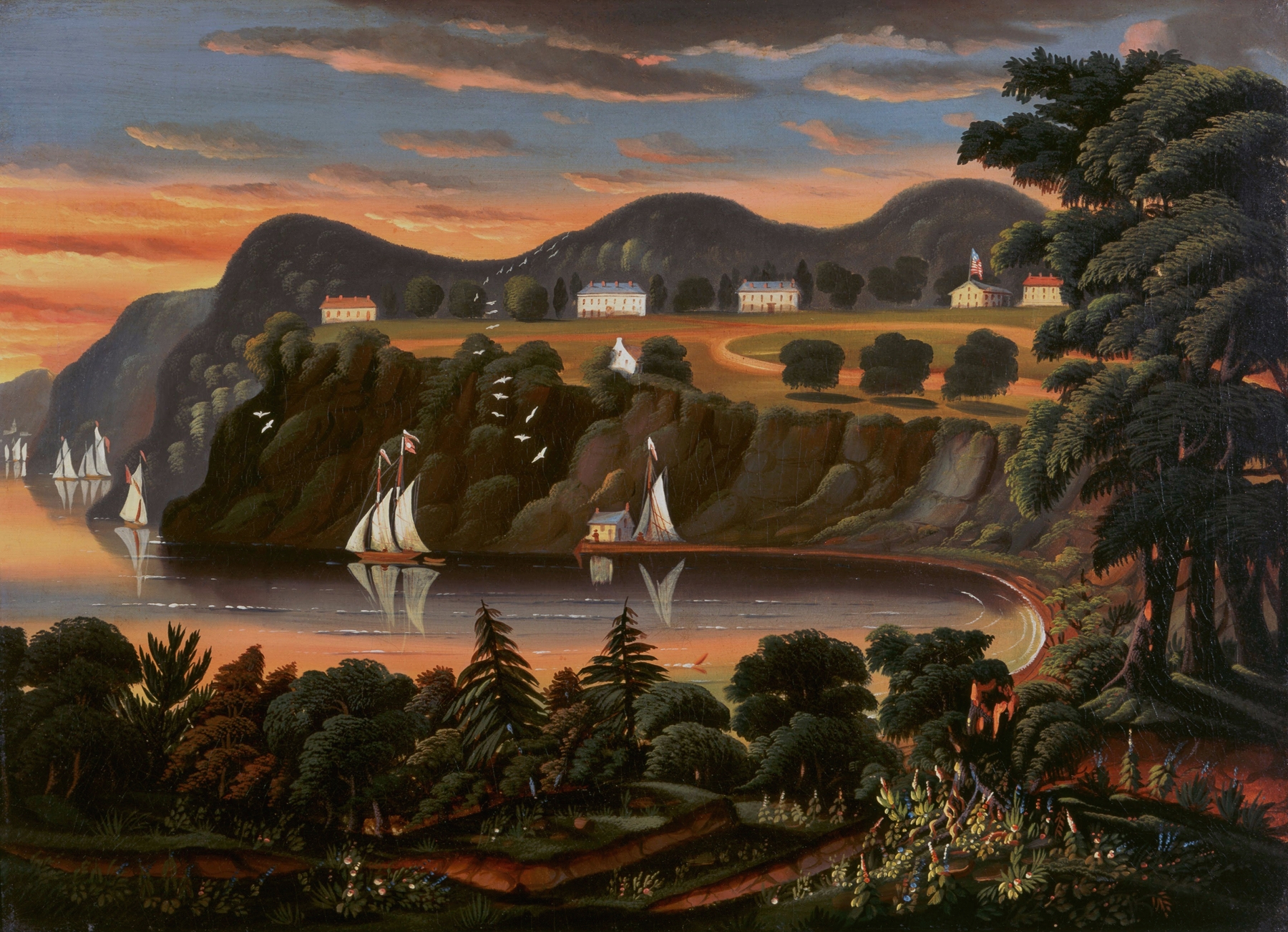
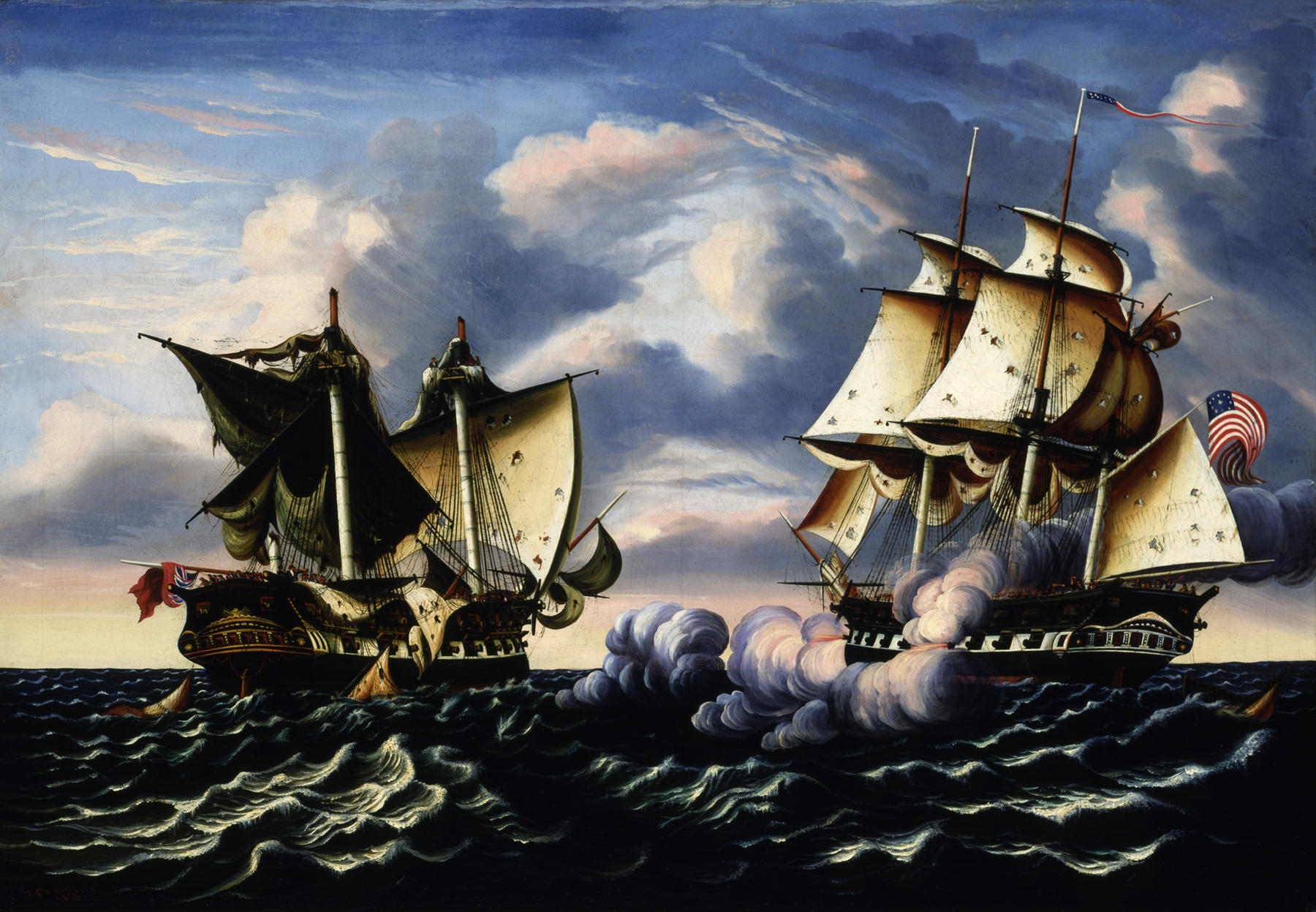
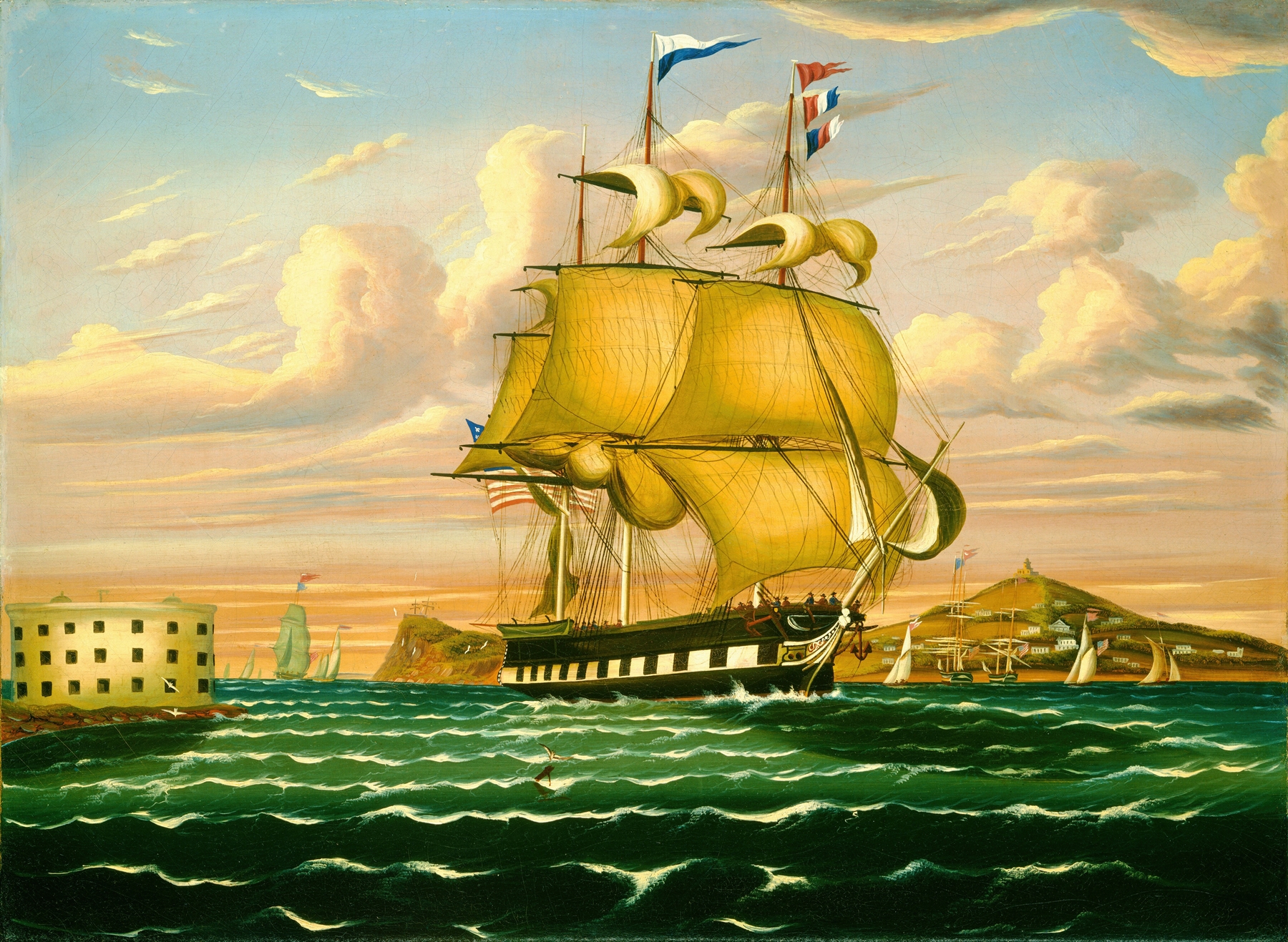
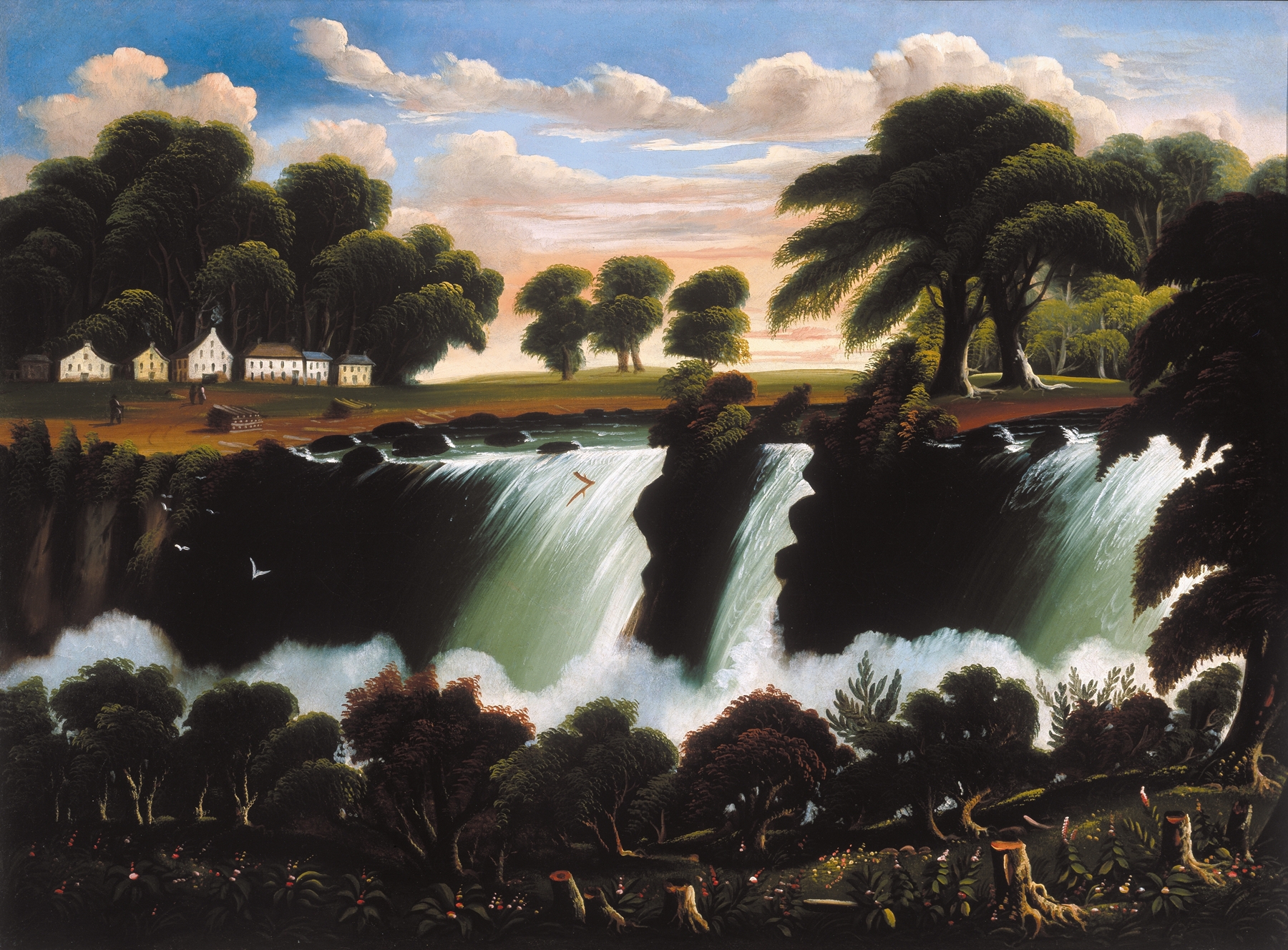
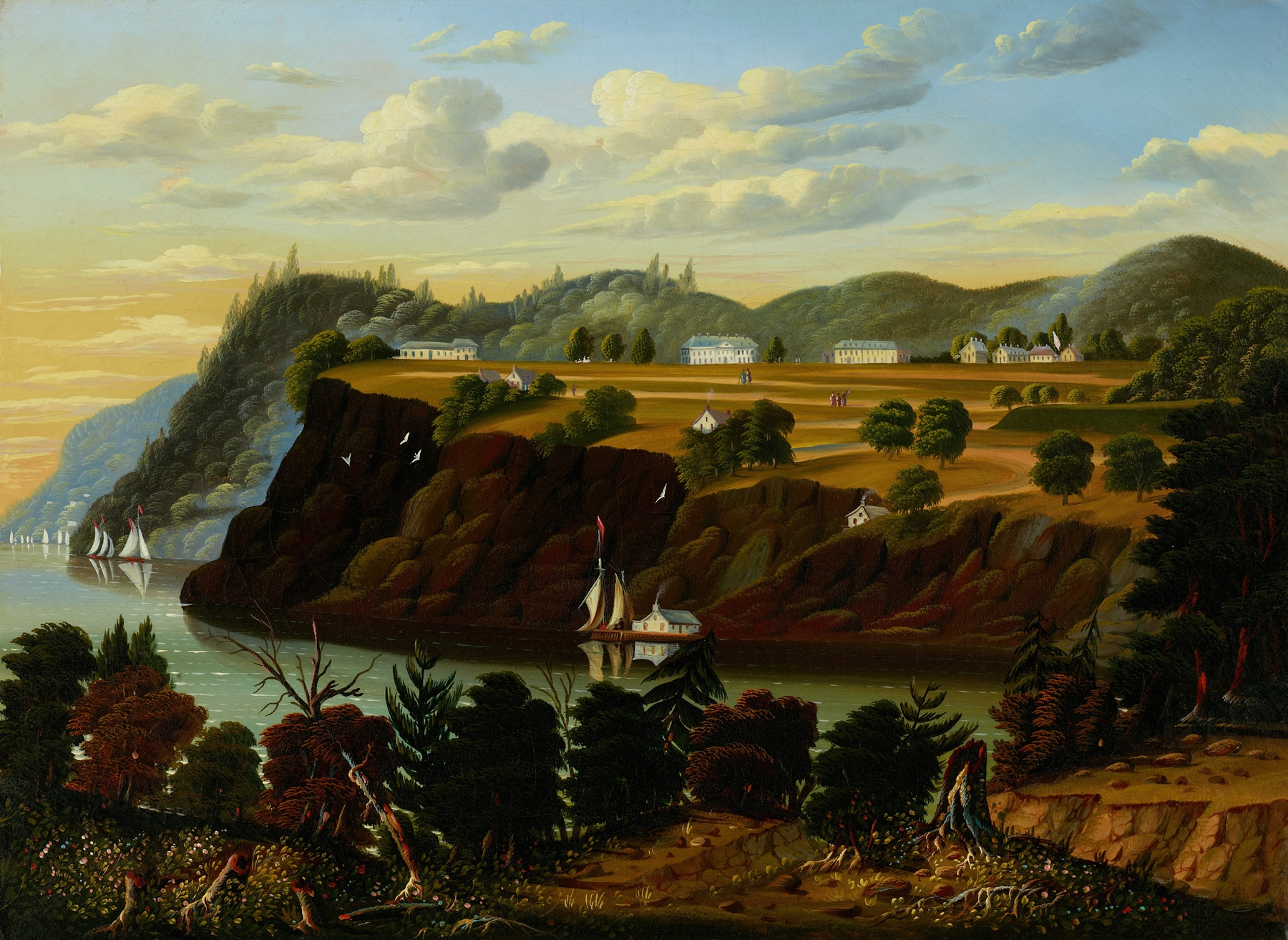
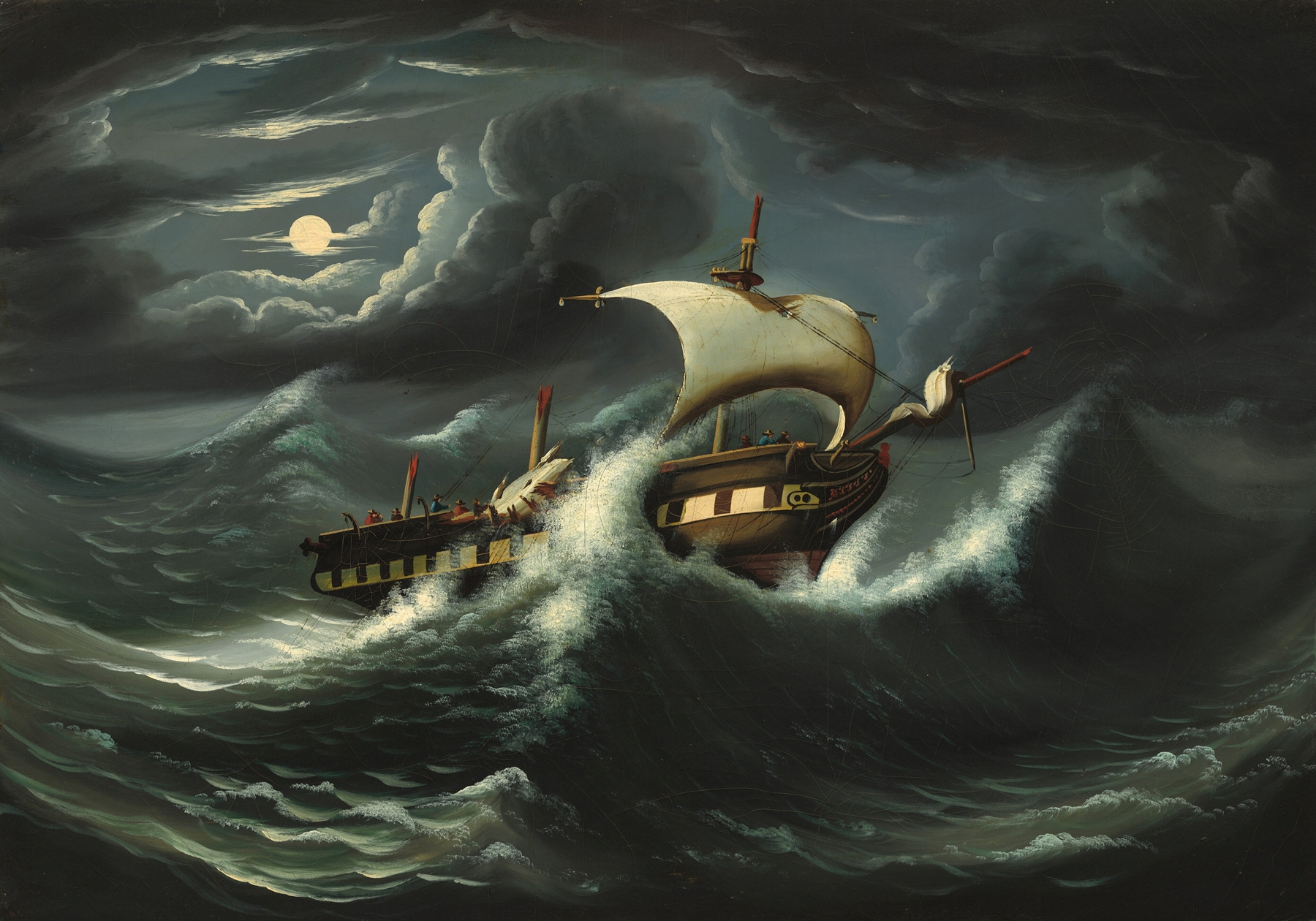
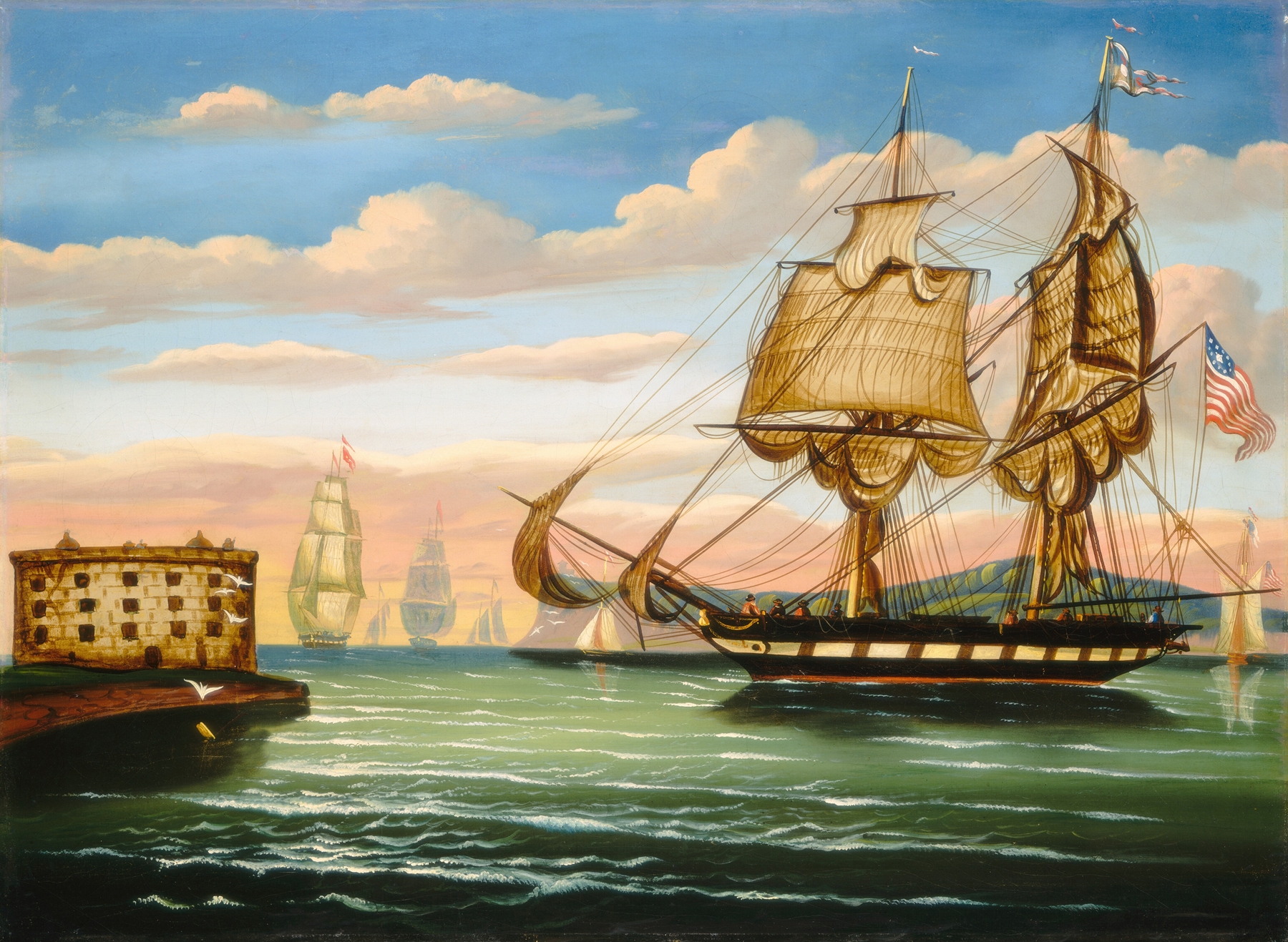
“Sometimes beauty is just pain, disguised in gold.” In the quietude of mid-19th century America, a landscape unfolds that is as intricate as it is haunting, a reminder of the thin veil between serenity and madness. Look to the foreground where the gentle rolling hills meet a tranquil waterway, the shimmering surface broken only by the strokes of soft brushwork. Notice how the artist employs a palette of muted greens and earthy browns, punctuated by the occasional burst of sunlight that glimmers at the horizon. The composition leads the eye upward, where turbulent clouds swirl overhead, creating an unsettling contrast against the peaceful scene below. This juxtaposition captures the tension lurking beneath the surface, inviting viewers to delve deeper into the narrative hidden within the natural beauty.
Beneath the idyllic surface lies an undercurrent of emotional turmoil. The serene landscape, with its serene river and verdant fields, hints at a world both inviting and ominous. The darkening skies suggest an impending storm, a metaphor for the chaos that can lurk within one's mind. Each brushstroke seems to echo the artist’s struggle, reflecting the balance between reality and the madness that can accompany a life devoted to art.
The interplay of light and shadow further illustrates this duality, making the viewer question where beauty truly lies. Thomas Chambers created Landscape during a period marked by personal upheaval and the burgeoning exploration of American identity in art. Working in the 1850s, he faced the challenges of a rapidly changing society and fluctuating artistic trends, often straddling the line between traditional representation and romantic abstraction. His connection to the landscape genre mirrors both the tranquility and the emotional strife of his contemporary world, encapsulating the complexity of the natural world and the human psyche.