Landscape — History & Analysis
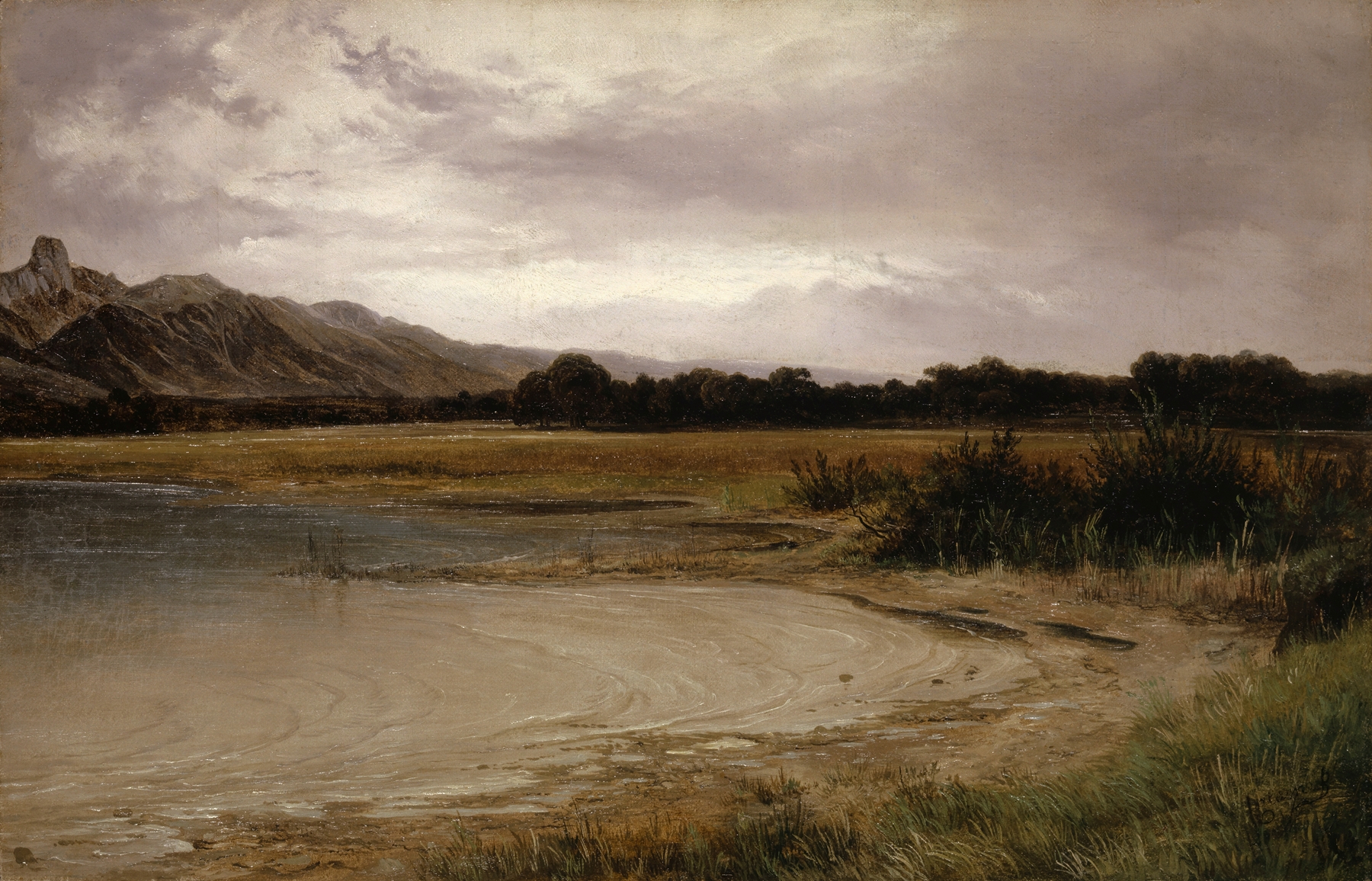
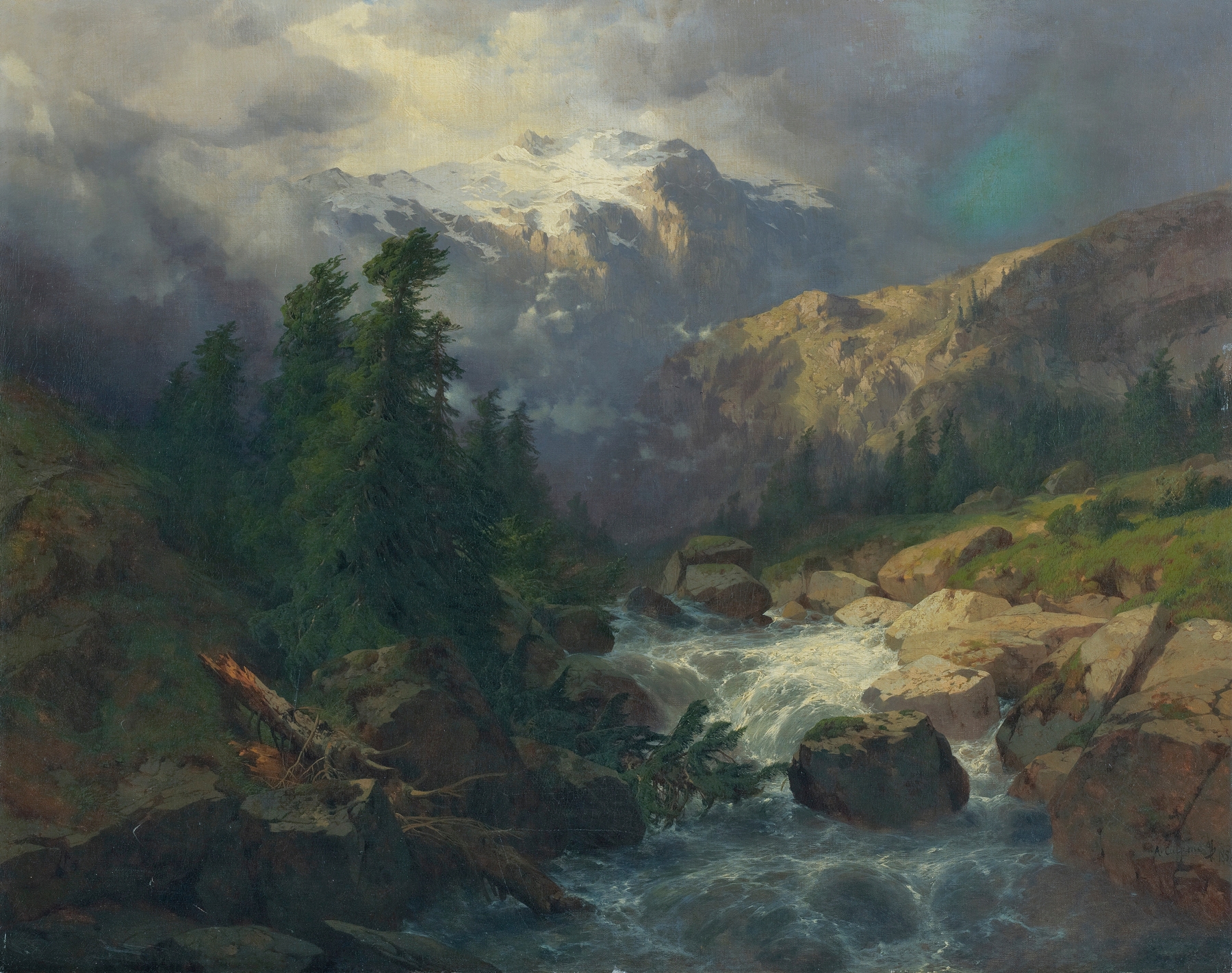
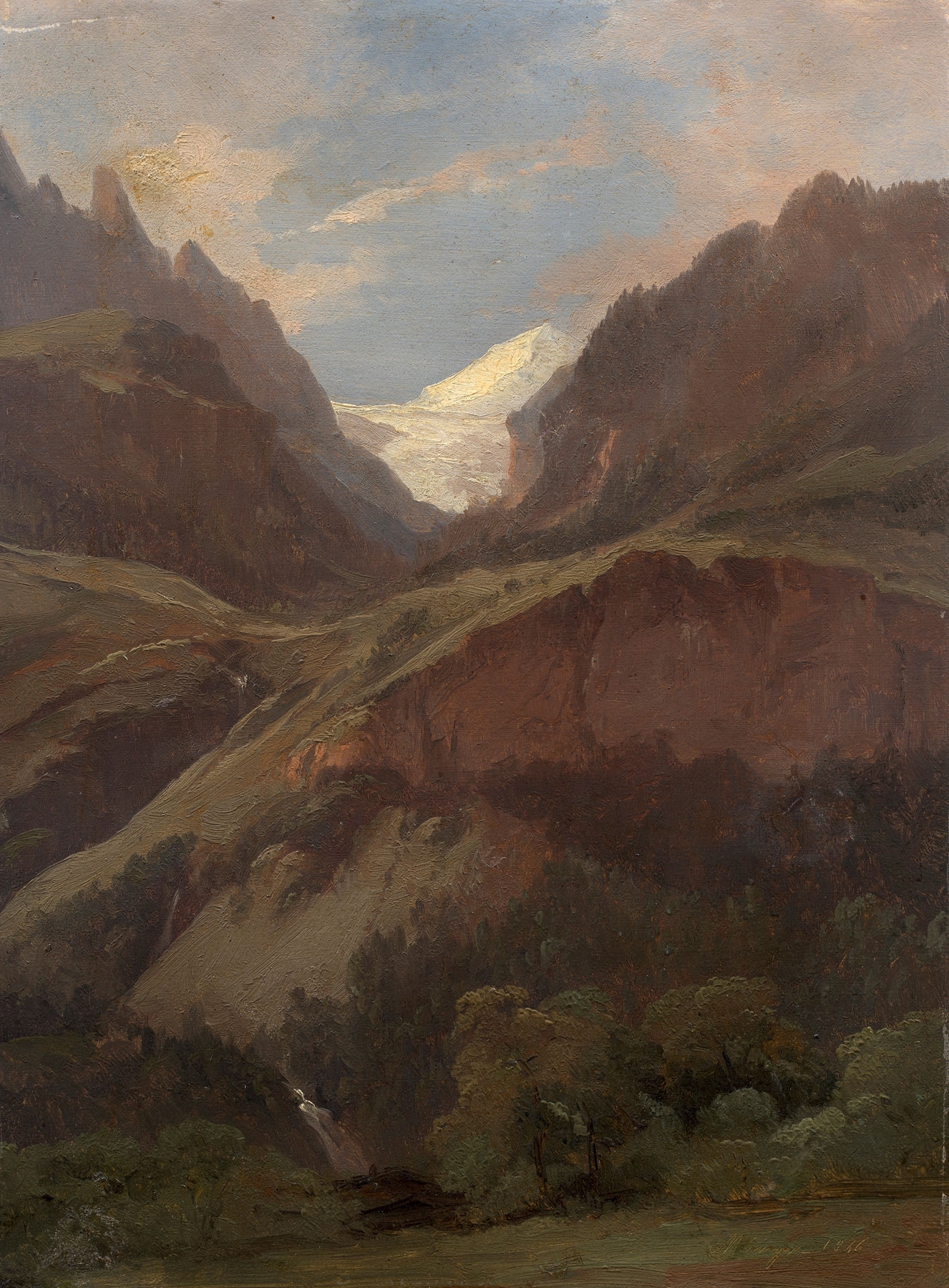
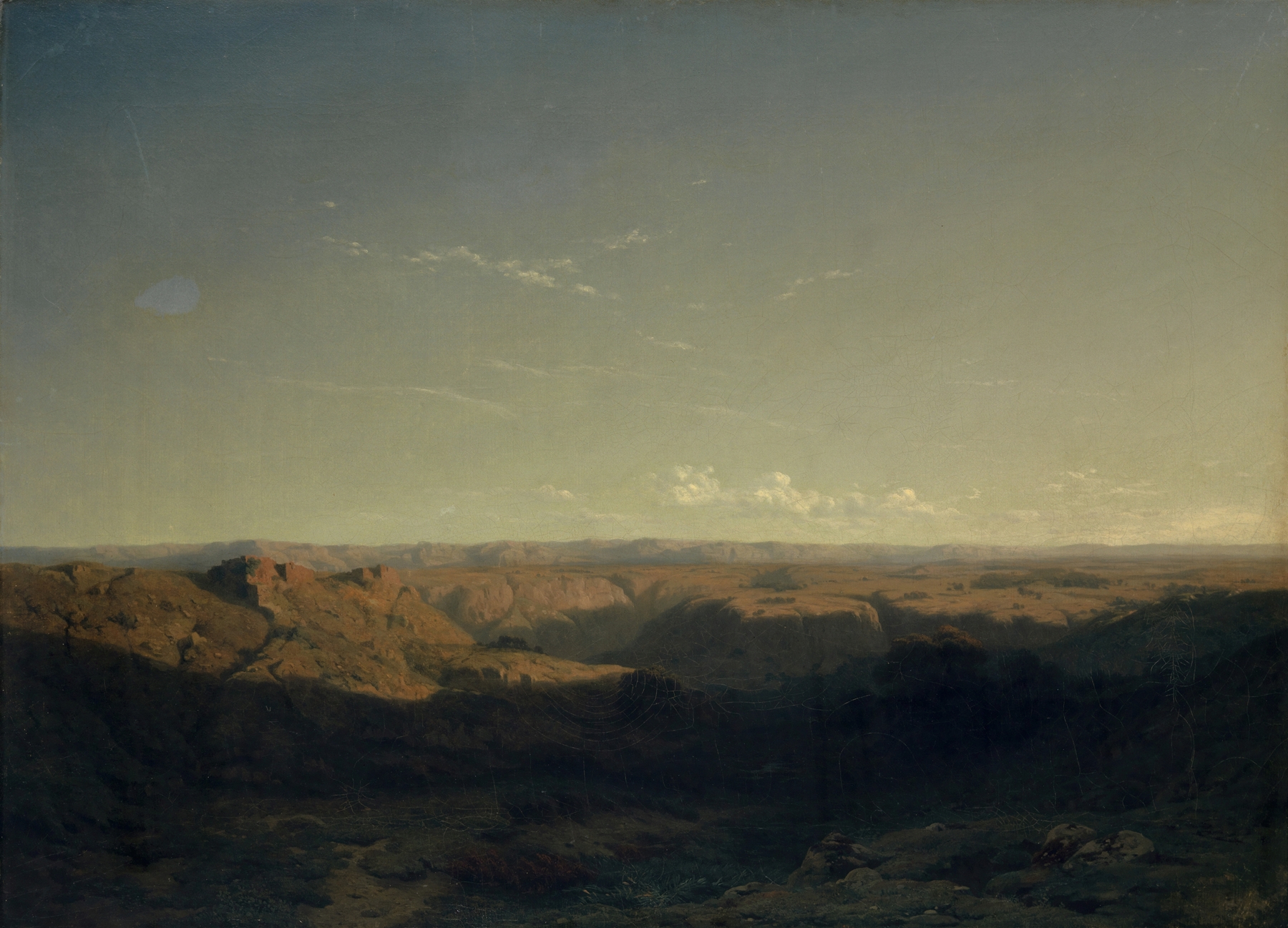
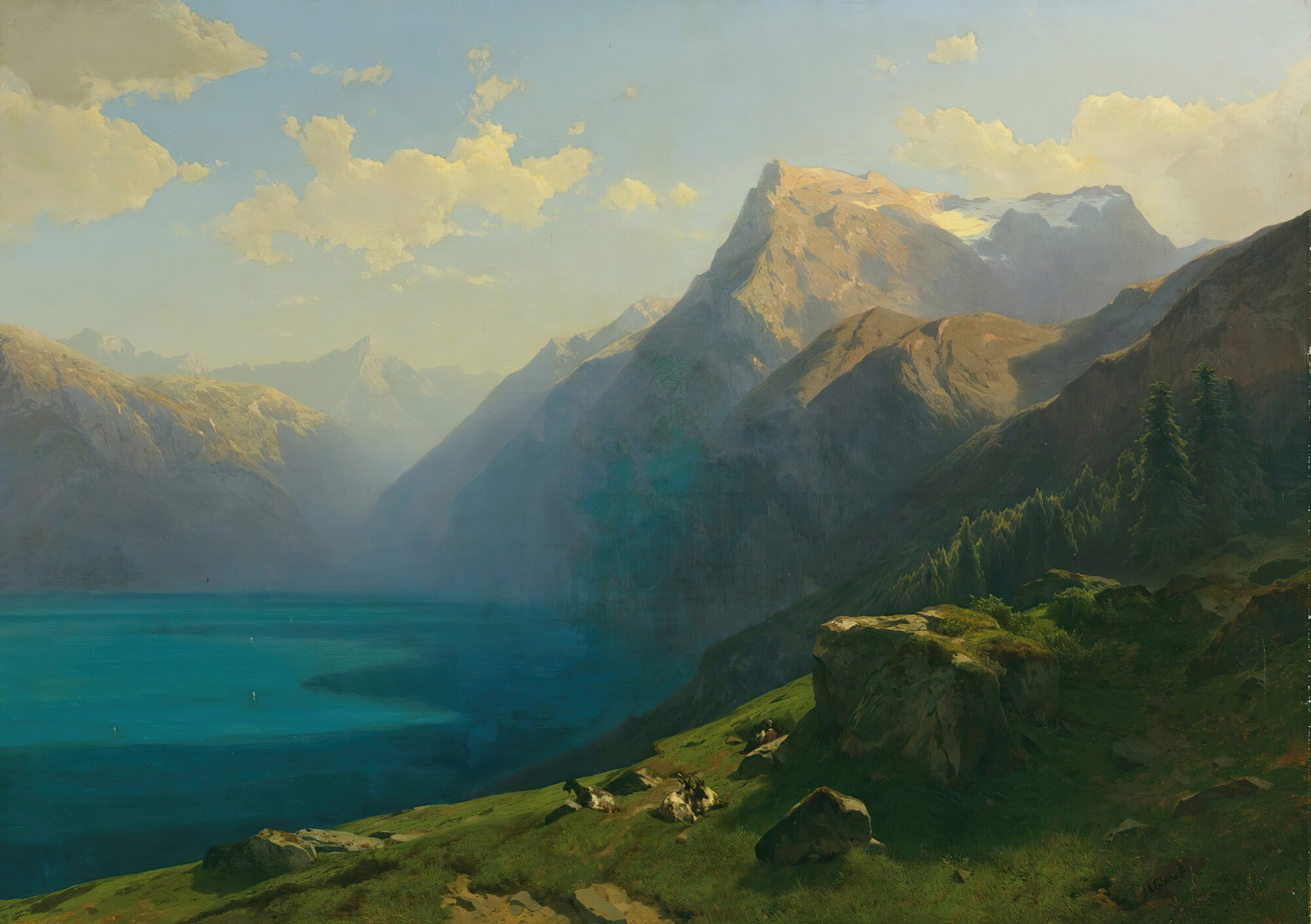
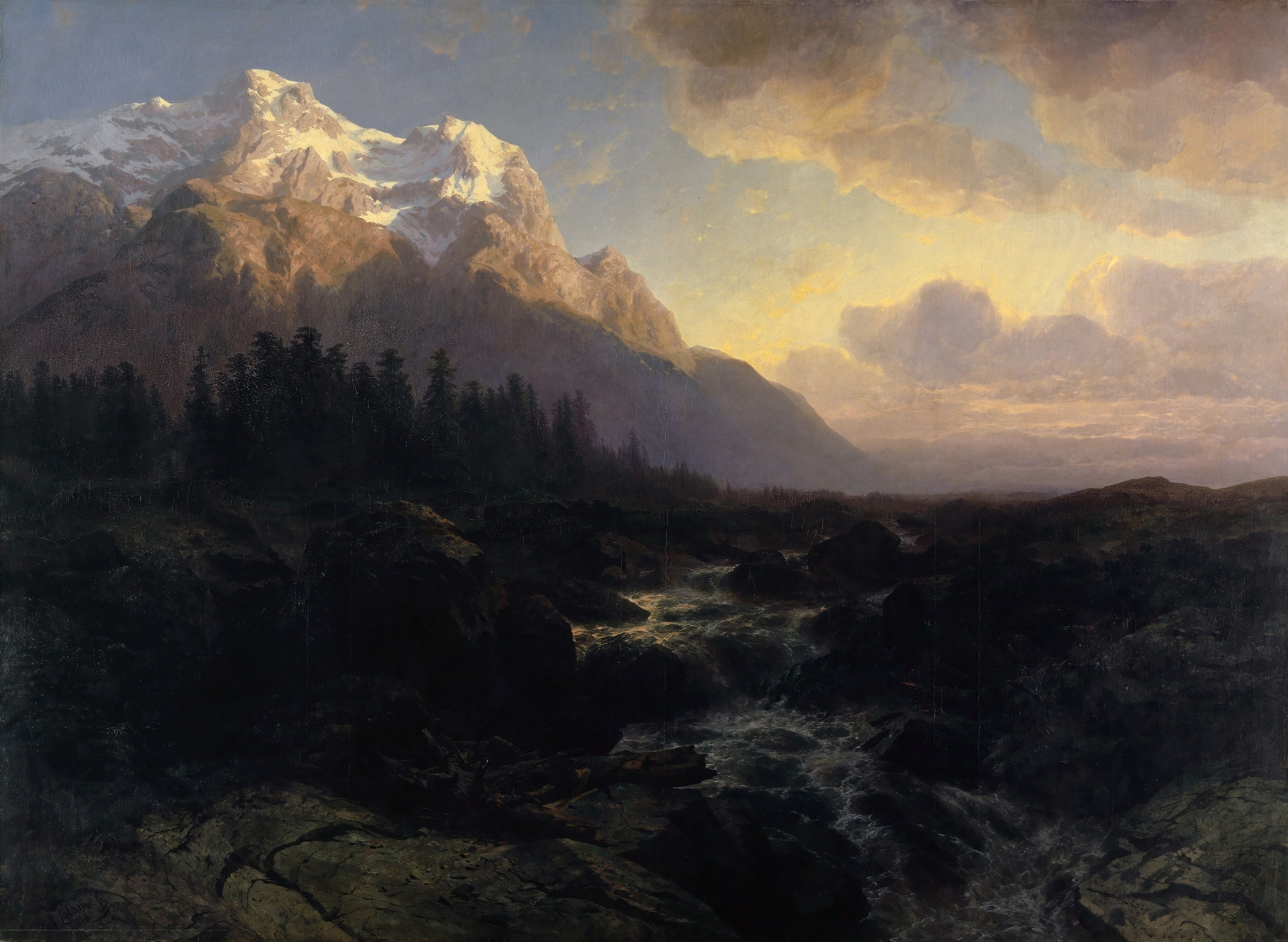
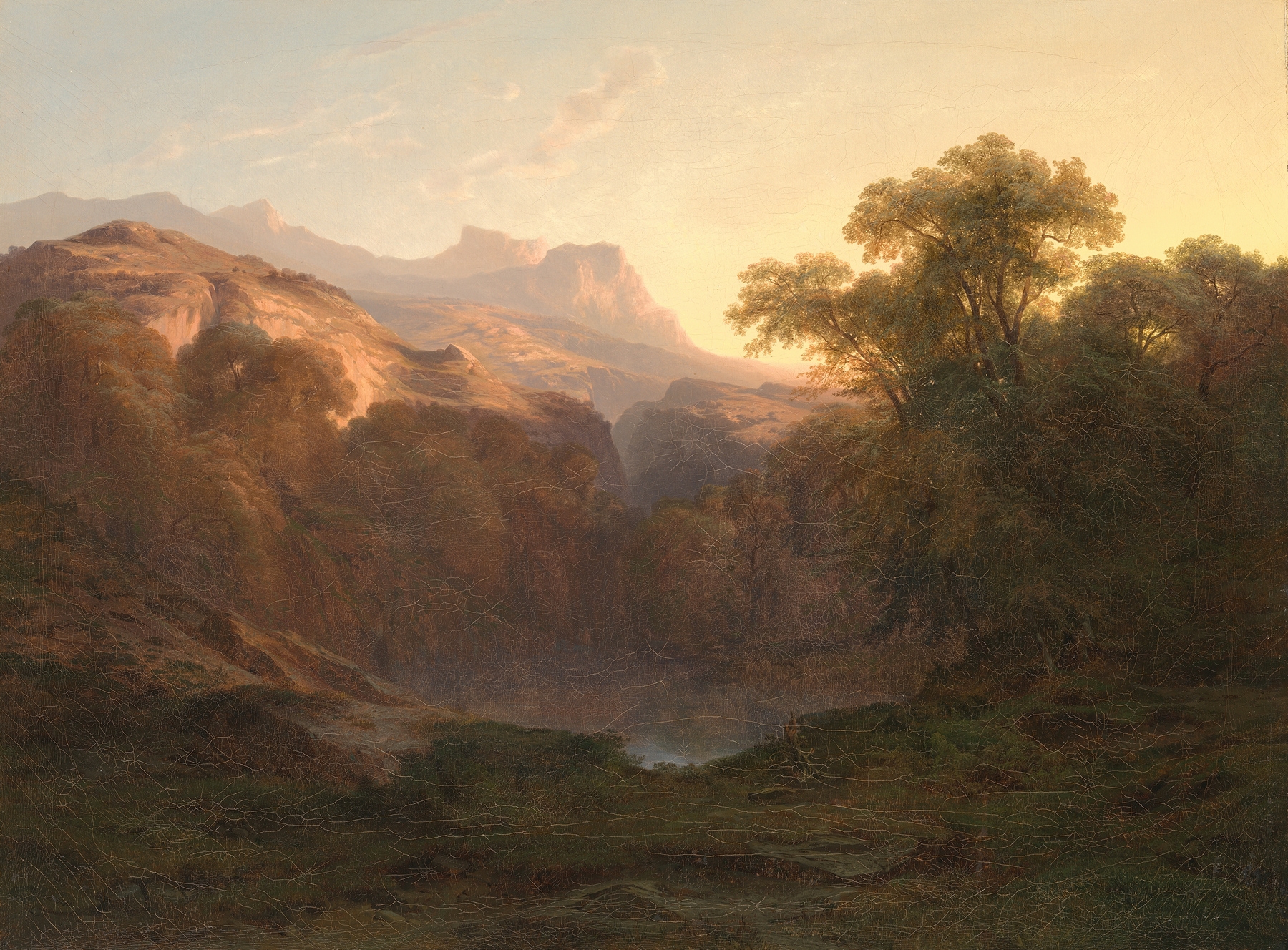
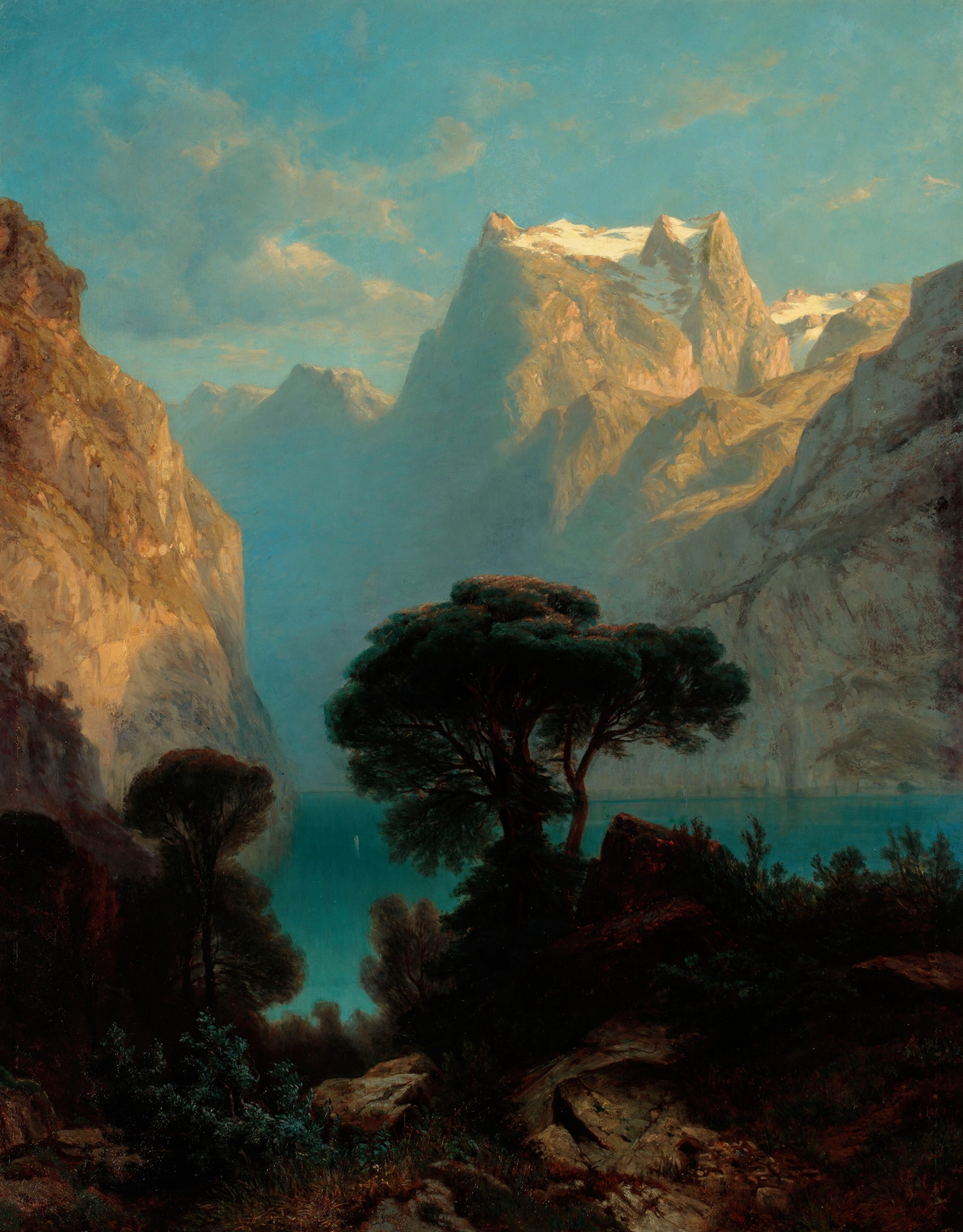
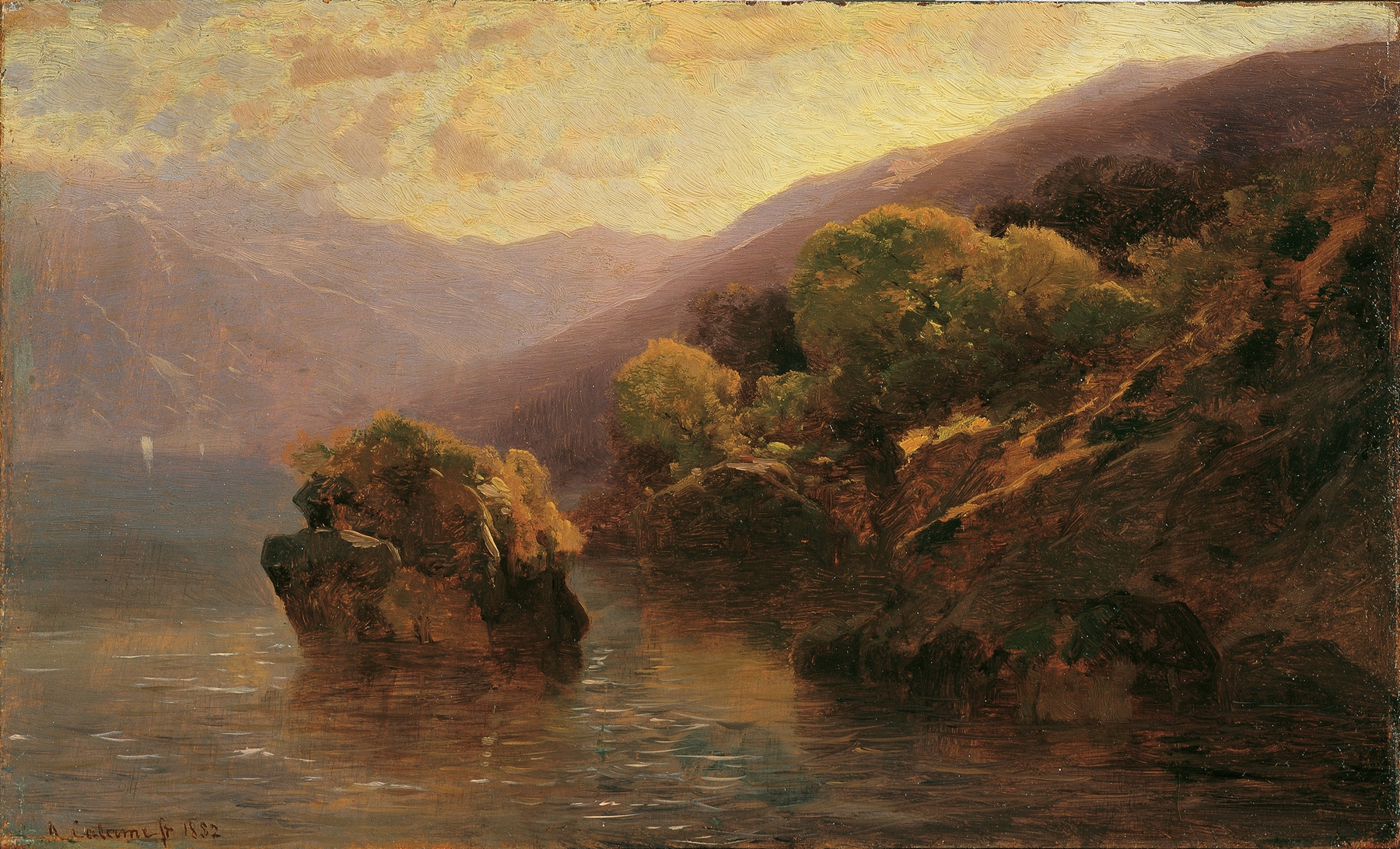
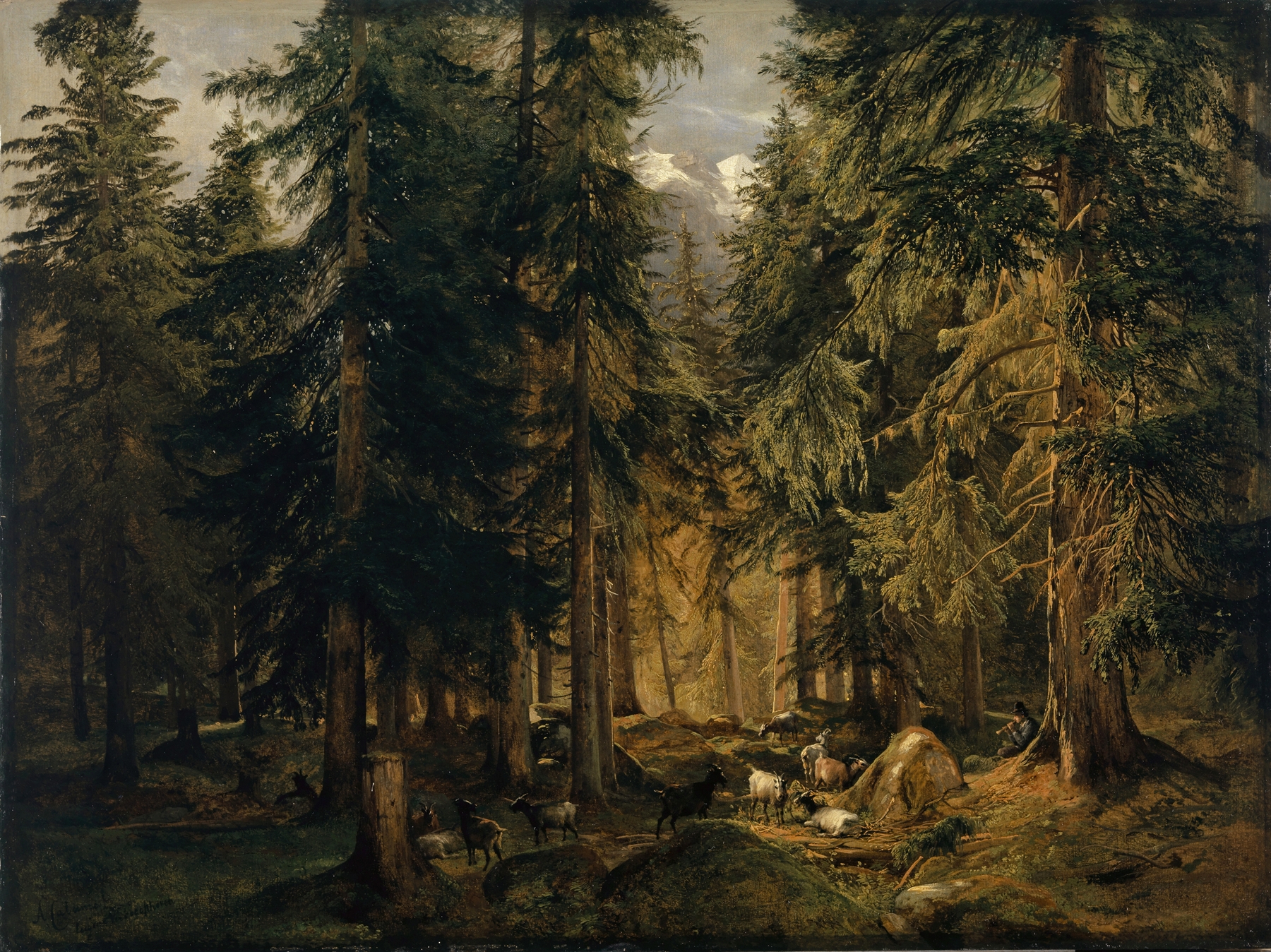
What if silence could speak through light? In the stillness of a vast landscape, the shadows of looming mountains cradle a quiet despair, evoking an unspoken fear that lingers in the air. Look to the center where the distant peaks rise, their jagged forms etched against a pale sky. Notice how the dusky colors contrast dramatically with the soft, muted greens of the foreground. The play of light across the terrain creates a sense of depth, drawing your eyes toward the hidden valleys that whisper secrets of solitude and unease.
Each brushstroke seems to breathe life into the land, yet the overall composition hints at an emotional weight that invites contemplation. In this serene yet haunting work, the artist juxtaposes grandeur with intimacy. The expansive sky, while stunning, feels oppressive, overshadowing the delicate flora below. The tension between the bright horizon and the darkening valley reflects an inner turmoil, a fear of the unknown that resides within the viewer.
The stillness carries a palpable anxiety, as if the landscape itself holds its breath, anticipating a storm both literal and metaphorical. During the years between 1830 and 1845, the artist explored the dramatic effects of light in nature while living in Switzerland. This period saw the rise of Romanticism, where nature was often portrayed as a sublime force, and artists sought to convey emotional depth through their depictions of the landscape. Calame, with his keen landscape sensibilities, tapped into this movement, while also grappling with personal themes of solitude and fear in a rapidly changing world.