Landscape after Cao Zhibo (1272-1355) — History & Analysis
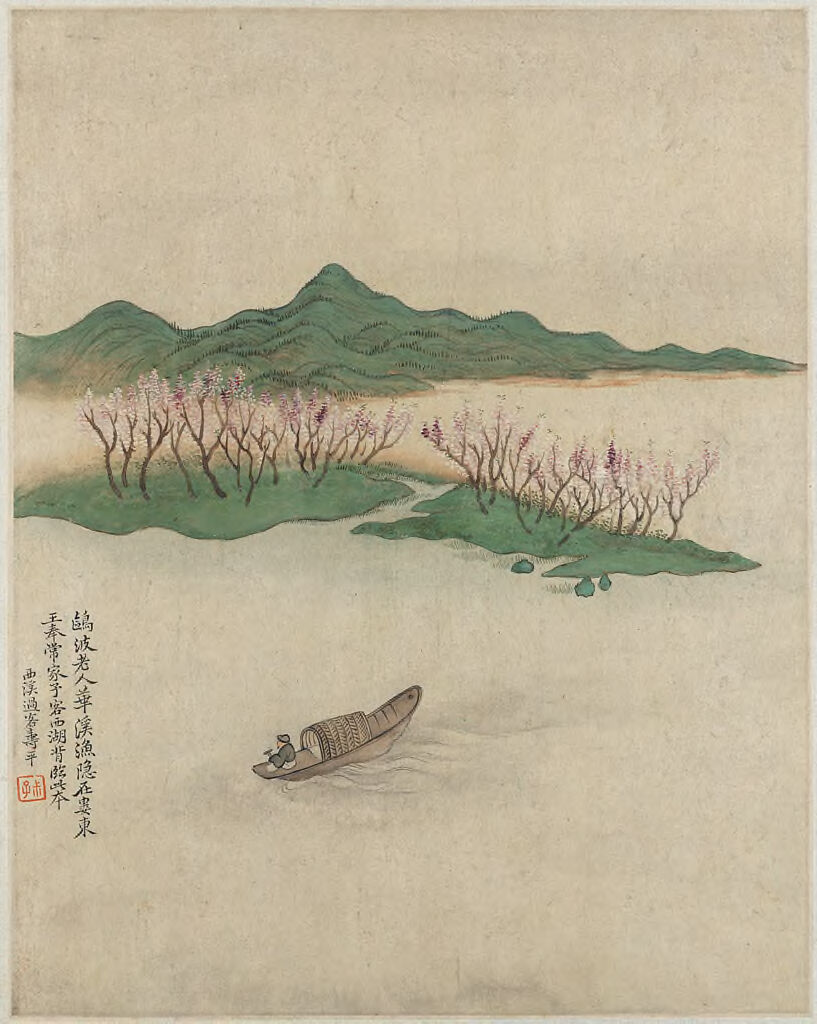
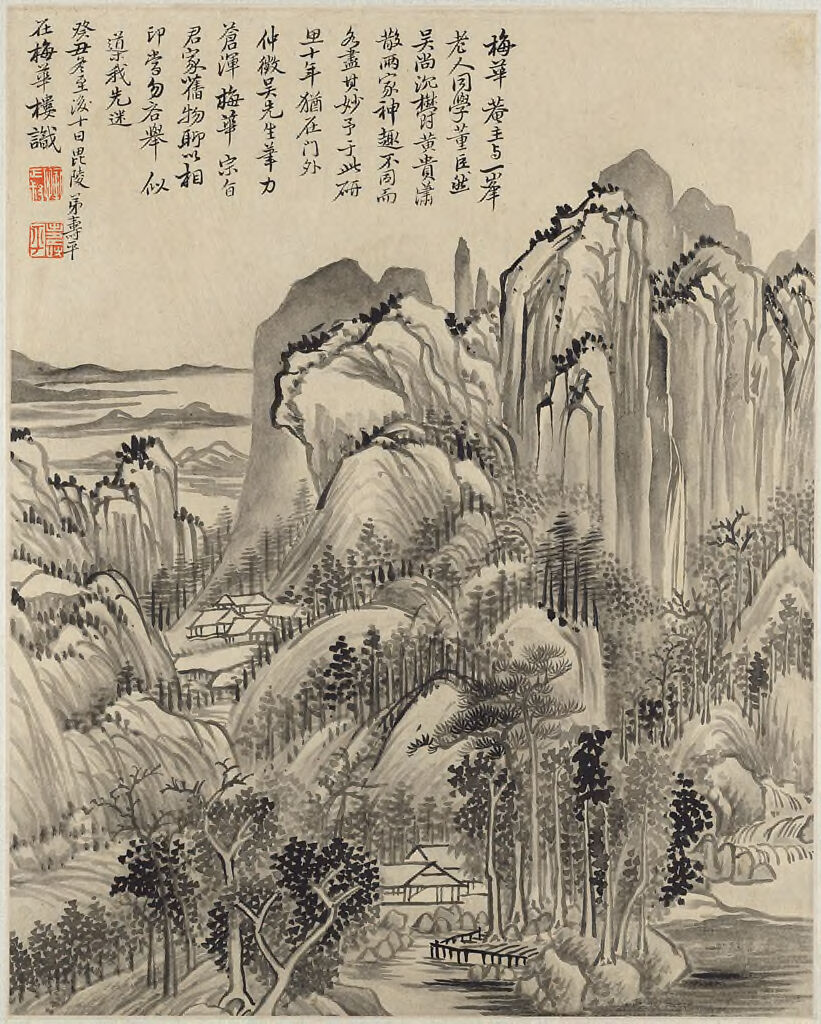
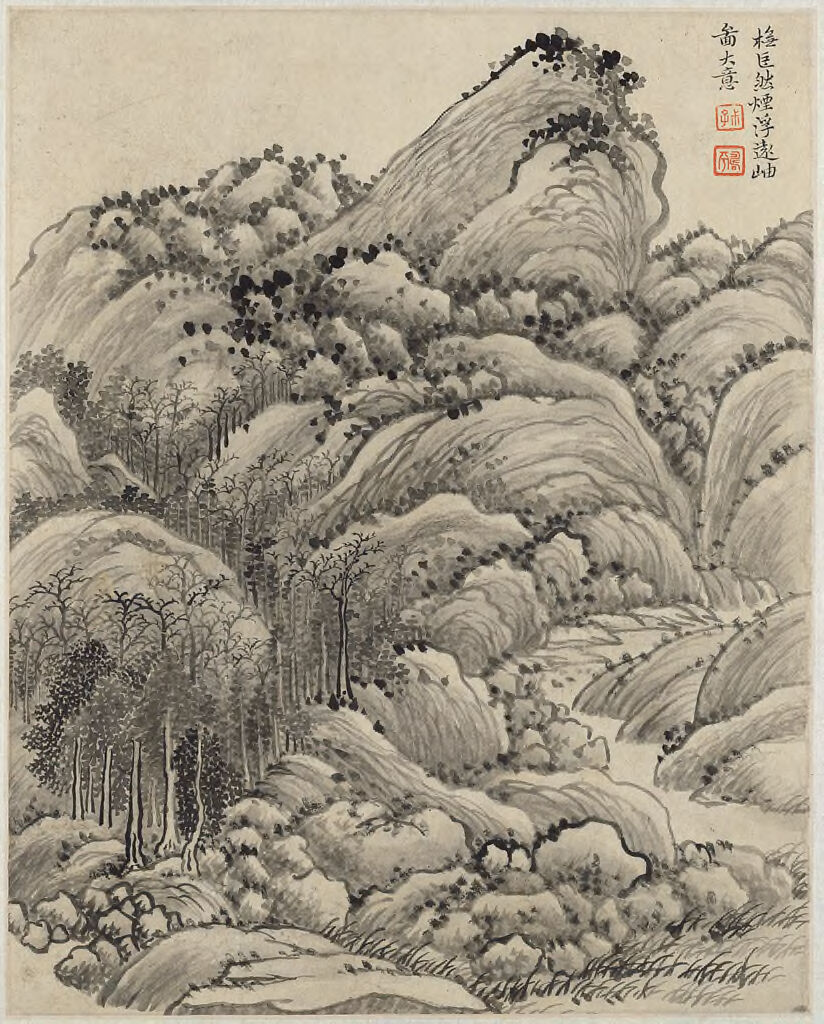
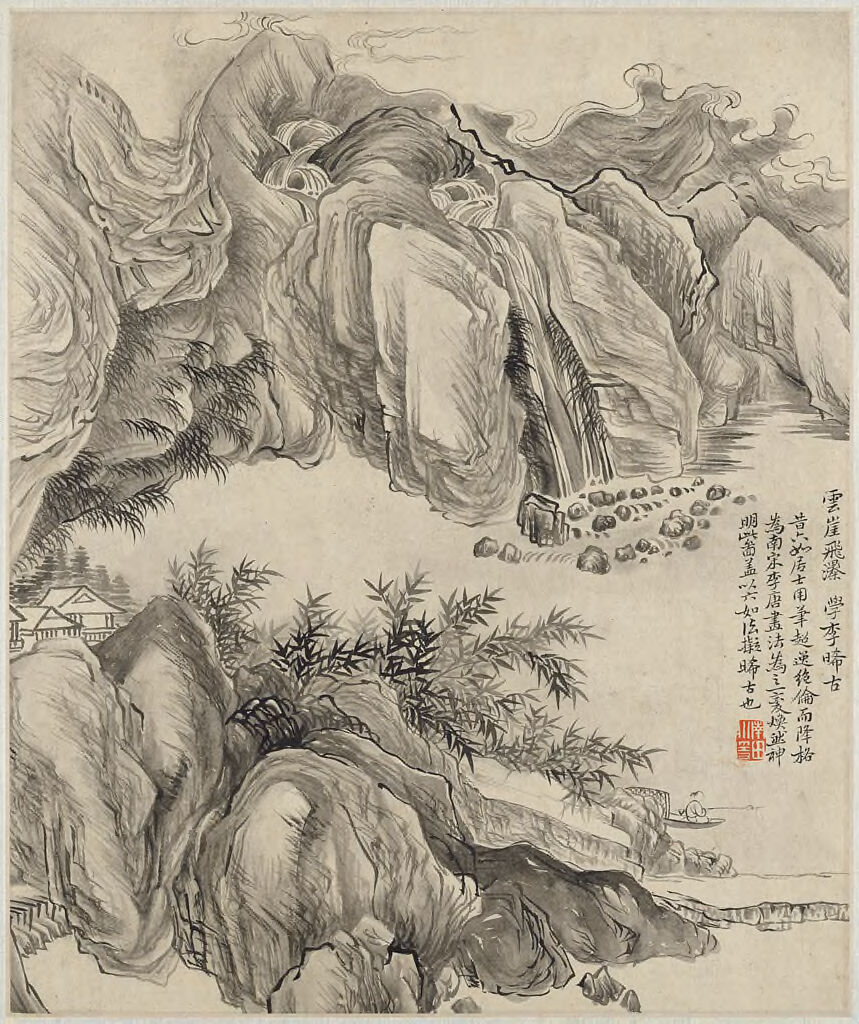
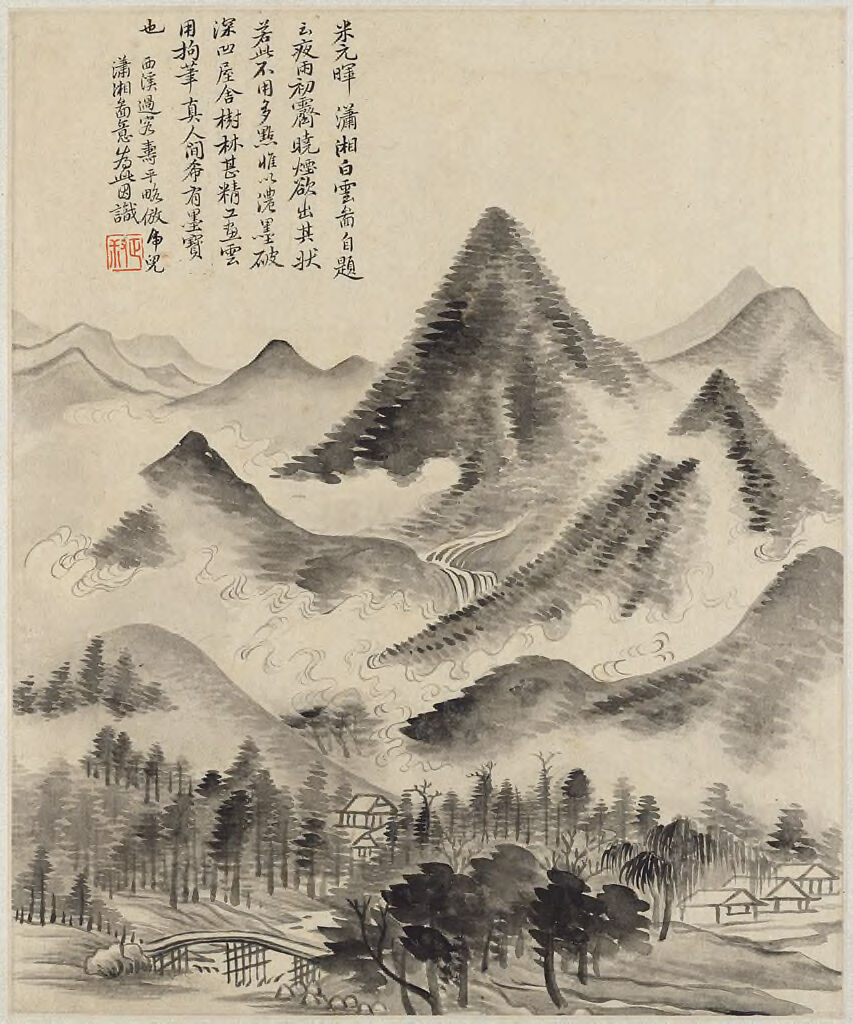
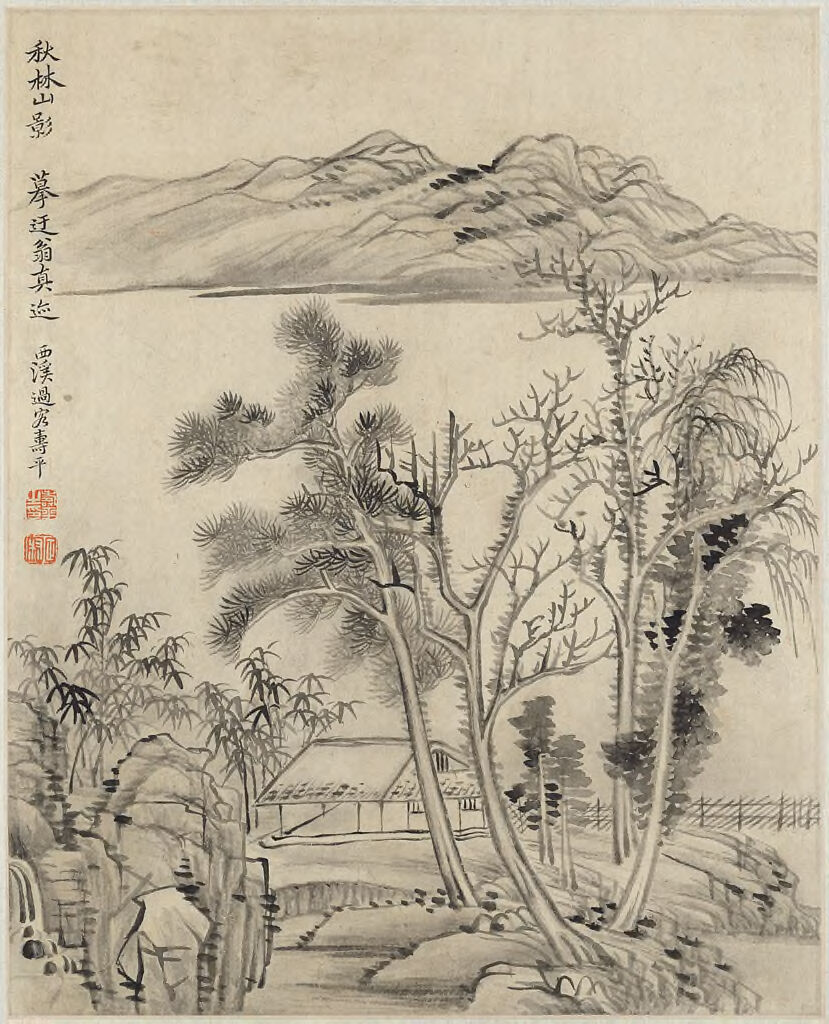
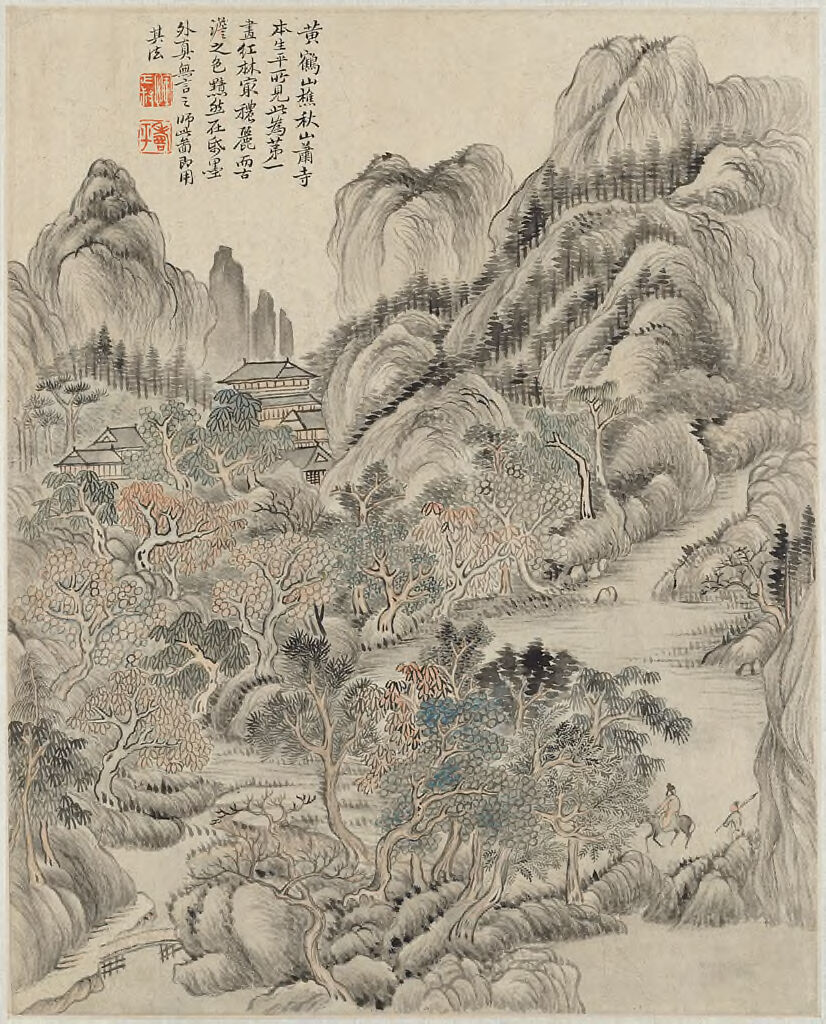
“Sometimes beauty is just pain, disguised in gold.” This sentiment echoes through the tranquil yet tumultuous vistas of a bygone era, where harmony conceals the scars of nature and existence. In the delicate brushstrokes of a master, a contemplation of balance manifests, revealing the dance between serenity and struggle. Look to the flowing lines of mountains in the background, a gentle rise against the horizon. Notice how the artist employs ink washes, alternating between dark and light hues, creating a sense of depth and atmosphere.
The foreground invites your gaze into a wispy grove where soft greens blend seamlessly with muted ochres, suggesting a shift in seasons. Each stroke carries intention, weaving together a tapestry of tranquility that is both inviting and haunting. The interplay of color juxtaposes stillness with the weight of history; each element whispers of the past and the echoes of longing. The seemingly serene landscape belies the tumult of an artist's heart, as nature's beauty often conceals turmoil.
Subtle details, like the delicate flutter of leaves caught in the breeze, hint at life’s fragility amid a backdrop of grandiosity, a testament to the transience of beauty in a world laden with impermanence. In 1683, while living in China, the artist created this work during a period marked by the revival of traditional ink painting, reflecting the influence of earlier masters. Yun Shouping’s artistry emerged amidst a rich tapestry of cultural exchange and philosophical introspection, where the delicate balancing act of nature was both celebrated and revered. This landscape serves as a bridge between past and present, inviting viewers to ponder their own connection to the beauty that is often tinged with melancholy.