Landscape After Wang Meng (ca. 1308-1385) — History & Analysis
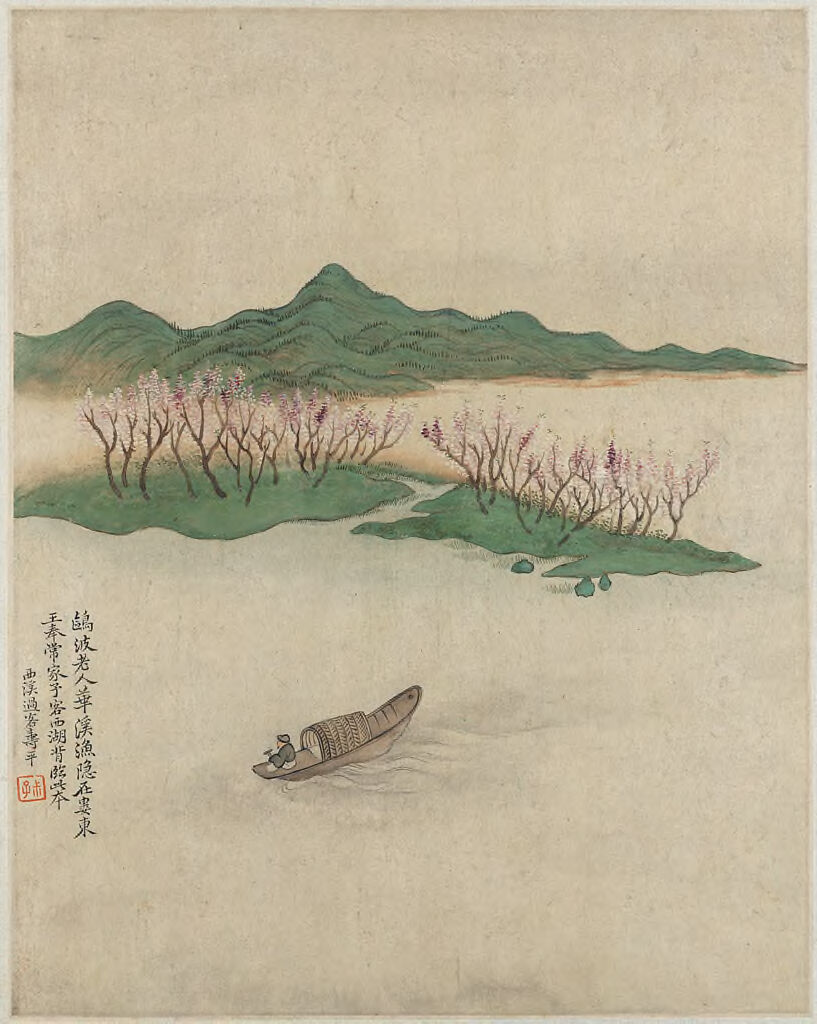
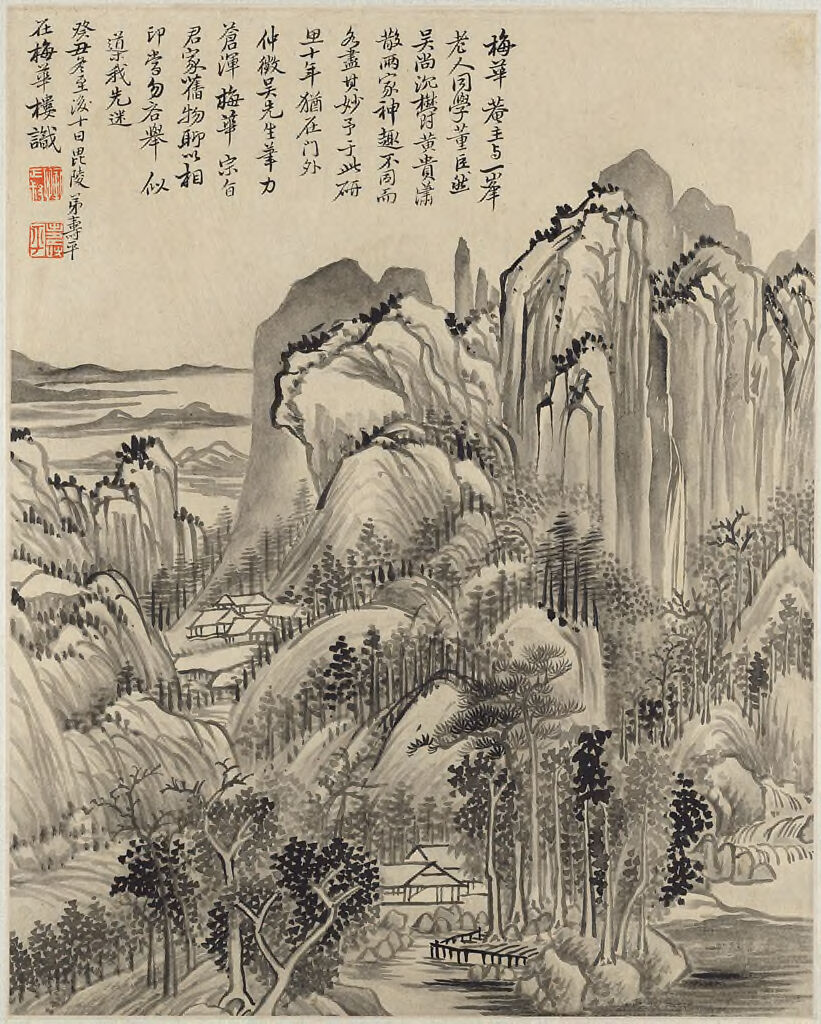
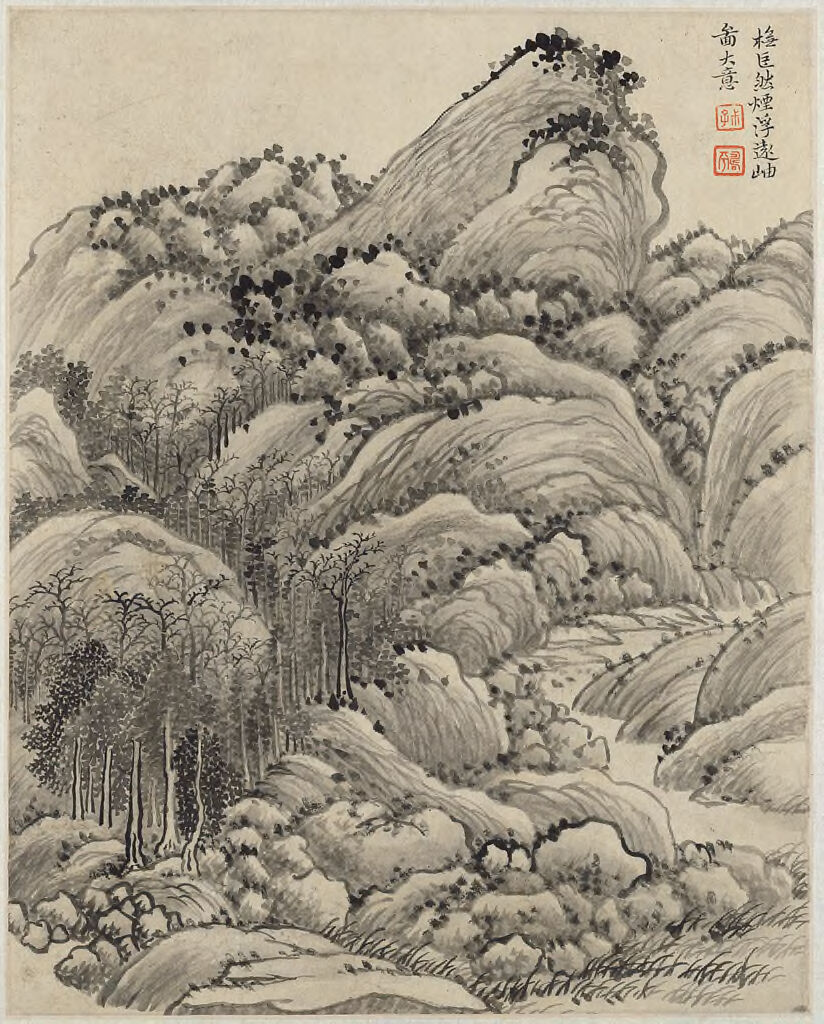
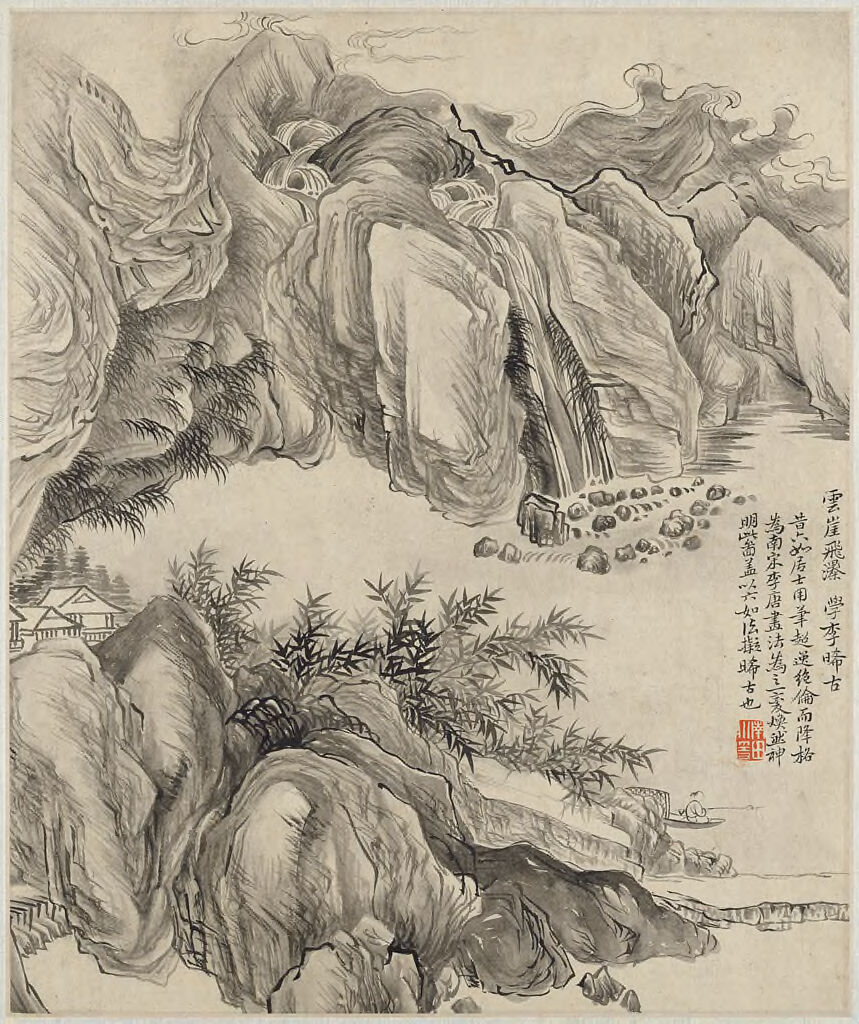
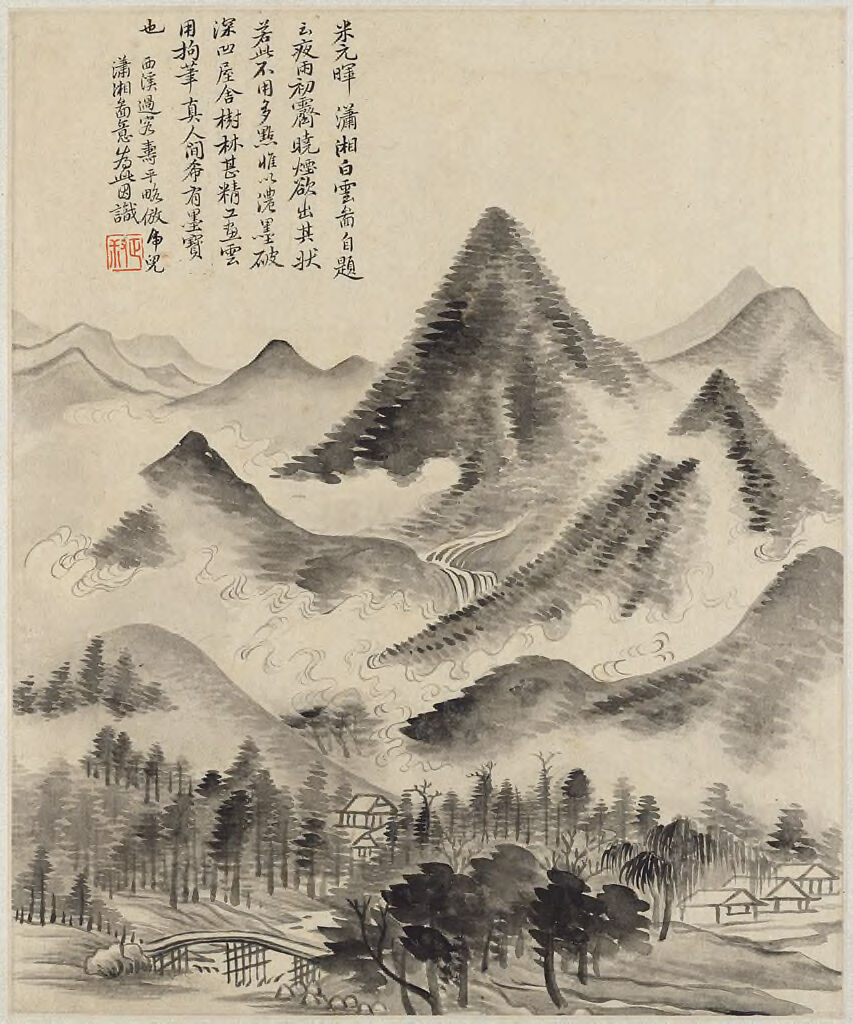
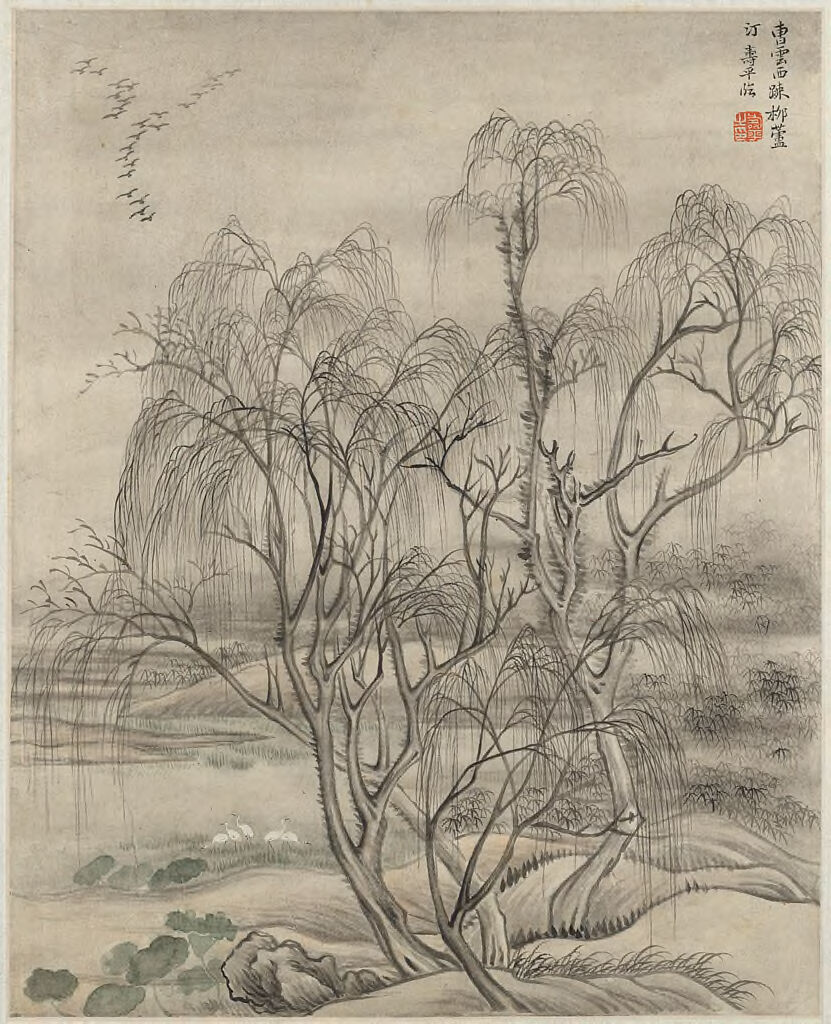
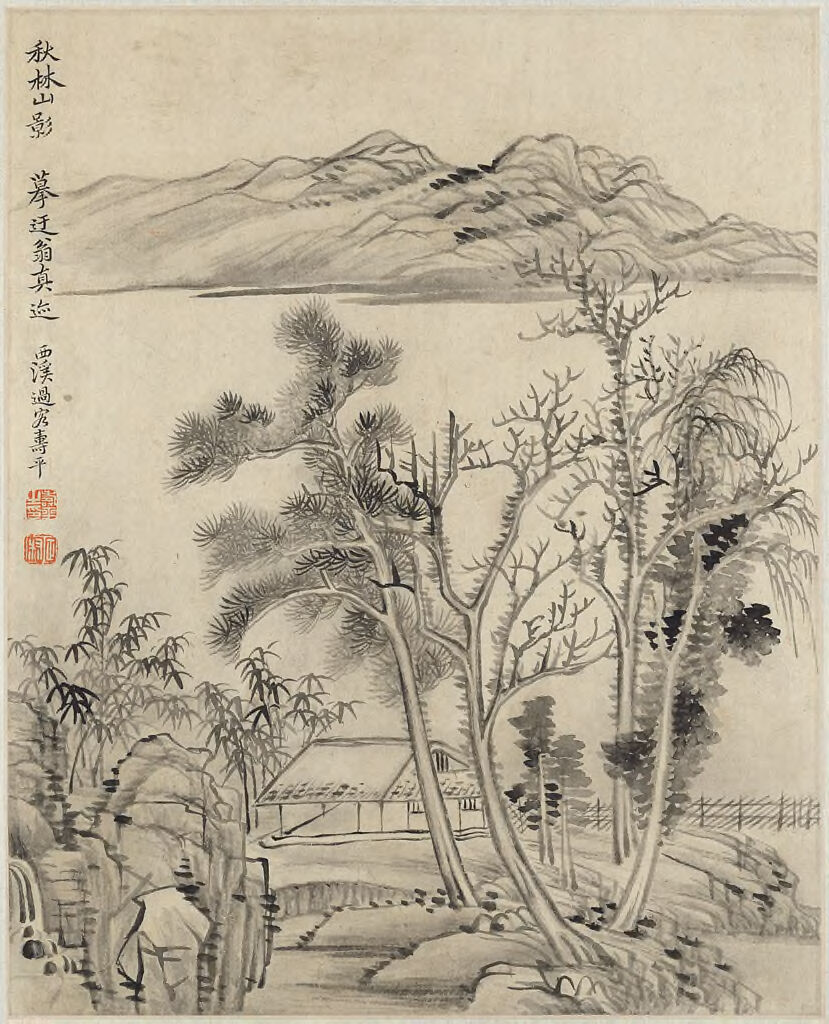
Could beauty survive in a century of chaos? In the delicate brushstrokes of a bygone era, a quiet resilience whispers through the landscape—seeking a transcendence that defies time and turmoil. Look first to the undulating hills that sweep across the canvas, their gentle curves cradling the viewer's gaze. Notice the ethereal quality of the colors; soft greens and muted grays blend seamlessly, evoking a sense of harmony. The light dances upon the surface, creating a serene ambiance that contrasts the tumult of history outside this painted world.
Small figures traverse a winding path, dwarfed by the vastness surrounding them, inviting contemplation on their journey through life. The nuances of the piece reveal deeper meanings, suggesting a dialogue between nature and civilization. The mountains, majestic yet distant, symbolize enduring strength, while the fragile flora at the foreground speaks to the transitory nature of existence. This tension between permanence and impermanence becomes a microcosm of the human experience, reflecting both the beauty and fragility of life amidst chaos.
Each brushstroke serves as a reminder of the past yet invites the viewer to dream of stability and peace. In 1683, during a time when China was grappling with political upheaval, Yun Shouping sought solace in the traditions of his ancestors. Working in the context of a rich artistic heritage, he embraced the ideals of literati painting, which valued both aesthetic beauty and philosophical depth. By channeling the spirit of Wang Meng, he not only honored the past but also carved out a space for hope and beauty in a rapidly changing world.