Landscape After Li Tang (ca. 1070-ca. 1150) — History & Analysis
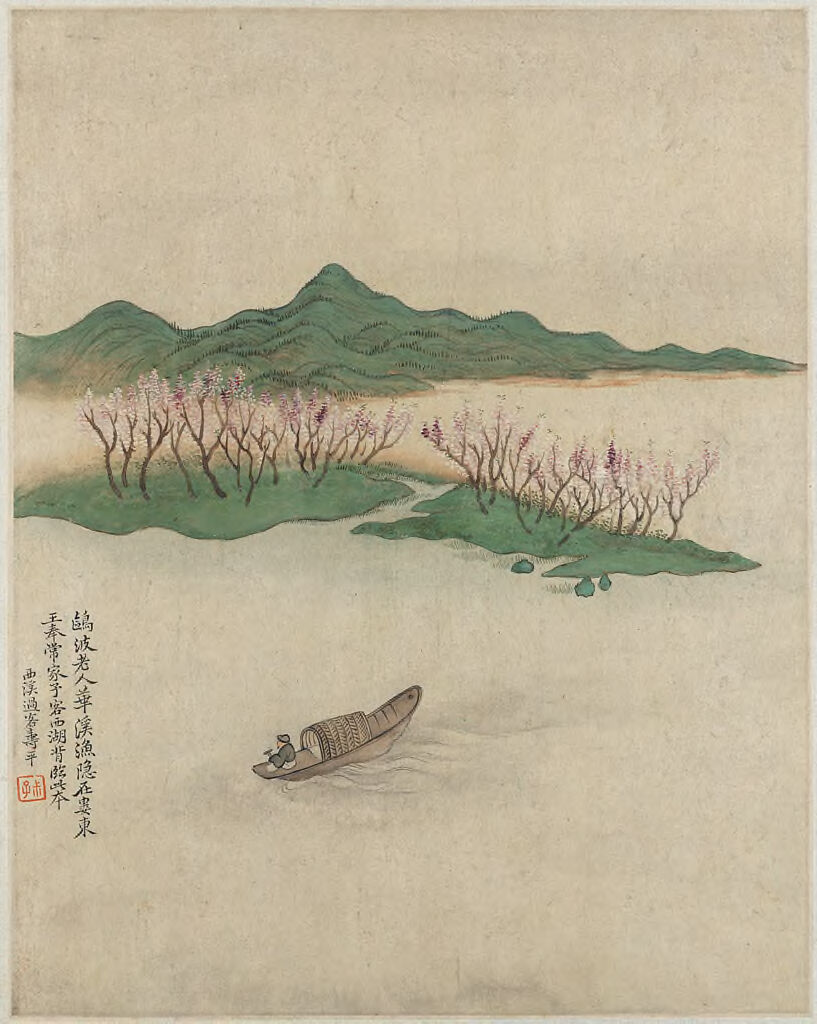
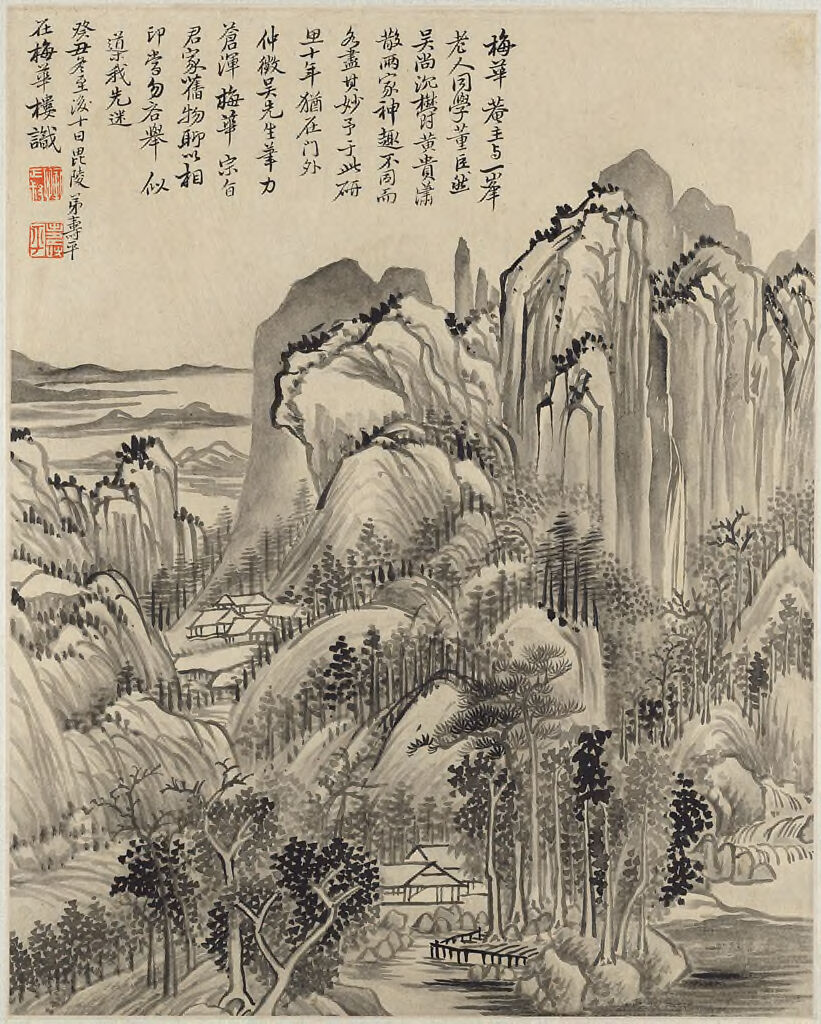
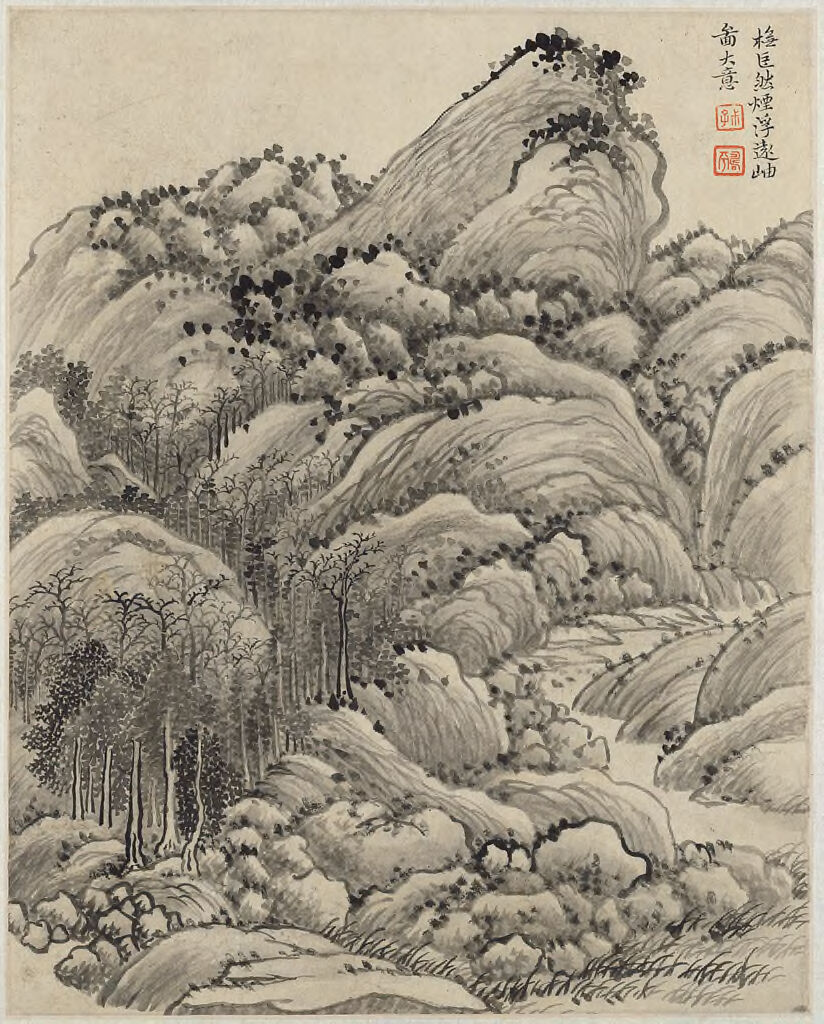
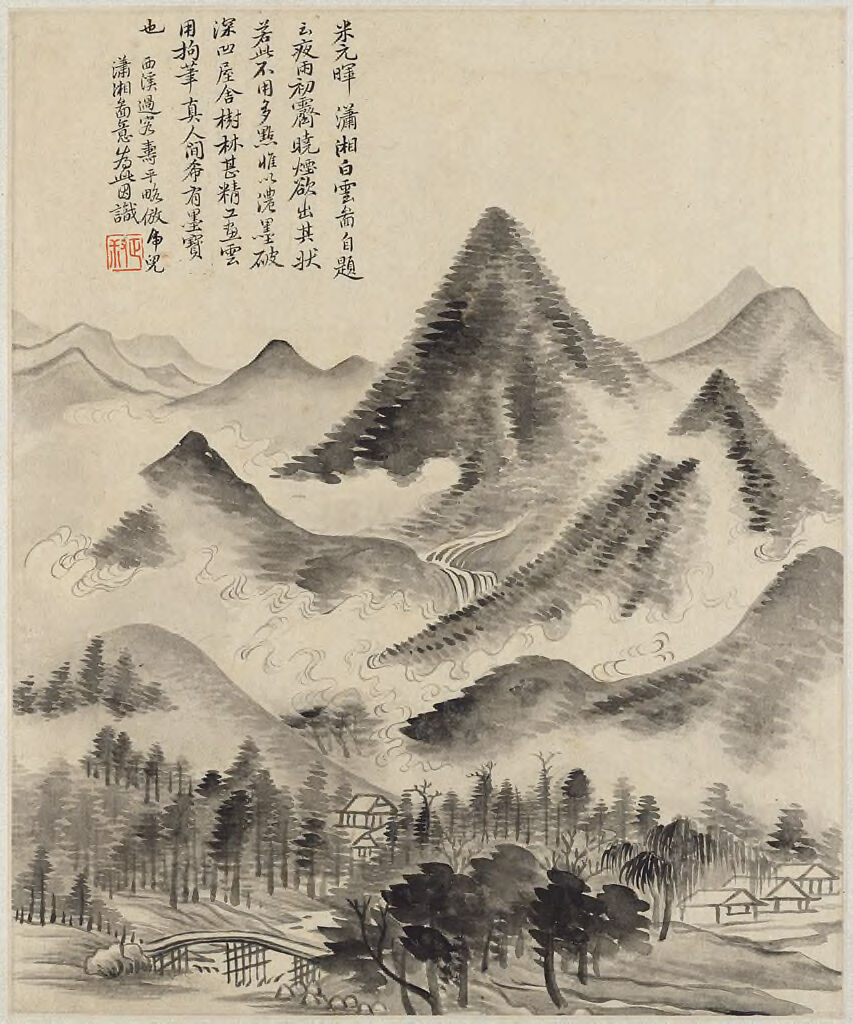
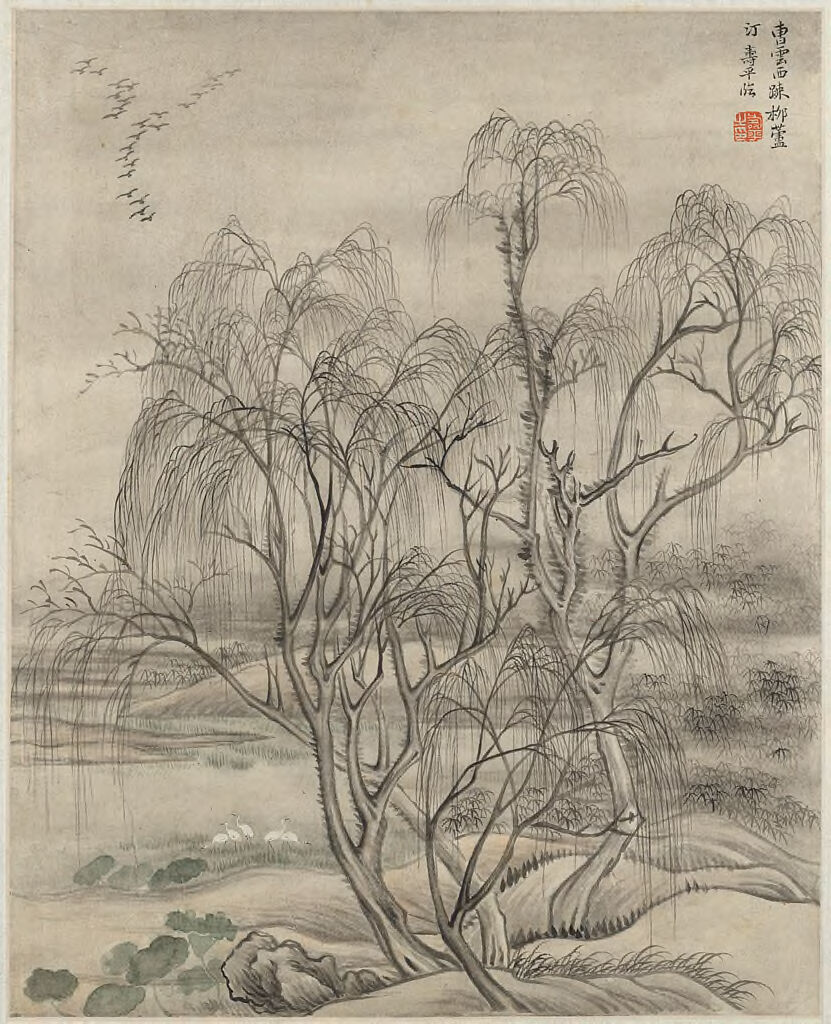
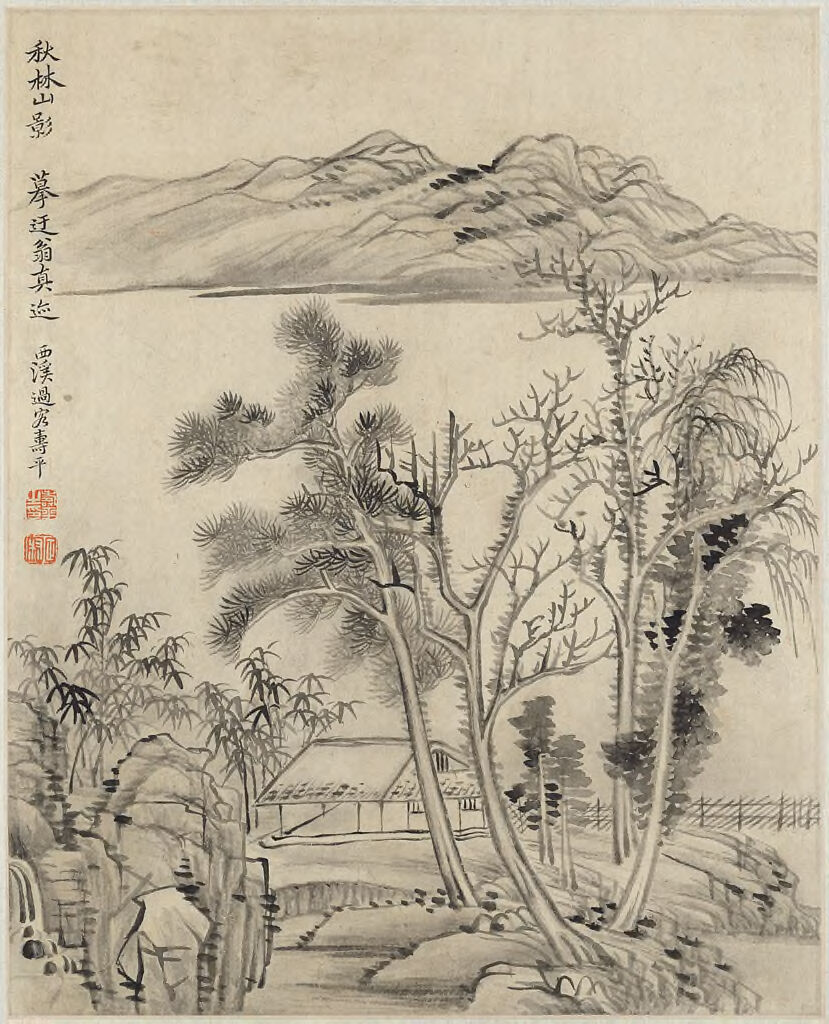
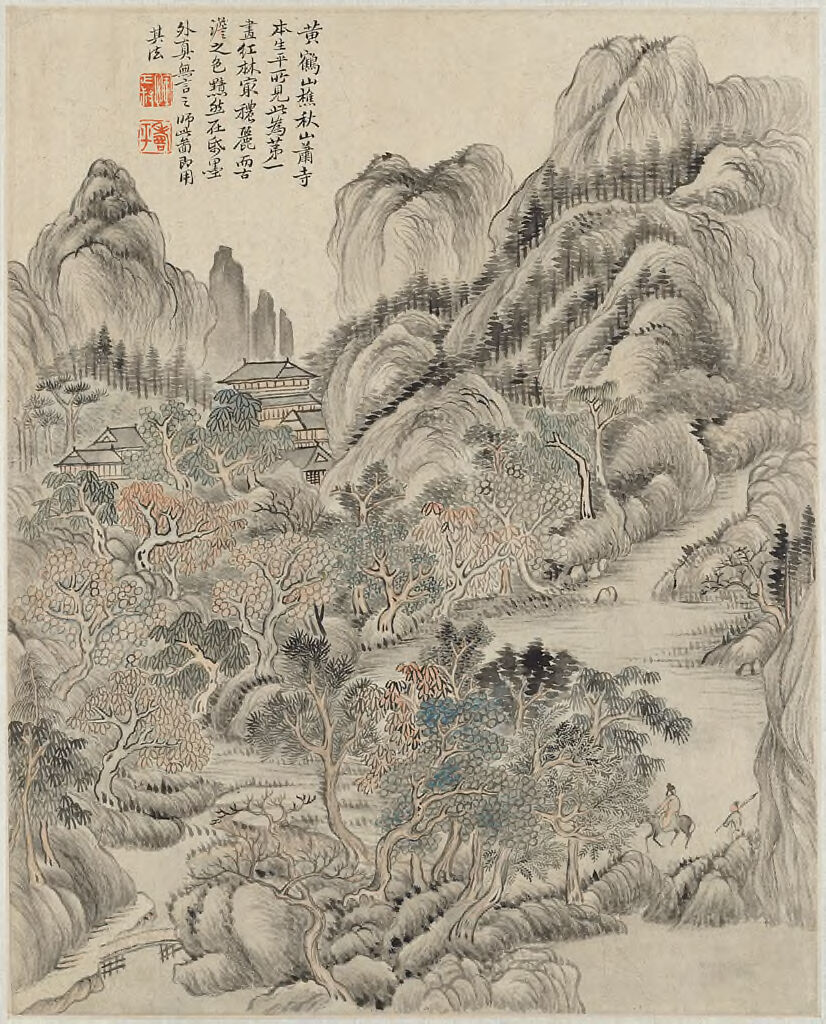
Is this a mirror — or a memory? In Landscape After Li Tang, a delicate world unfolds where the brushstrokes breathe life into the stillness of nature, inviting reflection and awakening the spirit within. Look to the left at the gentle, undulating hills, their soft greens and blues merging seamlessly, evoking the tranquility of a dreamscape. Focus on the subtle interplay of light and shadow that dances across the trees, where wispy clouds float above, hinting at a sky filled with hope.
The artist’s meticulous technique, characterized by fine lines and muted colors, serves to create an ethereal quality that draws the viewer deeper into the landscape's embrace. Yet, beneath this serene surface lies a profound dialogue: the tension between man and nature, reality and imagination. The careful arrangement of elements suggests a yearning for harmony, while the distant mountains represent both aspiration and unattainability.
Each brushstroke seems to whisper secrets of an inner journey, a meditation on existence that resonates with the viewer's own experiences and dreams. Yun Shouping painted this work in 1683 during the height of the Qing Dynasty, a period marked by cultural flourishing and a revival of traditional Chinese aesthetics. Living in a time when the art world was deeply engaged in classical ideals, he sought to honor the great masters of the past, like Li Tang, while infusing his own vision, creating a bridge between history and the present moment in his art.