Landscape After Wu Zhen (1280-1354) — History & Analysis
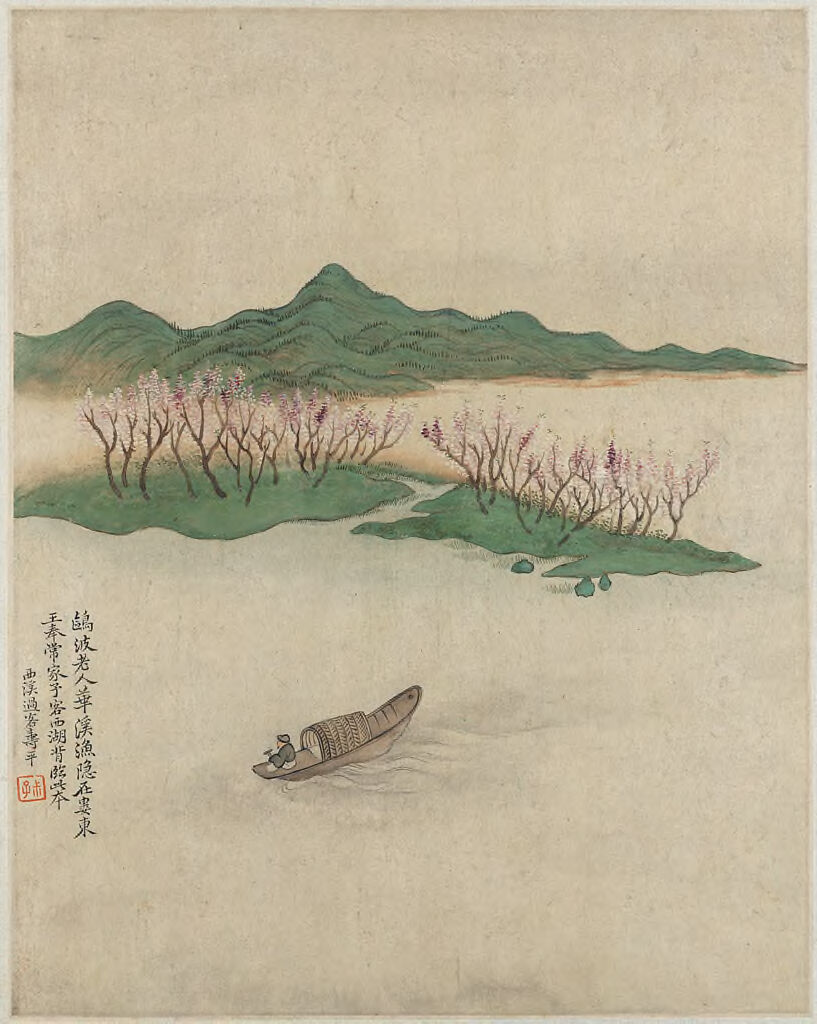
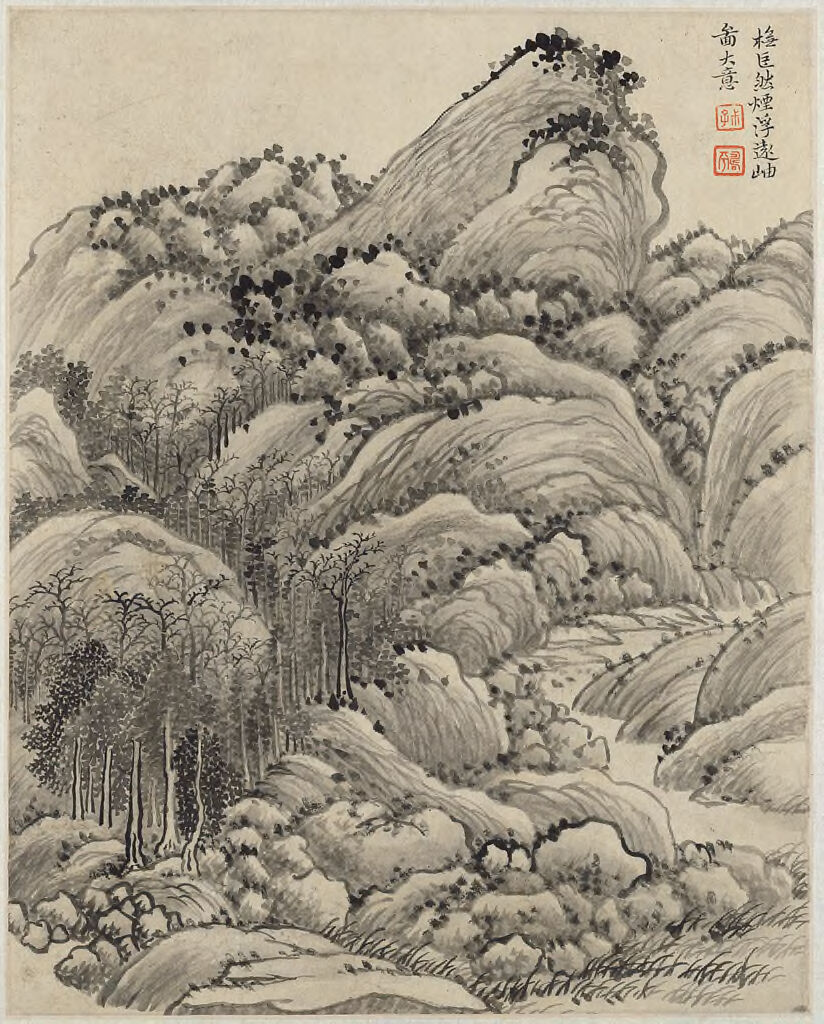
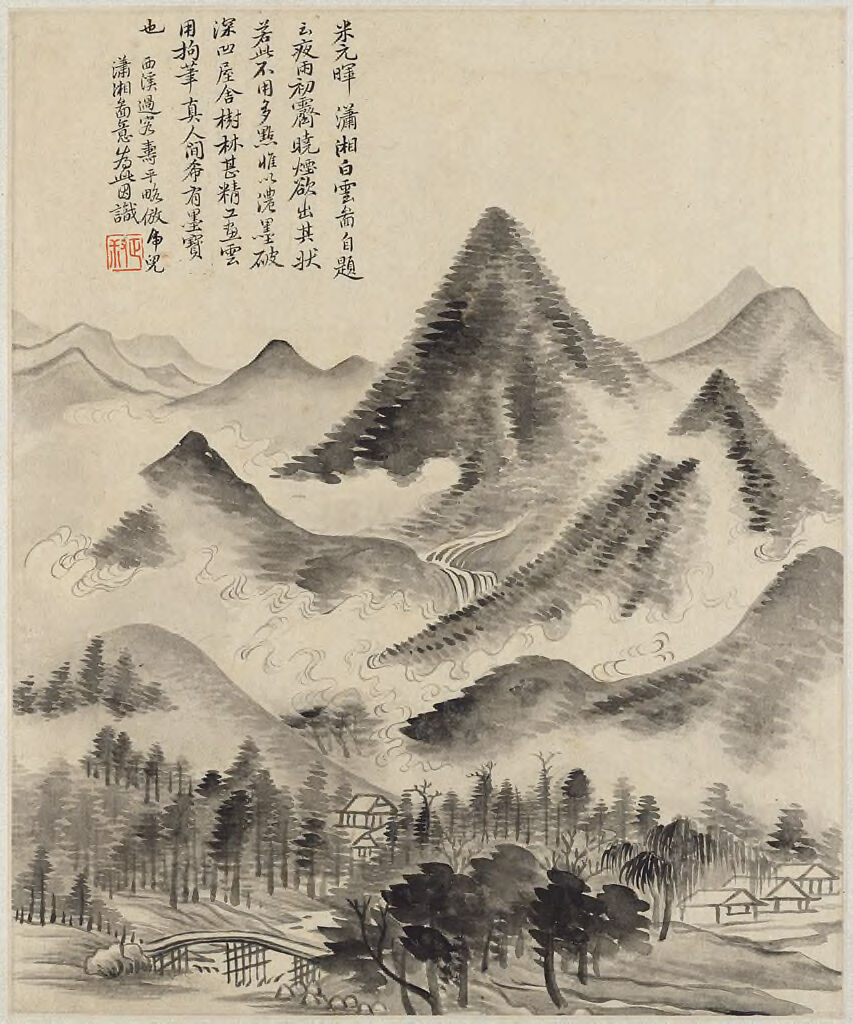
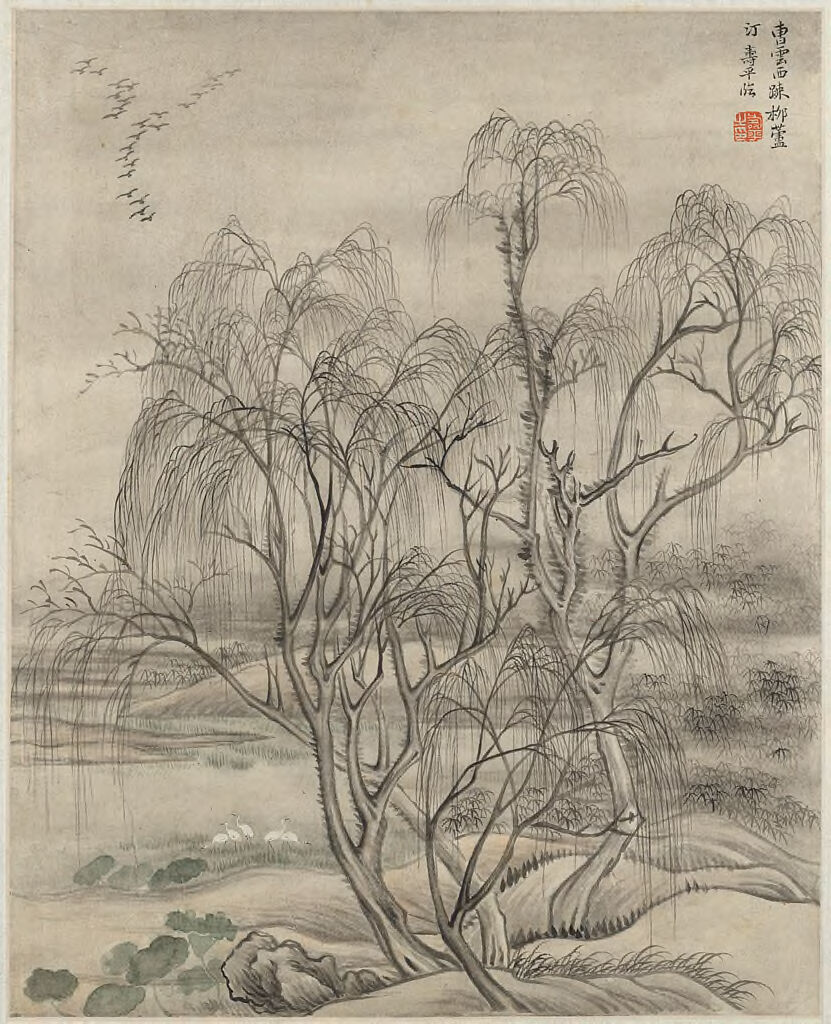
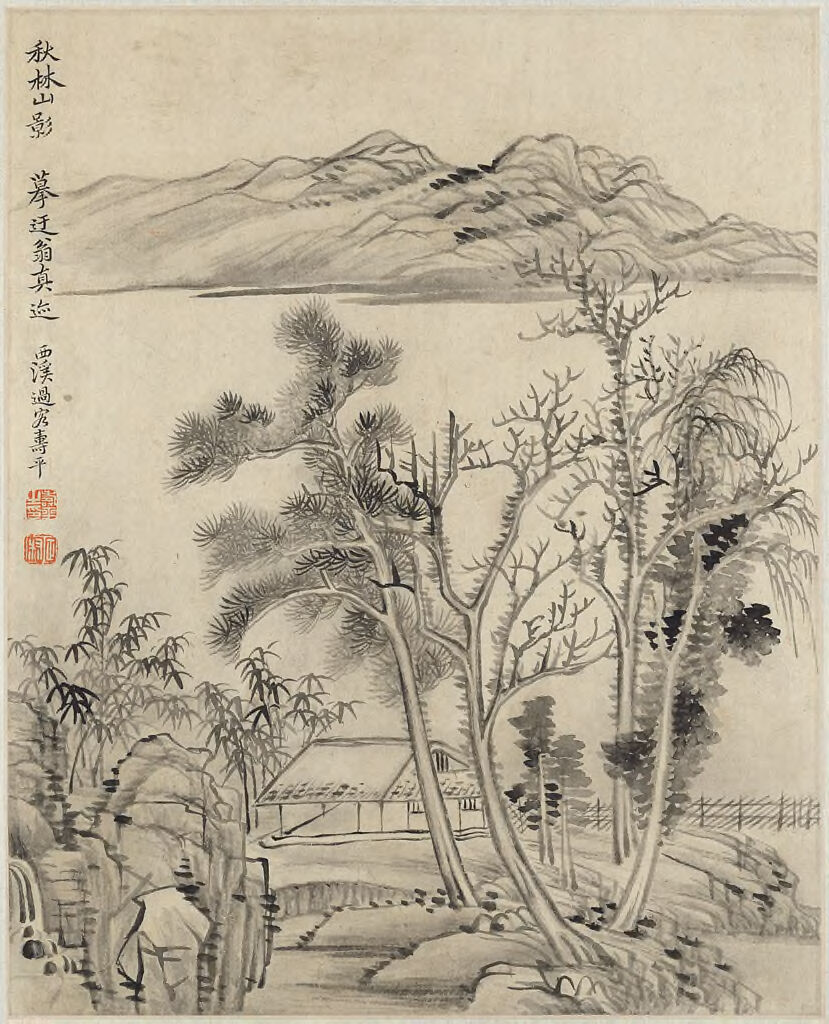
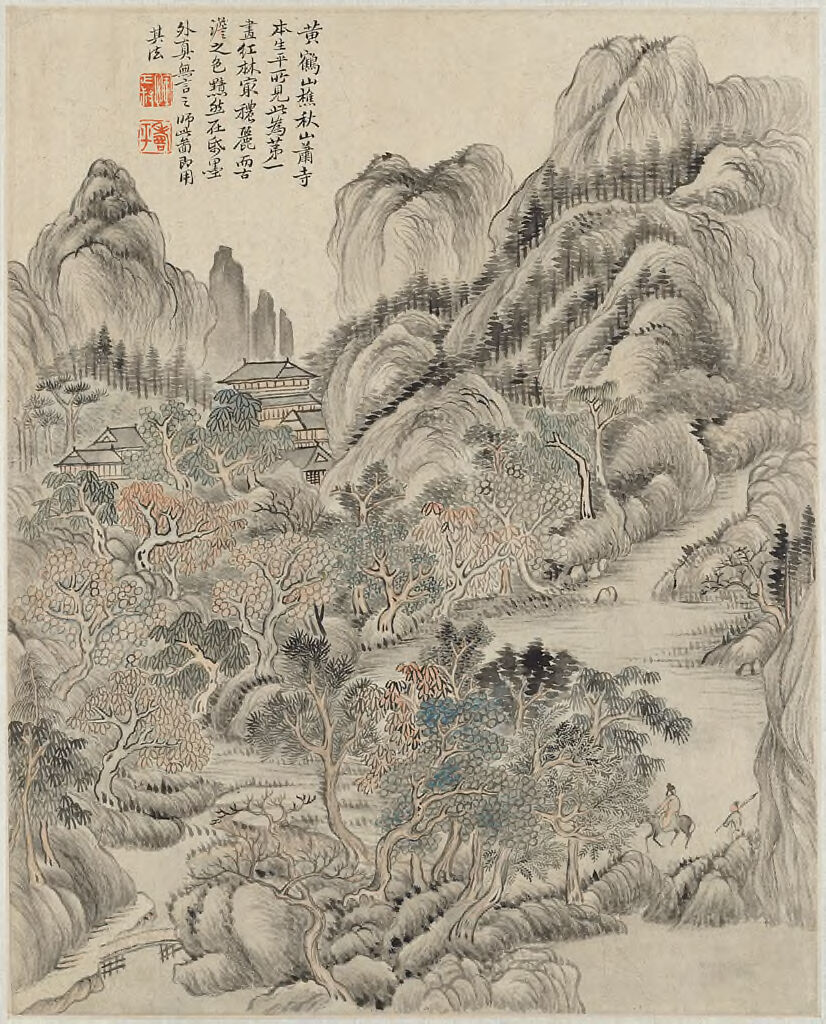
Did the painter know this moment would outlive them? In a world where every brushstroke carries the weight of time, Landscape After Wu Zhen invites us to consider the beauty of creation and its resonance beyond the artist's life. Look to the left at the gentle undulations of the hills, softly enveloped in mist. The artist’s deft hand captures the ethereal quality of nature through a delicate balance of ink and wash. Notice how the shades of gray and green interplay, creating a harmonious gradient that draws your eye across the canvas.
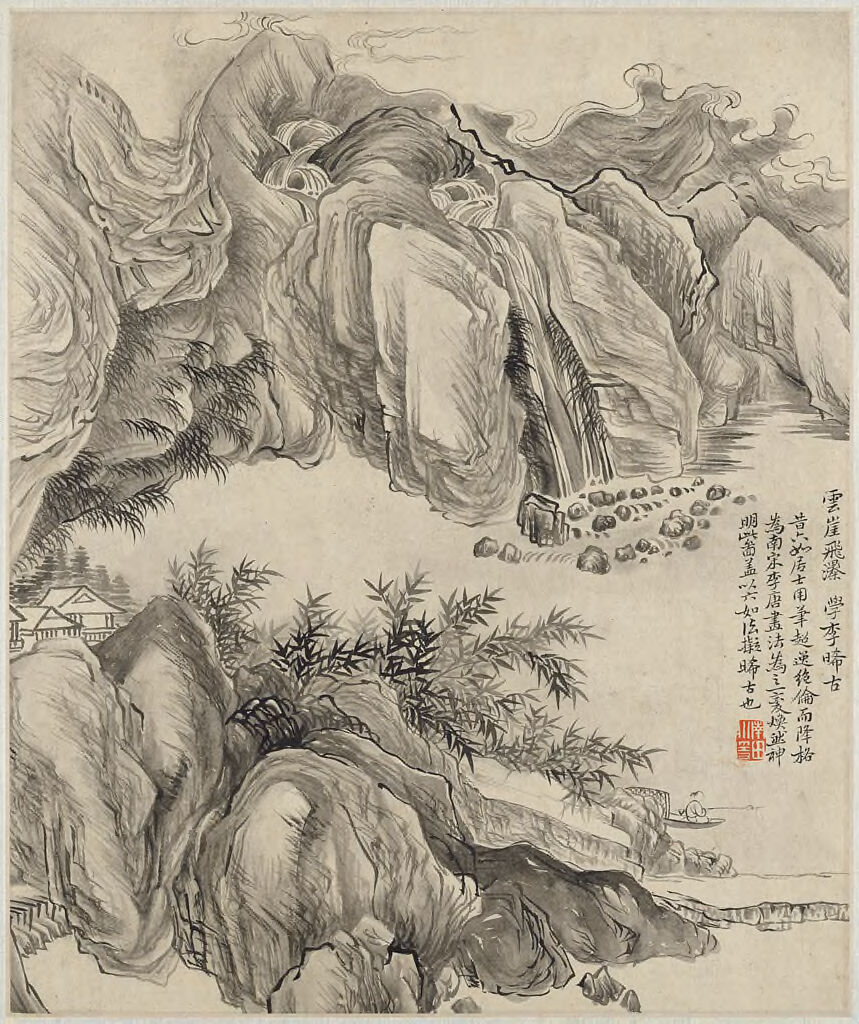
The masterful layering suggests depth, while the sparse yet intentional placement of trees adds a sense of tranquility, inviting contemplation. Within the serene landscape lies a rich tapestry of meanings. The juxtaposition of the dense foliage against the open sky speaks to the tension between life and the vastness of existence. Moreover, the subtle strokes of the calligraphy echo the whispers of the past, reminding us of the connection to Wu Zhen and the lineage of artistic expression.
This piece captures not just a landscape, but the quiet dialogue between nature and humanity, urging reflection on our place within it. Yun Shouping created this work in 1683, a period marked by the Qing dynasty's flourishing arts and culture. Influenced by classical Chinese tradition, he sought to evoke the spirit of earlier masters like Wu Zhen while innovating within his own right. As a respected figure in the literati painting movement, his work reflects both personal expression and a broader cultural heritage, a reminder that art transcends the individual, preserving moments for generations to come.