Landscape After Xu Ben (1335-1380) — History & Analysis
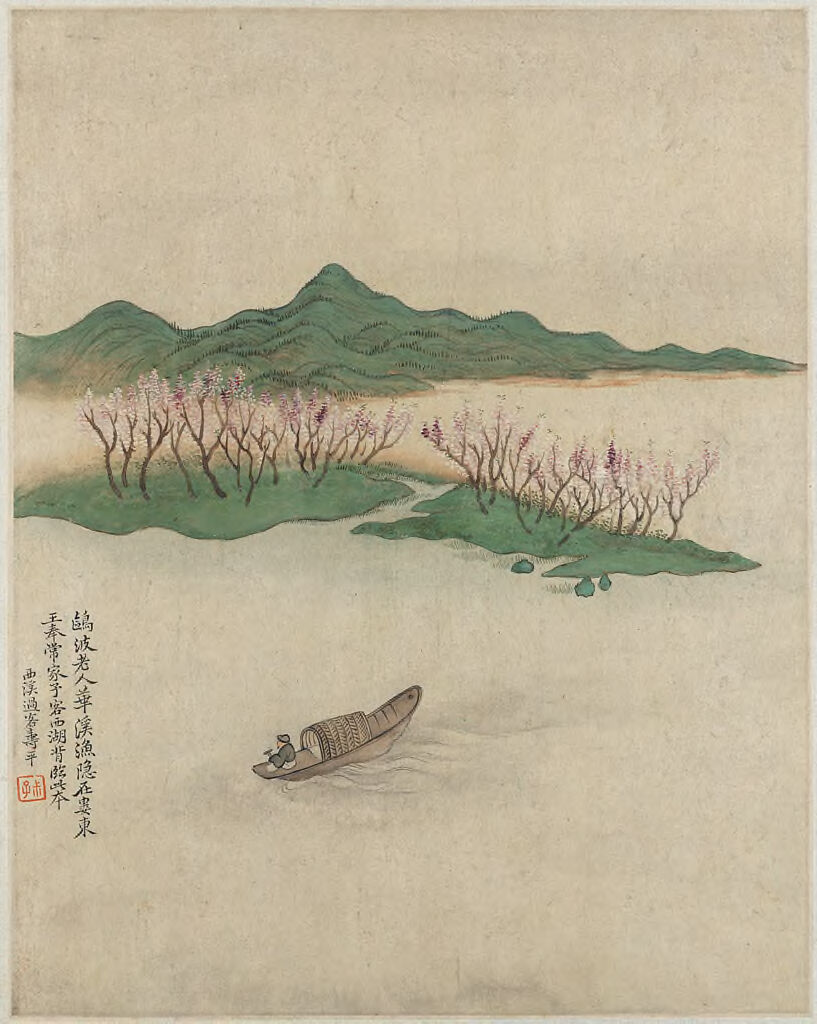
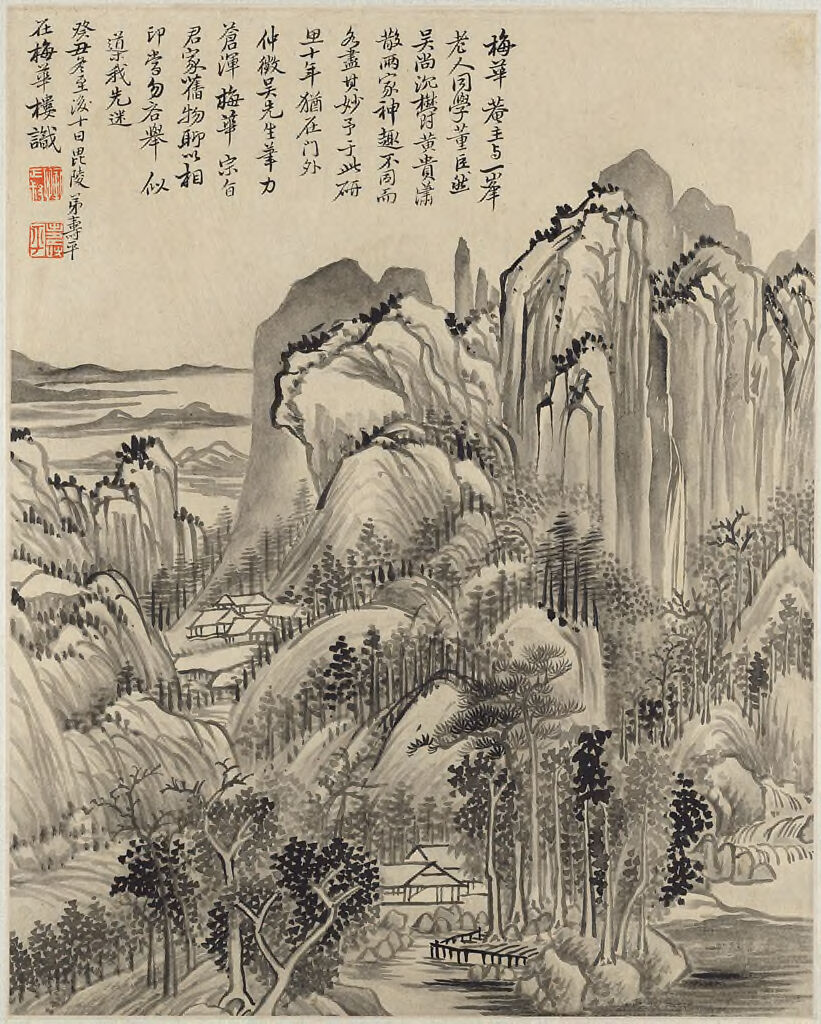
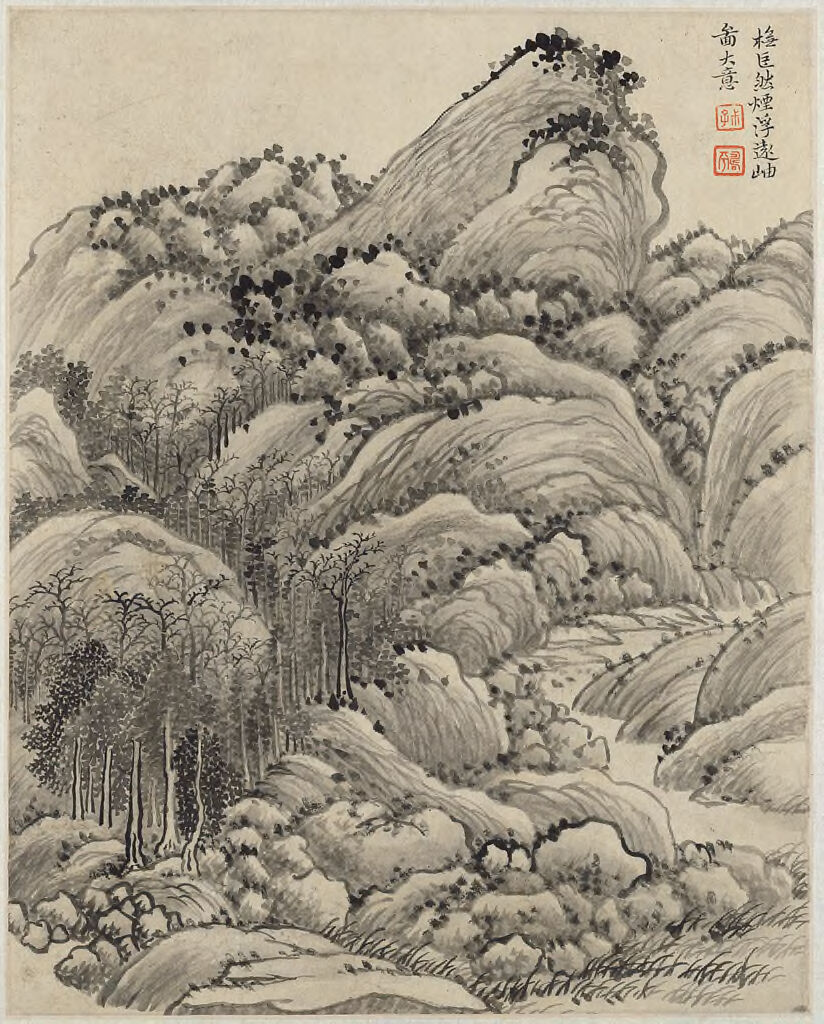
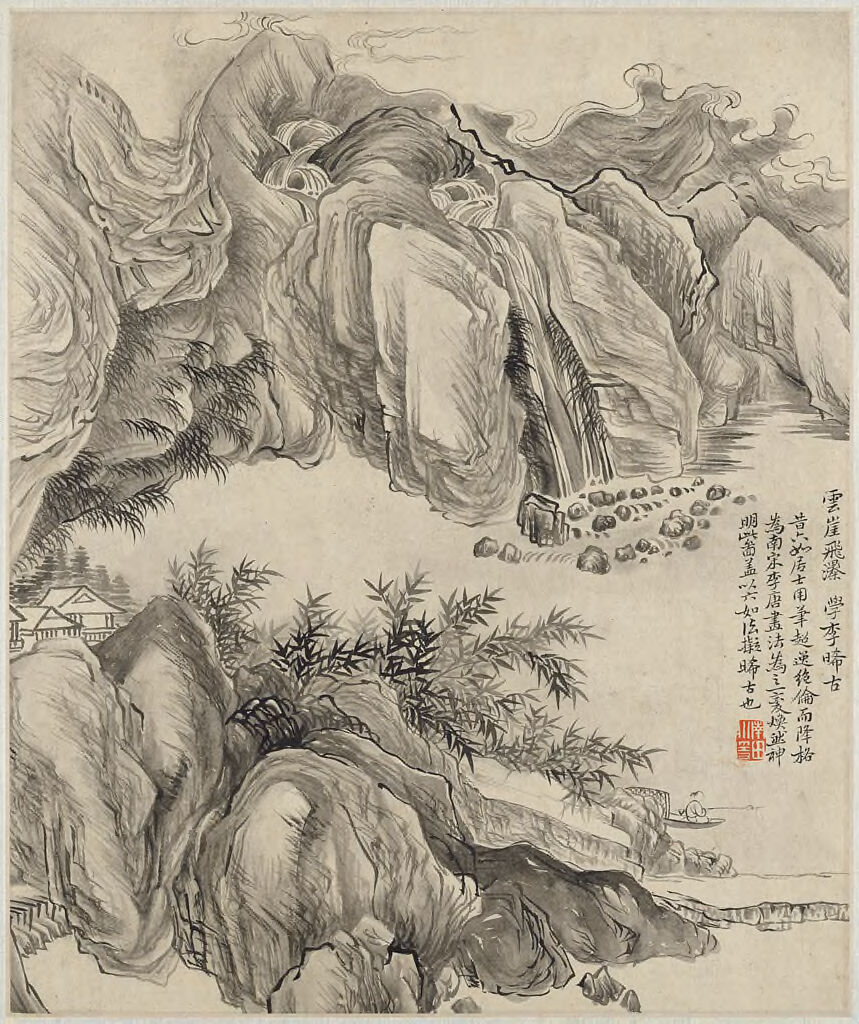
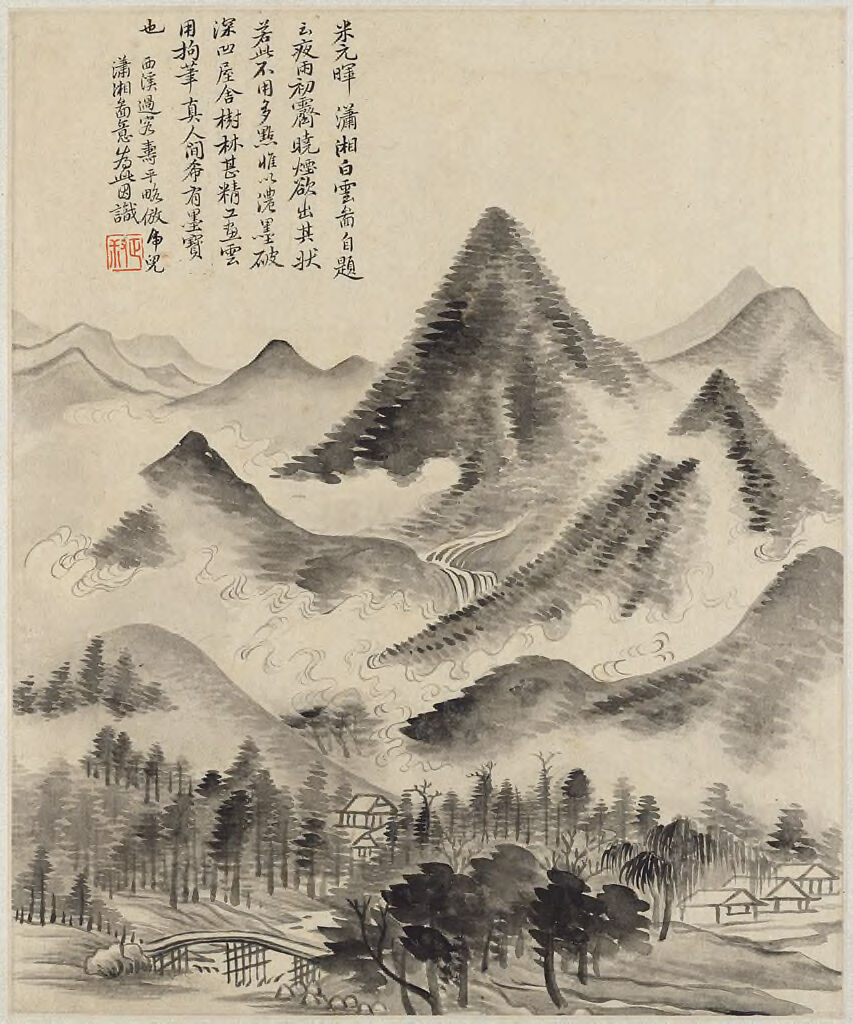
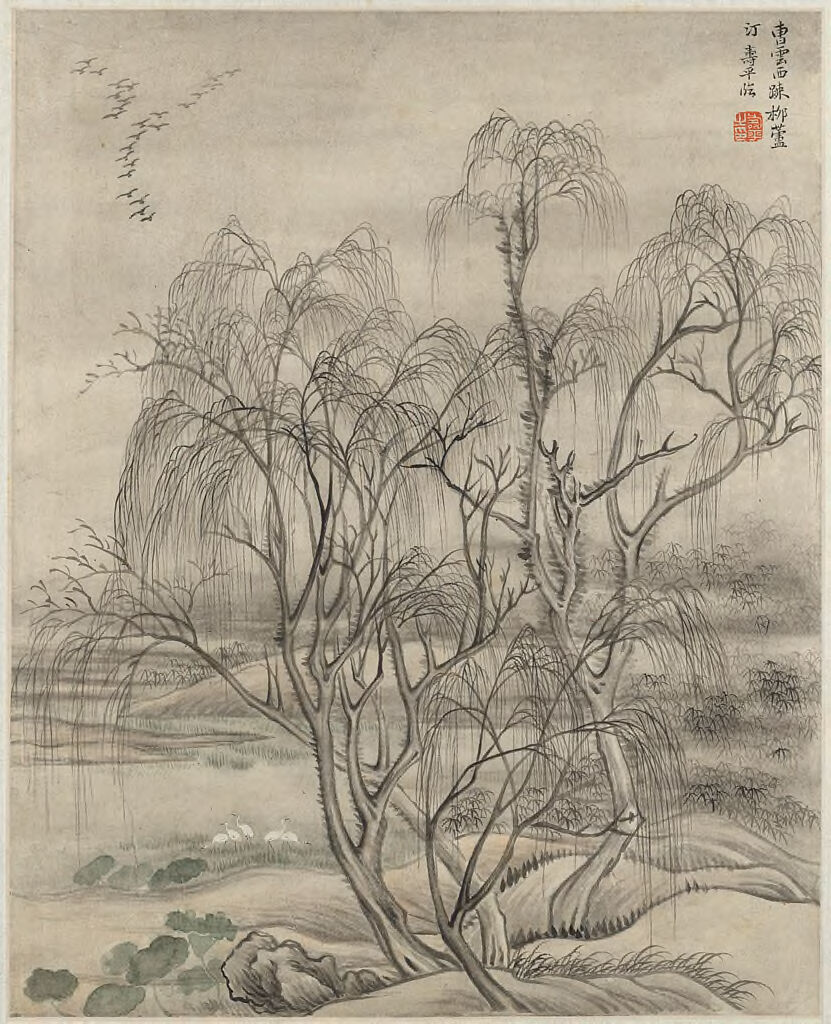
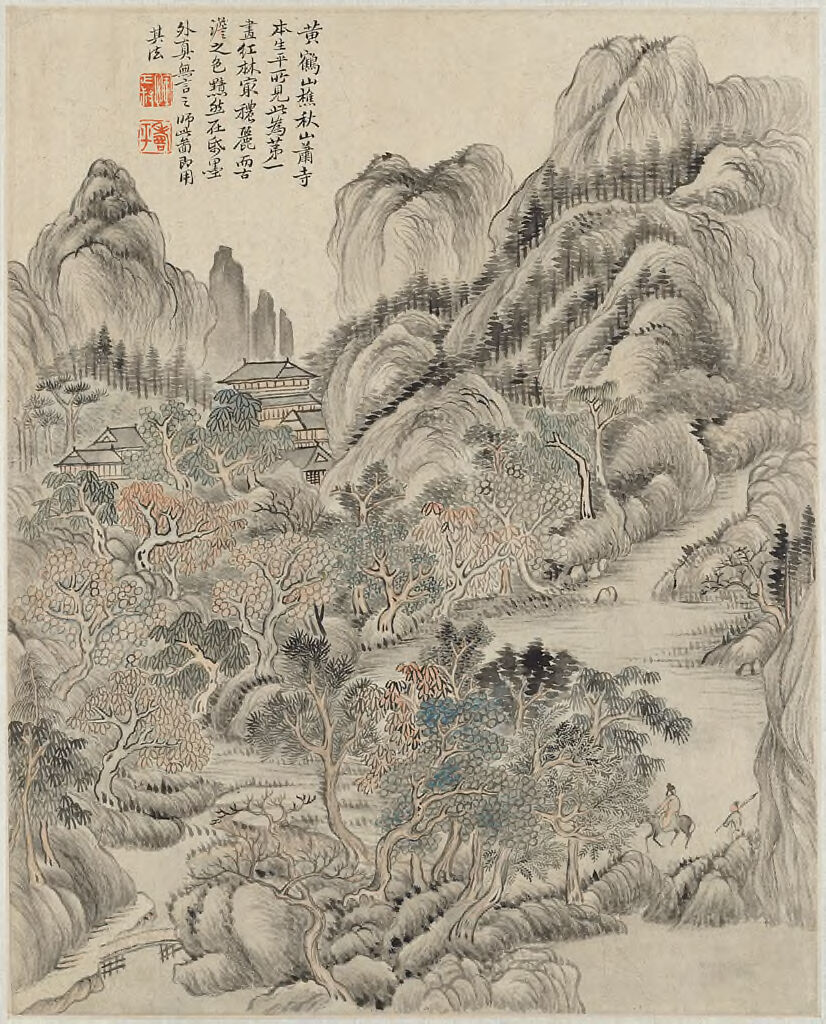
Could beauty survive in a century of chaos? In a world often overshadowed by turmoil, the delicate intricacies of nature can speak a truth that transcends time. Look to the foreground, where gentle hills roll softly under a veil of expressive brushstrokes. The layers of ink blend harmoniously, creating a serene landscape that invites the viewer into a realm of contemplation. Notice how the muted greens and deep blues interplay with the strokes of soft gray, evoking a sense of tranquility.
The composition is anchored by an ethereal quality, as the mist blurs the boundaries between earth and sky, leading the eye toward the distant mountains, where a more vibrant energy resides. Yet, a deeper tension emerges when observing the subtle contrasts in this masterpiece. The soft, tranquil hills juxtapose against the more vigorous strokes that depict the mountain peaks, hinting at the tumultuous emotions beneath a seemingly calm exterior. The meticulous detailing of the flora speaks to an obsession with life's fleeting beauty, a reminder of nature's resilience even amid human strife.
This duality evokes a yearning for serenity in a world fraught with uncertainty. In 1683, Yun Shouping painted this piece during the transition of the Ming to Qing dynasties, a time marked by significant upheaval and cultural evolution in China. Straddling a moment of personal struggle and national change, the artist sought refuge in the depiction of nature, aligning himself with the traditions of Chinese literati painting while innovating within this framework. The work encapsulates a timeless quest for beauty, even when surrounded by chaos.