Landscape After Mi Fei (1051-1107) — History & Analysis
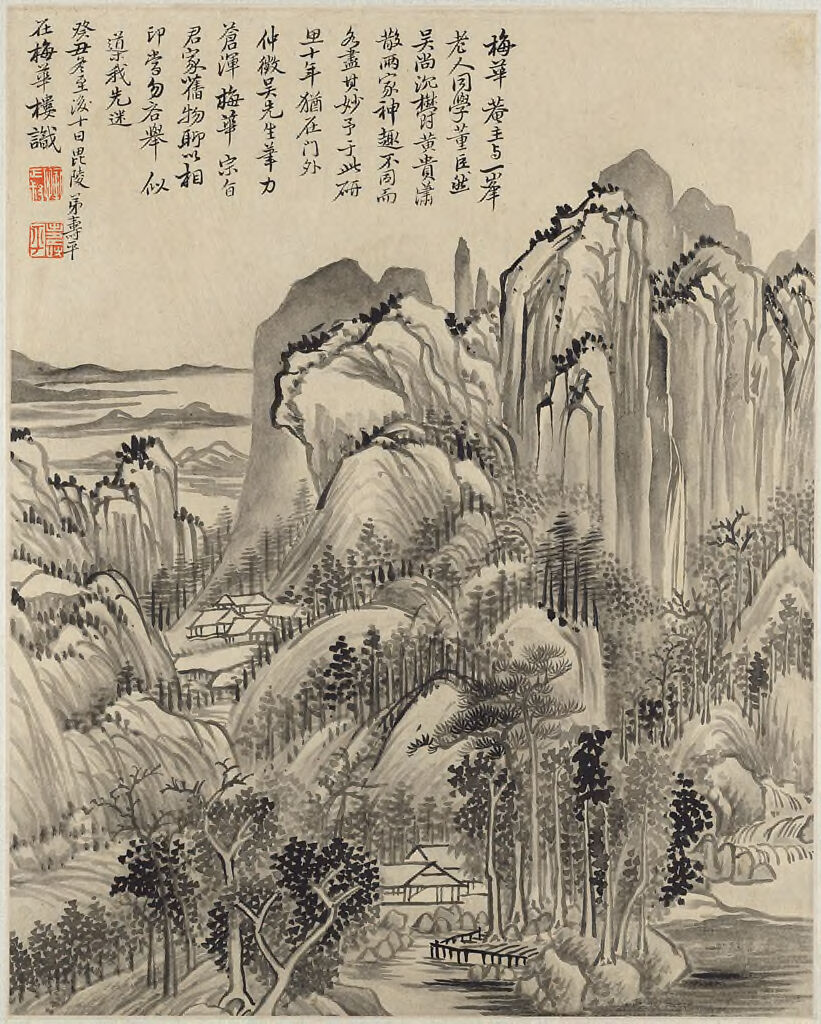
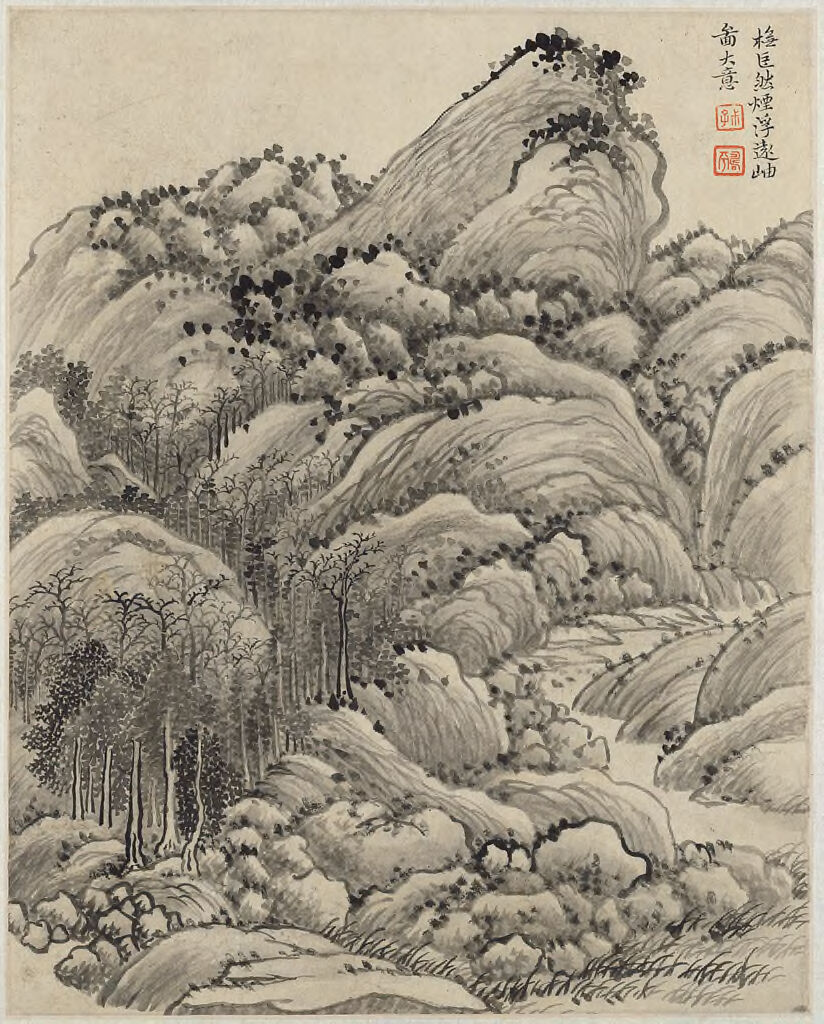
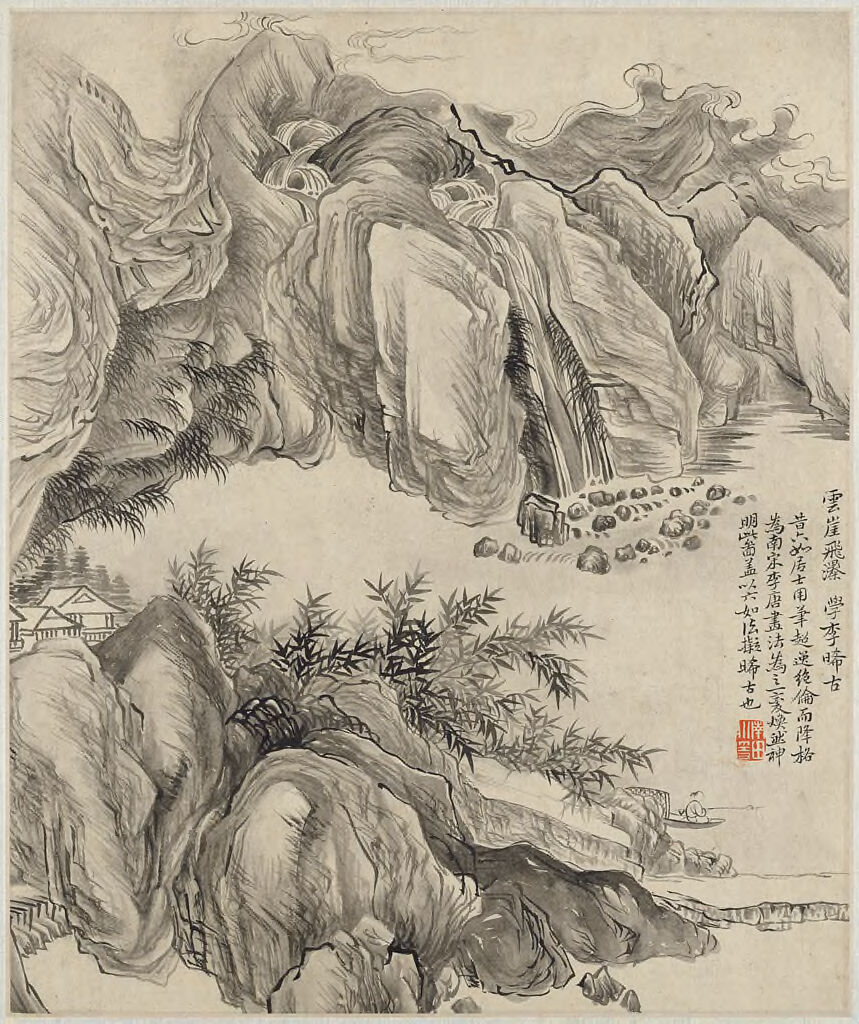
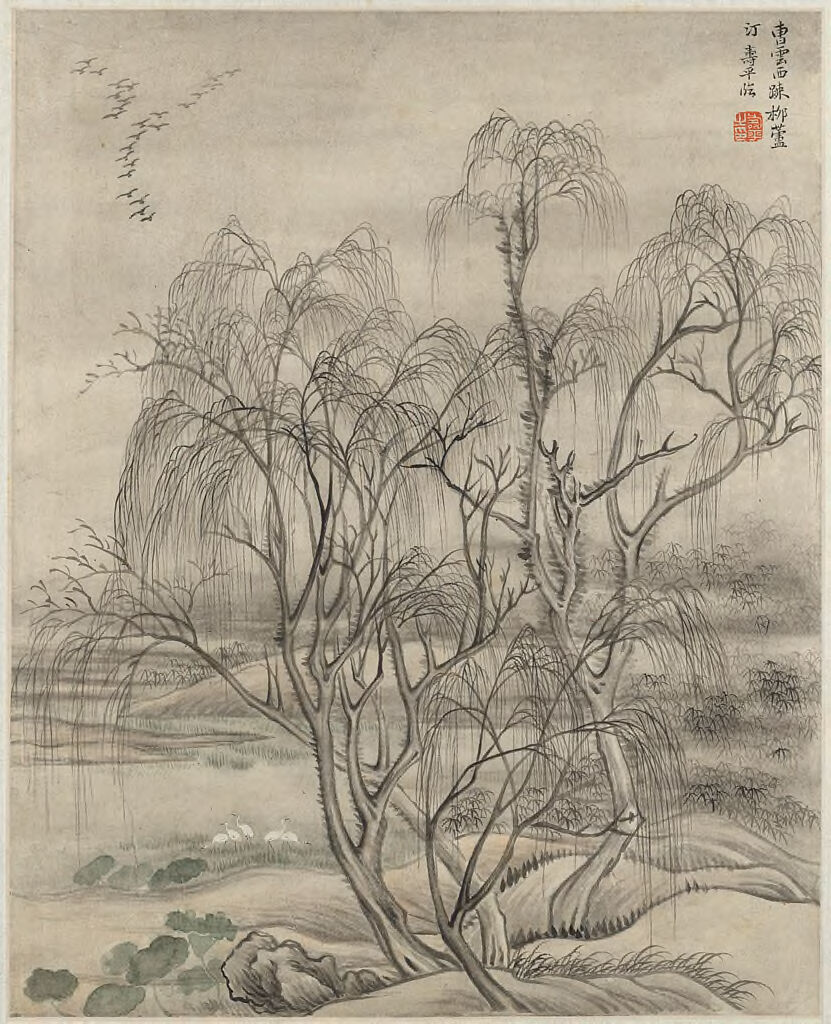
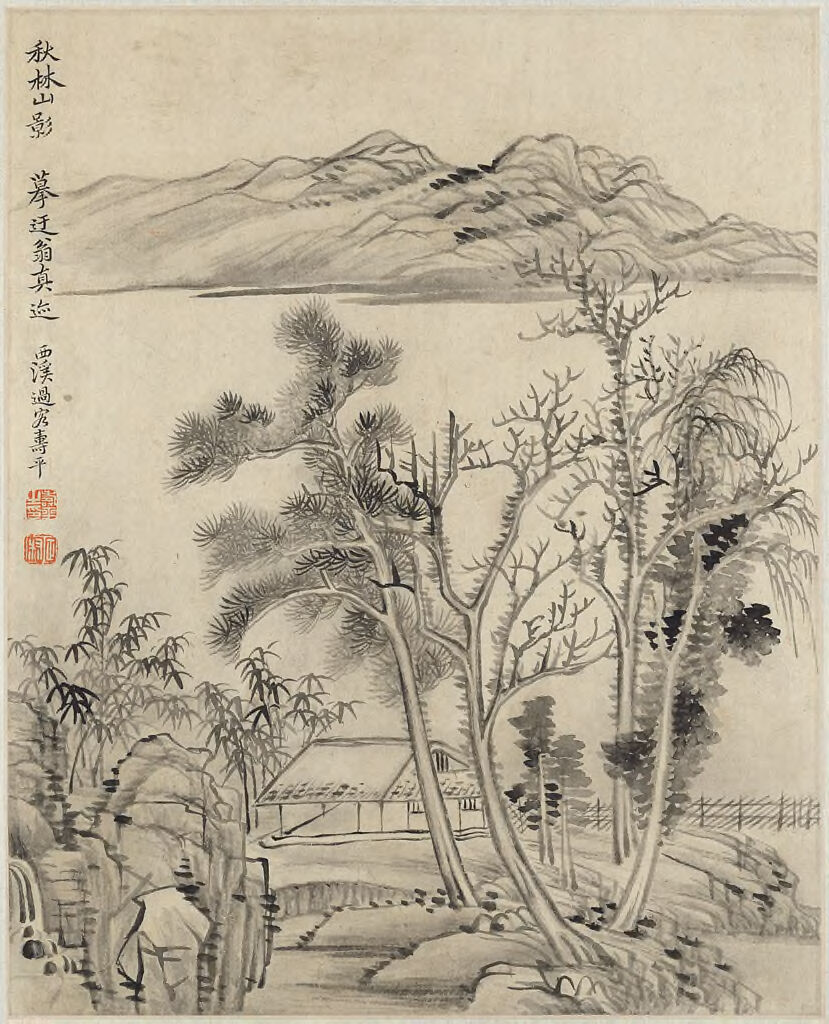
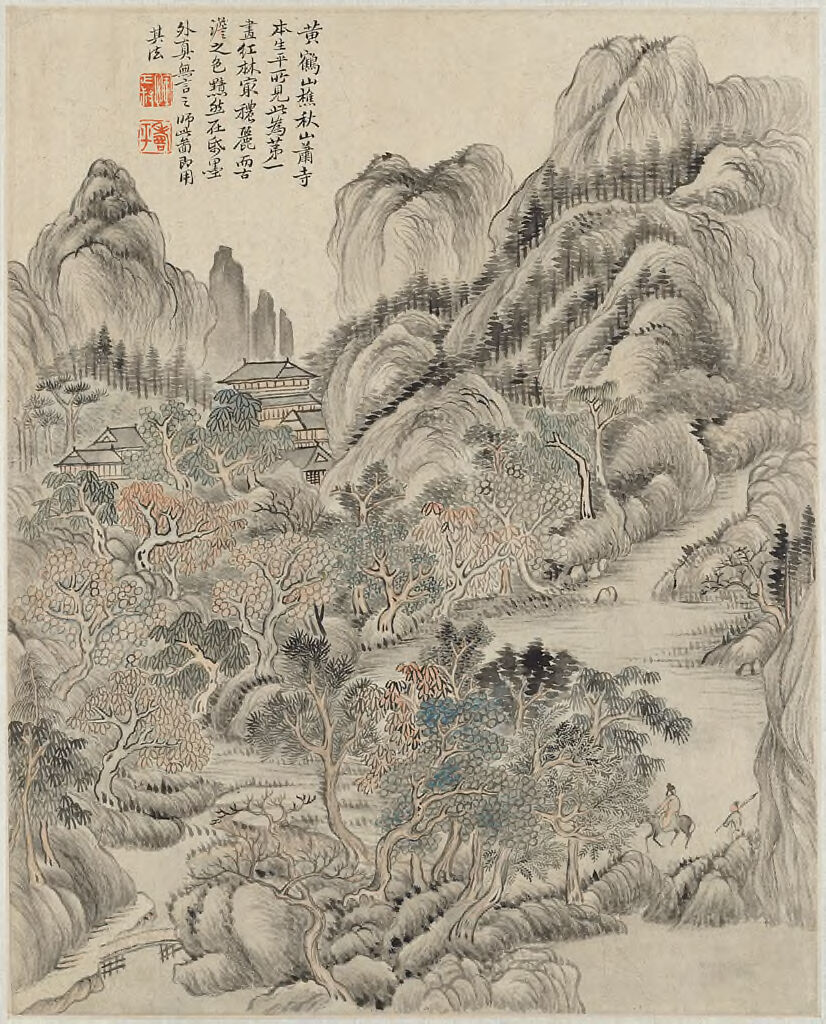
Could beauty survive in a century of chaos? In a world seemingly bent on decay, a sense of serenity permeates the canvas, inviting us to contemplate the enduring power of nature. Look to the foreground where gentle, swirling brushstrokes form lush, vibrant mountains that rise in majestic layers, each stroke revealing a mastery of the ink’s fluidity. Focus on the soft gradients of color that blend harmoniously, evoking the delicate balance between light and shadow.
Notice how the artist captures movement with subtle strokes, creating a dynamic yet tranquil scene that draws the eye deeper into the landscape. The muted tones invite reflection, while the meticulous detailing on trees and rocks speaks to the artist’s reverence for the natural world. In this work, the contrast between the lush landscape and the looming shadows of decay is palpable. Each bough and leaf seems to exude a vitality that stands in stark opposition to the hints of erosion and deterioration lurking in the background.
This tension reflects not only the beauty inherent in nature but also the fragility of existence, suggesting that even in chaos, there is a persistent beauty that seeks to endure. Yun Shouping created this masterpiece in 1683, during the transition of the Ming dynasty to the Qing dynasty, a time marked by political upheaval and cultural revival. As a prominent figure in the Southern School of Chinese painting, he sought inspiration from the works of ancient masters, notably Mi Fei, while forging his own path. This work embodies his desire to connect with a past rich in beauty, even amidst the uncertainty of his contemporary world.