Landscape at East Bergholt — History & Analysis
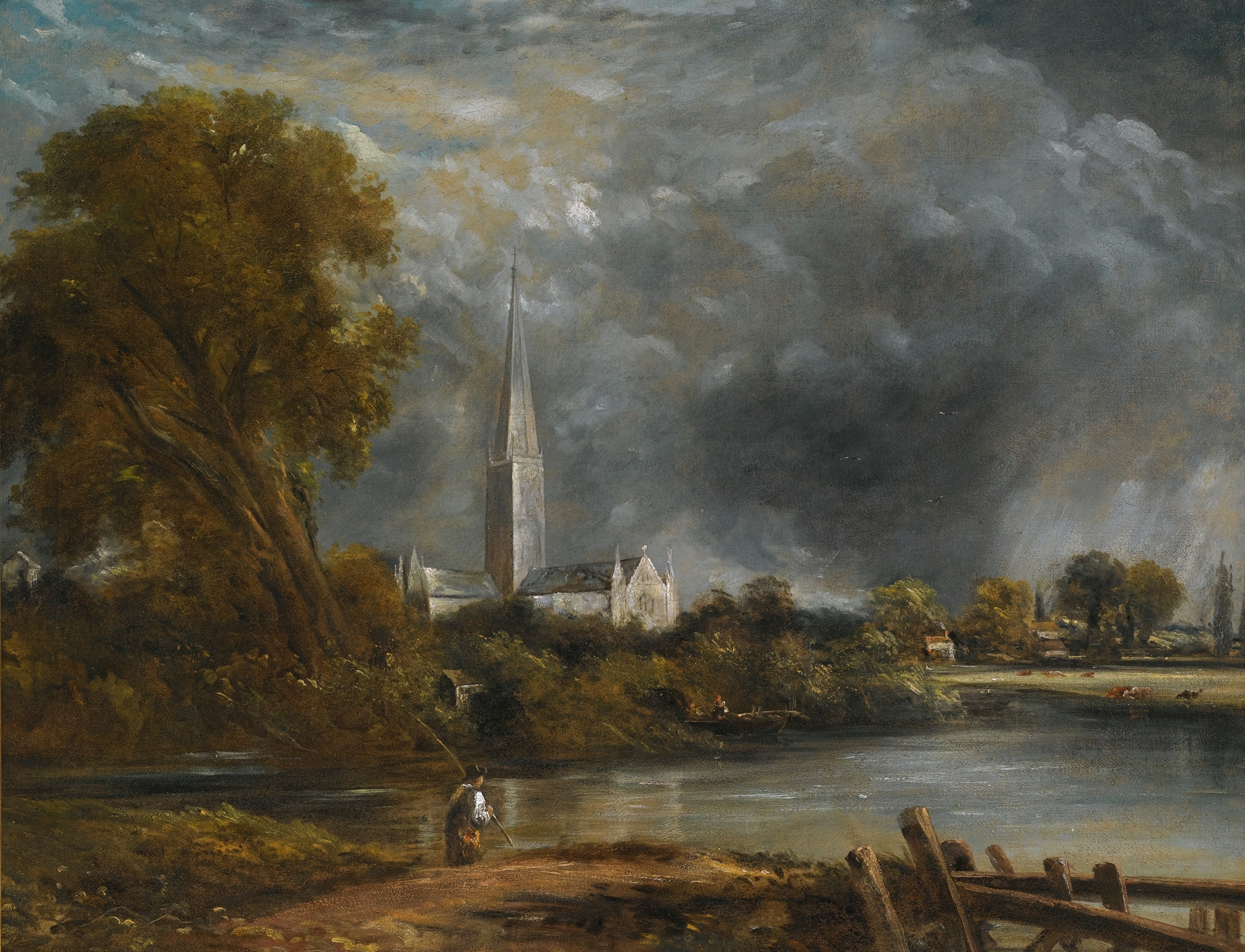
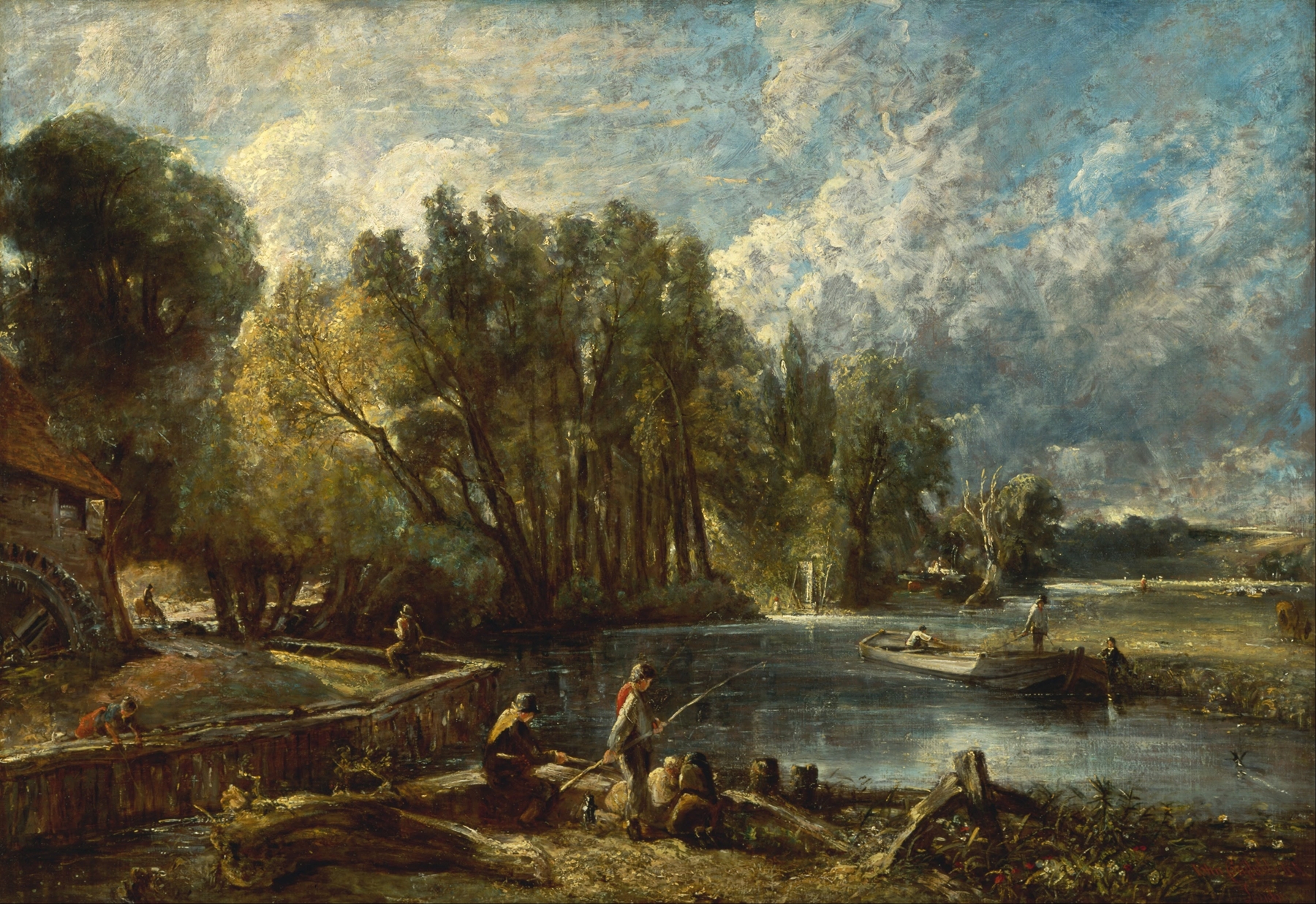
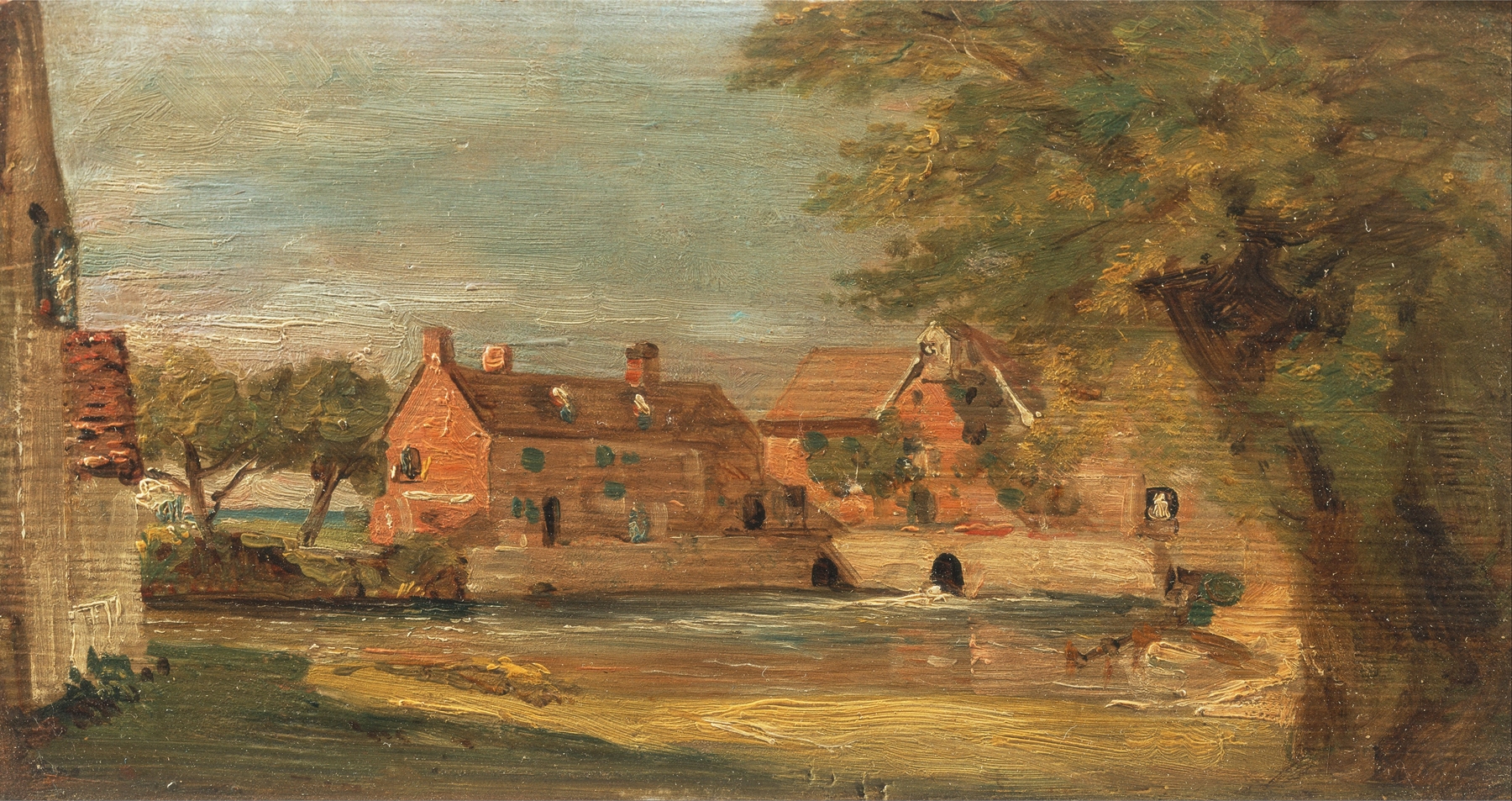
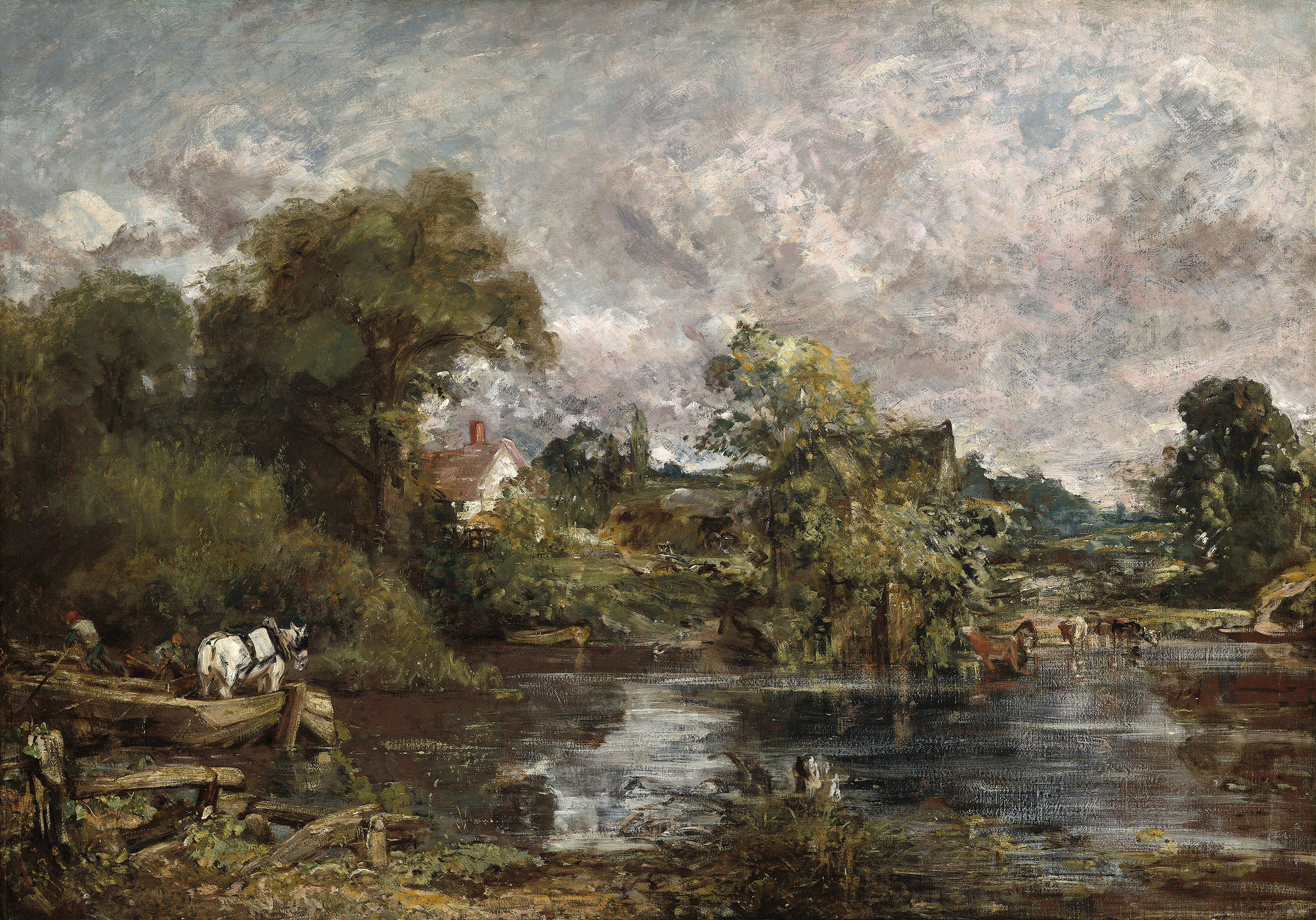
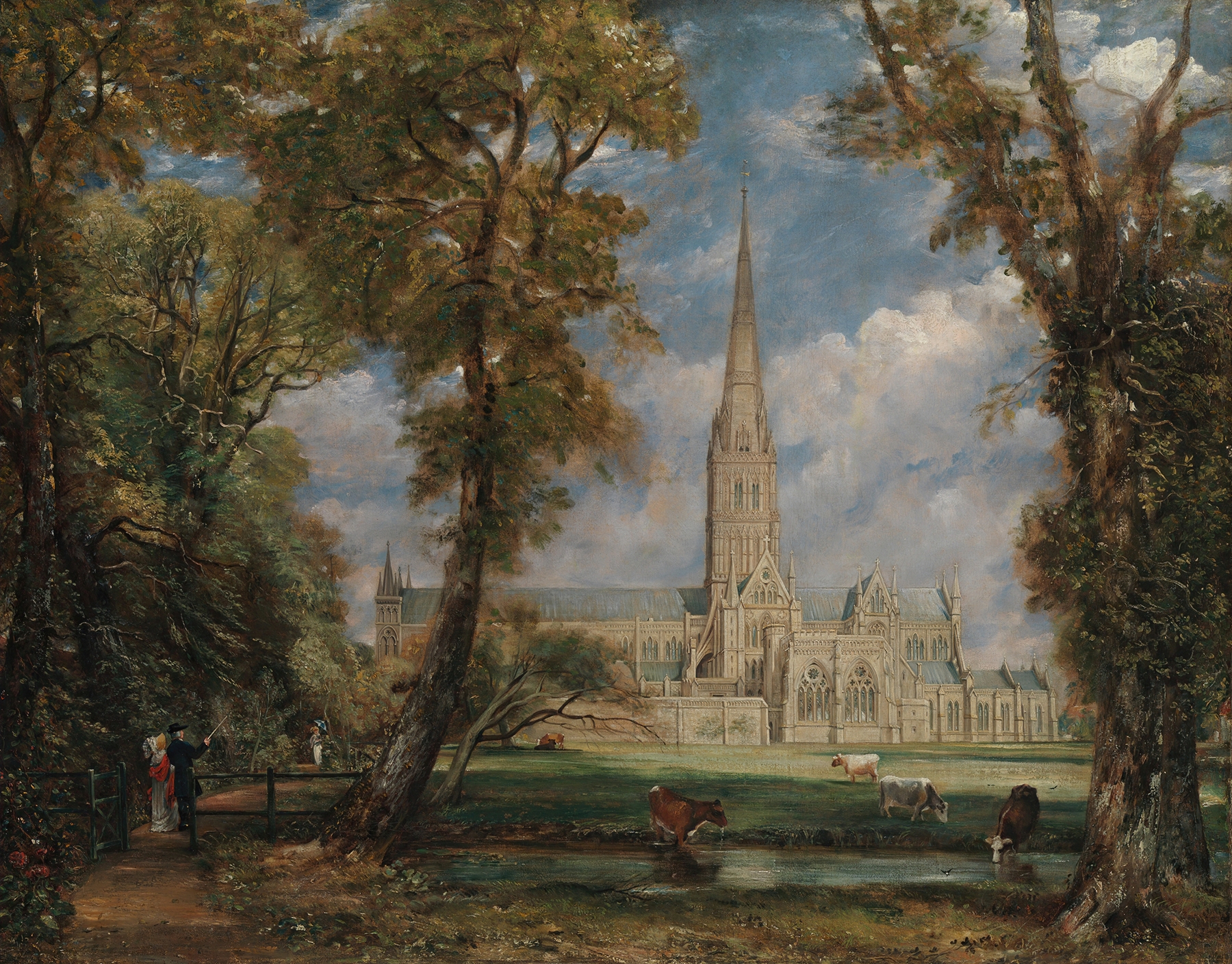
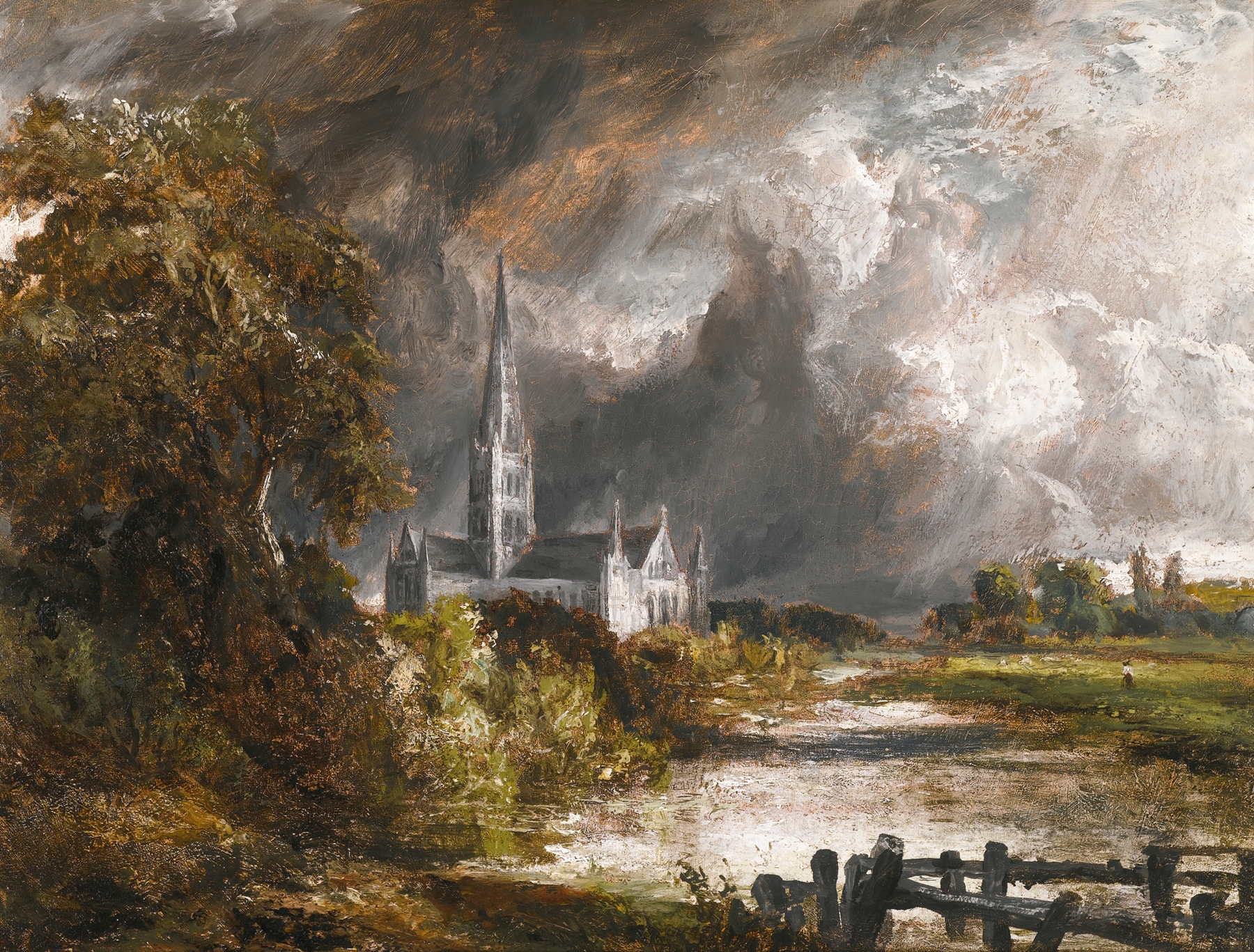
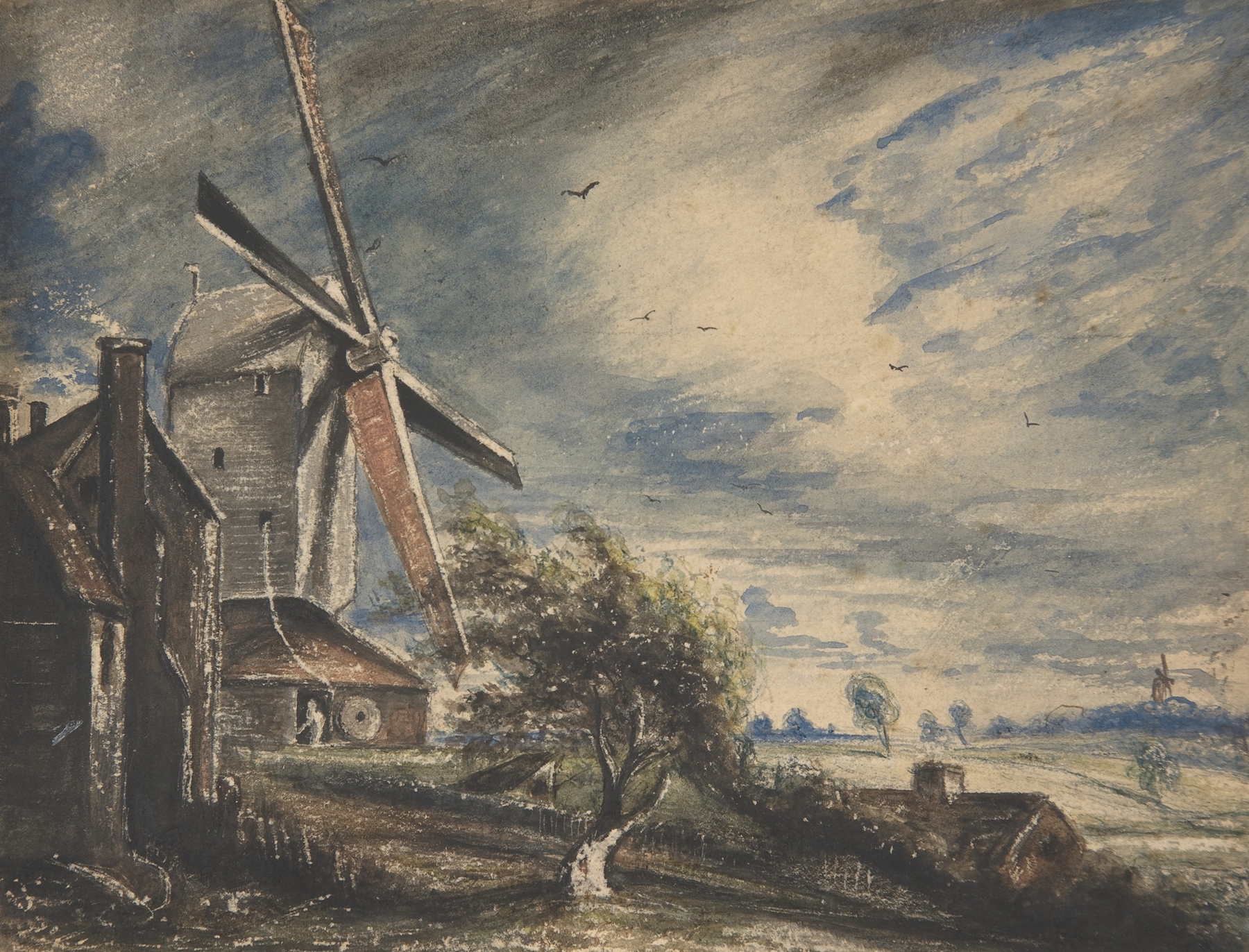
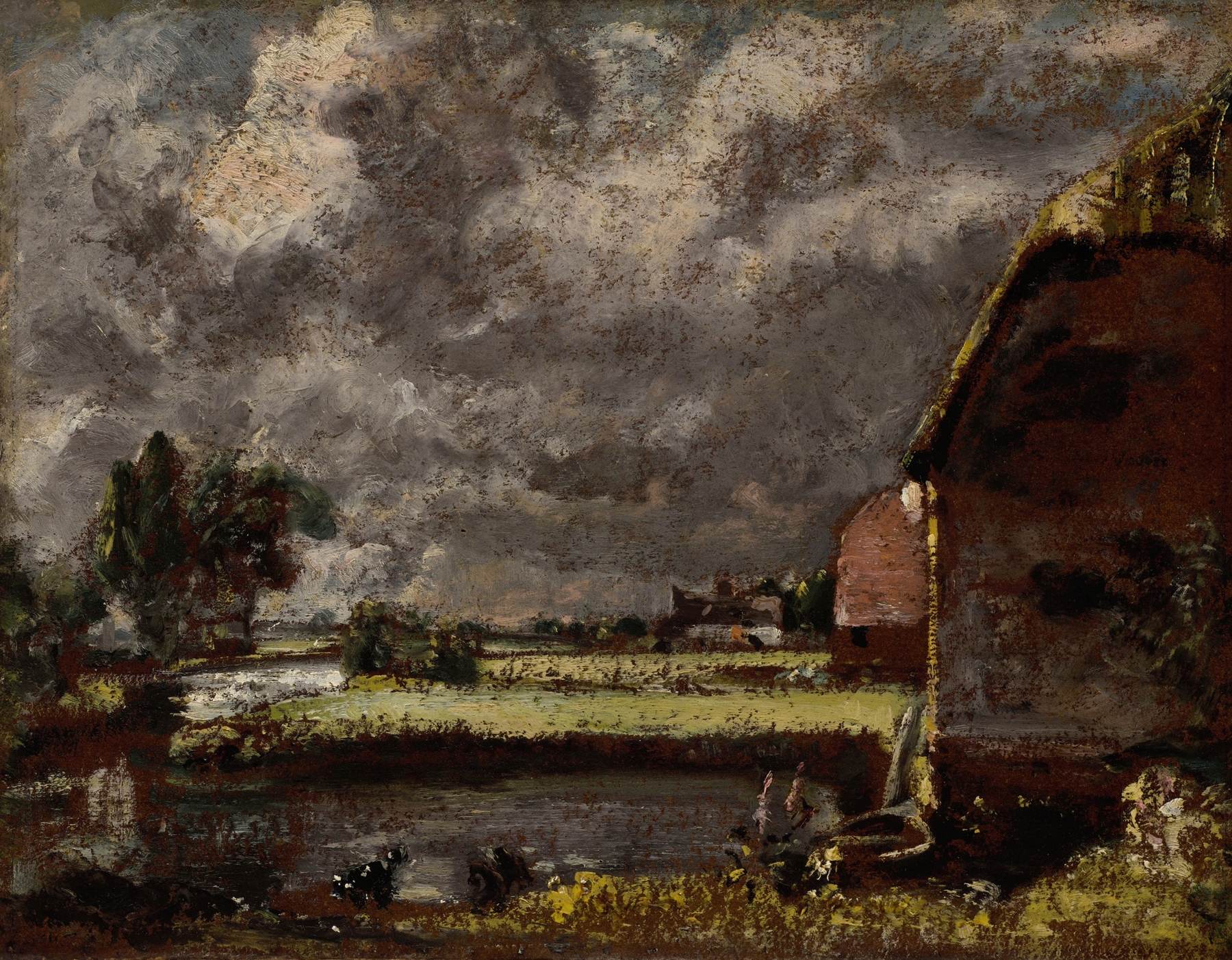
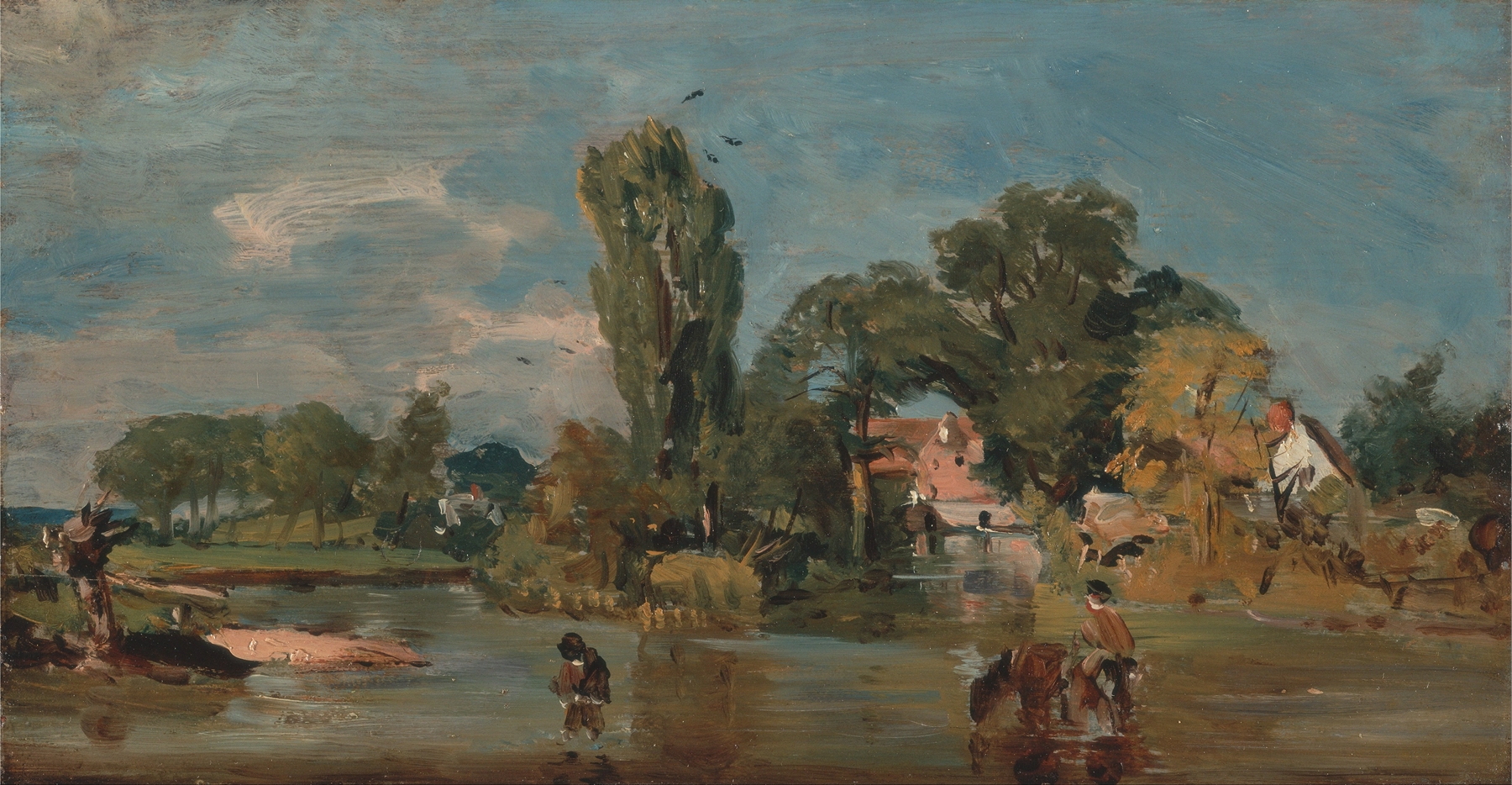
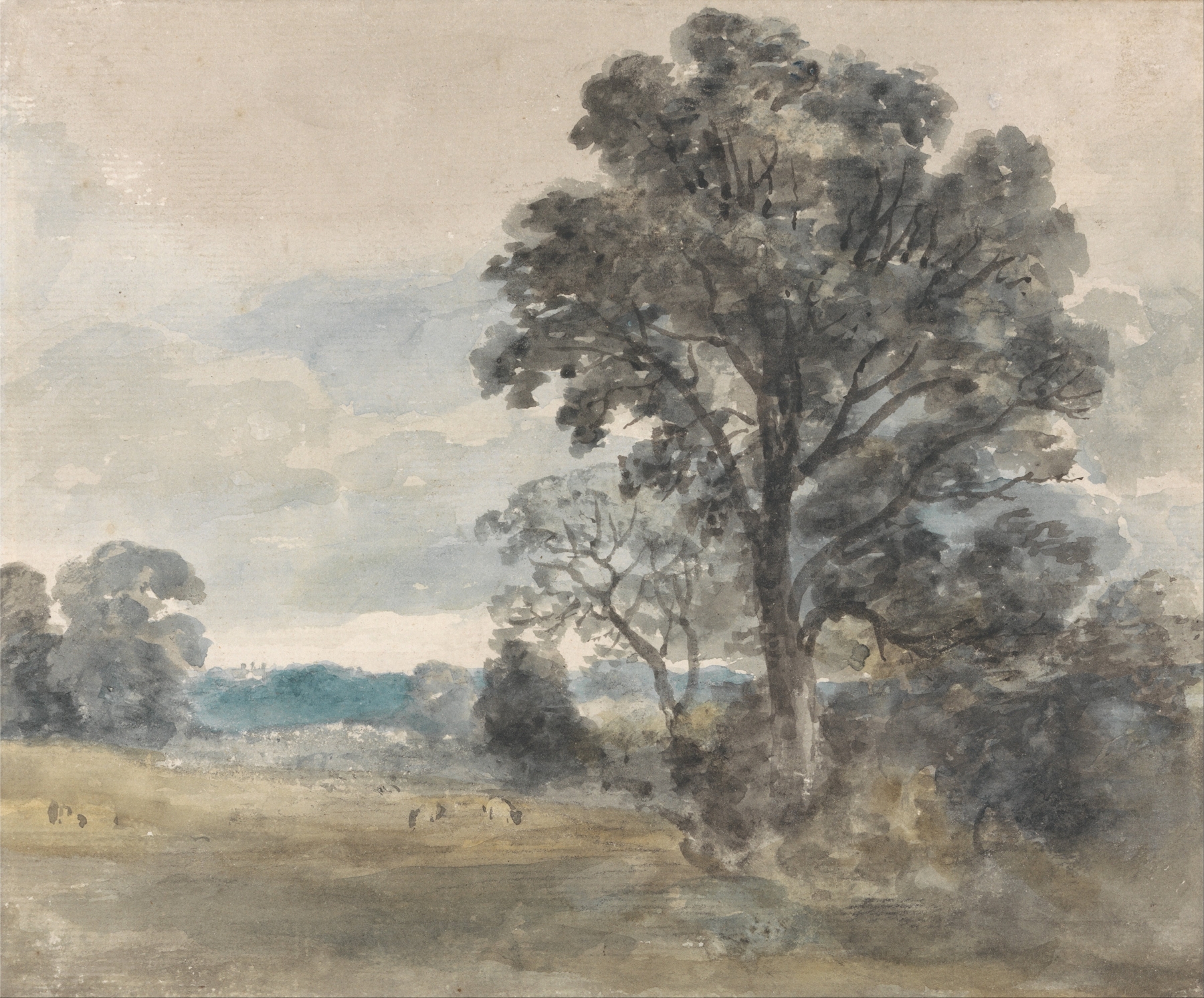
“The canvas doesn’t lie — it simply waits.” In the quiet expanse of Landscape at East Bergholt, one senses the weight of unspoken truths, a betrayal woven into the very fabric of the natural world. Each brushstroke holds a secret, a whisper of history lingering among the trees and the sky, inviting us to peer deeper into its serene façade. Look to the horizon, where soft, billowing clouds cradle a muted sunlight. The verdant greens of the fields stretch beneath them, each blade of grass meticulously detailed, leading the eye toward the distant treeline. Notice how the foreground bursts with life, the vigorous strokes contrasting against the soft pastels of the sky, hinting at the harmony yet to be unsettled.
The gentle interplay of light and shadow creates a palpable atmosphere, transforming a simple landscape into a realm of emotion. Within this tranquil scene lies a poignant tension. The idyllic beauty captures a moment of stillness, yet the viewer can sense an underlying conflict, perhaps stemming from the encroachment of modernity on the natural world. The delicate balance between nature and human influence speaks to a deeper narrative of betrayal — a loss of innocence as landscapes are surrendered to change.
Every detail, from the swaying grasses to the distant clouds, seems to cry out for what once was, leaving one to ponder what has been sacrificed. John Constable painted this work in the early 19th century, amidst the industrial revolution's onset, which irrevocably altered both landscapes and lives. Working from his home in East Bergholt, he sought to capture the essence of the English countryside, a task that became increasingly fraught as urban development threatened the pastoral tranquility he revered. During this time, Constable developed his technique of plein air painting, aiming not just to depict a scene, but to convey the emotional resonance of the landscape itself.