Landscape study at sunset — History & Analysis
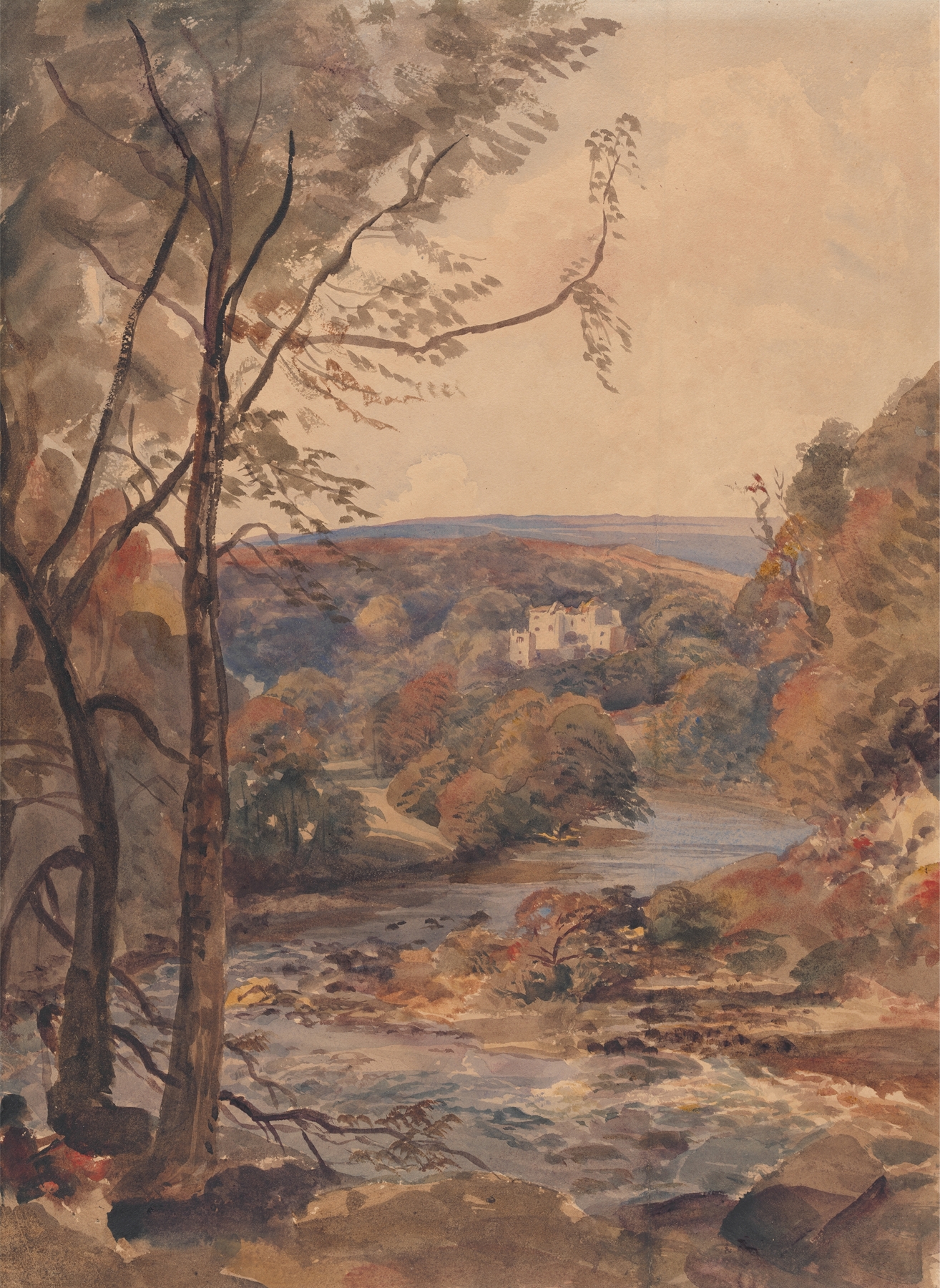
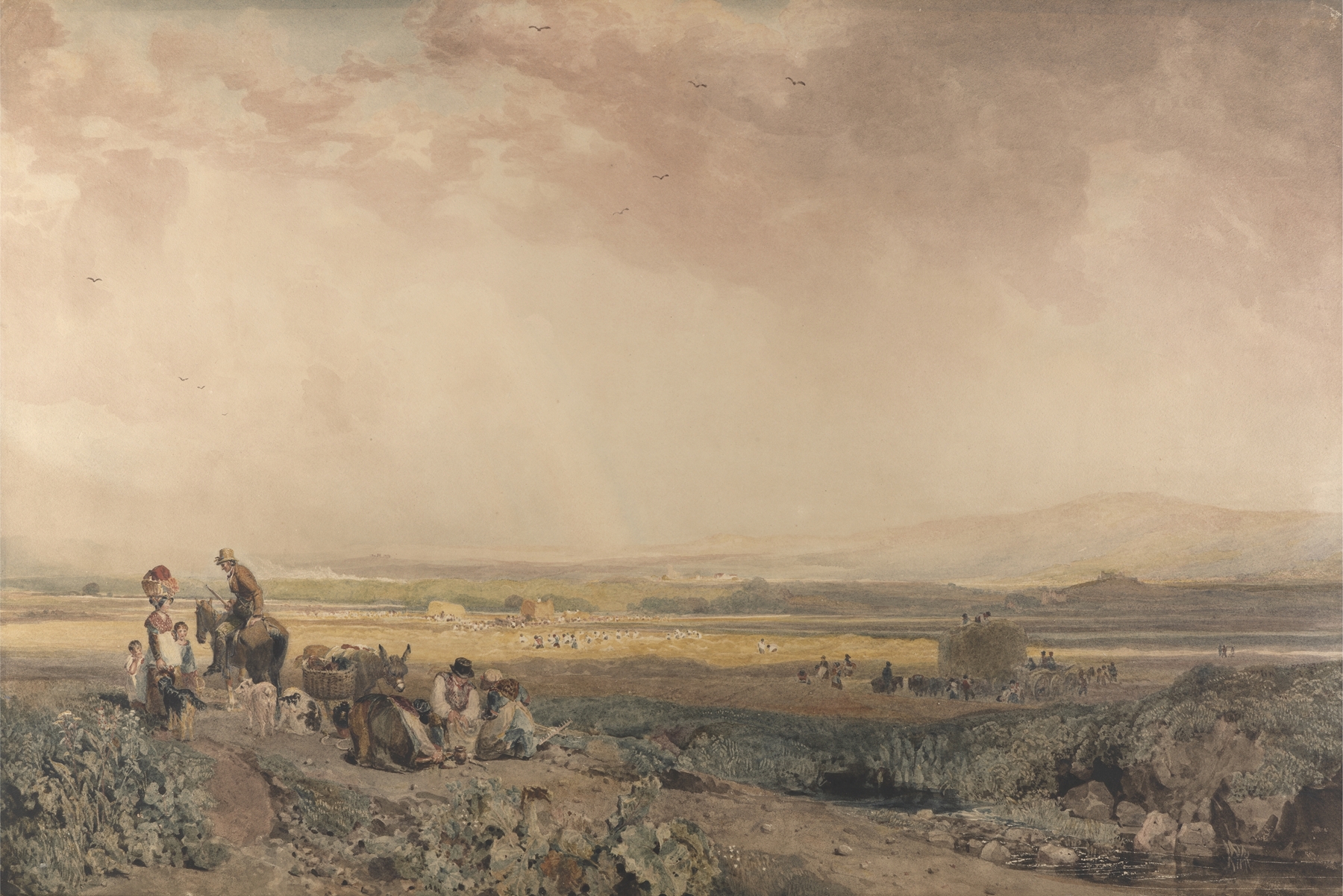
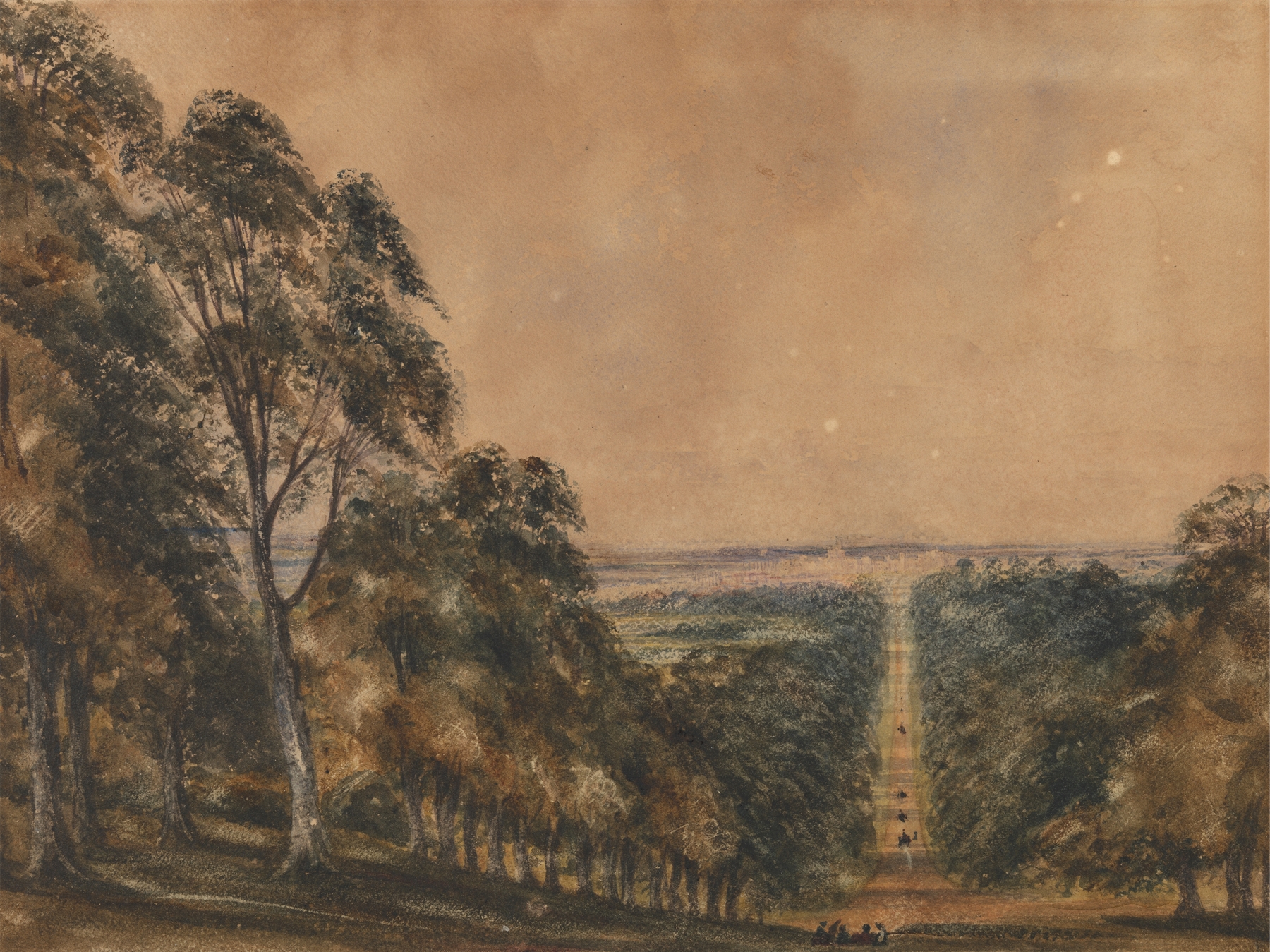
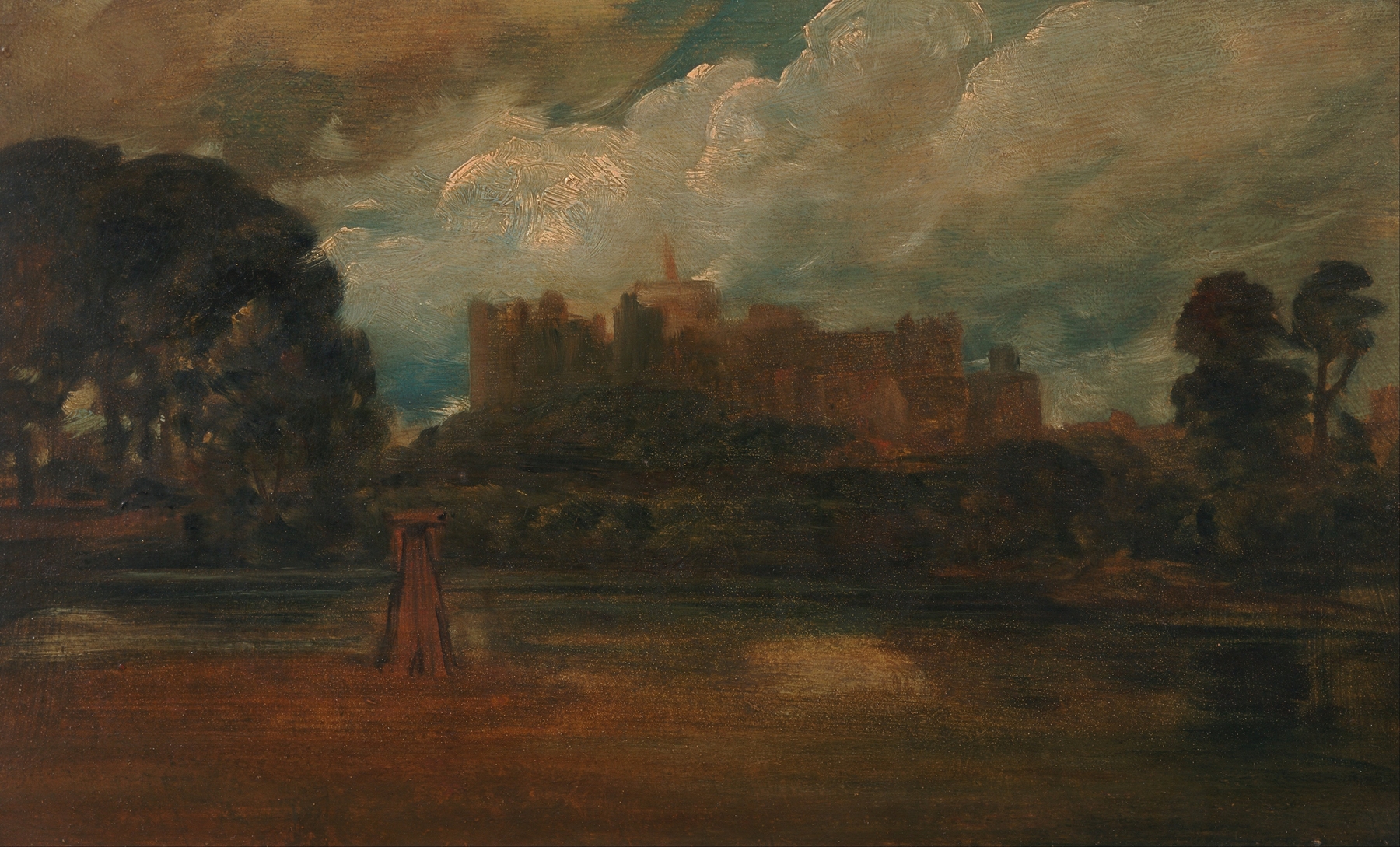
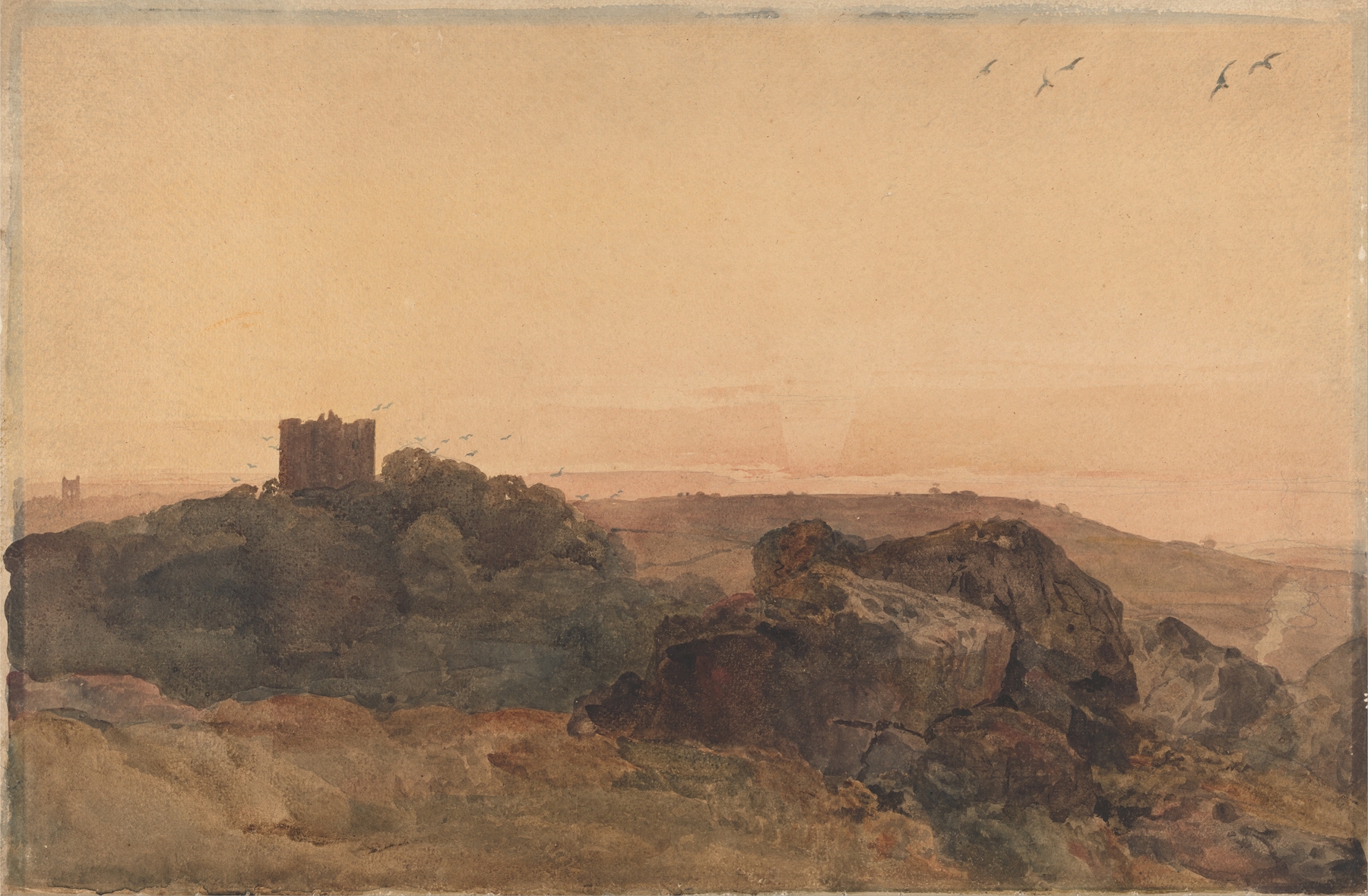
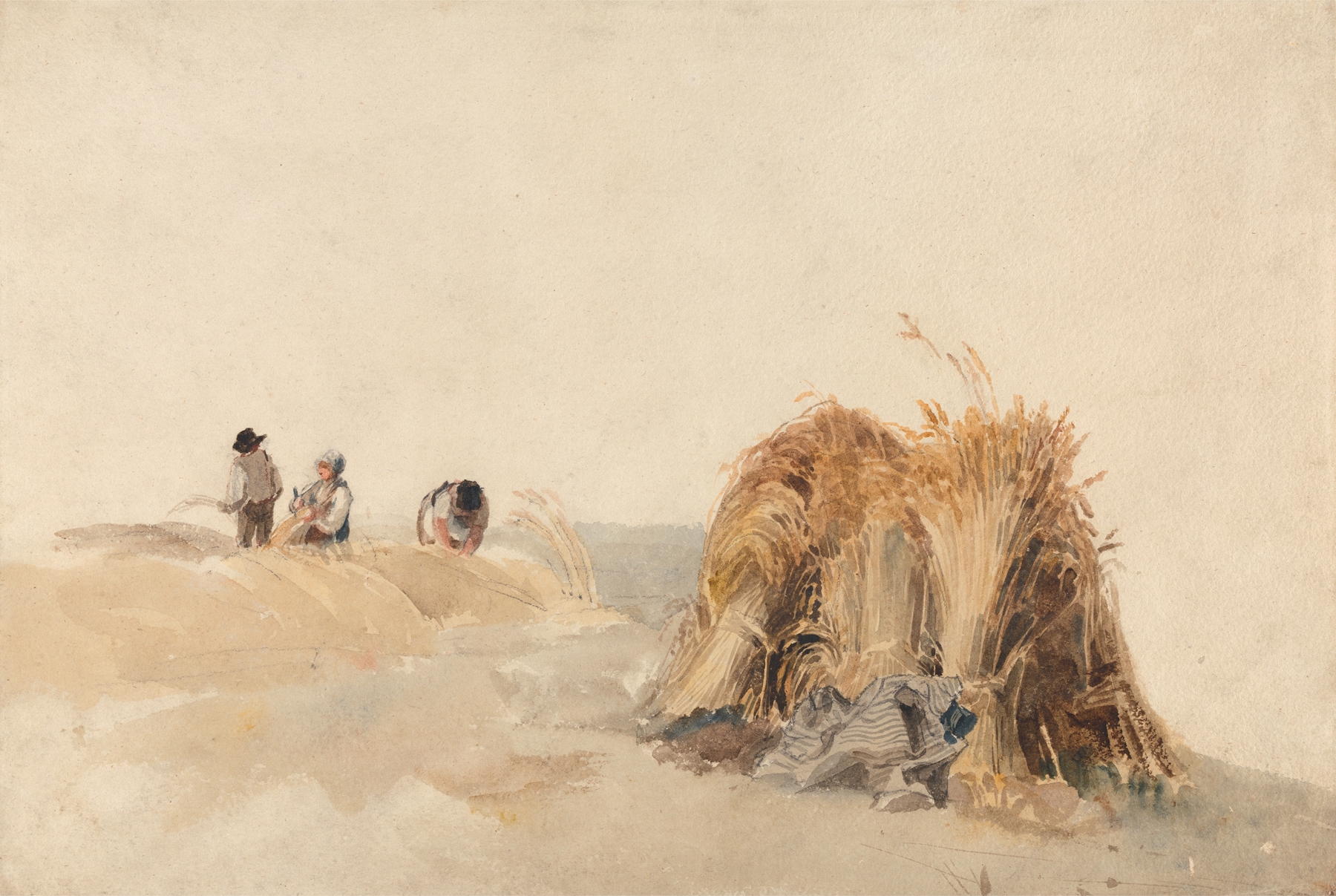
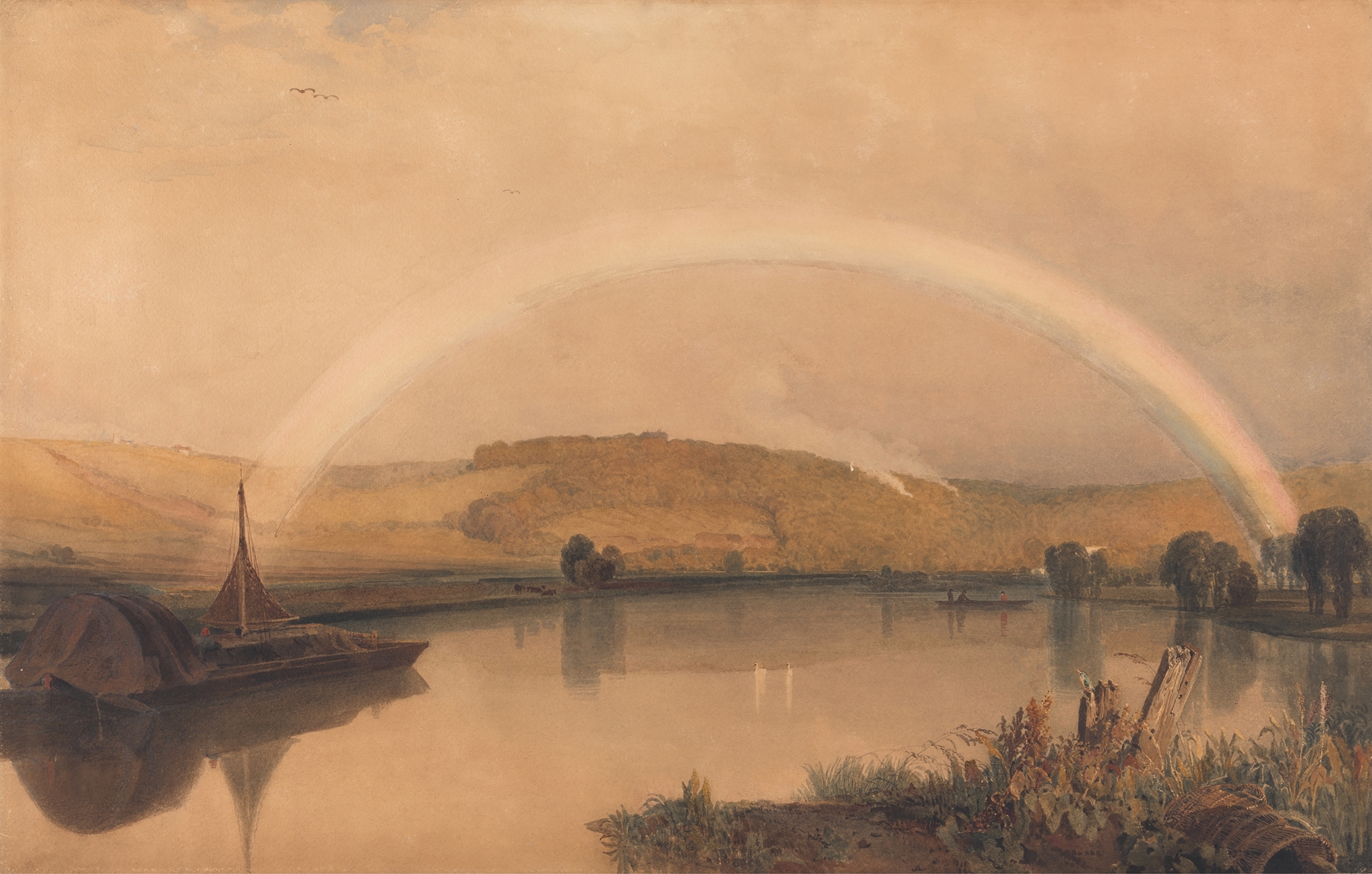
Could a single brushstroke hold eternity? In the fleeting dance of color and light, a landscape emerges, hinting at an obsessive pursuit of nature’s ephemeral beauty. Focus on the horizon, where the sun sinks low, casting a warm palette of oranges and pinks across the canvas. Notice how the fluid brushstrokes capture the momentary glow of the sky, inviting the eye upward while grounding it with the rich, earthy tones below.
Each stroke seems deliberate yet spontaneous, a testament to the artist’s hand maintaining a delicate balance between control and freedom. Hidden within the vibrant colors is a contrast between chaos and serenity; the swirling clouds and their tumultuous hues suggest a moment on the brink of change, while the calm landscape below offers a sense of stability. This tension reveals the artist’s inner emotional landscape, echoing the obsession with capturing a fleeting moment that can never be held. A single stroke becomes a meditation on time — the eternal nestled within the transient.
Peter DeWint painted this work during a time when the Romantic movement was forging its identity, likely in the early 19th century. Working in England, he was surrounded by a burgeoning interest in nature and its representation, a reaction against the Industrial Revolution's encroachment. His dedication to capturing landscapes conveyed not merely the physical world but also the profound emotions tied to nature, reflecting both the artist’s struggles and the era’s evolving artistic sensibilities.