Landscape with a mill-run and ruins — History & Analysis
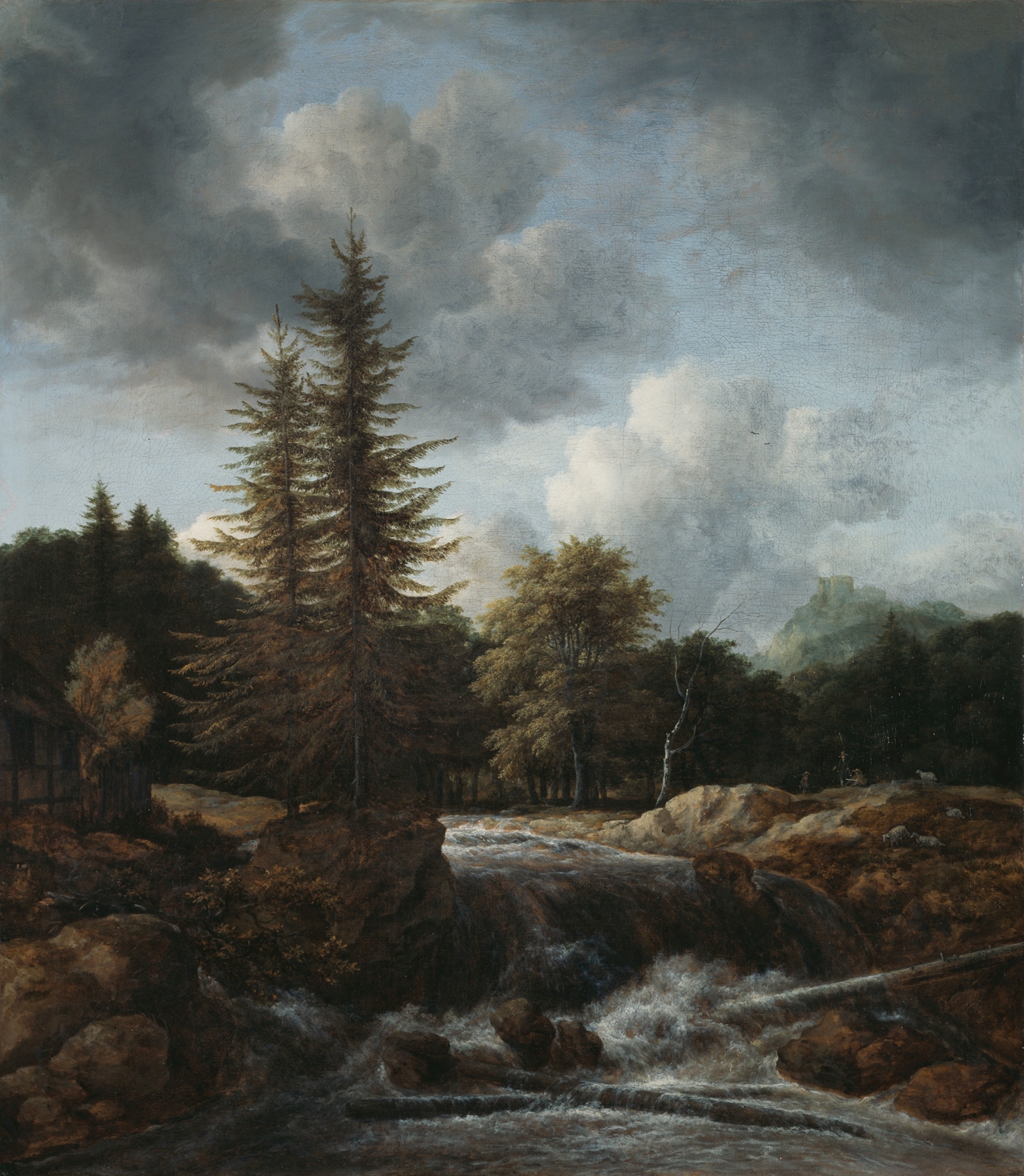
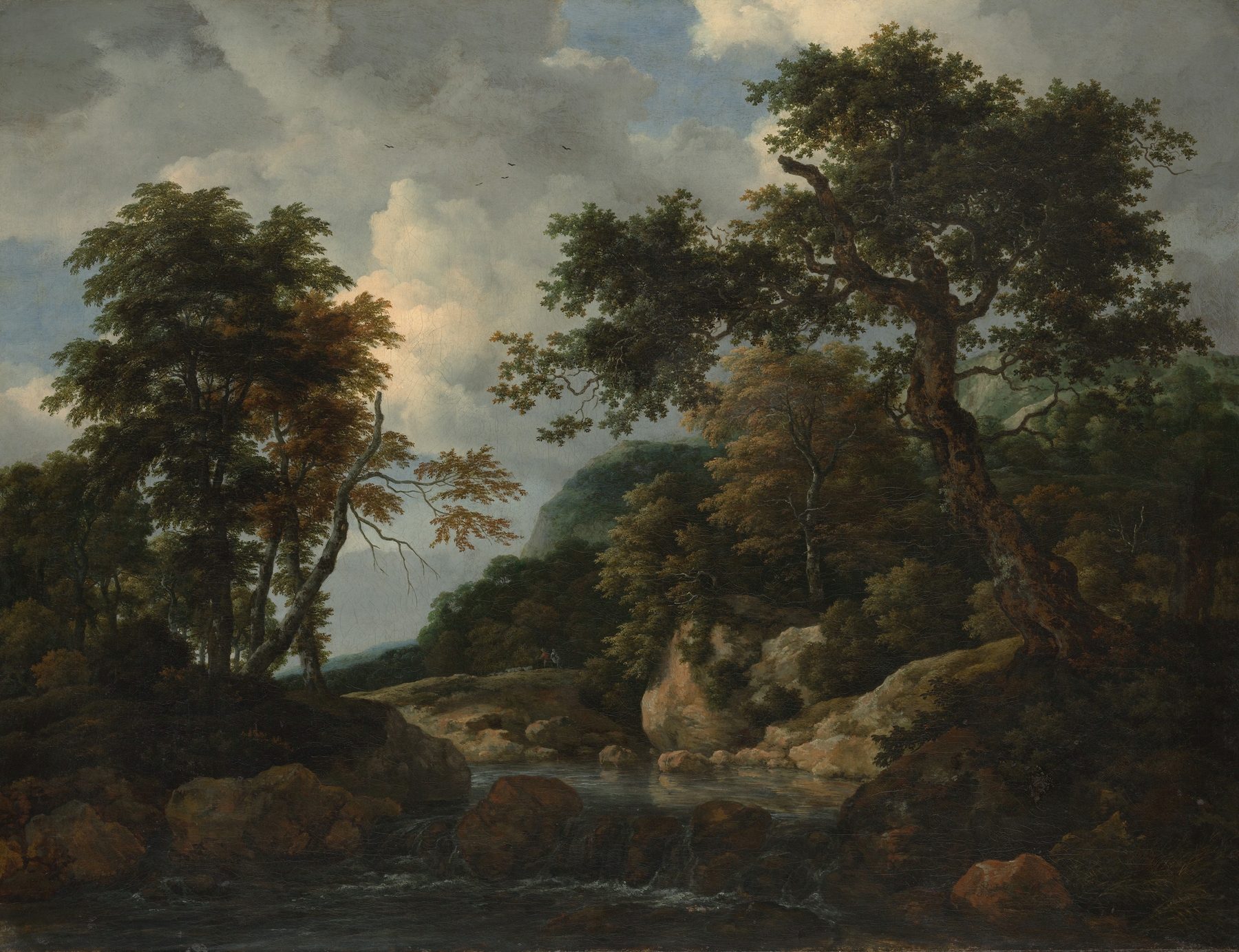
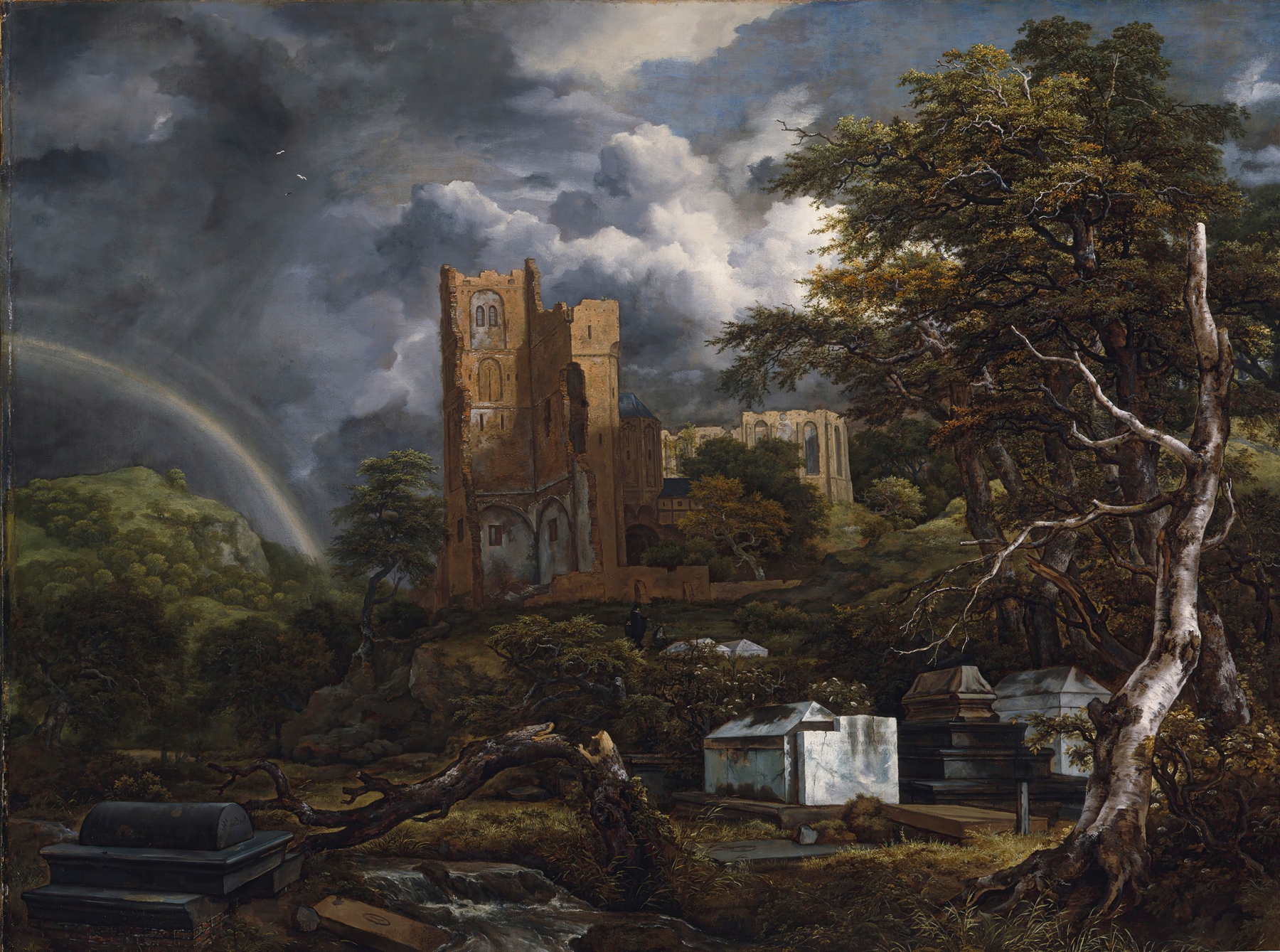
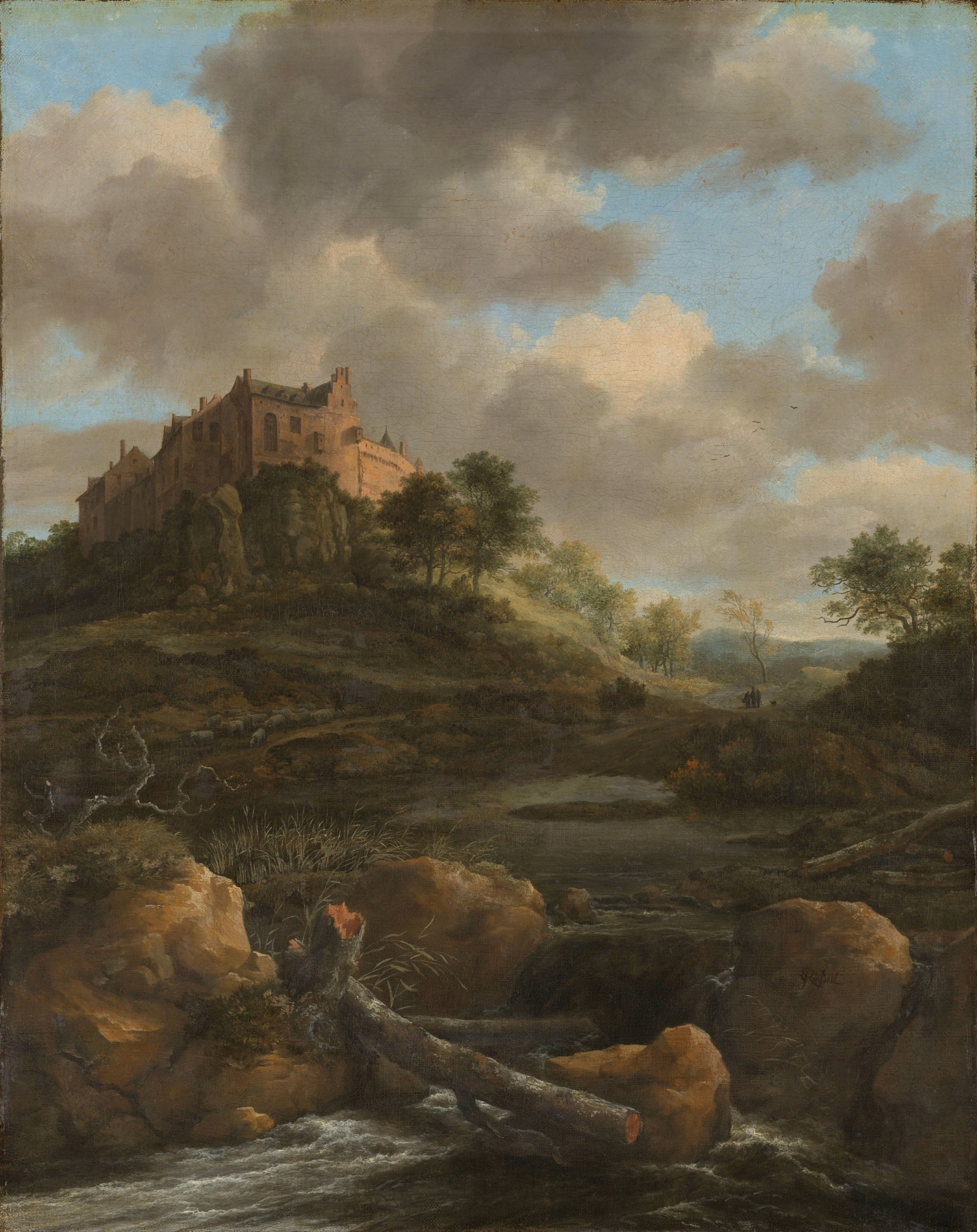
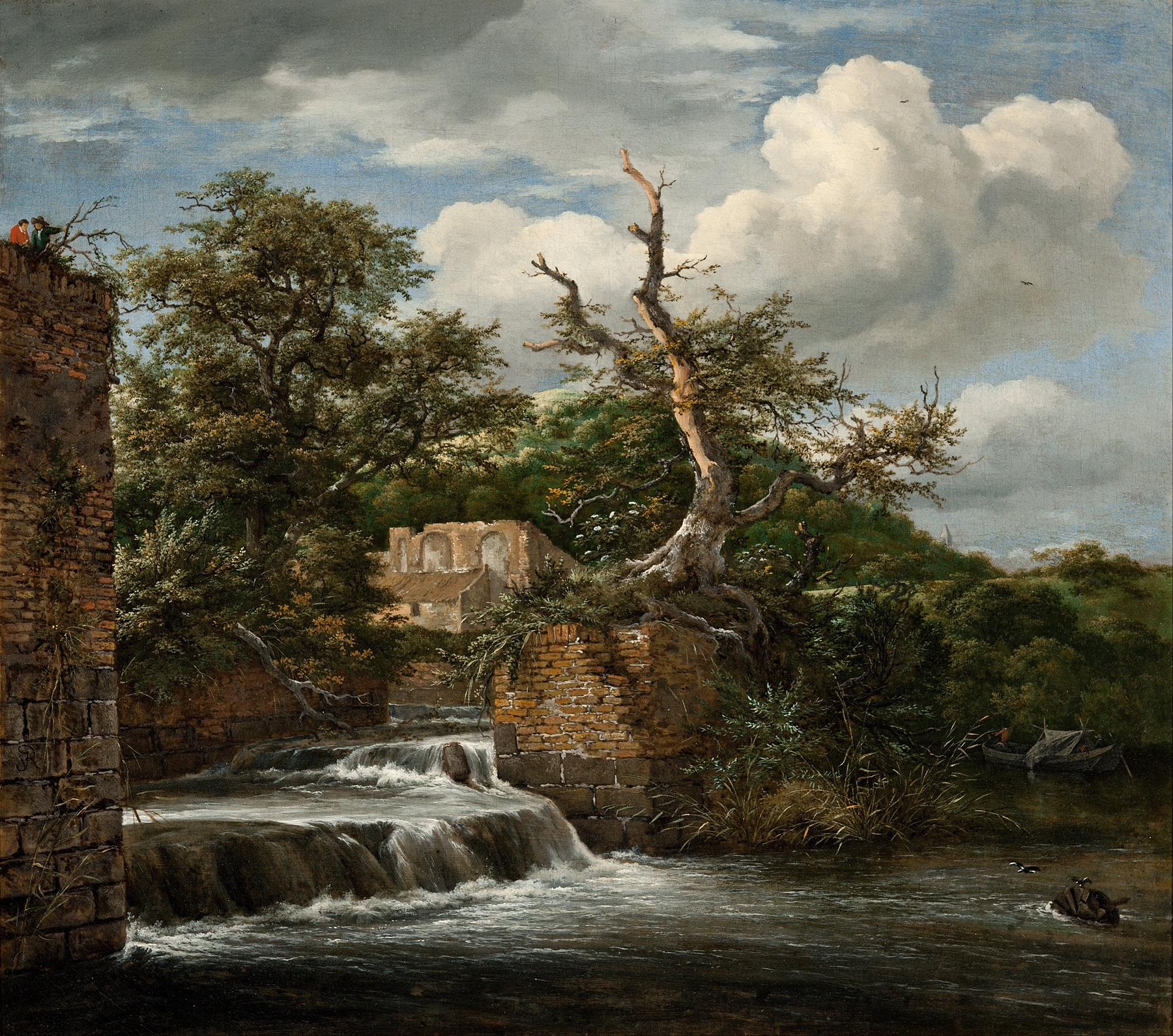
“To paint is to remember what time wants us to forget.” In Landscape with a mill-run and ruins, the artist captures not only the beauty of nature but the inevitable passage of time, grounding us in the delicate balance between existence and decay. Look to the left, where the ruins rise amidst the gentle undulations of the landscape. The craggy stones, softened by the lush greenery, echo a long-lost grandeur. Notice how the mill-run flows with silvery hints of sunlight dancing on its surface, creating a stark contrast against the darker tones of the fading structures.
The composition draws the viewer's eye along the winding waterway, leading to the ruins and inviting reflection on what has been lost to time. The interplay of light and shadow is rich with meaning. The shimmering water symbolizes life and continuity, while the crumbling ruins stand as a poignant reminder of mortality and the impermanence of human endeavors. There is a profound tension between the vibrant life of the surrounding flora and the ghostly presence of the past, highlighting the transient nature of beauty and existence itself.
Each element serves as a testament to the passage of time, suggesting that even the most vibrant life must eventually yield to decay. In 1653, Ruisdael was deeply engaged with Dutch landscape painting, a genre burgeoning with interest and experimentation. He painted this work while residing in Amsterdam, a hub for both artistic innovation and the exploration of themes related to nature and mortality. His choice to depict ruins within a picturesque landscape reflects a broader artistic trend that sought to capture both beauty and the fleeting nature of life, echoing the sentiments of a society grappling with its own sense of impermanence.