Landscape with a Rider Watering his Horse — History & Analysis
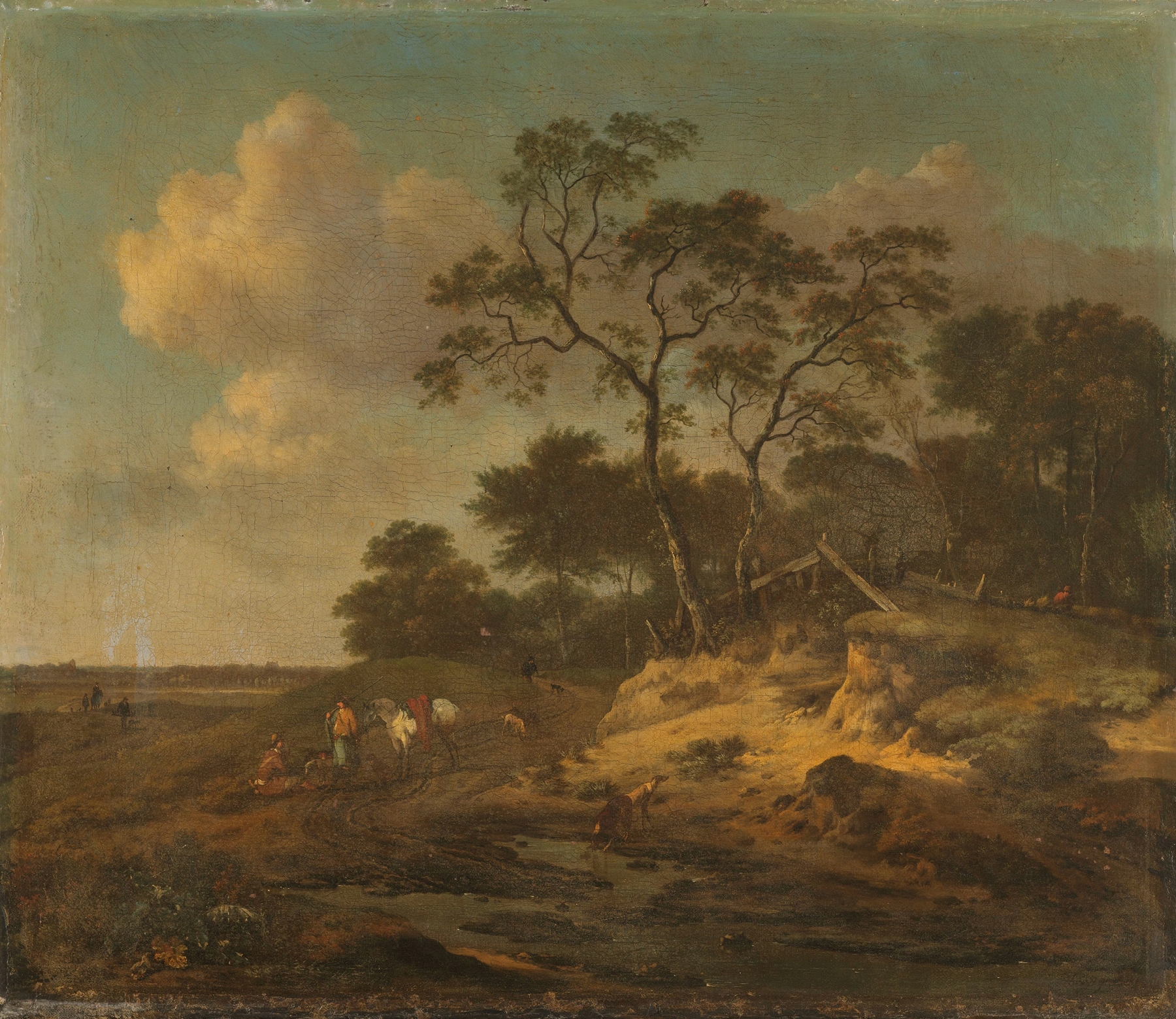
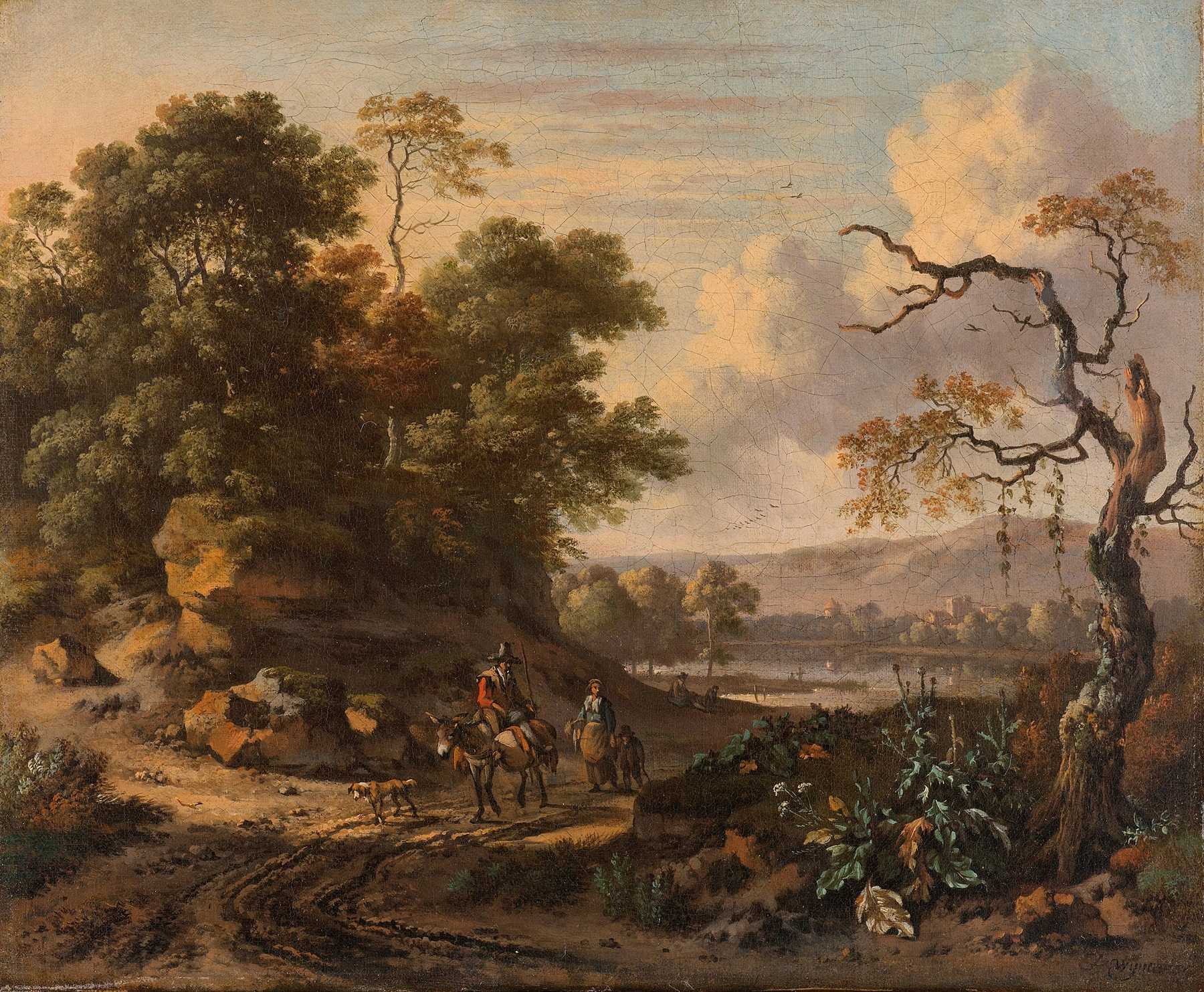
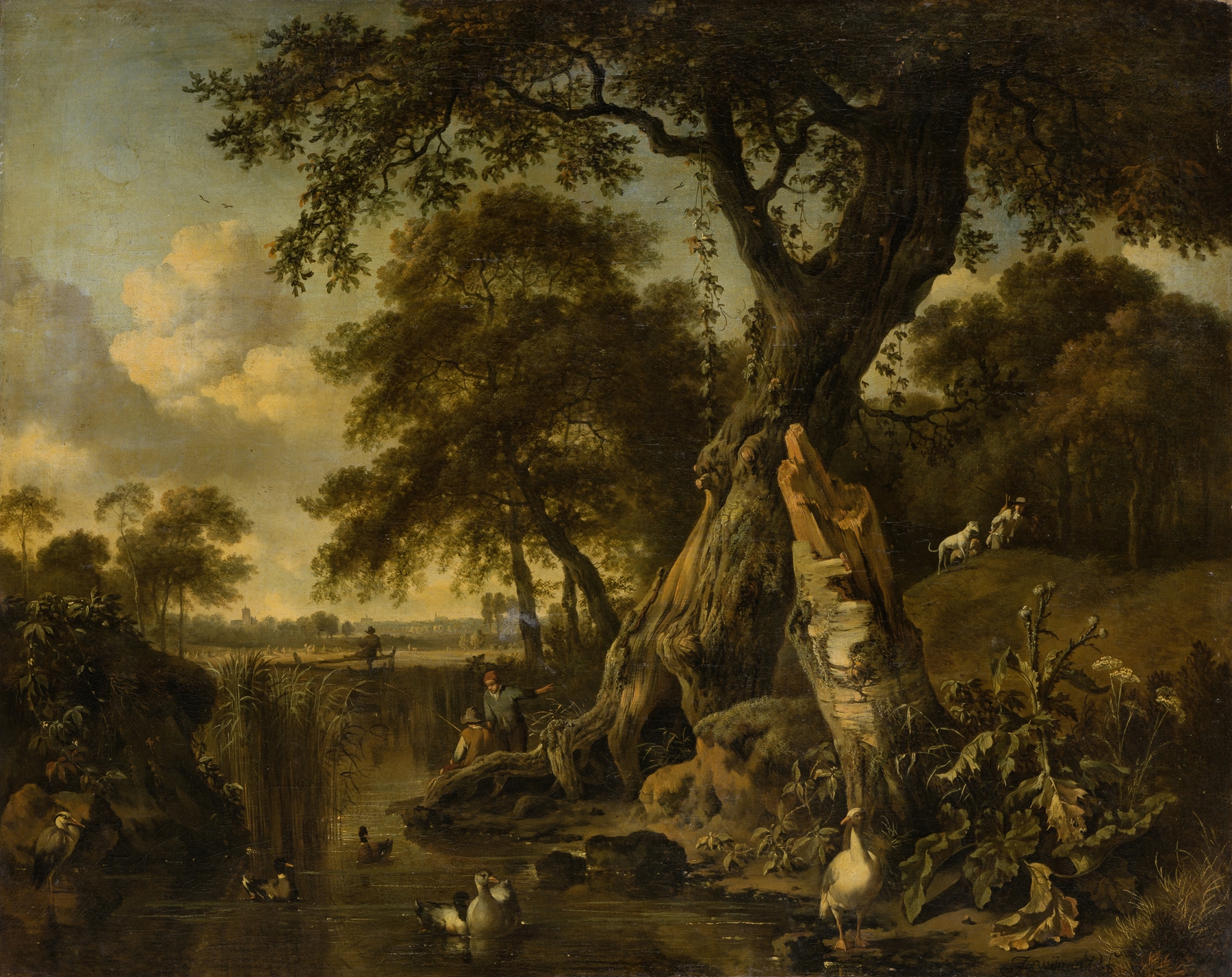
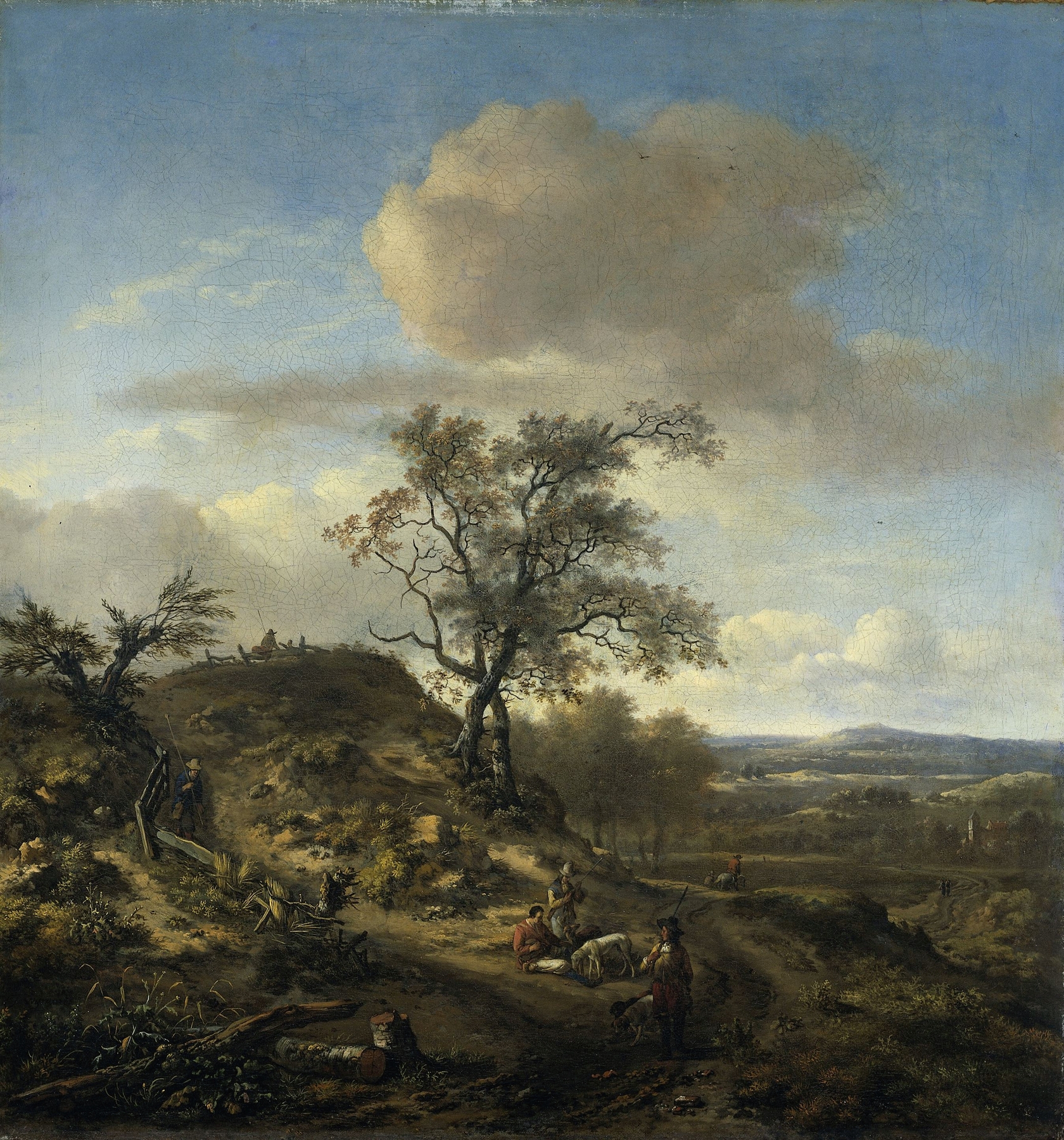
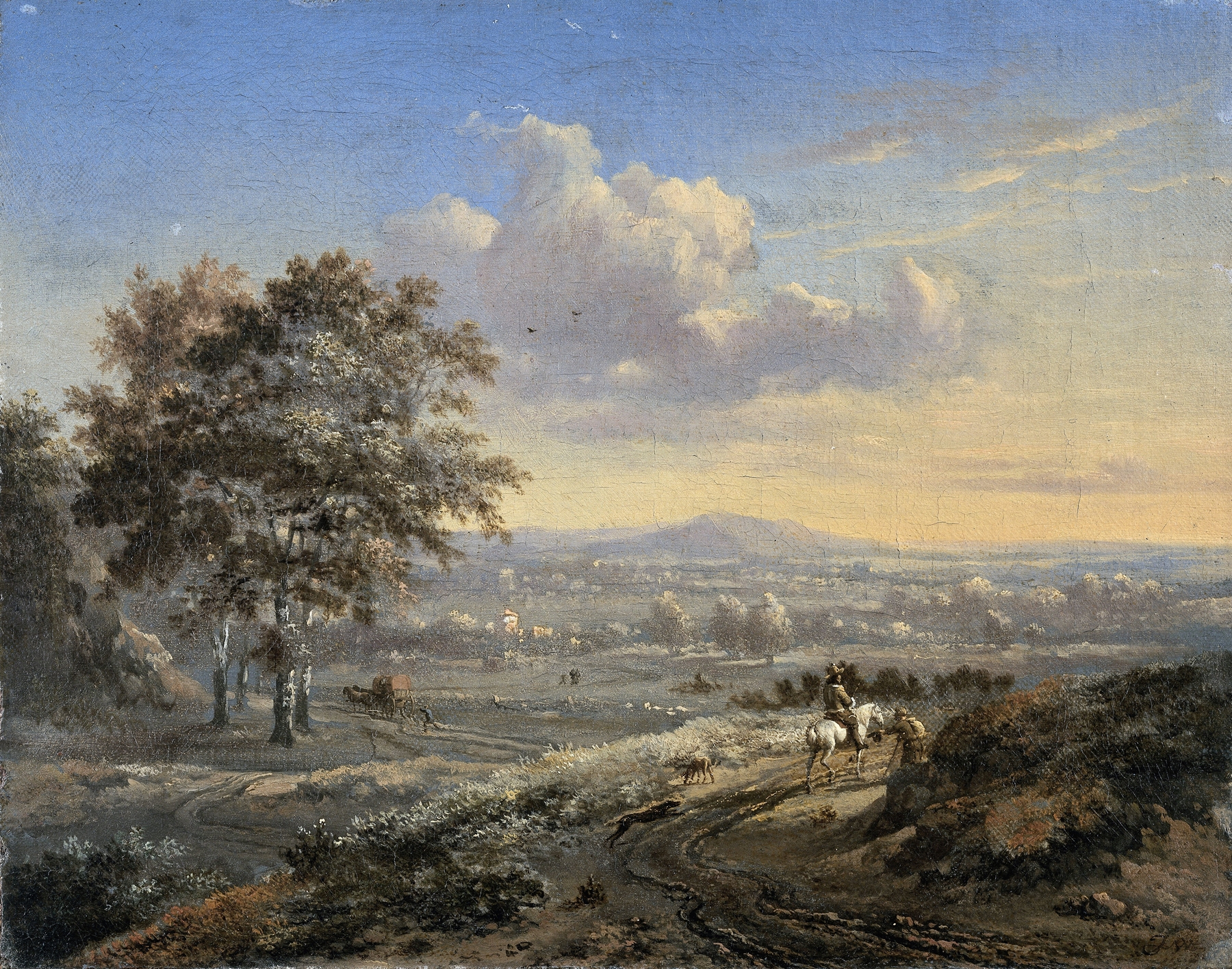
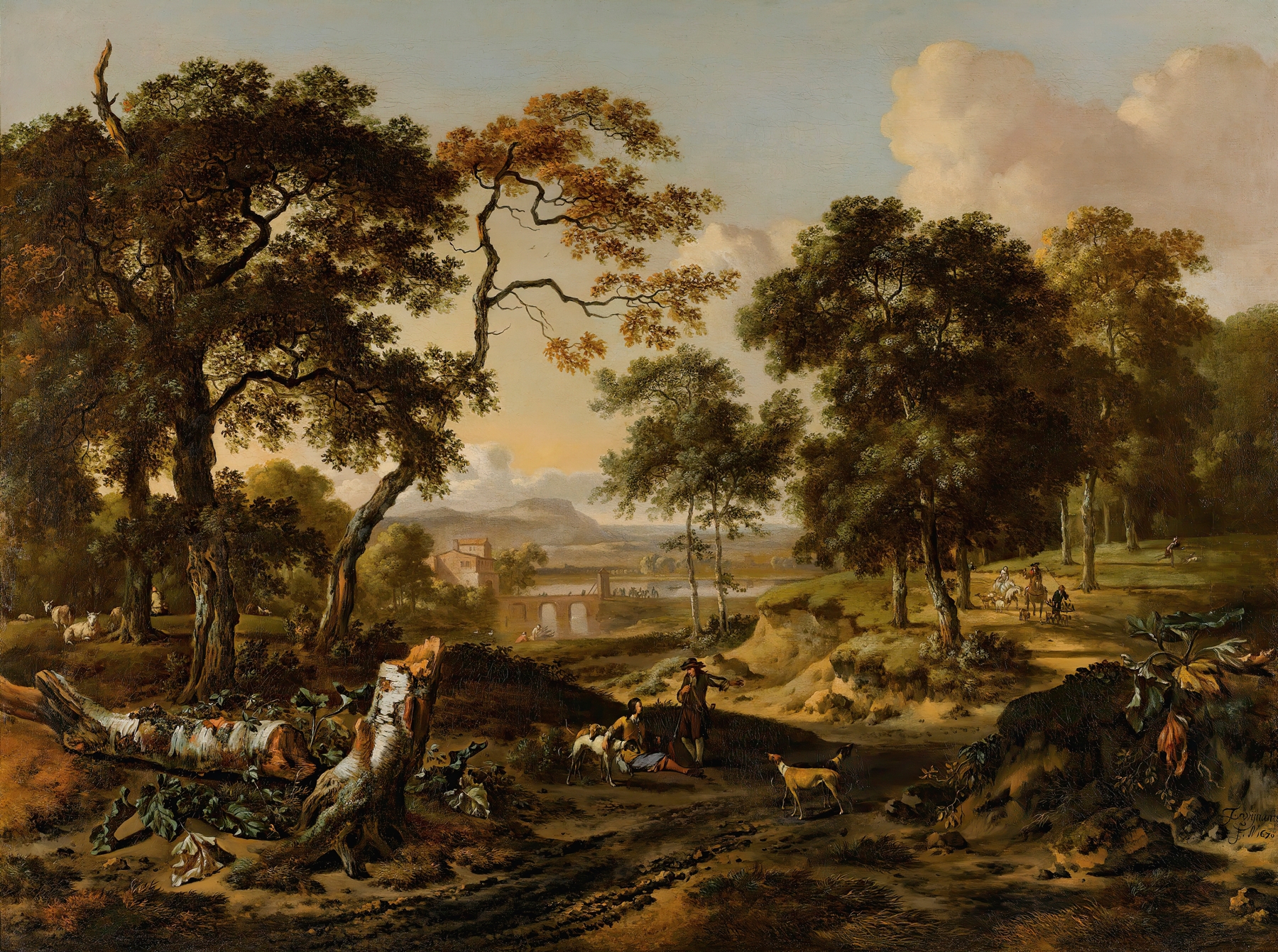
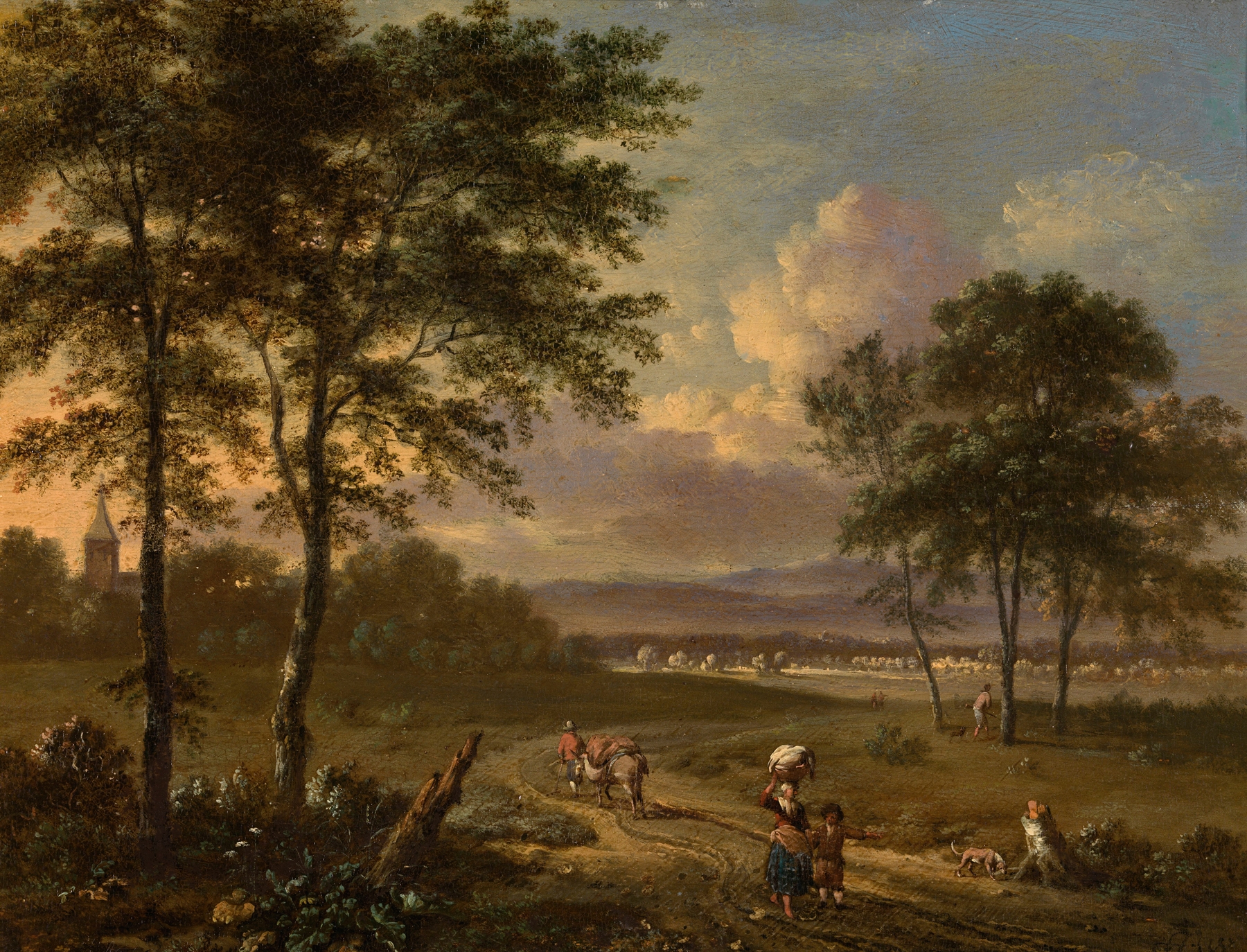
What if silence could speak through light? In Jan Wijnants' Landscape with a Rider Watering his Horse, the stillness of nature whispers secrets through the interplay of shadow and sun, revealing an illusion of tranquility that invites deeper contemplation. Look to the left at the gentle curve of the riverbank, where the soft reflection of trees melds into the water's surface. The composition draws your eye to the central figure, a rider in muted tones, bent over his horse. Notice how the light falls upon the rider’s back, illuminating the scene yet leaving the foreground in shadow, creating a striking contrast that evokes both solitude and connection with nature.
The lush greens and earthy browns establish a harmonious palette, emphasizing the serene moment amid an expansive landscape. Yet, this serenity hides a tension beneath its surface. The rider’s posture suggests weariness, hinting at a journey untold, while the quiet water reflects not only the trees but the ephemeral nature of existence. The vast sky above, painted in soft blues and whites, looms, reminding us of the vastness that dwarfs human endeavors.
Here, Wijnants captures the delicate balance between man, beast, and nature—an illusion of peace that juxtaposes the realities of life’s inherent struggles. Created between 1655 and 1684, this work reflects a pivotal era in Dutch landscape painting, where artists like Wijnants began to explore the emotional resonance of nature. Living in a time marked by economic prosperity and artistic innovation, he utilized the landscape as a canvas for not just beauty, but introspection and subtle narrative. The painting encapsulates the moment of harmony, even as it mirrors the complexities of the human condition within the natural world.