Landscape with Apollo and the Muses — History & Analysis
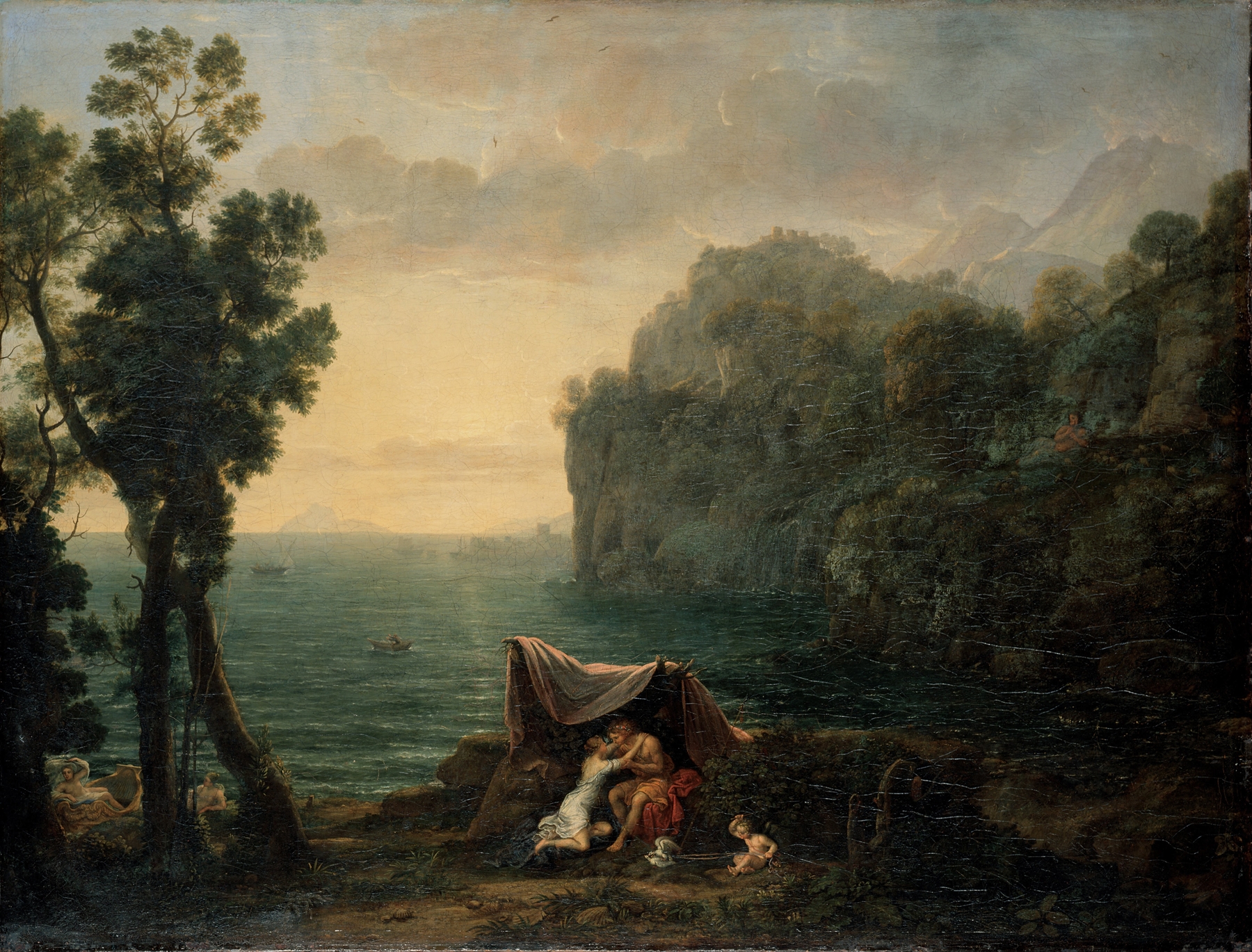
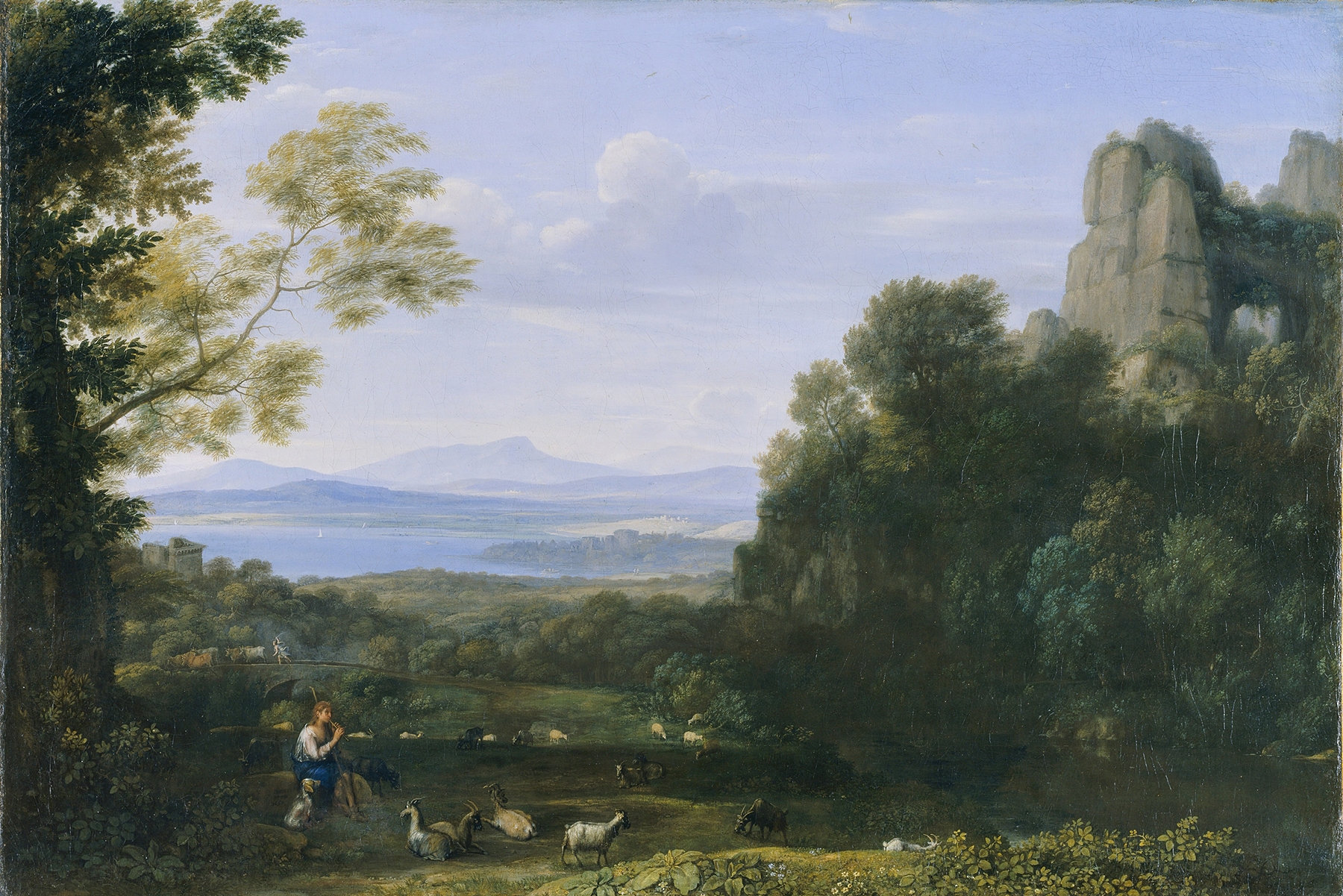
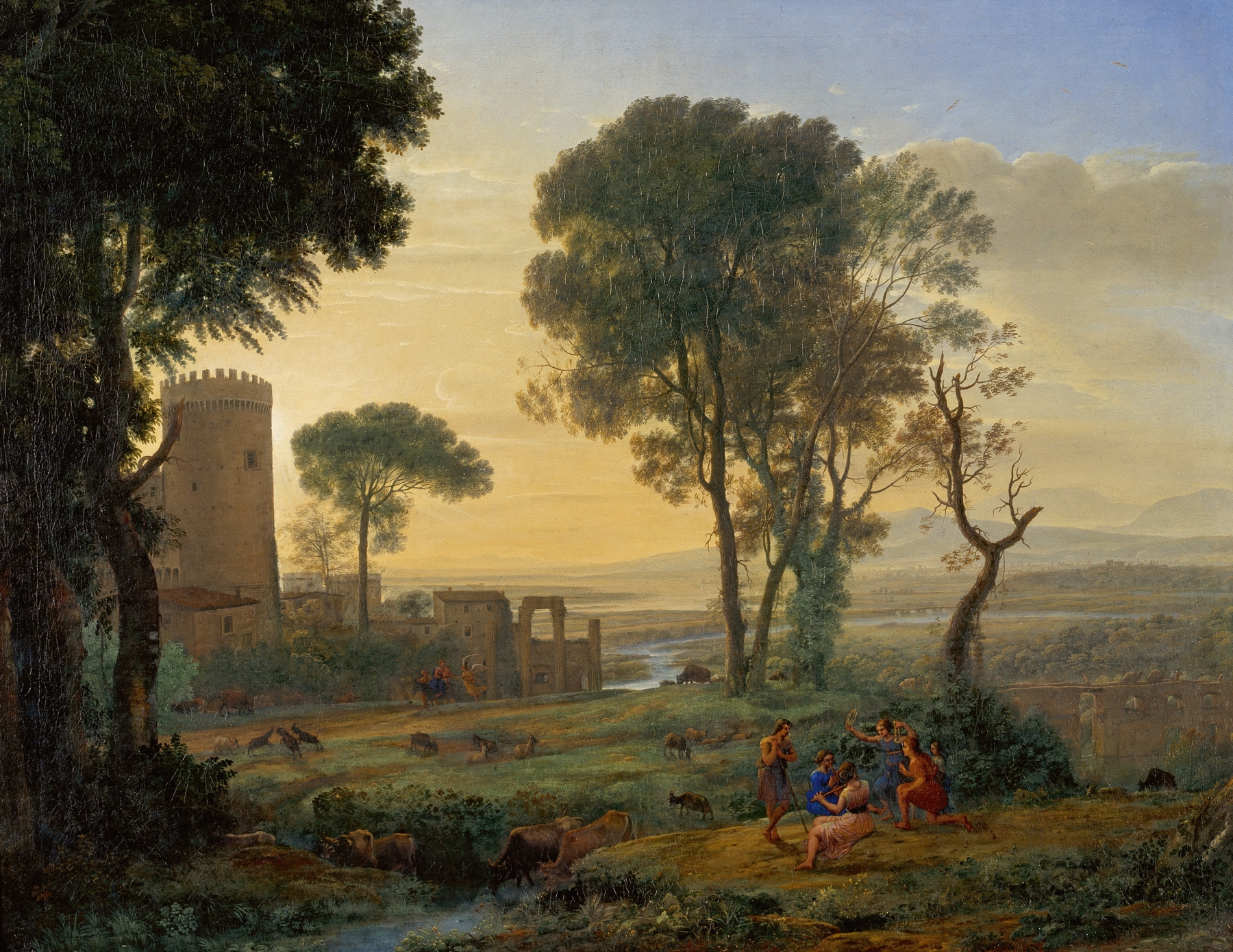
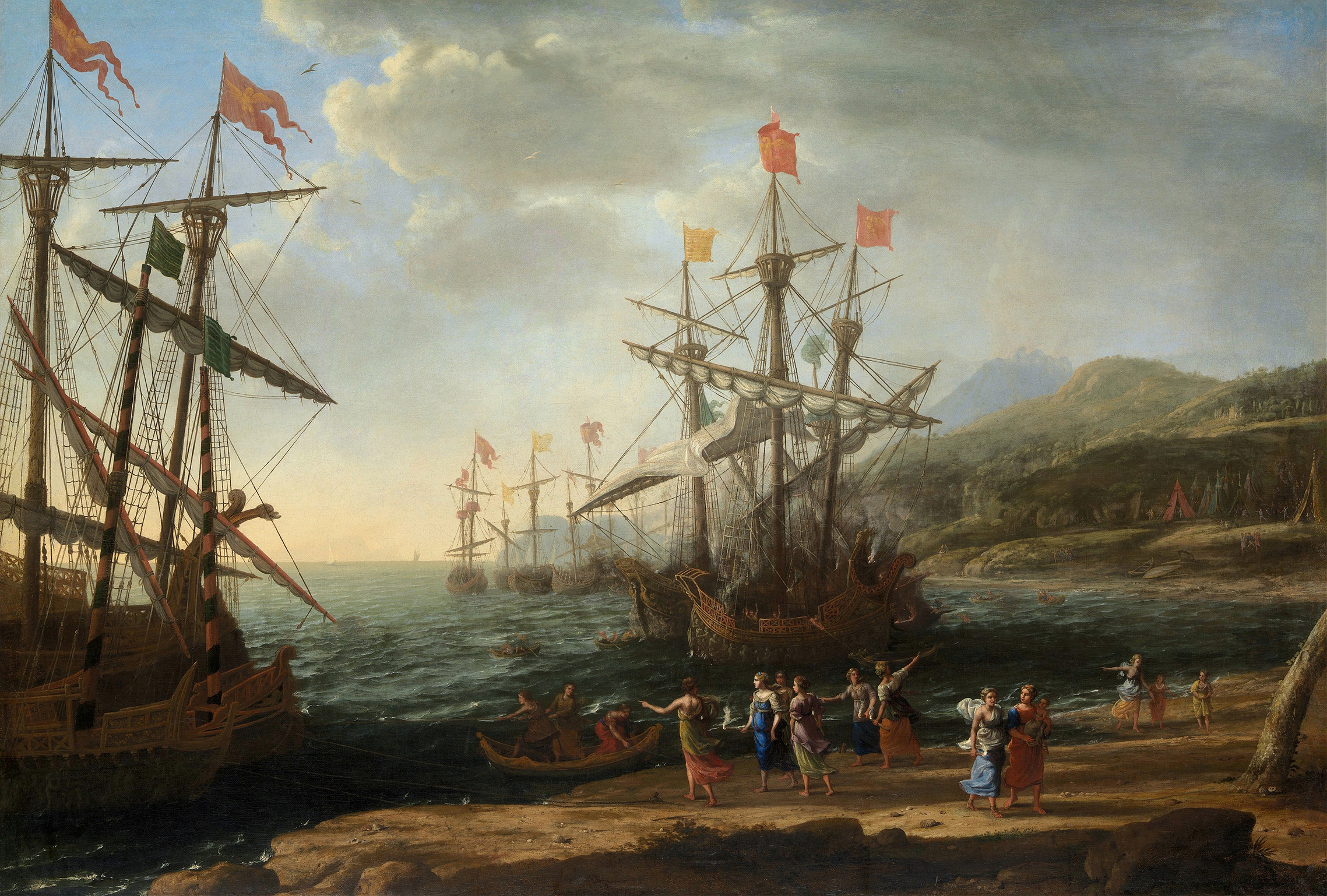
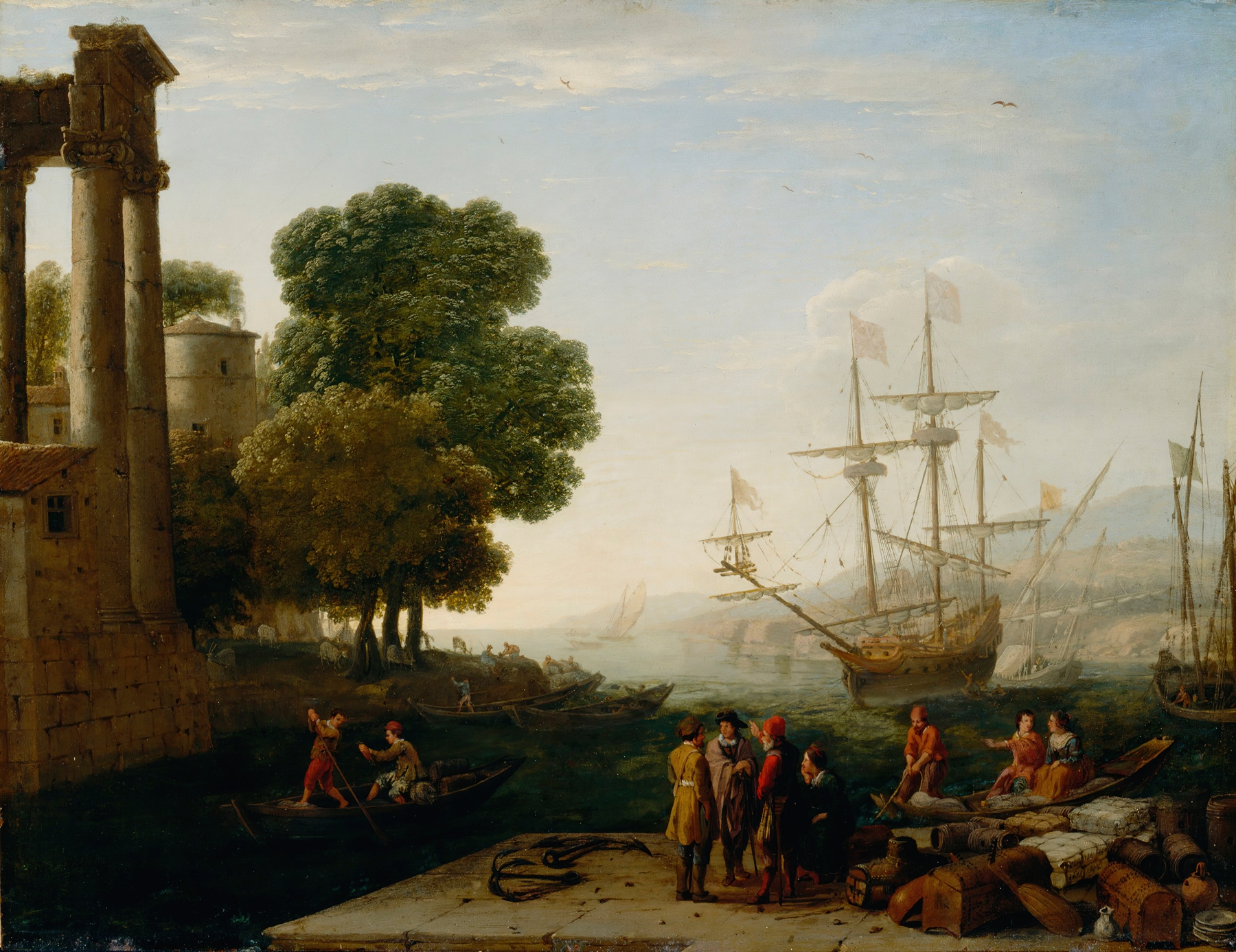
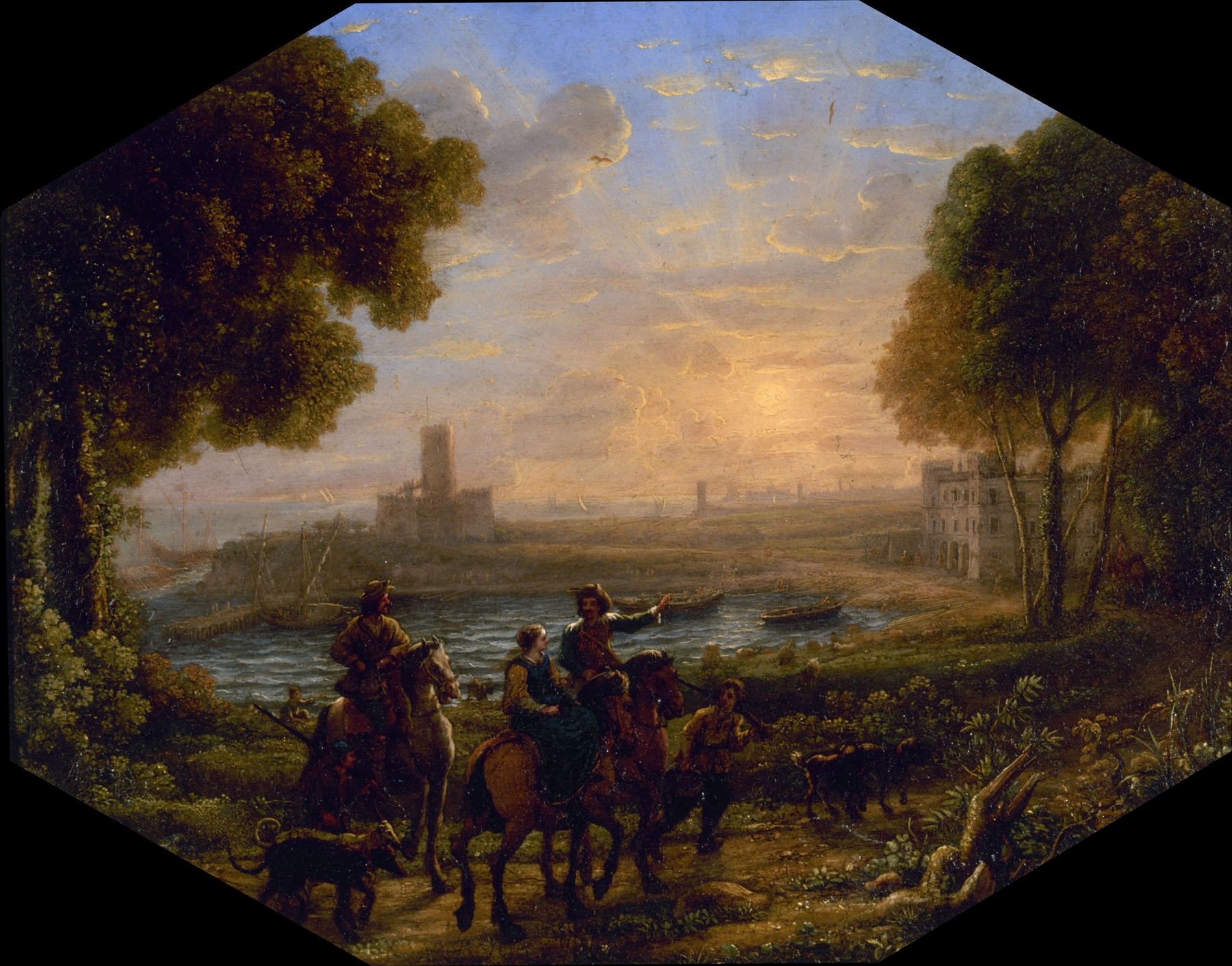
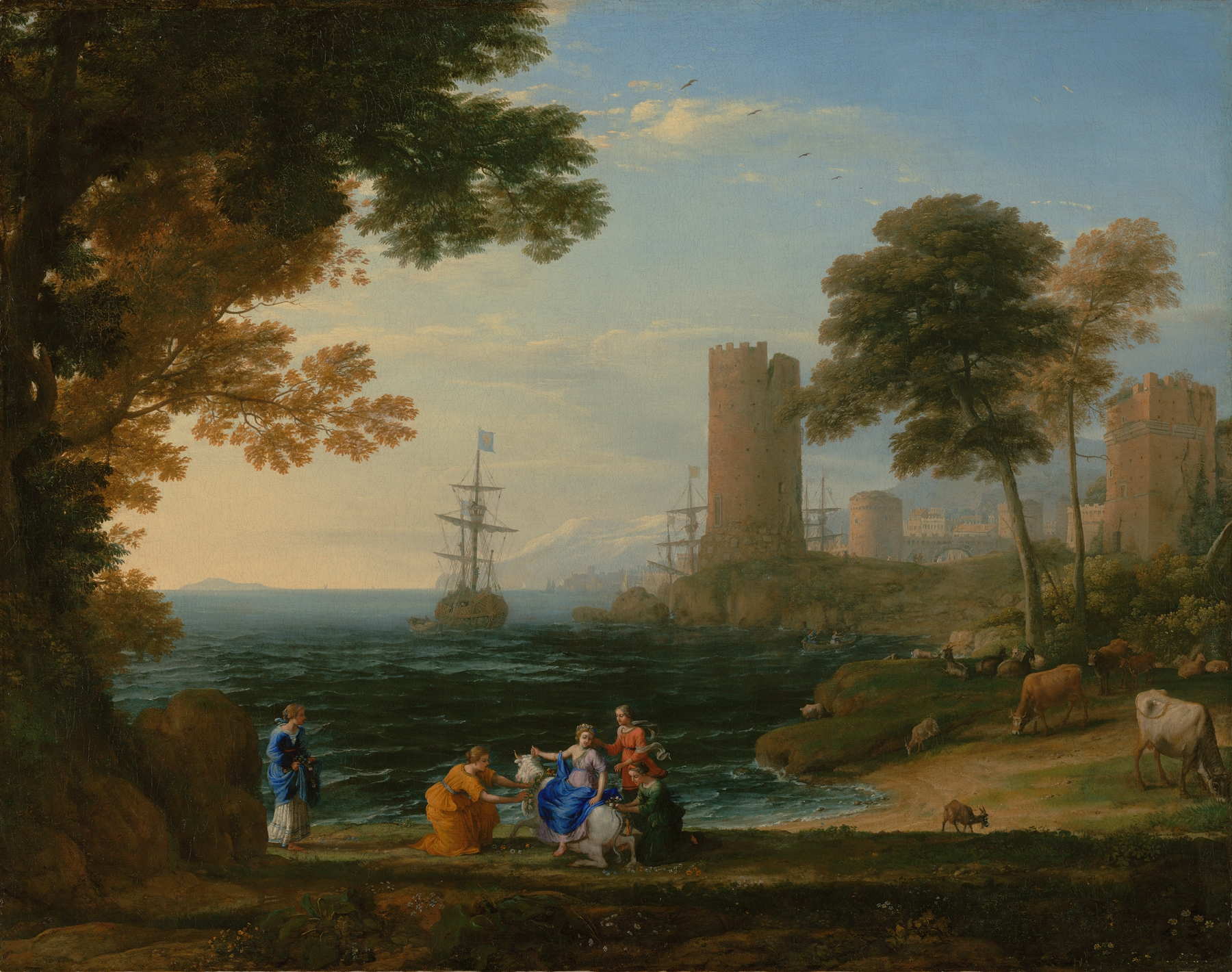
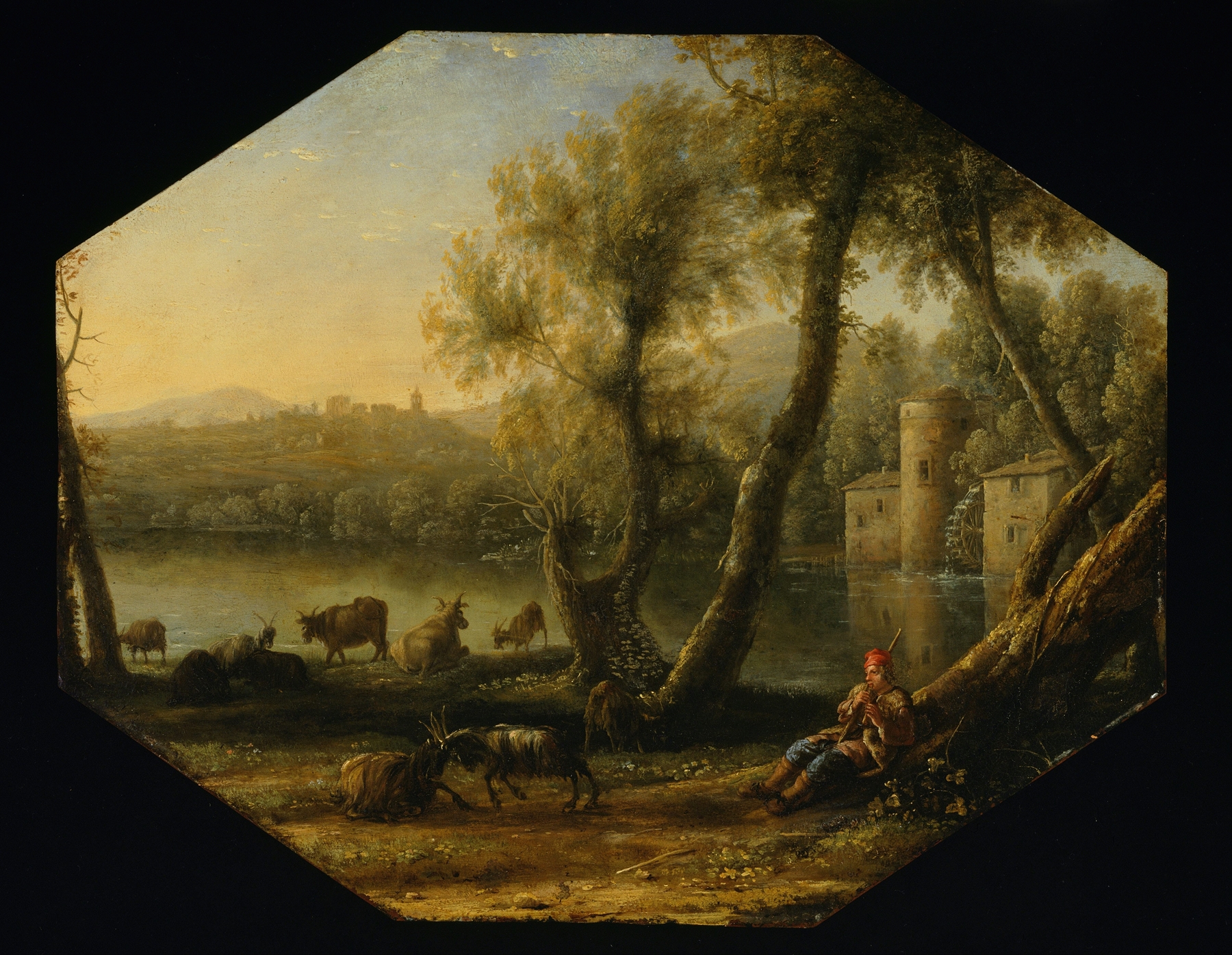
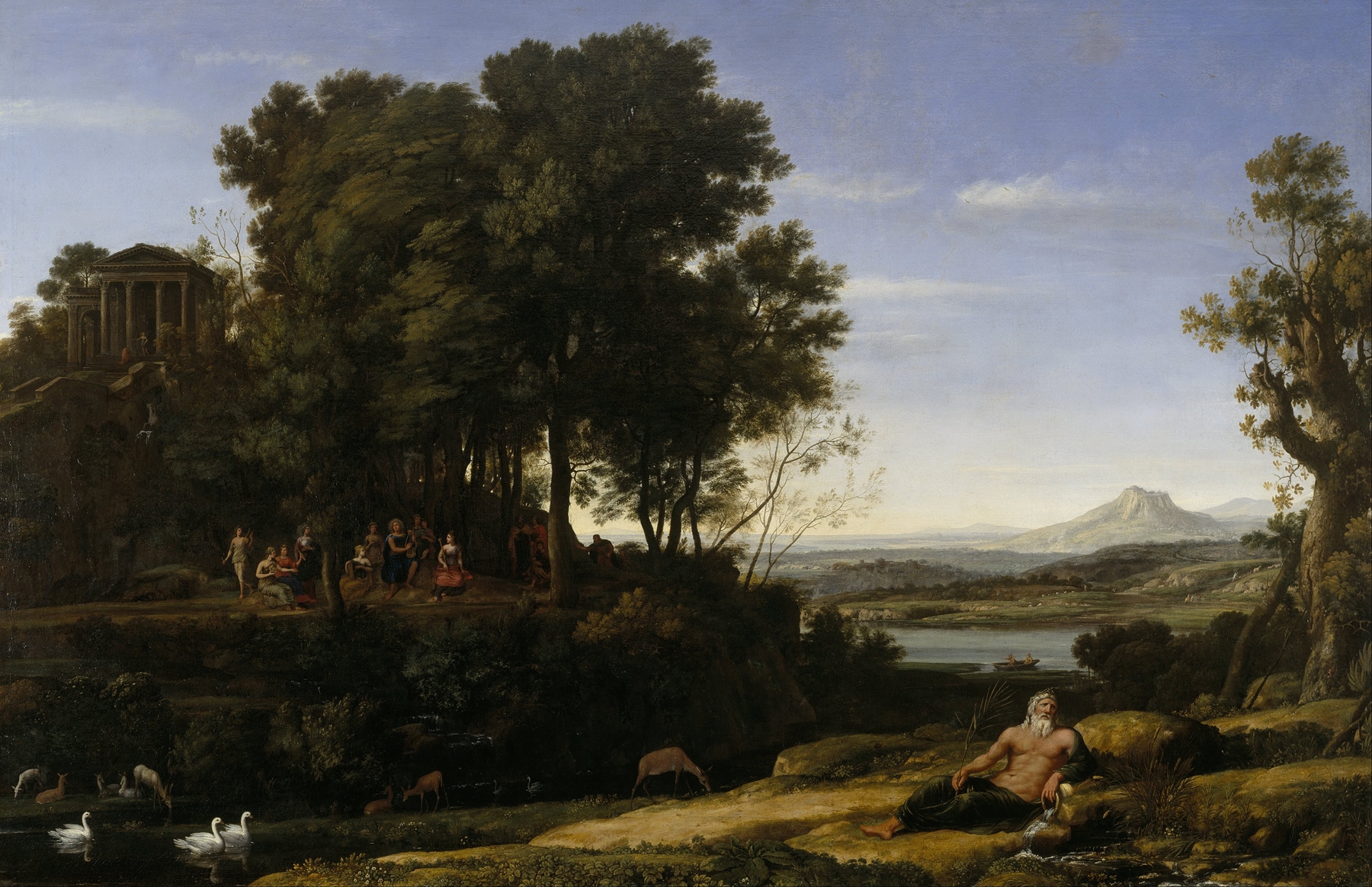
“Art reveals the soul when the world turns away.” In the quiet moments between life and loss, an artist's brush strokes a world that speaks to the heart’s deepest yearnings. Look to the left of the canvas where the graceful figures of Apollo and the Muses emerge, bathed in soft light that dances across their forms. The ethereal glow illuminates the serene landscape behind them, a harmonious blend of warm earth tones and tranquil blues that draw you deeper into the scene. Each brushstroke reveals Lorrain’s mastery of light, with the sun setting in the background, casting elongated shadows that evoke a sense of both beauty and melancholy. The delicate balance between nature and divinity illustrates the tension of creation and the inevitable passage of time. The Muses, each lost in their own world of inspiration, reflect the isolation that comes with artistic pursuit—their gazes turned inward, as if mourning unspoken losses. In the distance, the landscape whispers of an idyllic past, while the gentle ripples of the water signify the fleeting nature of inspiration and the ephemeral beauty of existence. This work was painted during a period of artistic evolution in the 17th century, when Lorrain was in Rome, influenced by the classical ideals that mingled with contemporary thematic explorations. Amidst a burgeoning appreciation for landscapes in art, he sought to capture the sublime beauty of nature while reflecting the personal losses that often accompany creation. This piece embodies those dualities, merging the divine with the earthly in a timeless dialogue.