Landscape with Cattle — History & Analysis
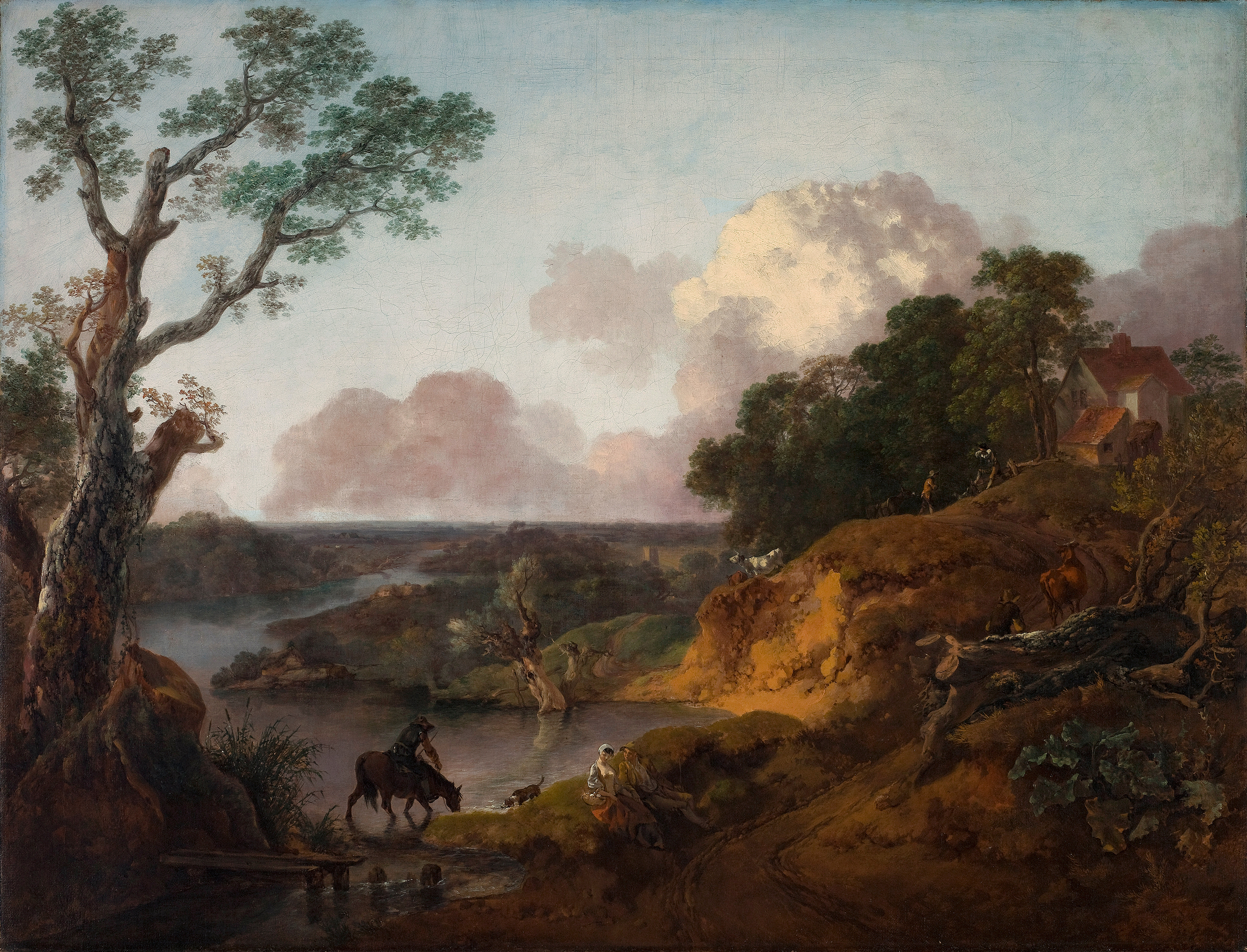
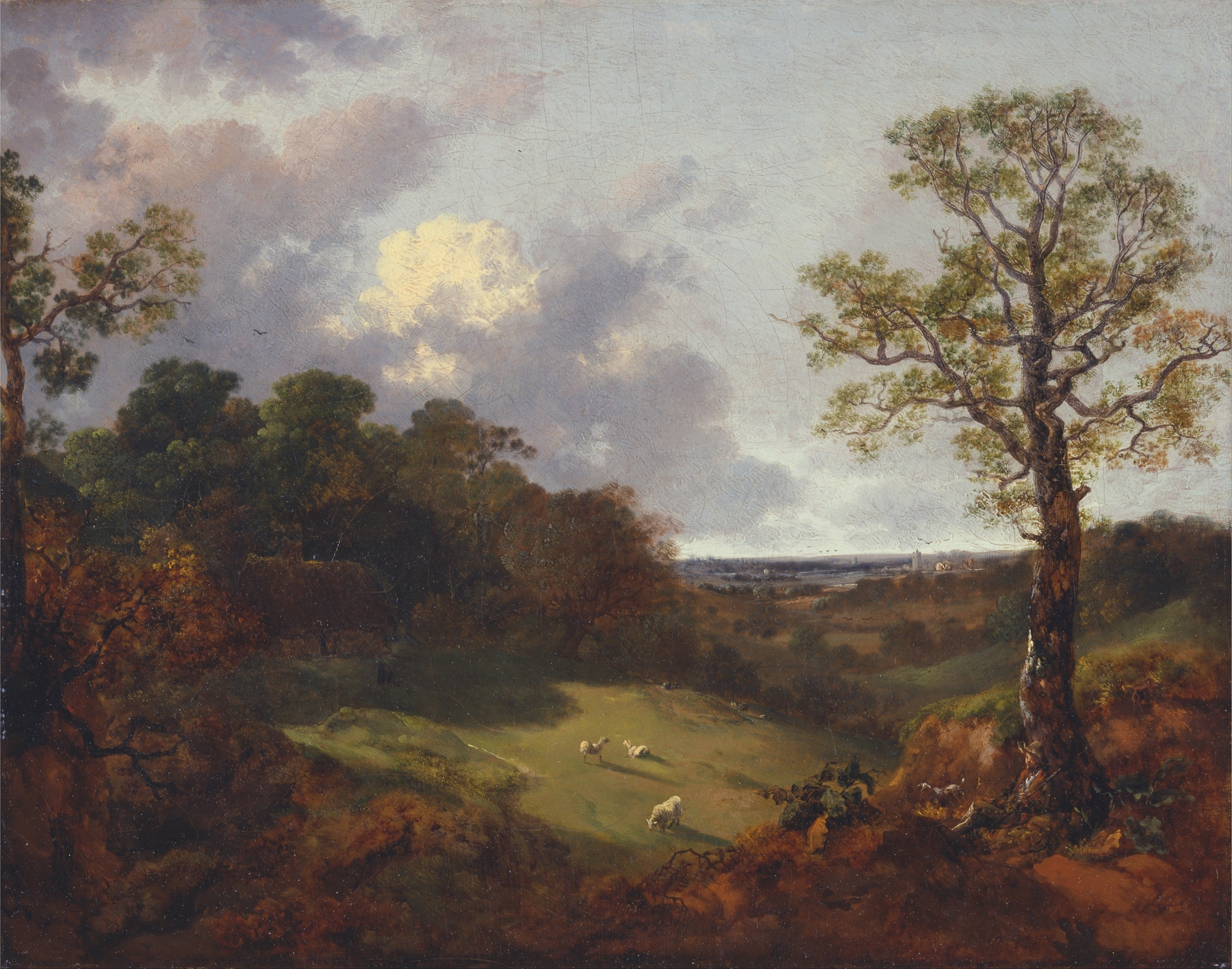
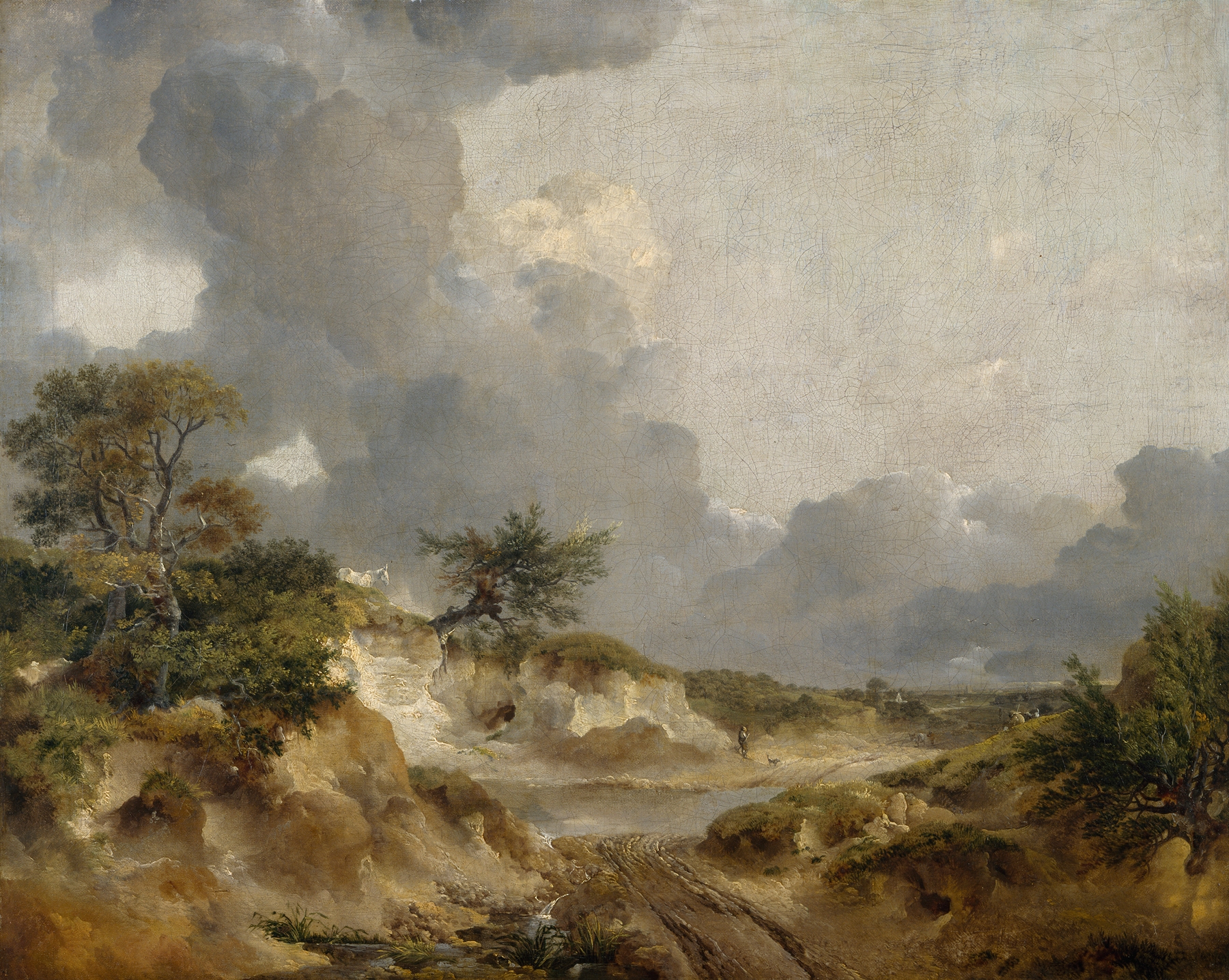
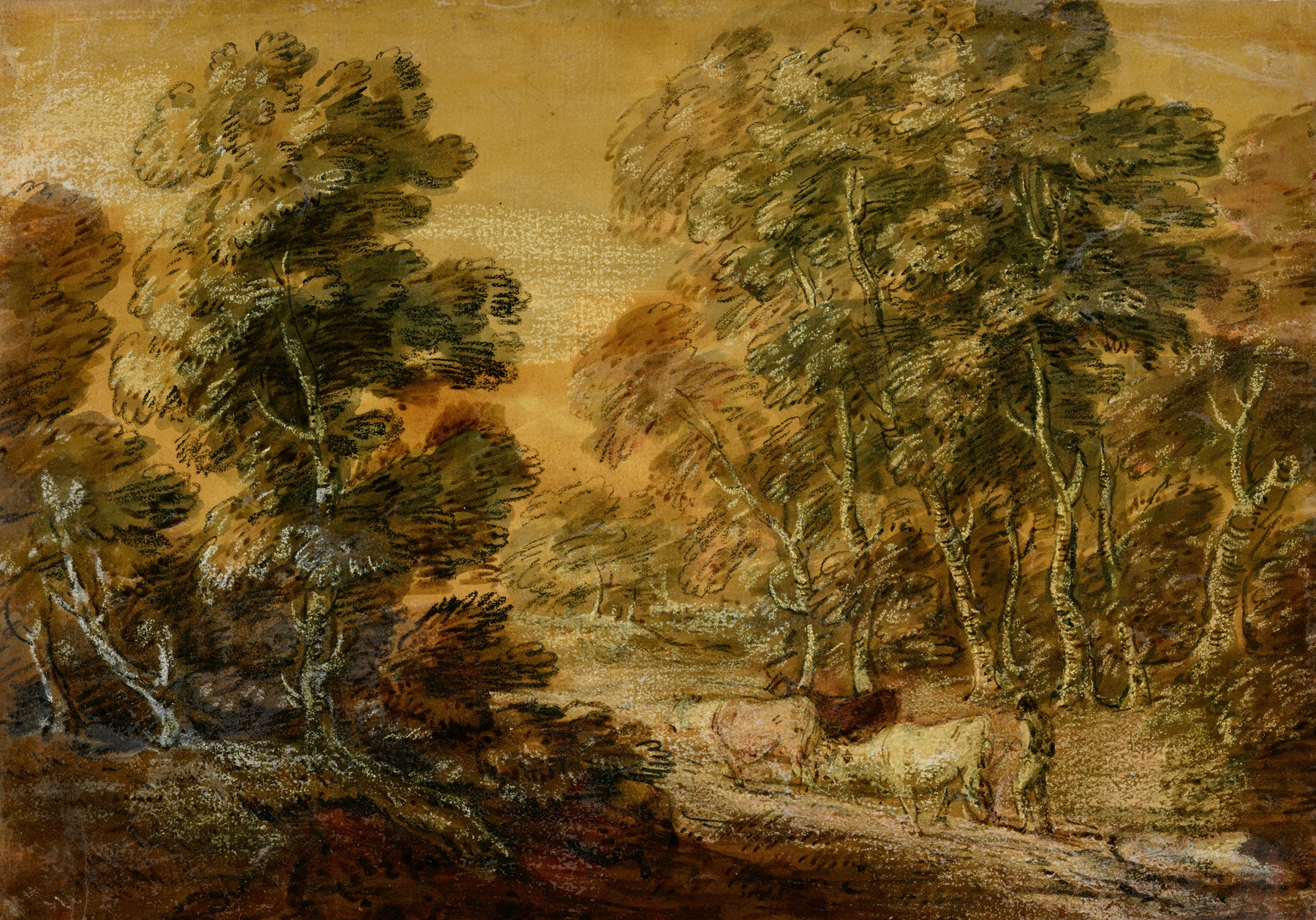
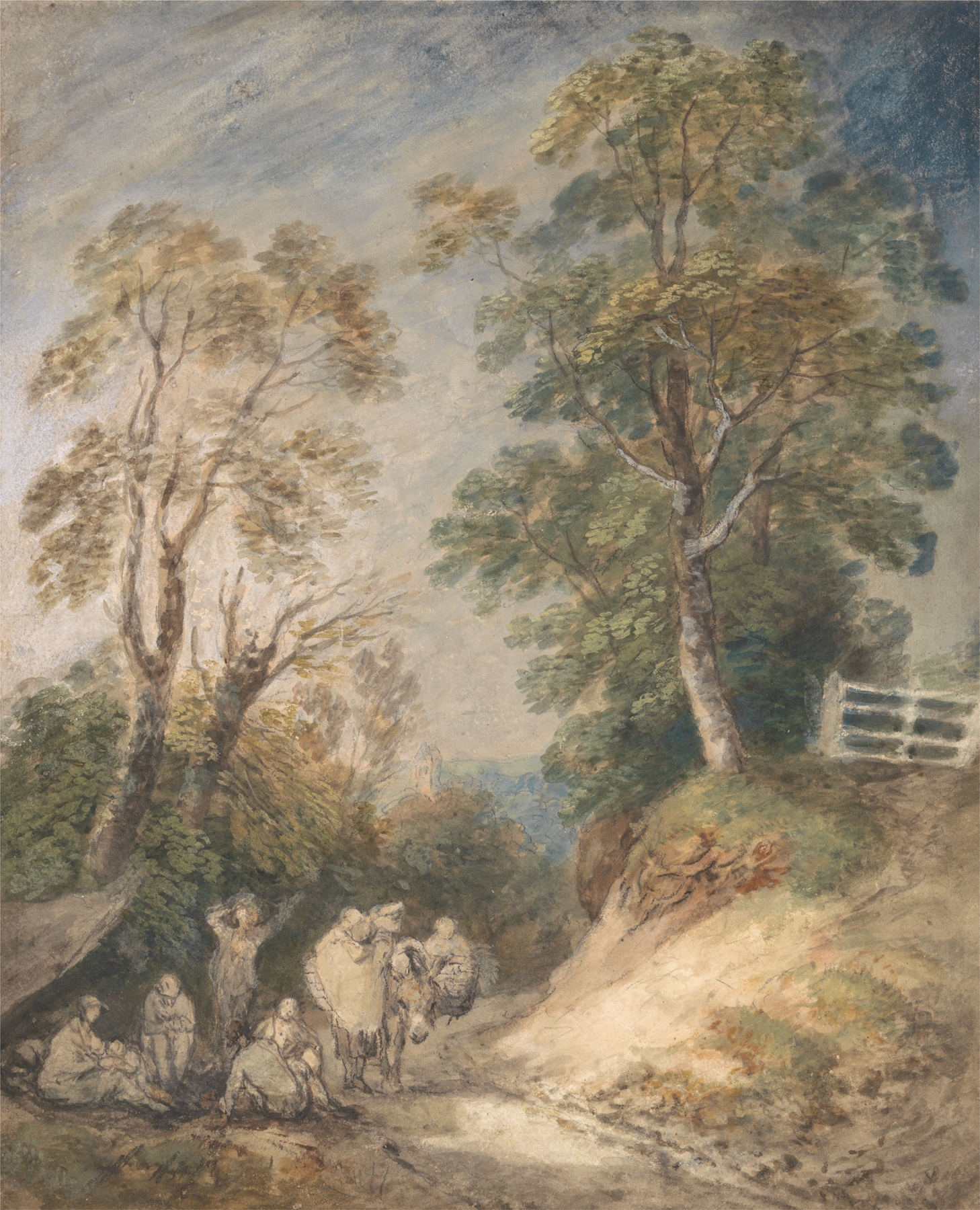
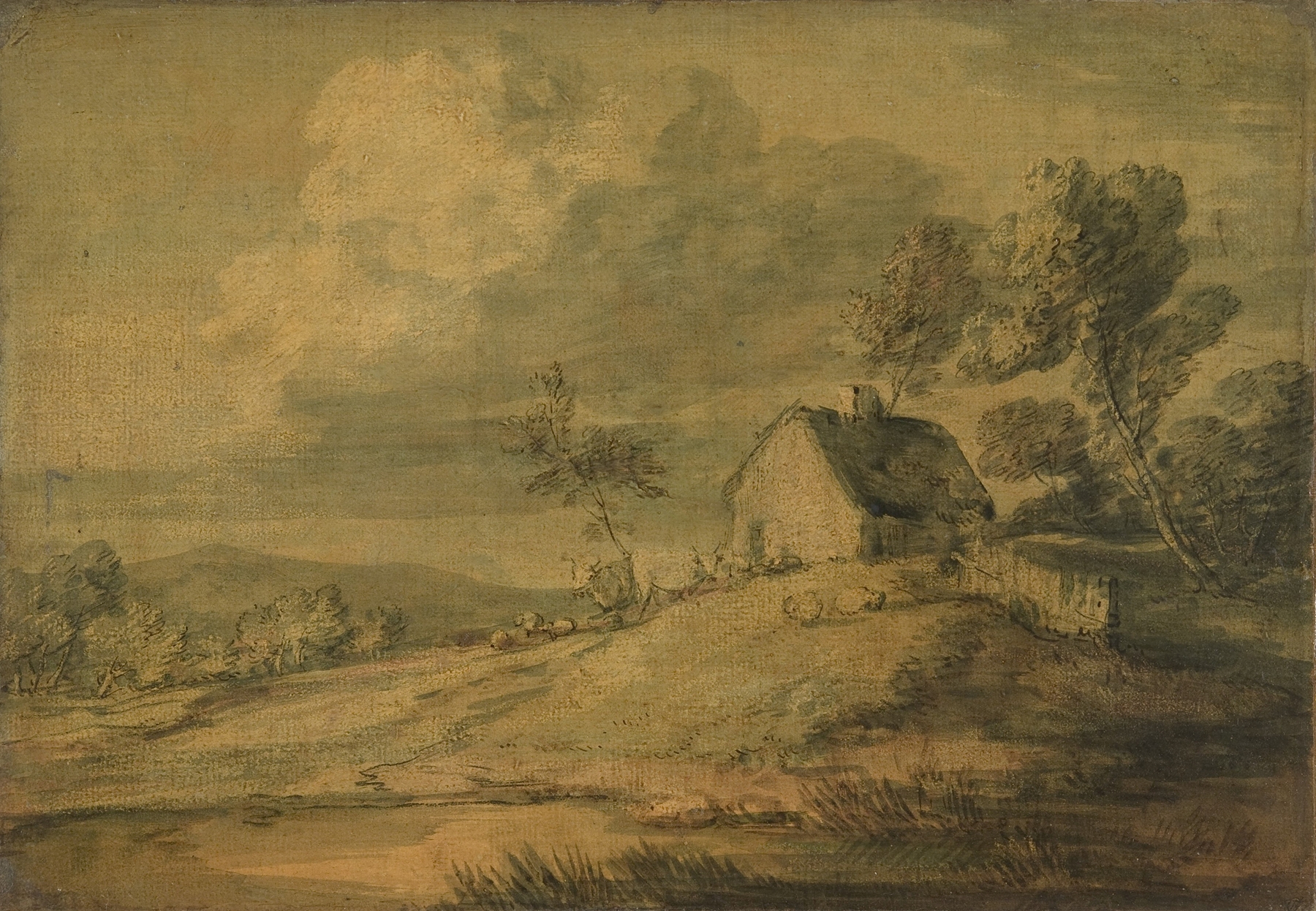
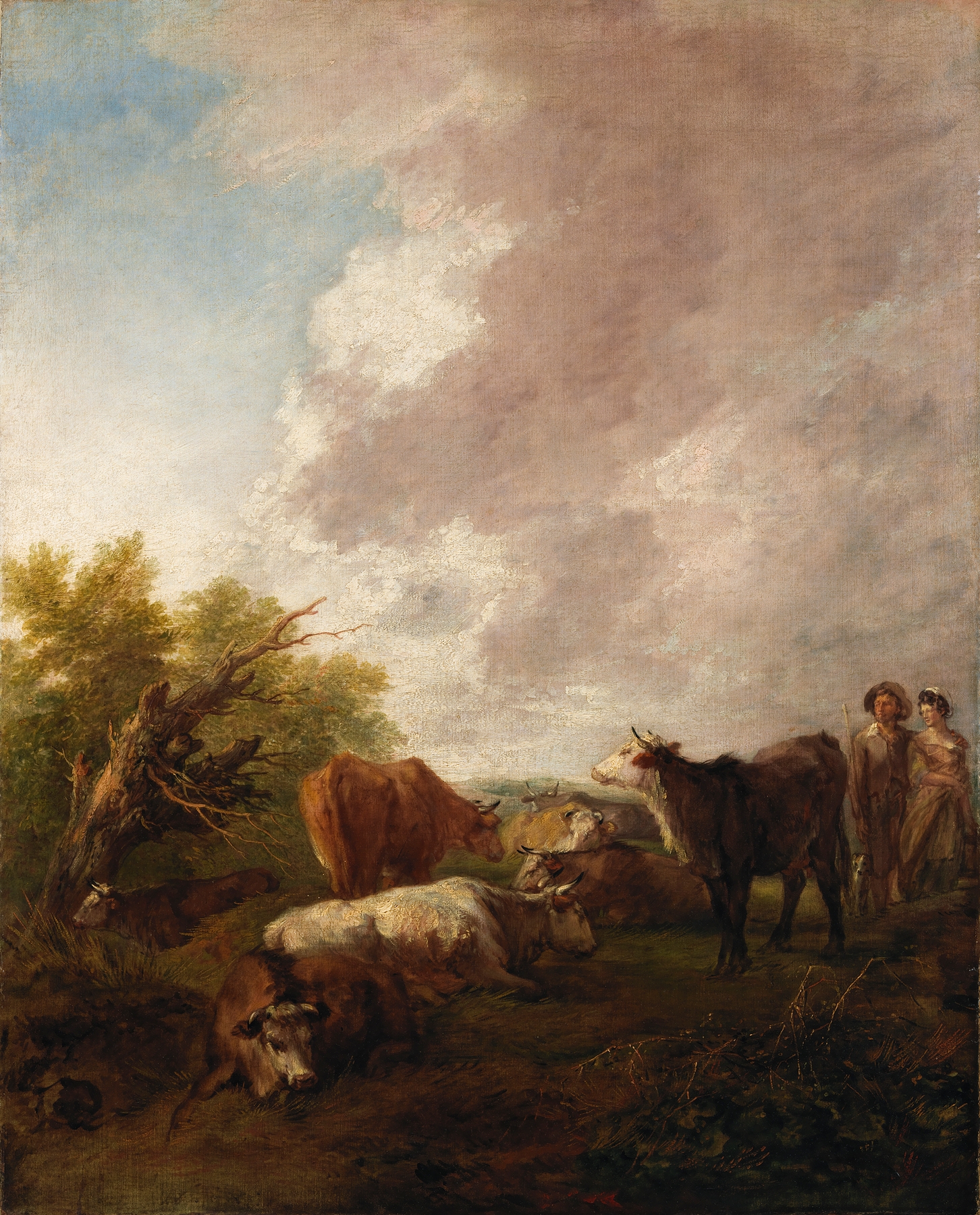
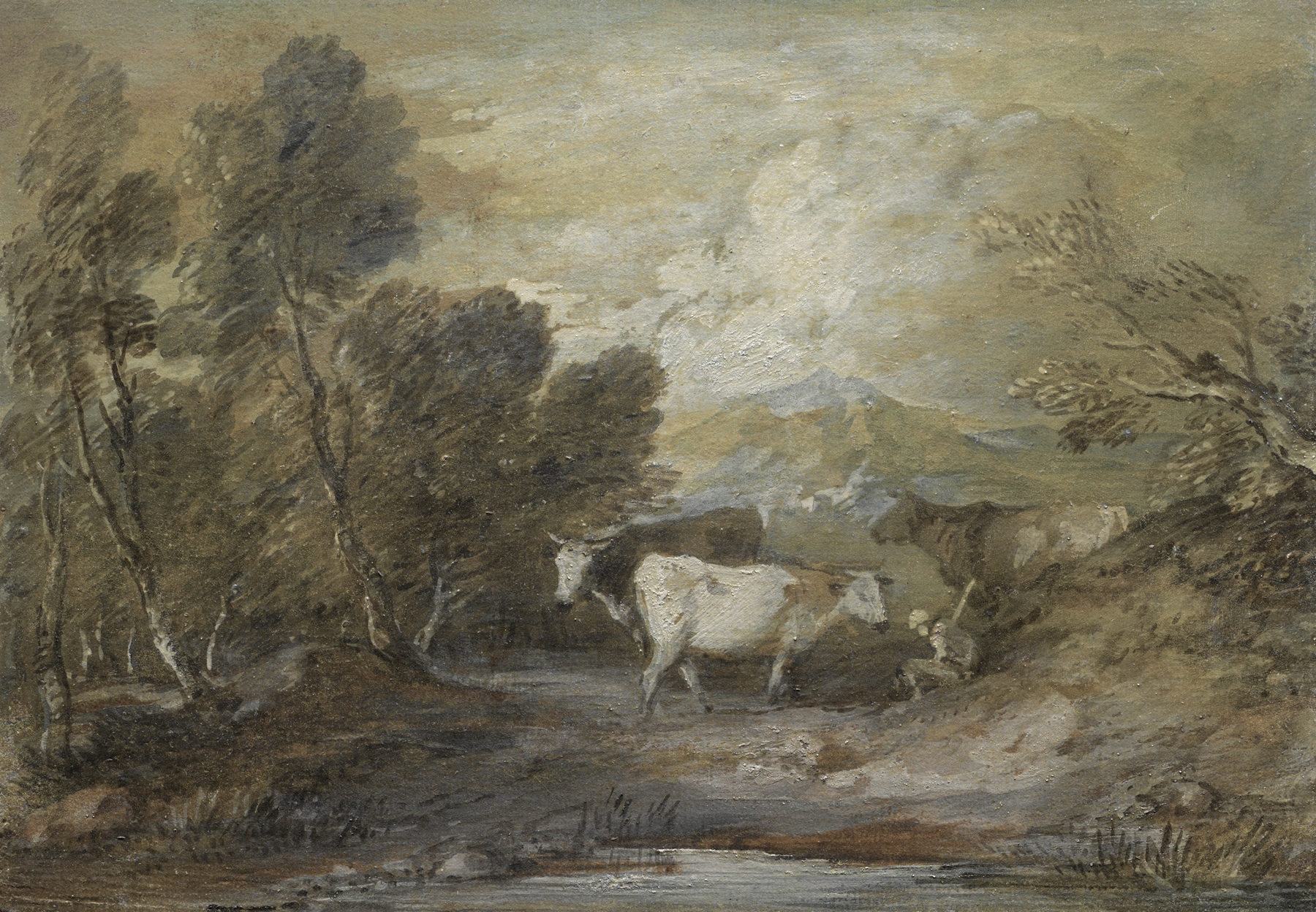
“Art reveals the soul when the world turns away.” In the quiet embrace of nature, light becomes a language, speaking in hues and shades that transcend mere representation. Notice how the gentle brushstrokes create a soft interplay between the vibrant greens of the pasture and the warm browns of the grazing cattle. Look closely at the way dappled sunlight filters through the canopy of trees, casting delicate patterns on the ground. The composition draws the eye towards the horizon where the sky melts into a tranquil blue, evoking a sense of peace and continuity in the landscape.
Beneath this serene surface, a conversation unfolds between nature and the viewer. The cattle, seemingly content, carry a weight of pastoral solitude that contrasts with the expansive openness of their surroundings. Discerning viewers might sense a tension between the fleeting moment and the eternal landscape — a reminder of the delicate balance between life and nature. The interplay of light and shadow not only illuminates the scene but also unveils the interconnectedness of existence, evoking a deep emotional resonance.
This piece emerged from Gainsborough’s mastery during the 18th century, a time when he was establishing himself as a leading landscape artist in England. His technique reflected an evolving appreciation for natural beauty, aligning with the Romantic movement’s focus on individual perception. While the exact date of this work remains unknown, it embodies the artist’s dedication to capturing the essence of the English countryside, a reflection of both his personal journey and the broader artistic currents of his time.