Landscape with Ruined Castle, Trees — History & Analysis
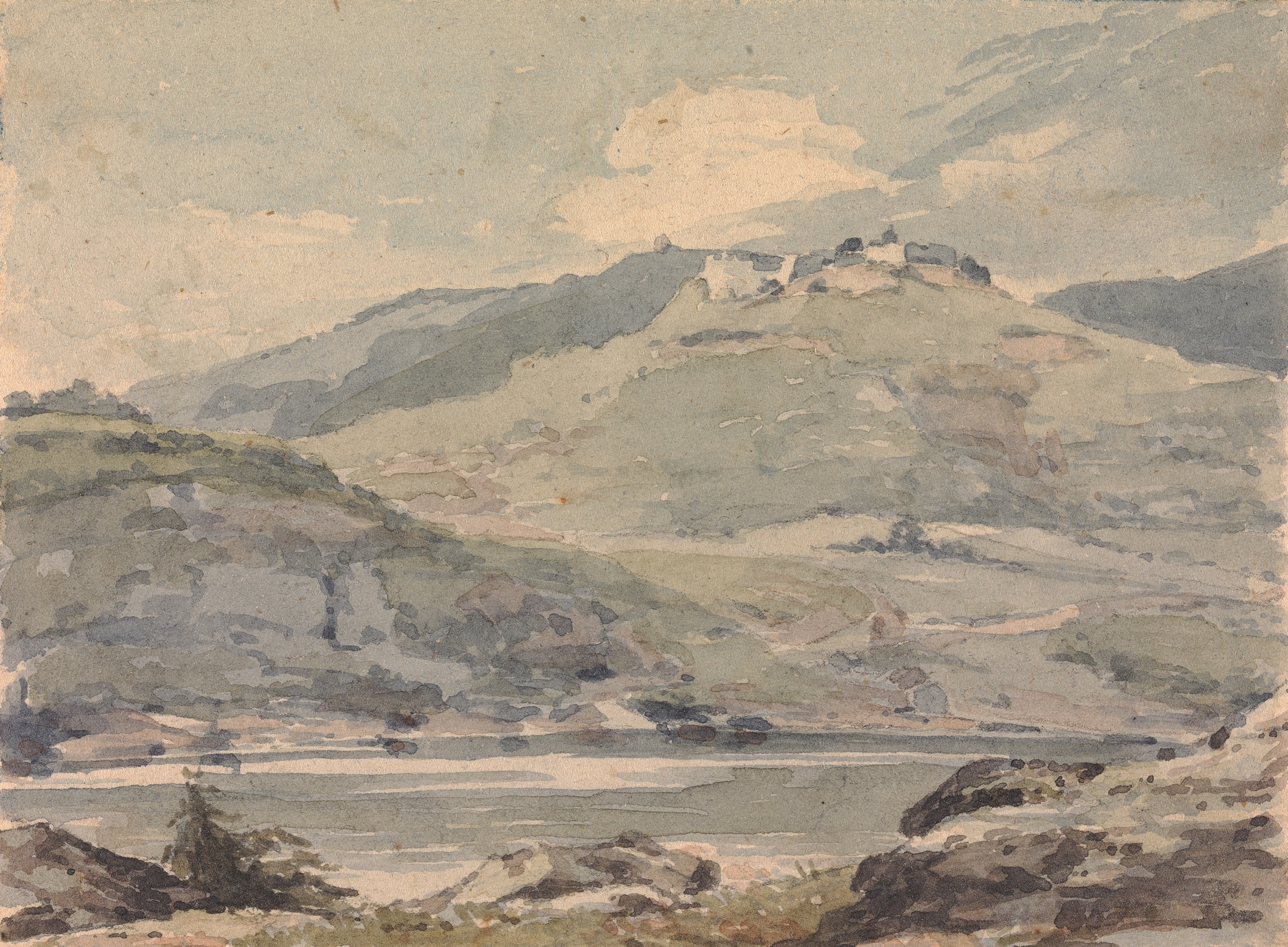
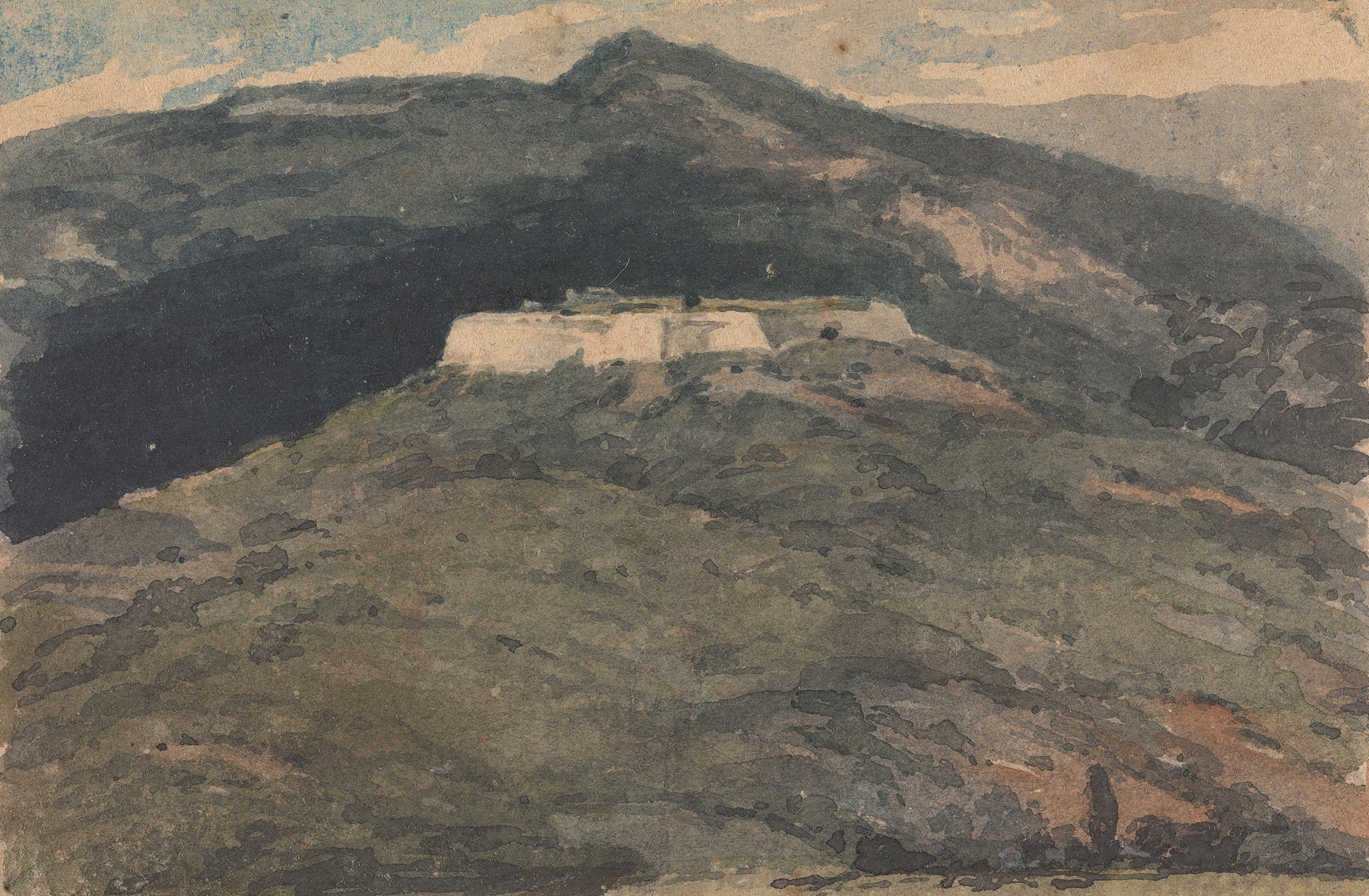
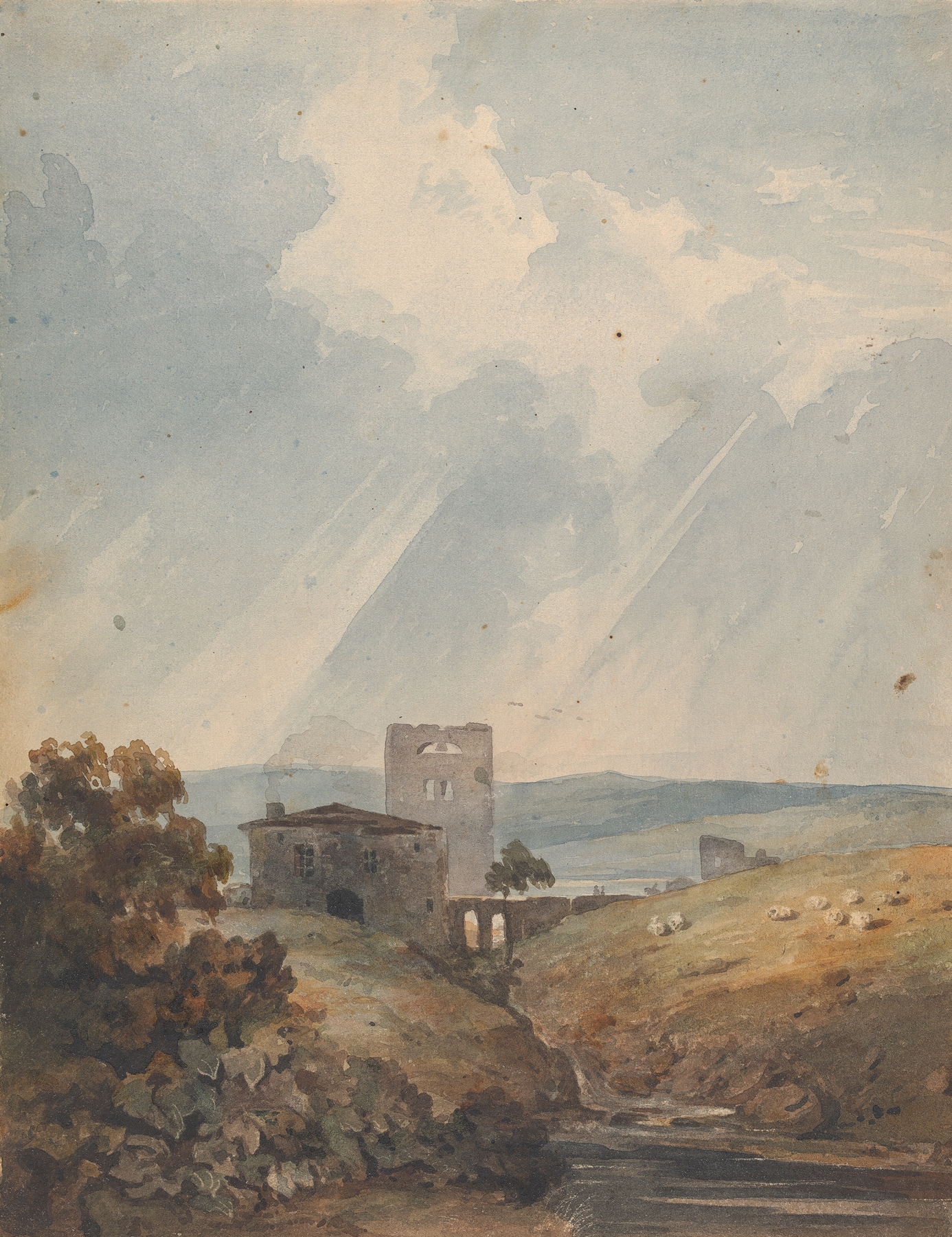
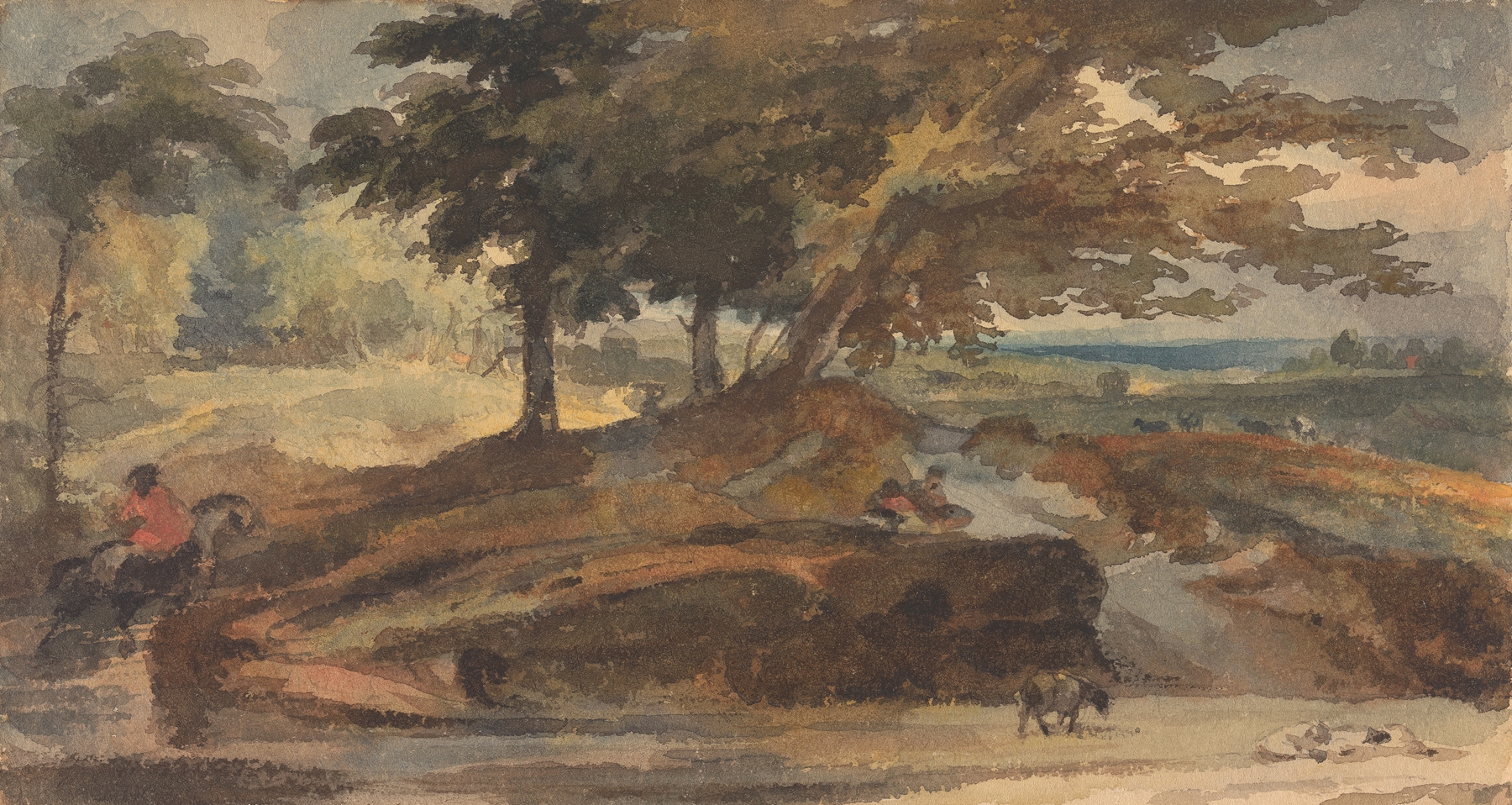
Who listens when art speaks of silence? In Landscape with Ruined Castle, Trees, the viewer is invited to contemplate the whispers of history lingering in the air, rooted in the landscape's solemn beauty. It becomes a profound meditation on faith—faith in nature, in time, and in the stories that endure even as they fade. Look to the center at the imposing, weathered castle, its crumbling walls standing resolute against a backdrop of soft, verdant hills. The muted greens and browns of the landscape cradle the structure, creating a sense of harmony despite its decay.
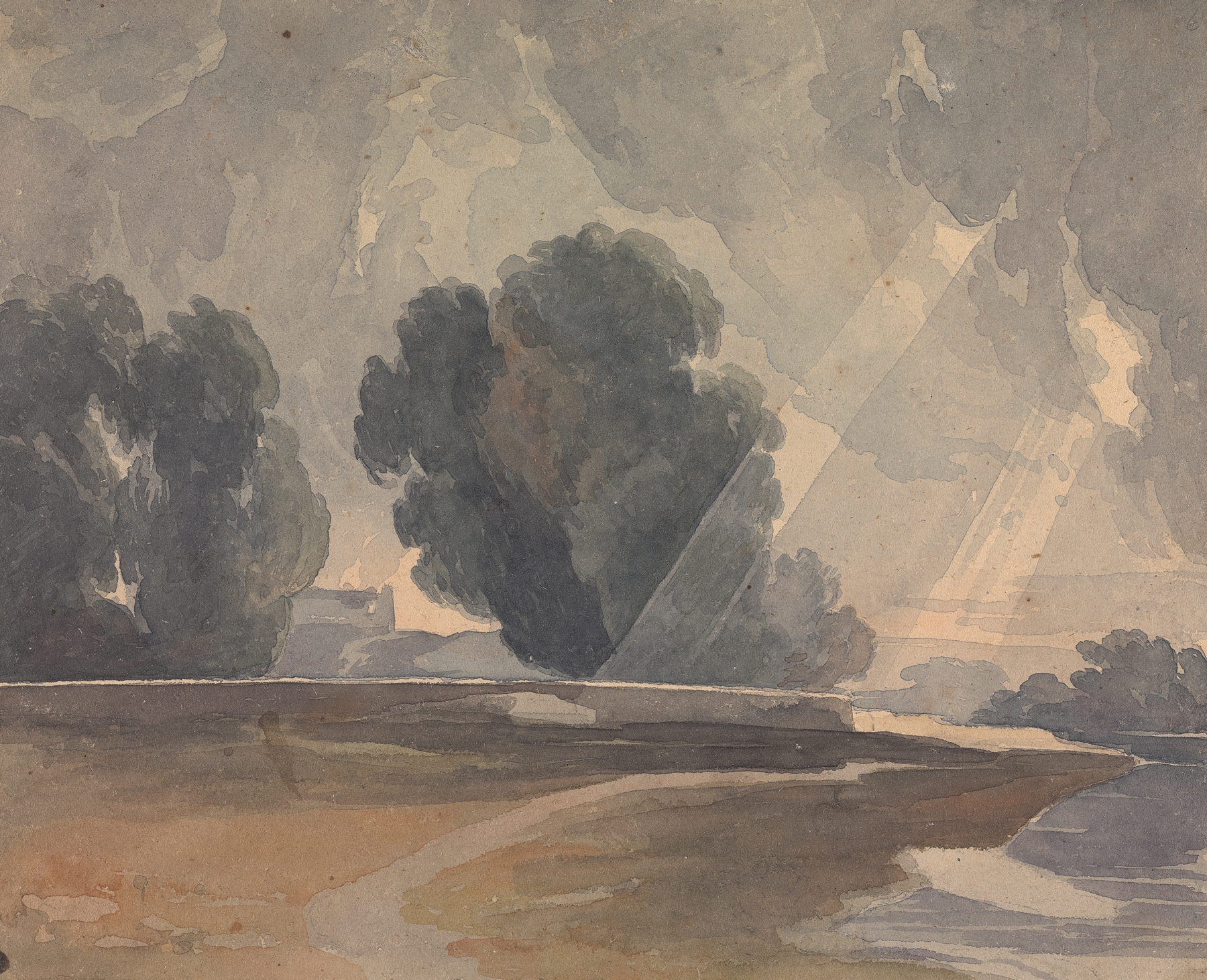
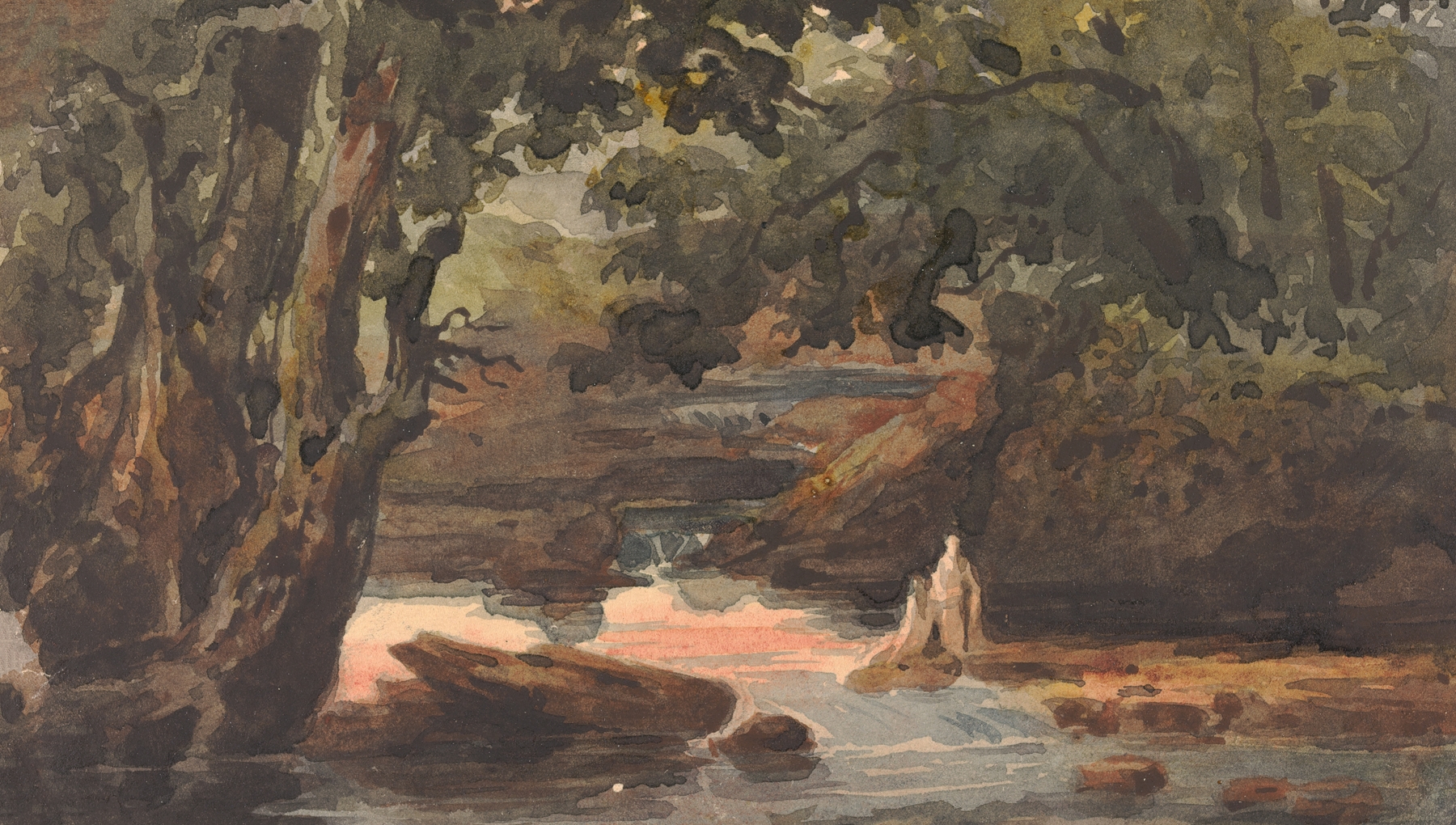
Notice how the light spills gently across the scene, illuminating the trees that seem to guard the ruins, their branches weaving a delicate dance of shadow and light—a visual testament to life's persistence amidst abandonment. In the details, a poignant story unfolds. Each blade of grass suggests resilience, while the castle's deterioration evokes a sense of lost grandeur, as if the earth itself mourns a bygone era. The interplay of light and shadow speaks to the duality of existence: hope intertwined with despair, the sacred memories of the past juxtaposed against the inevitability of time's passage.
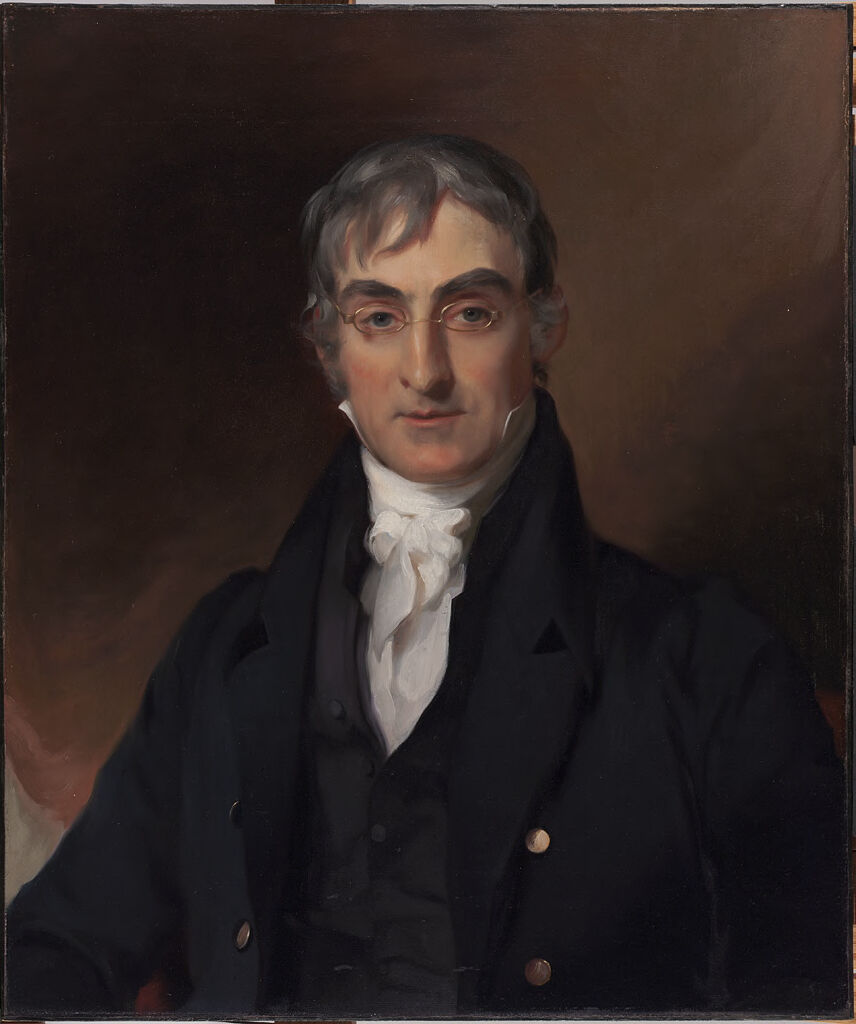
Here, faith is not merely in what remains visible but also in the unseen narratives that linger in the silence. Thomas Sully, active primarily in the early 19th century, painted this piece during a period of personal and artistic exploration. While the exact date of this artwork is uncertain, it reflects the romantic movement's fascination with nature's beauty and the sublime. At this juncture, Sully was transitioning from portraiture to landscape, as artists began to embrace the emotional depth found in ruins, allowing viewers to connect with deeper themes of history and spirituality.