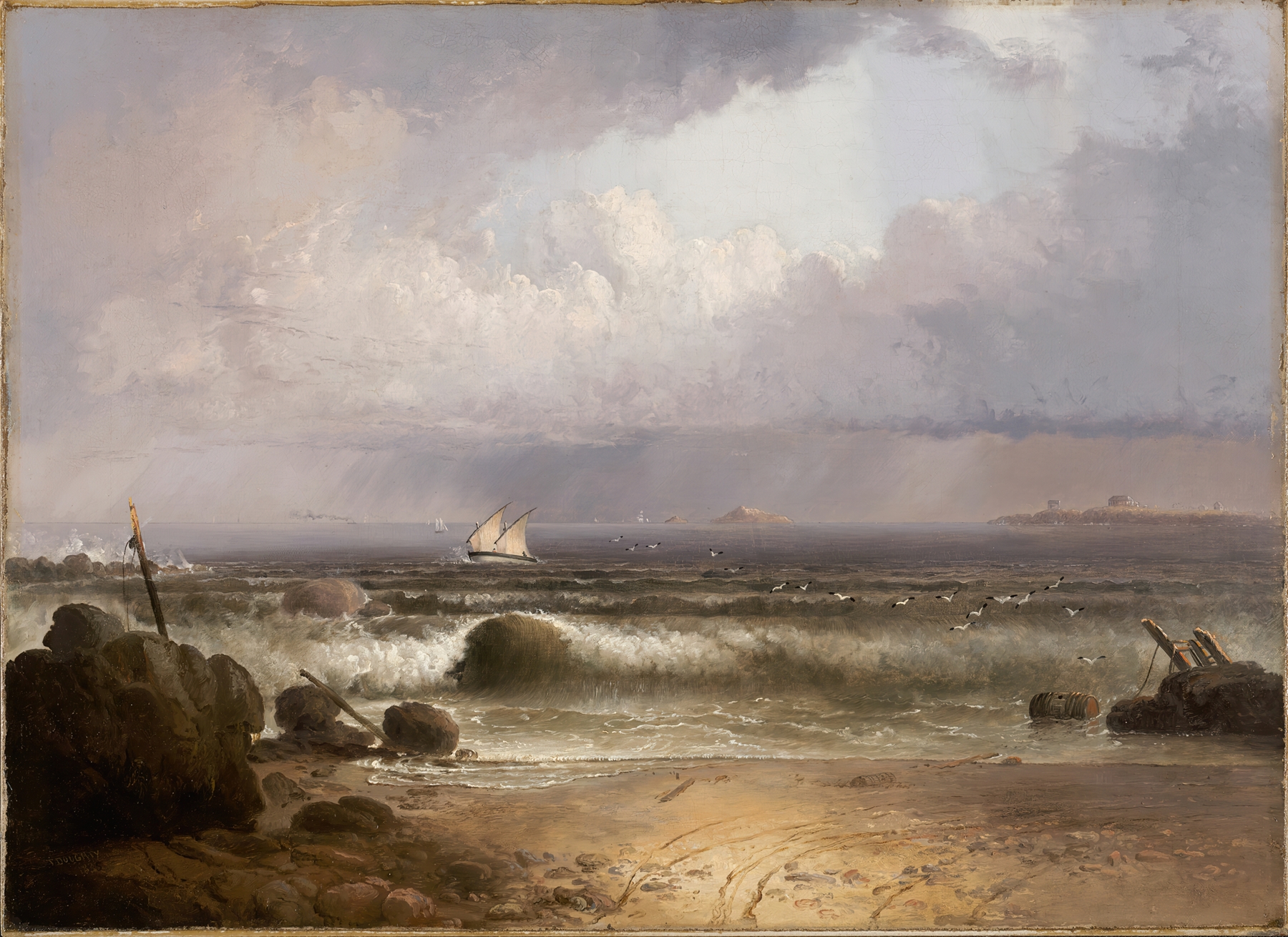
Landscape with Stream and Mountains — History & Analysis
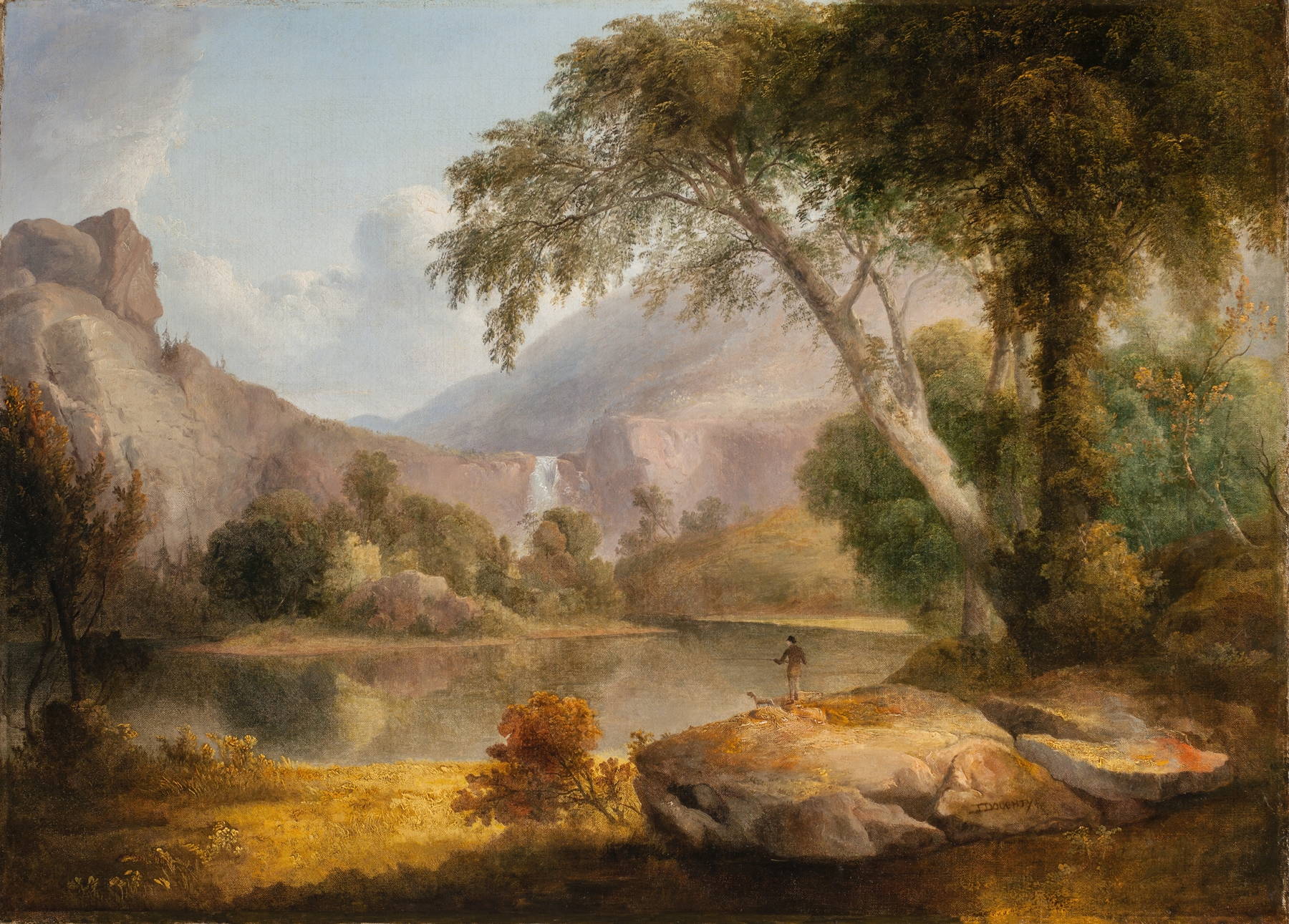
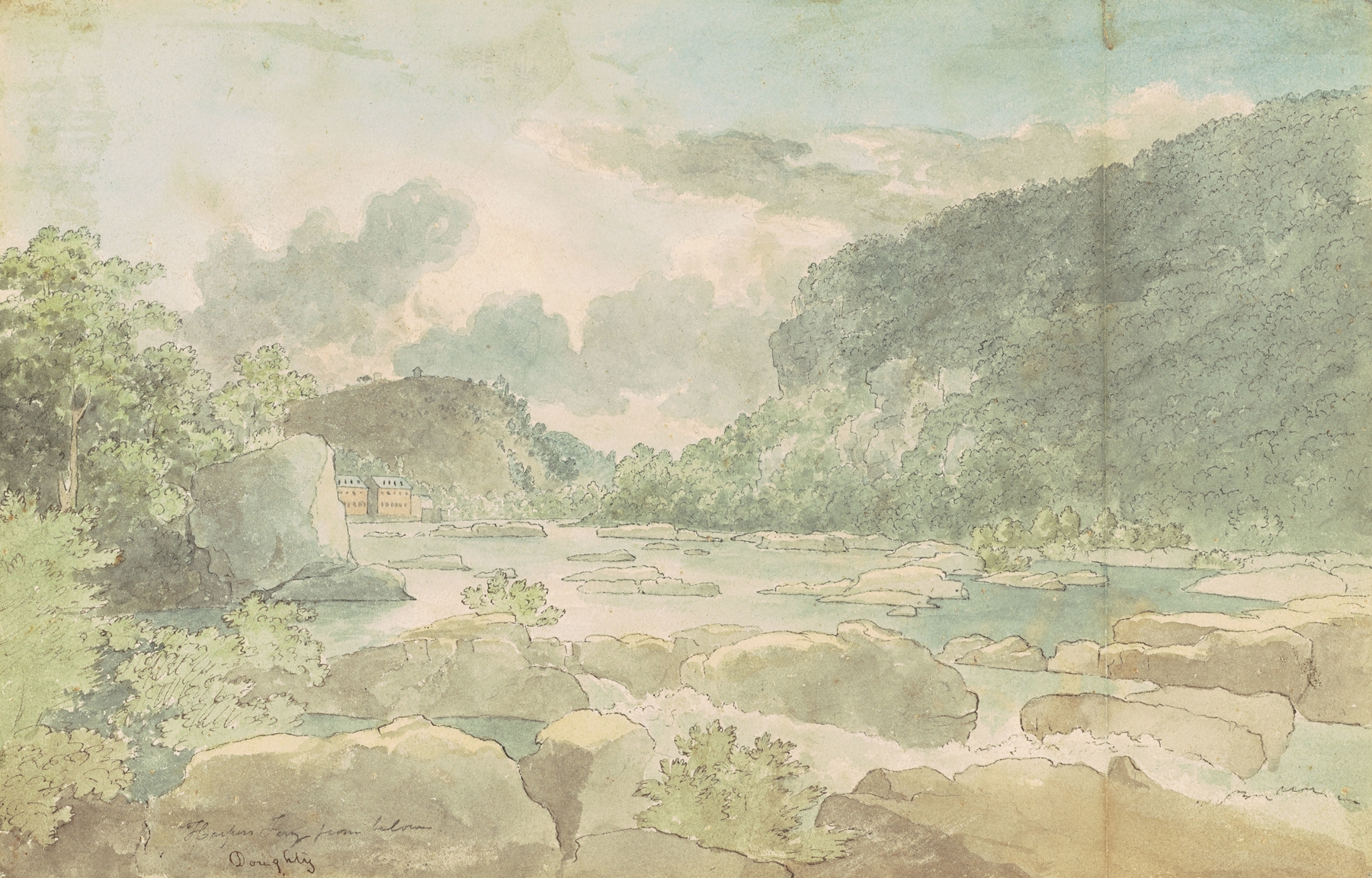
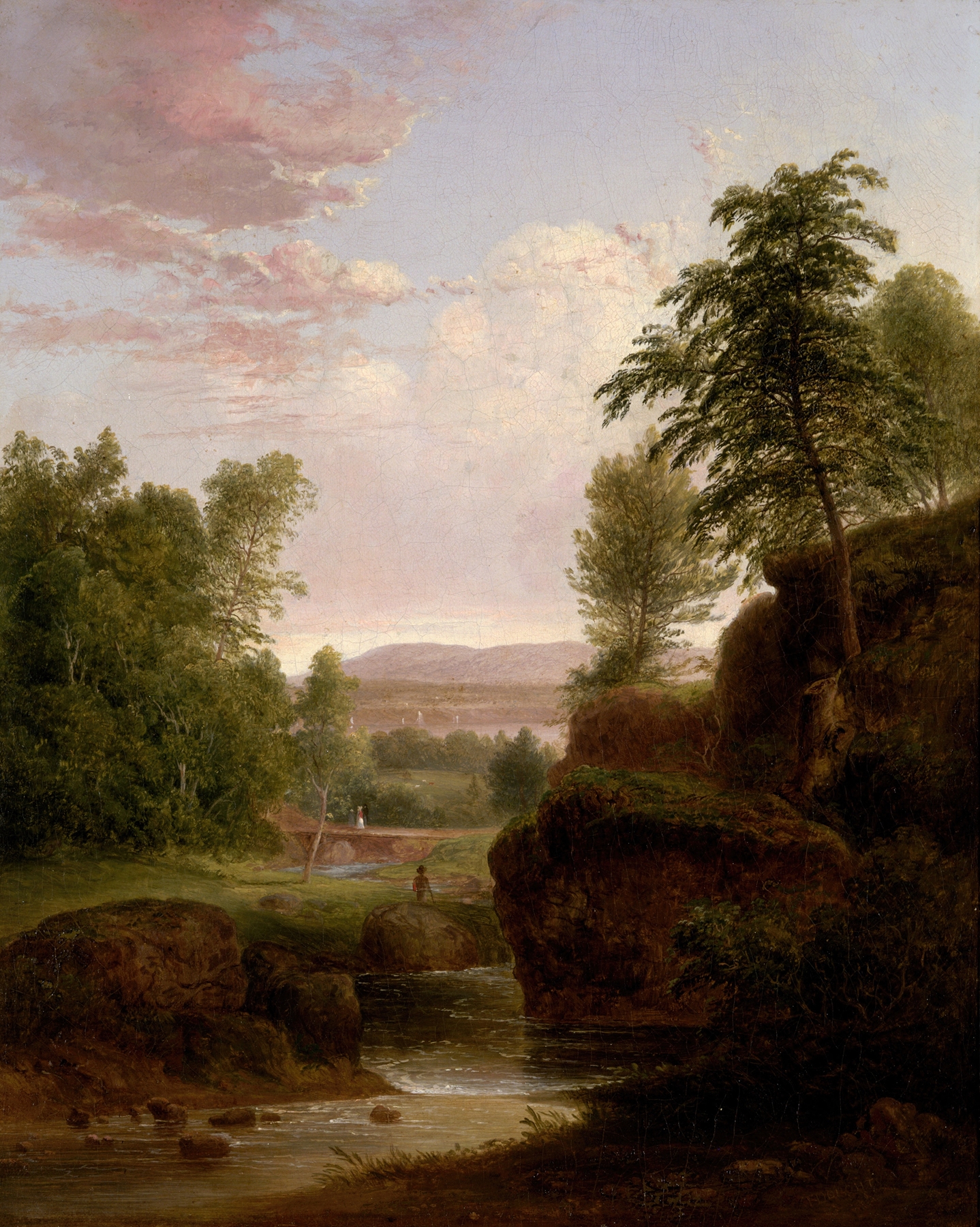
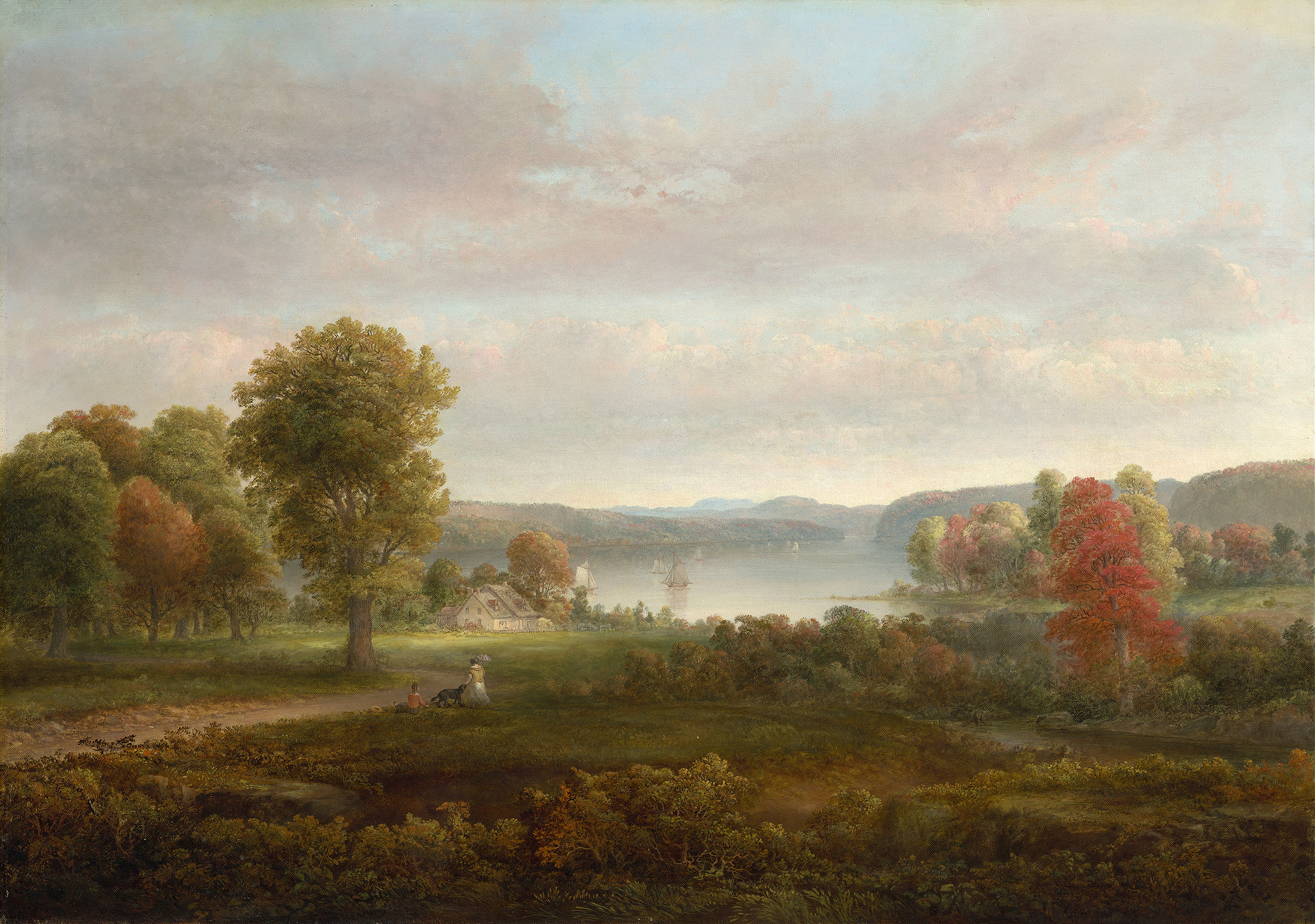
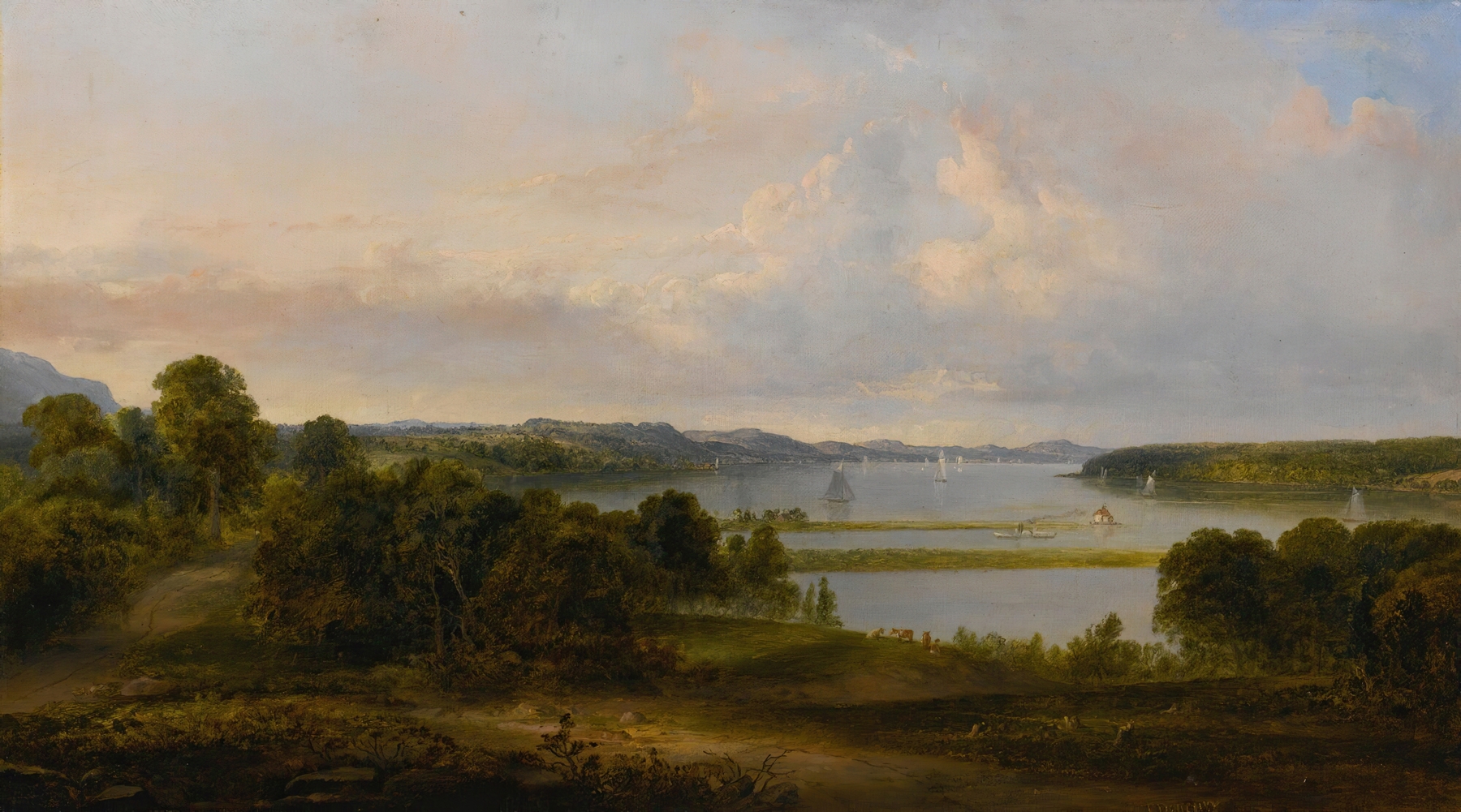
Is this a mirror — or a memory? In Landscape with Stream and Mountains, tranquility wraps around the viewer like a soft, familiar dream, inviting reflection and contemplation. Look to the right at the fluid line of the stream, carving its path with delicate precision through the verdant landscape. Notice how the sun bathes the scene in a gentle golden hue, casting long shadows and highlighting the textures of the lush foliage.
The soft blue of the mountains in the distance stands in harmonious contrast to the vibrant greens in the foreground, drawing the eye to the serene convergence of earth and sky. Beneath this peaceful surface lies an emotional interplay between reality and imagination. The stream, a literal flow of water, also symbolizes the passage of time, suggesting memories that trickle through our consciousness. The mountains, steadfast and eternal, evoke a sense of nostalgia, anchoring us to a moment that feels both present and elusive.
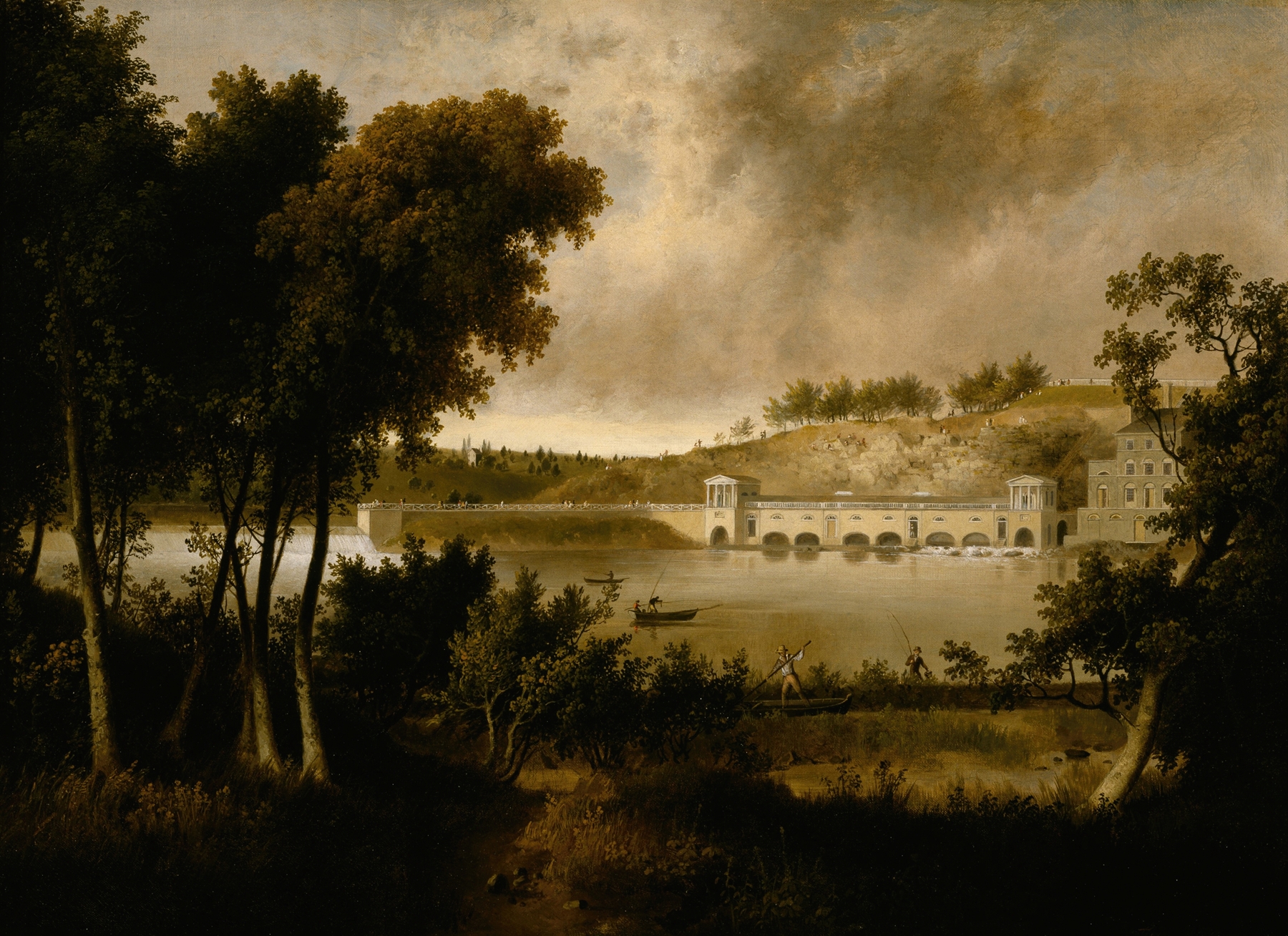
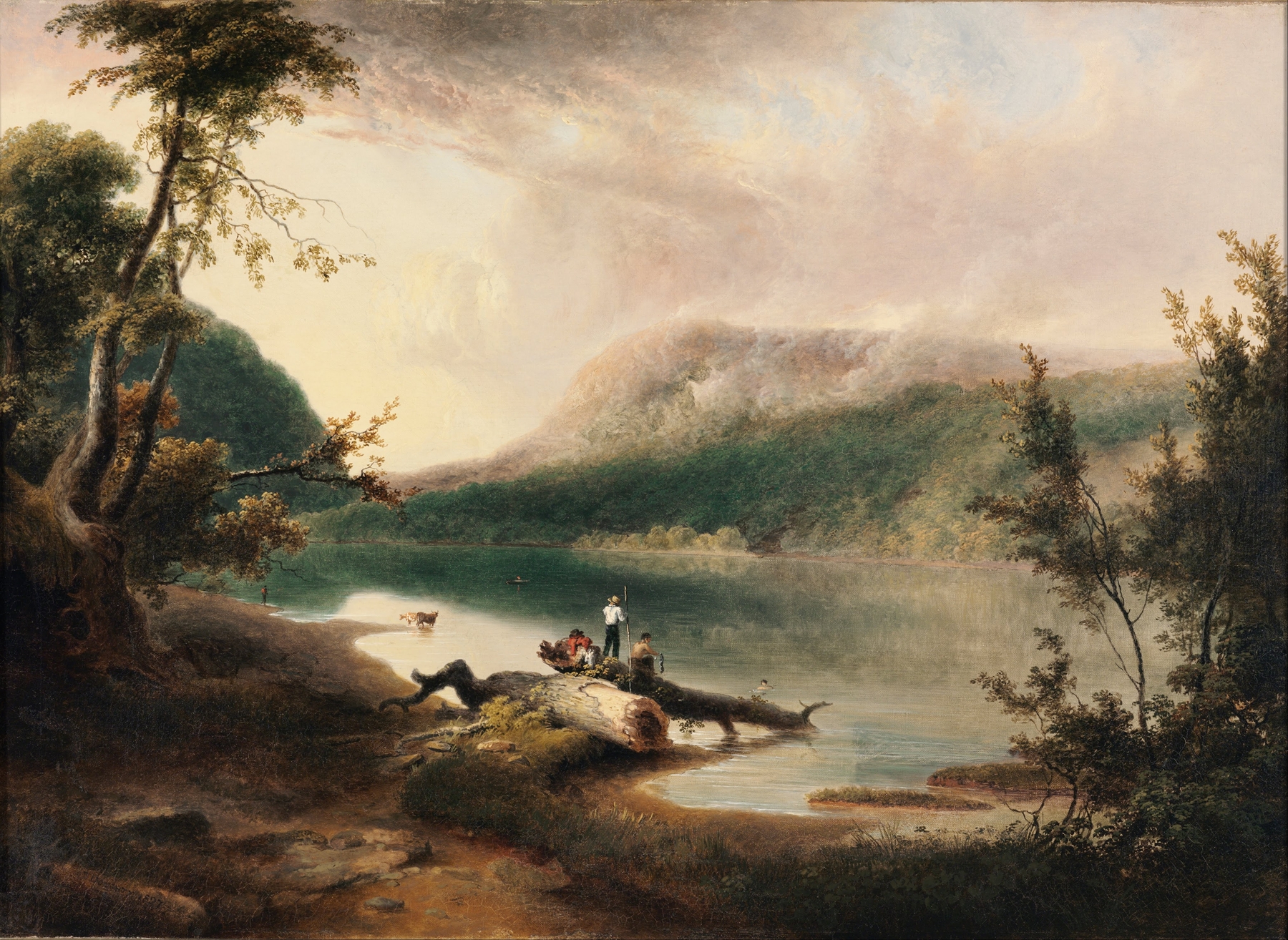
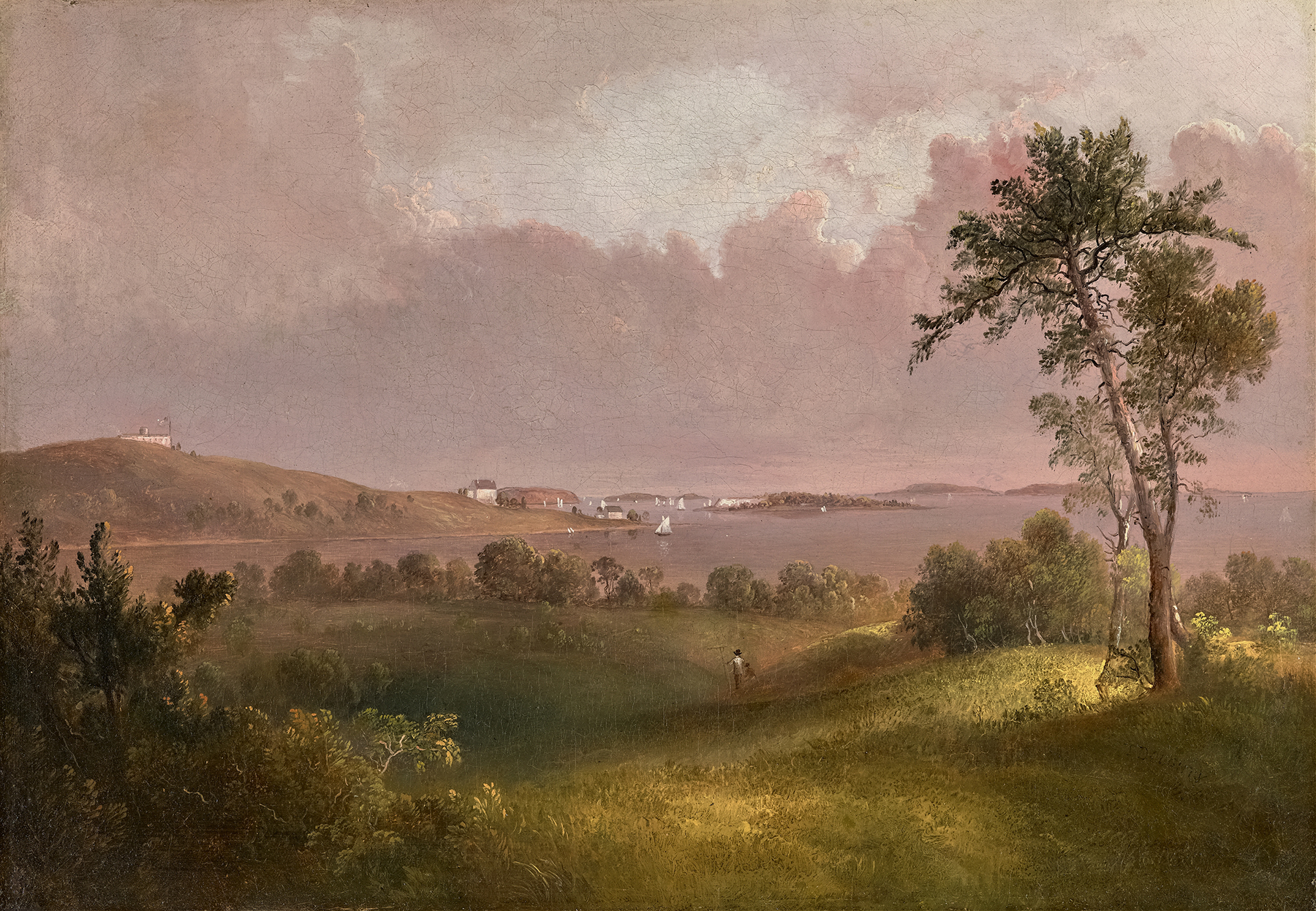
Together, these elements create a tension between the transient and the permanent, inviting viewers to ponder what lies beyond the canvas. Thomas Doughty painted this evocative work in 1833, during a period when American landscape painting was gaining prominence. Living in Philadelphia, he was influenced by the natural beauty surrounding him and the emerging Romantic ideals that emphasized nature's sublime power. At this time, the nation was grappling with its identity, and Doughty's work reflects a desire to capture the essence of the American wilderness, aligning with his contemporaries who sought to express the spiritual connection between humanity and the landscape.