Landscape with trees — History & Analysis
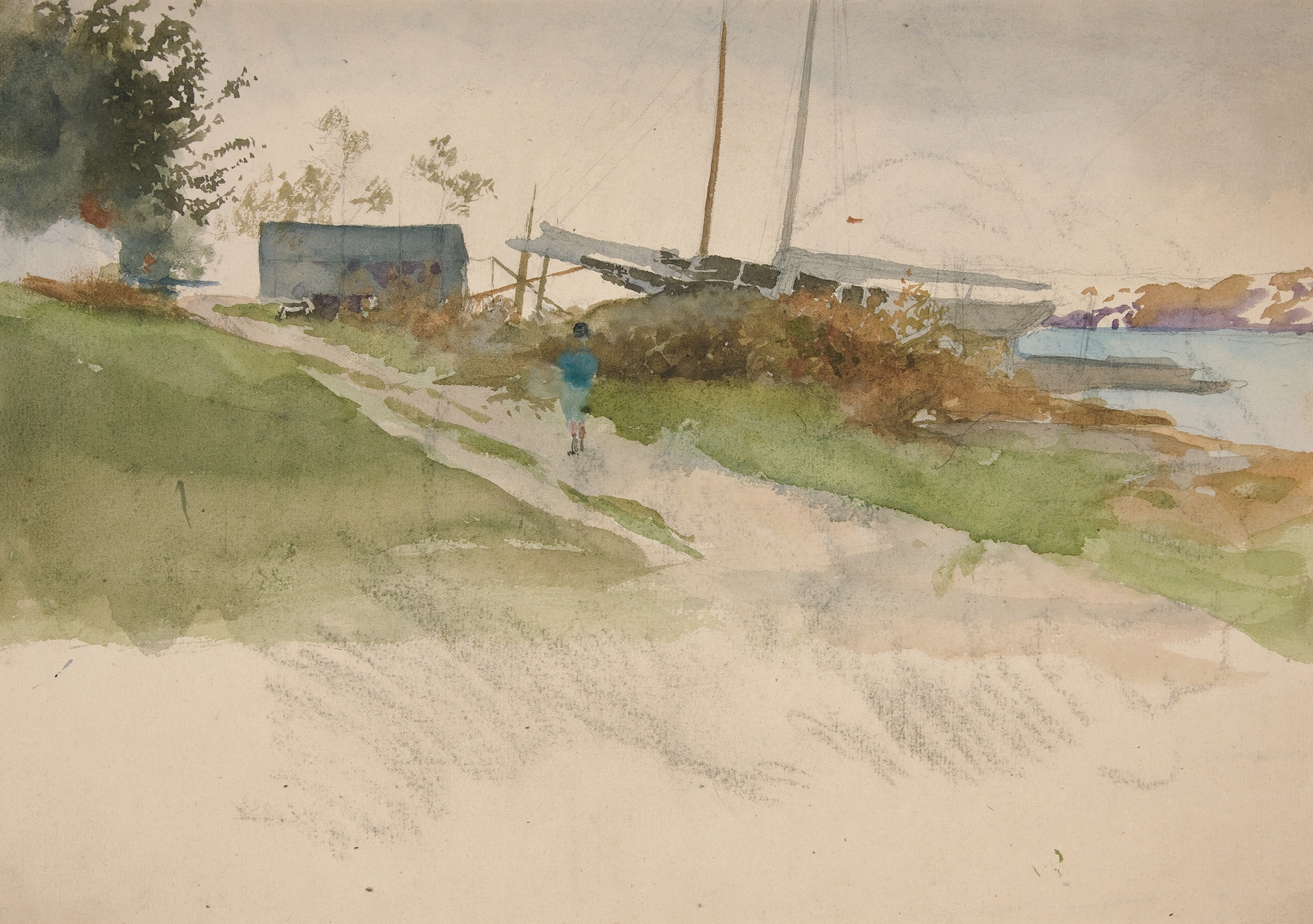
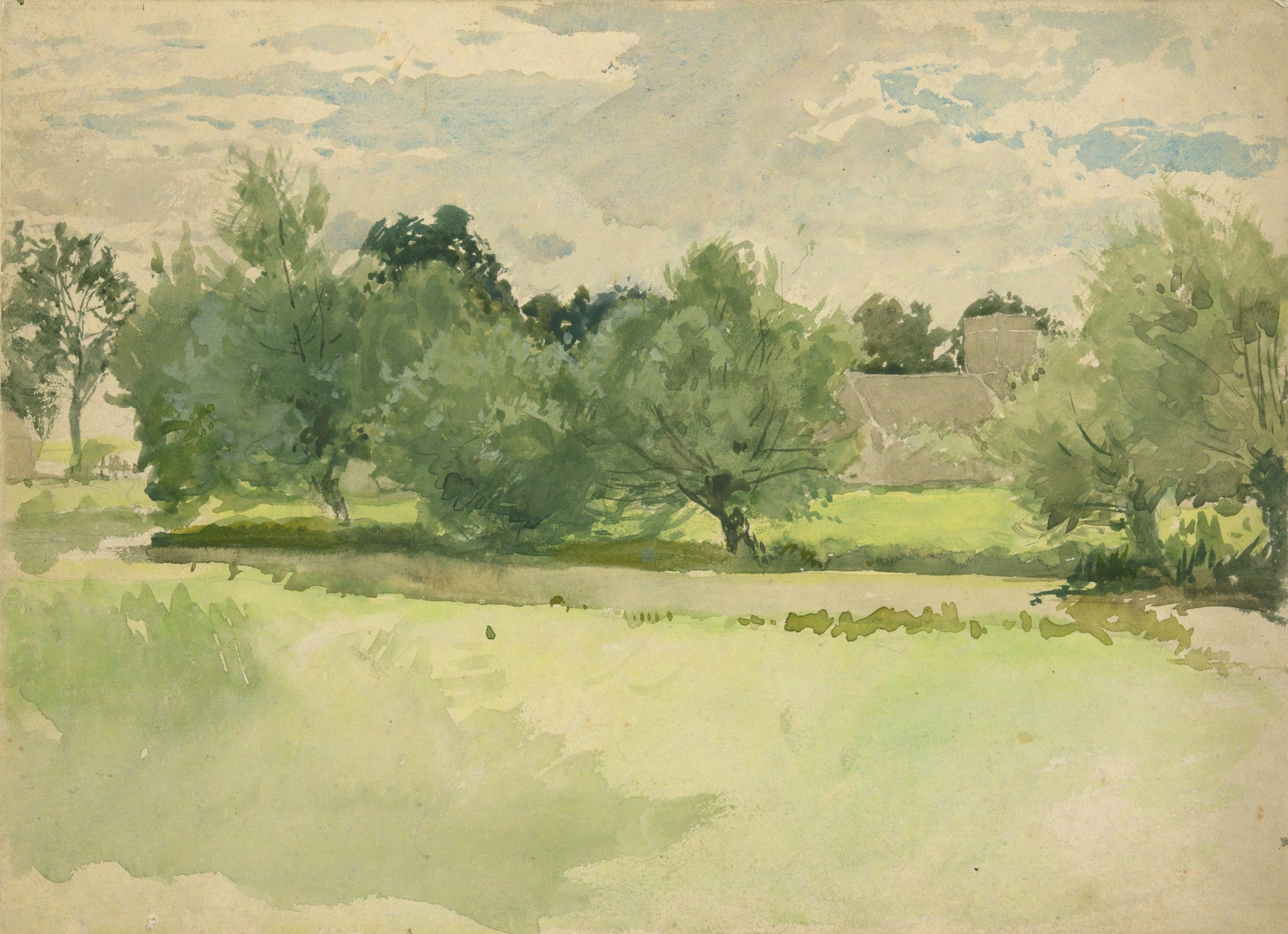
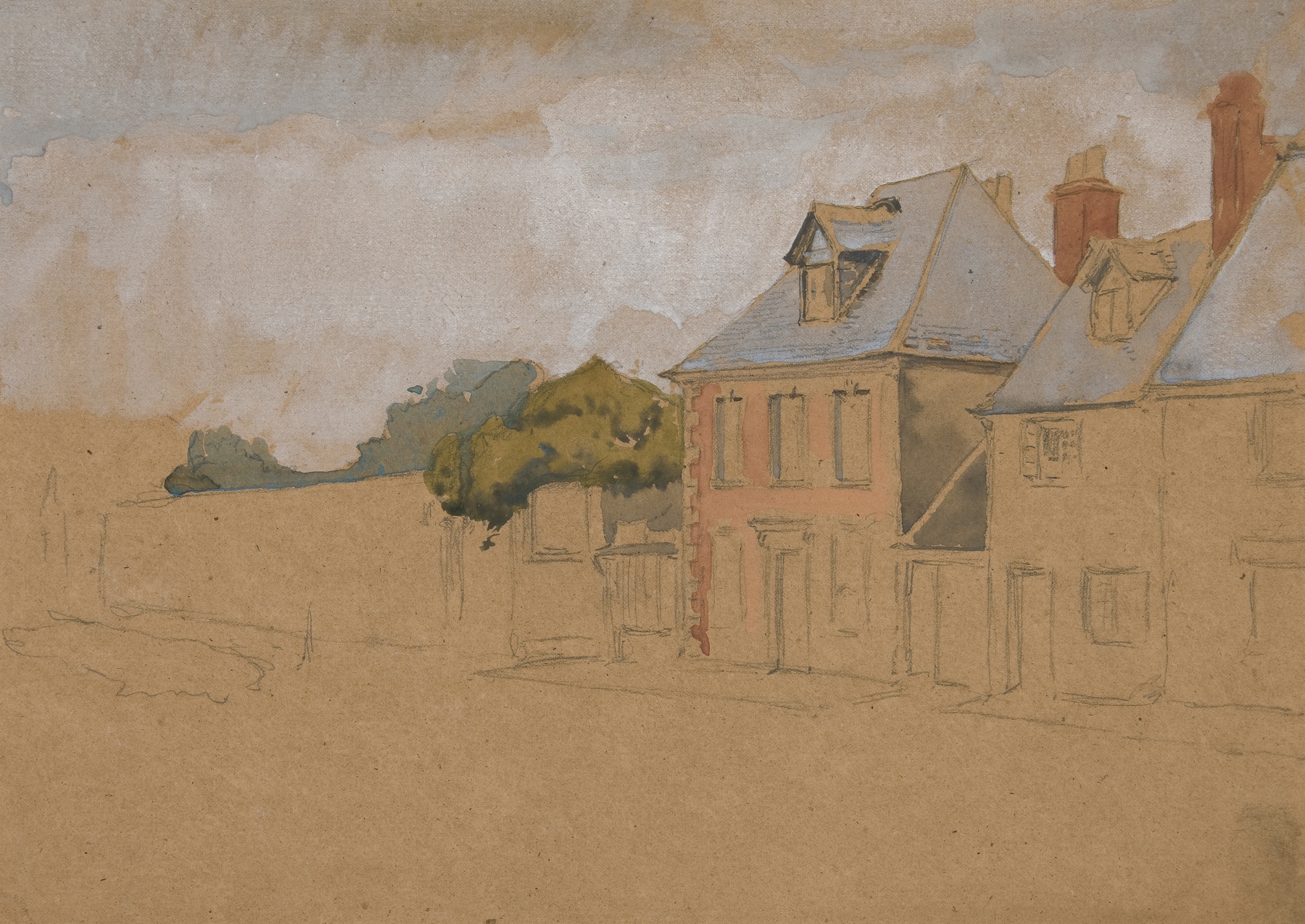
“Art reveals the soul when the world turns away.” In the quiet embrace of nature, beauty becomes a refuge, a balm for the heart and mind. Look to the foreground where verdant trees stand tall, their rich greens contrasting with the softer hues of the landscape beyond. Notice how the light filters through the leaves, casting gentle shadows that dance upon the earth. The composition invites your gaze to wander: from the textured bark of the trees to the delicate brushstrokes that suggest a breeze rustling through the foliage.
Each element is intentional, creating a symphony of color and form that stirs a sense of peace. Yet, hidden within this serene scene lies a deeper conversation. The trees, resilient and steadfast, whisper of time and endurance, while the expansive sky above hints at the vastness of the human experience—both comforting and isolating. This interplay between strength and vulnerability speaks to the beauty of existence itself, offering solace in moments of quiet reflection.
Edwin Austin Abbey, known for his illustrations and landscapes, created this work during a period that embraced both realism and romanticism. Although the exact date remains unknown, Abbey's career flourished in the late 19th and early 20th centuries, a time when artists were exploring the relationship between nature and the individual. As he navigated the changing art world, this piece reflects his ability to capture the nuances of beauty, inviting viewers into a space of introspection.