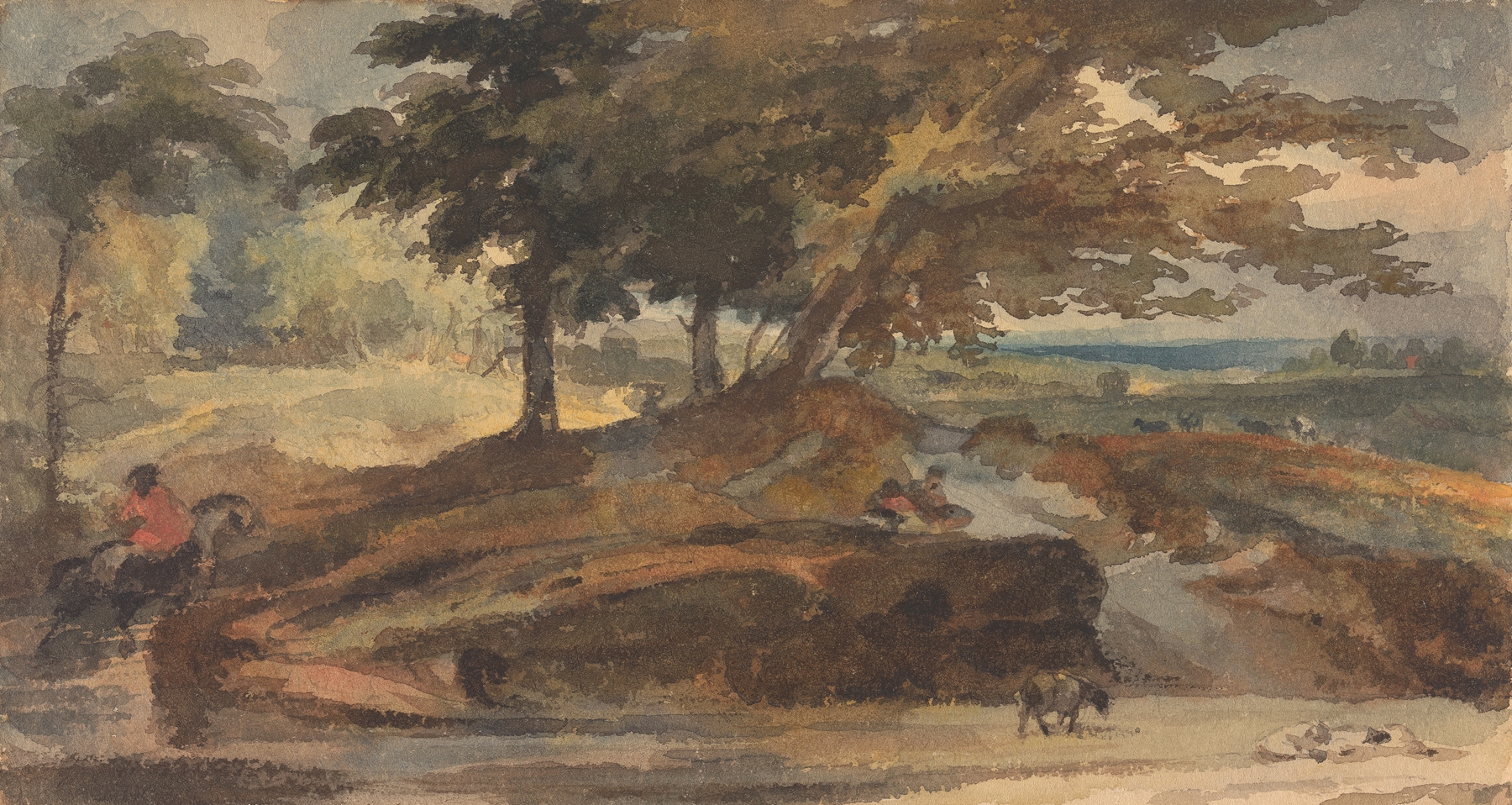
Landscape, with Winding River, Figure on Hill in Foreground — History & Analysis
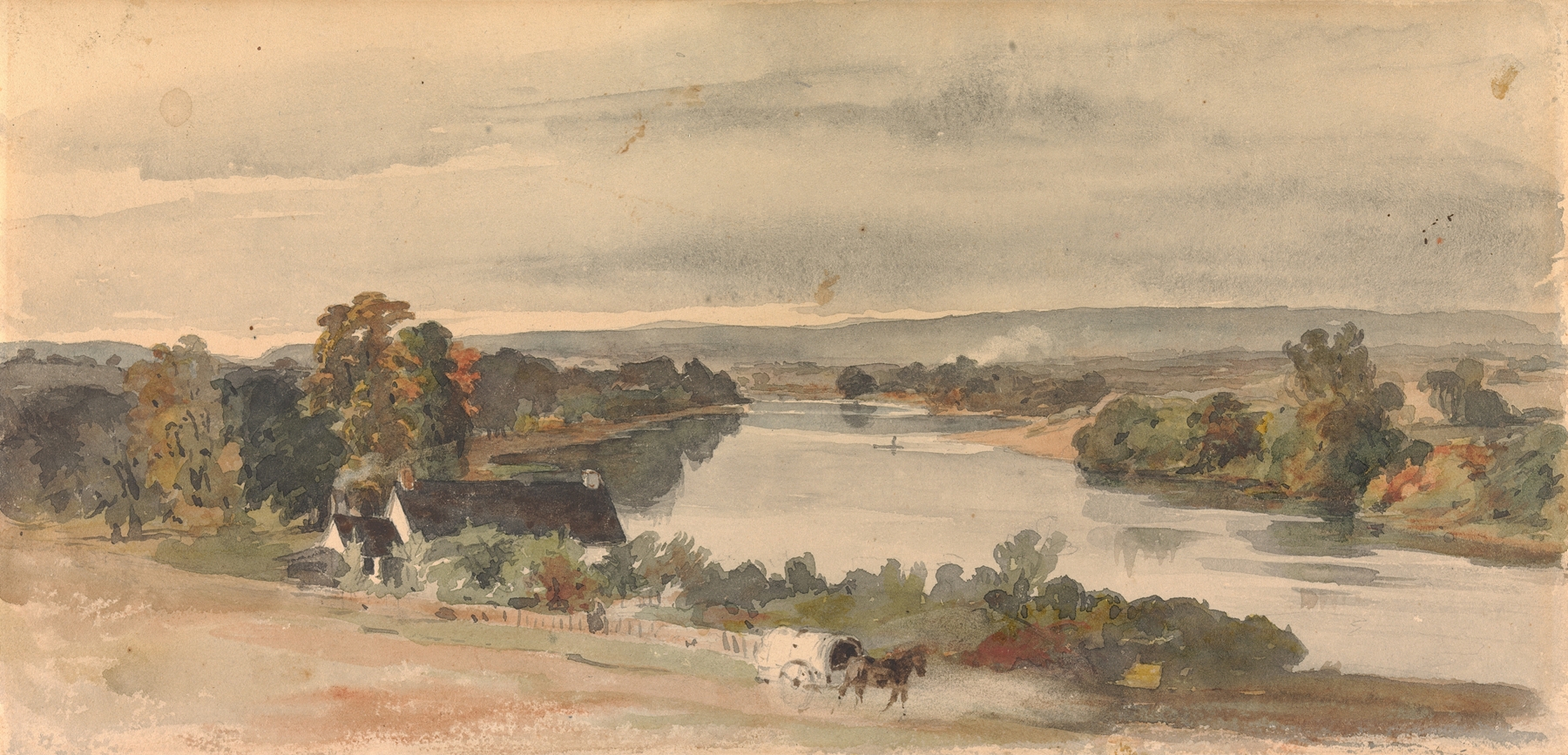
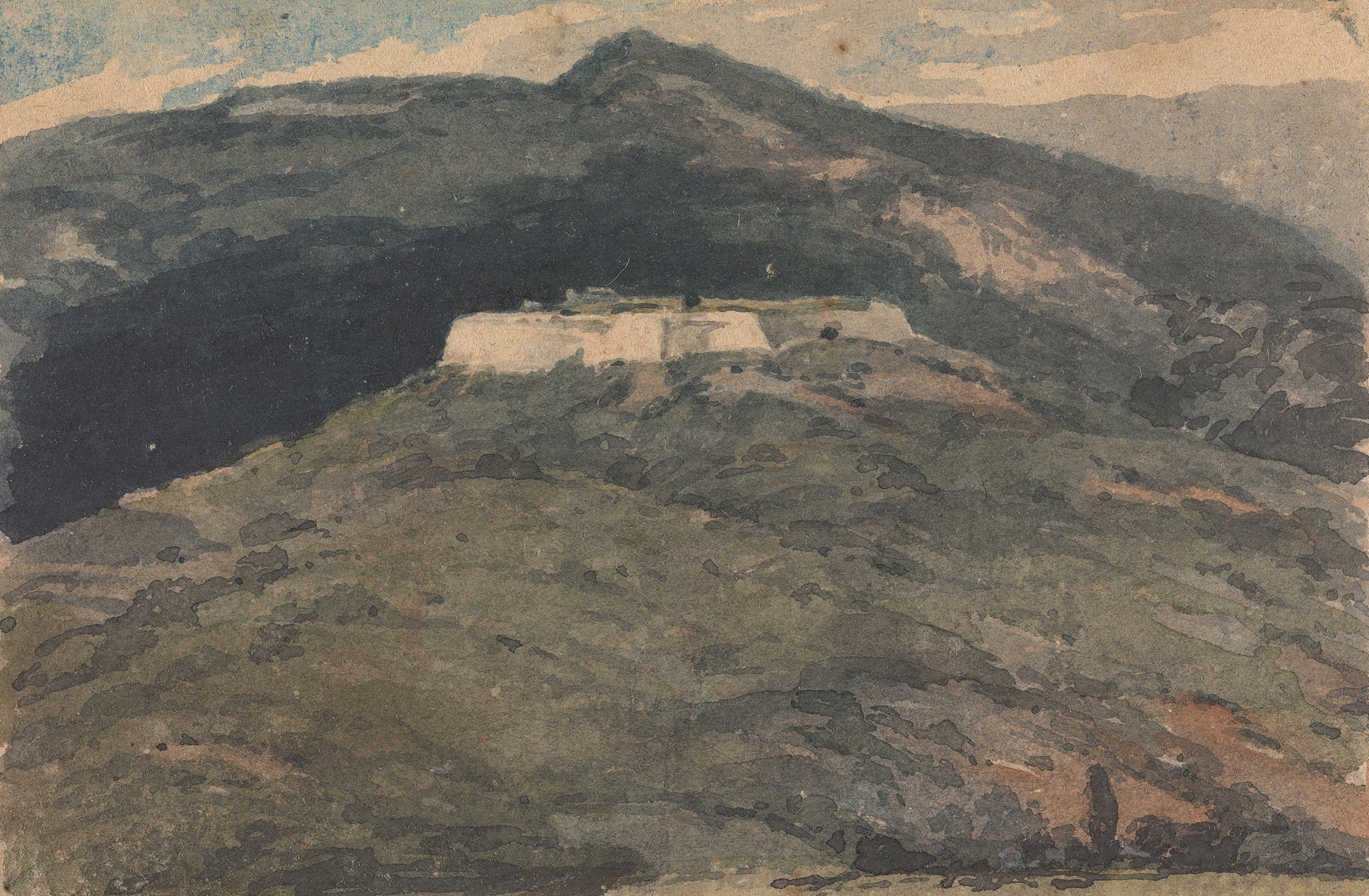
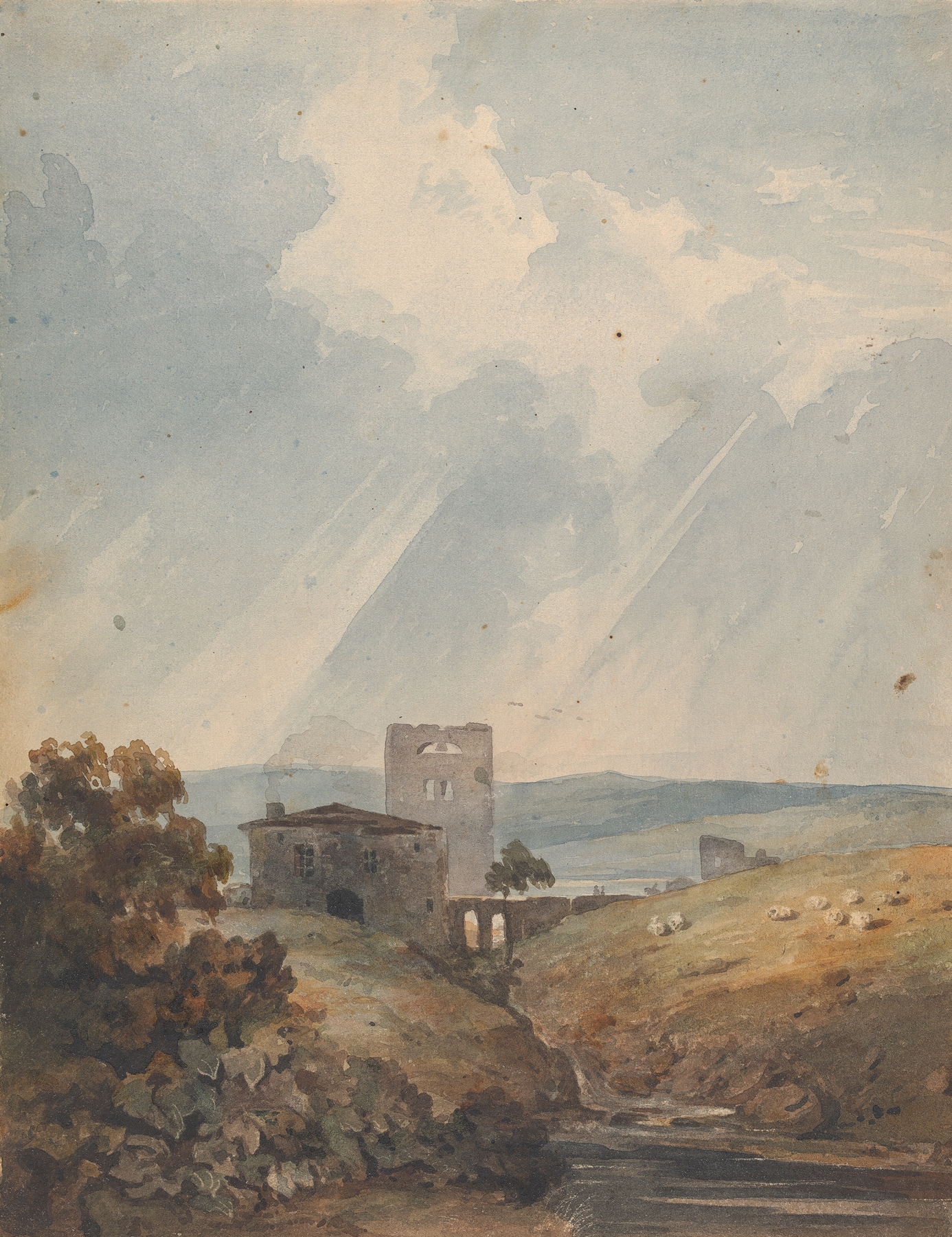
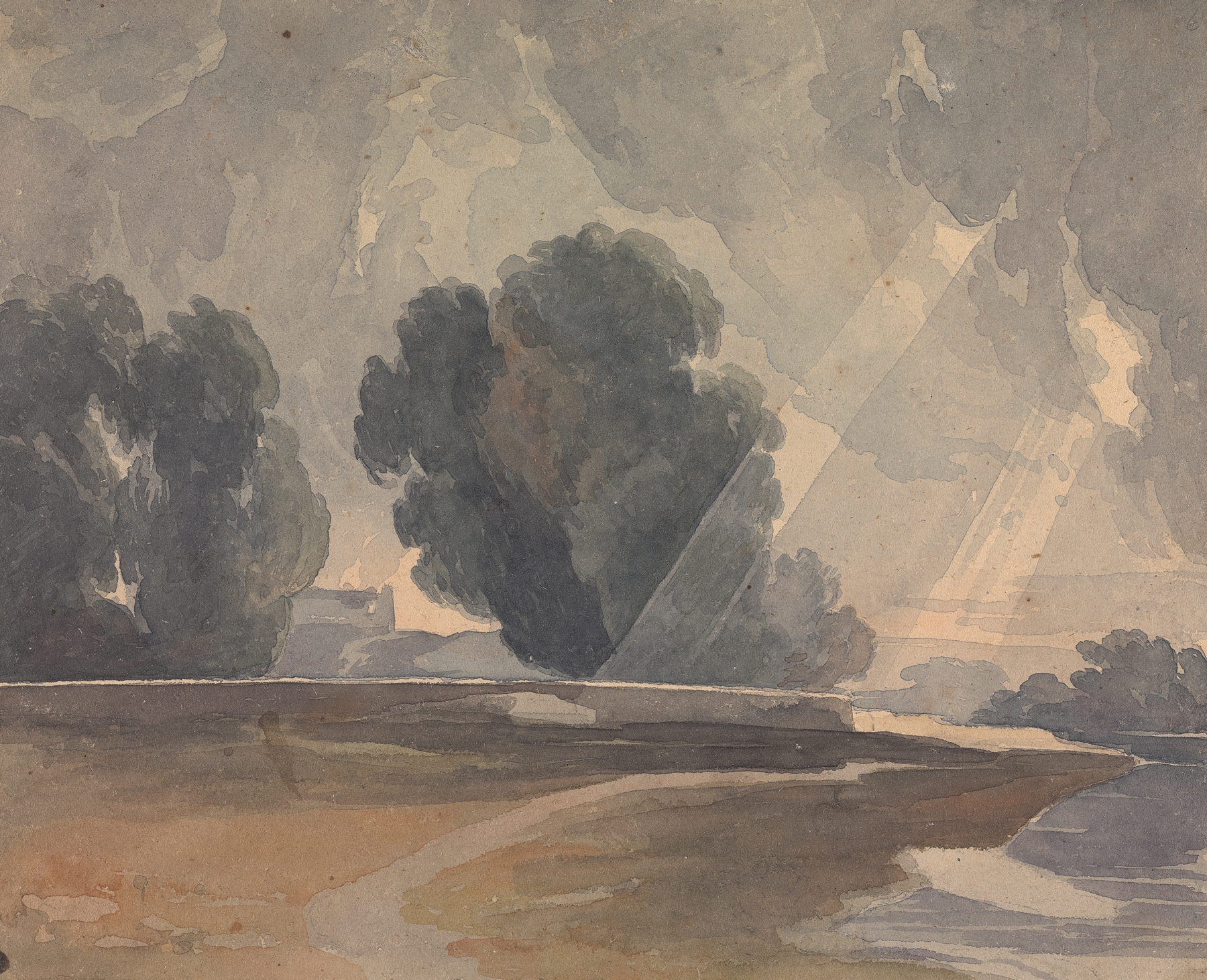
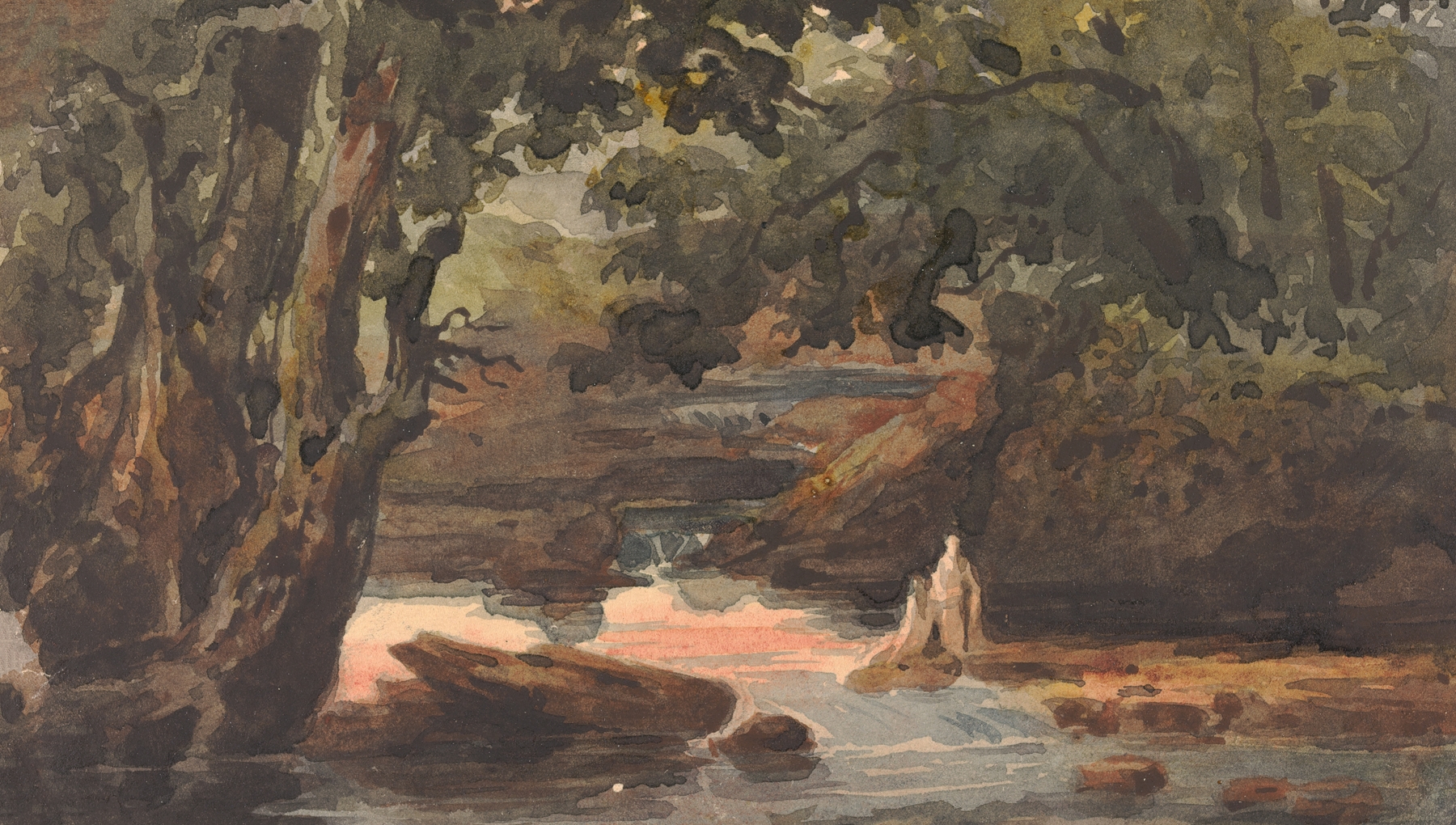
“Between color and silence, truth hides.” The unsettling beauty of a landscape may conceal a deeper violence, quietly thrumming beneath the surface. Focus first on the gentle curve of the river, snaking through the composition like a whisper of tension. Look to the foreground, where a solitary figure stands on a hill, gazing down at the vista below. The muted greens and browns create a serene atmosphere, yet there is a disquieting contrast between the tranquility of nature and the isolation of the figure, whose posture suggests a tension that belies the peaceful surroundings.
Notice how the light dances over the landscape, softening the edges yet amplifying the sense of contemplation. As you delve deeper, observe the delicate balance of serenity and solitude. The winding river, often a symbol of life, may also evoke a sense of entrapment, trapping the figure in a moment of reflection. The stillness of the scene hints at unspoken stories of conflict or loss, suggesting that beneath the picturesque surface lies an unresolved violence, perhaps a confrontation with nature's indifference or the individual's internal struggles.
The contrast between the inviting palette and the figure's cautious demeanor emphasizes this tension, inviting viewers to ponder the hidden narratives within the landscape. Created during a period when Romanticism was captivating artists, this piece reflects the broader cultural movement that sought to explore emotional depth and individual experience. Thomas Sully, amidst the flourishing art scene of early 19th century America, was influenced by the interplay of light and nature, shaping his approach to landscape painting. In Landscape, with Winding River, Figure on Hill in Foreground, he captures an era caught between the beauty of nature and the complexities of the human condition.