Landscapes after Ancient Masters Pl.01 — History & Analysis
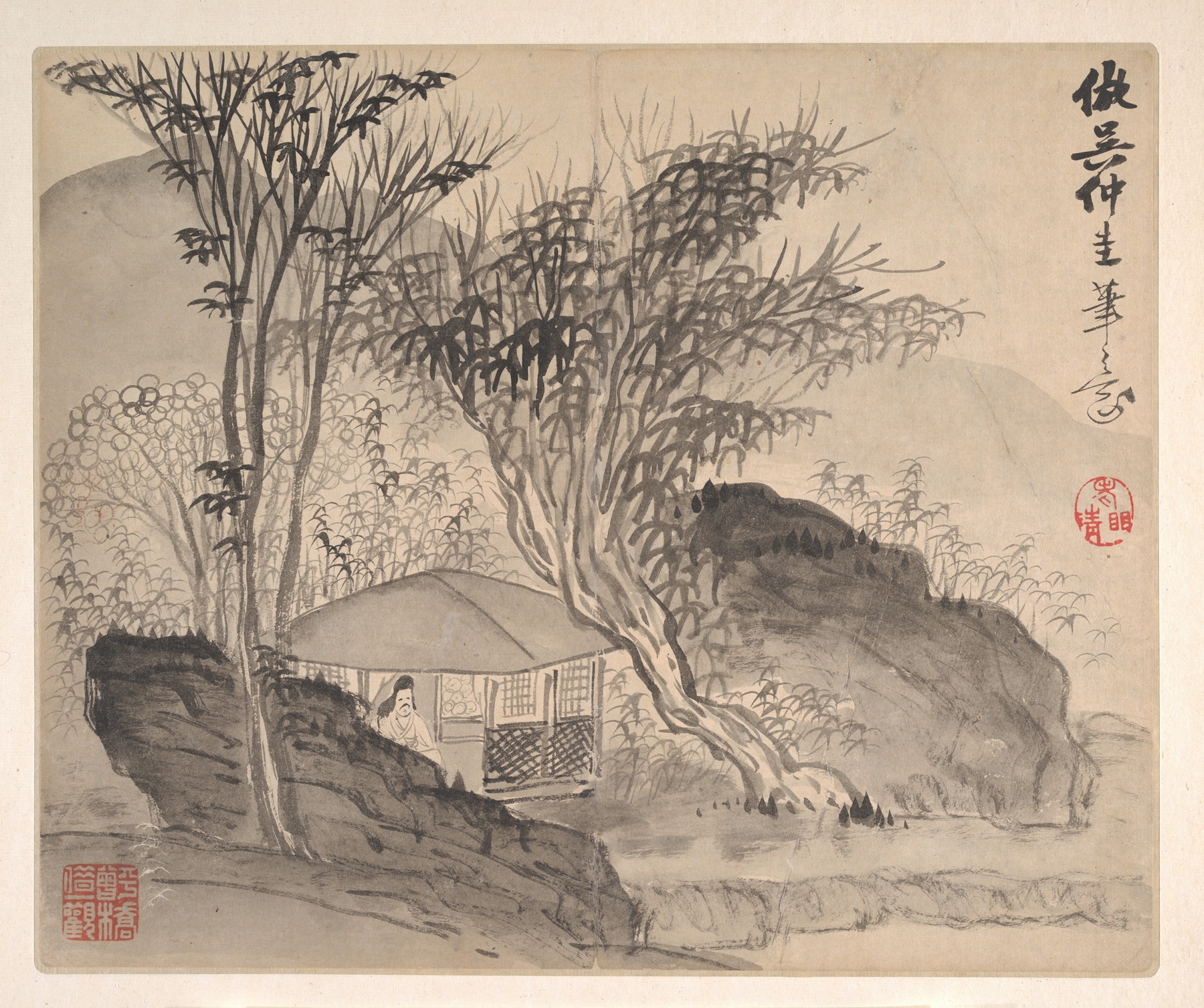
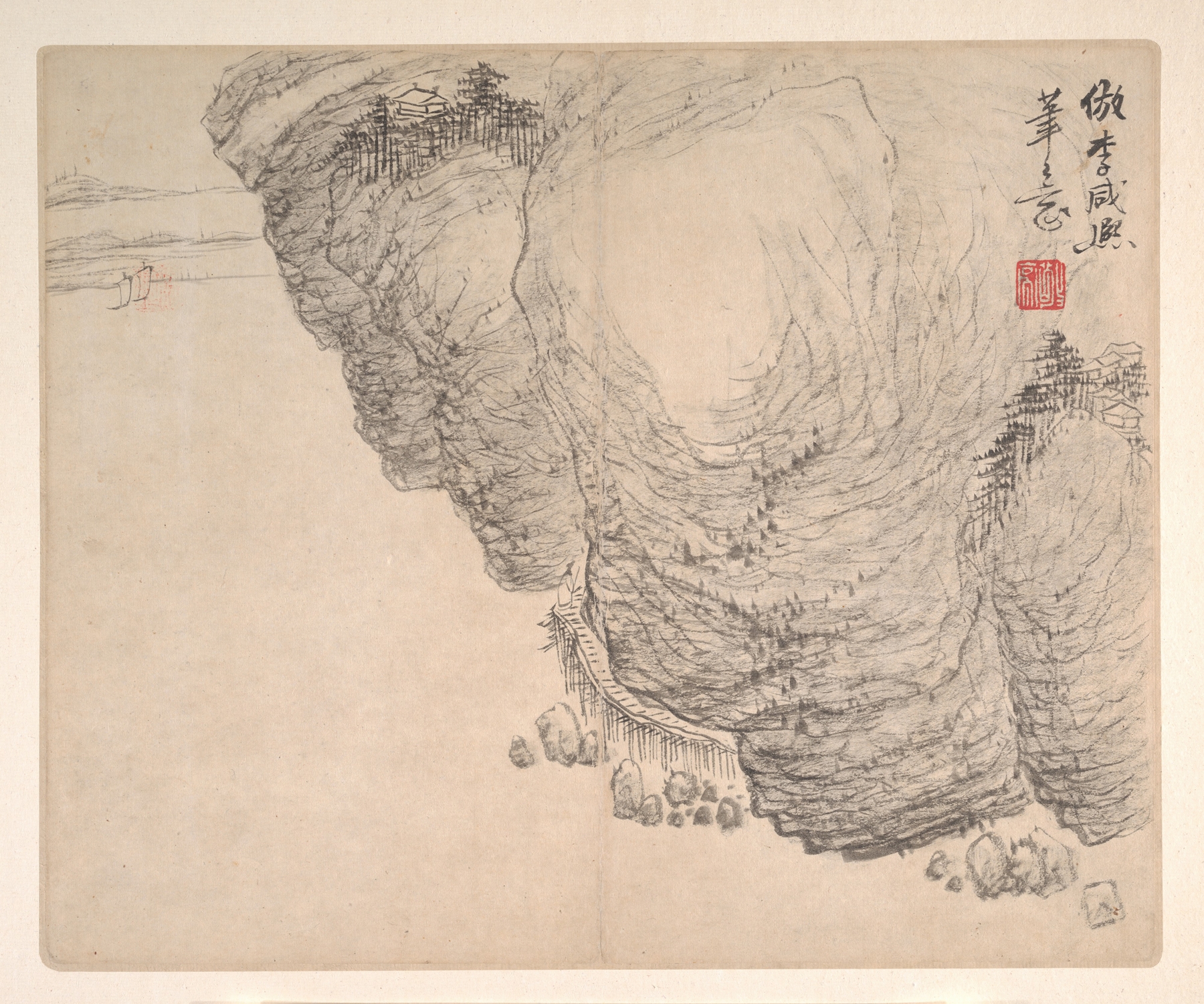
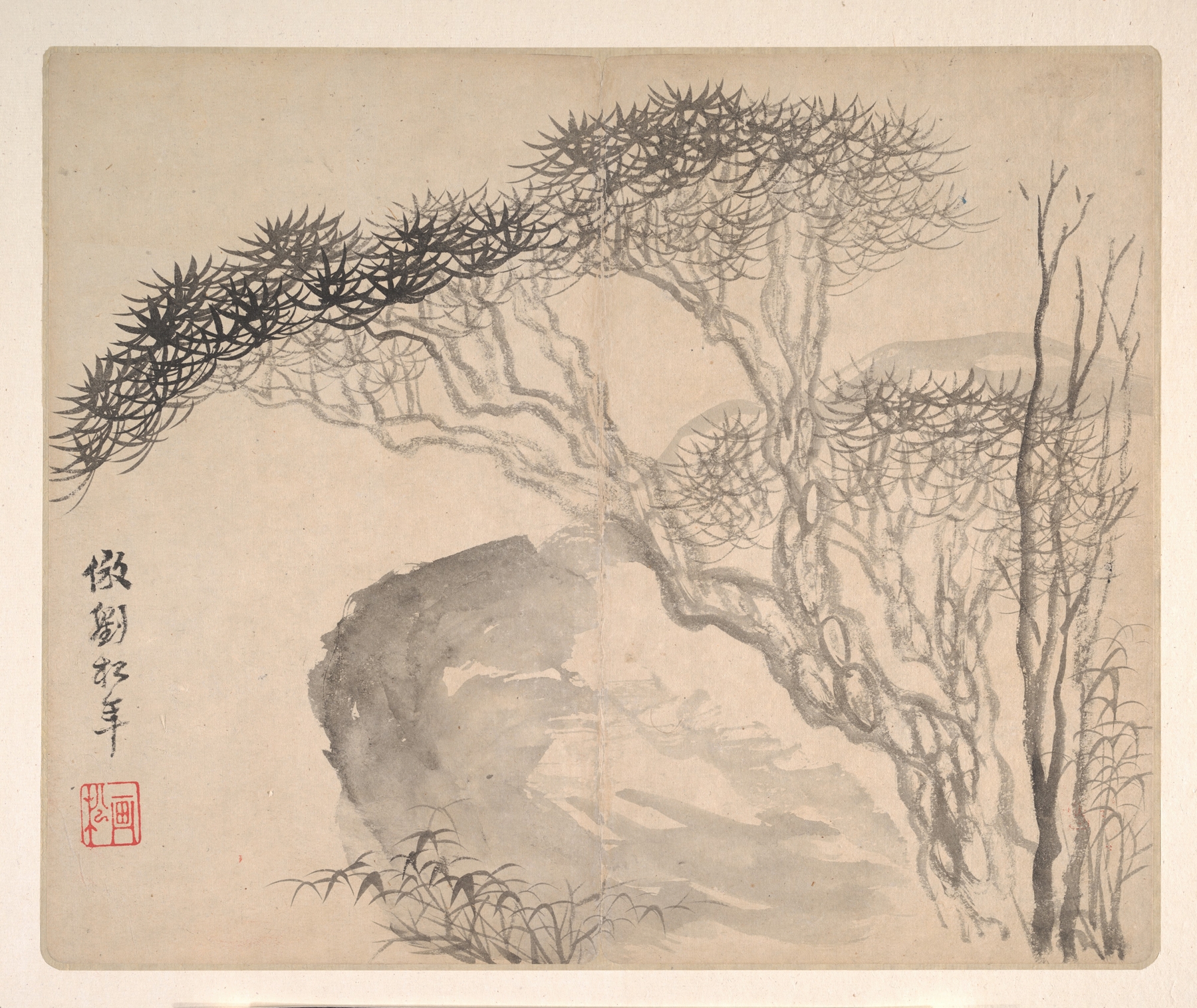
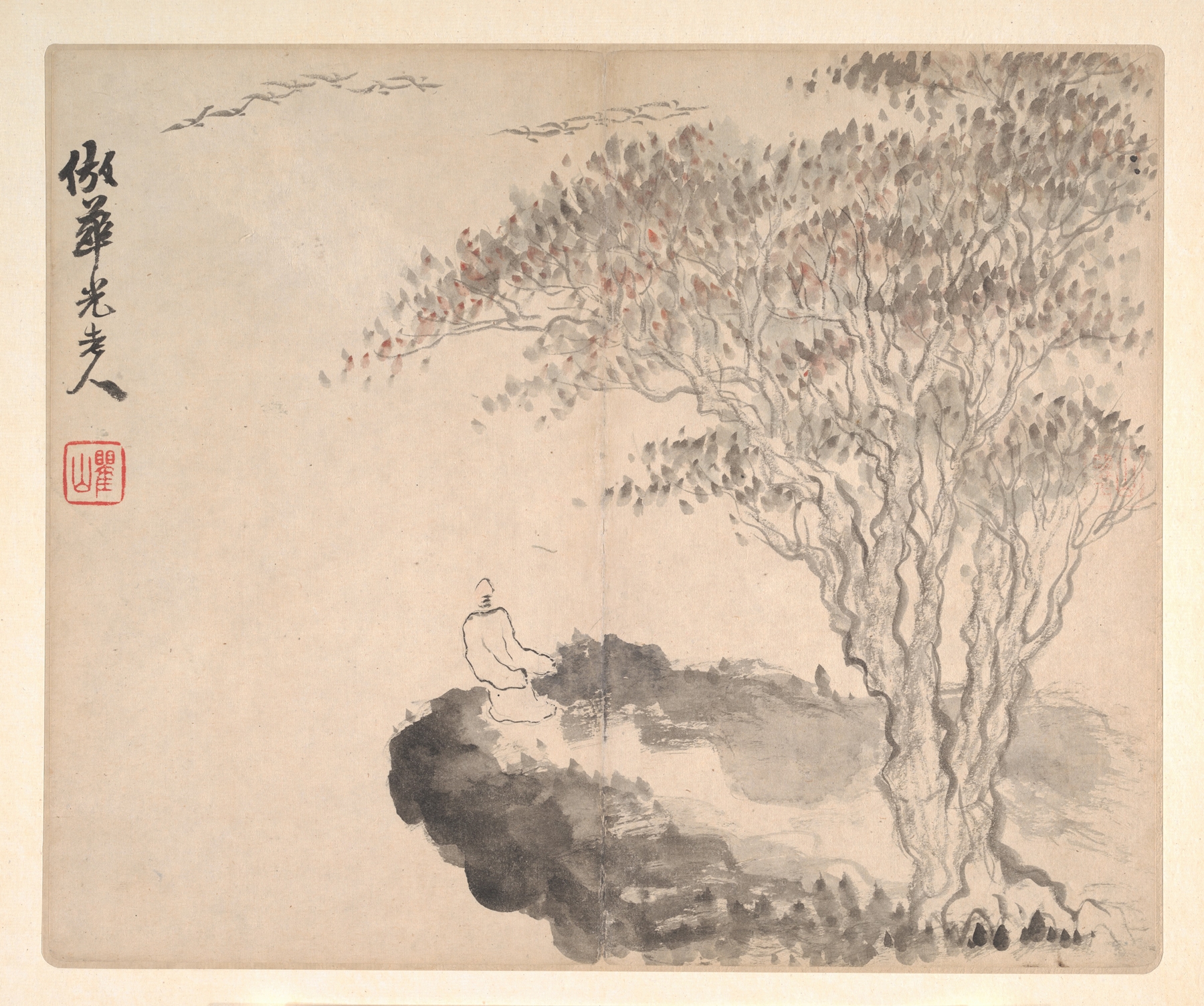
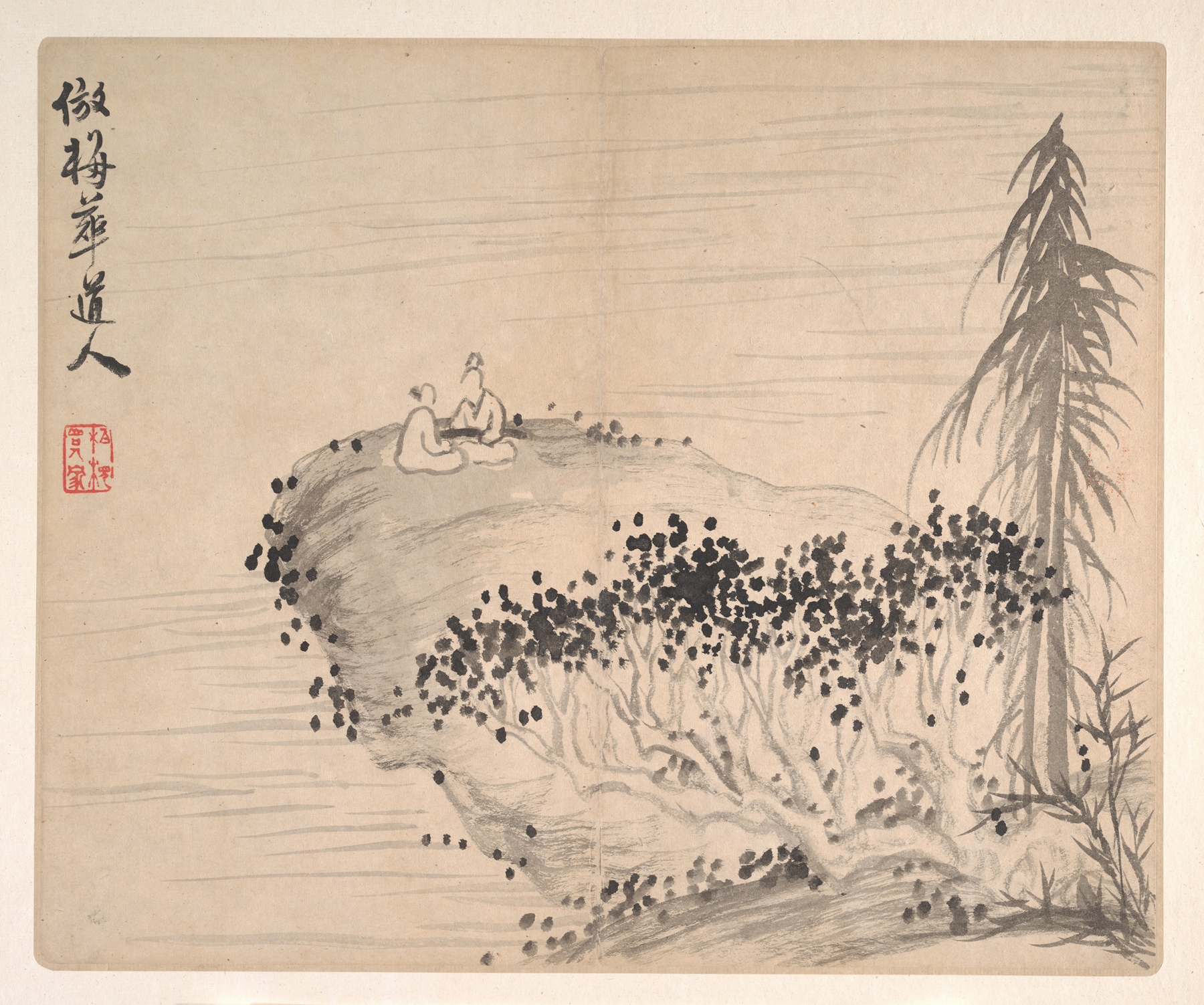
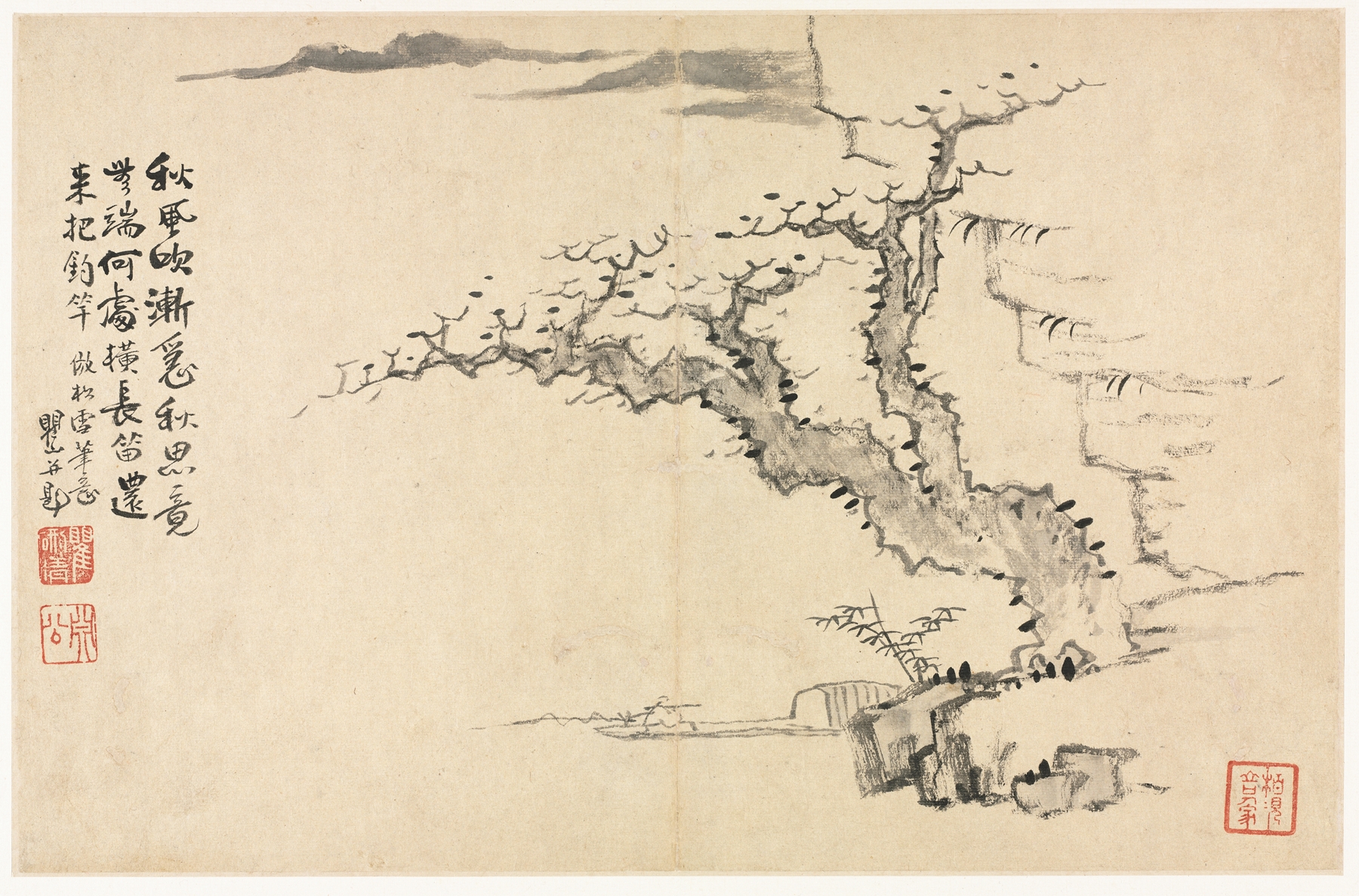
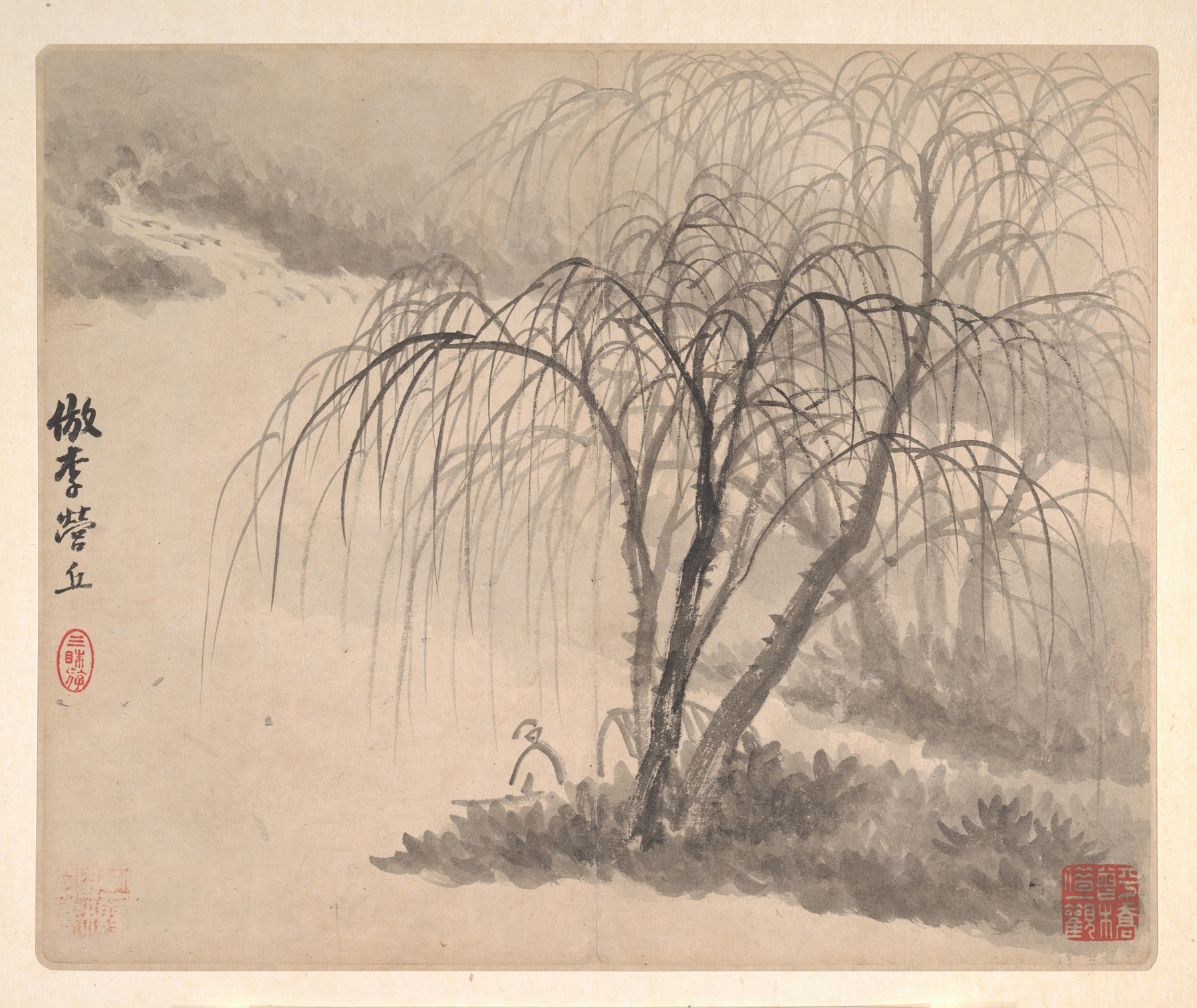
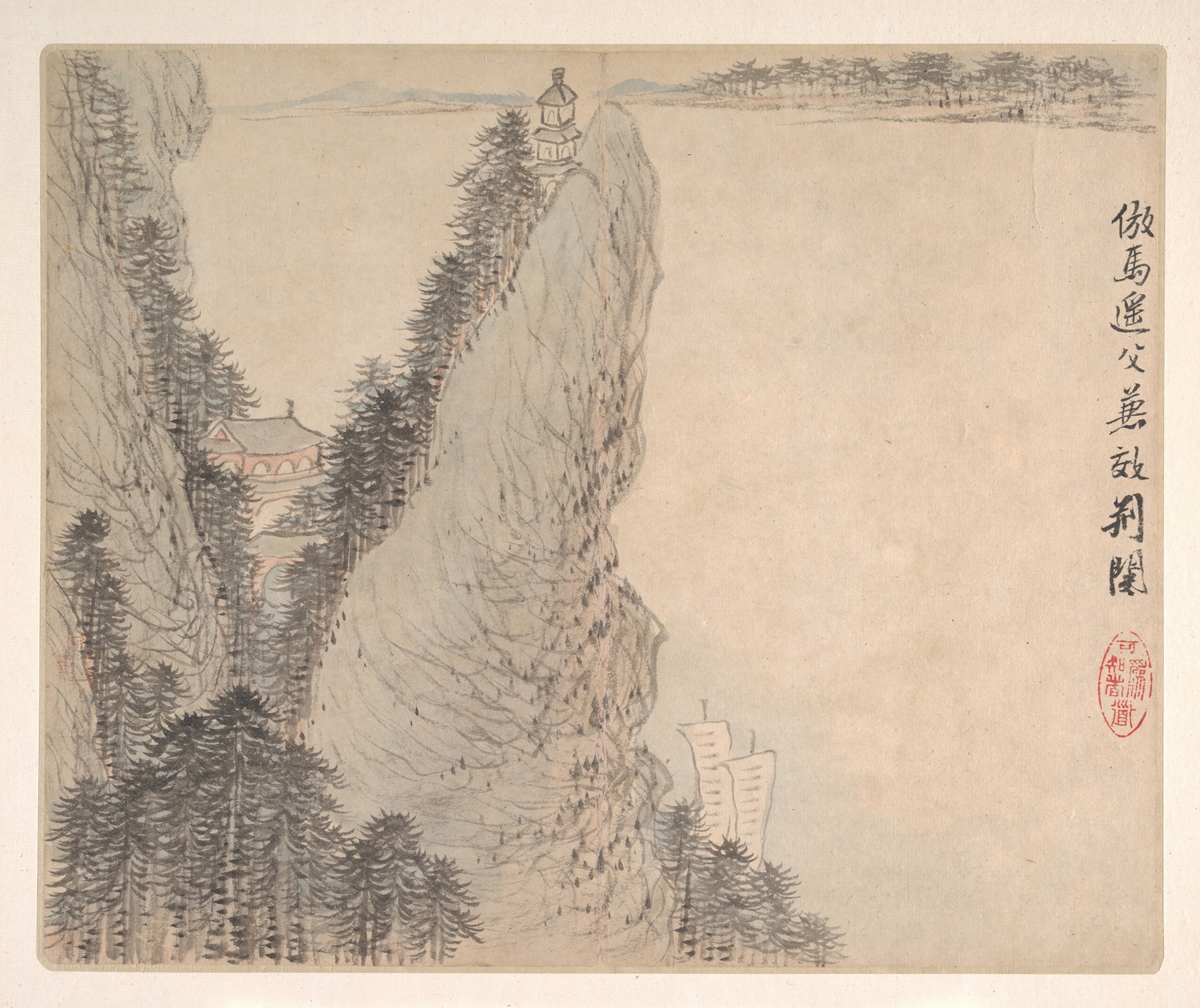
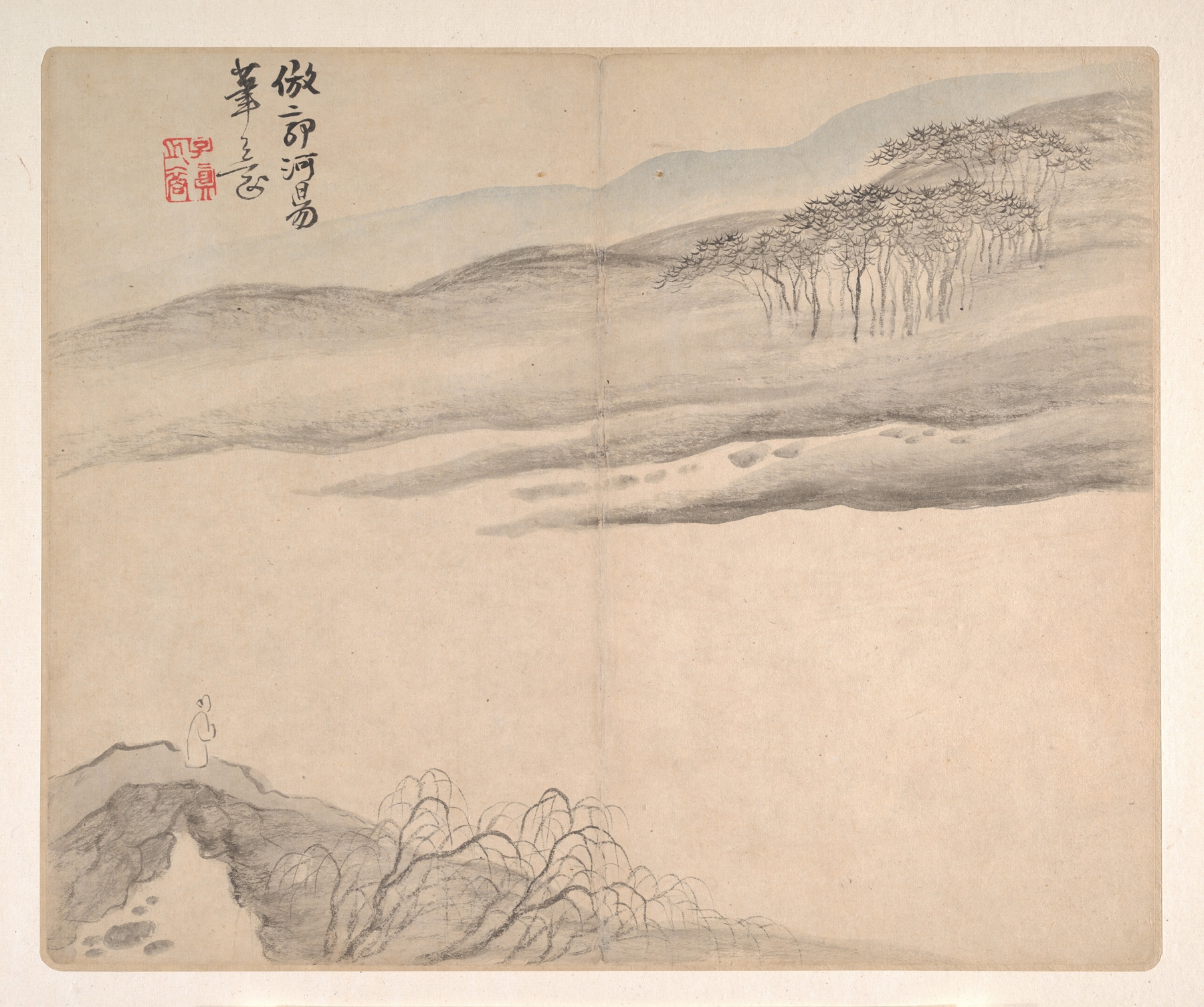
Can beauty exist without sorrow? In Landscapes after Ancient Masters Pl.01, the whispers of grief weave seamlessly into the canvas, inviting contemplation on the duality of existence. Look to the horizon where mountainous silhouettes rise, their jagged edges softened by a delicate mist. The muted palette of greens and blues gives way to intermittent bursts of warmth, where rays of sunlight filter through the clouds, casting a gentle glow.
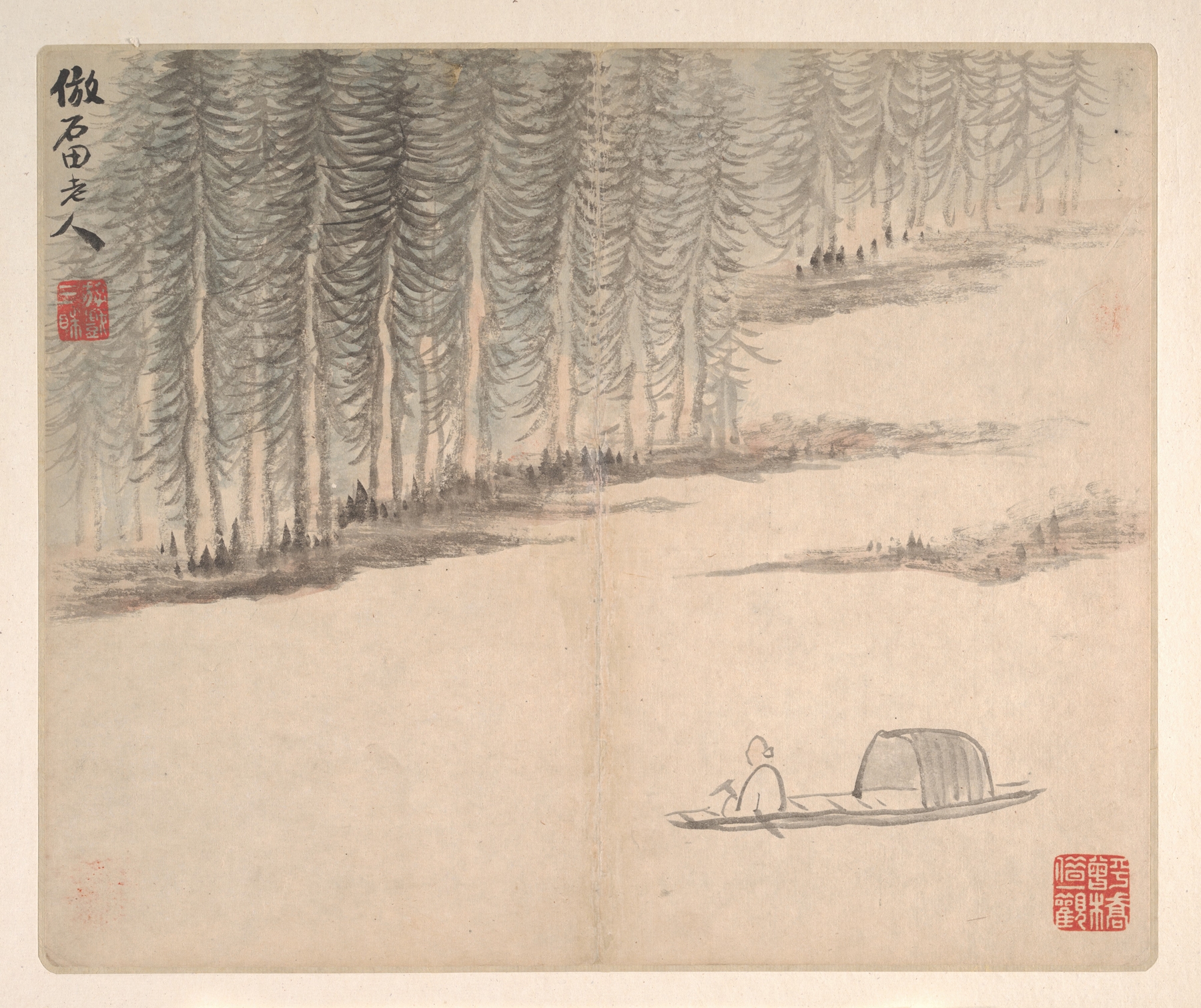
Mei Qing’s brushwork is both precise and fluid, expertly capturing the serene yet melancholic spirit of nature, inviting the viewer to linger in this tranquil landscape. The stillness of the scene is a poignant reminder of transience—the serene mountains stand unyielding against the passage of time, while the ephemeral clouds drift lazily, echoing the fragility of life. Each stroke holds a narrative, revealing the interplay between beauty and the weight of loss. The meticulous details, from the tiny leaves to the expansive sky, resonate with a quiet sorrow, suggesting that the beauty of nature is often shadowed by the inevitability of grief.
In 1693, Mei Qing painted this work during a period marked by both personal and societal upheaval. Living in the artistic milieu of the Qing Dynasty, he sought to reinterpret classical traditions, infusing them with his own emotional depth. This landscape reflects not only his technical prowess but also the era's philosophical inquiries into the relationship between man and nature, embodying a silent elegy for the beauty that often coexists with sorrow.