Landscapes after Ancient Masters Pl.12 — History & Analysis
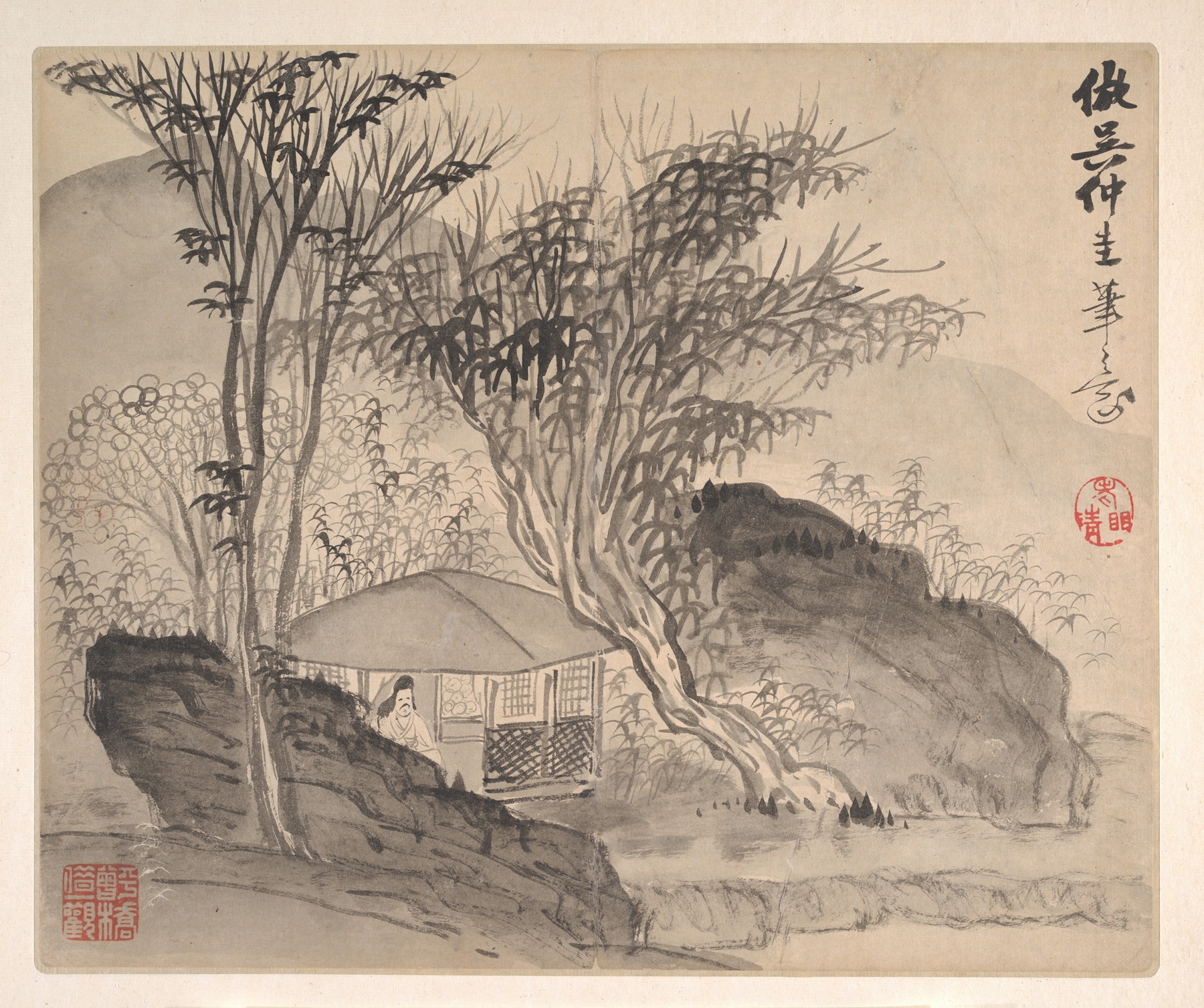
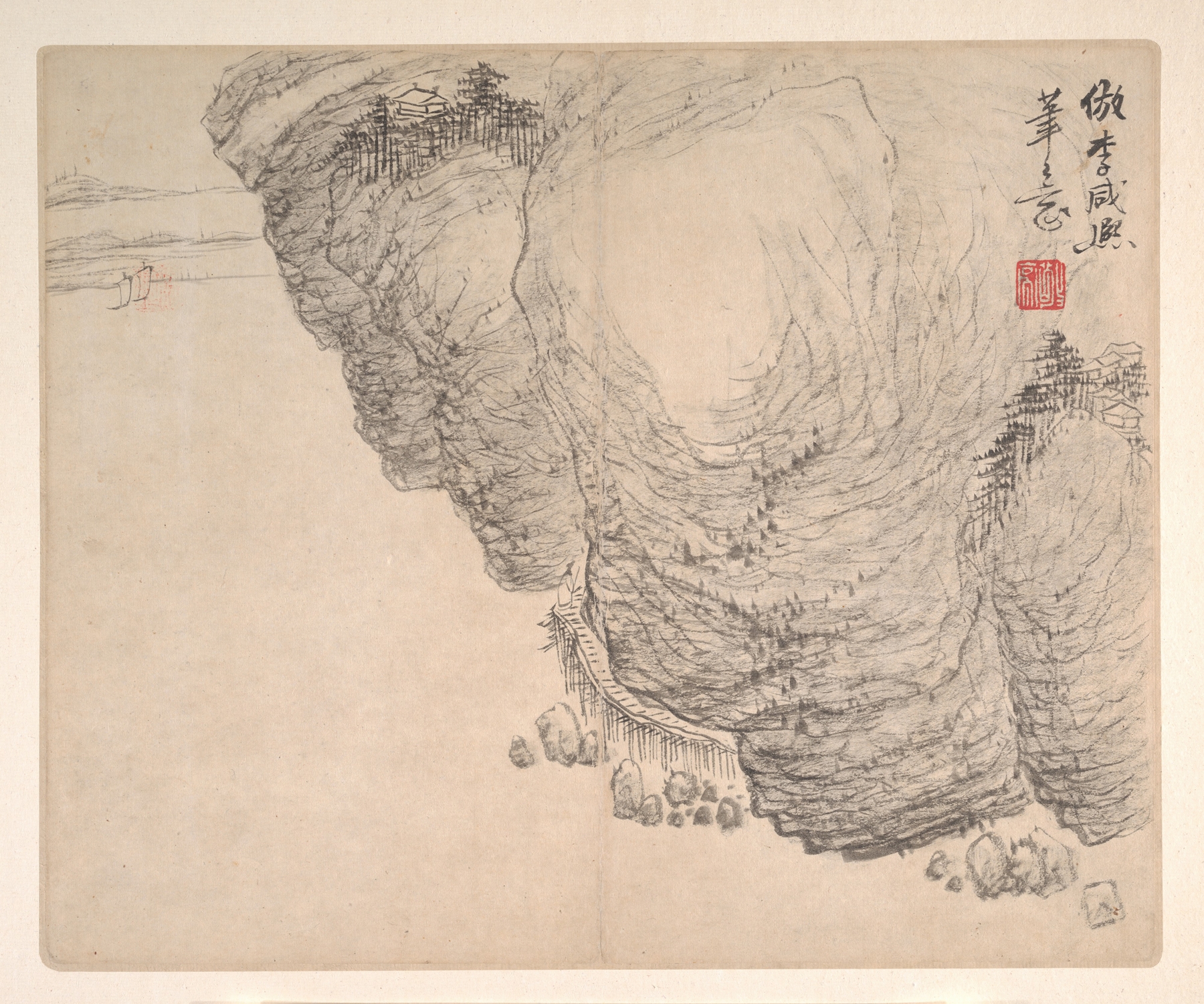
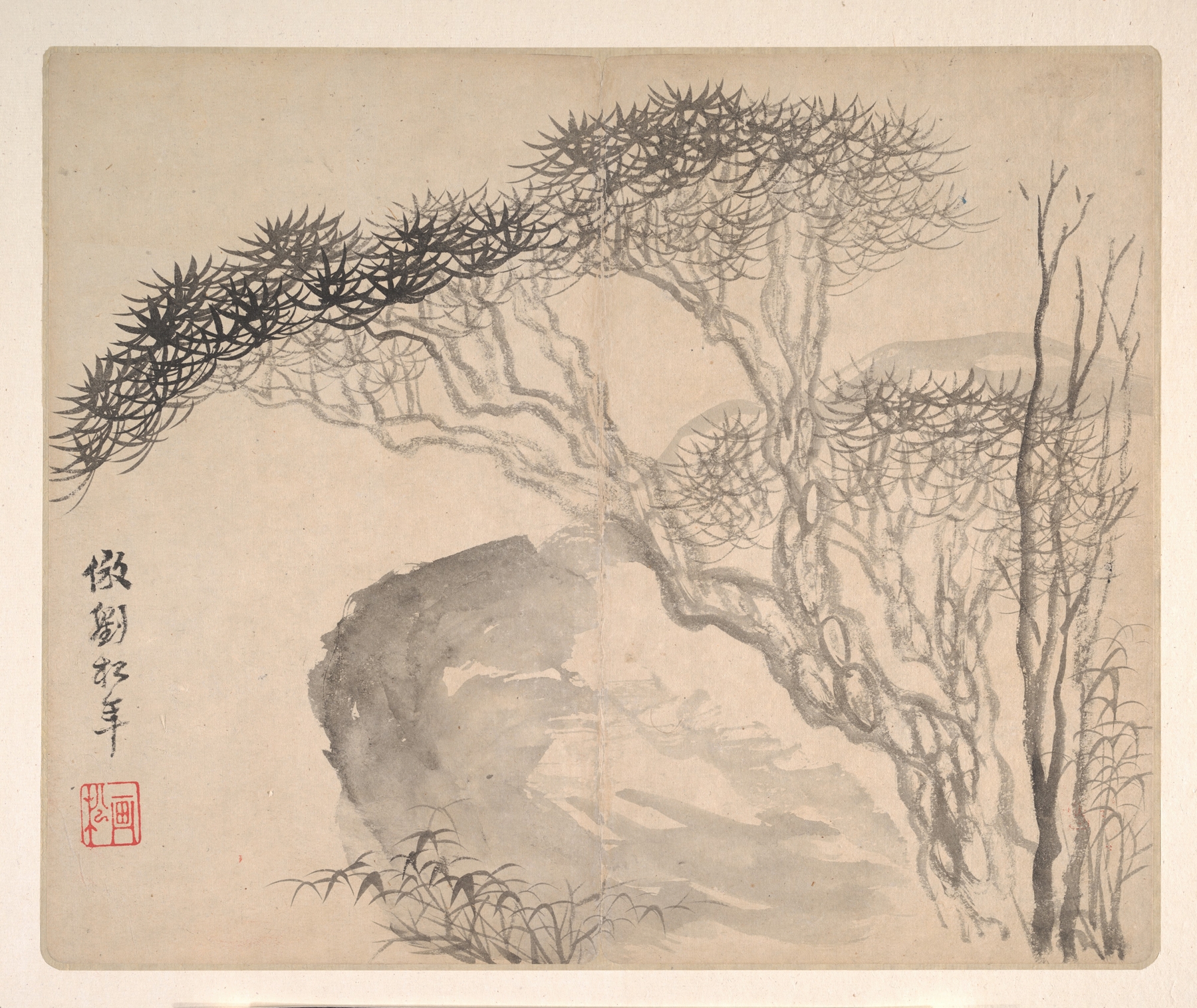
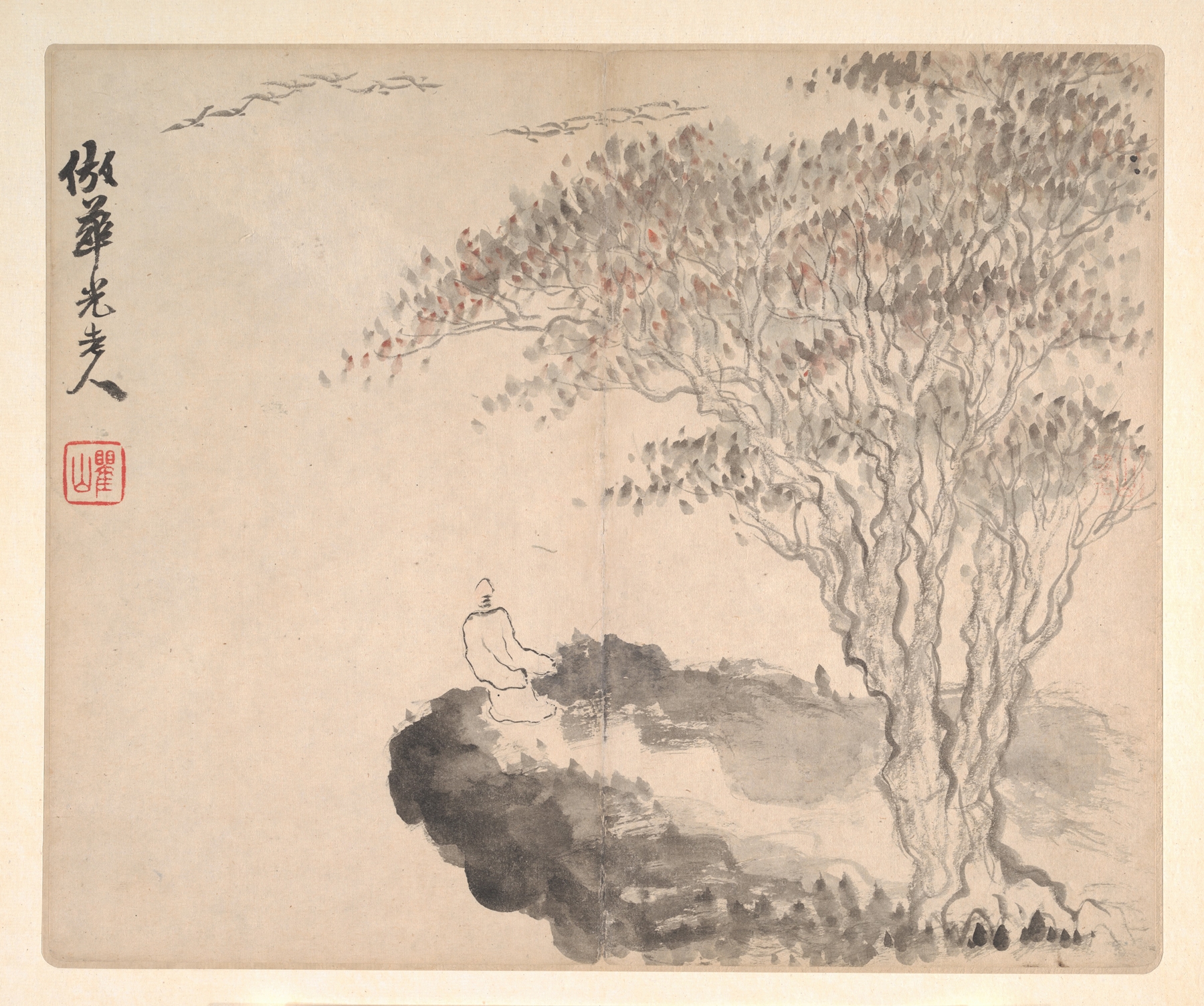
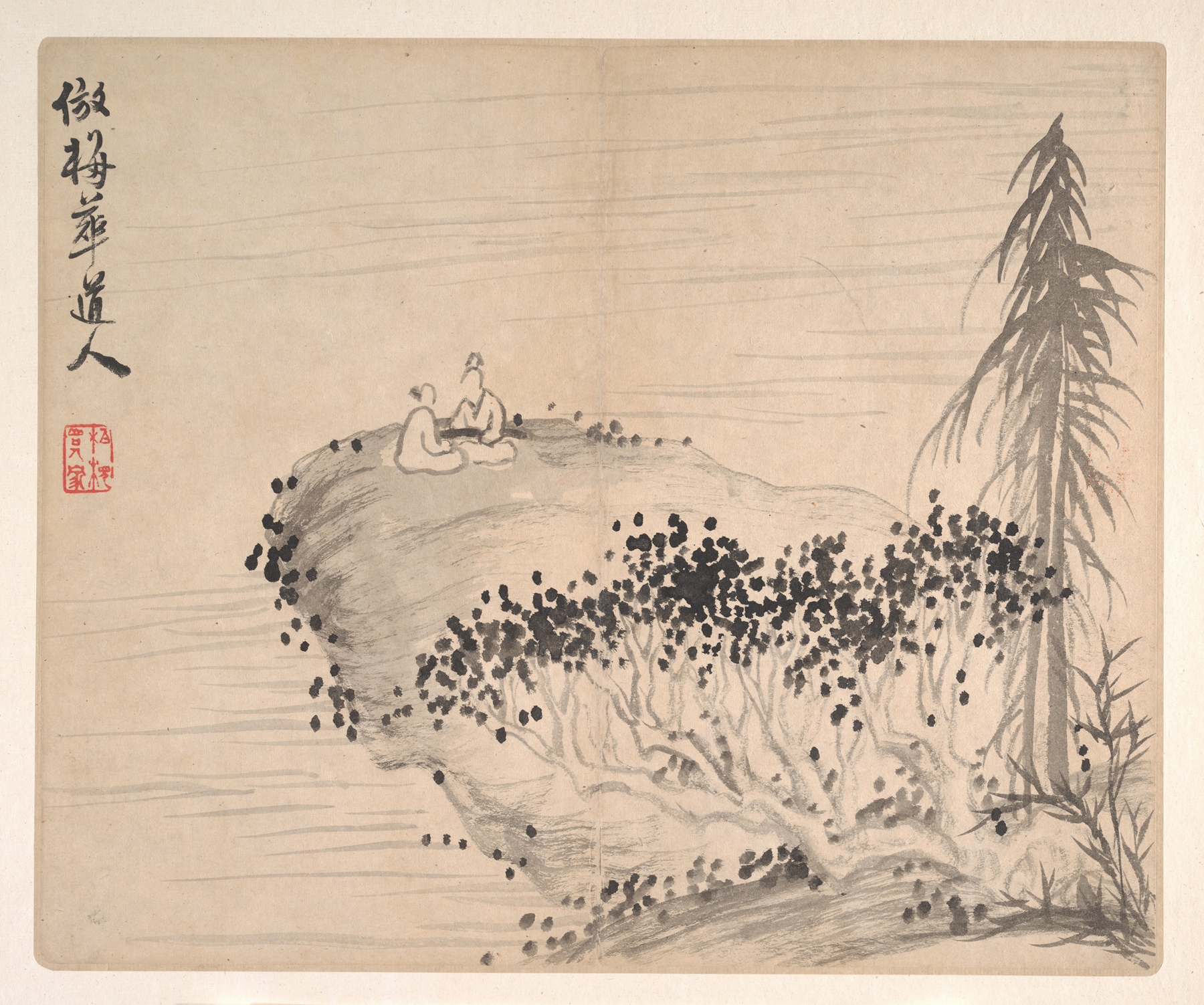
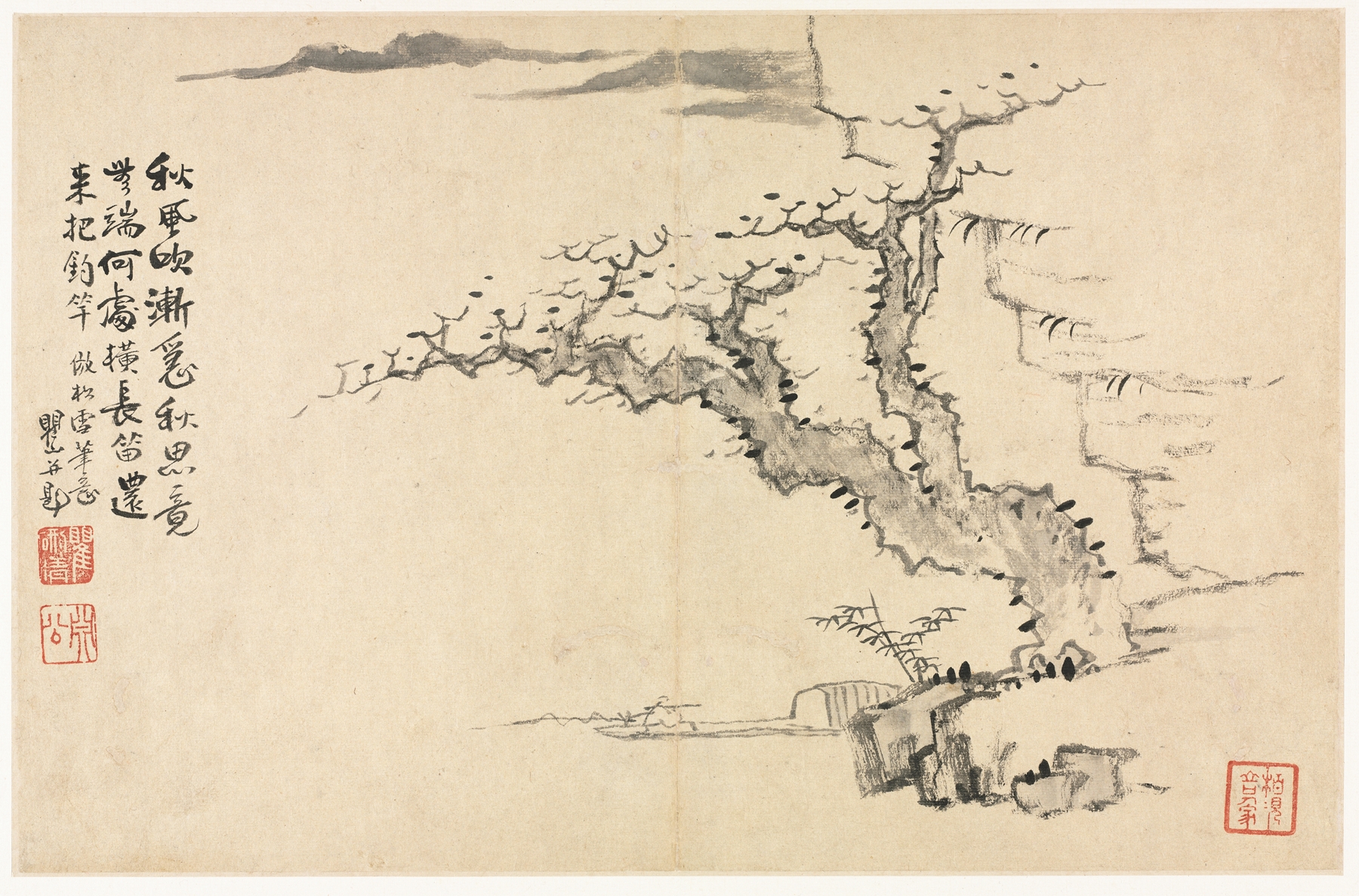
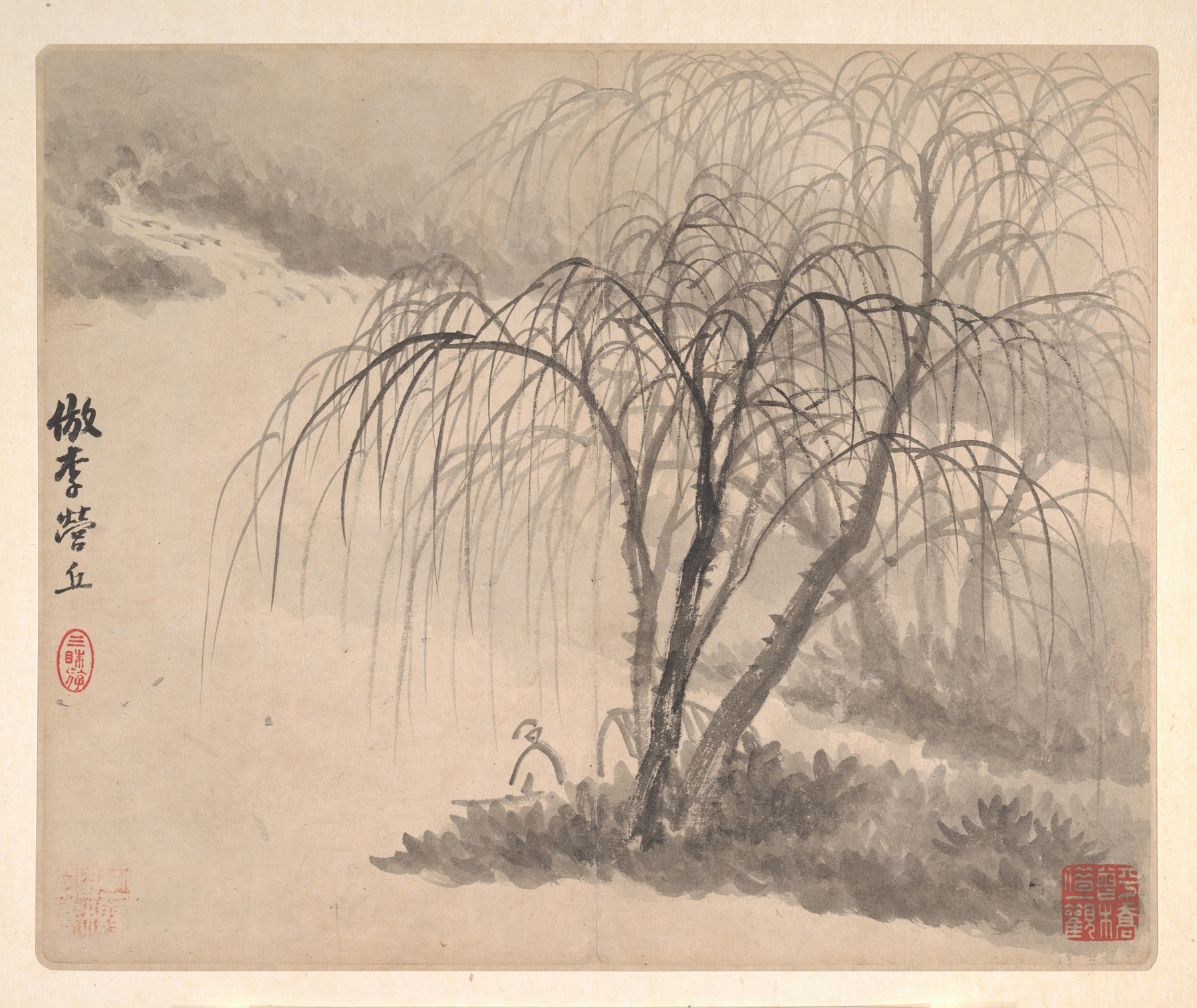
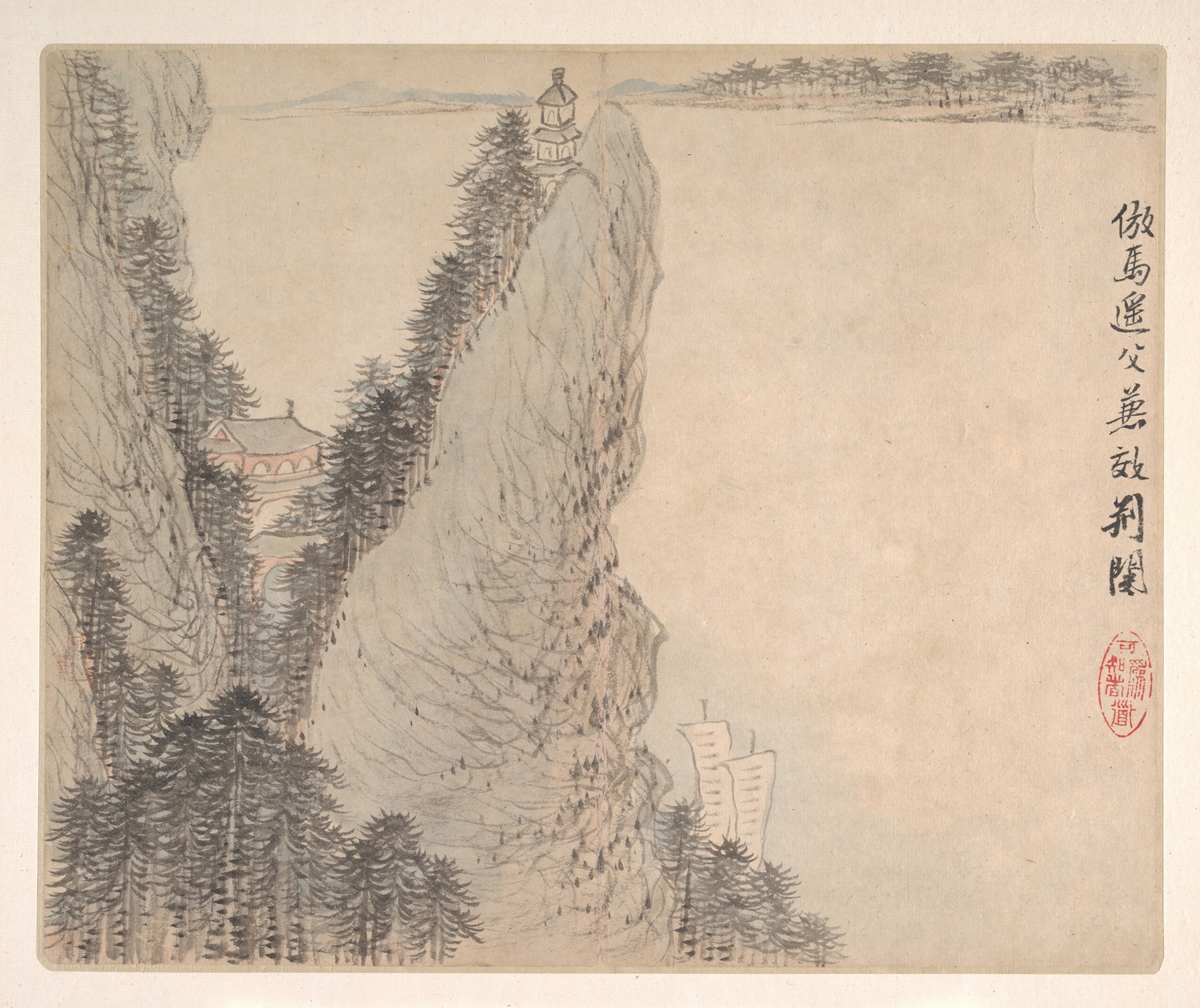
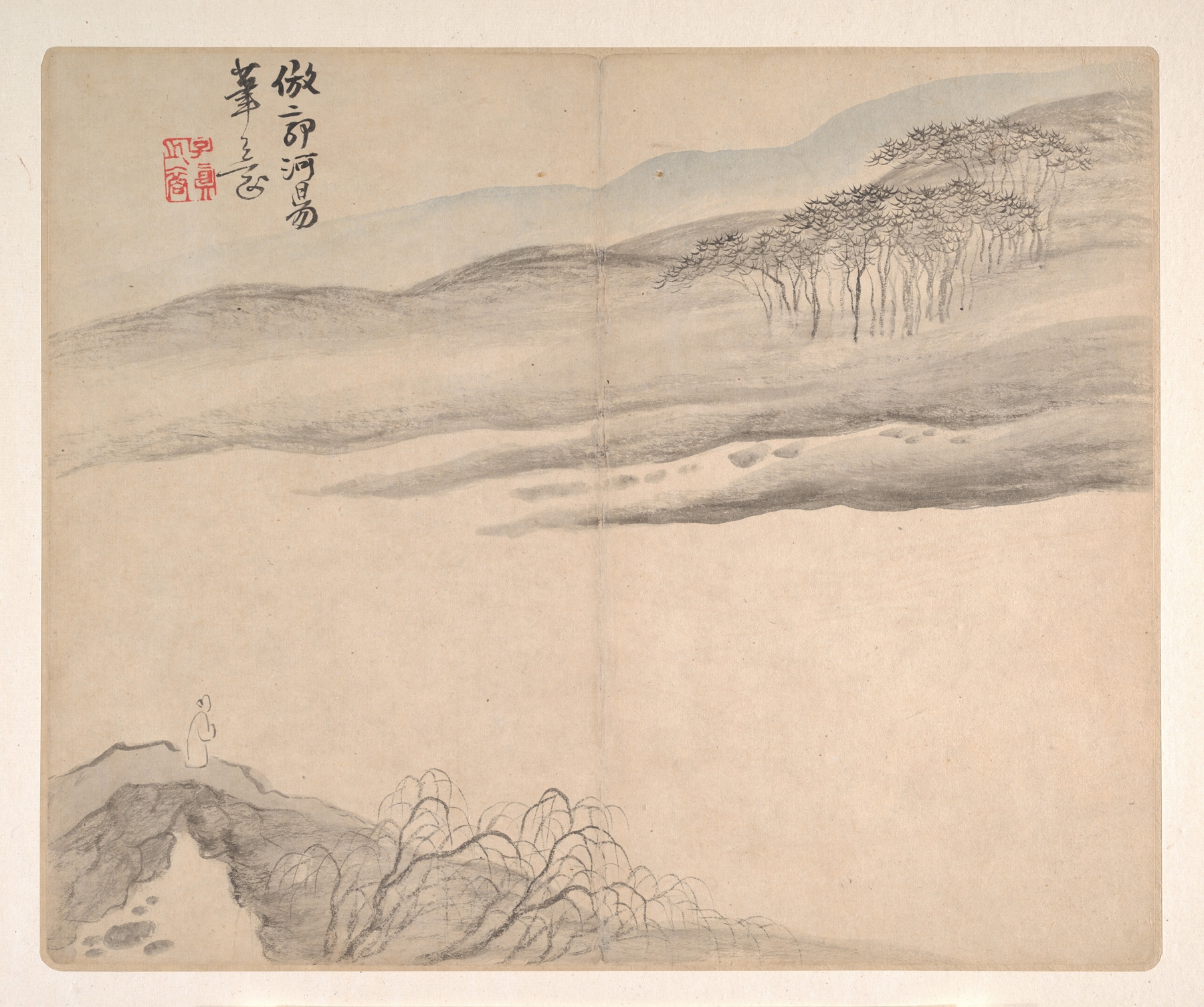
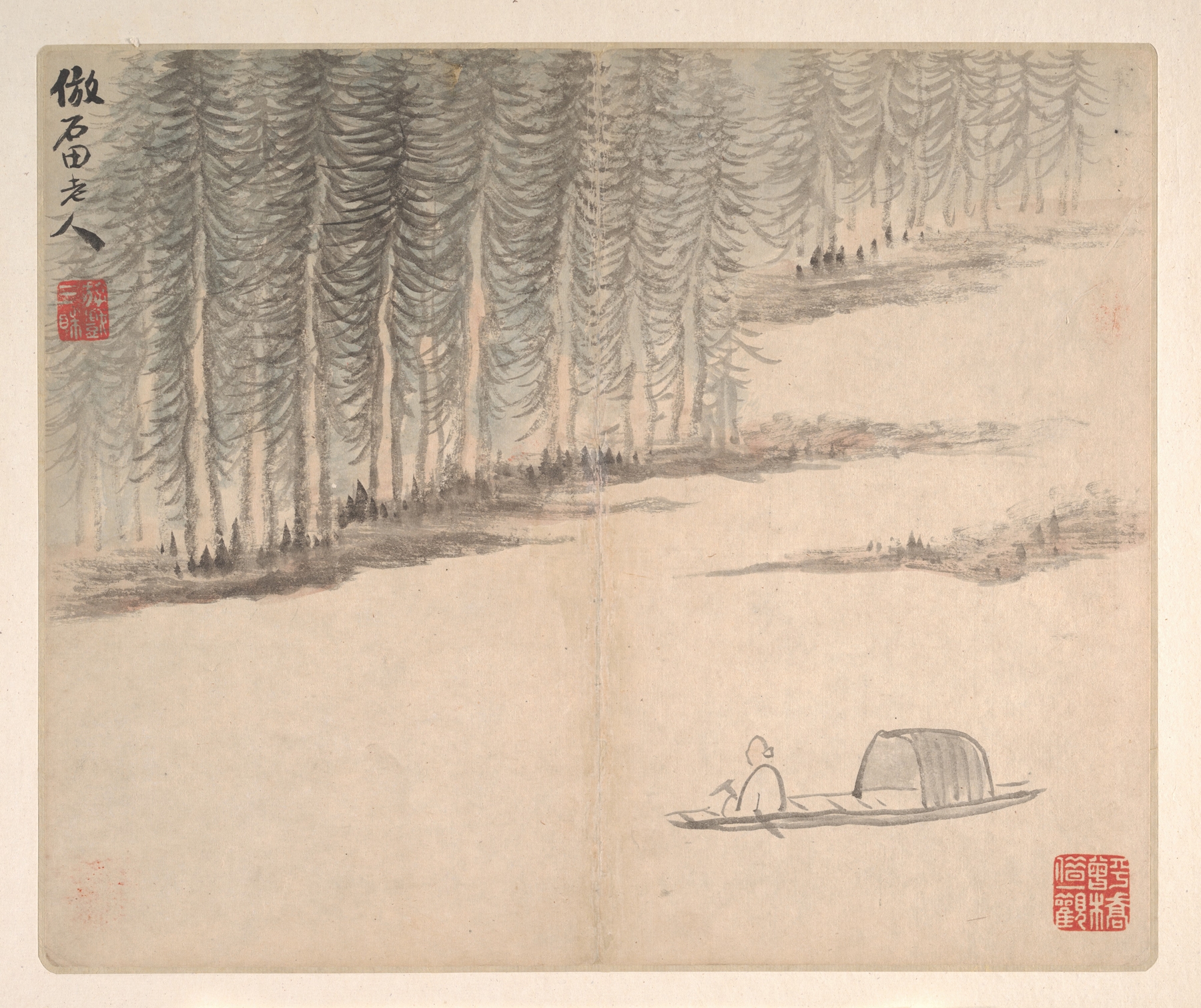
What if beauty was never meant to be finished? In Landscapes after Ancient Masters Pl.12, the essence of grief intertwines with the elegance of nature, suggesting a depth that transcends the visible. Look to the left, where delicate brushstrokes capture the rugged hills, layered in shades of muted green and deep gray. Notice how the mist clings to the mountain tops, inviting you into a world that feels both familiar and distant.
The subtle gradations of color create a soft transition from one element to the next, as if the landscape is in a state of ethereal flux. In the foreground, a placid river mirrors the somber tones above, emphasizing a reflective quality that pulls the viewer's gaze deeper into the scene. This painting evokes a sense of melancholy, manifesting through the juxtaposition of vibrant life and profound stillness. The ephemeral clouds, drifting languidly across the canvas, seem to weep for the beauty that exists yet remains unattainable.
Small, almost imperceptible details—a solitary tree bent by time, a distant figure lost in thought—infuse the work with a narrative of longing, hinting at the artist’s internal struggles and the universal experience of sorrow. Mei Qing painted this work in 1693, during a period when he was deeply engaged in the revival of traditional Chinese landscape painting. He sought to honor the techniques of the ancient masters while infusing his own emotional resonance into the landscapes. Living in an era marked by social upheaval and personal loss, his works often reflect a poignant connection to nature, illustrating the complex interplay between beauty and grief.