Landscapes after Ancient Masters Pl.13 — History & Analysis
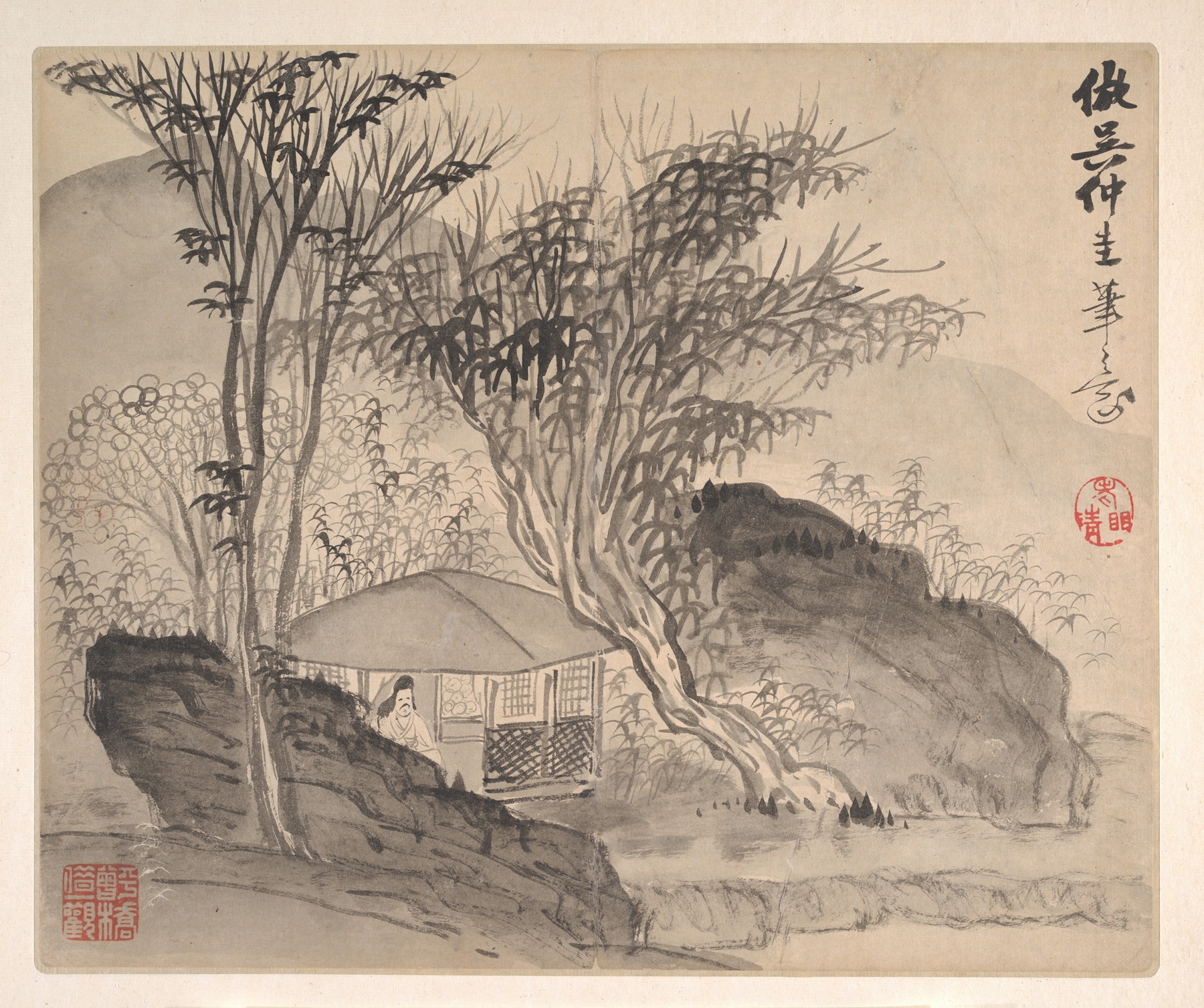
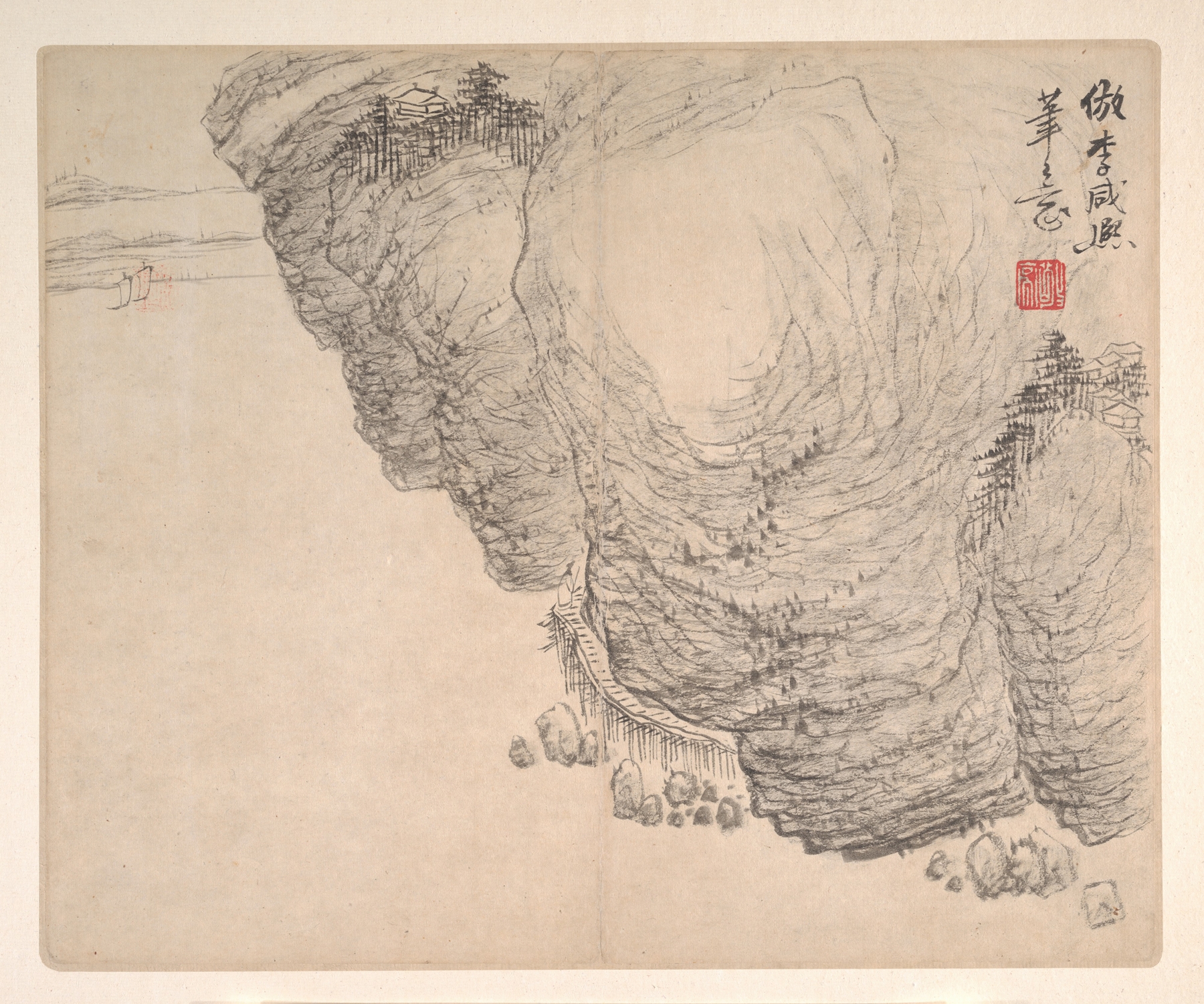
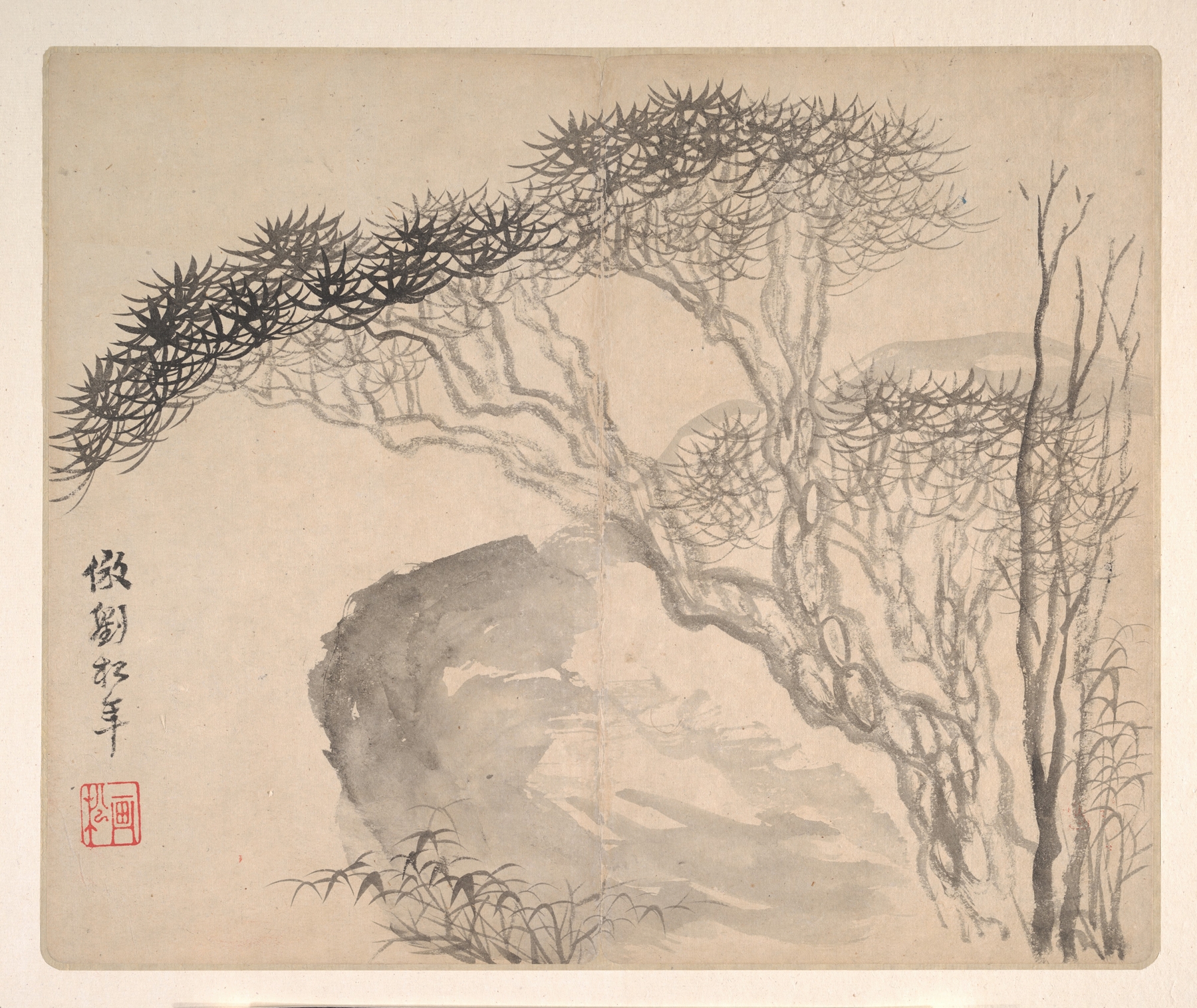
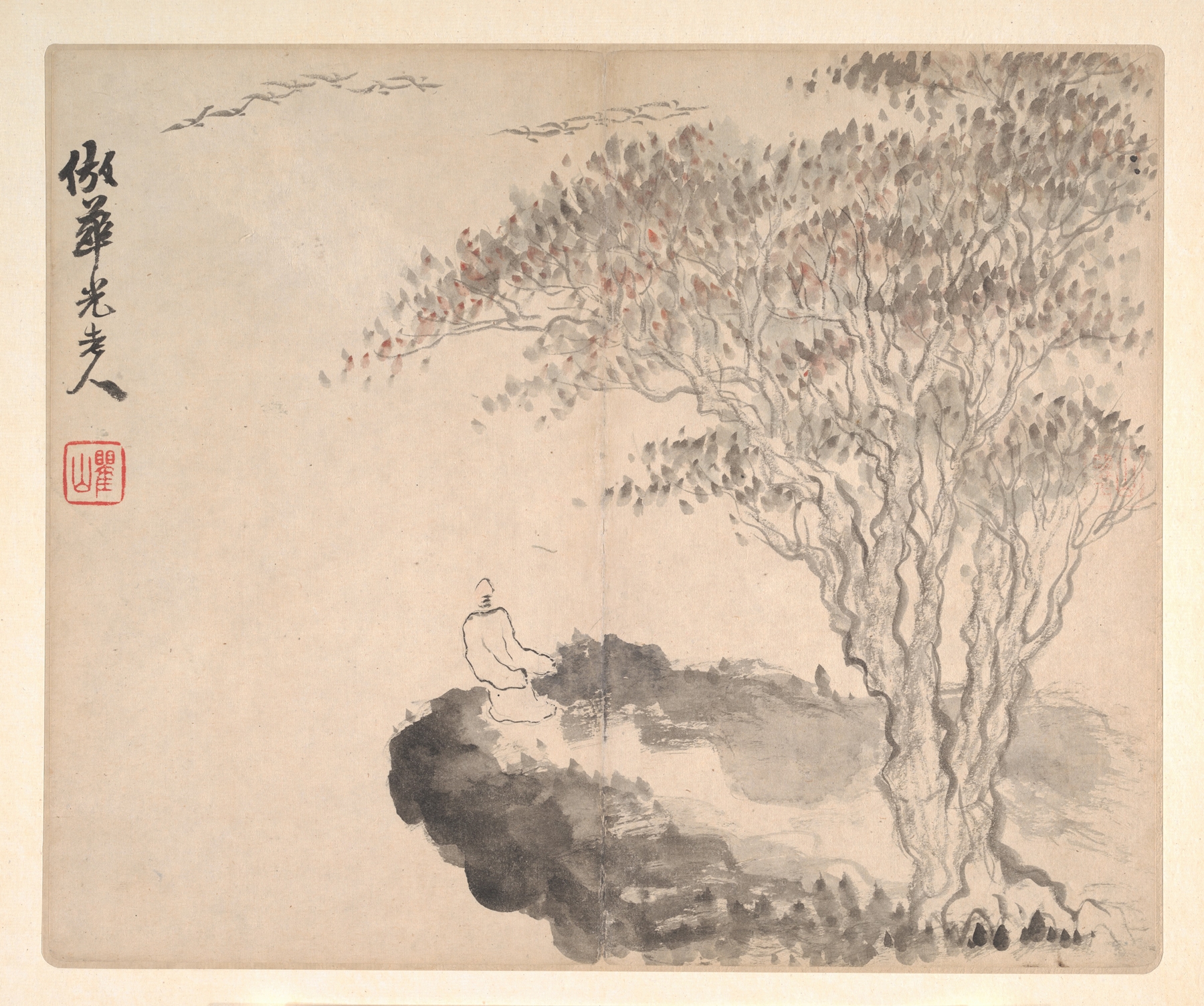
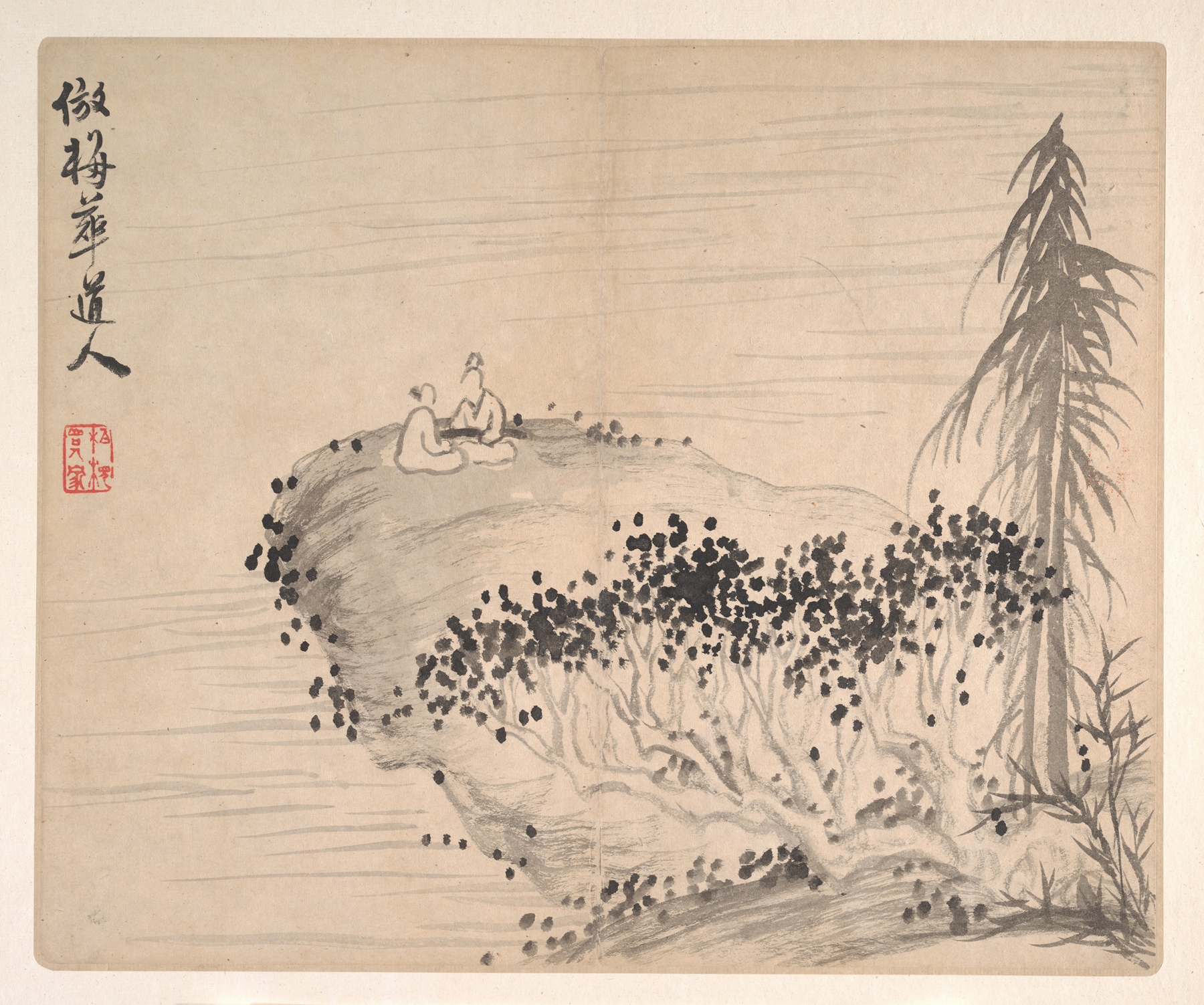
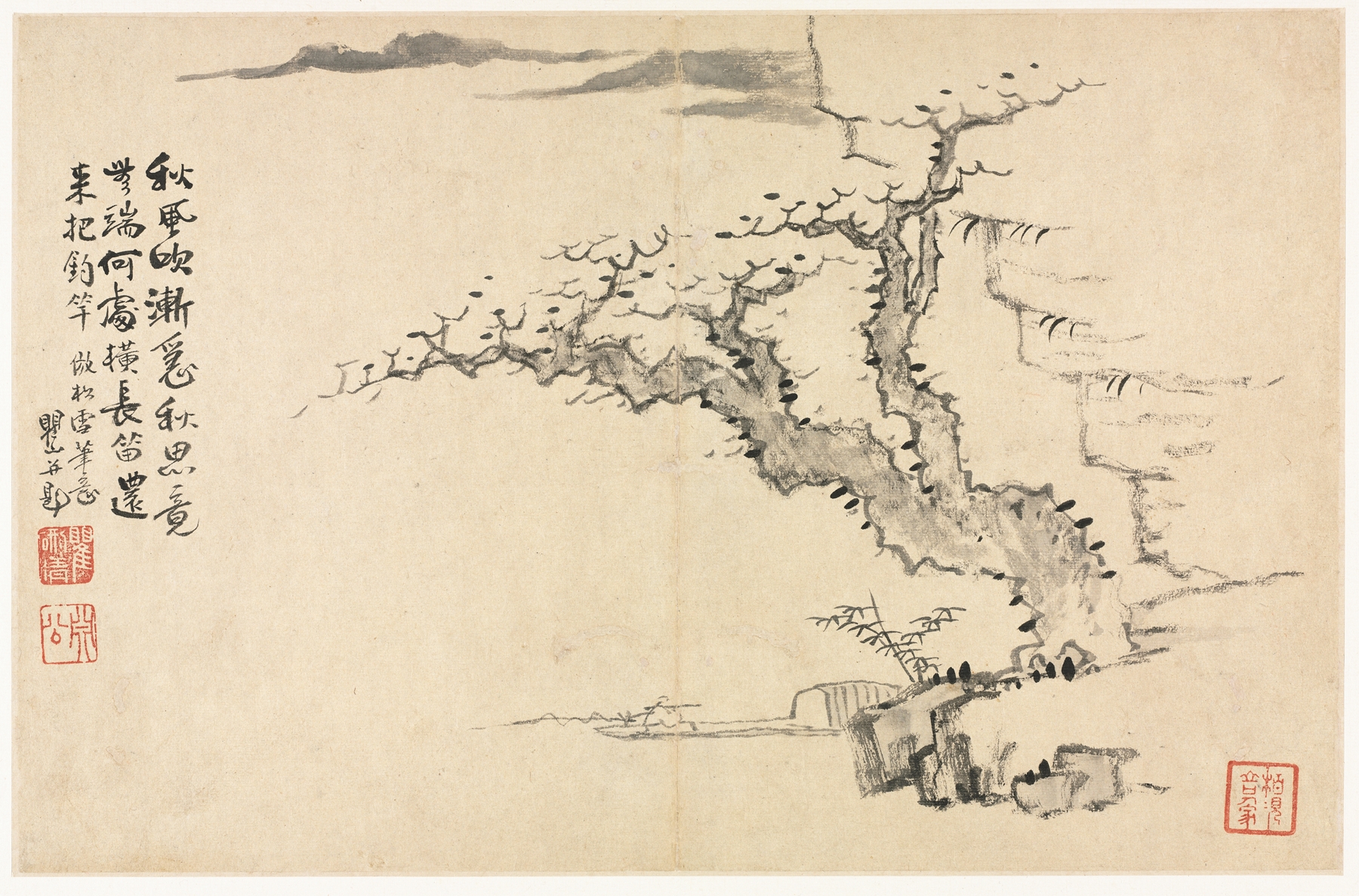
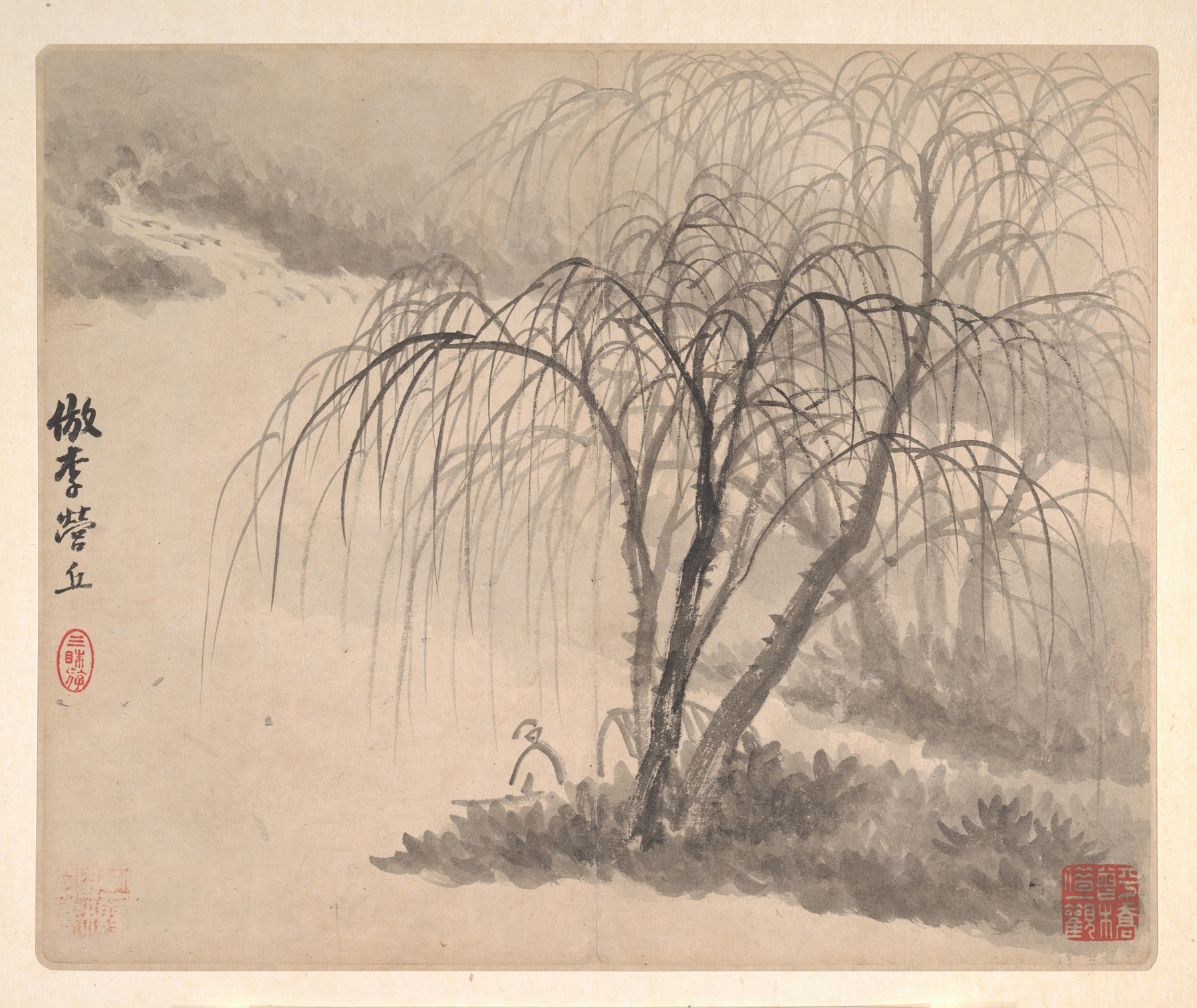
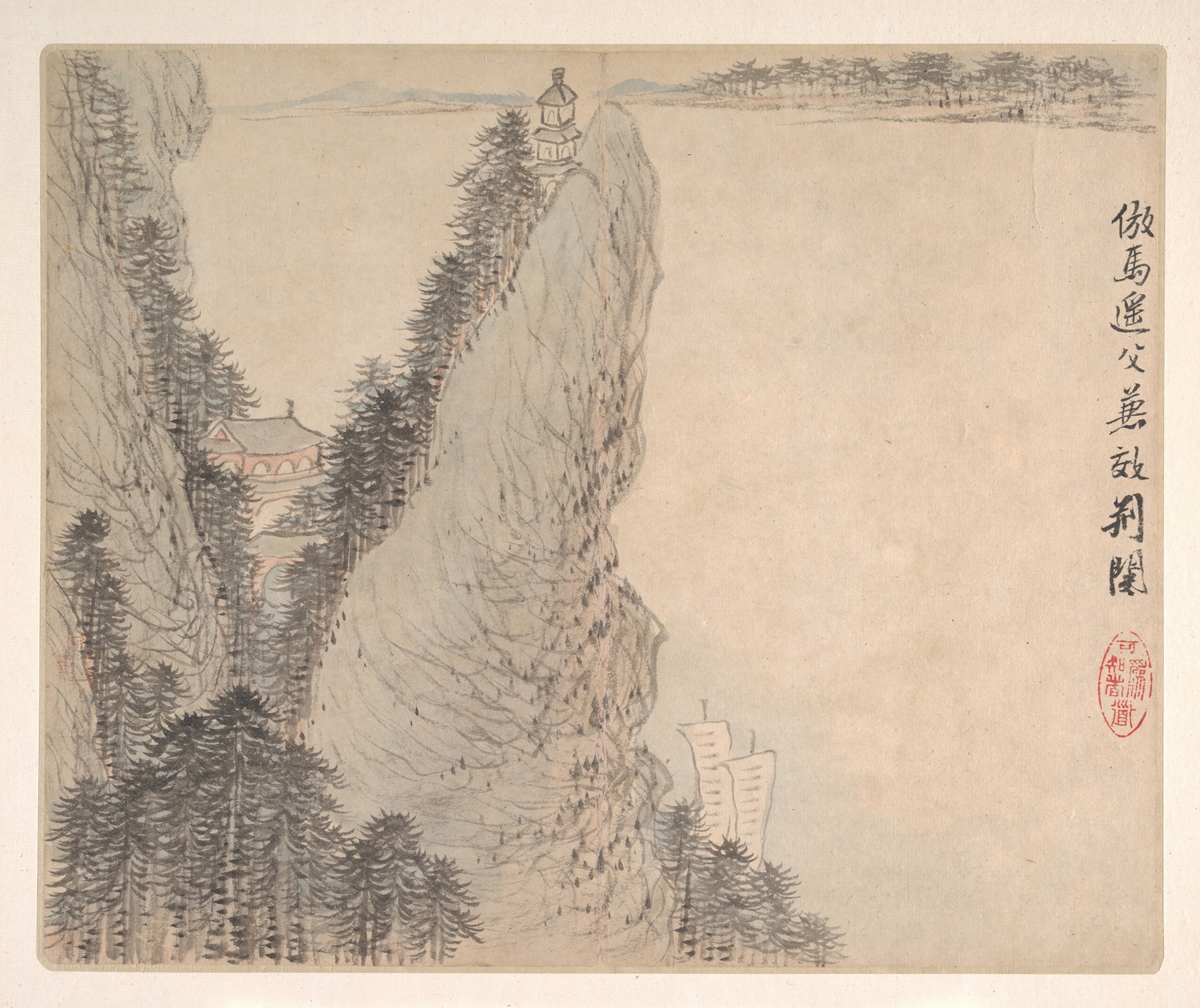
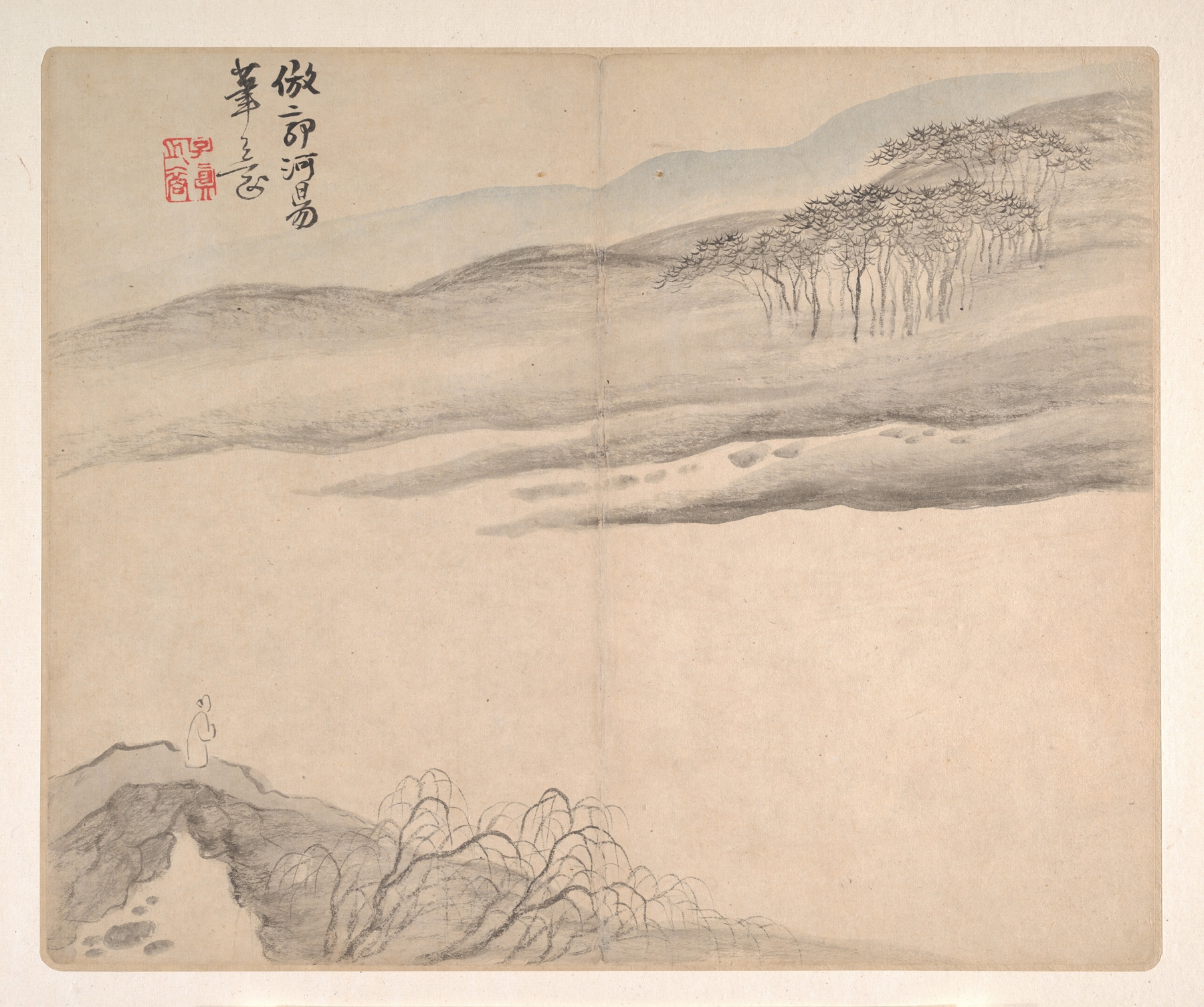
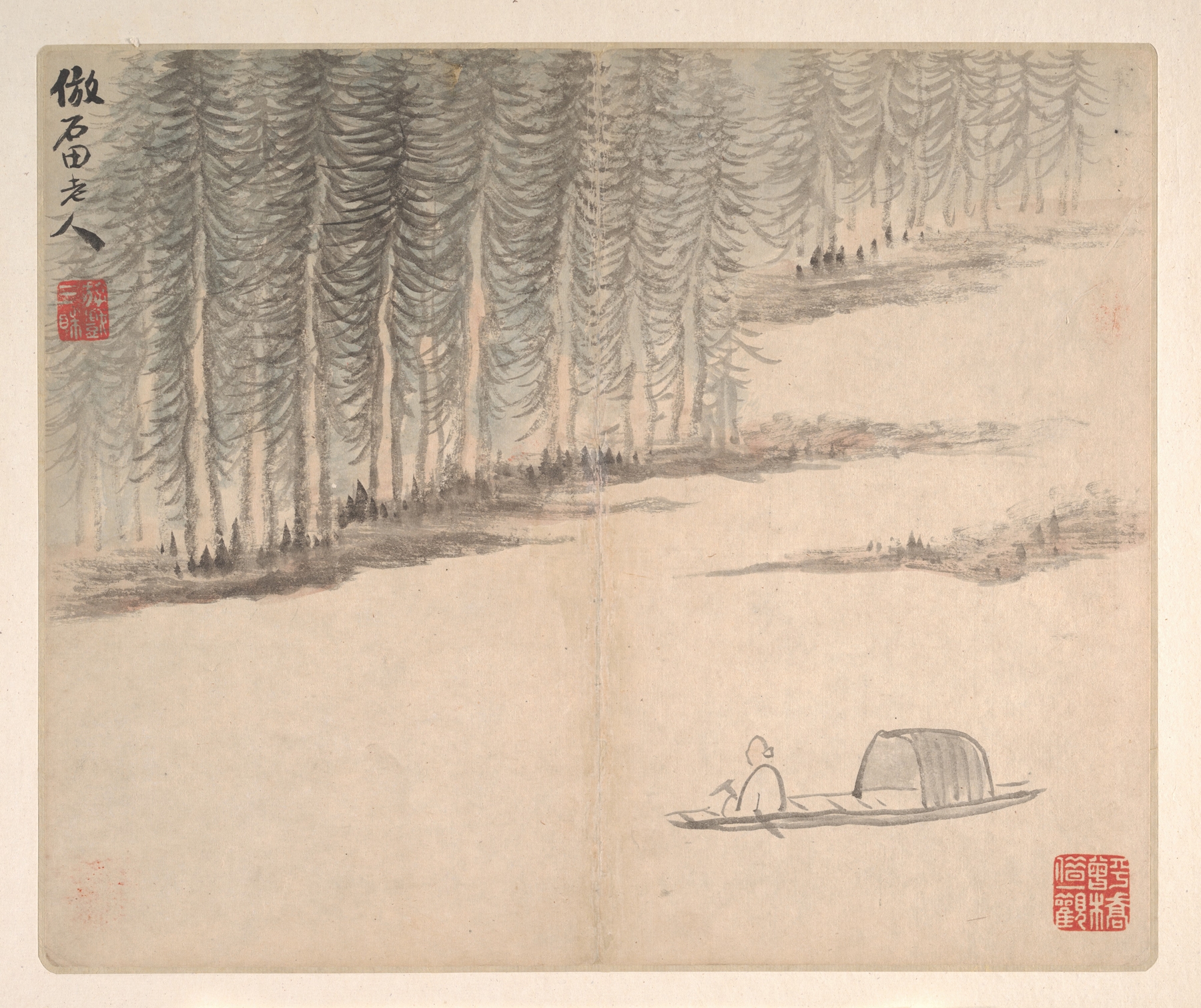
“Art reveals the soul when the world turns away.” In an era where landscapes are often mere reflections of the visible world, what compels an artist to delve deeper into the essence of nature? Focus first on the delicate brushstrokes that form the distant mountains, their peaks shrouded in a mist that suggests both reverence and mystery. Notice how the soft greens and muted earth tones blend seamlessly into the sky, creating a harmonious balance that pulls the viewer in. Each element is meticulously crafted, inviting contemplation and reflection; the subtle gradation of colors suggests the transience of time, while the meticulous details reveal a profound engagement with the natural world.
As you explore further, consider the interplay between serenity and obsession in this work. The meticulous detailing reflects a yearning for mastery over the landscape's beauty, hinting at an internal struggle between the desire for perfection and the recognition of nature's inherent wildness. The gentle flow of water, with its rhythmic patterns, serves as a metaphor for life's unceasing passage, while the overall composition evokes a sense of solitude and introspection.
In 1693, during the height of the Qing dynasty, Mei Qing resided in a period marked by cultural flourishing and artistic exploration. He was deeply influenced by past masters, yet sought to forge a unique identity within the realm of landscape painting. This work reflects not only his technical prowess but also the philosophical inquiries of his time, as artists navigated personal expression amidst the complexities of tradition and innovation in an ever-evolving world.