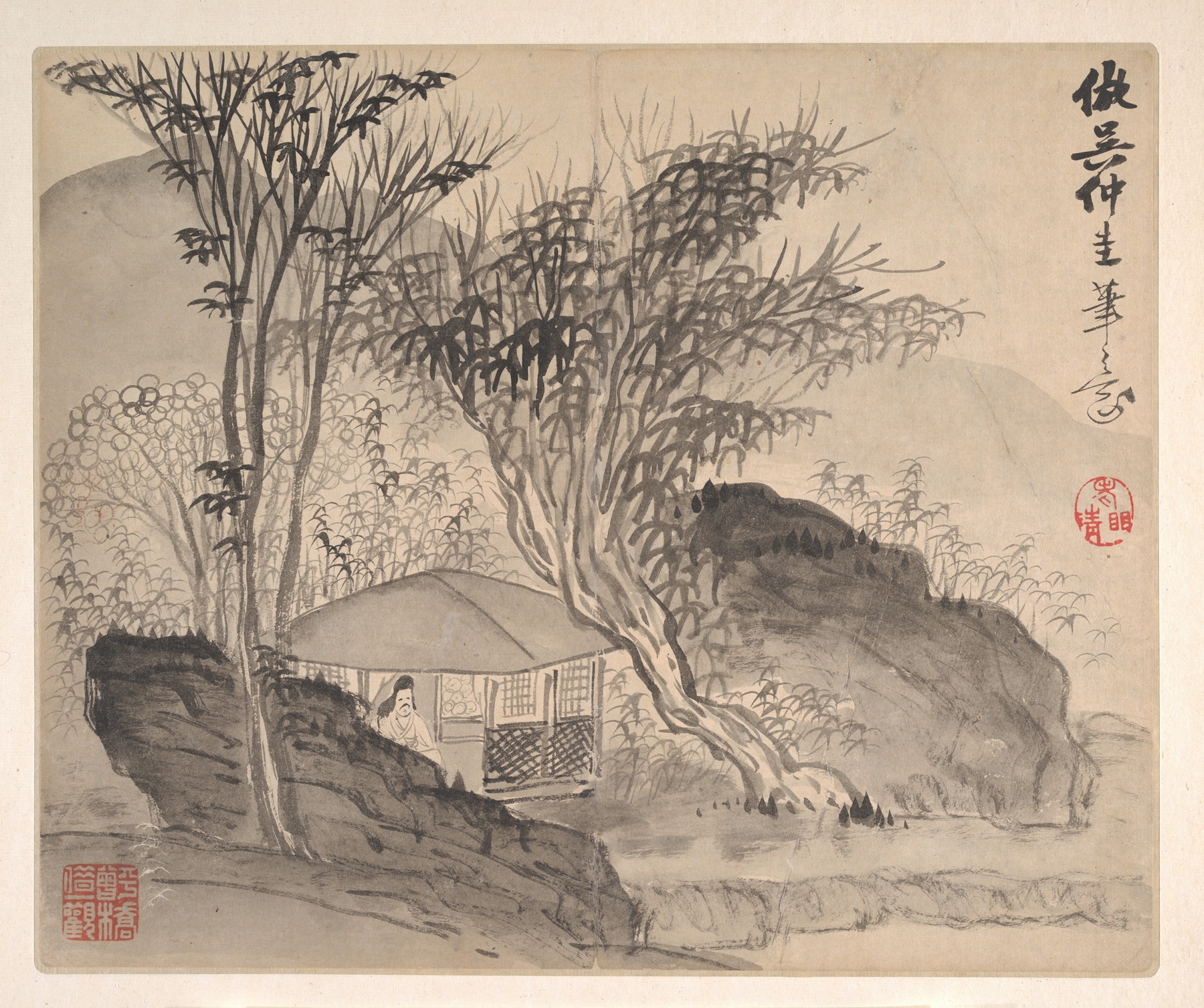
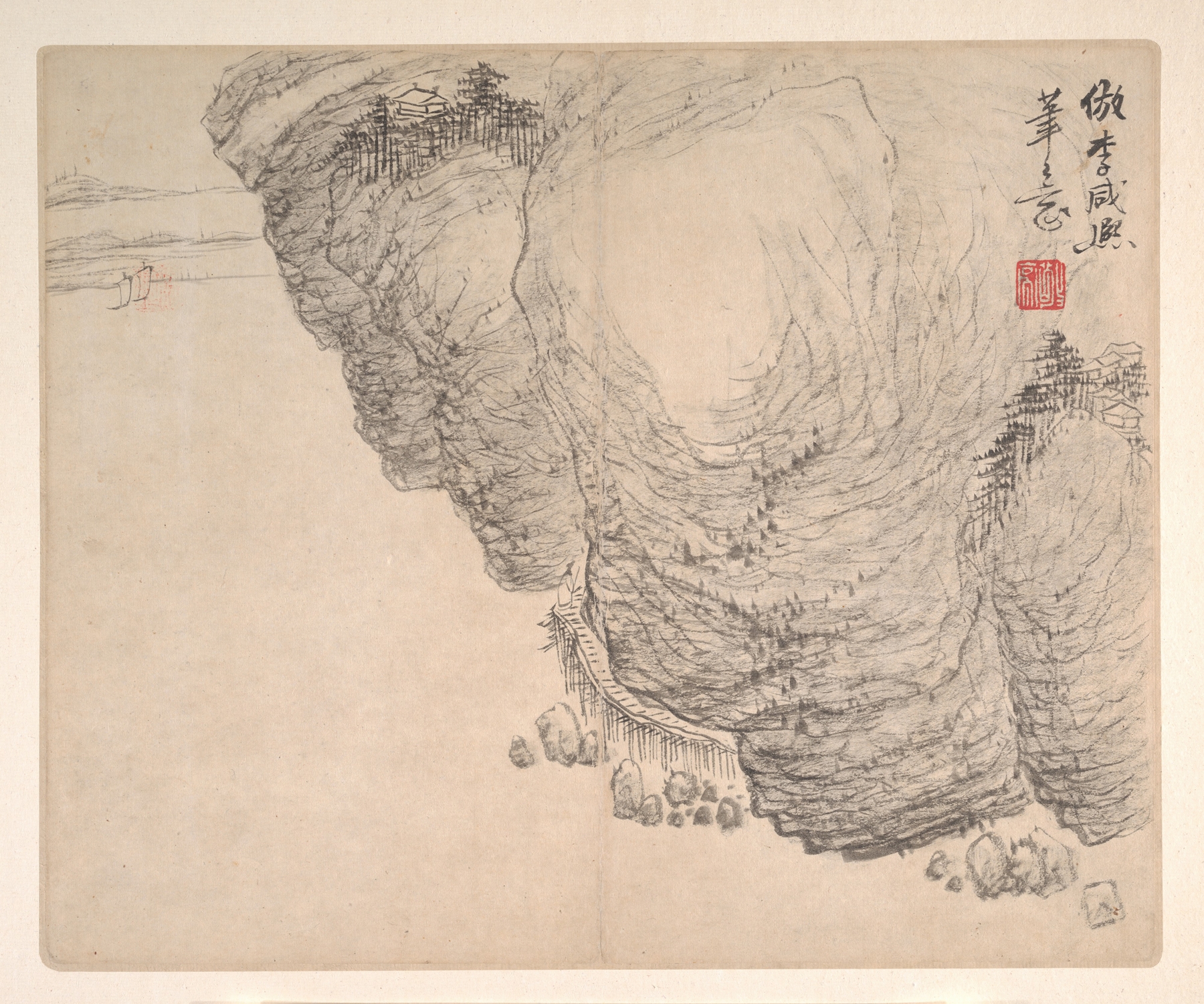
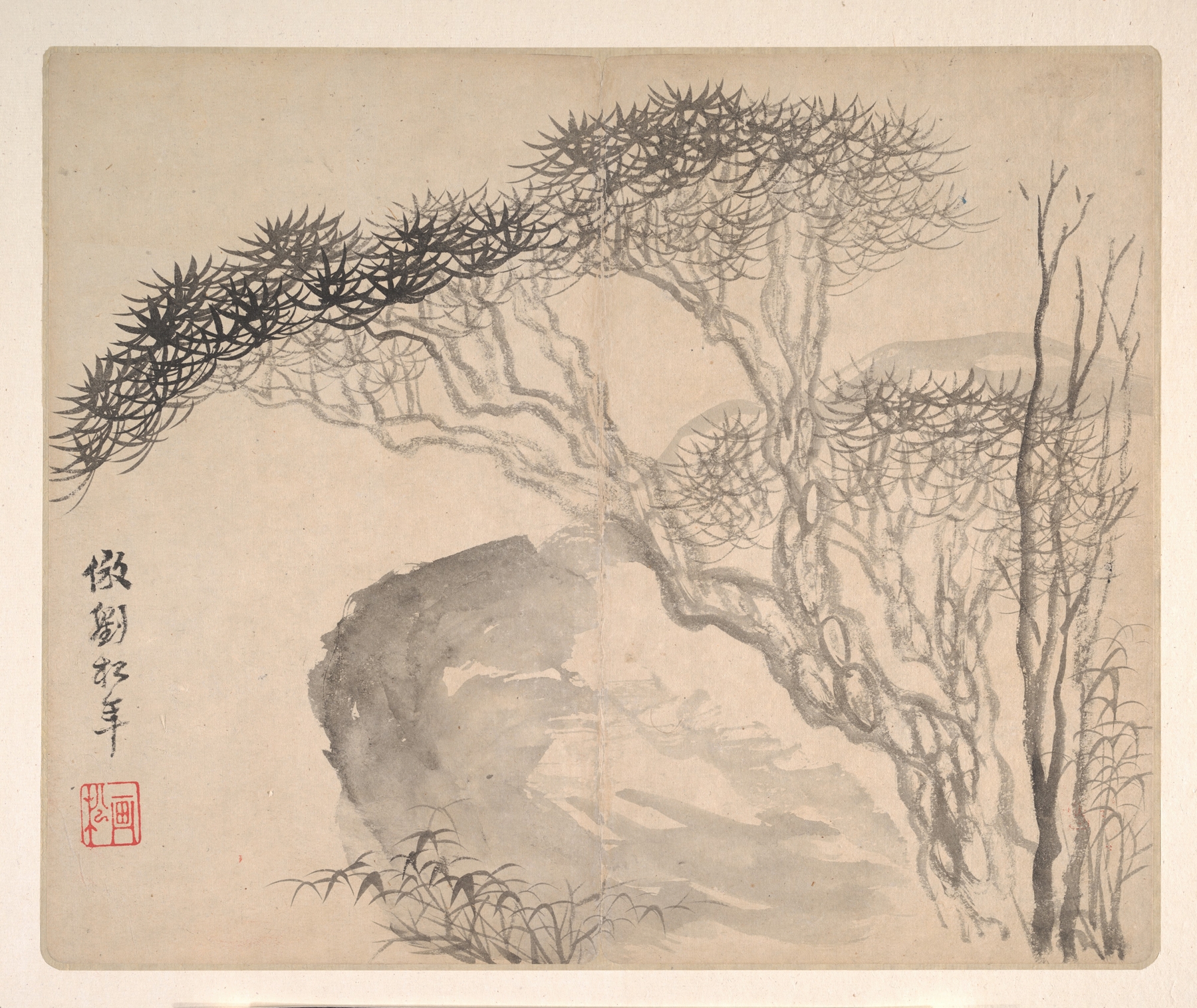
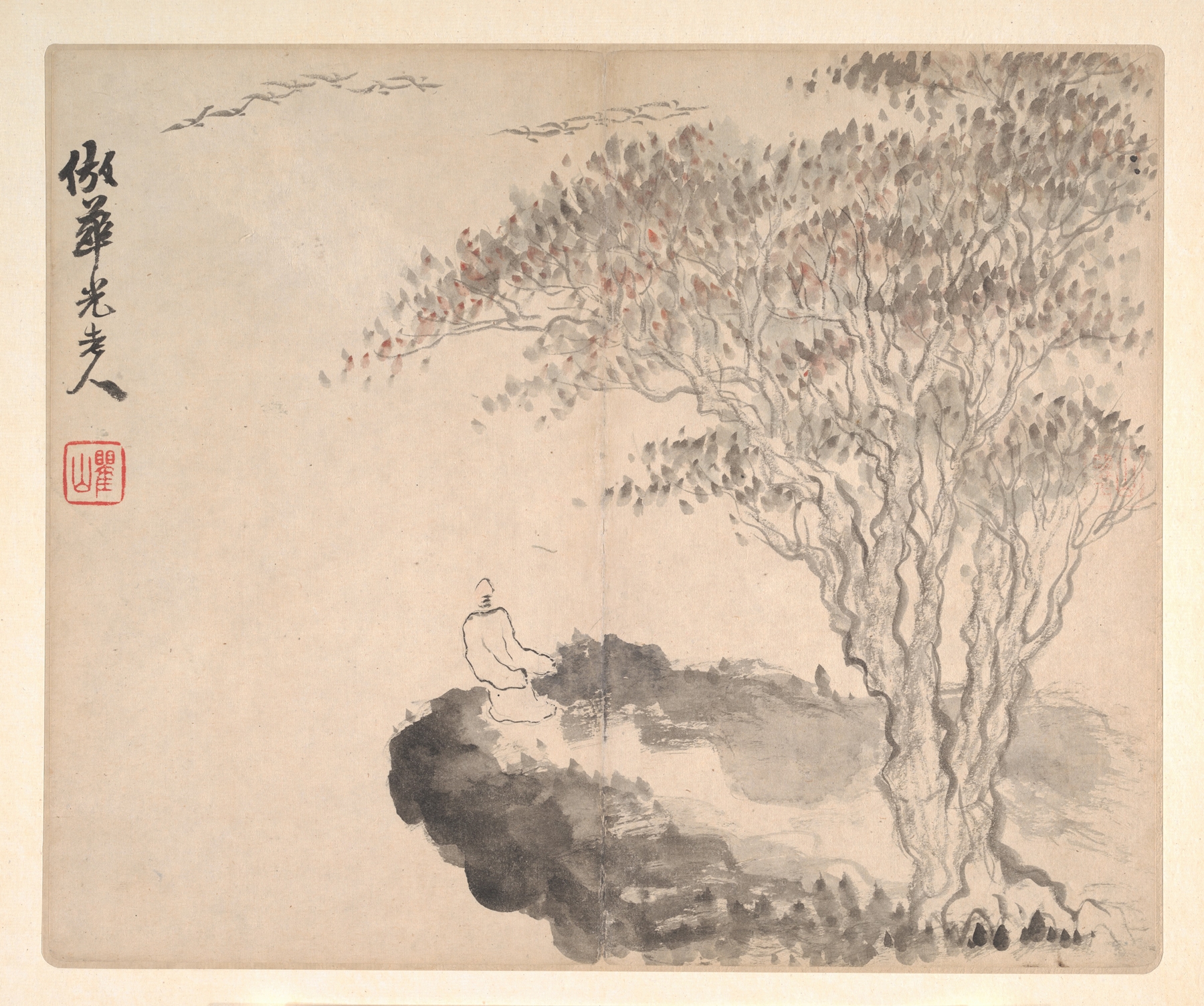
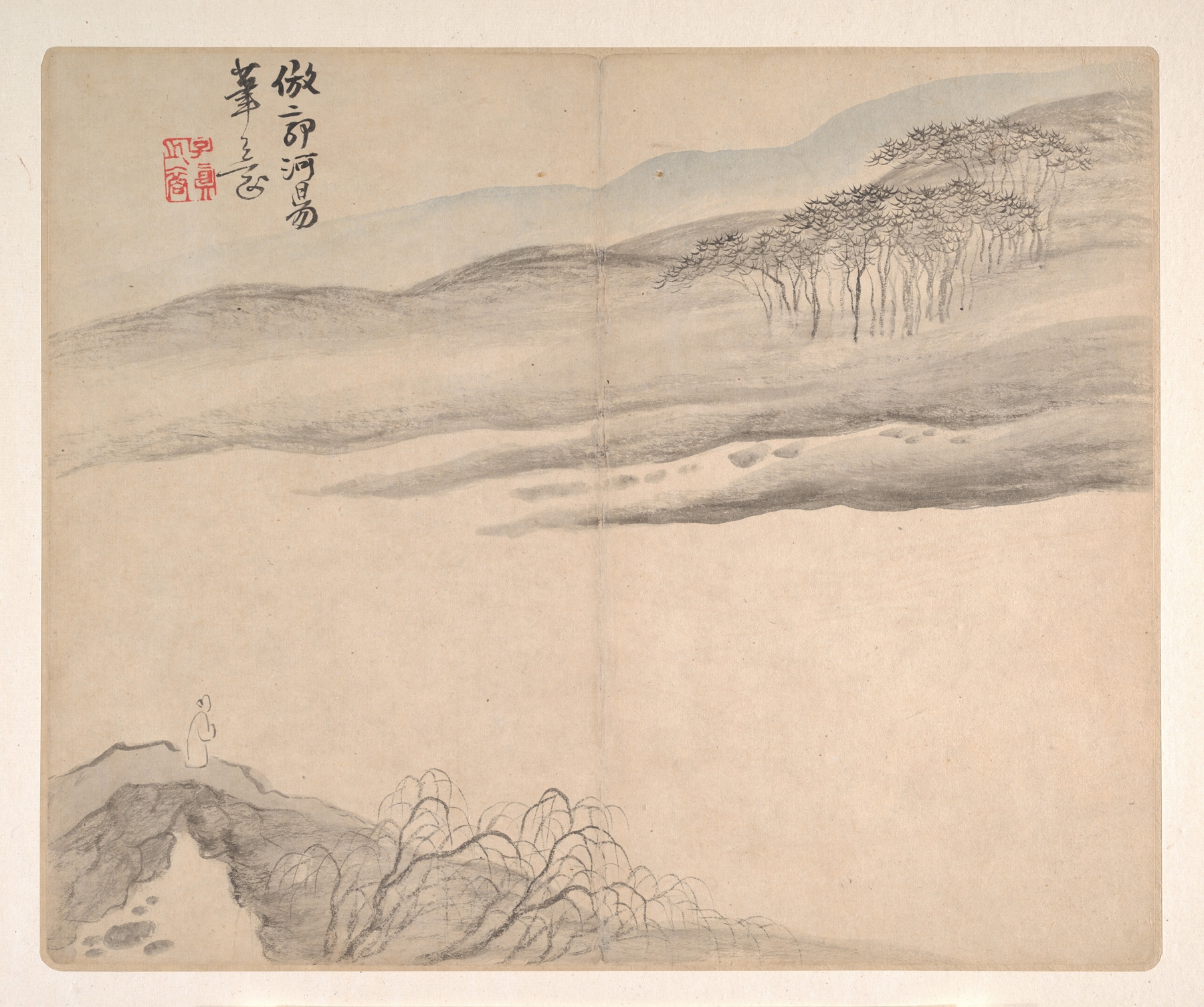
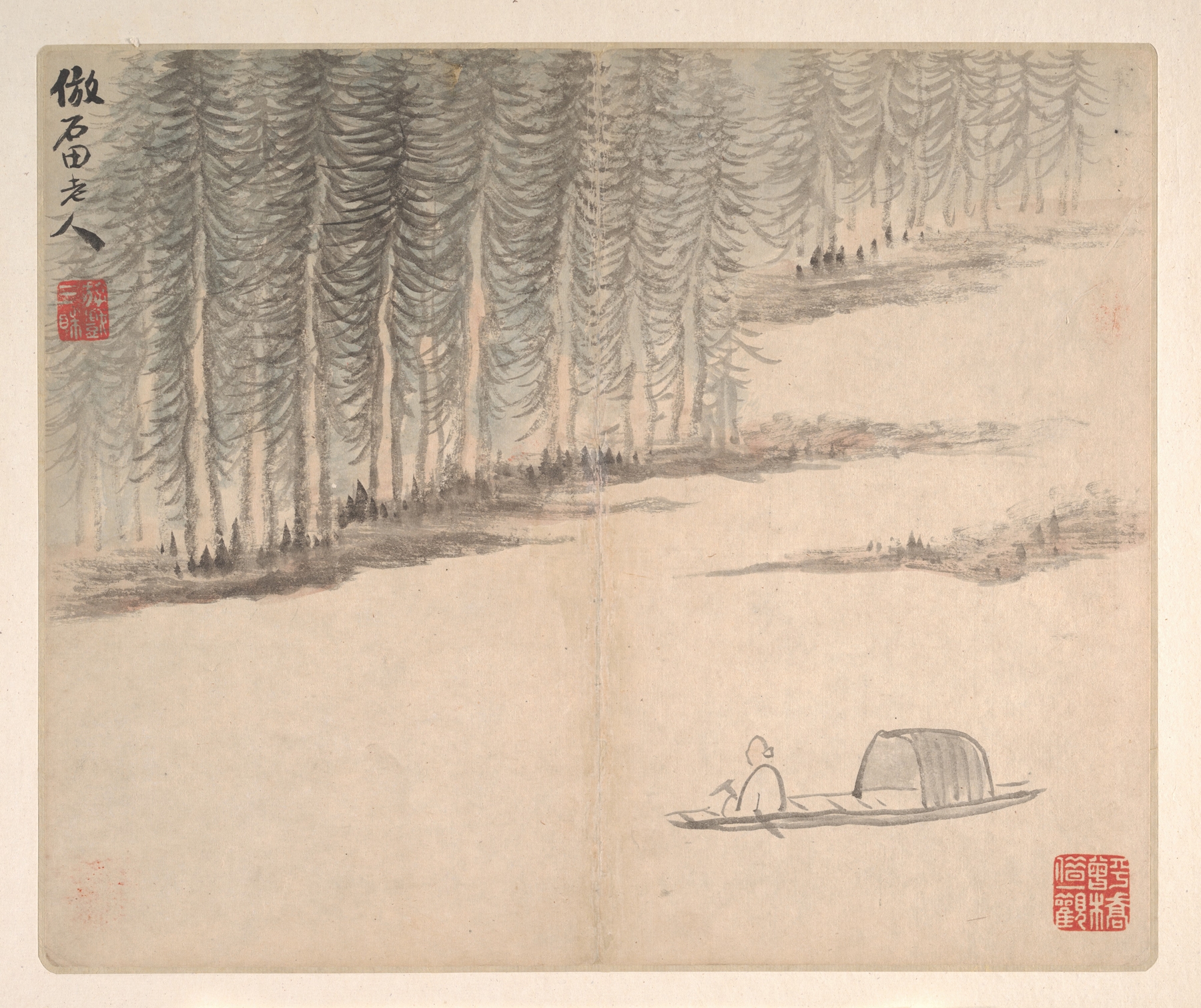
Landscapes in Various Styles after Old Masters 10 — History & Analysis
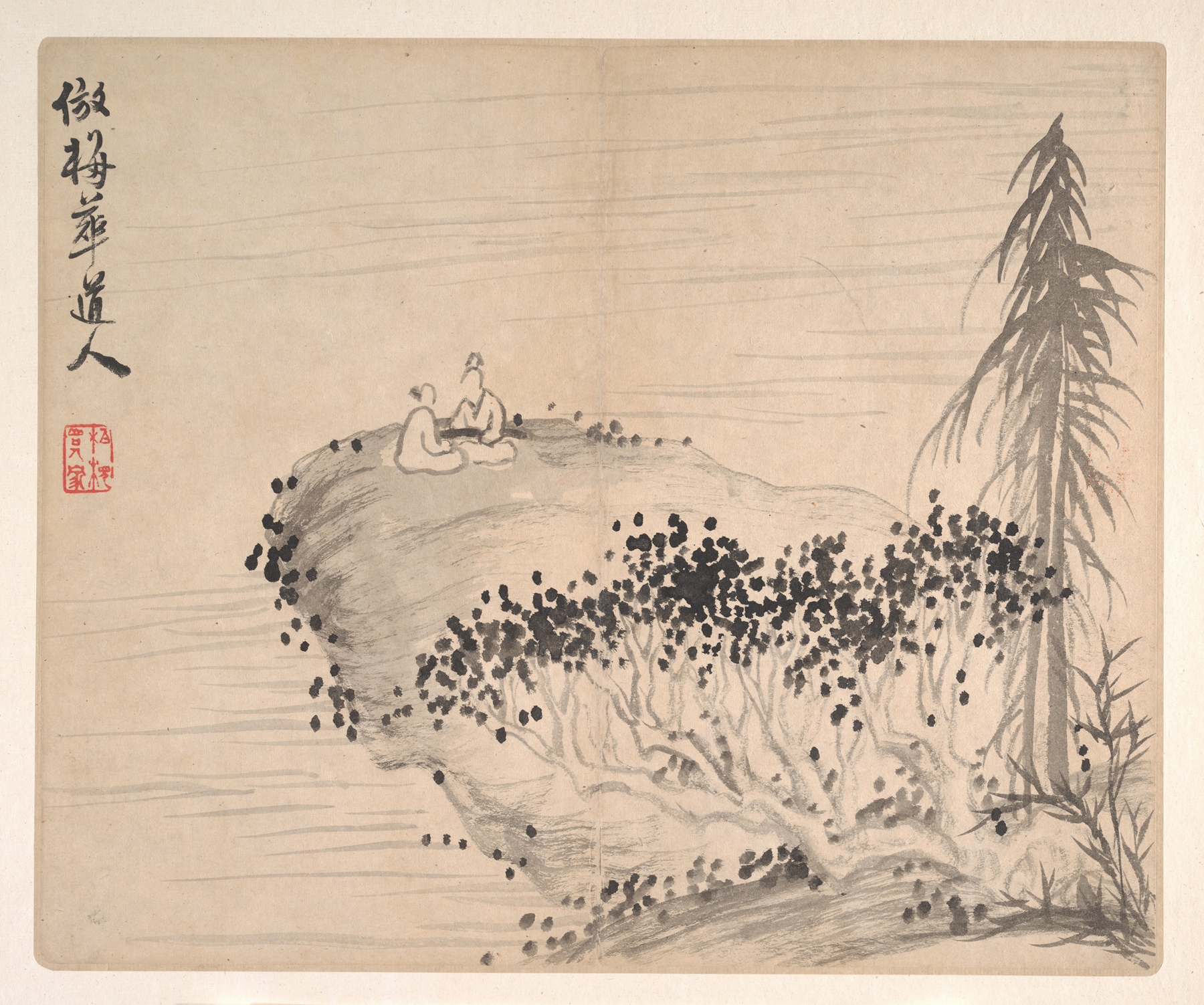
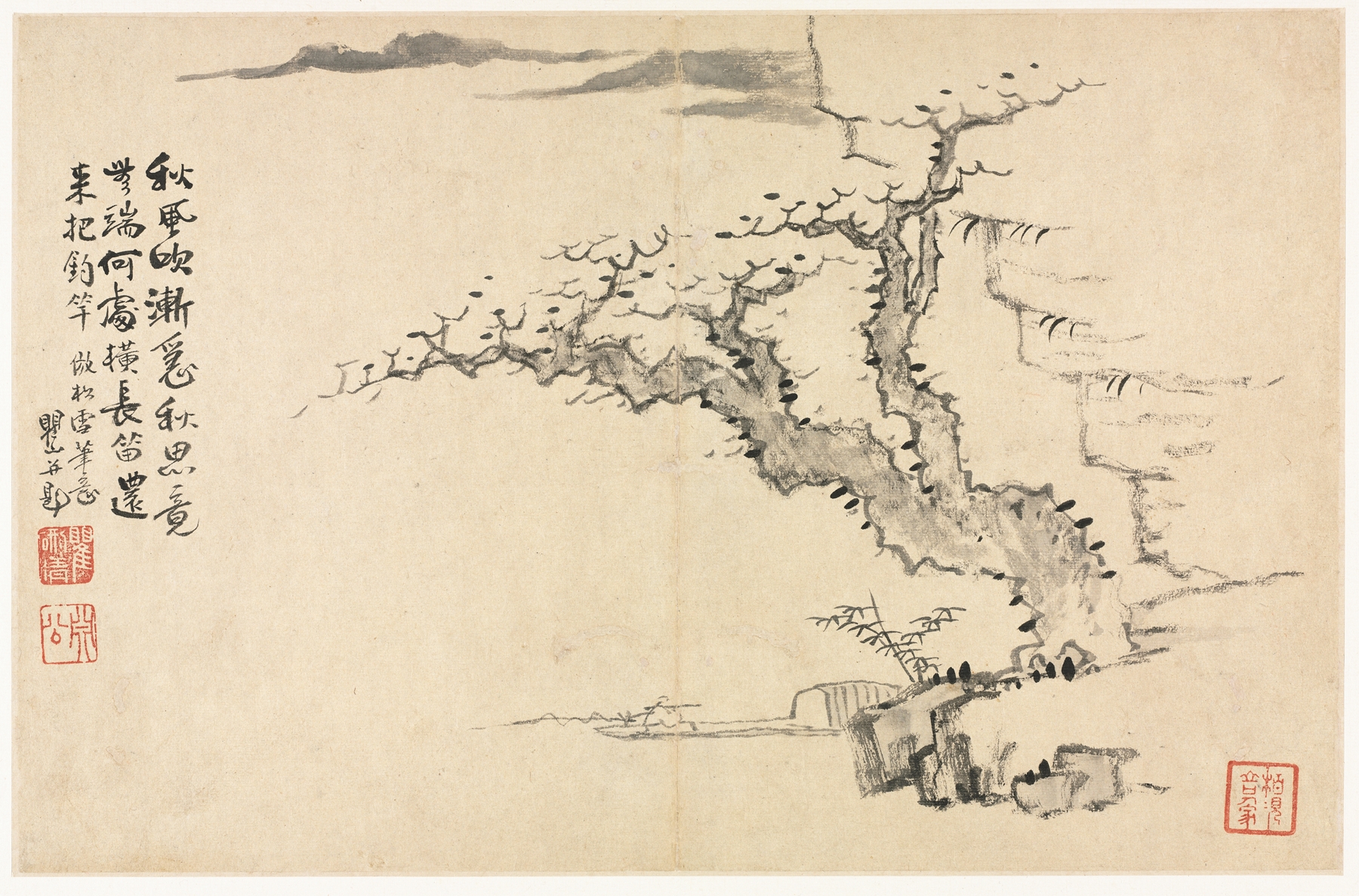
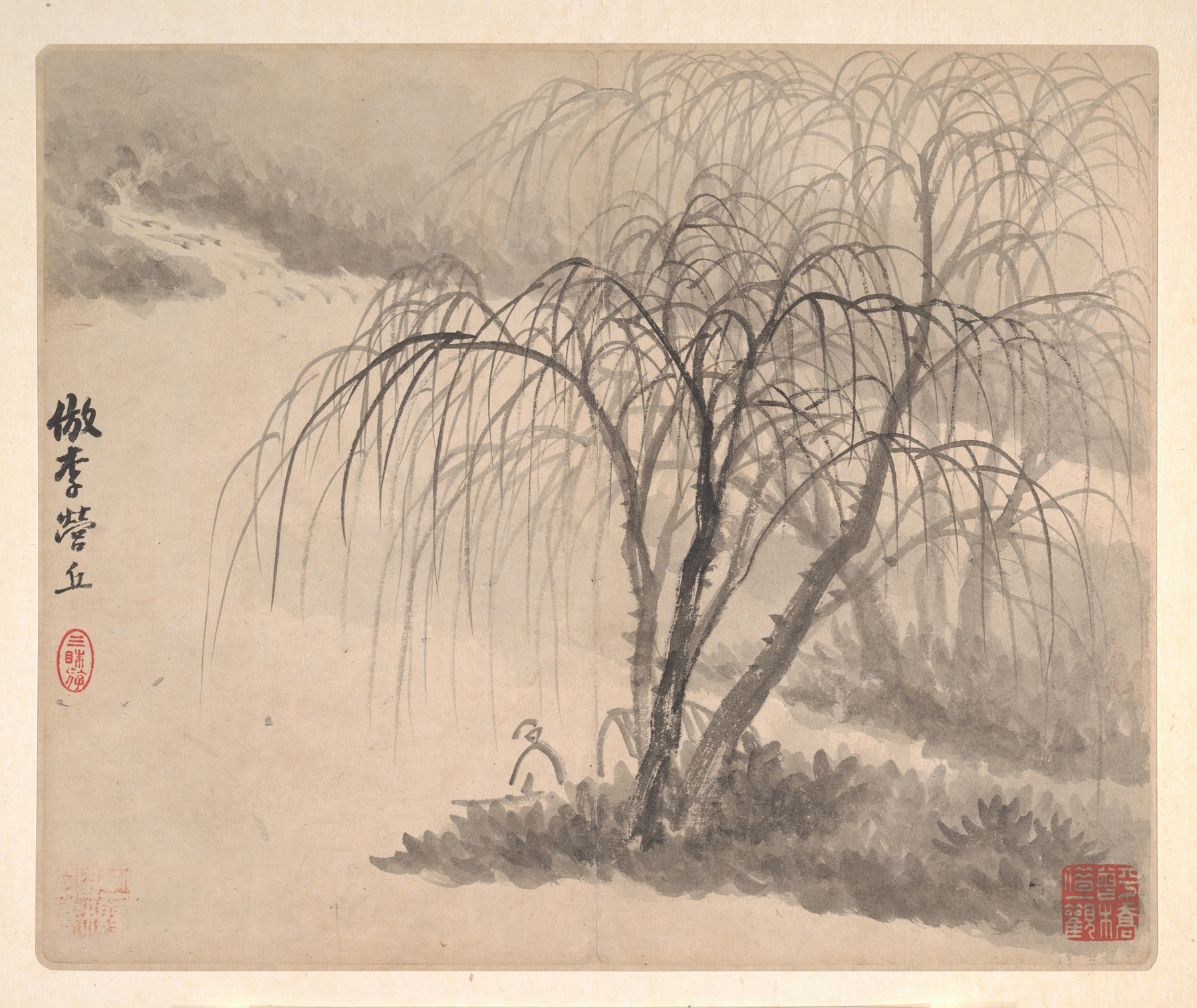
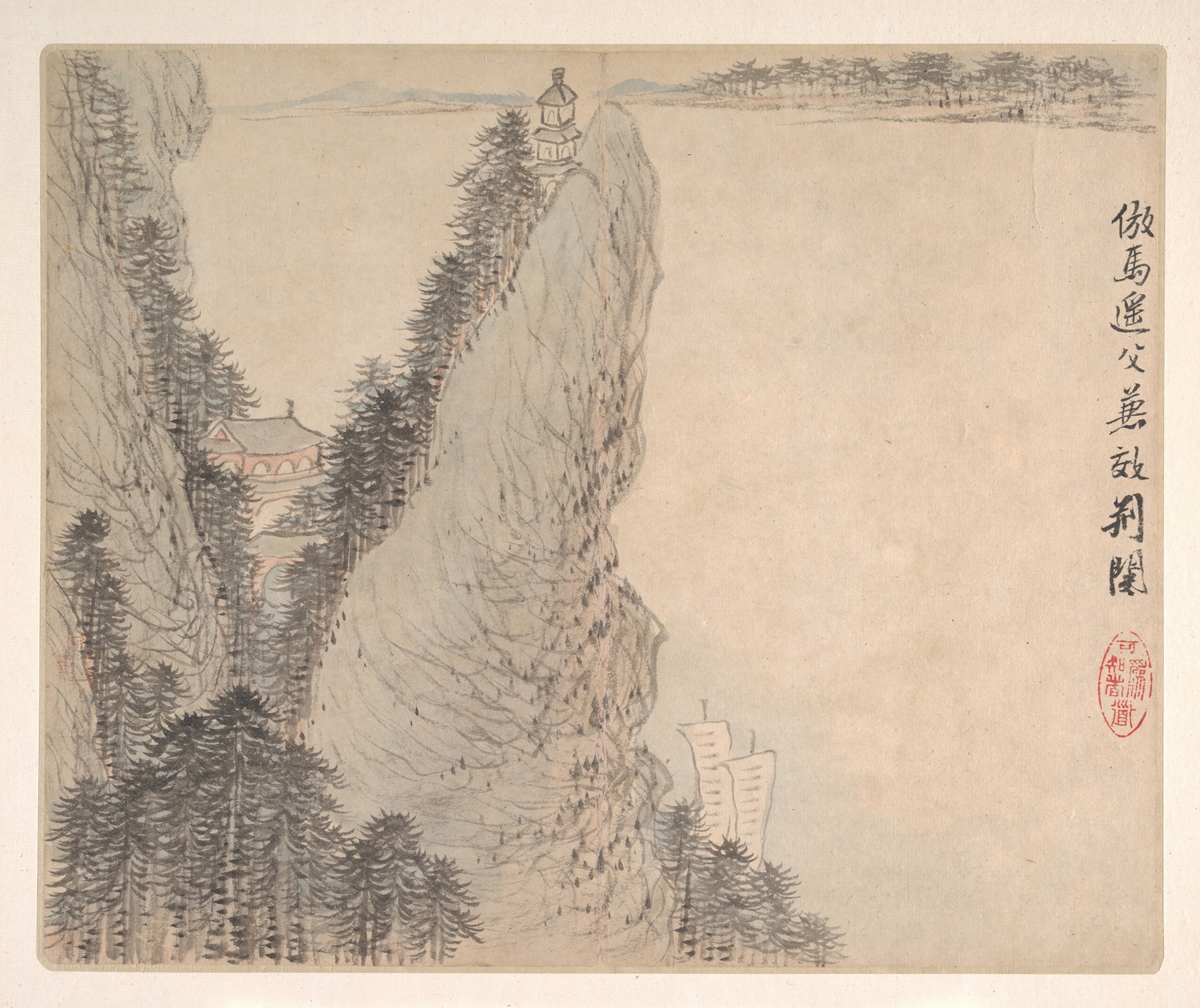
“Every silence here is a confession.” In this masterpiece, light becomes both a medium and a message, revealing the soul of the landscapes and their histories intertwined with the Old Masters' legacies. Look to the upper left where a soft, golden light spills across the serene horizon, casting gentle shadows that dance upon the undulating hills. The artist employs a delicate palette of earthy tones—rich umbers and muted greens—that breathe life into the scene, inviting the viewer to wander through the softly painted contours. Notice how the brushwork varies, from smooth strokes that evoke tranquility to more dynamic applications that suggest movement, echoing nature's ever-changing spirit.
Within this calm, a deeper narrative unfolds: contrasting the serene beauty of the landscapes with the hidden chaos of their origins. The interplay of light and shadow hints at the duality of existence—joy intertwined with melancholy, the beauty of nature juxtaposed against the weight of history. Each element, every tree and cloud, seems to whisper secrets of time, revealing the fragility of the moment captured and the imprints left by those who came before.
During the late 17th century, the artist painted this work in a period marked by a growing interest in blending Eastern and Western artistic traditions. Mei Qing's exploration of landscapes not only reflects a personal quest for identity within the broader artistic dialogue but also resides within a larger context of cultural exchange. At that time, his work emerged as a testament to the evolving landscape of art, bridging the past and present.