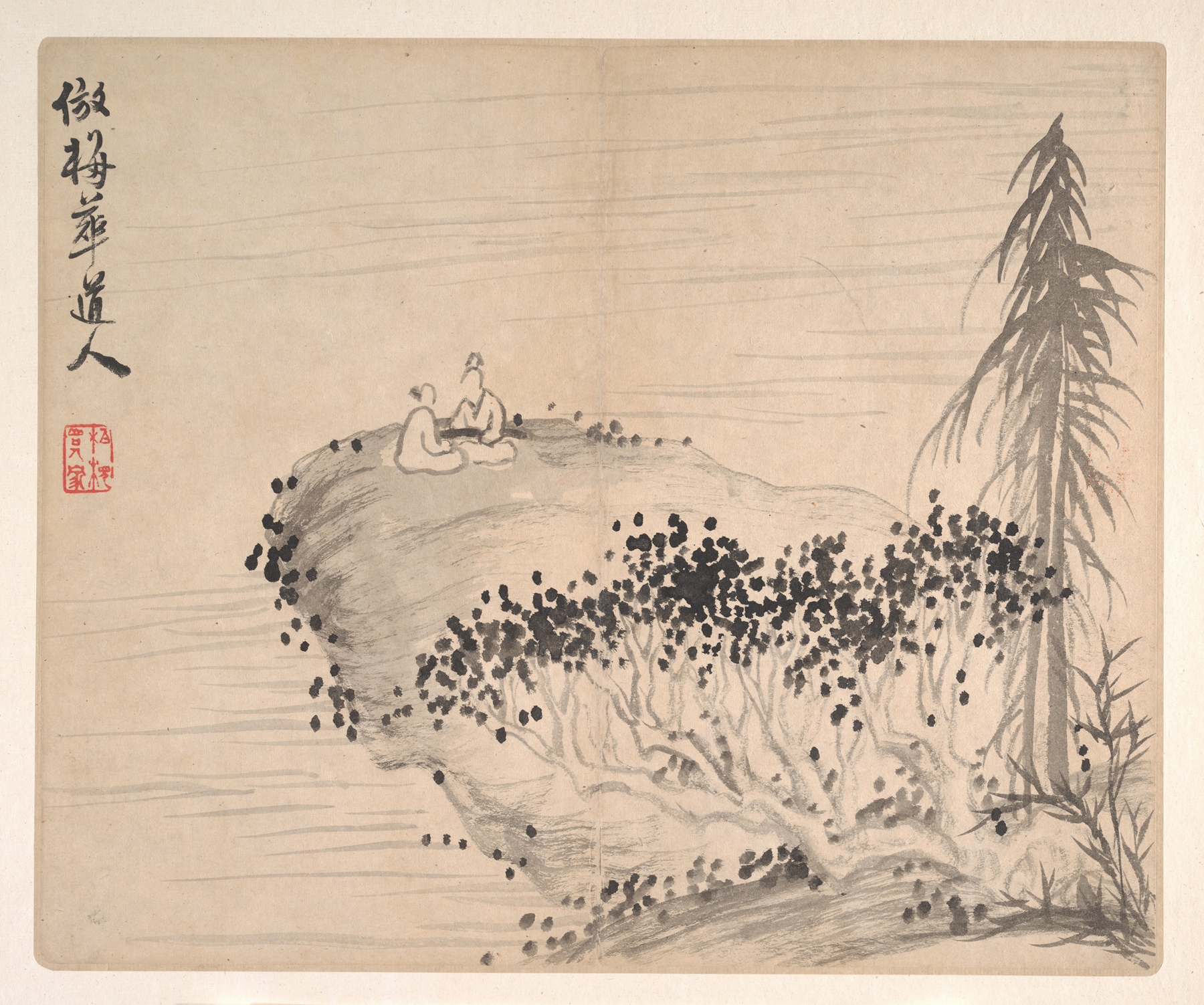
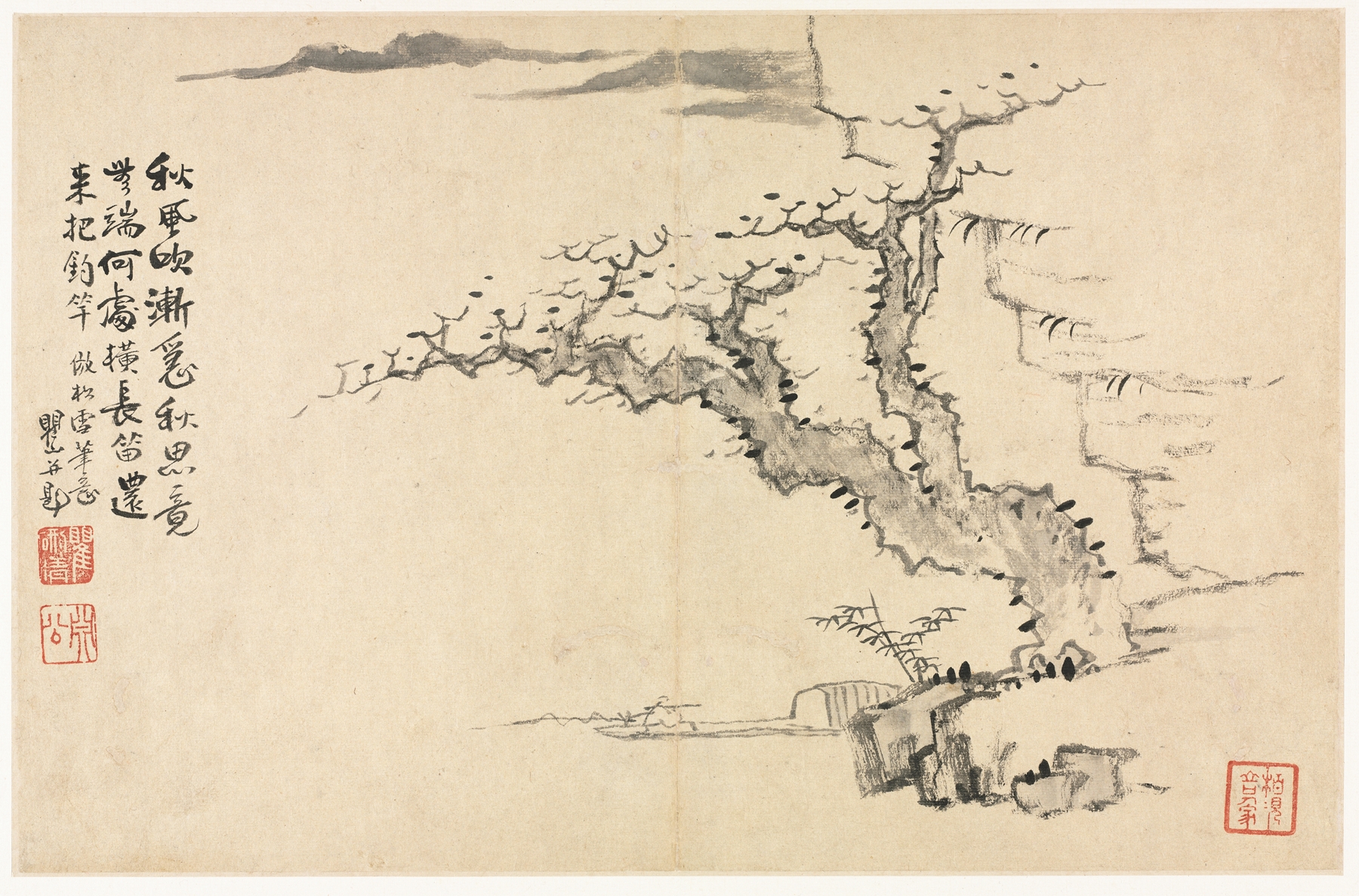
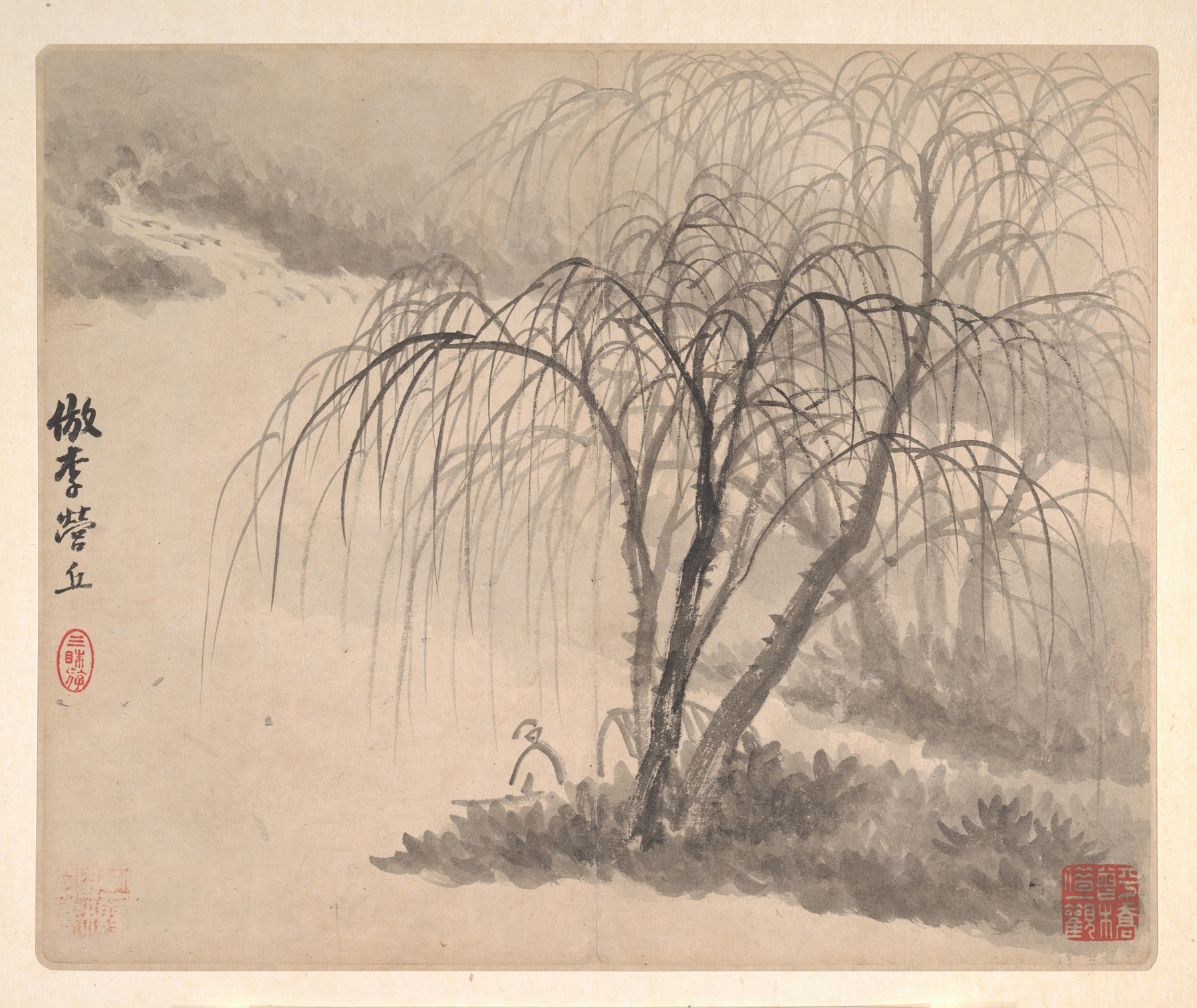
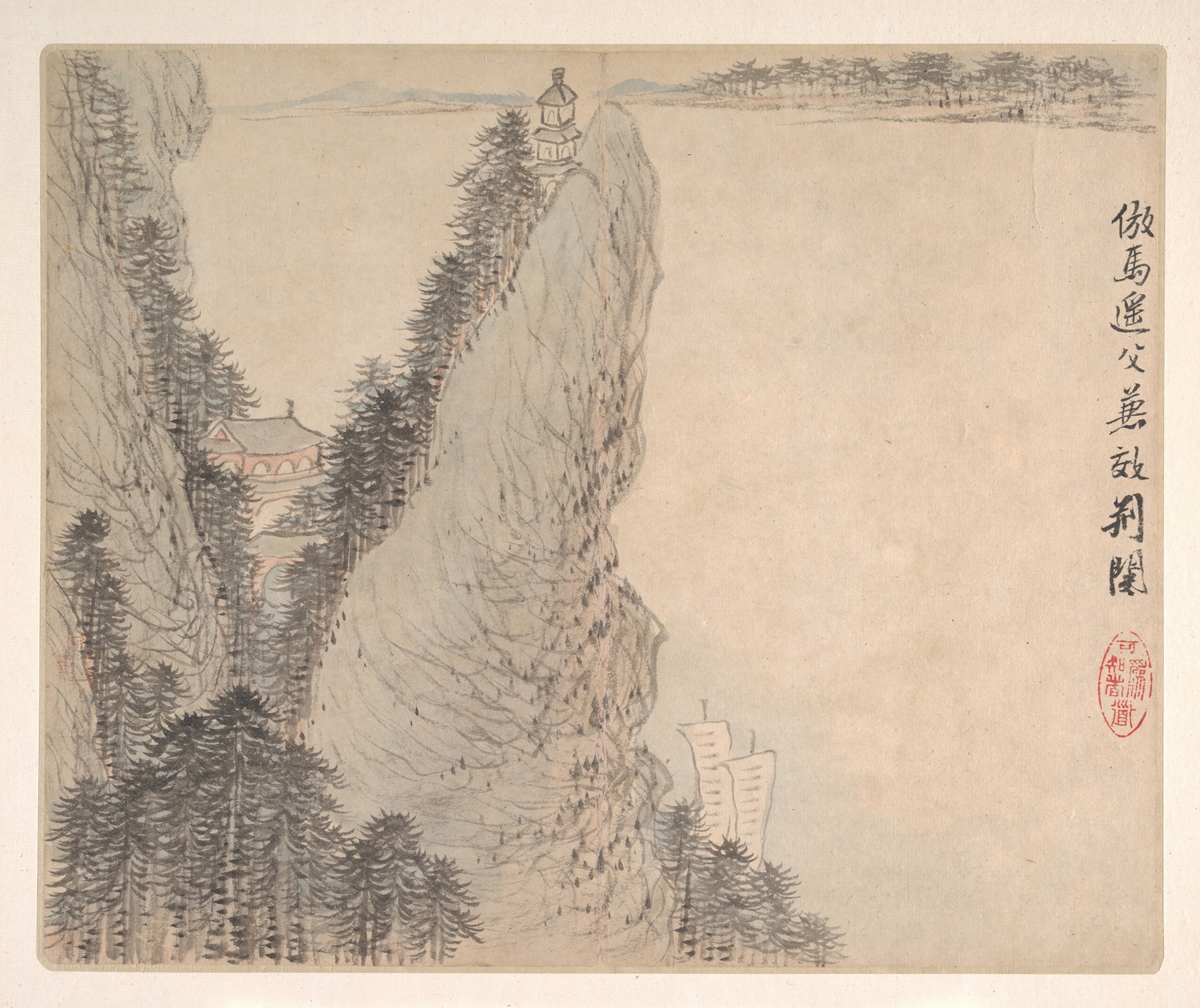
Landscapes in Various Styles after Old Masters 2 — History & Analysis
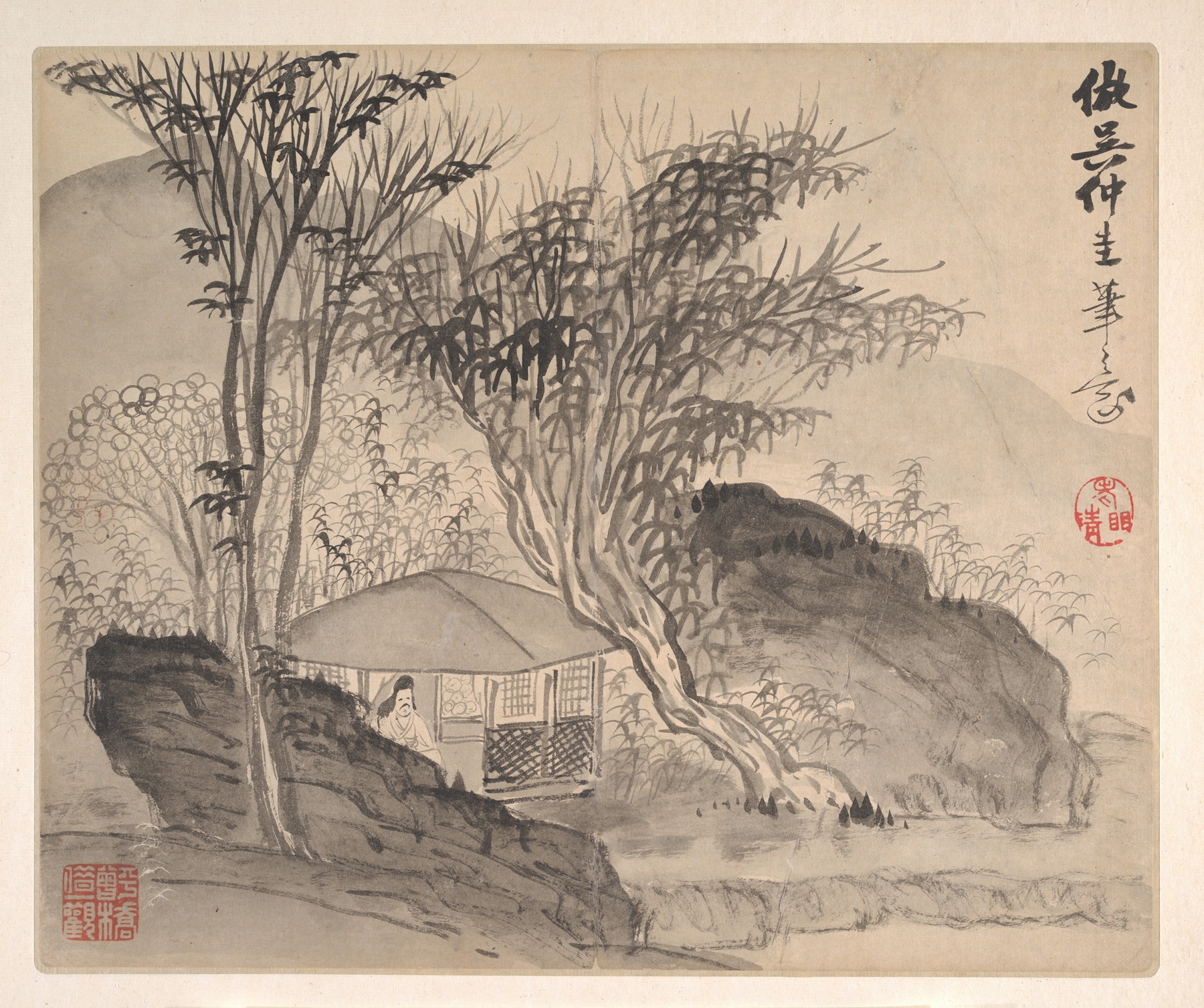
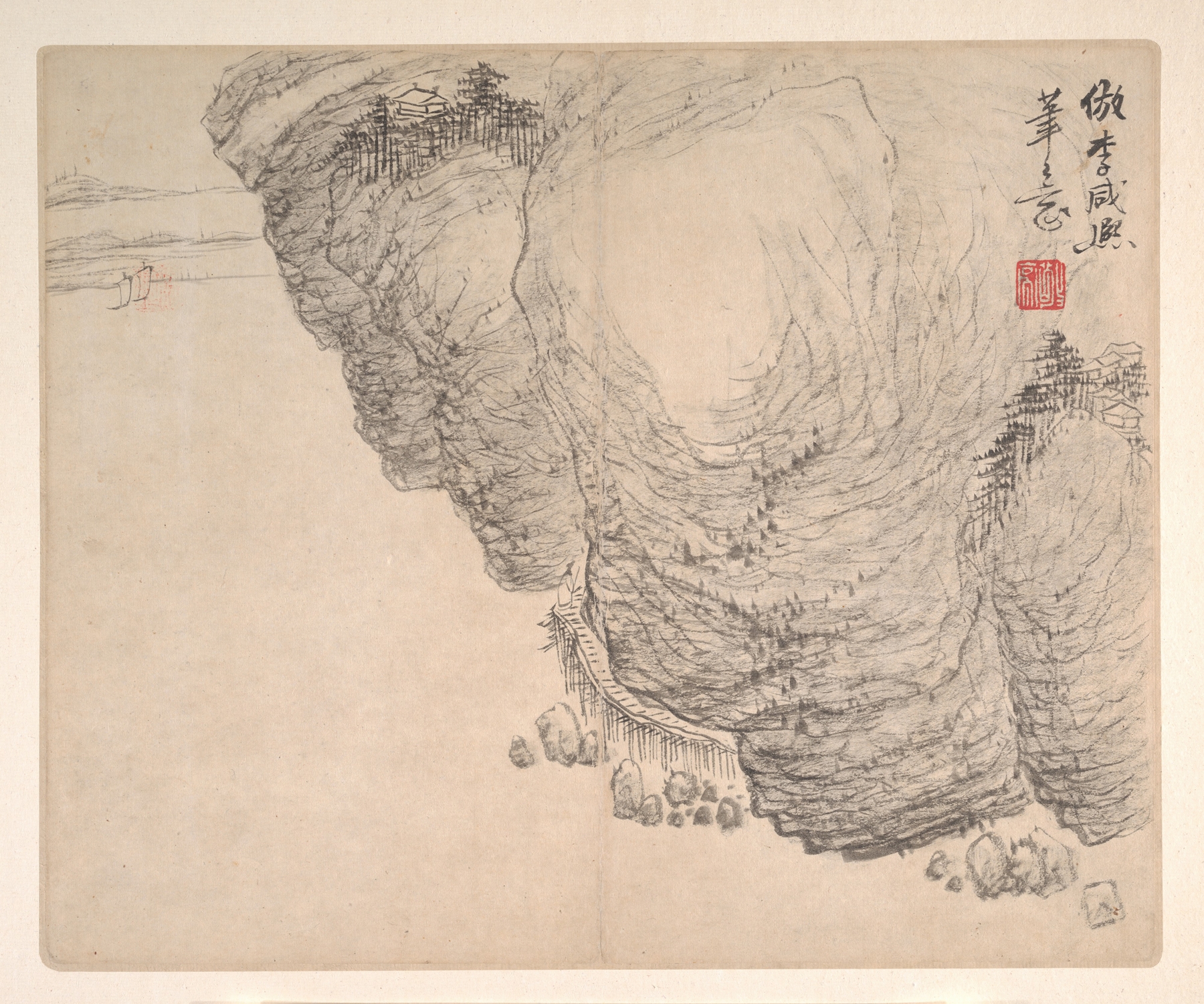
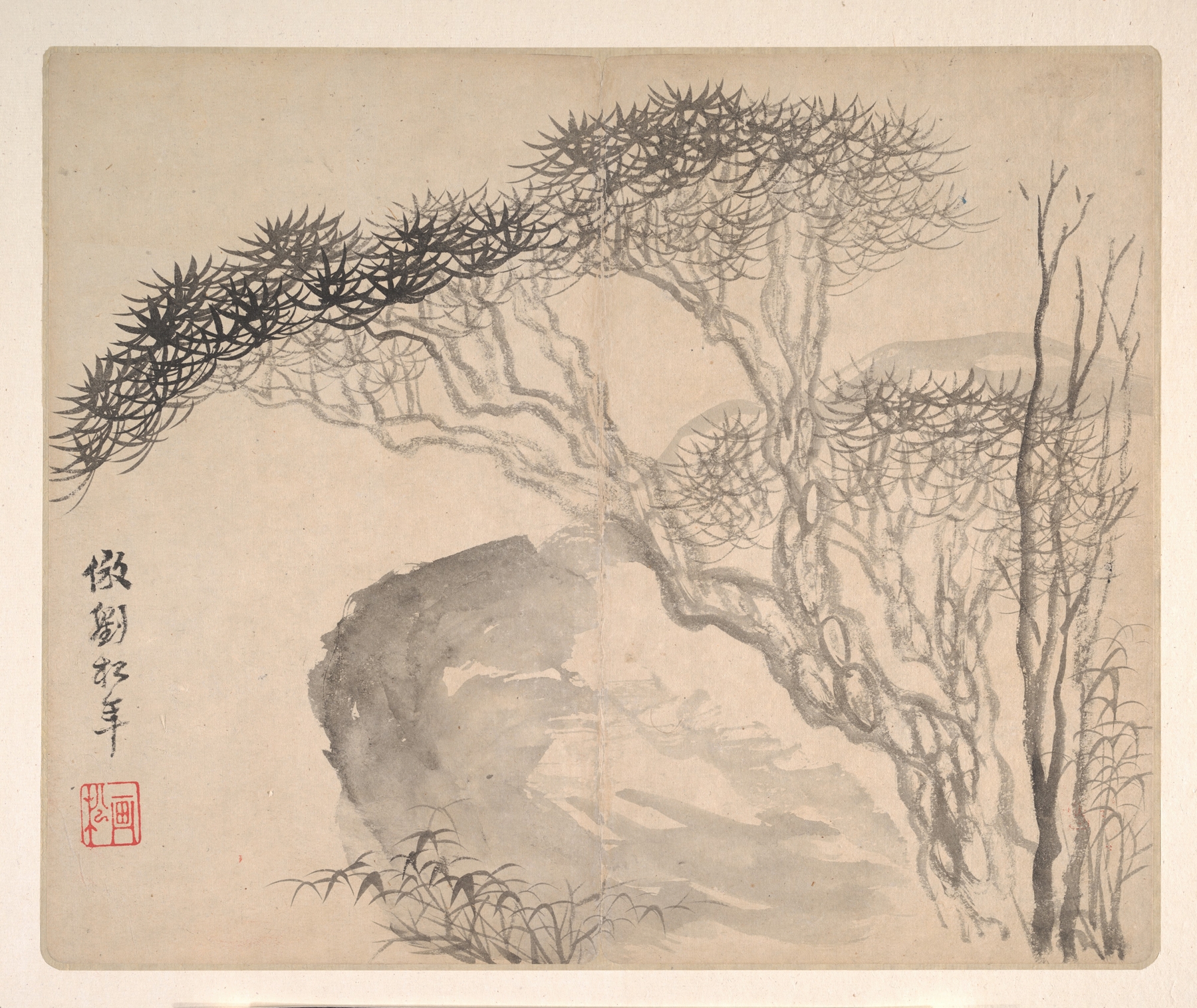
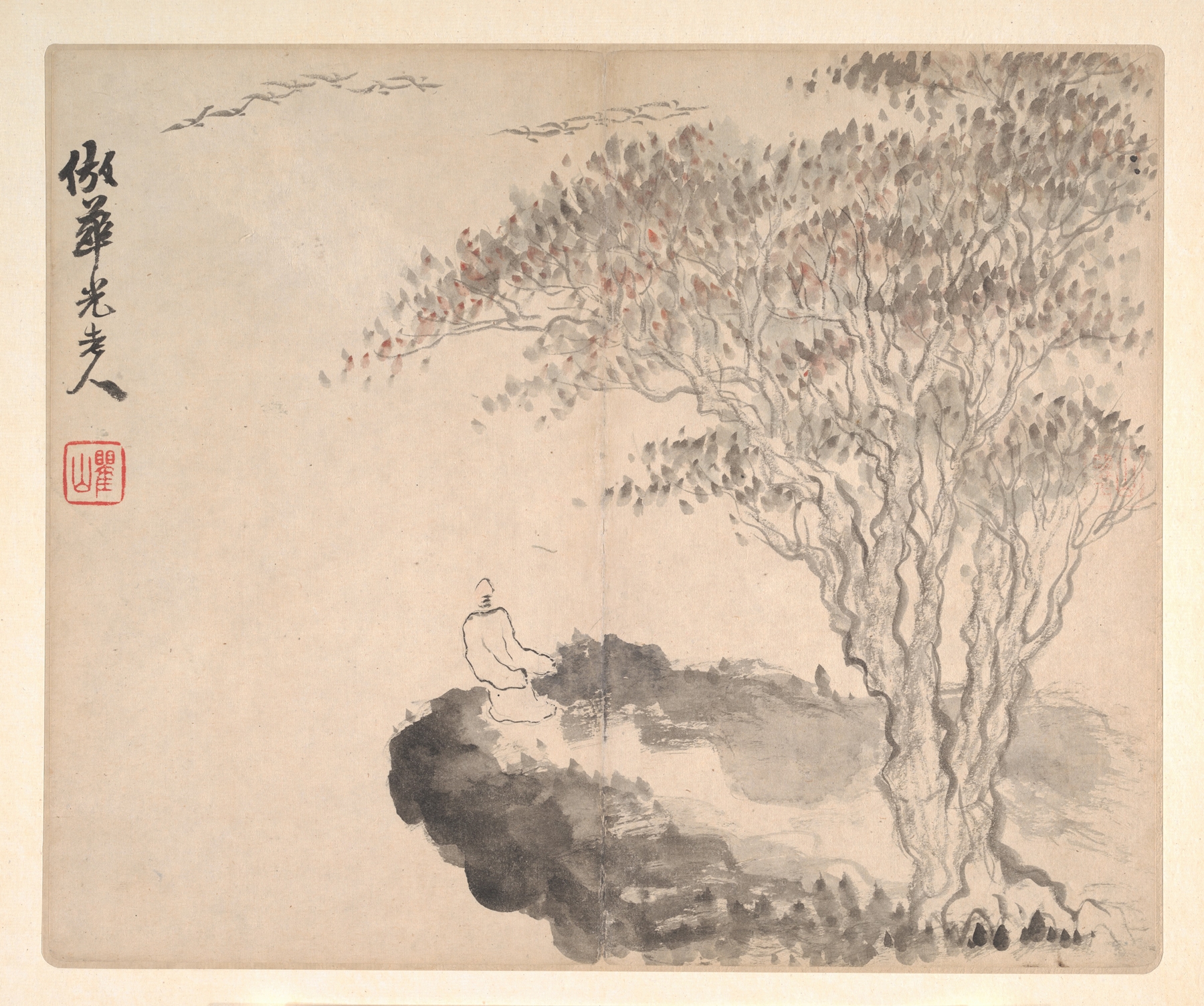
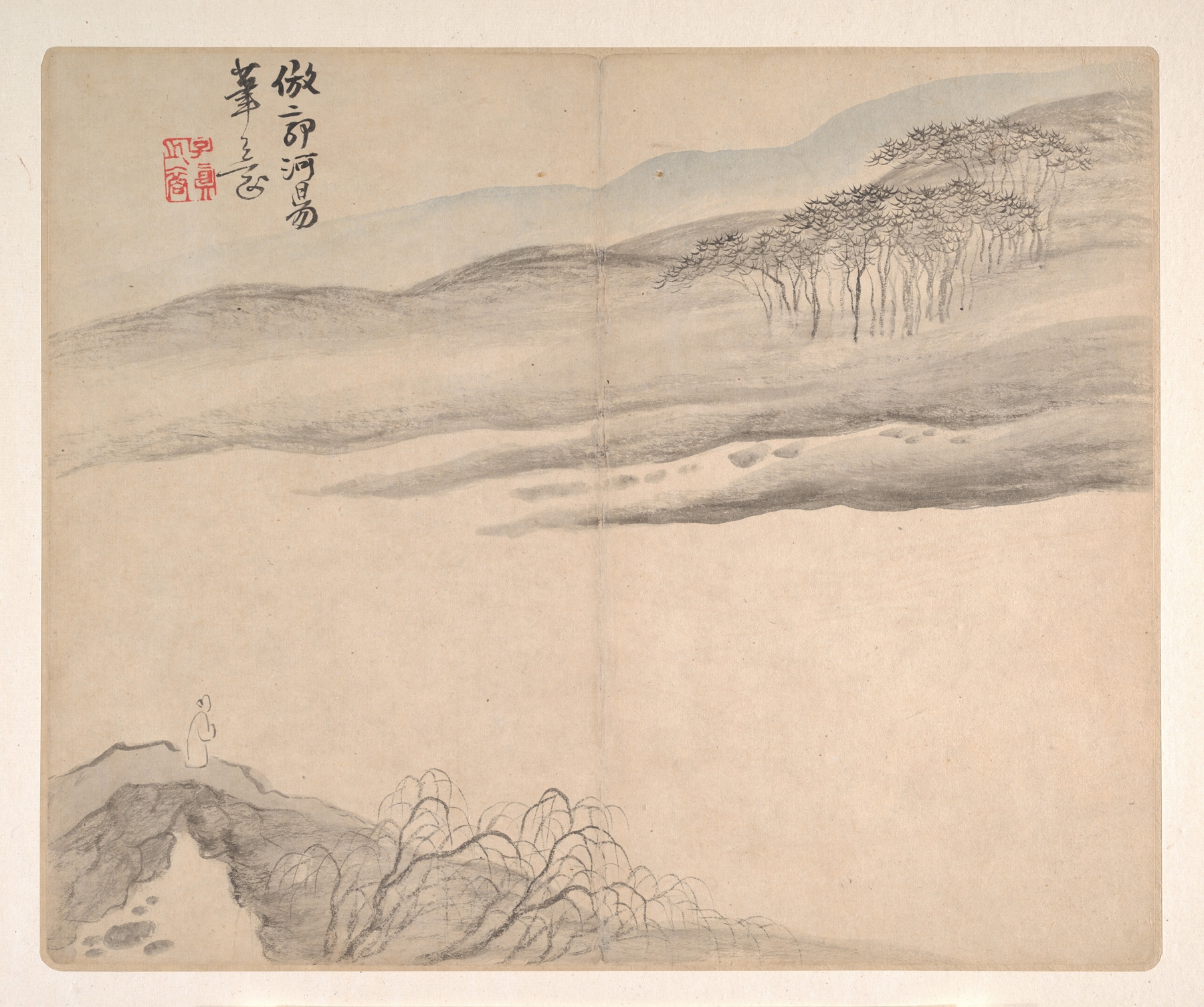
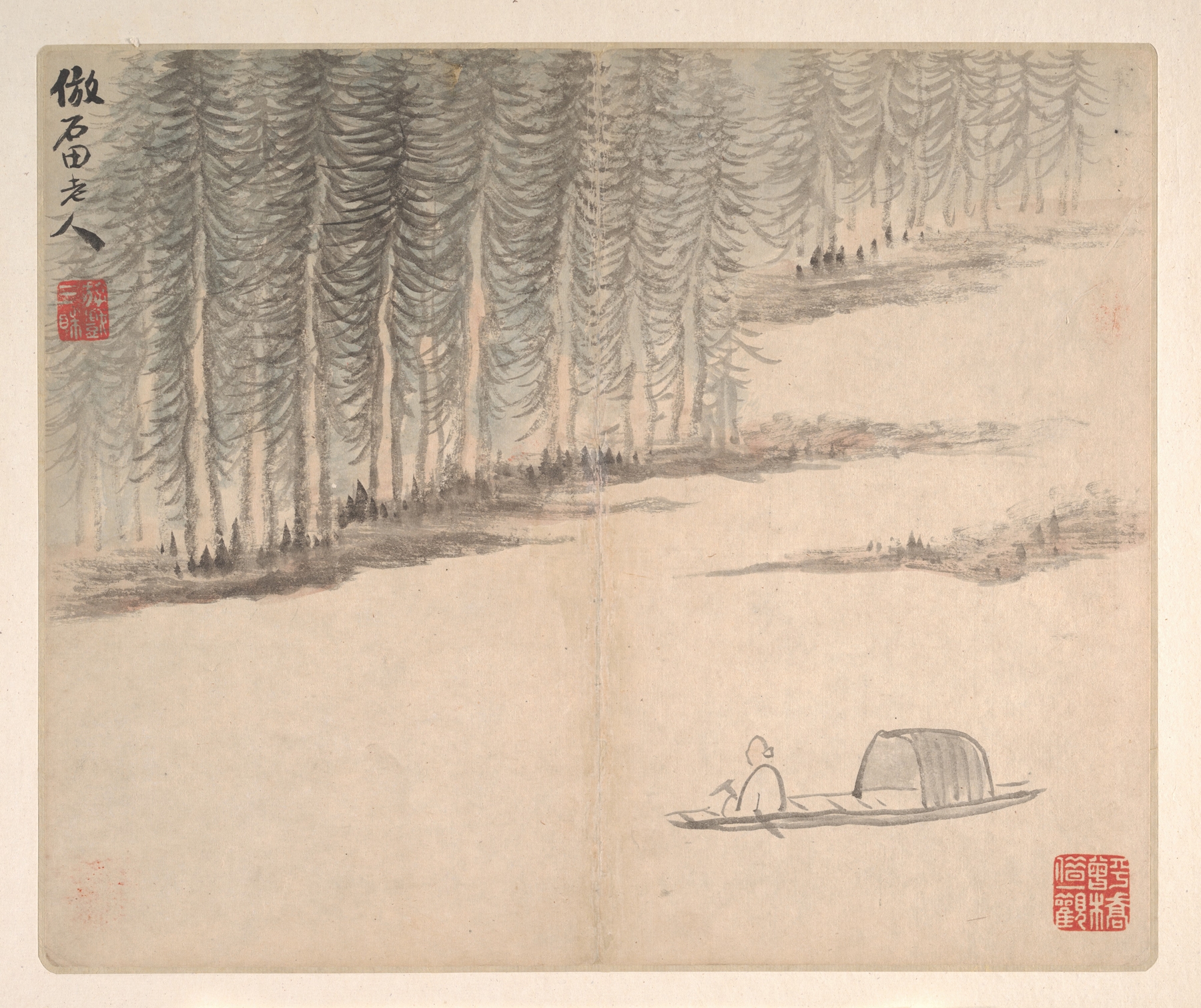
“Every brushstroke is a heartbeat remembered.” In a world where tradition often looms larger than the individual, how do we navigate the echoes of past betrayals and triumphs? Look to the left at the subtle interplay of hues, where verdant greens meet the somber browns. The lushness of the landscape seems to breathe, a tapestry woven with meticulous detail that draws the eye deeper into the canvas. Notice how the strokes vary: some gentle and flowing, others sharp and defined, evoking the duality of serenity and conflict embedded in the very essence of nature.
The composition masterfully balances chaos and tranquility, inviting contemplation of the artist’s intent. Beneath the surface, a tension simmers. Each element of the landscape may embody the betrayal of tradition itself—a reinterpretation that hints at rebellion against the constraints of established styles. The vibrant yet shadowed skies suggest a struggle between light and dark, reflecting an emotional landscape of disillusionment.
In this intricate web of color and form, the viewer senses an undercurrent of longing for authenticity amidst the weight of historical expectation. During the late 17th century, Mei Qing created this work while exploring the boundaries of traditional Chinese landscape painting. Residing in a time marked by shifting cultural paradigms, he immersed himself in the legacies of the old masters while forging a path that intertwined homage with innovation. The result is a union of nostalgia and modernity, capturing not only the physical beauty of the world but also the complexities of the artist’s own evolving identity.