Landscapes in Various Styles after Old Masters 3 — History & Analysis
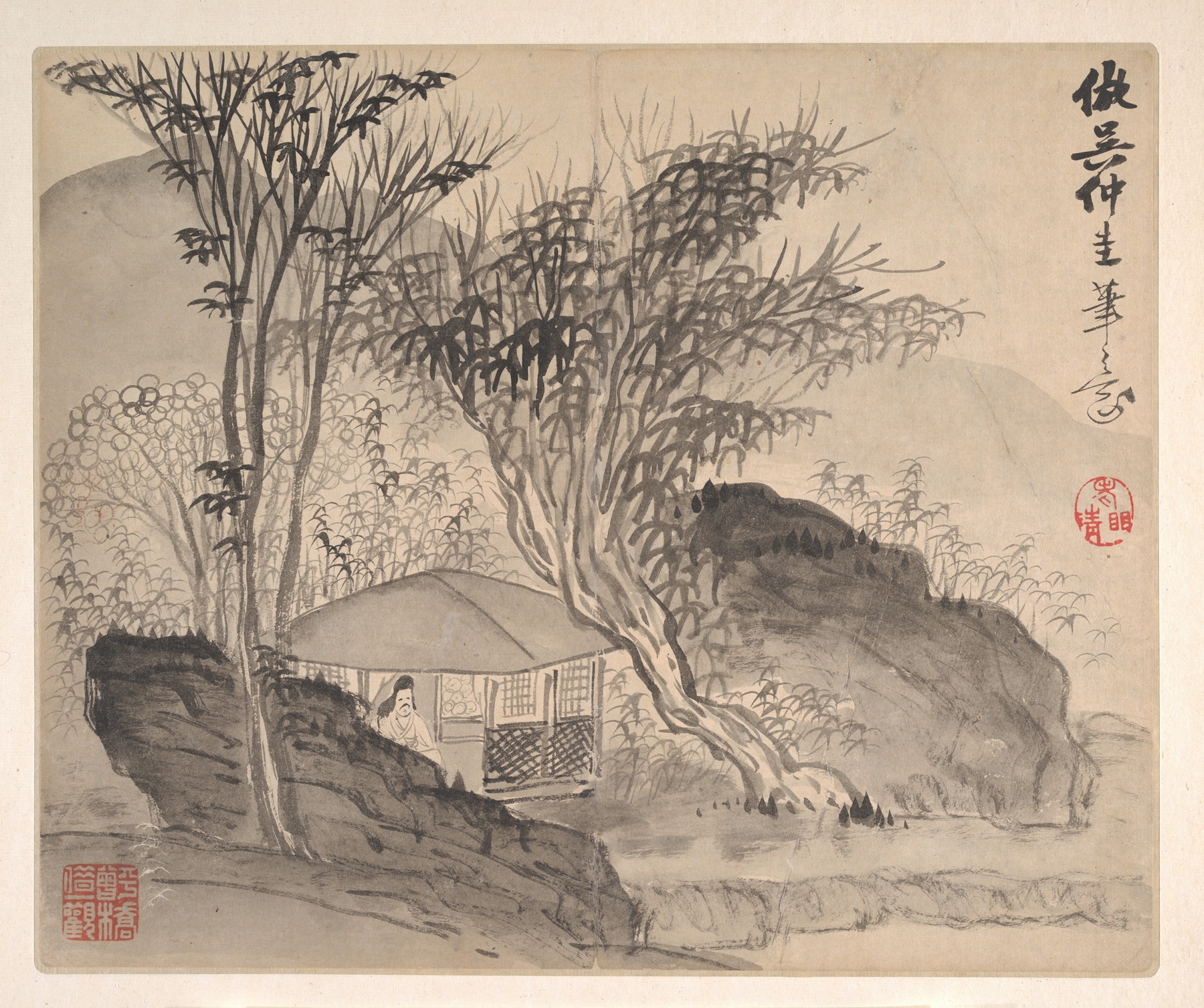
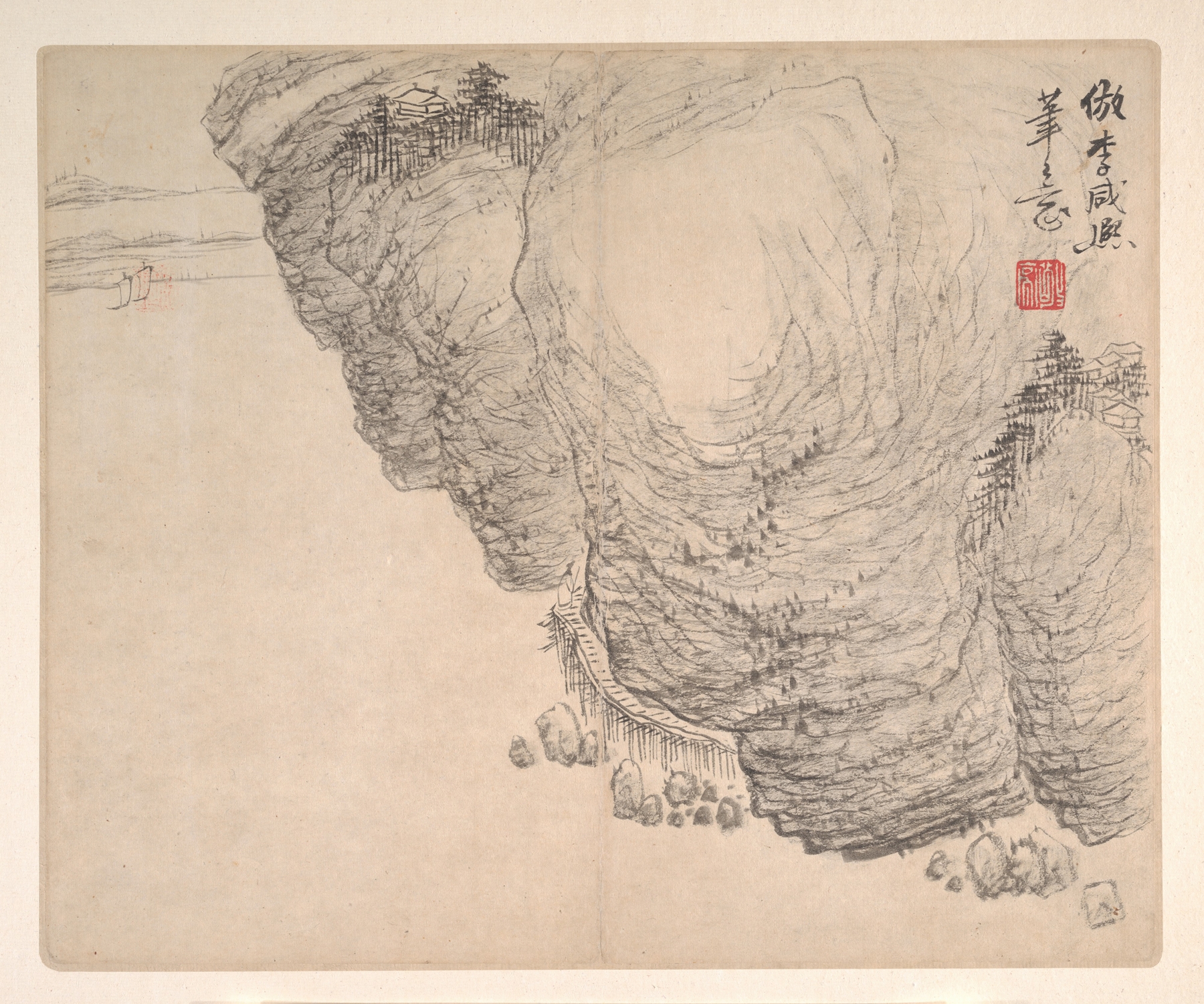
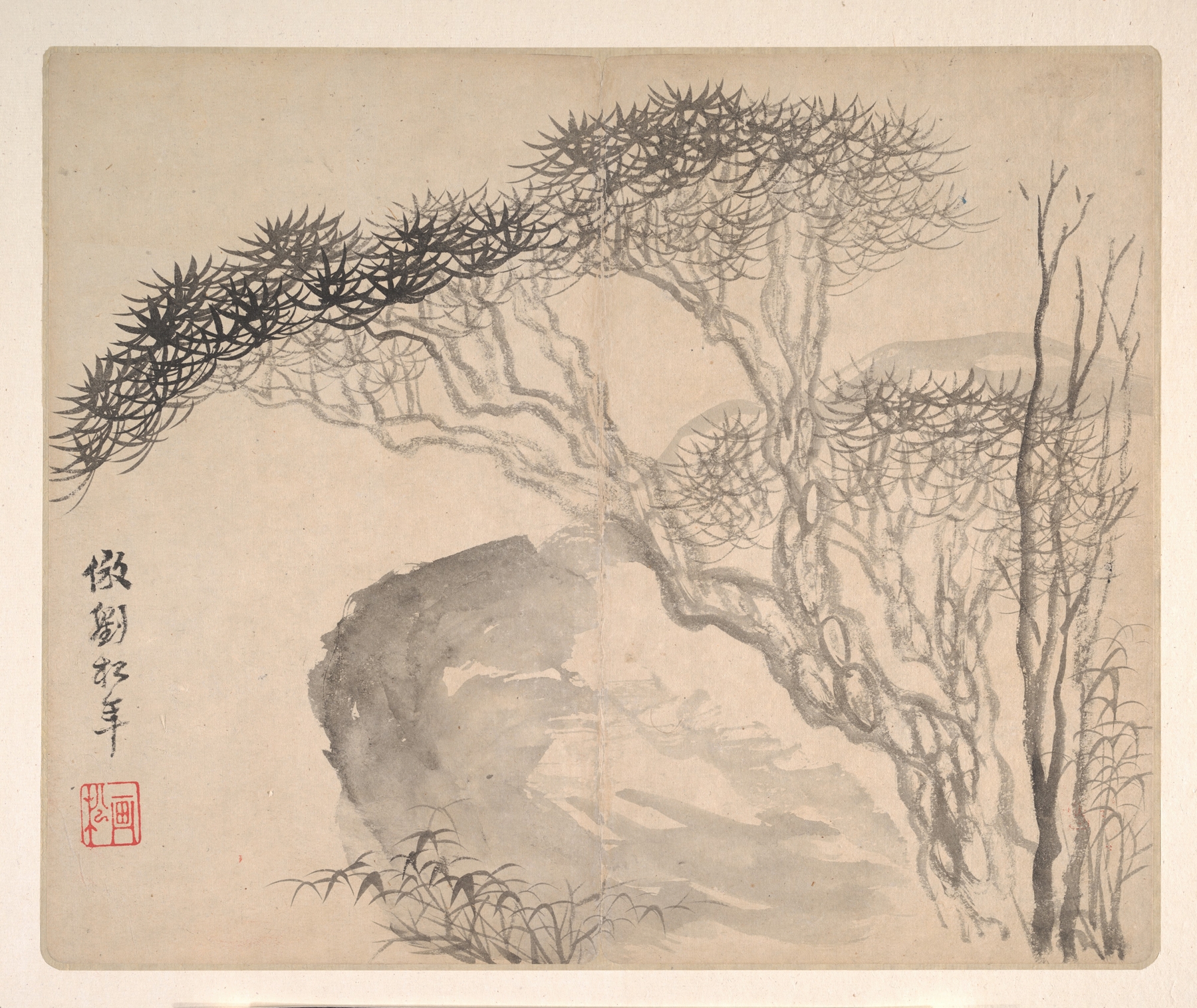
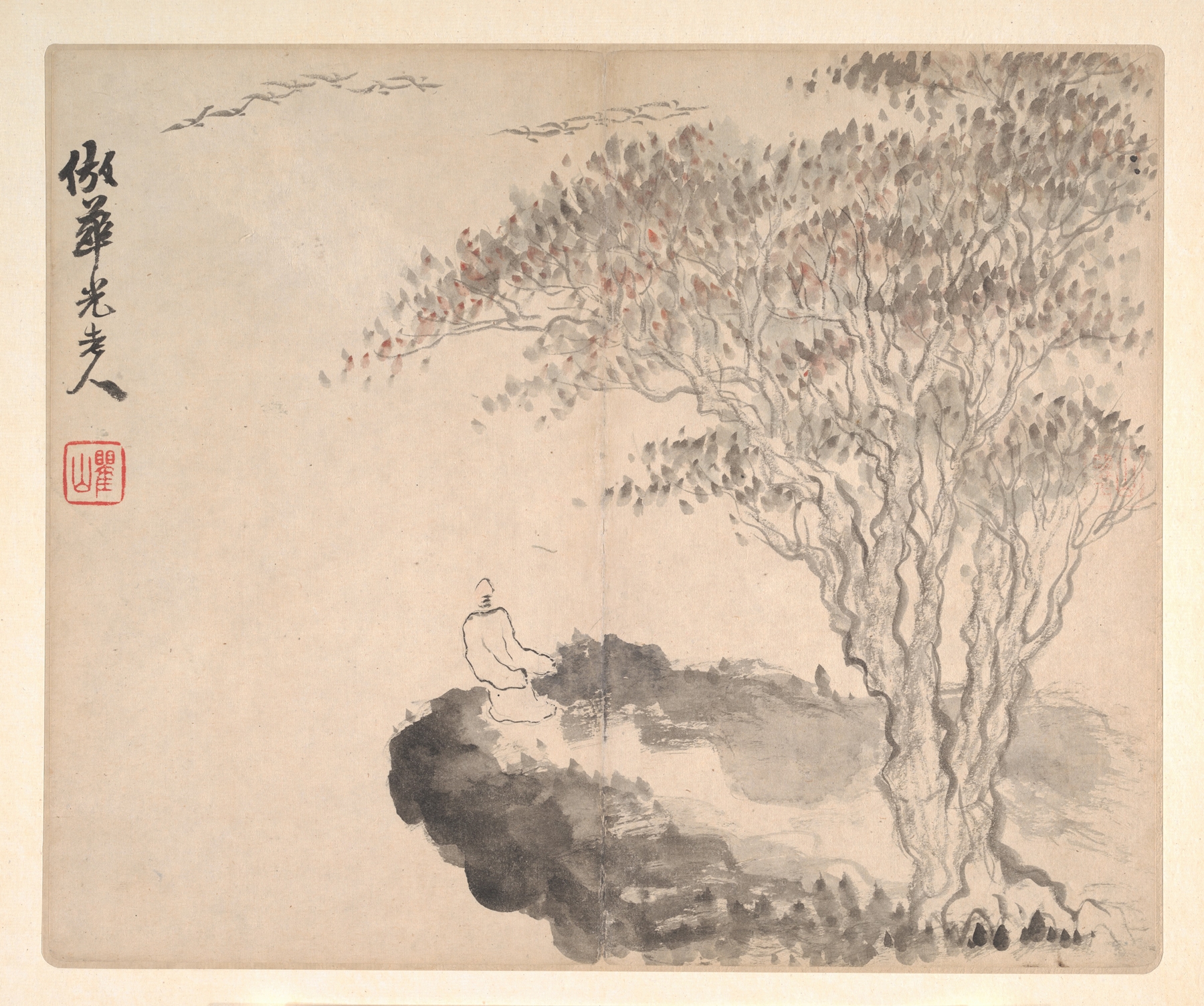
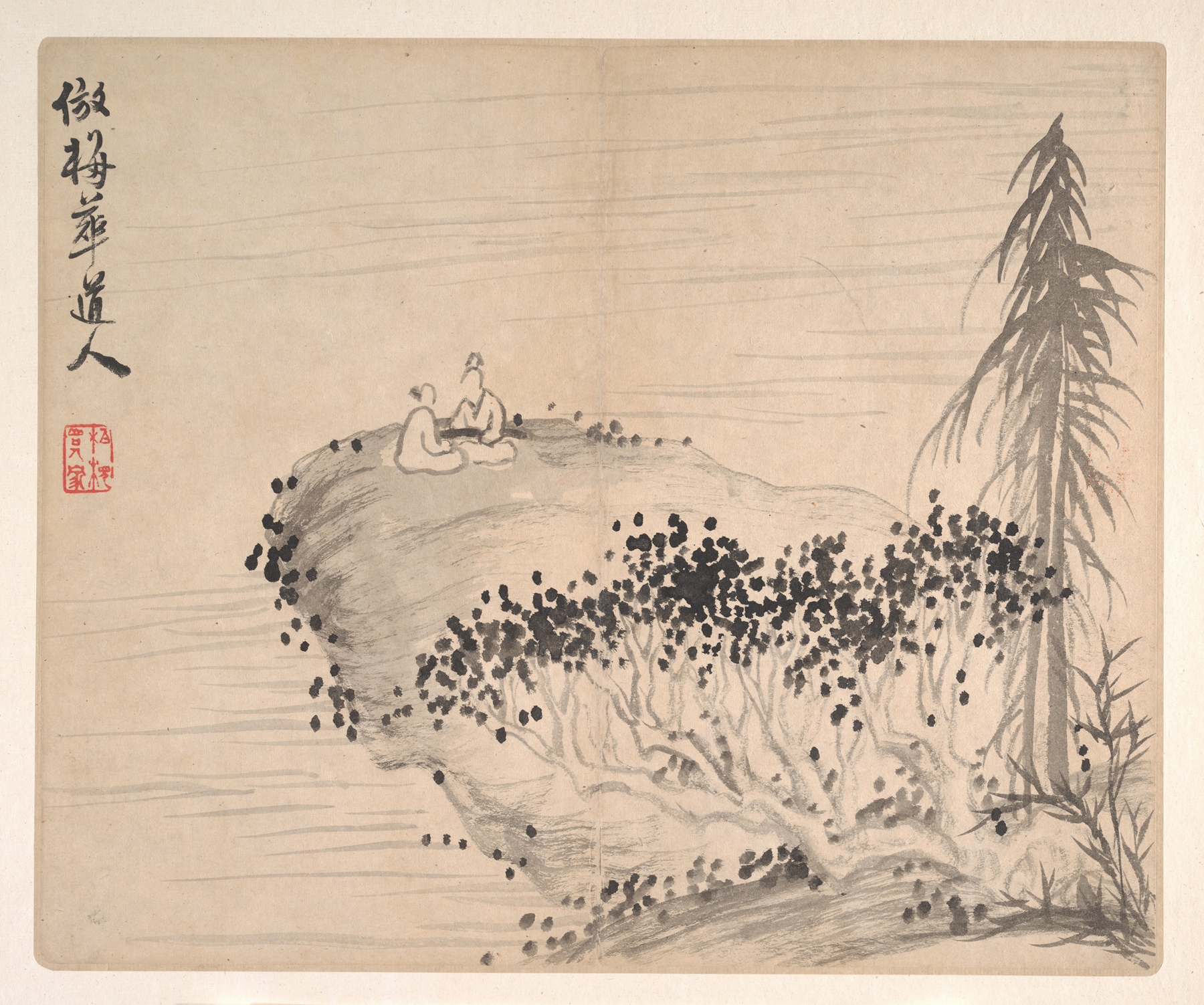
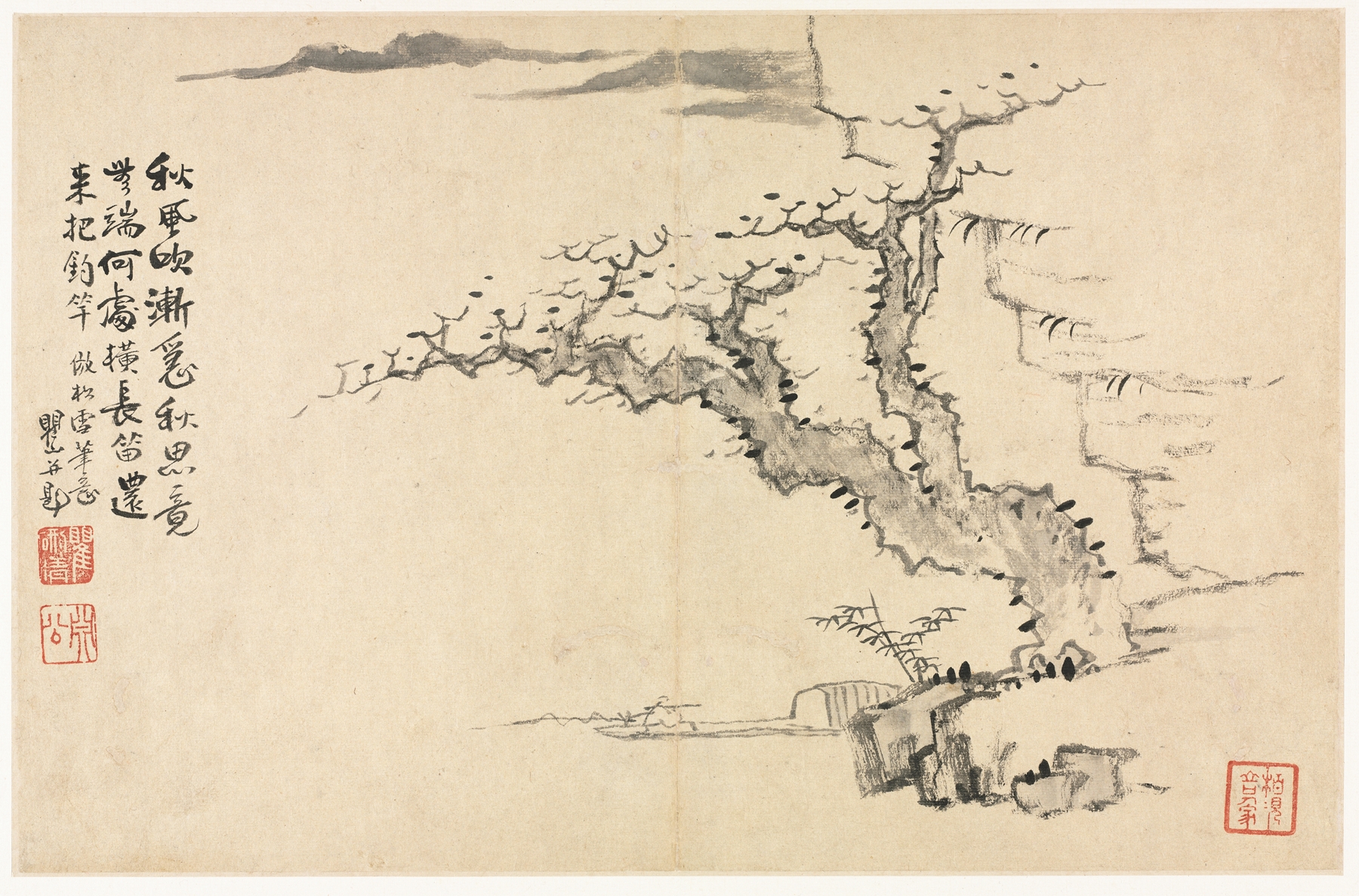
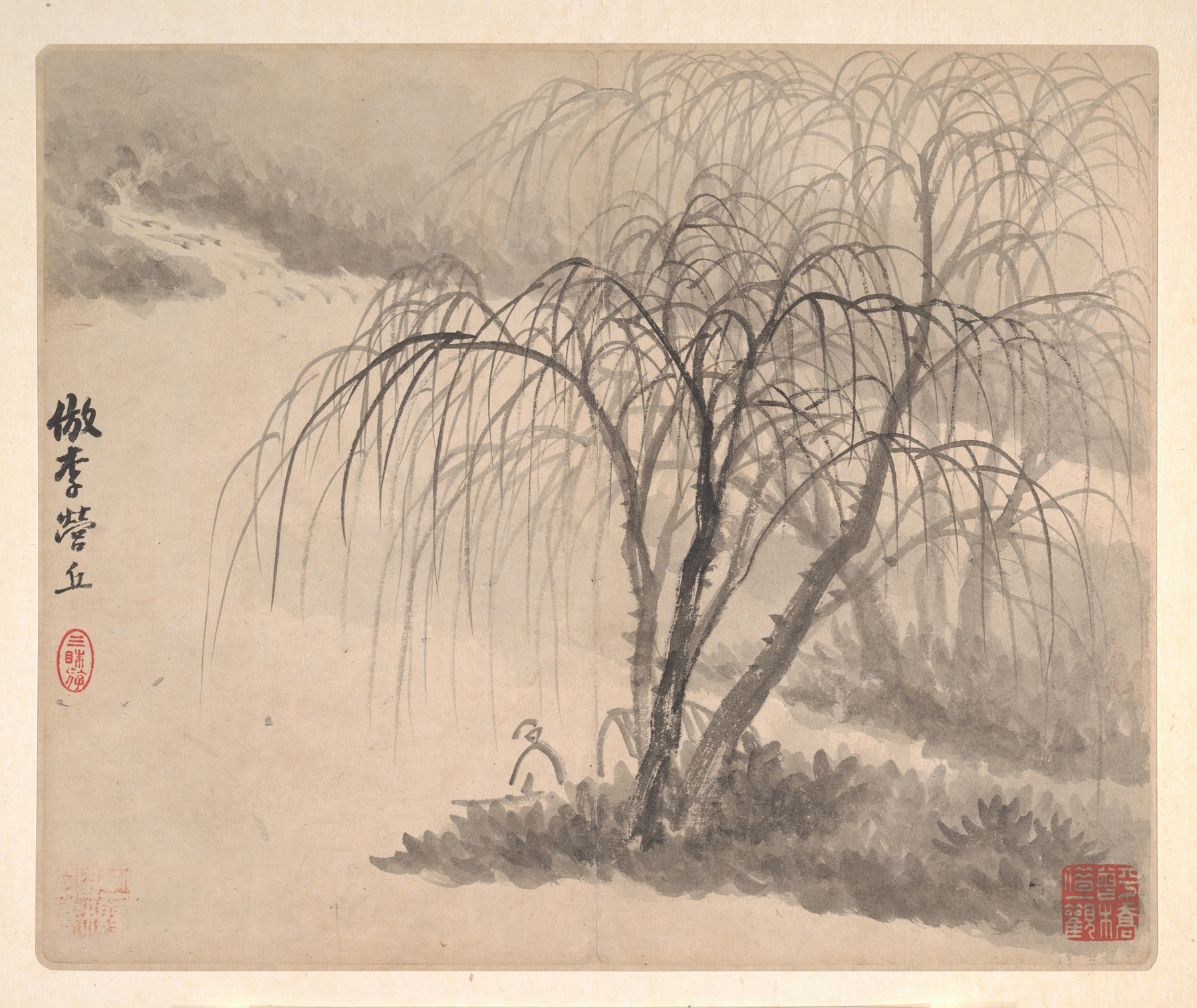
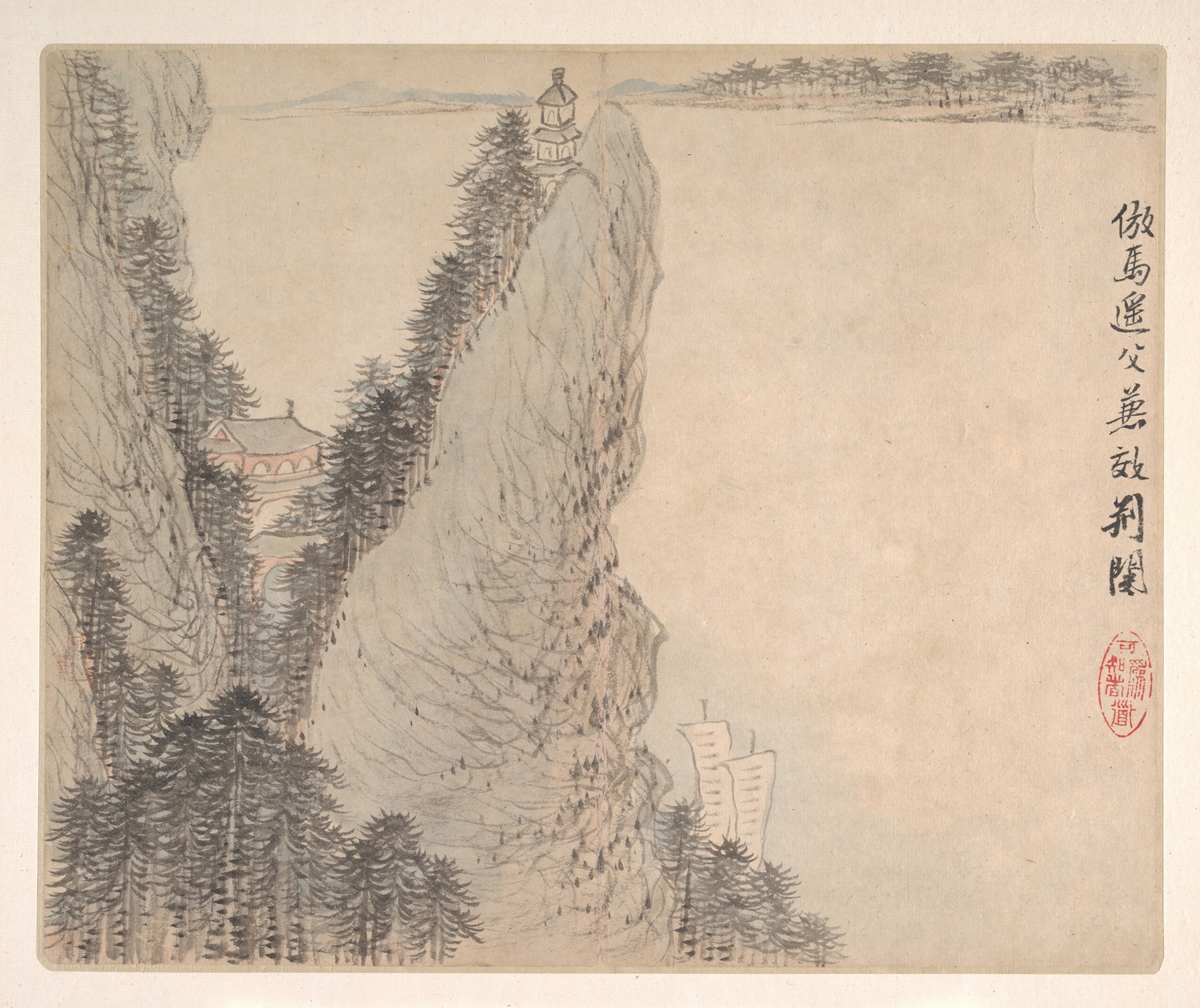
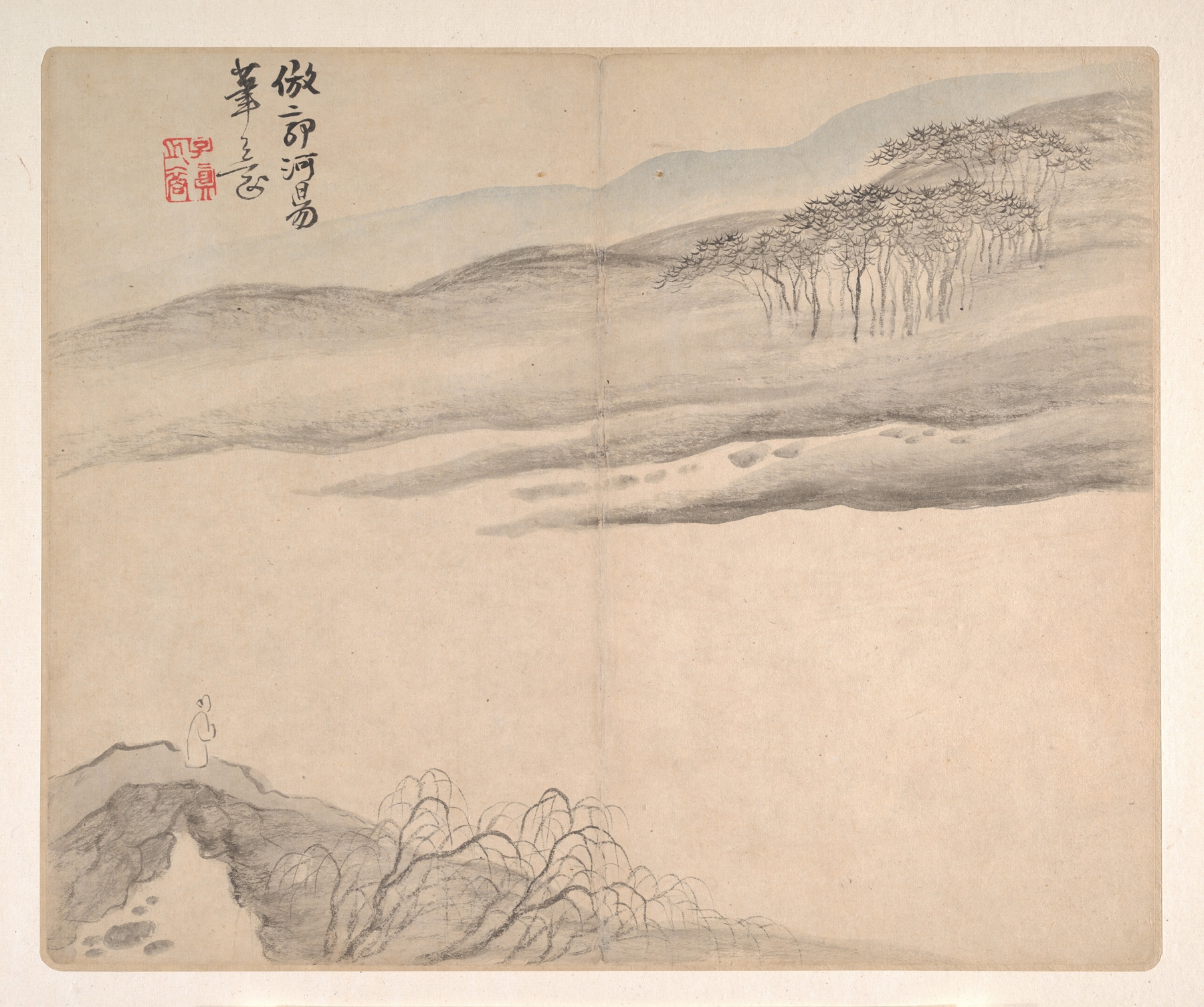
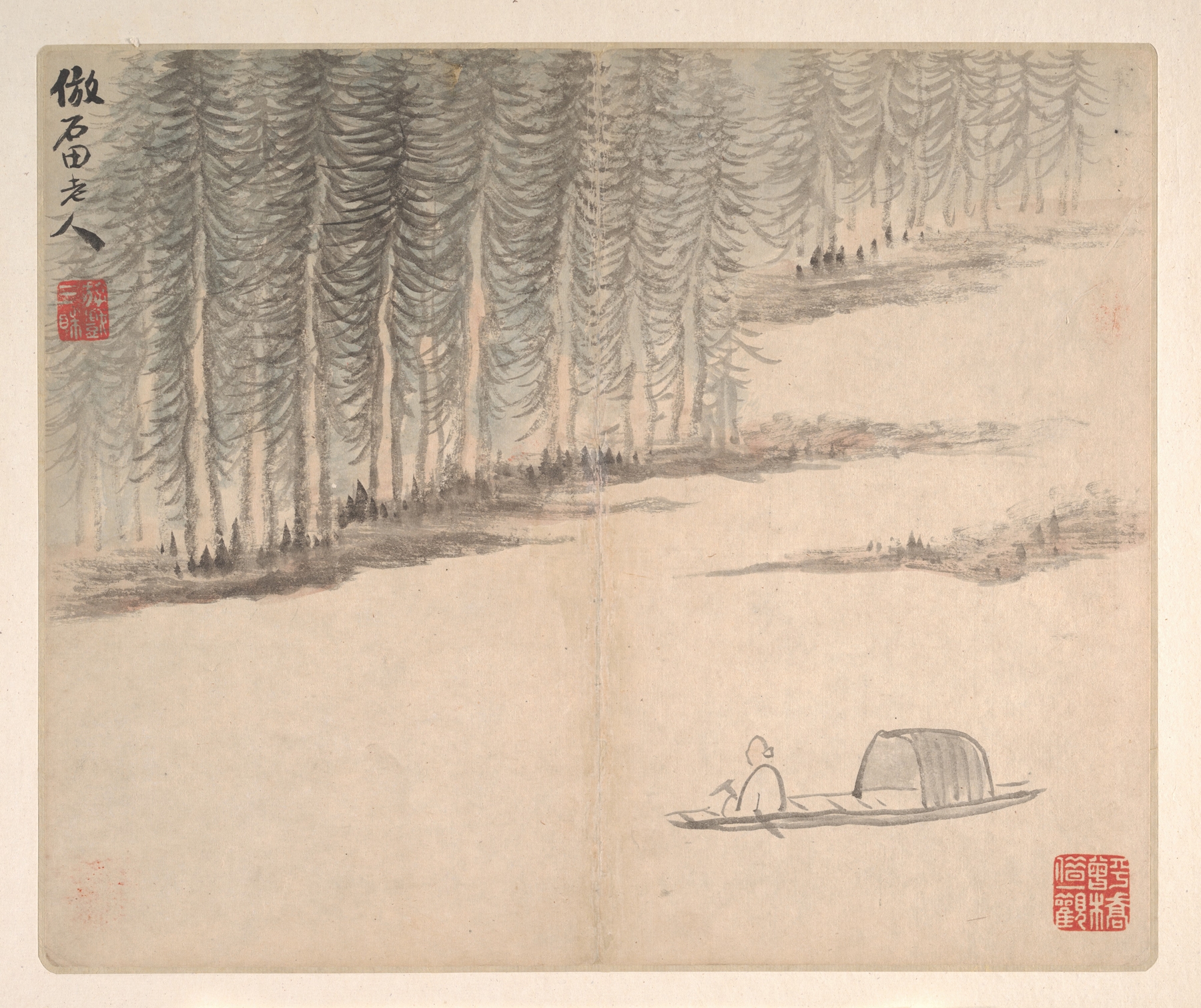
Can paint confess what words never could? The essence of innocence captured through brushstrokes echoes deeply, inviting contemplation and humility. Look to the left at the gentle sweep of rolling hills, where the delicate greens merge seamlessly into a soft blue sky. The interplay of light and shadow reveals the artist’s mastery; soft hues create a tranquil atmosphere that envelops the viewer.
Notice how the clouds, painted with fluid strokes, drift languidly overhead, suggesting a timelessness that transcends the scene. Each element is meticulously balanced, inviting the eye to wander through the layered compositions of shifting styles. The juxtaposition of various techniques evokes a dialogue between innocence and experience; the serene landscapes hint at a world untouched by chaos while subtly referencing the passage of time. Each brushstroke reflects an emotional tension, suggesting that even in beauty, there lies a sense of loss.
The innocence of the depicted scenes serves as both a refuge and a reminder of the fleeting nature of such purity, urging viewers to ponder the fragility of their own surroundings. During 1690, Mei Qing navigated a world rich in artistic evolution, positioned within the Ming Dynasty's aftermath. Experiencing a shift in style, he found inspiration in the techniques of Old Masters while simultaneously exploring his own interpretations. This work emerged during a period of introspection and cultural redefinition, mirroring both personal growth and the evolving narrative of Chinese art.