Landscapes in Various Styles after Old Masters 4 — History & Analysis
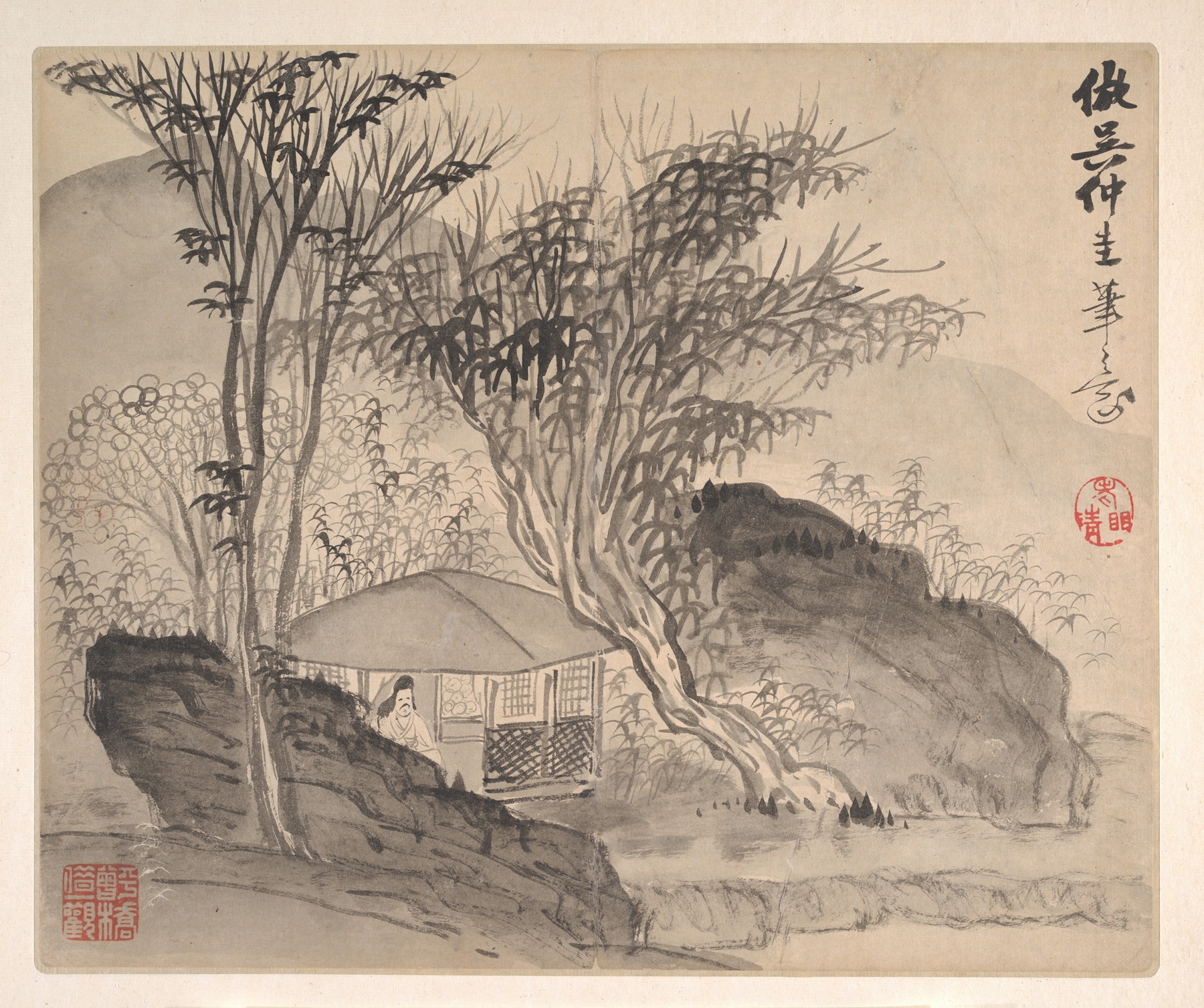
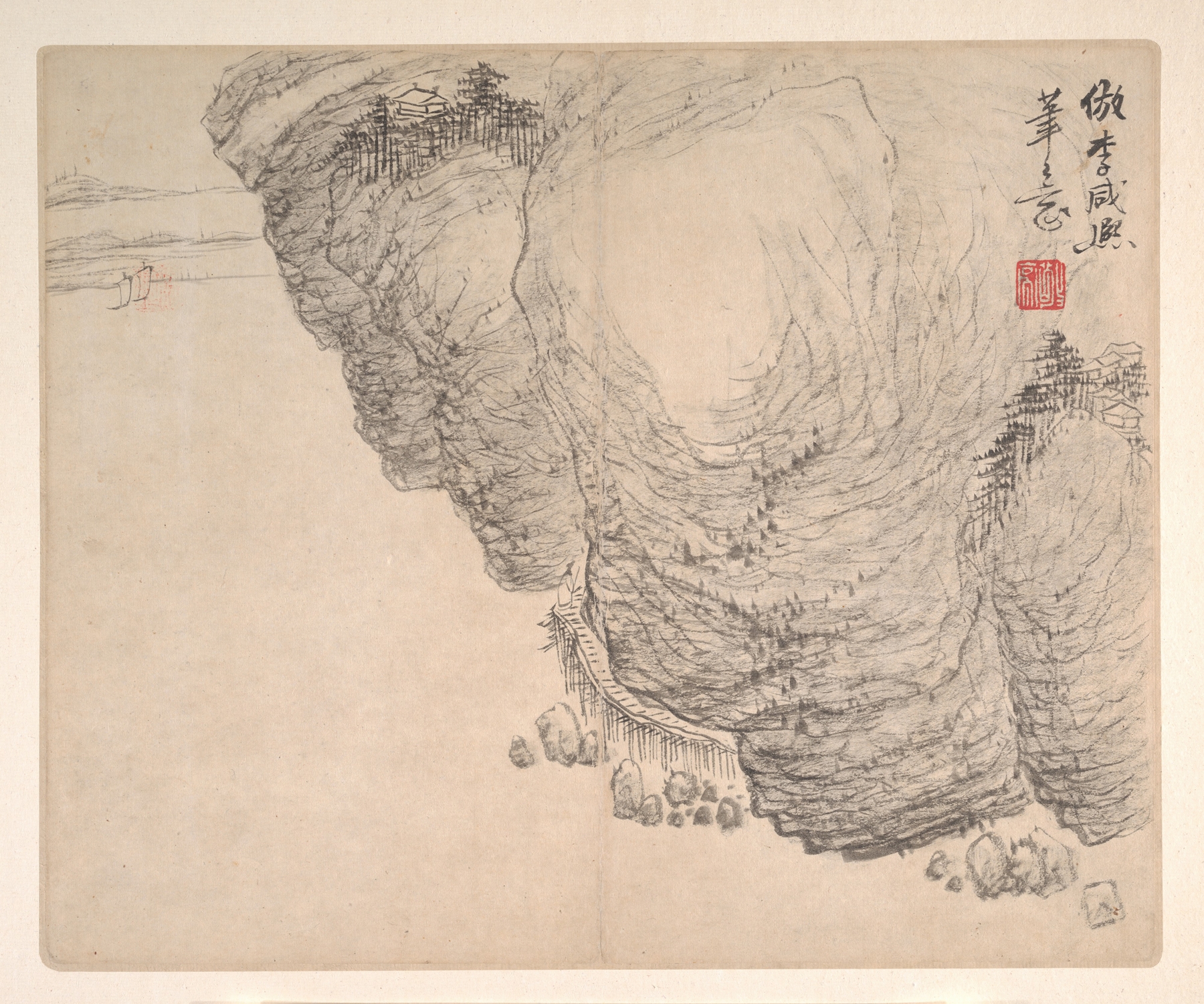
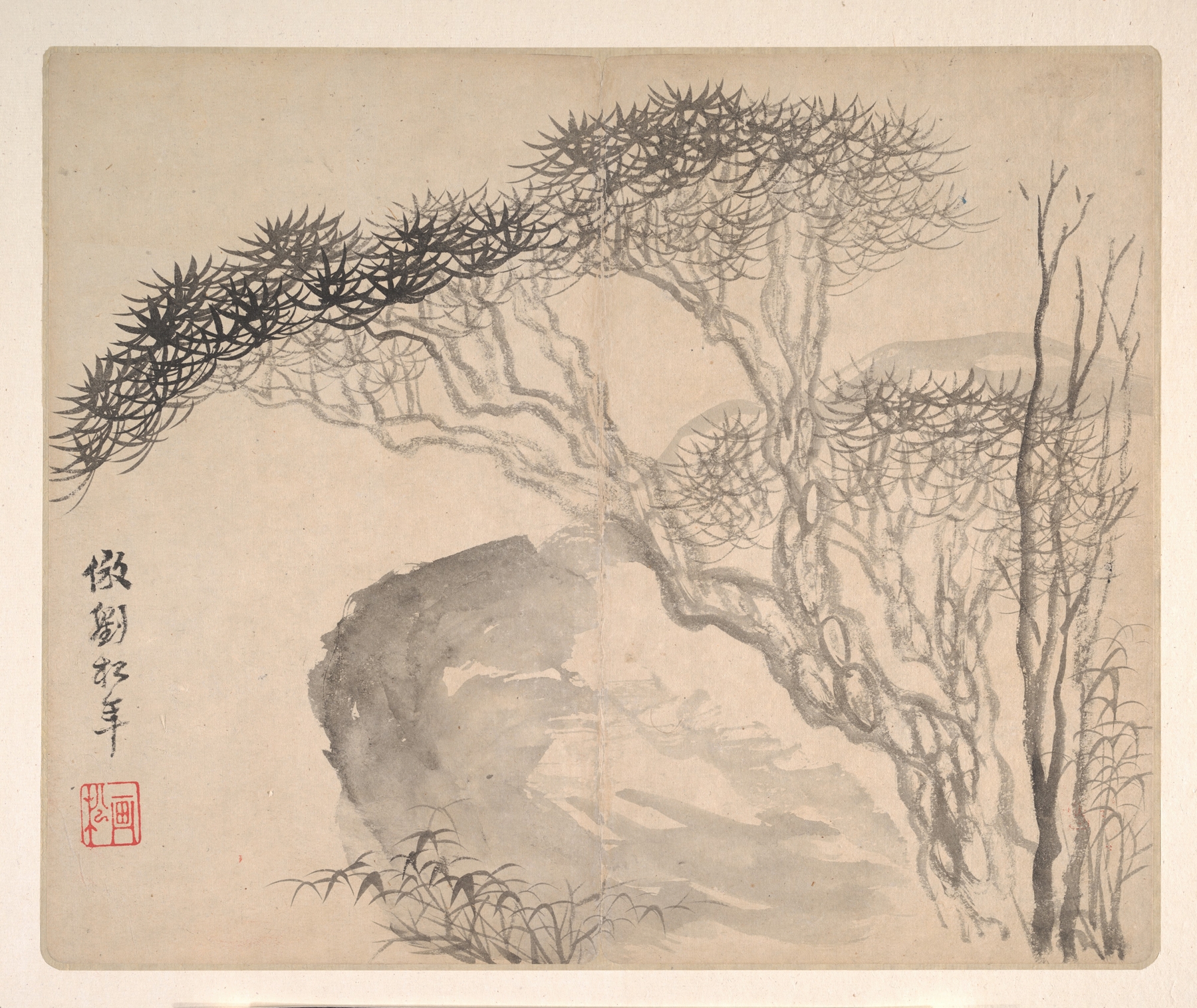
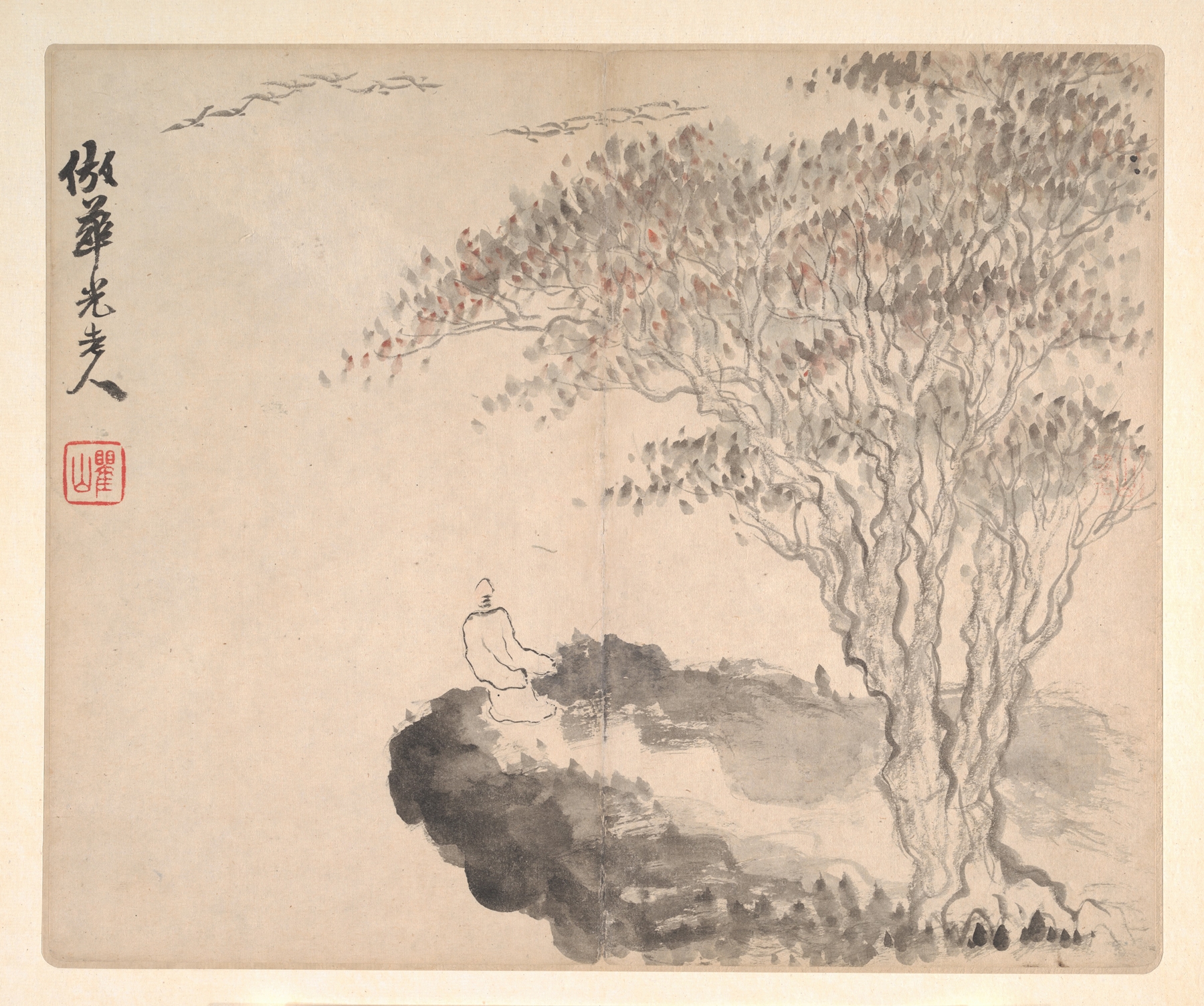
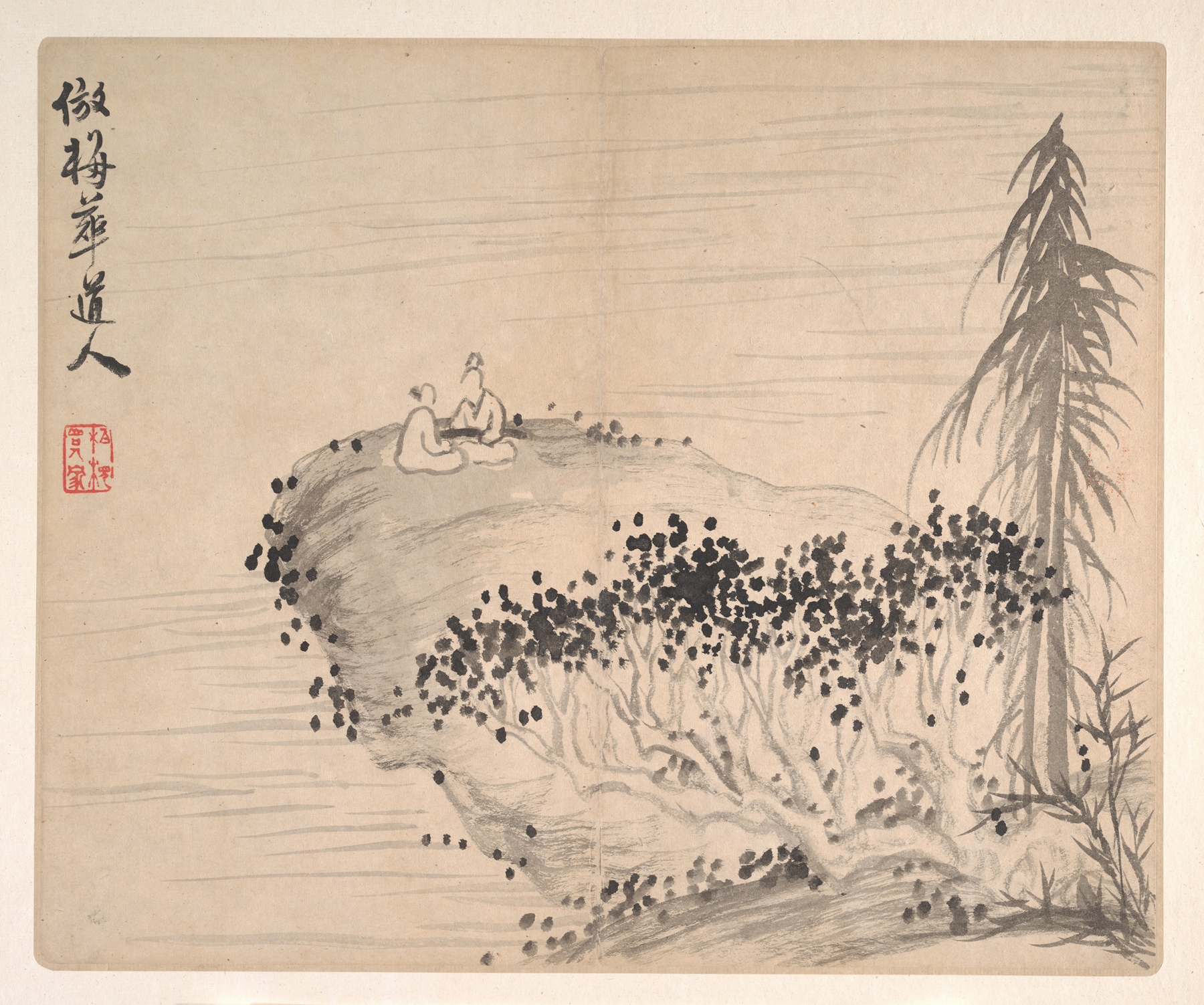
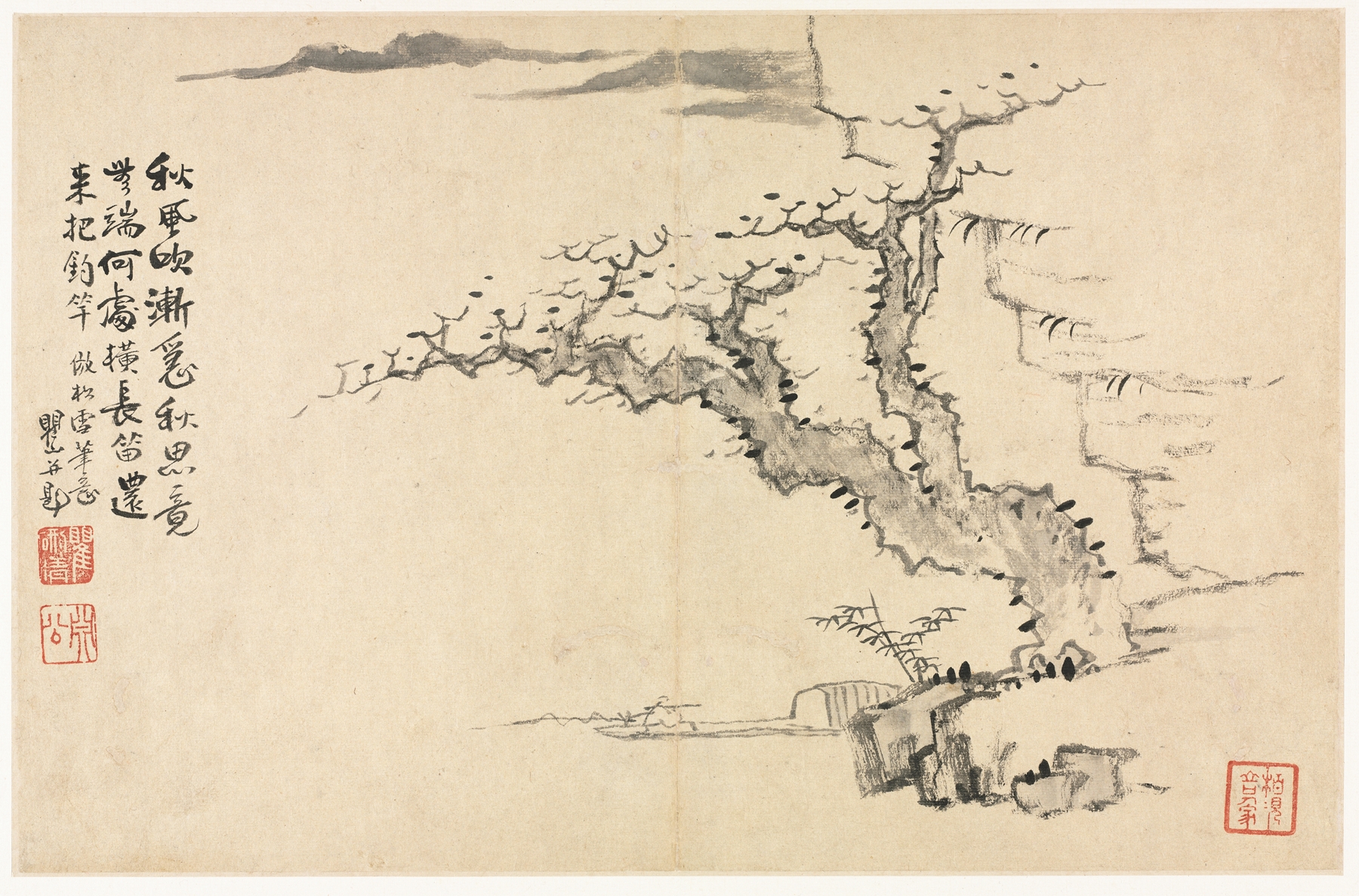
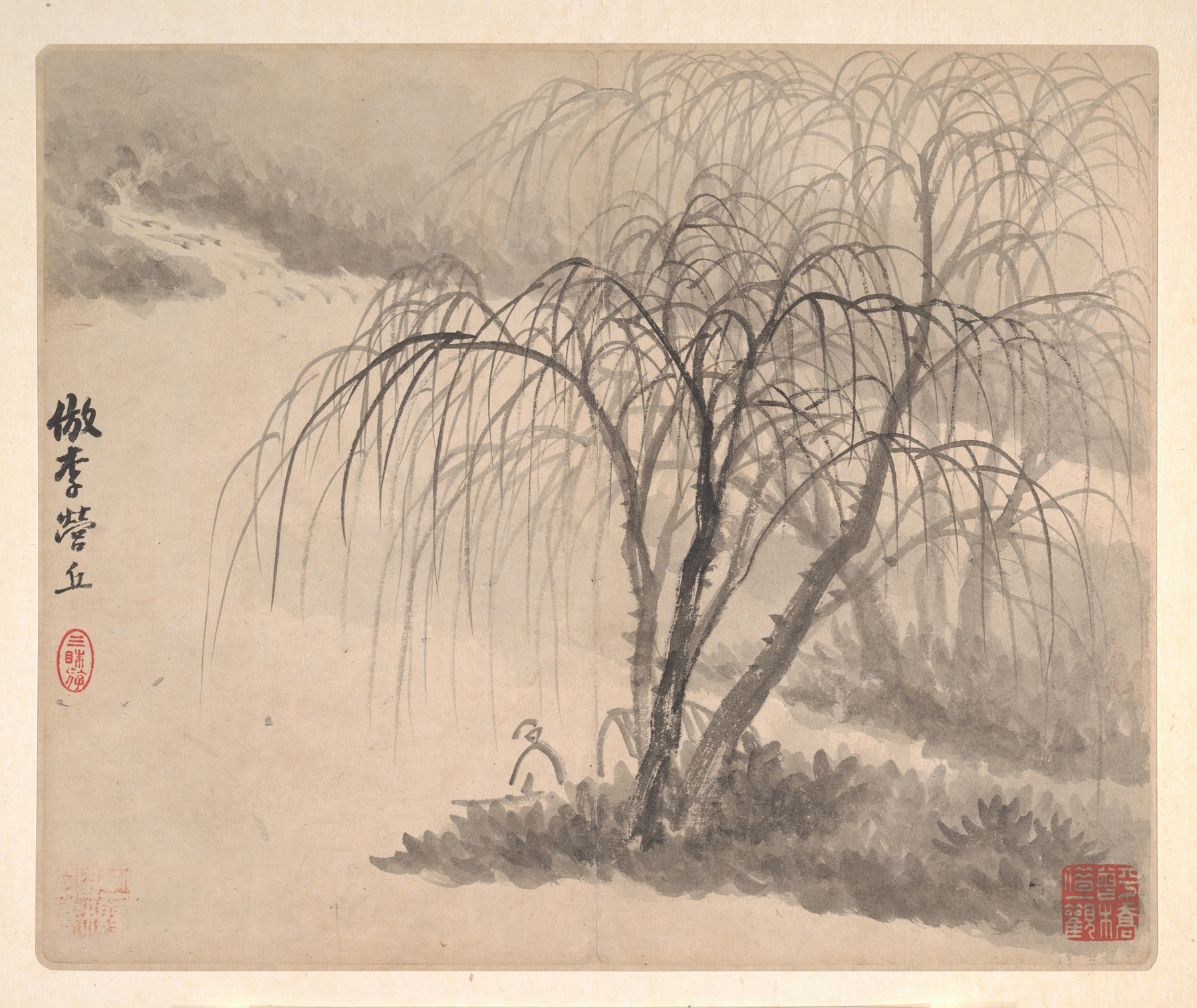
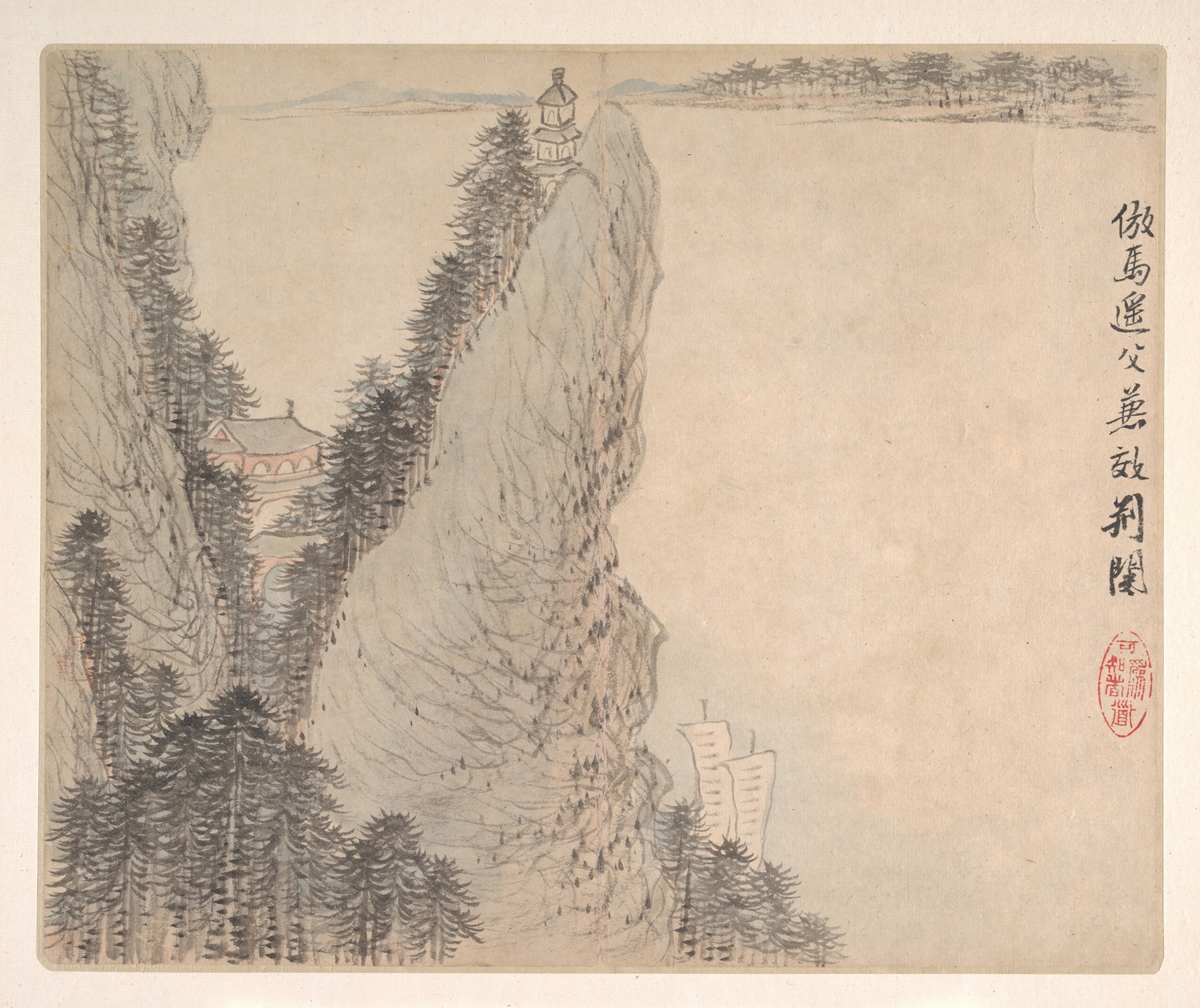
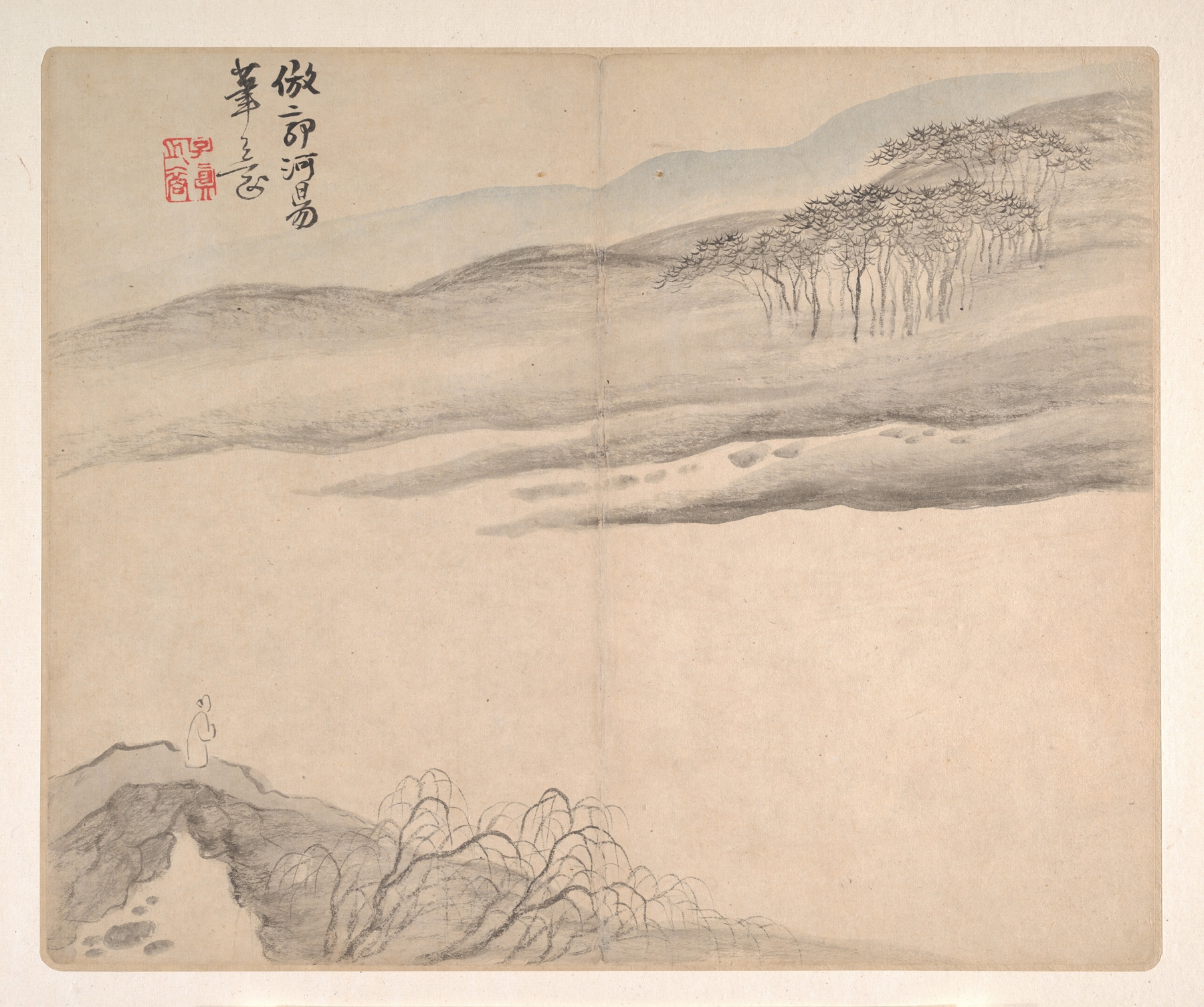
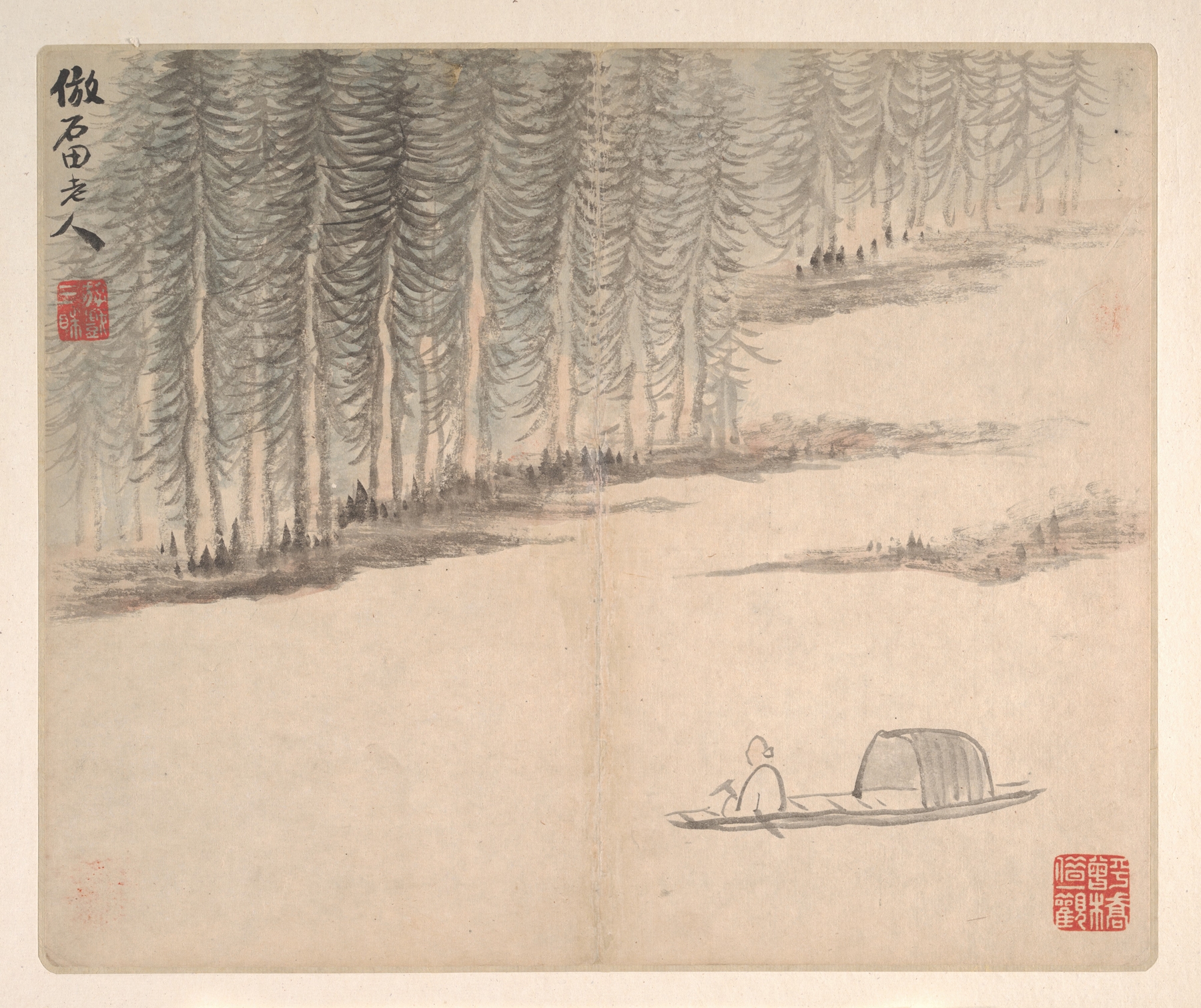
“Art reveals the soul when the world turns away.” In the silence of grief, landscapes become not just a reflection of nature, but a mirror for the heart's unspoken sorrow. Each stroke captures the essence of a place where beauty intertwines with melancholy. Look to the bottom left, where a cluster of delicate trees emerges from mist, their gnarled branches stretching toward an indifferent sky. The paleness of the palette suggests a fading memory, while the layers of texture invite an intimate exploration of the canvas.
Notice how the gentle gradients of blue and green converge, evoking a dreamlike quality that feels both timeless and transient. Within this composition lies a profound tension between presence and absence. The juxtaposition of vibrant foliage against the subdued background encapsulates a longing for lost moments. The subtle play of shadow hints at the weight of unexpressed emotions, while the horizon stretches infinitely, symbolizing both hope and the pain of unattainable desire.
This landscape feels like a refuge for unvoiced sorrows, echoing the artist's own internal struggles. Created in 1690, this work emerged during a period when Mei Qing sought to blend traditional techniques with personal expression. Living in a time of cultural transition in China, he experimented with styles influenced by both classical Chinese art and Western aesthetics. As the world around him evolved, he turned to landscapes as a means to navigate his own grief and reflect on the complexities of existence, weaving together past masters’ echoes with his own poignant voice.