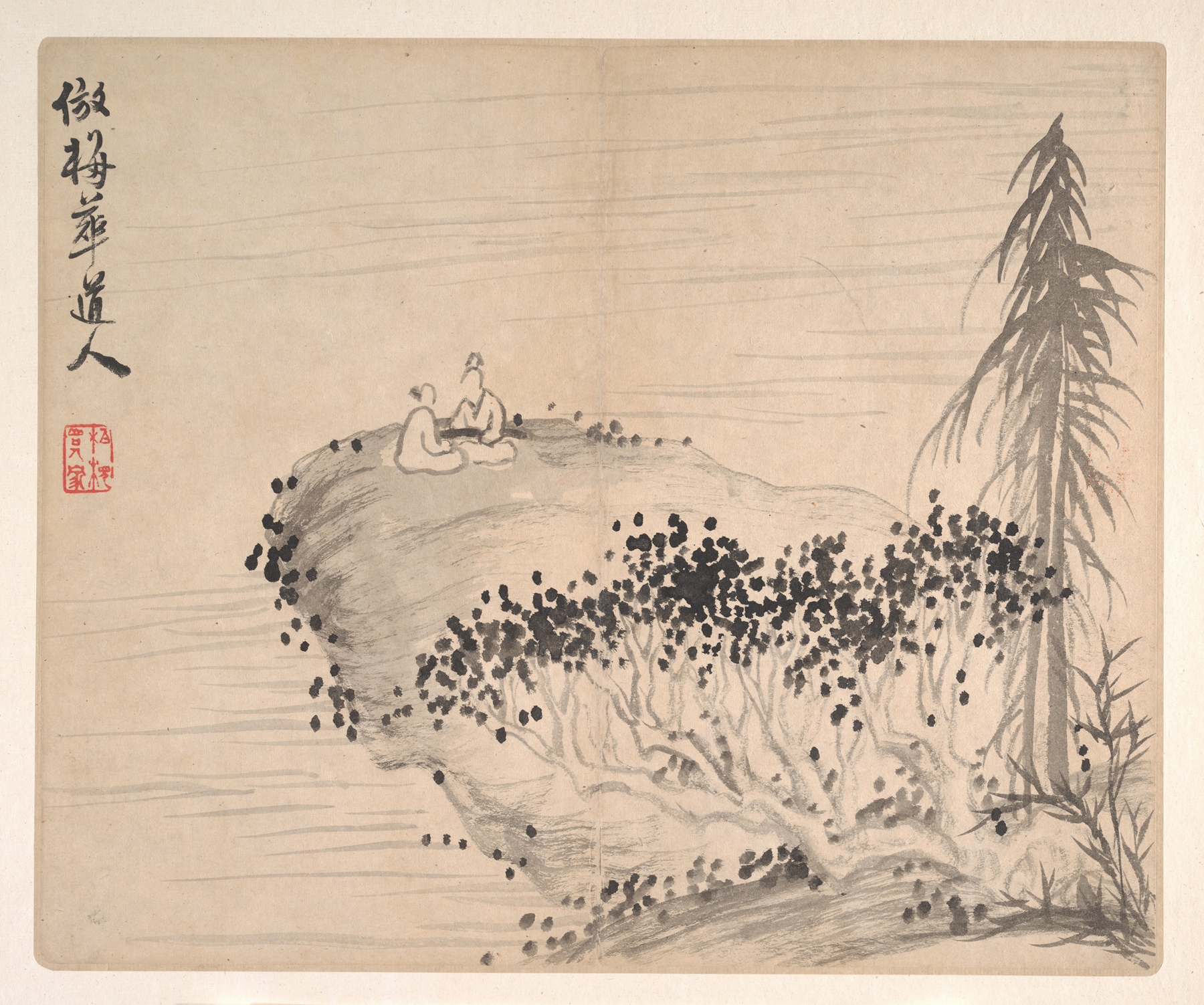
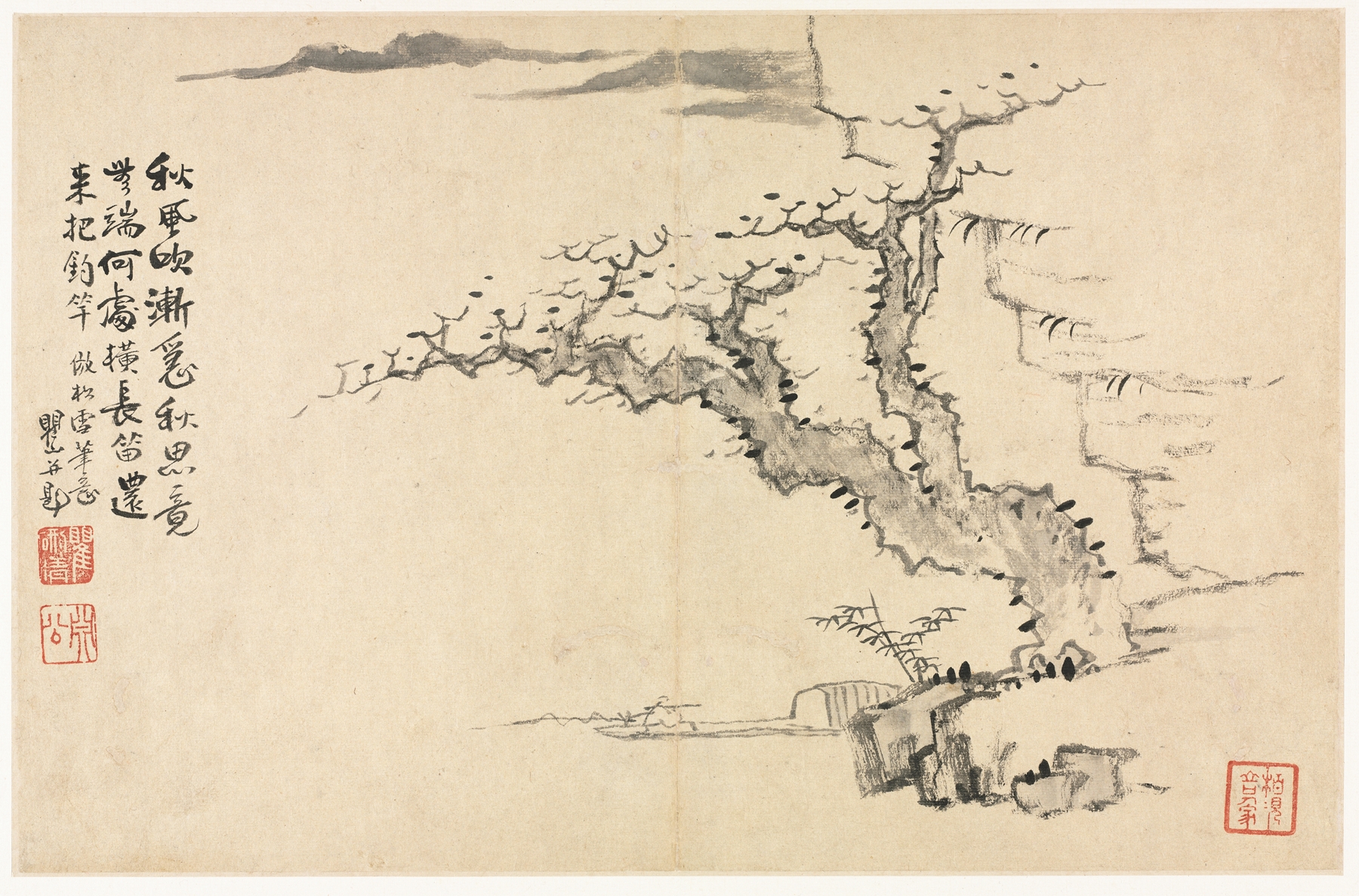
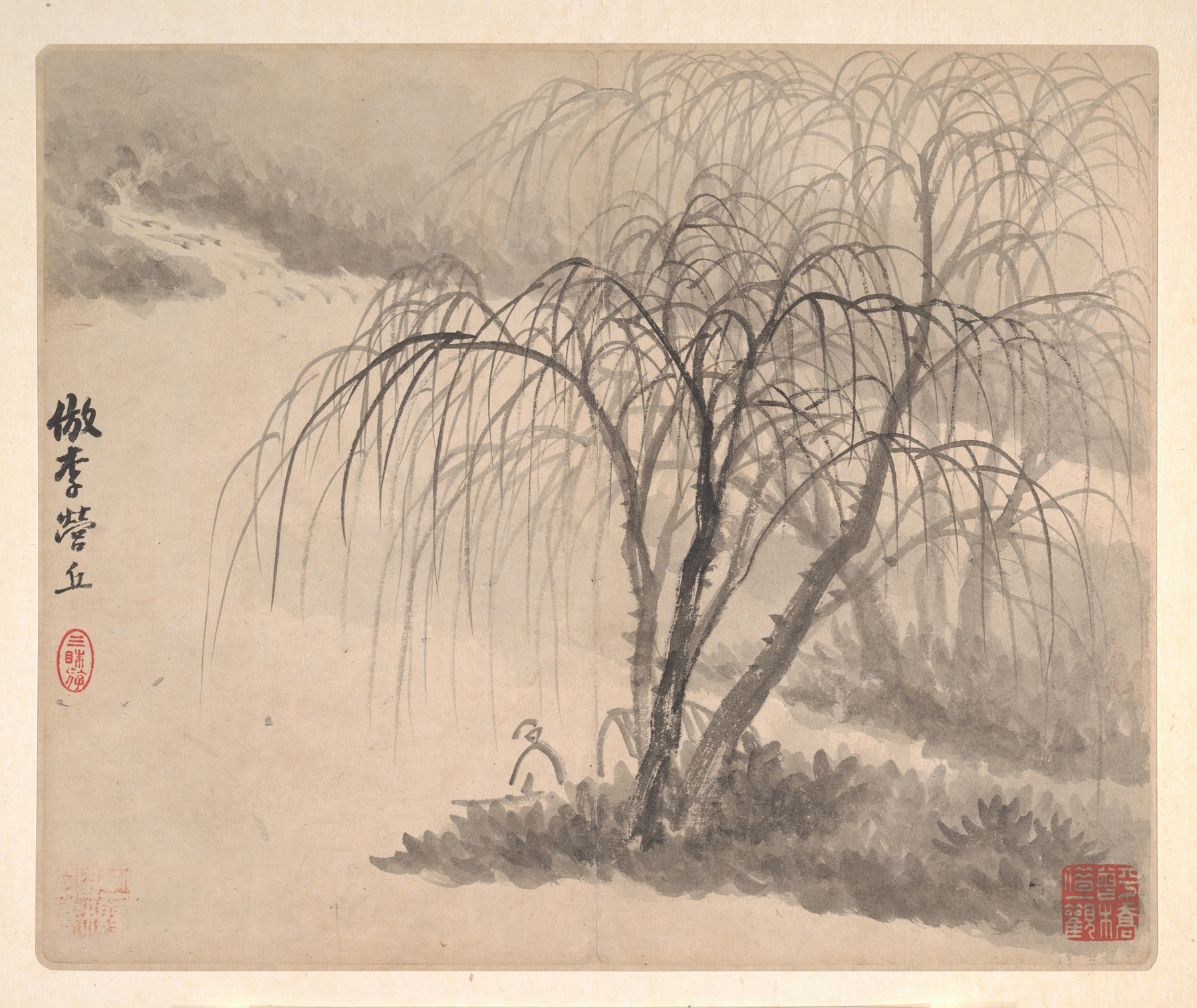
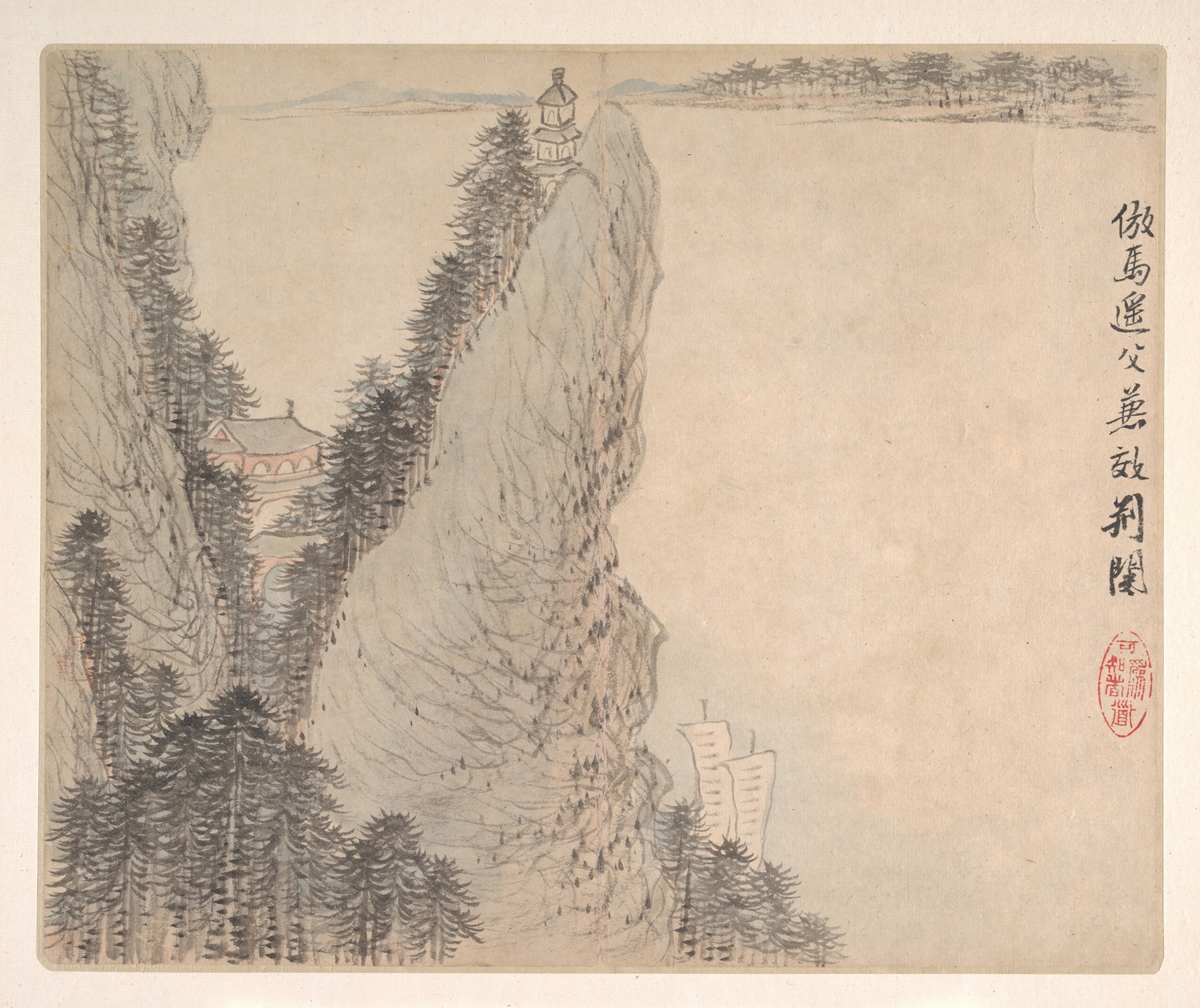
Landscapes in Various Styles after Old Masters 5 — History & Analysis
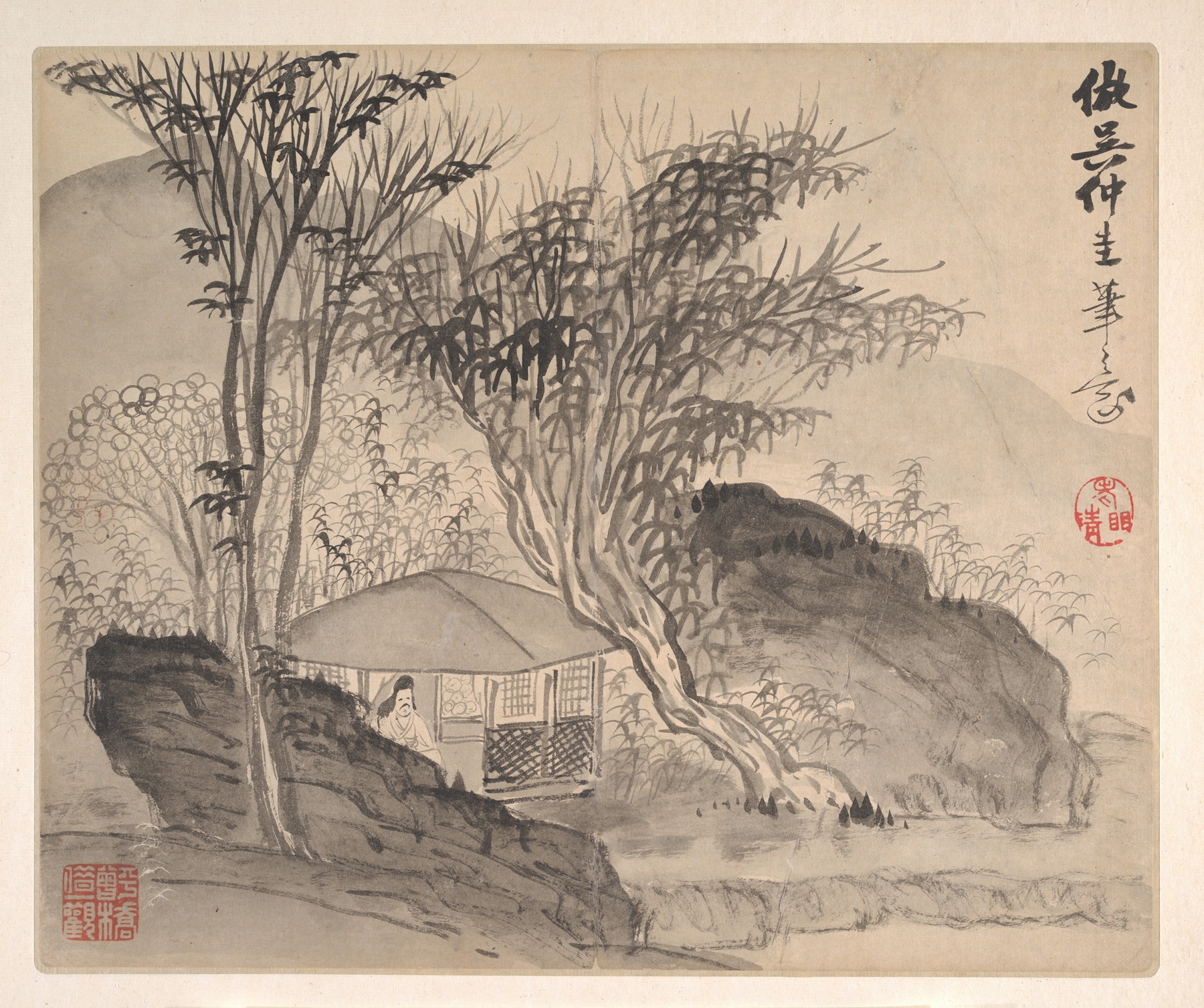
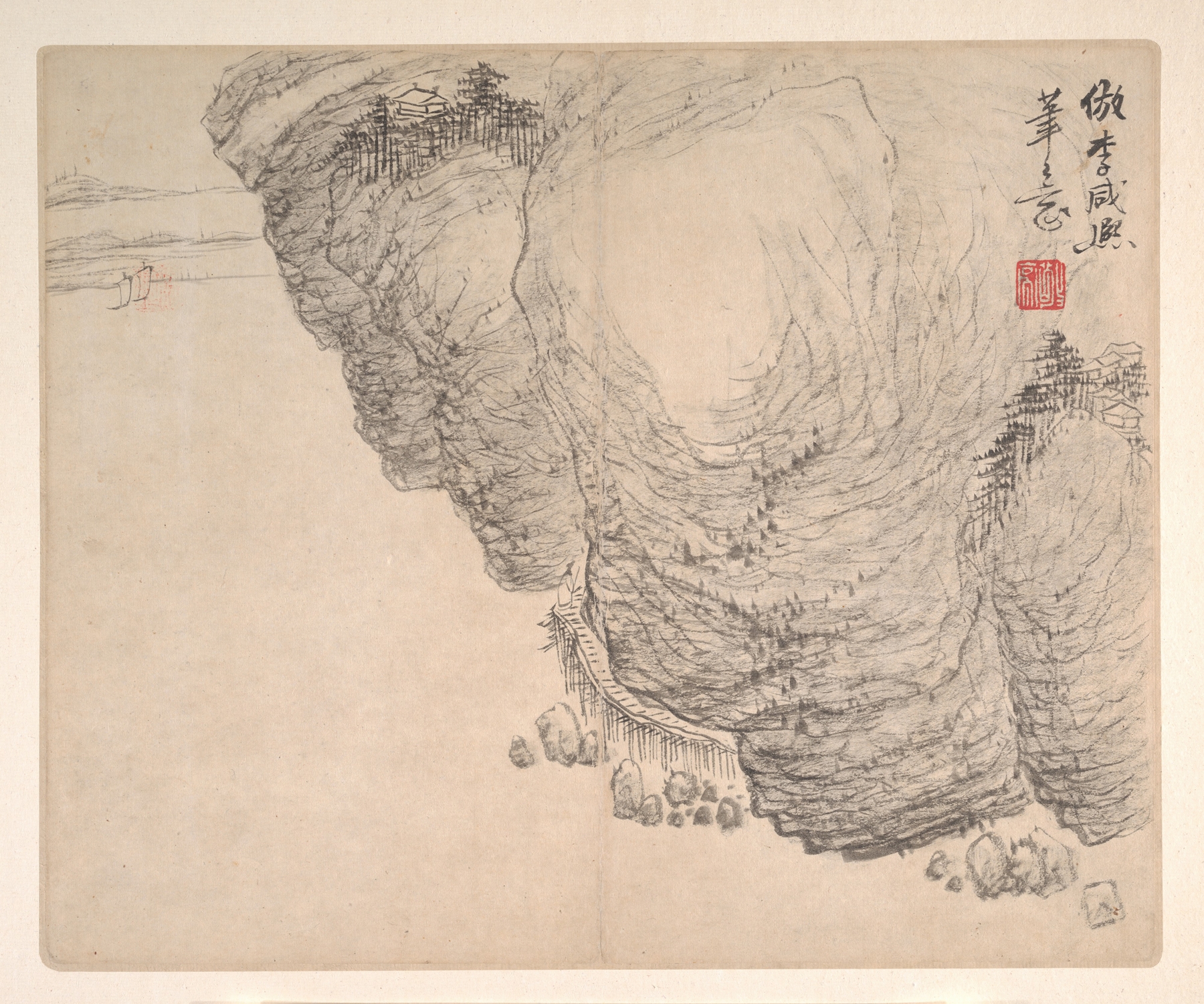
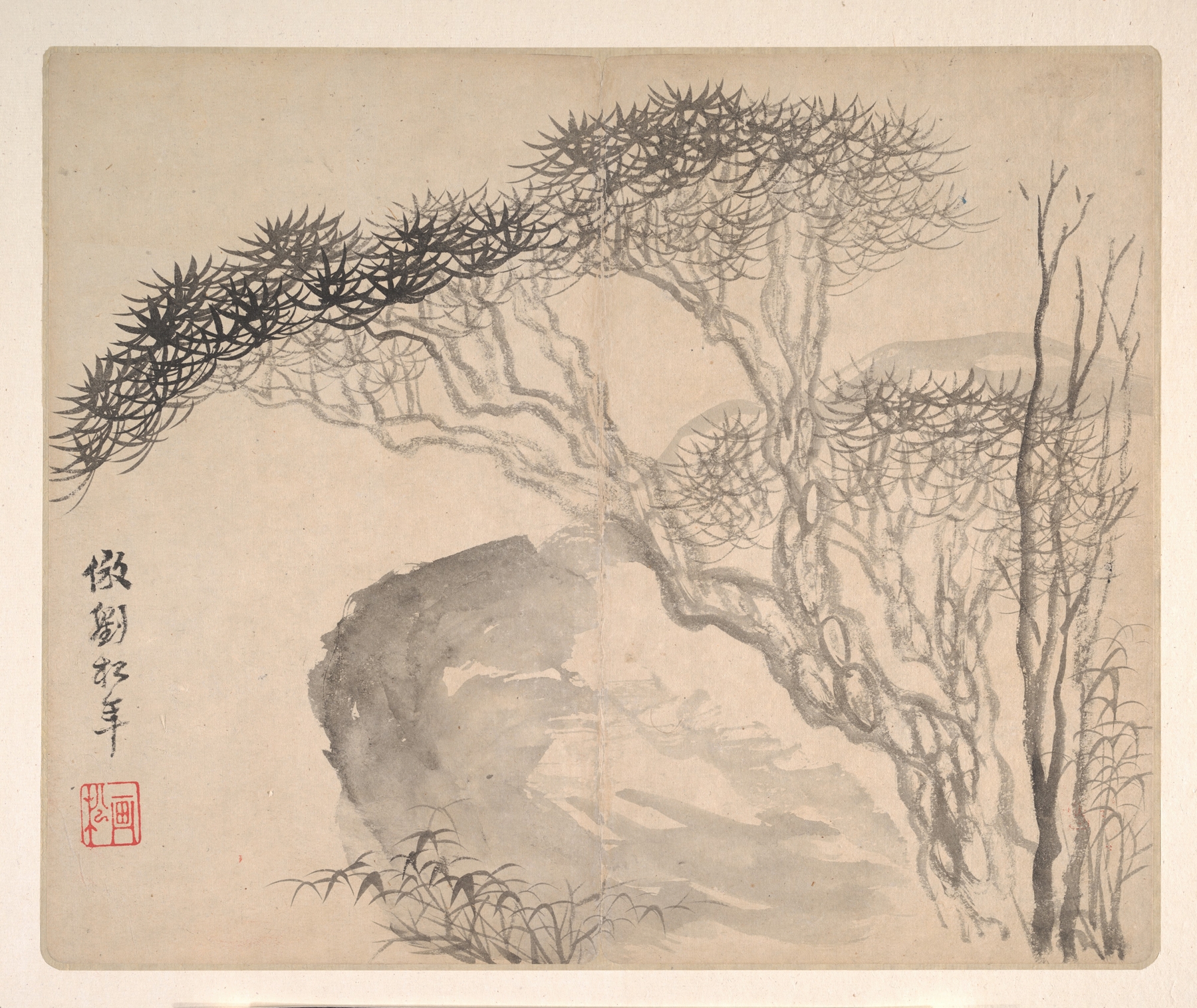
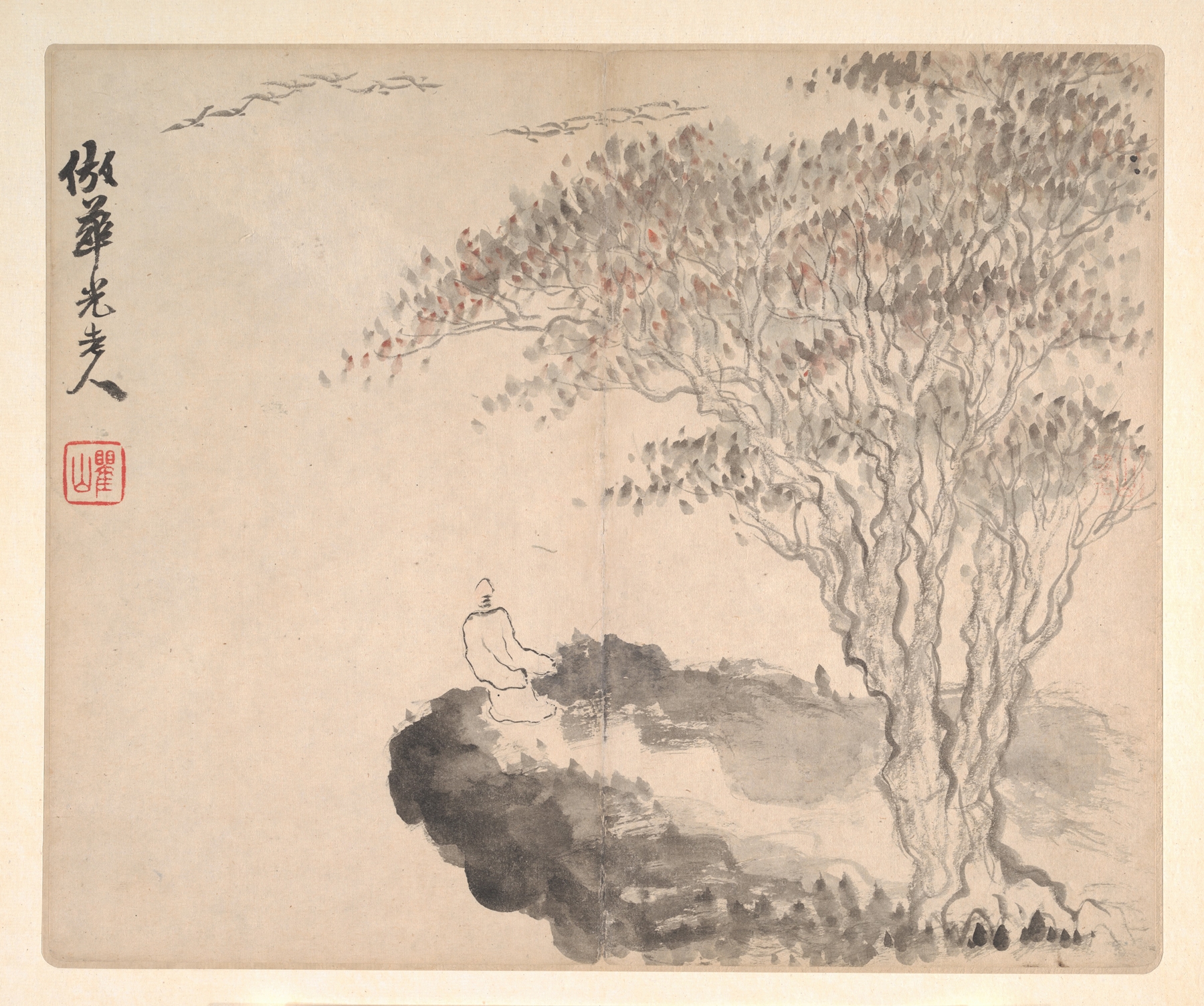
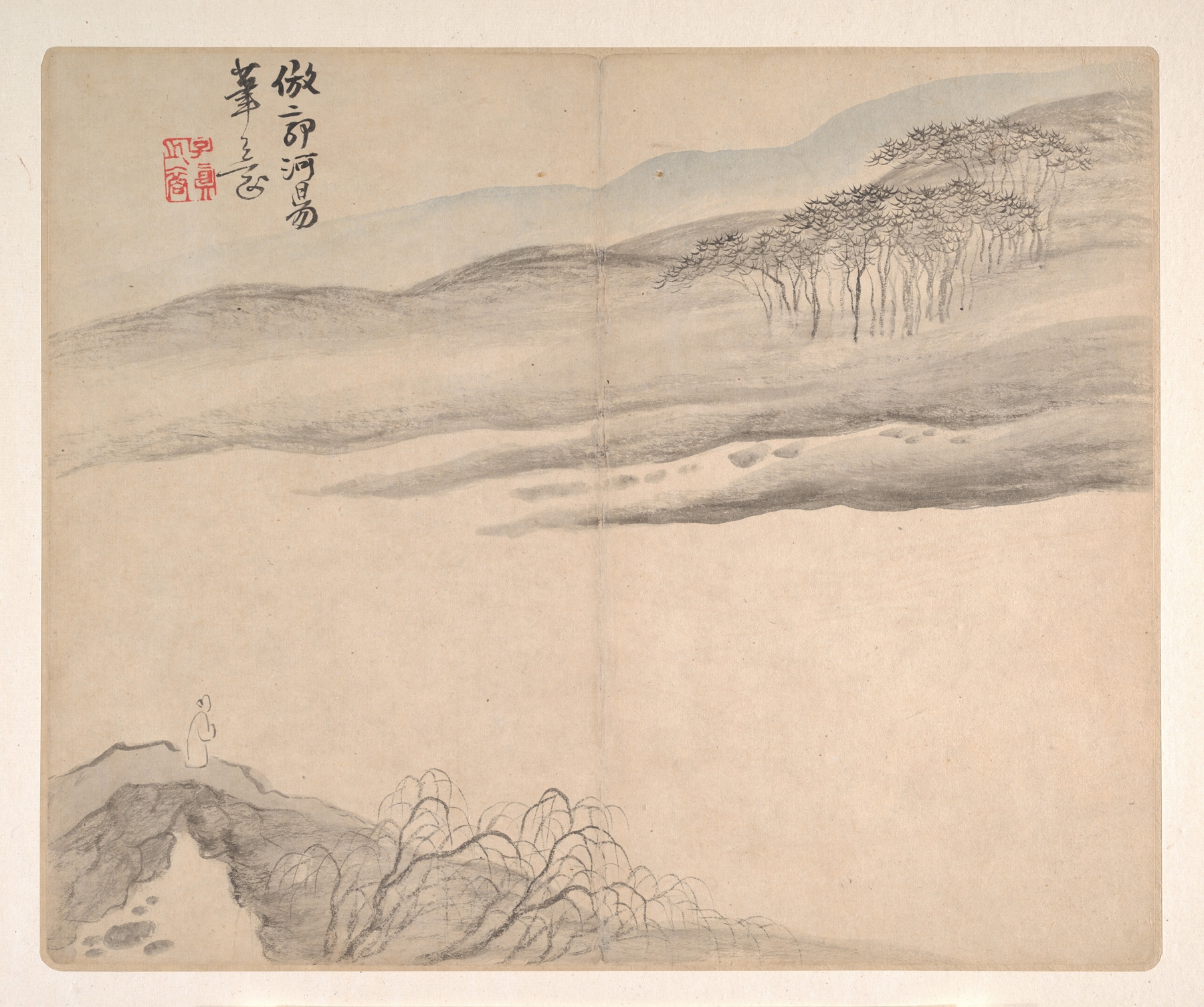
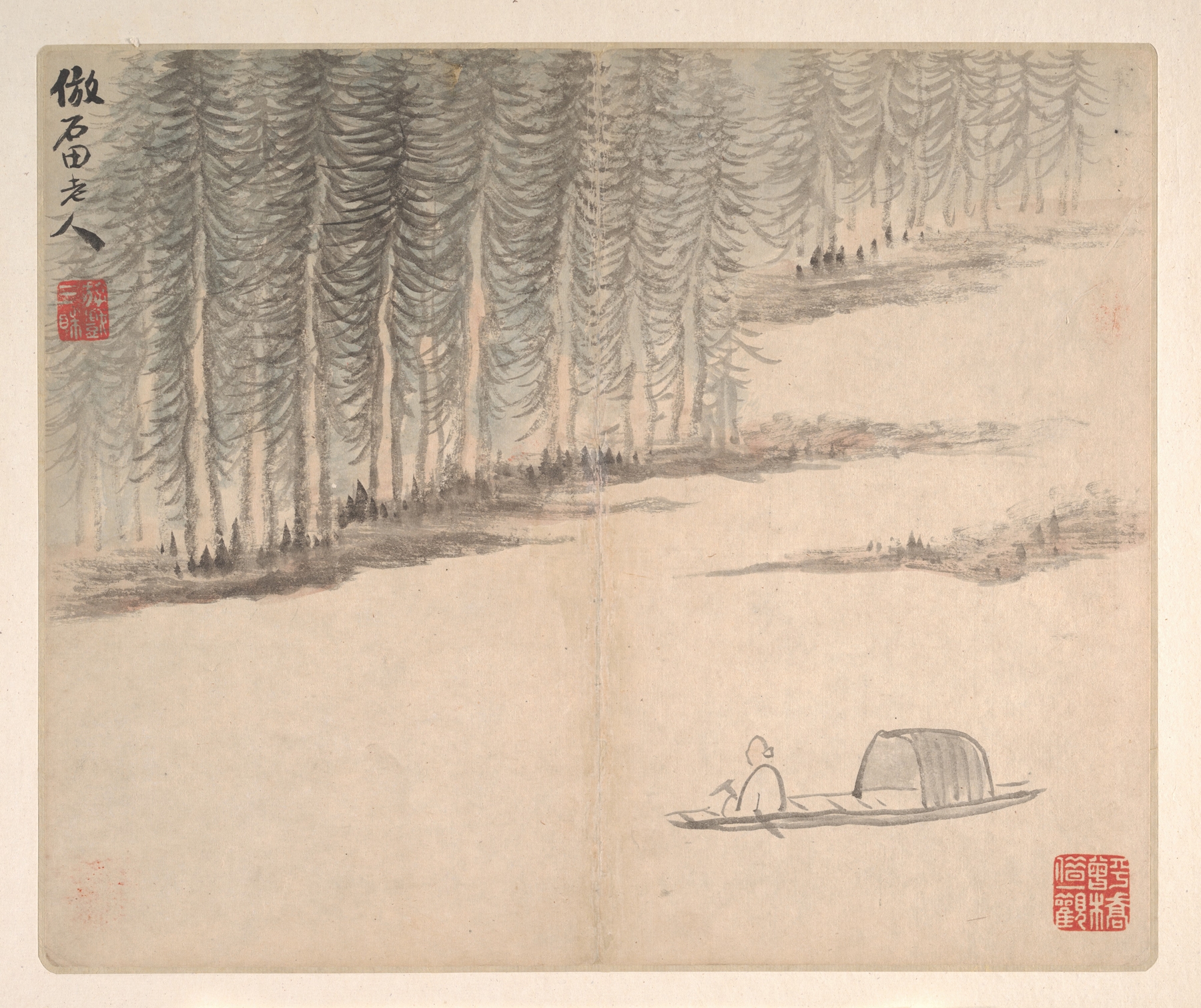
Can beauty exist without sorrow? This poignant question lingers in the air as one contemplates the delicate interplay between the old and the new in this remarkable work, where layers of history breathe life into each brushstroke. It elegantly captures the essence of artistic legacy, reflecting not only the past but also the complexities of creation itself. Look to the sweeping hills on the horizon, where soft brushwork merges tradition with innovation.
The vibrant greens and blues, punctuated by dashes of gold, guide the eye across the canvas, echoing the influence of old masters while establishing a unique identity. Pay attention to how the foreground reveals intricate details—a lone figure stands contemplatively, framed by a mix of light and shadow, suggesting a dialogue between solitude and collective memory. Within this landscape lies an emotional depth, as the contrast between the serene setting and the solitary figure raises questions of existence and heritage. The juxtaposition of the static natural world and the dynamic human presence creates a narrative tension, symbolizing the balance between stillness and the passage of time.
Each element in the composition speaks to a legacy that is both cherished and burdened, urging viewers to reflect on their own connections to the past. Mei Qing painted this piece in 1690, during a period of rich cultural exchange in China, where traditional techniques were infused with new ideas. As a prominent figure in the late Ming and early Qing dynasties, he navigated the complexities of art and identity amidst shifting political landscapes. This work stands as a testament to his skillful synthesis of legacy and innovation, inviting us to explore the intricate layers of our own artistic heritage.