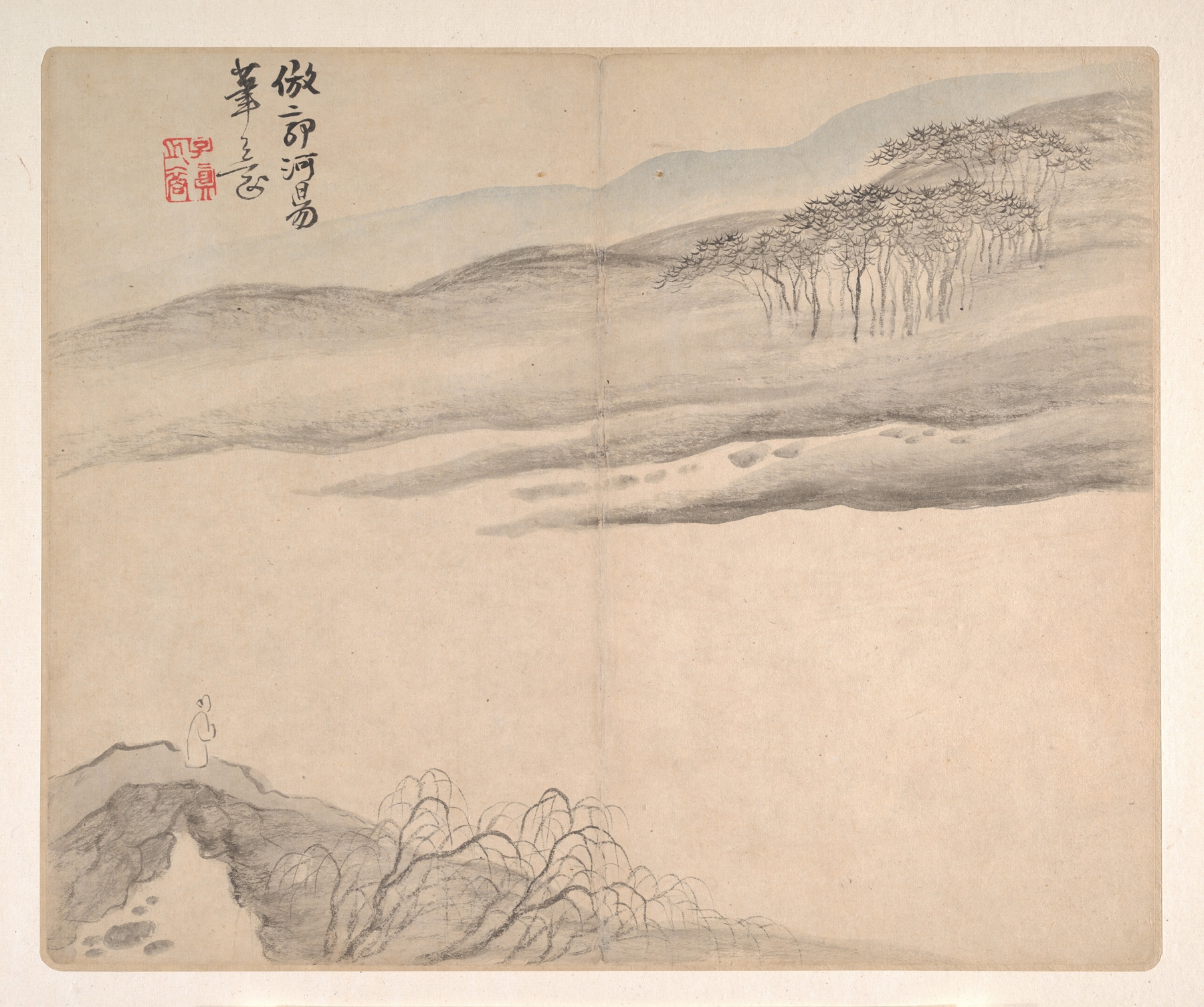
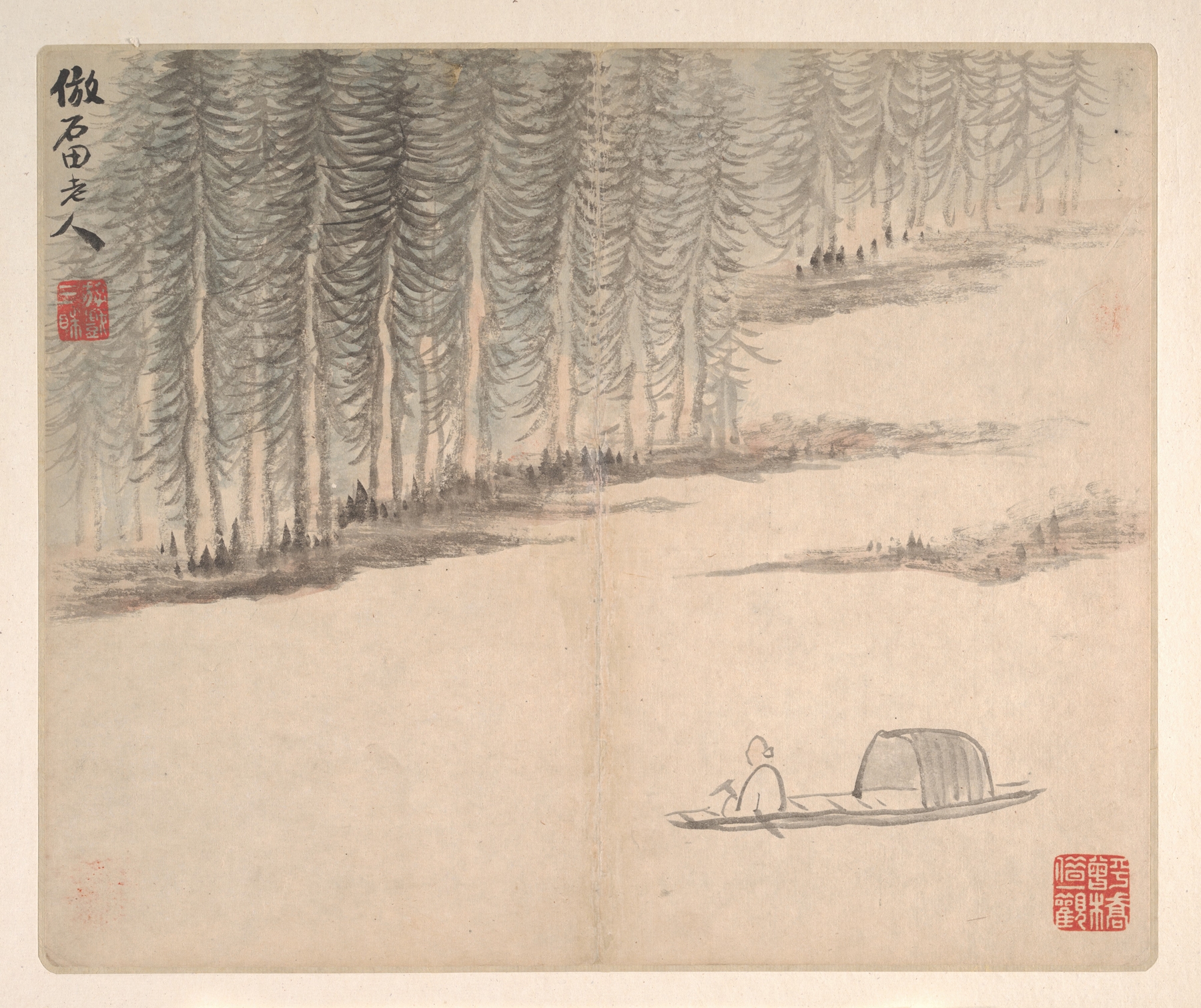
Landscapes in Various Styles after Old Masters 8 — History & Analysis
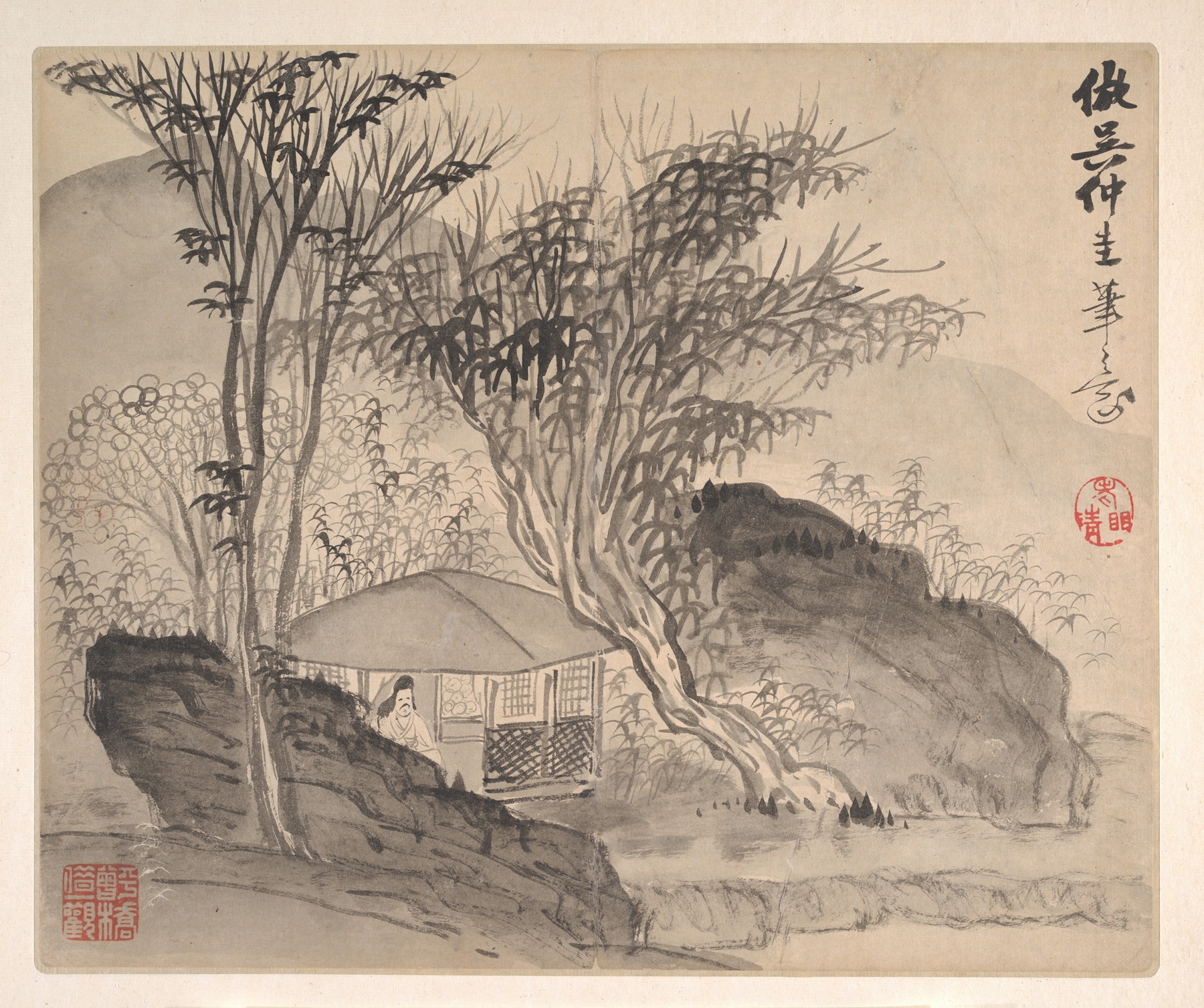
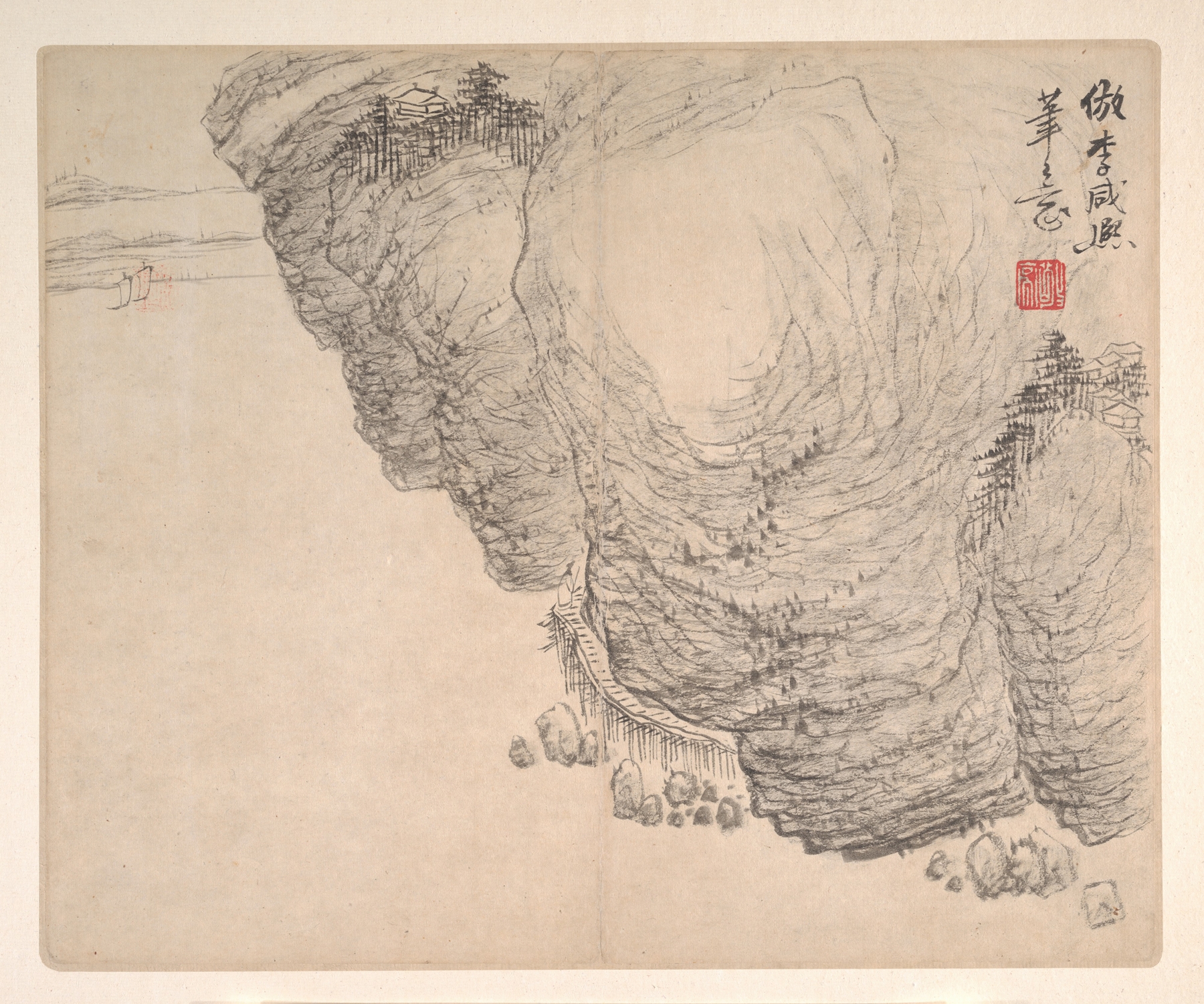
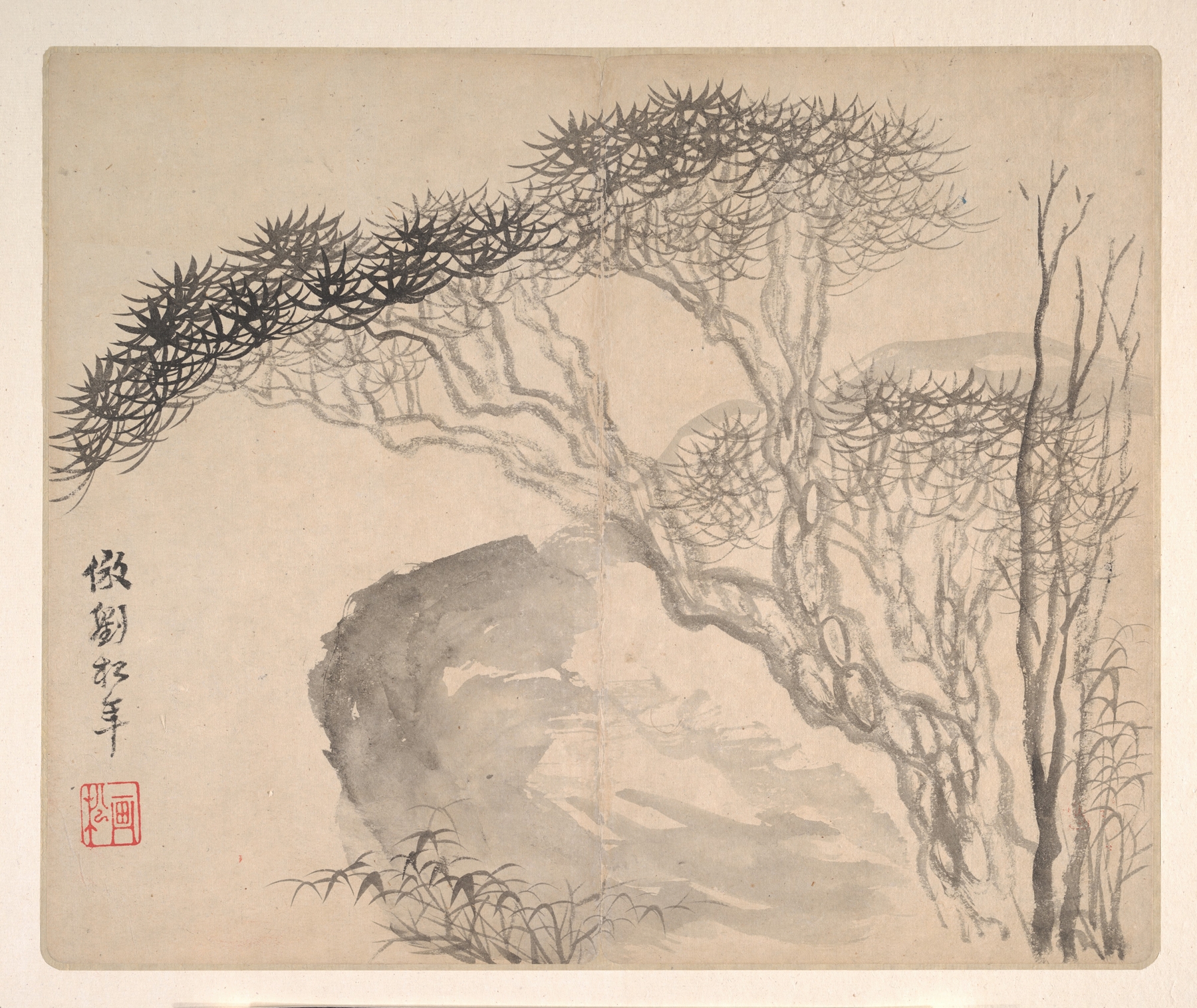
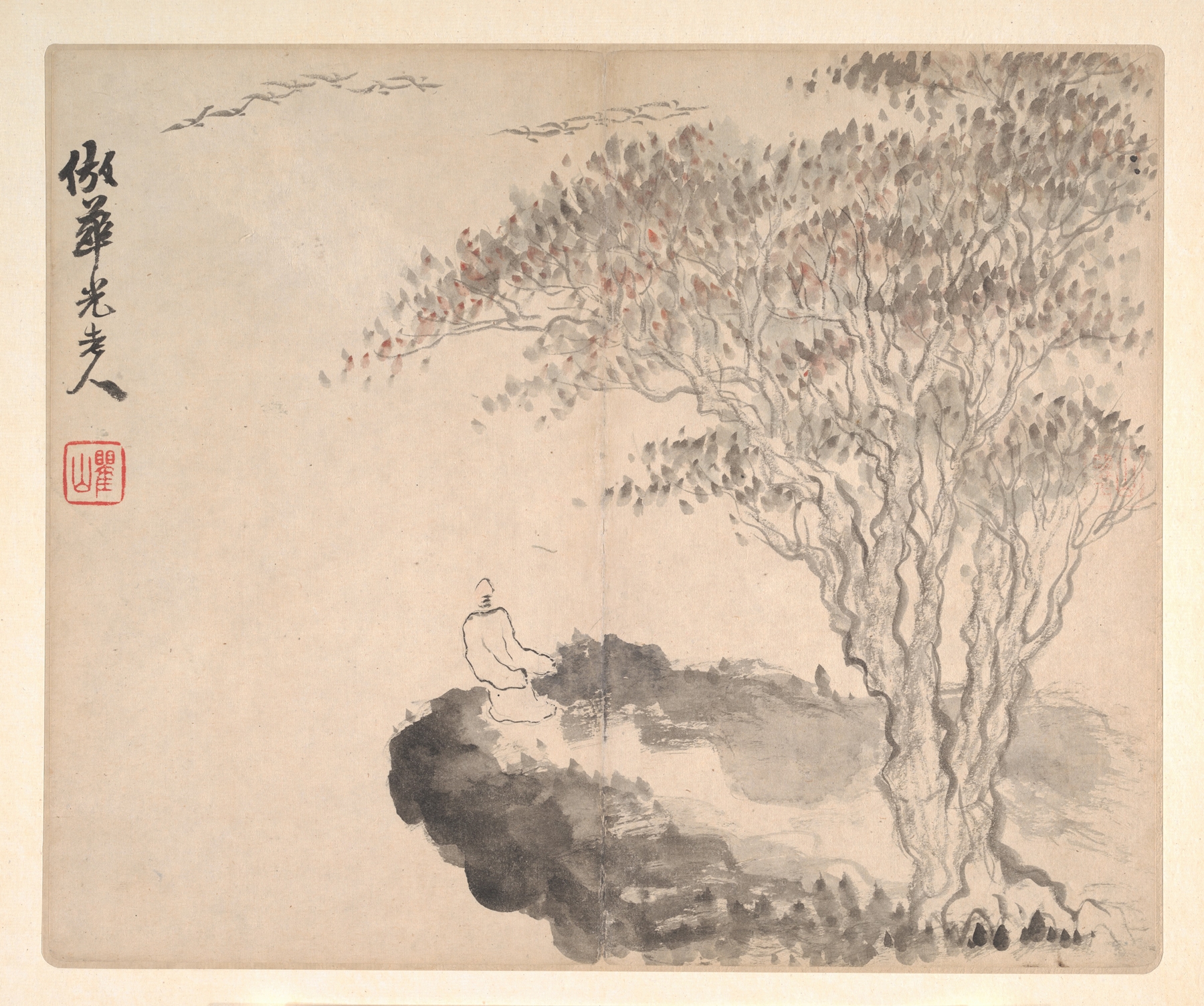
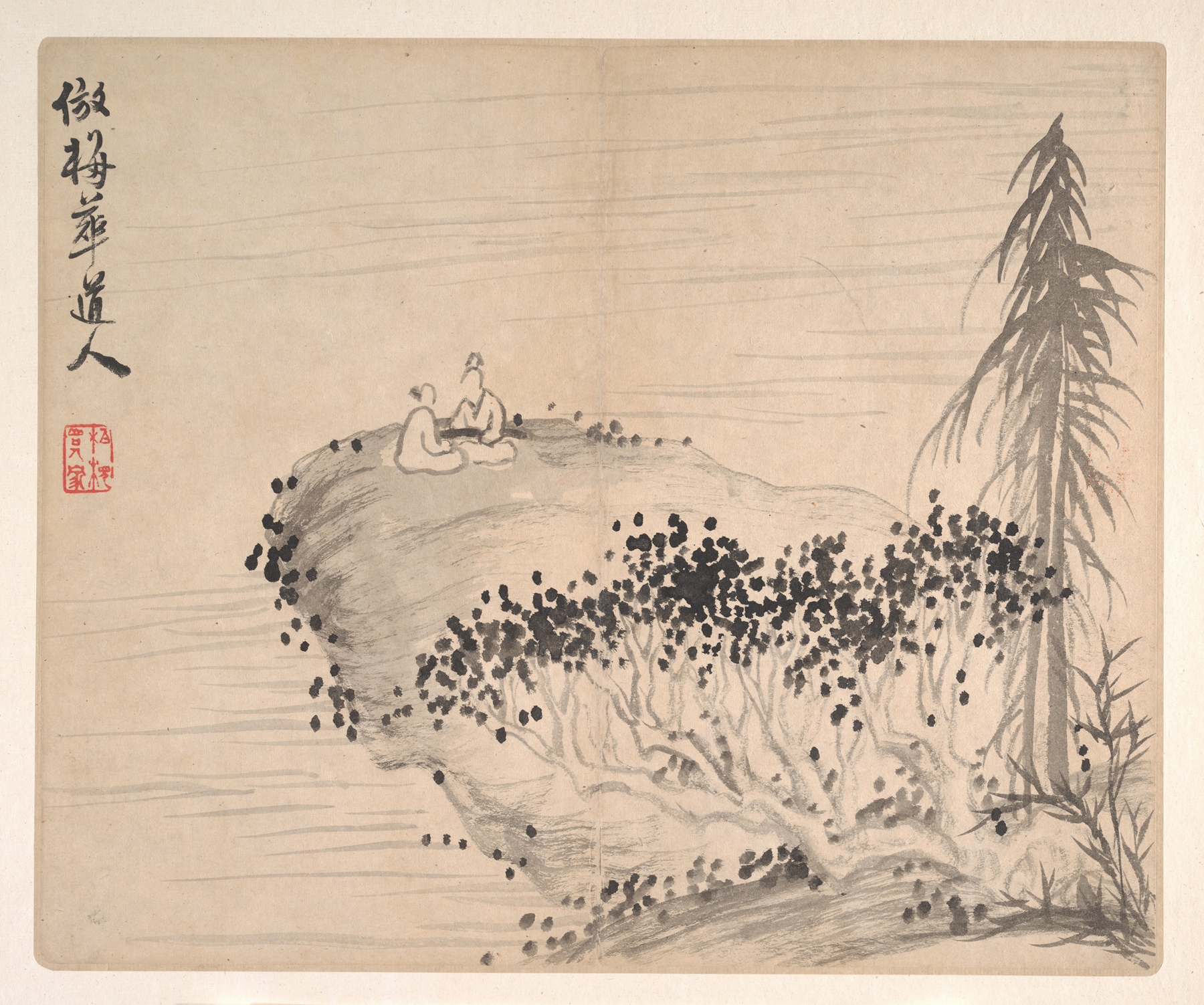
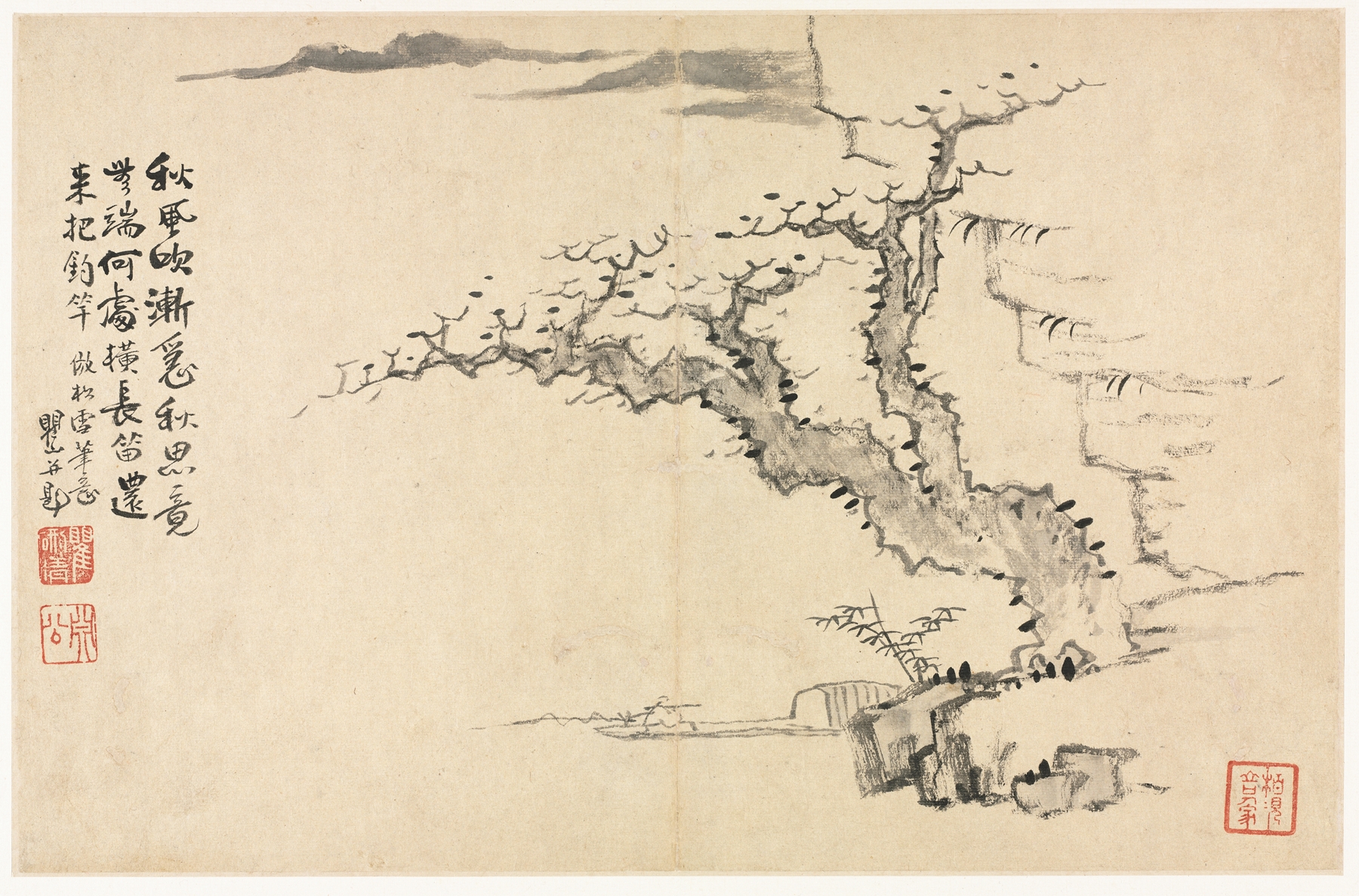
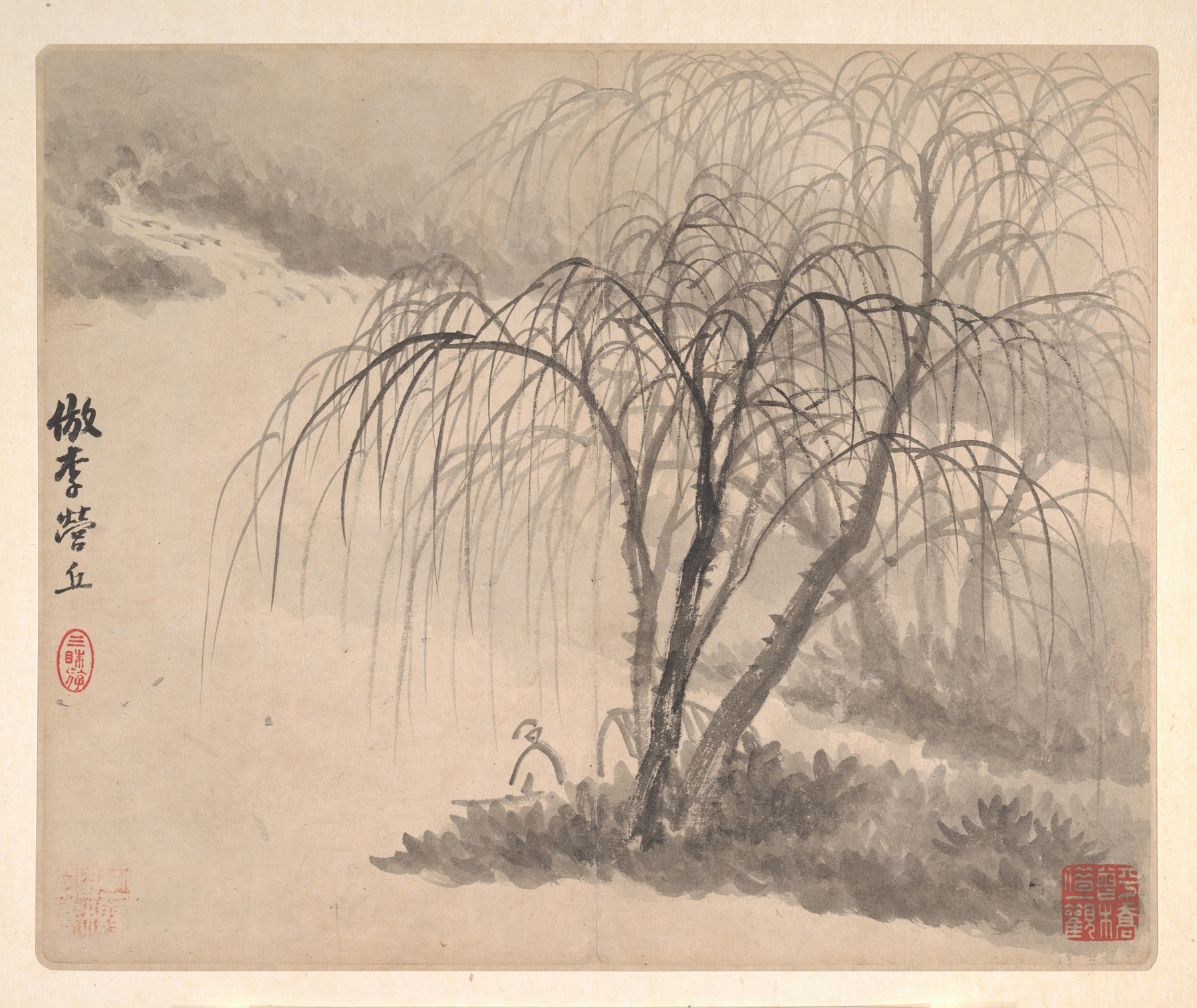
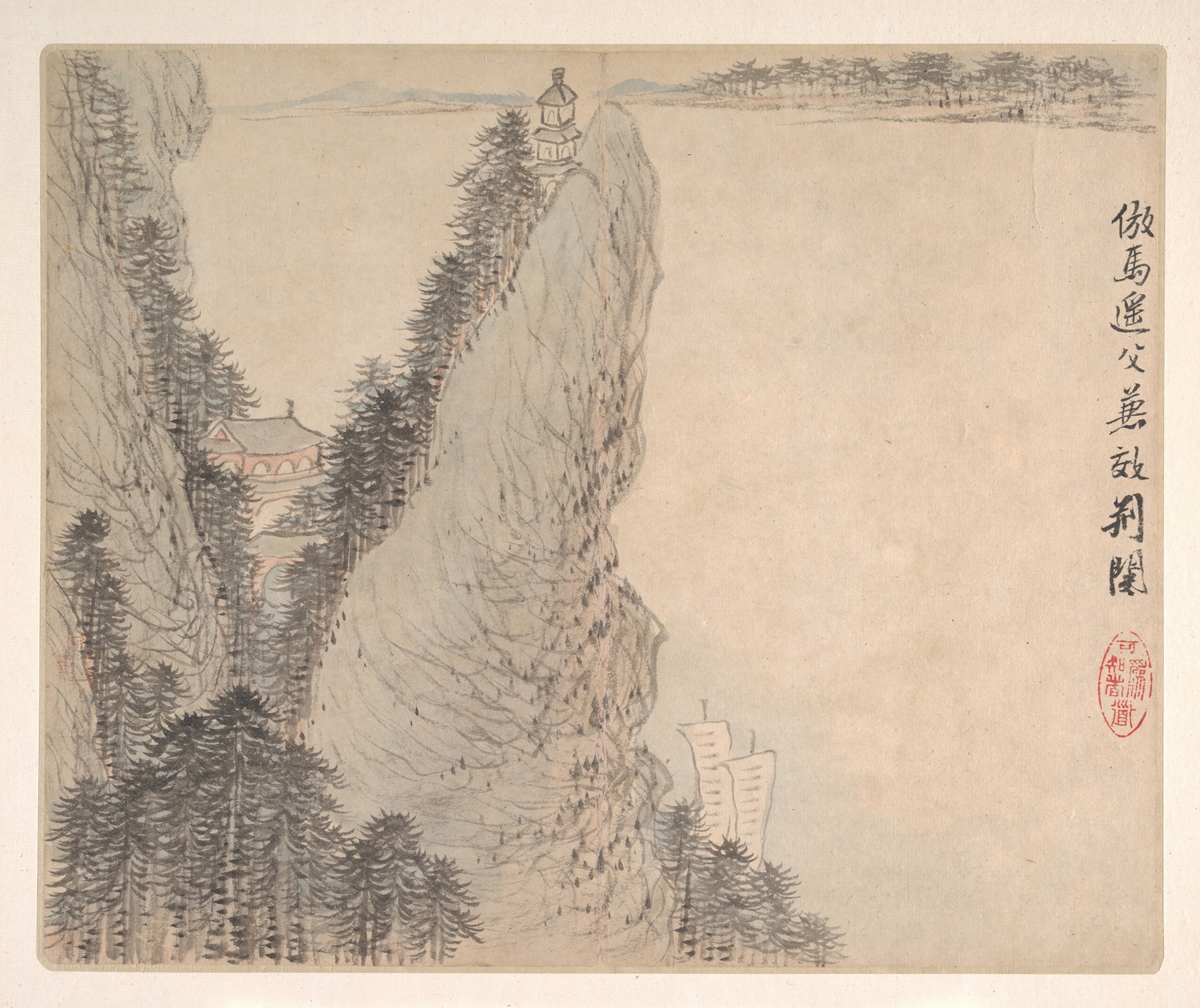
“Art reveals the soul when the world turns away.” In the quiet corners of existence, creativity captures fleeting mortality and immortalizes it on canvas. The interplay of life and decay lies at the heart of artistic endeavor, reminding us of our transient nature. Look to the center where vibrant strokes converge; the colors pulsate with energy, drawing your eye into a dynamic composition. The artist’s deft hand separates the foreground from the background, where shadows dance across hills and valleys. Notice the delicate balance between light and dark, suggesting the ephemeral quality of nature, as if the scenery itself is breathing and fading all at once.
Each brushstroke, both bold and tentative, evokes a sense of movement — a moment poised on the brink of vanishing into silence. Beneath the surface of pastoral beauty, deeper meanings emerge. The juxtaposition of lush greenery against the starkness of exposed stone hints at the duality of life and death, growth and decay. Small details, like the fading flowers on the edge of a cliff, speak of the inevitable passage of time, while the vibrant sections symbolize vitality and hope.
This tension creates an emotional resonance, inviting the viewer to reflect on their own existence amidst nature’s vast cycles. Mei Qing painted this work in 1690 during a time of cultural exchange and artistic experimentation in China. As he explored traditional themes through innovative styles, the influence of Western techniques began to seep into Eastern artistry. This period marked a blossoming of creativity, where the artist sought to forge connections between the past and the present, encapsulating the ephemeral nature of life within his landscapes.