Landschaft — History & Analysis
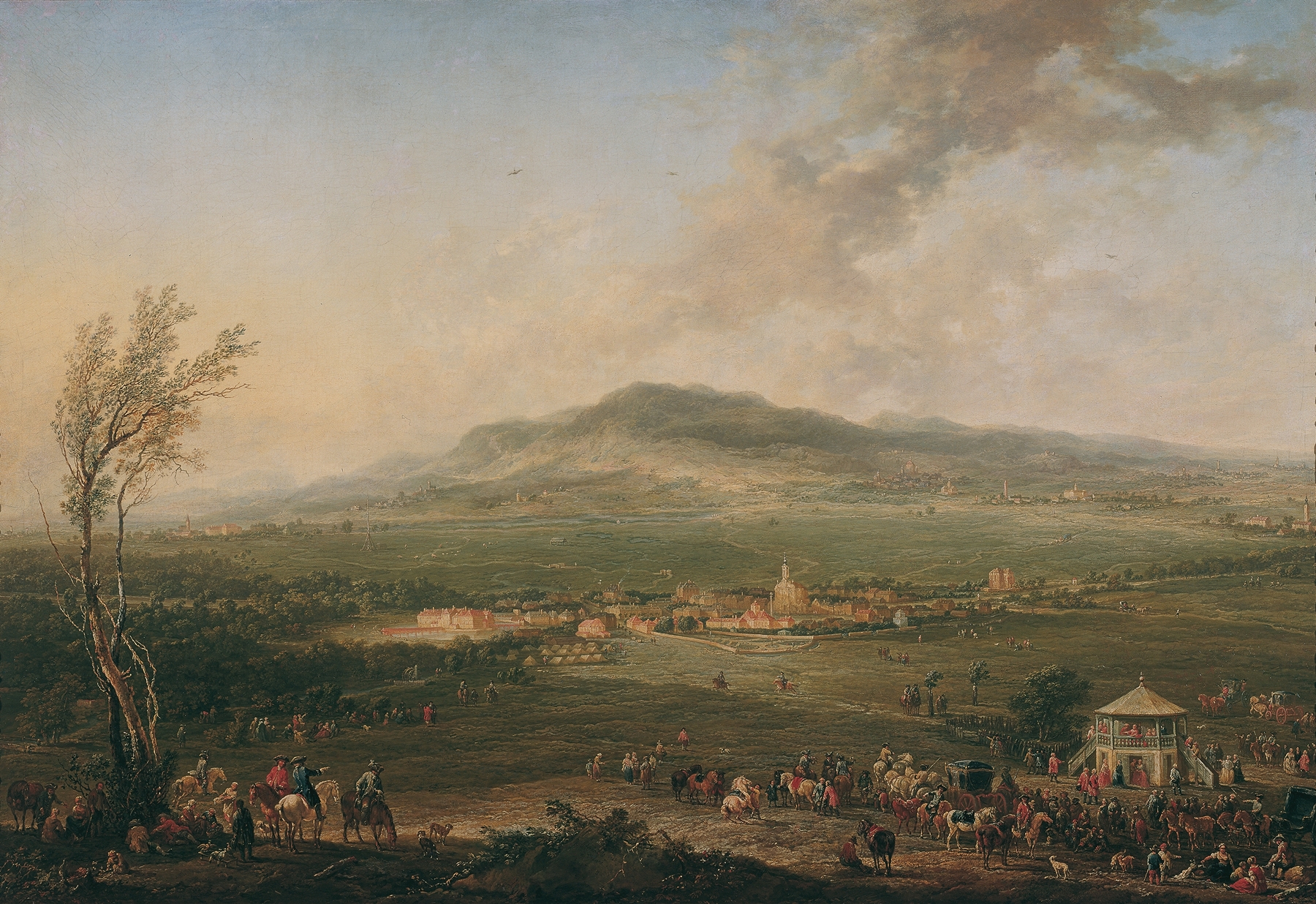
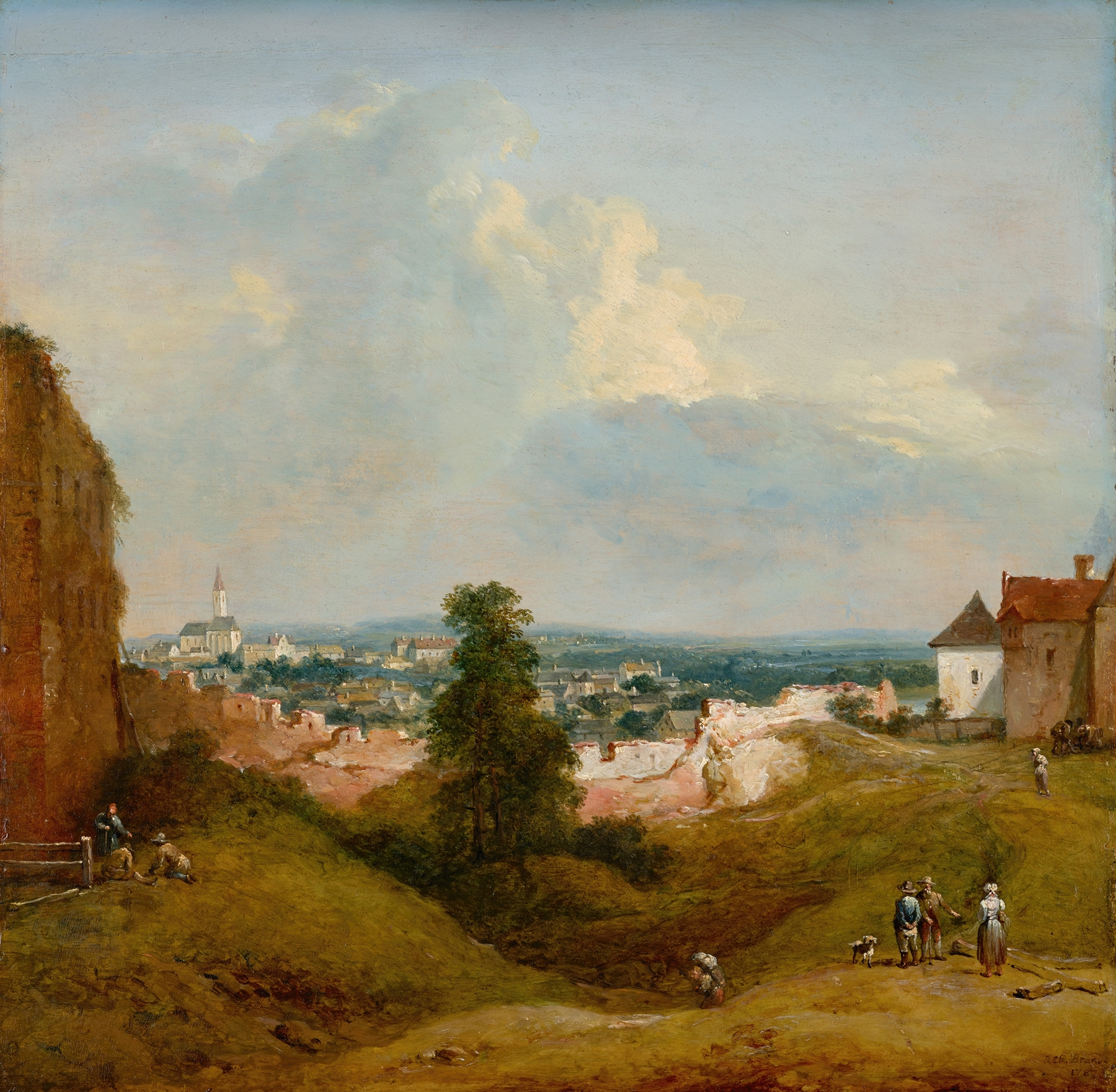
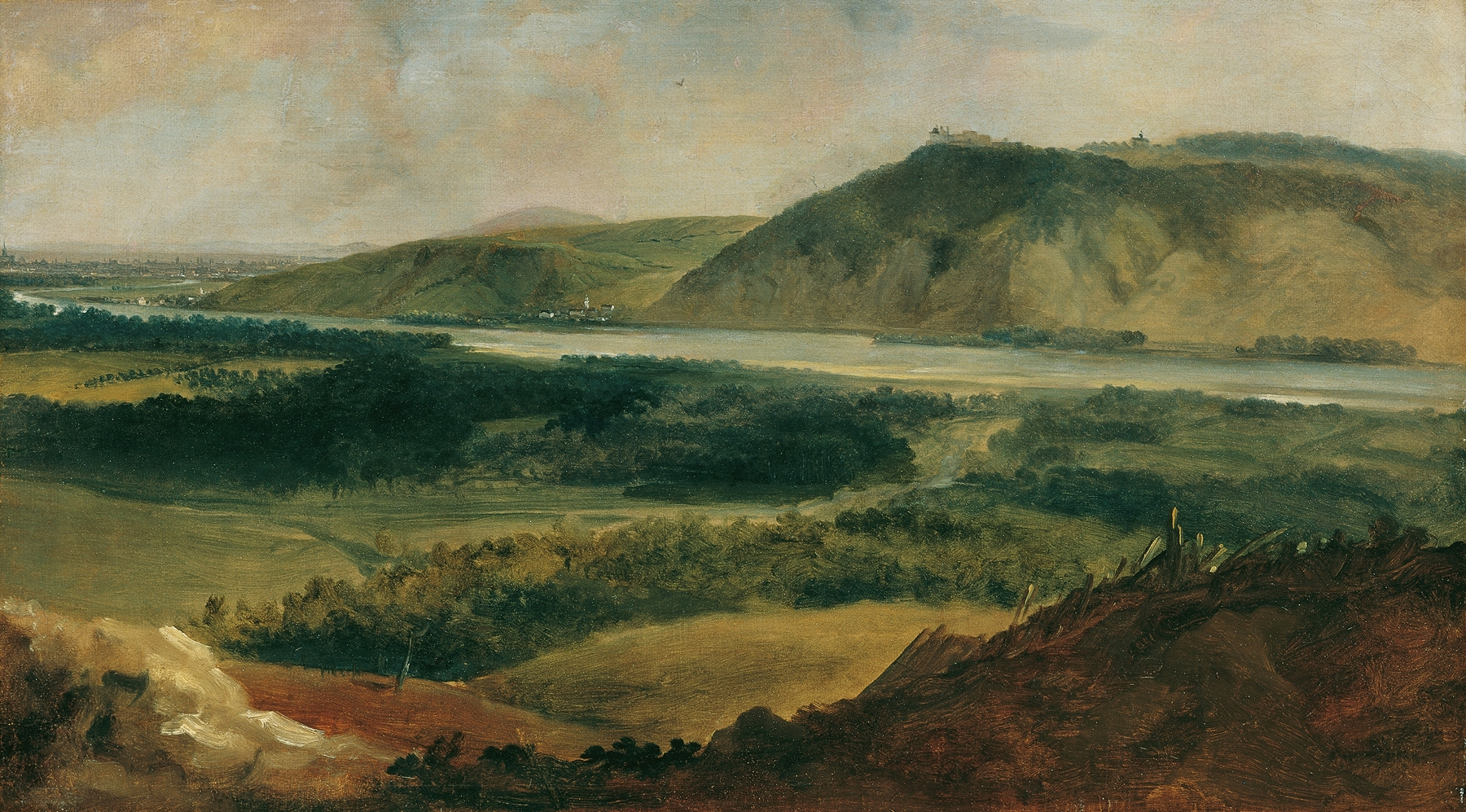
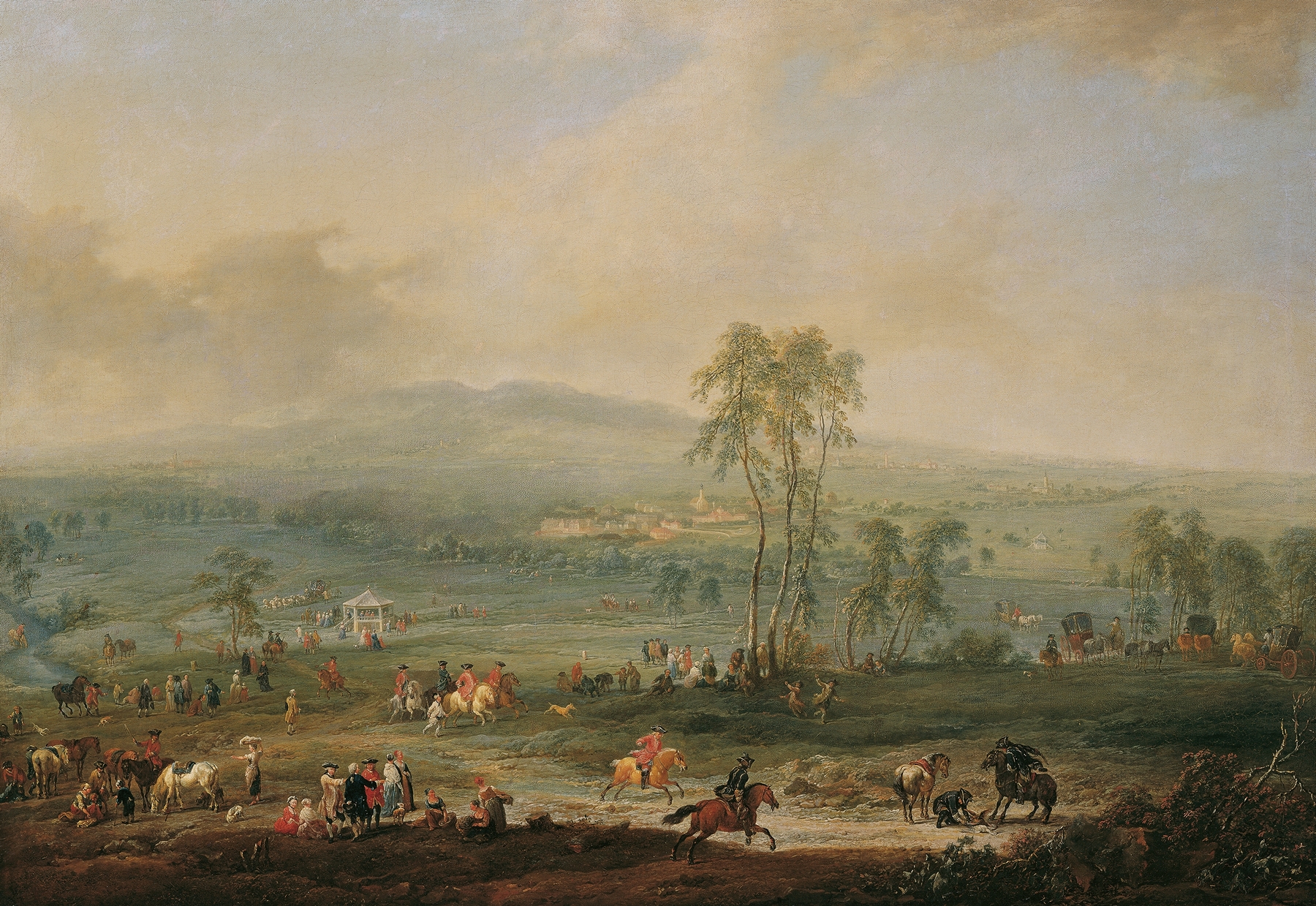
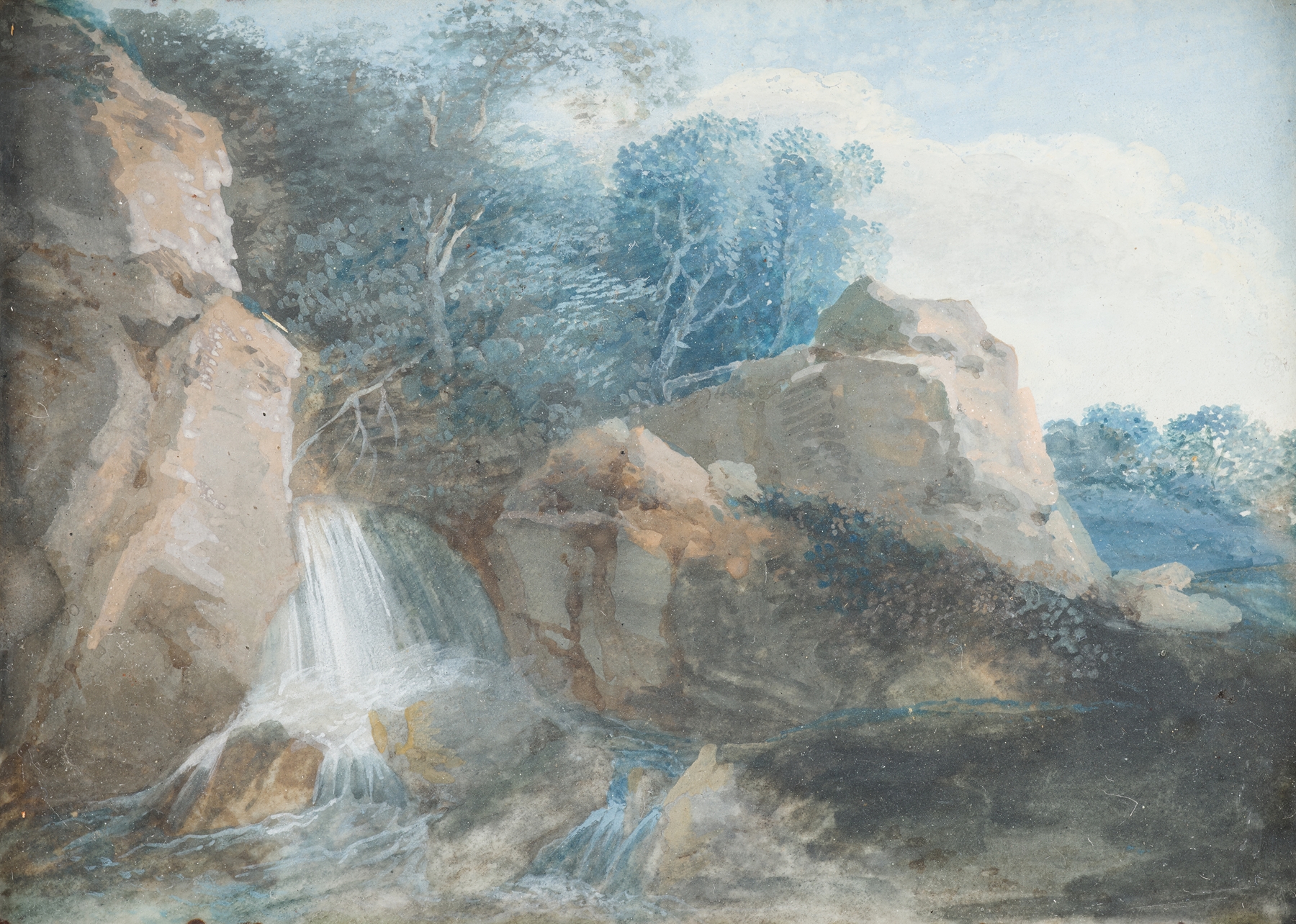
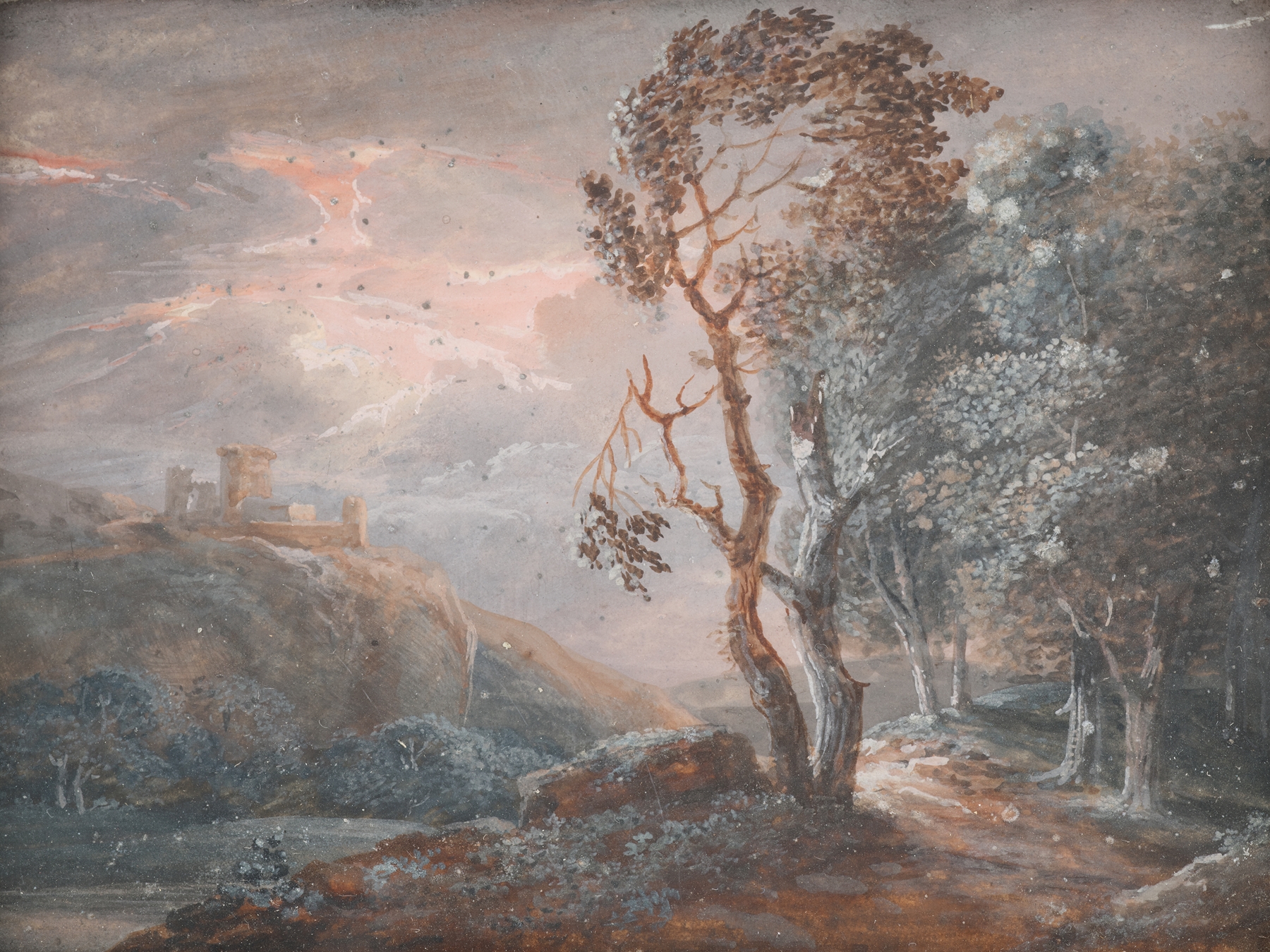
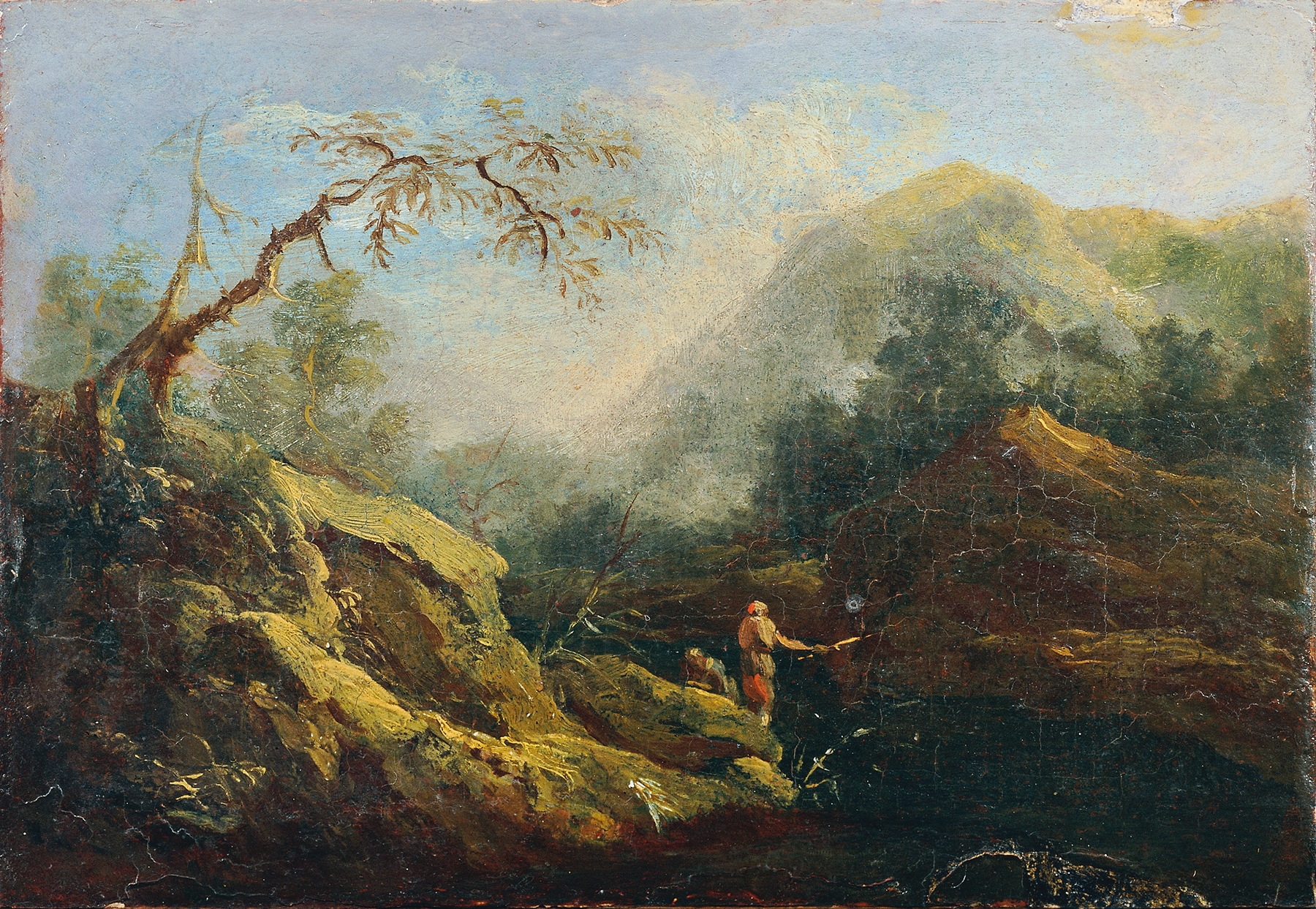
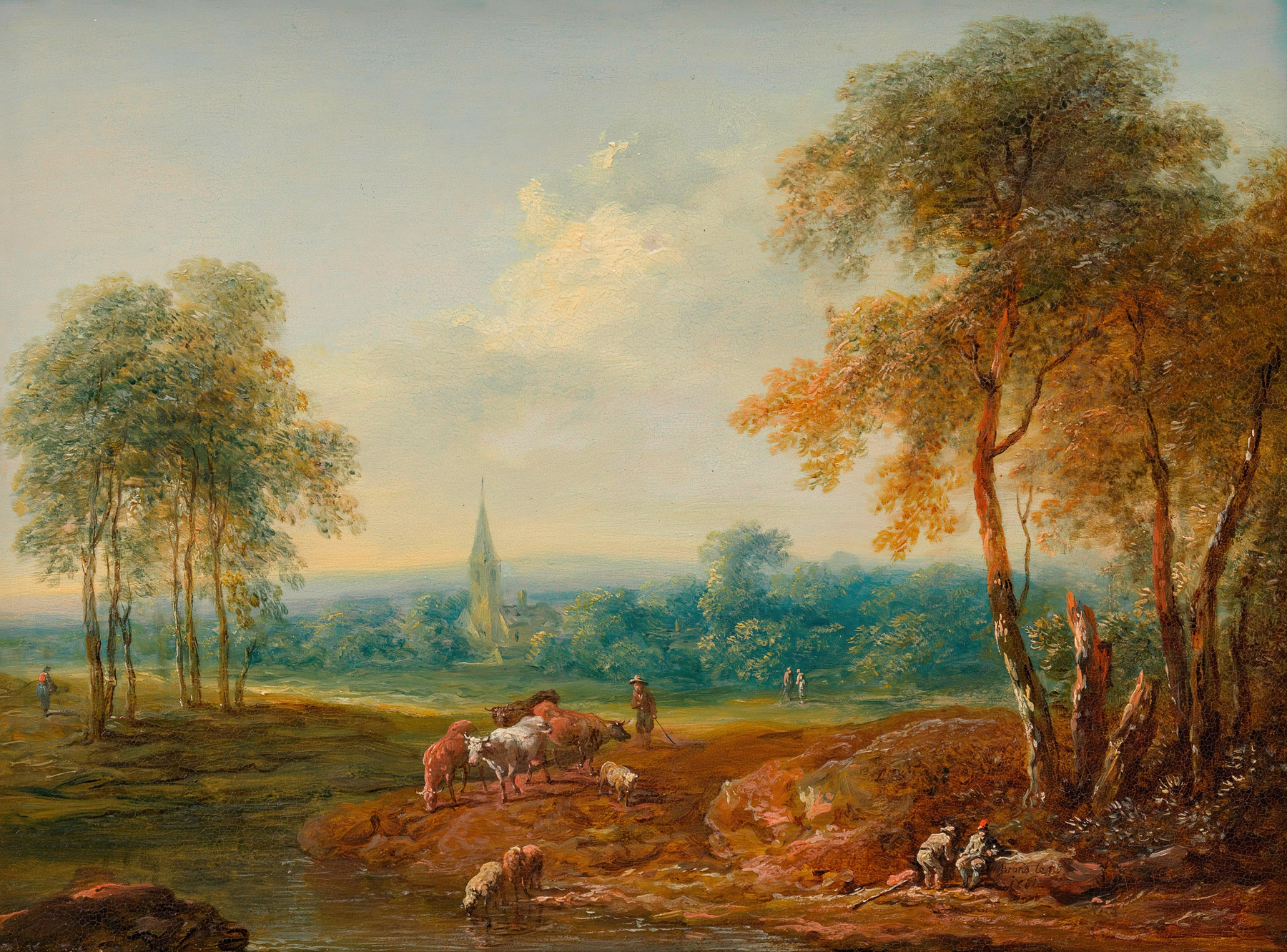
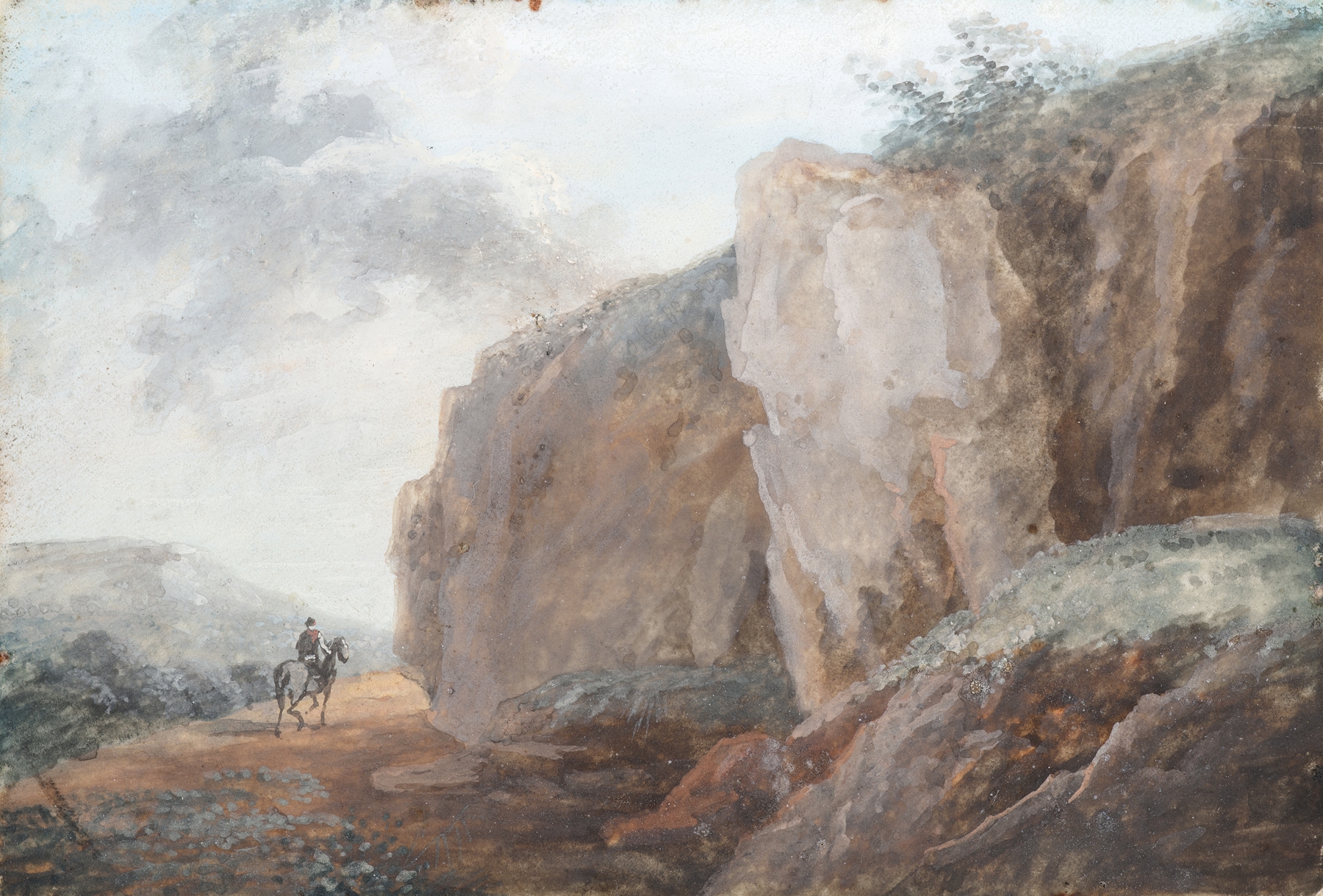
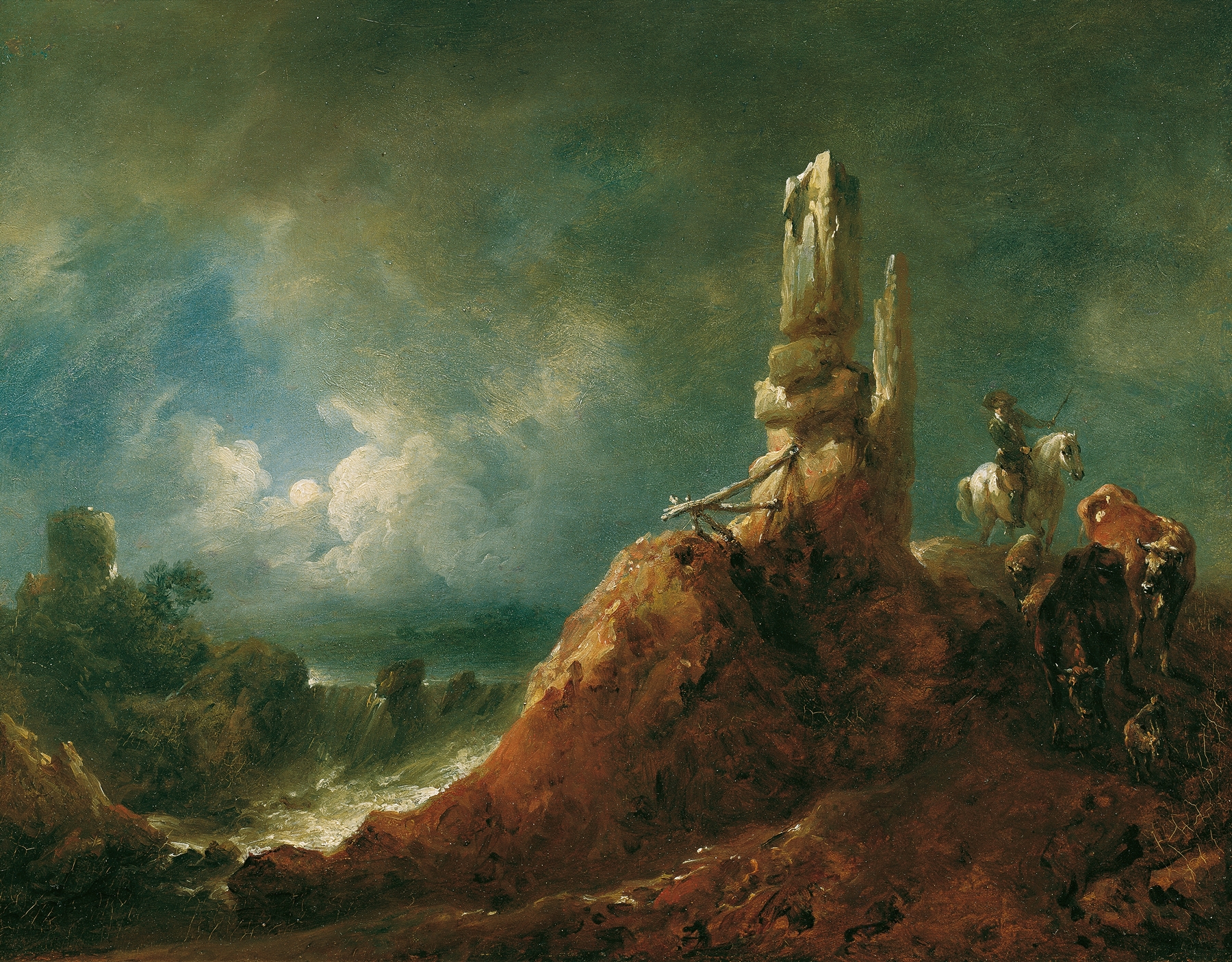
“Art reveals the soul when the world turns away.” In the stillness of a fading landscape, the beauty of decay whispers its truths, urging us to explore the depths of transience and renewal. Look closely at the sprawling scenery, where muted greens and browns merge seamlessly with hints of gold. The horizon stretches gently, inviting the viewer's gaze to wander through the soft brushstrokes that capture the essence of nature’s decline. Notice how the fading light accentuates the crumbling structures and wild grasses, emphasizing the fragile balance between life and decay, as though each element is in a quiet conversation with time.
Deeper still, the interplay of shadow and light suggests a poignant narrative. The vibrant earth tones evoke nostalgia, while hints of the unexpected — a withering tree or a dilapidated fence — serve as reminders of past vitality. These small details weave a tapestry of life’s ephemeral nature, prompting reflections on growth, loss, and the inevitable cycle of change that defines existence.
During the late 18th century, the artist created this work amidst a shifting European artistic landscape, where romanticism began to bloom. He worked primarily in Germany, a time when nature was increasingly celebrated for its beauty and complexity. This period saw a growing fascination with landscapes that not only reflected pastoral pleasures but also explored deeper philosophical themes—such as decay—reminding us that beauty often lies in what is fleeting.