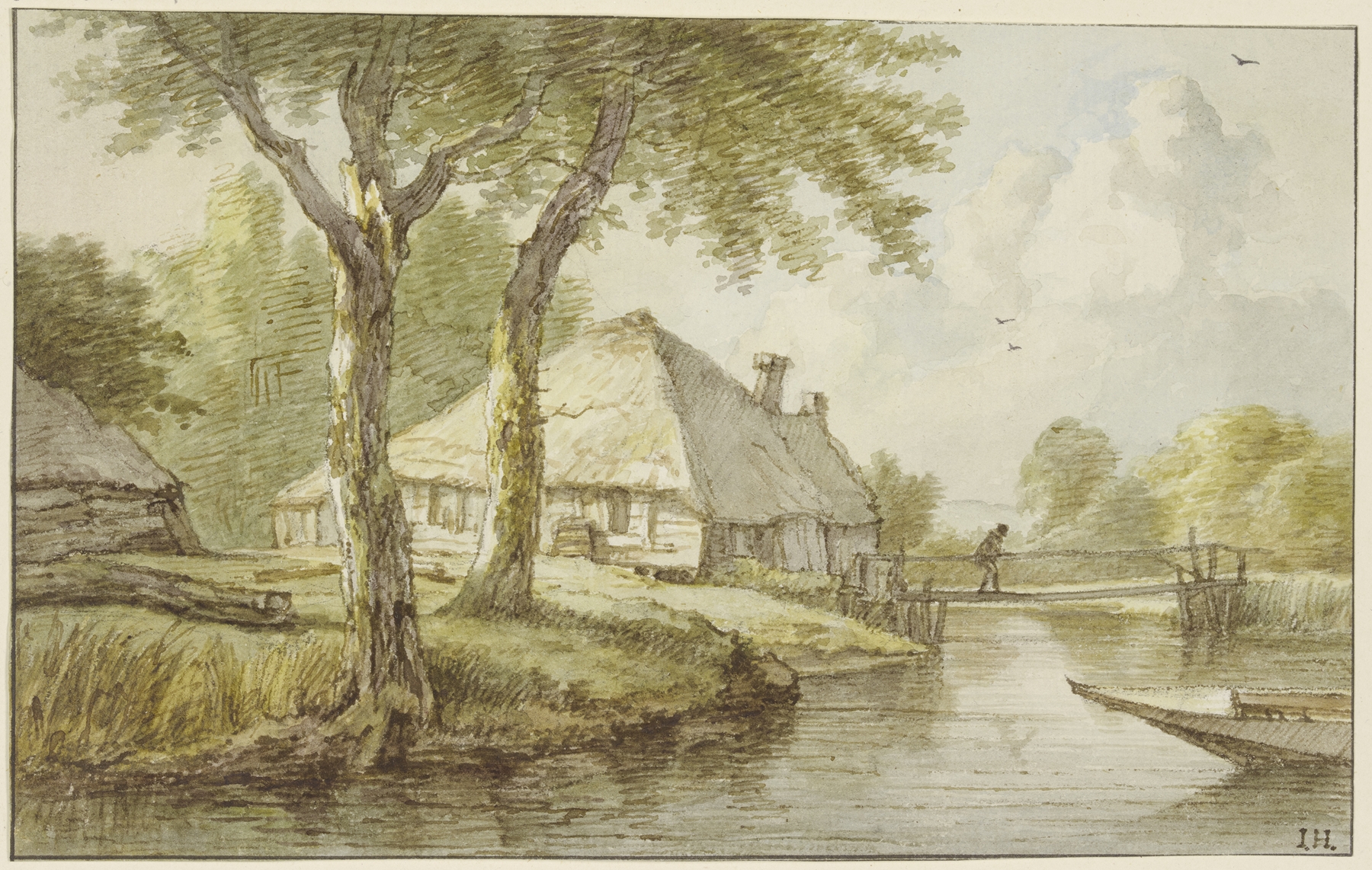
Landschaft, vorne Wasser, unter vielen Bäumen ein Haus mit Zaun — History & Analysis
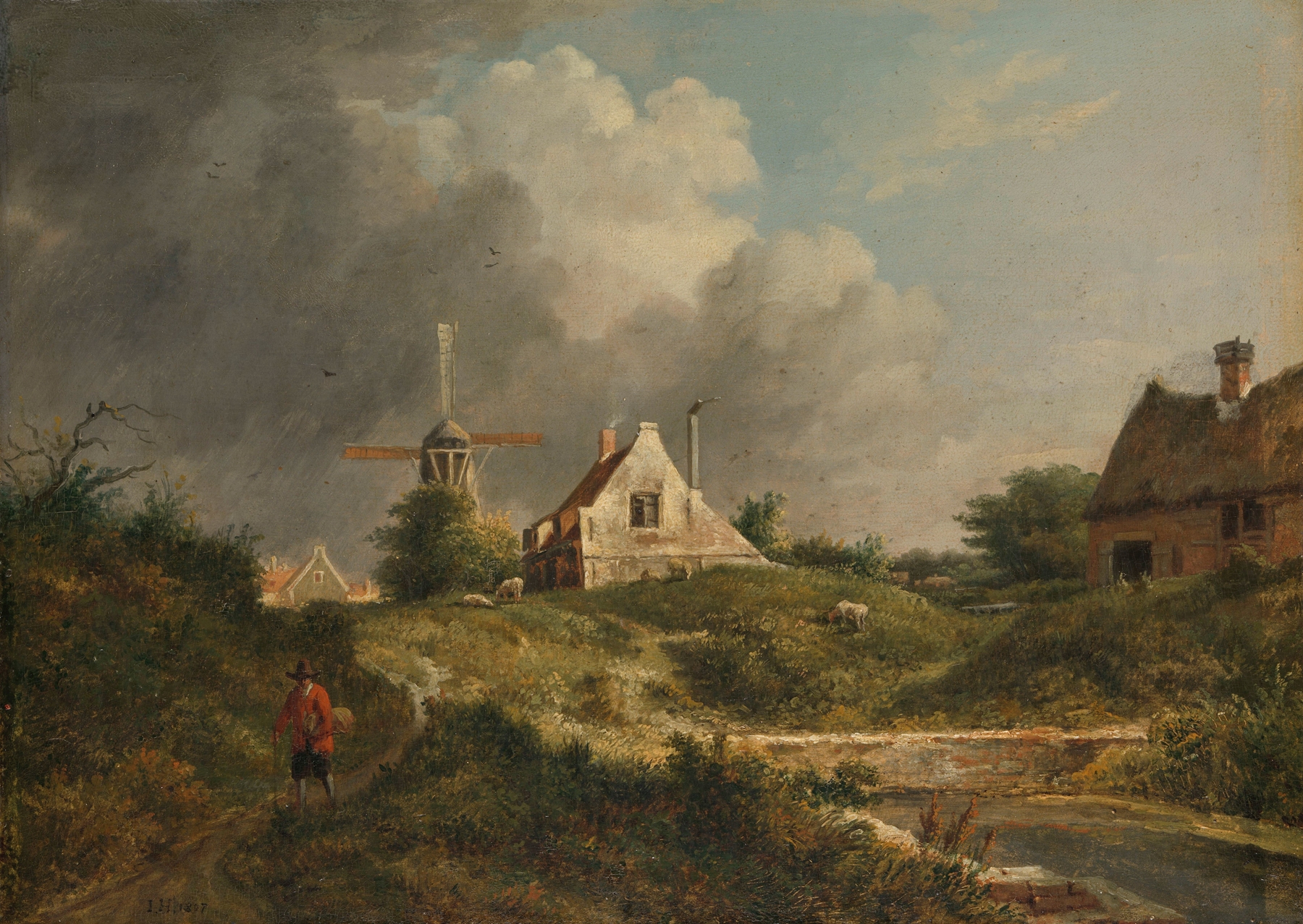
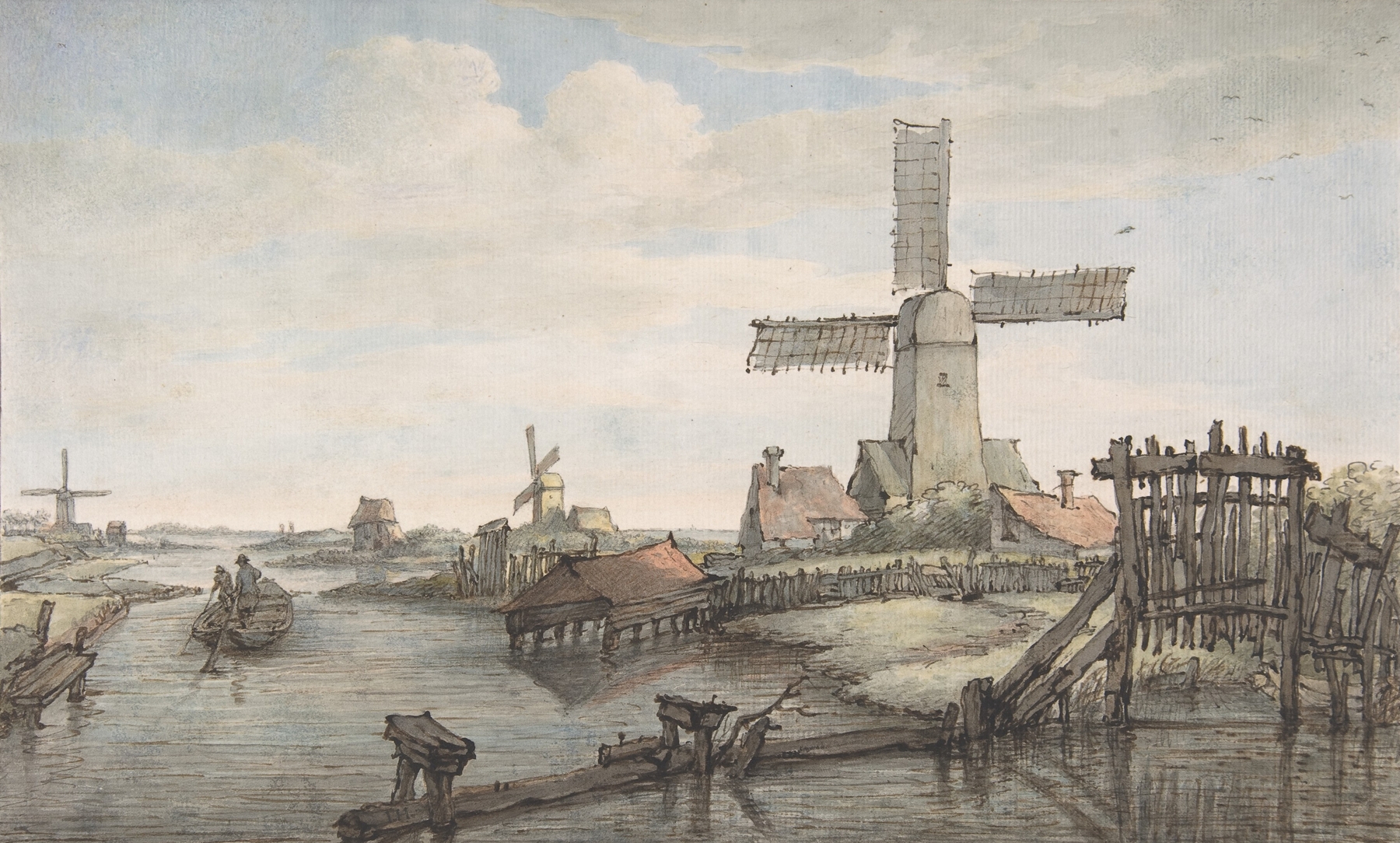
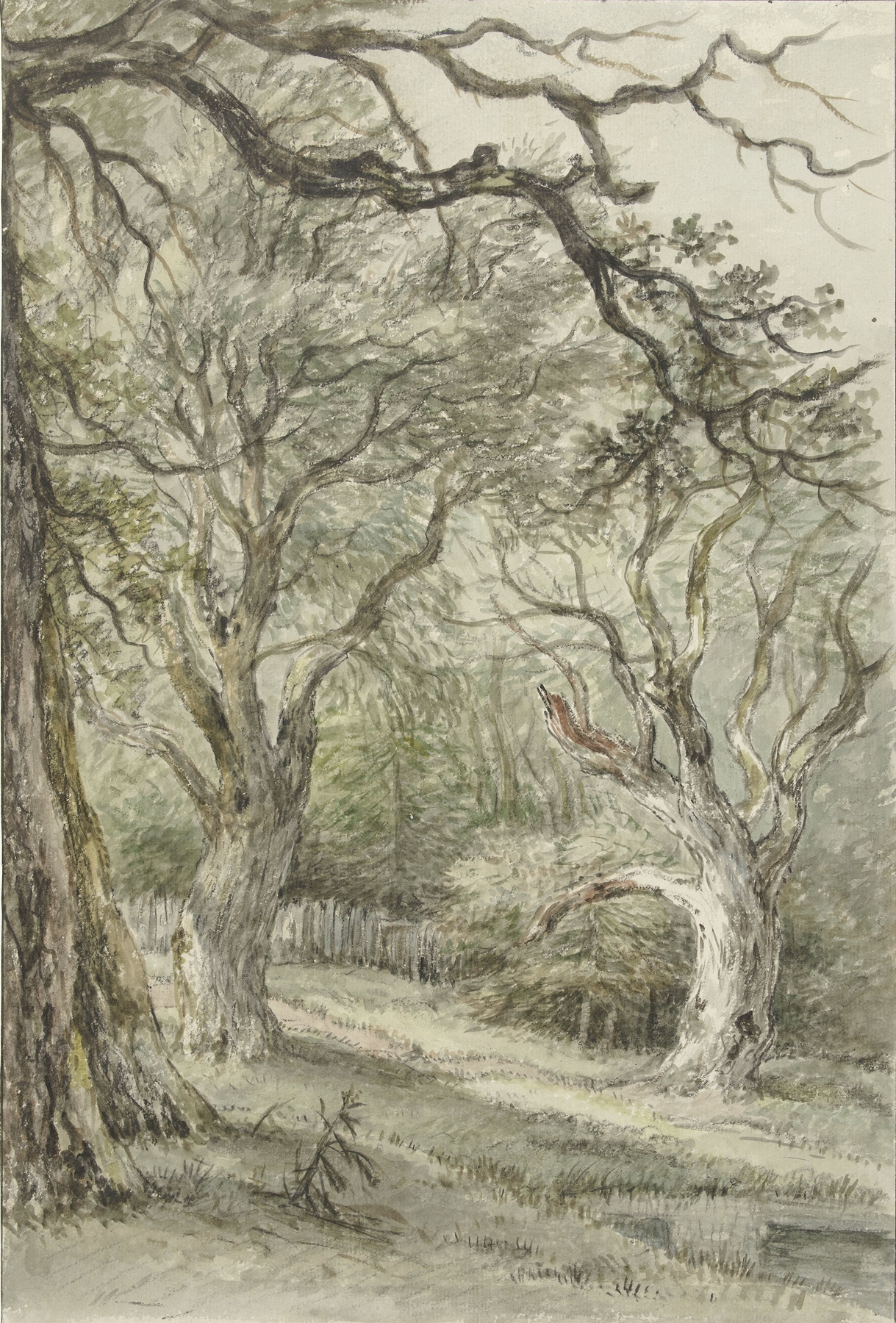
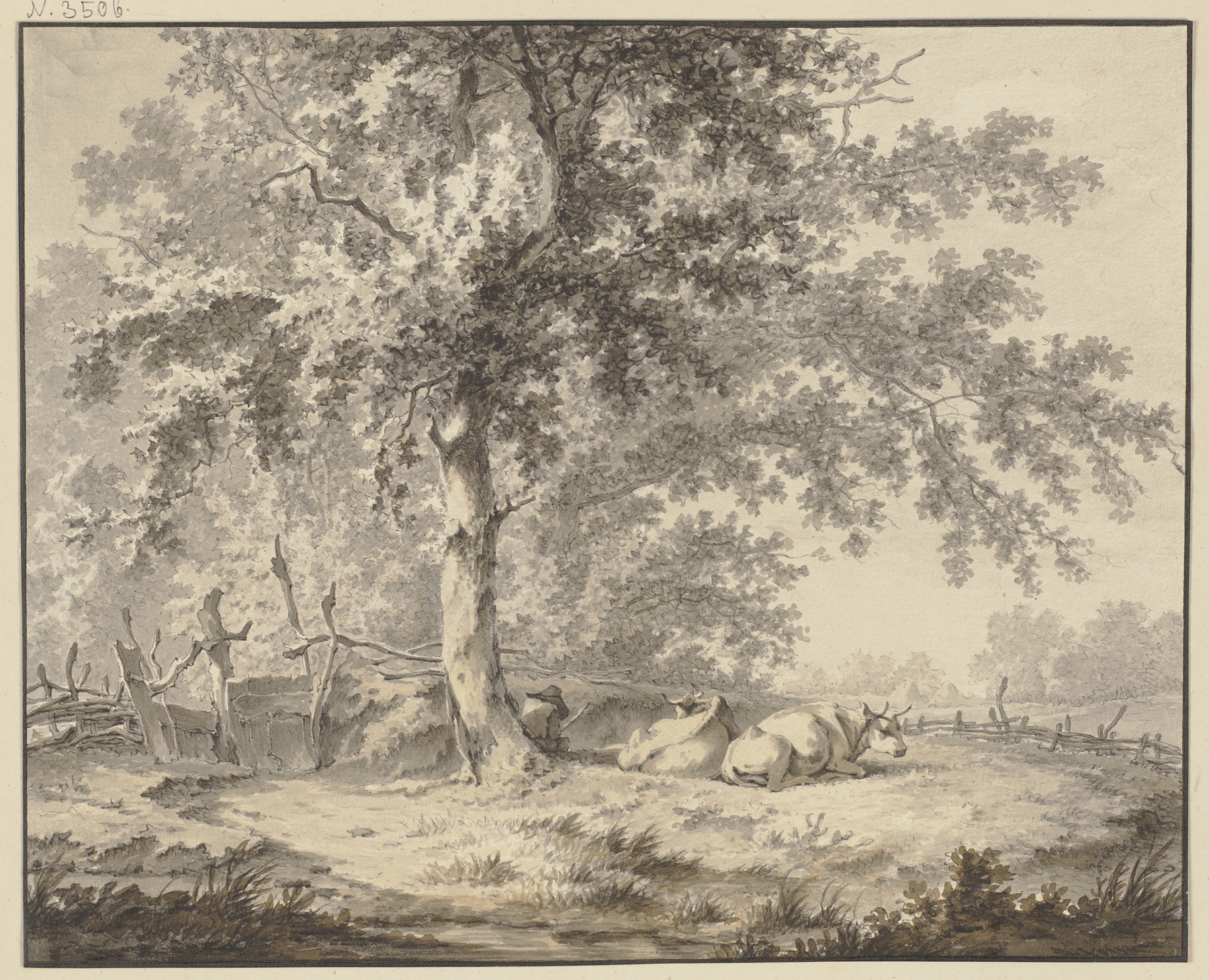
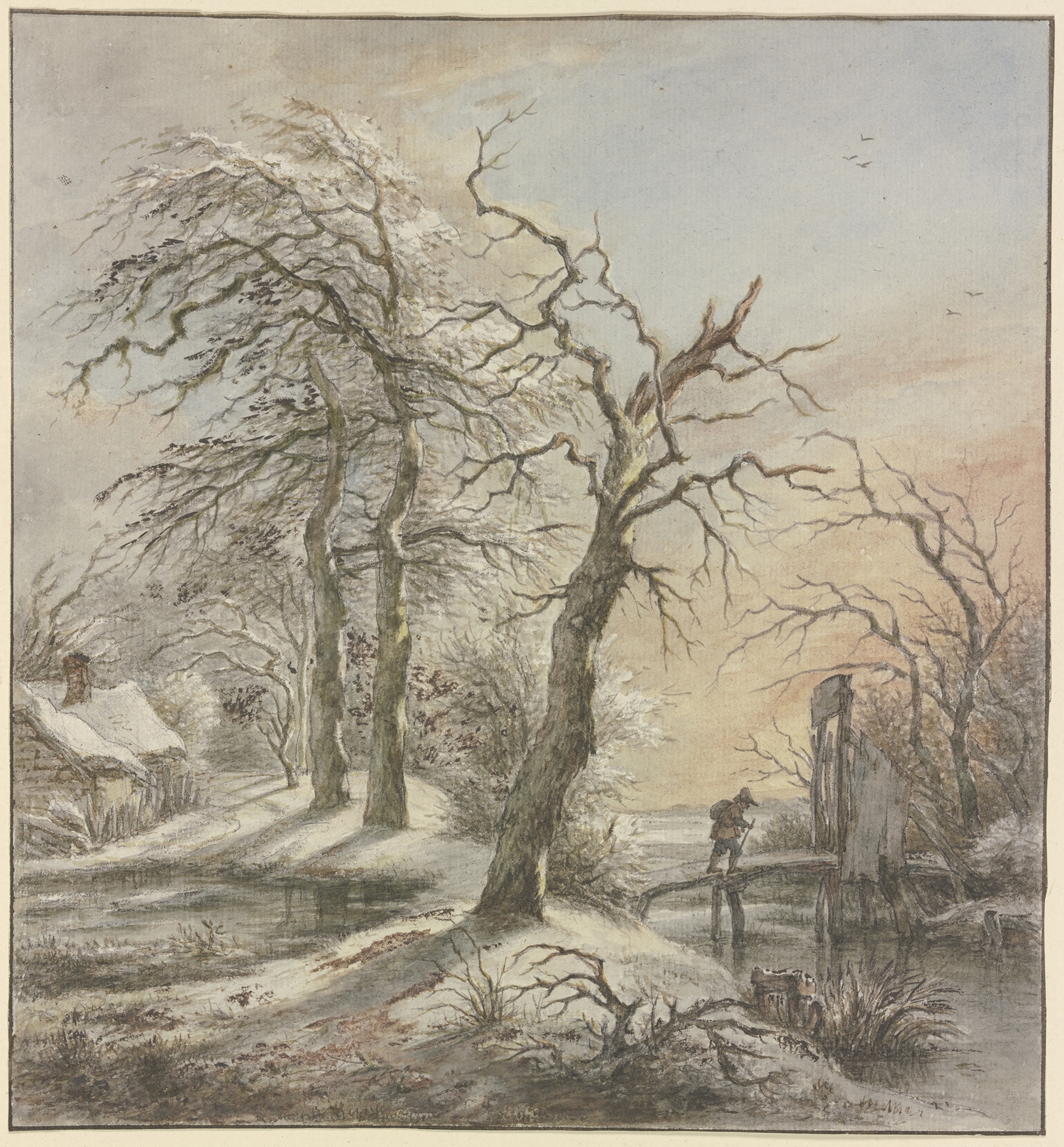
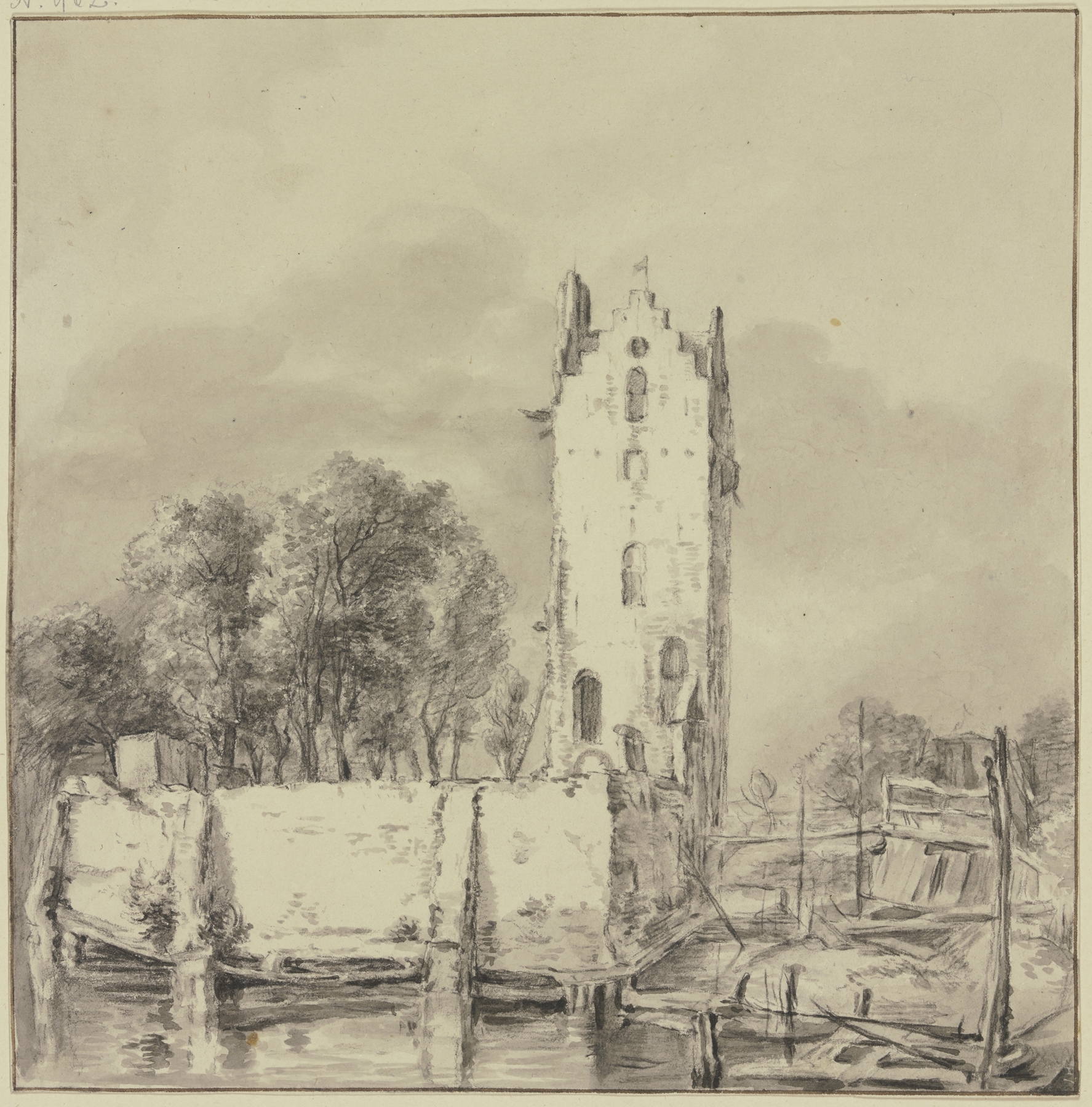
Who listens when art speaks of silence? In the stillness of Landschaft, vorne Wasser, unter vielen Bäumen ein Haus mit Zaun, a world unfolds where absence resonates just as profoundly as presence. Focus on the tranquil water in the foreground, its surface a glassy mirror reflecting the weight of the trees that flank the scene. The house stands modestly, encircled by a fence that hints at both protection and isolation.
Notice the muted palette, where greens and browns dominate, allowing the depth of shadow to play a crucial role in the work’s emotional landscape, creating a serene yet somber atmosphere that invites contemplation. The interplay of light and shadow in this piece suggests a narrative of solitude. The fence, rather than a barrier, appears to be a symbol of the boundary between the known and the unknown, nature and human creation. The distant trees, standing sentinel-like, evoke a feeling of watchfulness, almost as if the scene is holding its breath, waiting for a story to unfold yet never does, emphasizing the beautiful emptiness inherent within the composition.
Jan Hulswit created this piece during a time when landscape painting was evolving, likely in the late 17th century in the Netherlands. This period was marked by a growing fascination with natural beauty and the intimate relationship between humanity and the environment. Hulswit, operating within this context, contributed to the exploration of landscapes as spaces of silence and reflection, inviting viewers to pause and listen to the quiet secrets they hold.