Landschap met een hengelaar aan het water — History & Analysis
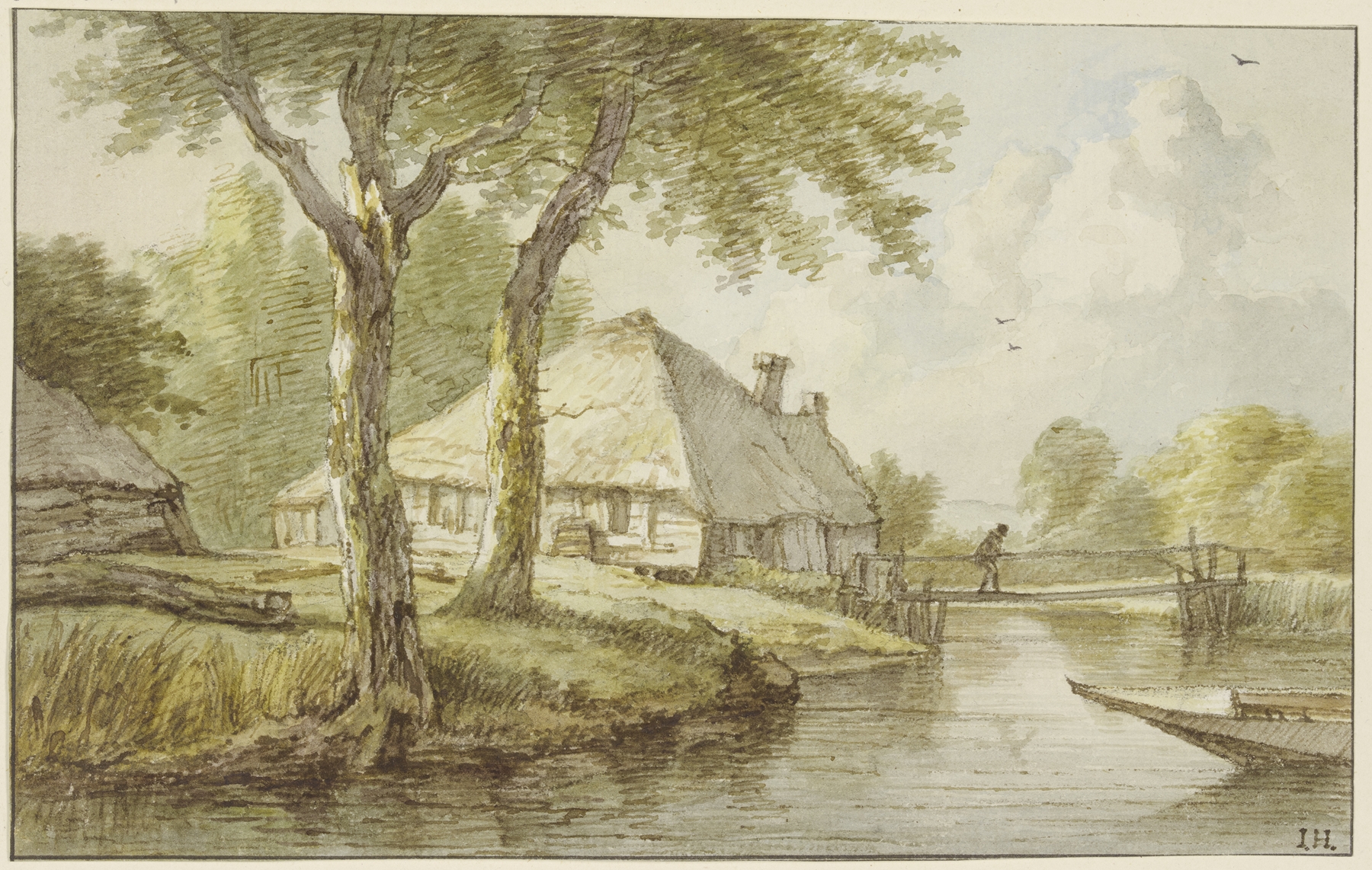
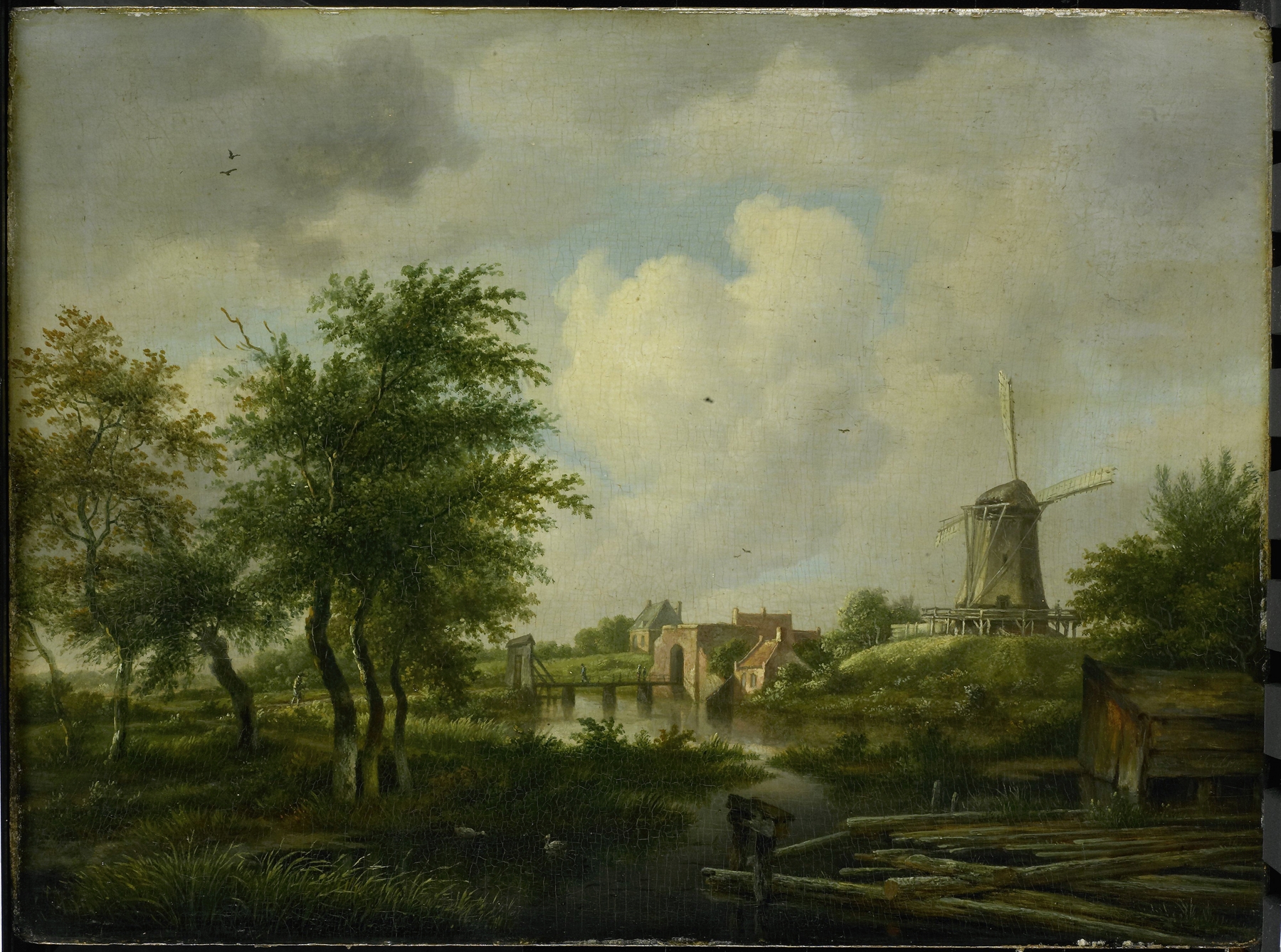
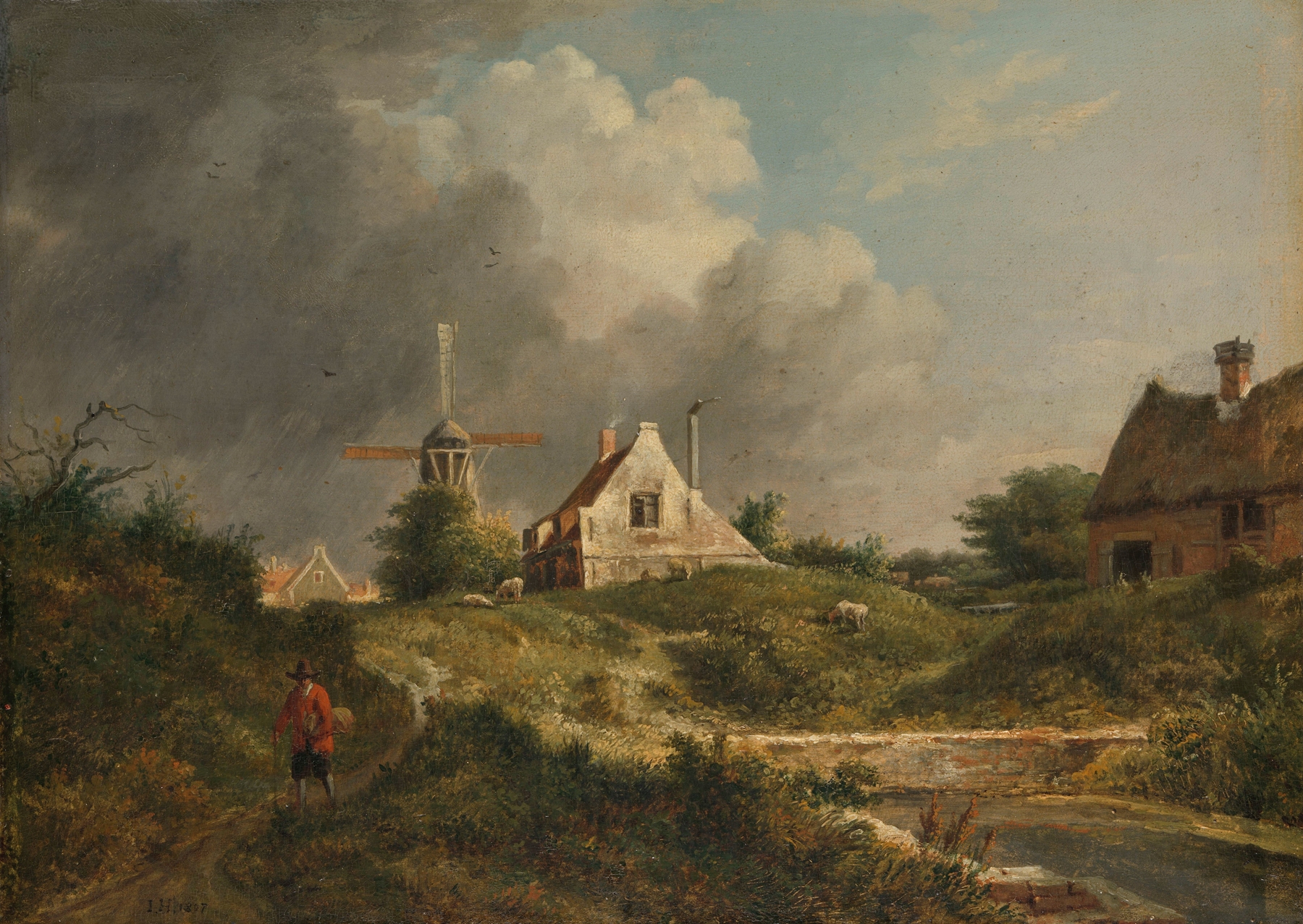
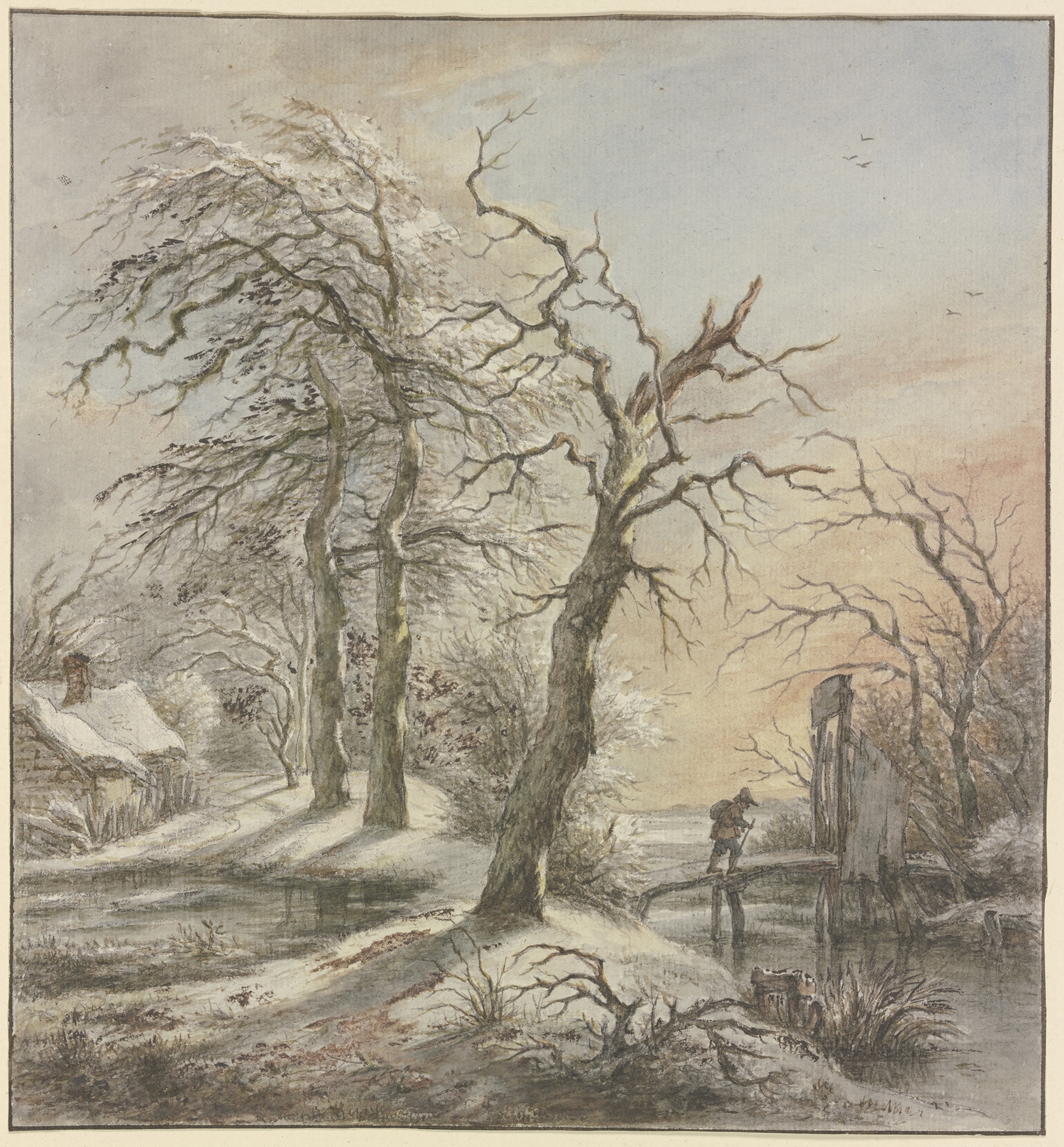
“Every silence here is a confession.” In the stillness of a landscape, the weight of absence hangs in the air, inviting contemplation of what has been lost. Look to the foreground where a solitary fisherman stands, casting his line into the shimmering water. The gentle ripples, painted with delicate strokes, reflect the soft hues of a twilight sky, blending oranges and blues that evoke a sense of yearning.
Notice how the angle of his body, slightly hunched and focused, speaks to solitude, while the surrounding trees, lush yet distant, cradle him in a warm embrace yet keep their own secrets. Beneath the tranquil surface lies a deeper narrative—each brushstroke revealing a tension between the peaceful scene and the quiet struggle of the man. The fisherman, seemingly at one with nature, embodies both contentment and an ache for connection, emphasizing the contrast between the lush beauty of the landscape and the isolation experienced in absence.
The interplay of light and shadow embodies the dual nature of existence—serenity intertwined with the pangs of longing. Created between 1776 and 1822, this work emerged during a period when Jan Hulswit sought to capture the essence of Dutch landscapes, reflecting on themes of solitude amidst nature. As the world of art began to embrace Romanticism, Hulswit found his voice within this evolving context, channeling personal experience into his nature scenes, where every element speaks to the fragility of human emotion and connection.