Landschap met kale bomen aan een water — History & Analysis
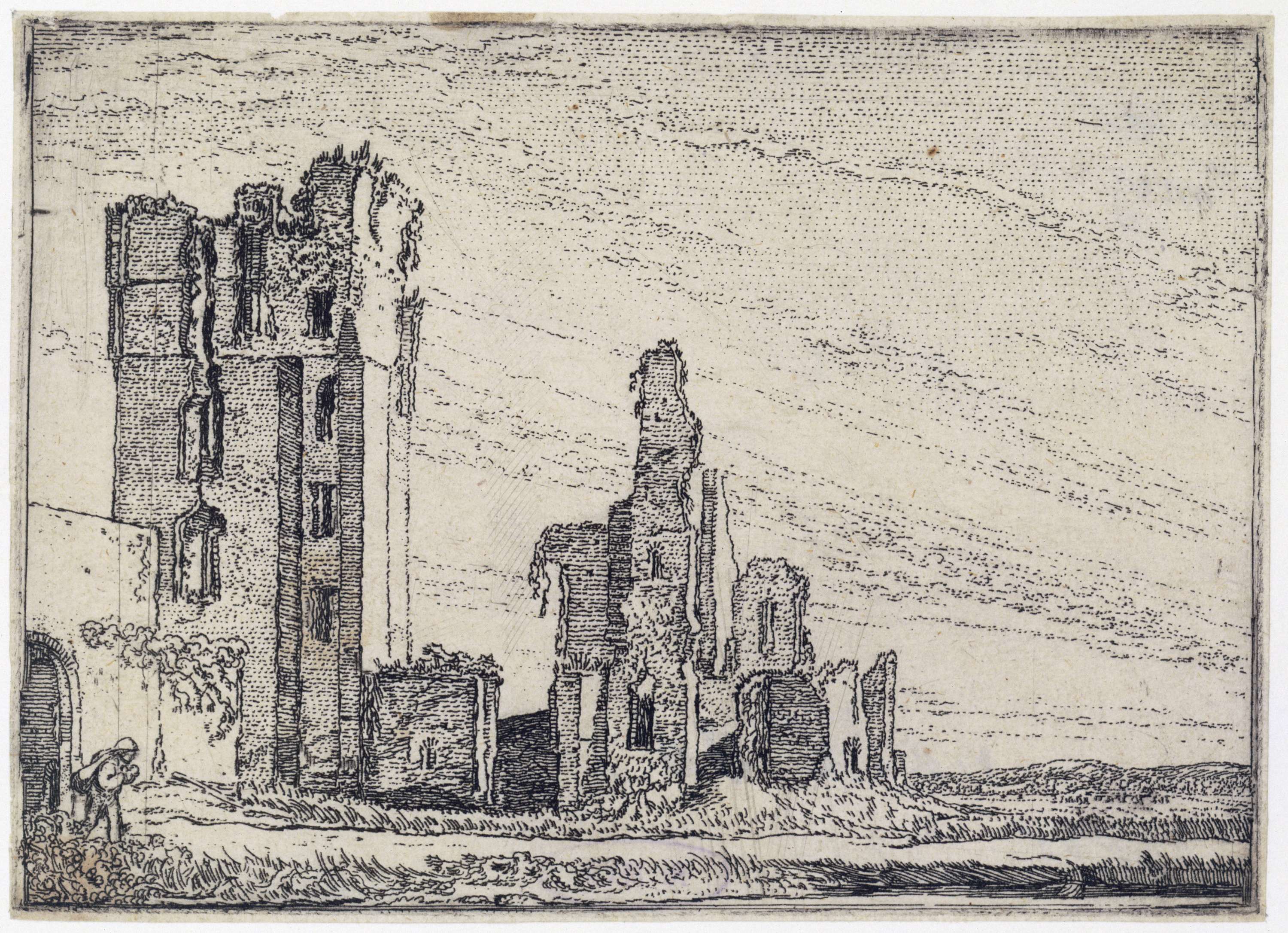
What if beauty was never meant to be finished? In the stillness of a landscape, echoes of loss weave through the bare trees, their limbs reaching skyward as if grasping for something forever out of reach. Look to the left at the stark contrast of the skeletal trees against the tranquil waters, their reflections shimmering with a ghostly presence. Notice the muted palette of browns and greys, evoking a somber mood that envelops the scene.
The composition draws the eye towards the horizon, where distant hills, softened by haze, hint at both separation and unity, adding depth to the overall melancholy. Each brushstroke captures the subtle interplay between light and shadow, enhancing the emotional resonance of the landscape. This work speaks of grief, not just in its forlorn trees but in the stillness of the water, which seems to hold memories unspoken. The absence of foliage may symbolize loss — a cycle interrupted — while the water's calm surface reflects not only the barren trees but also the inevitability of change.
There’s a tension between beauty and decay, suggesting that within every end lies a haunting beauty, a reminder of what once flourished. Willem Pietersz Buytewech painted this landscape in 1621 during a time of personal and artistic transition. Living in the Netherlands, a country grappling with the aftermath of the Protestant Reformation, he sought new expressions in landscape painting amid the burgeoning Baroque movement. This work stands as a testament to his ability to infuse emotion into the natural world, reflecting the complexities of human experience against the backdrop of a changing society.