L’arc-en-ciel à Courrières — History & Analysis
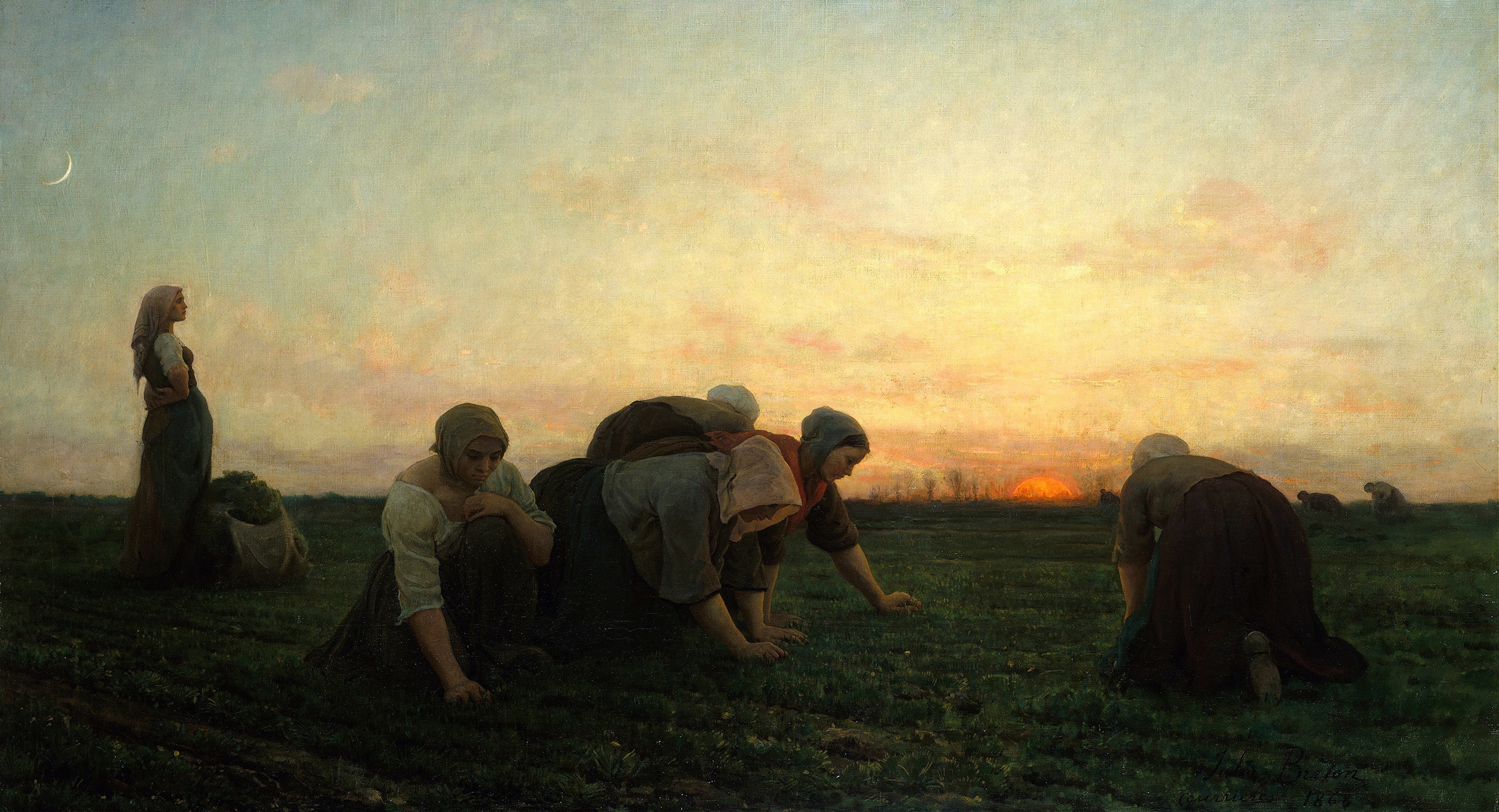
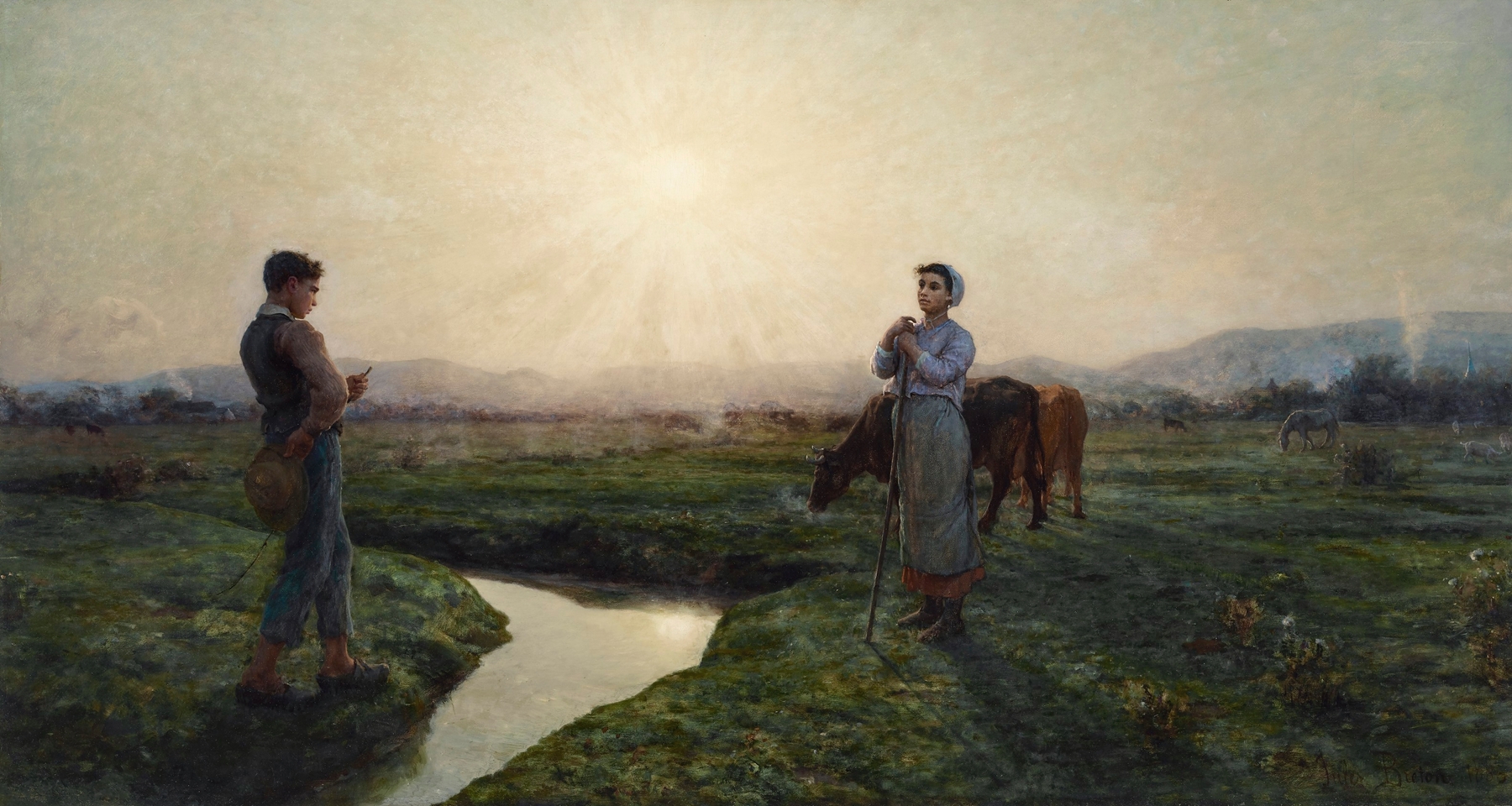
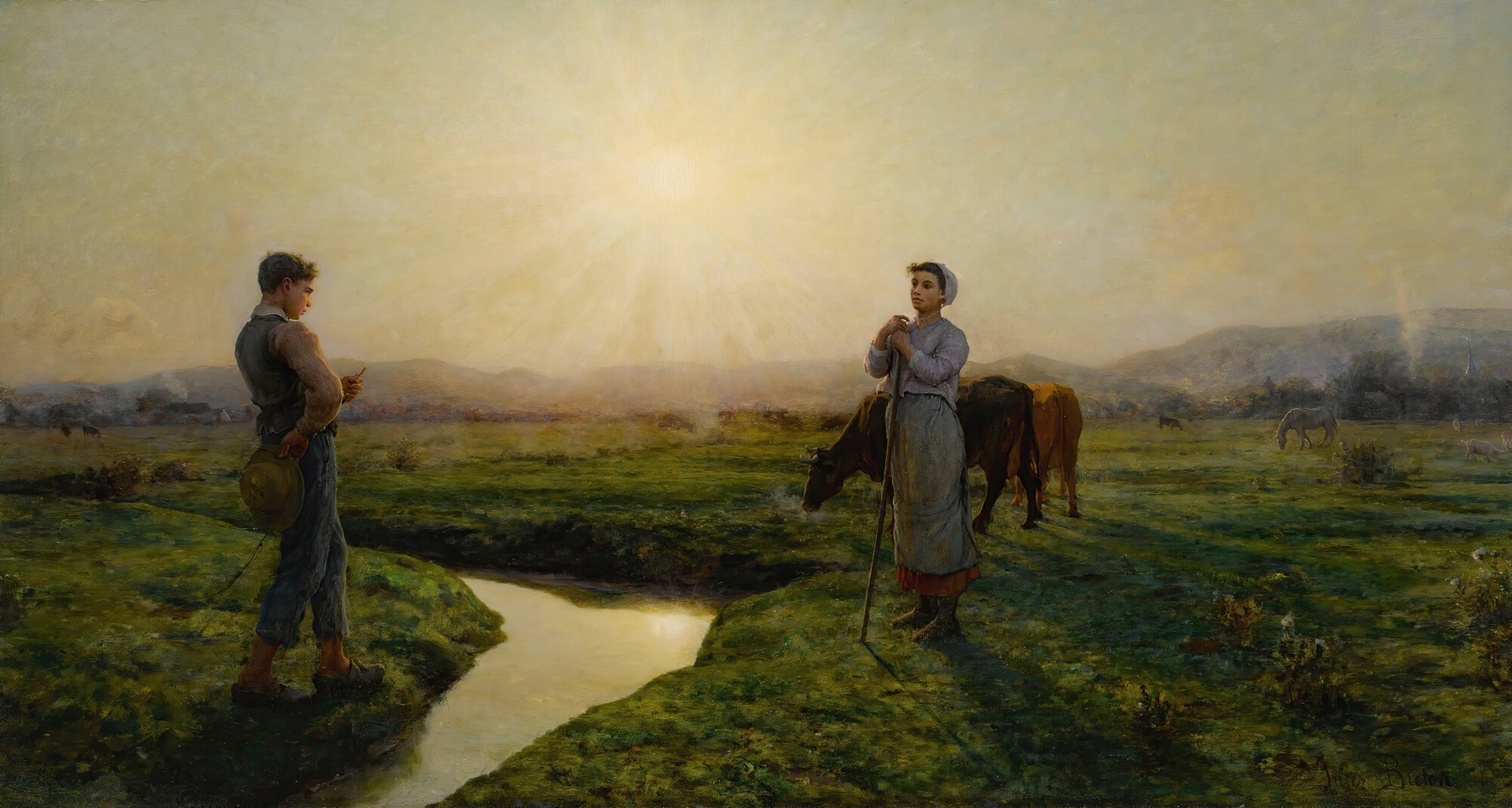
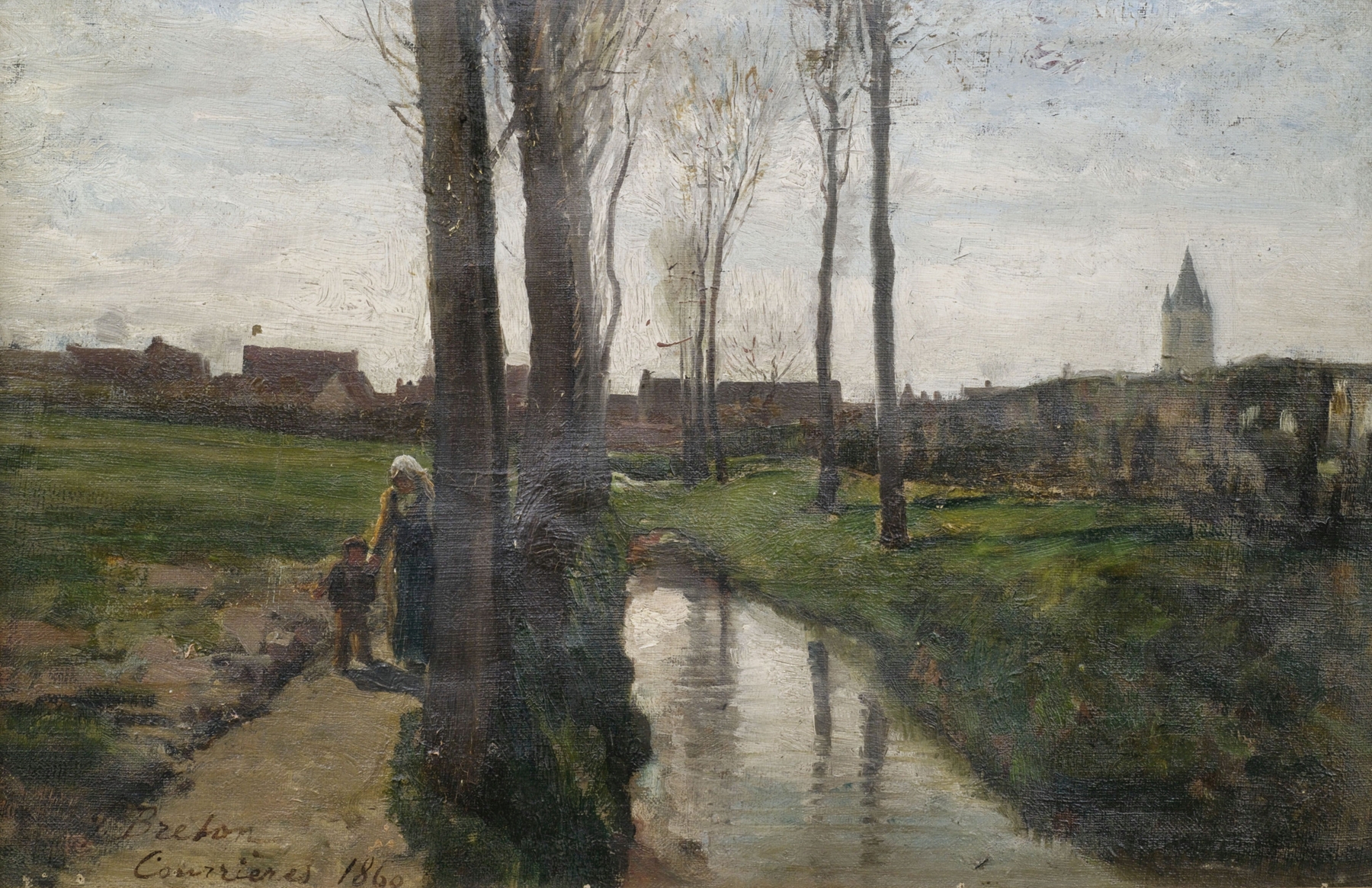
What if beauty was never meant to be finished? In L’arc-en-ciel à Courrières, the ethereal play of color and light compels us to confront the ephemeral nature of our desires and obsessions. Begin by focusing on the ethereal arch of the rainbow that dominates the canvas, a vivid contrast to the muted earth tones below. Notice how the sky glows with soft hues of blue and gold, inviting the eye to explore the boundaries of the scene.
Direct your gaze towards the figures at the bottom, poised in a moment of reverence—each gesture, every slight tilt of the head, speaks to their longing for something unattainable, something just beyond reach. Delve deeper into the emotional tensions within the artwork. The surrounding landscape, filled with rich textures and natural details, hints at the struggle between human aspirations and nature's indifference. The juxtaposition of the soft, dream-like sky against the solid, unyielding earth reflects the contrasting emotions of hope and despair, illustrating the futility of striving for perfection.
Each brushstroke tells a story of yearning, encapsulating the obsession with beauty as a fleeting mirage. Jules Breton created this masterpiece in 1855, during a period marked by the rise of Realism in France. He was living in a time filled with social changes and artistic exploration, having recently shifted from romantic ideals to a focus on the everyday. This painting reflects not only his personal journey but also the broader artistic movement that sought to capture the nuances of life, forever intertwining aspirations with the landscape of reality.