The Song of the Lark — History & Analysis
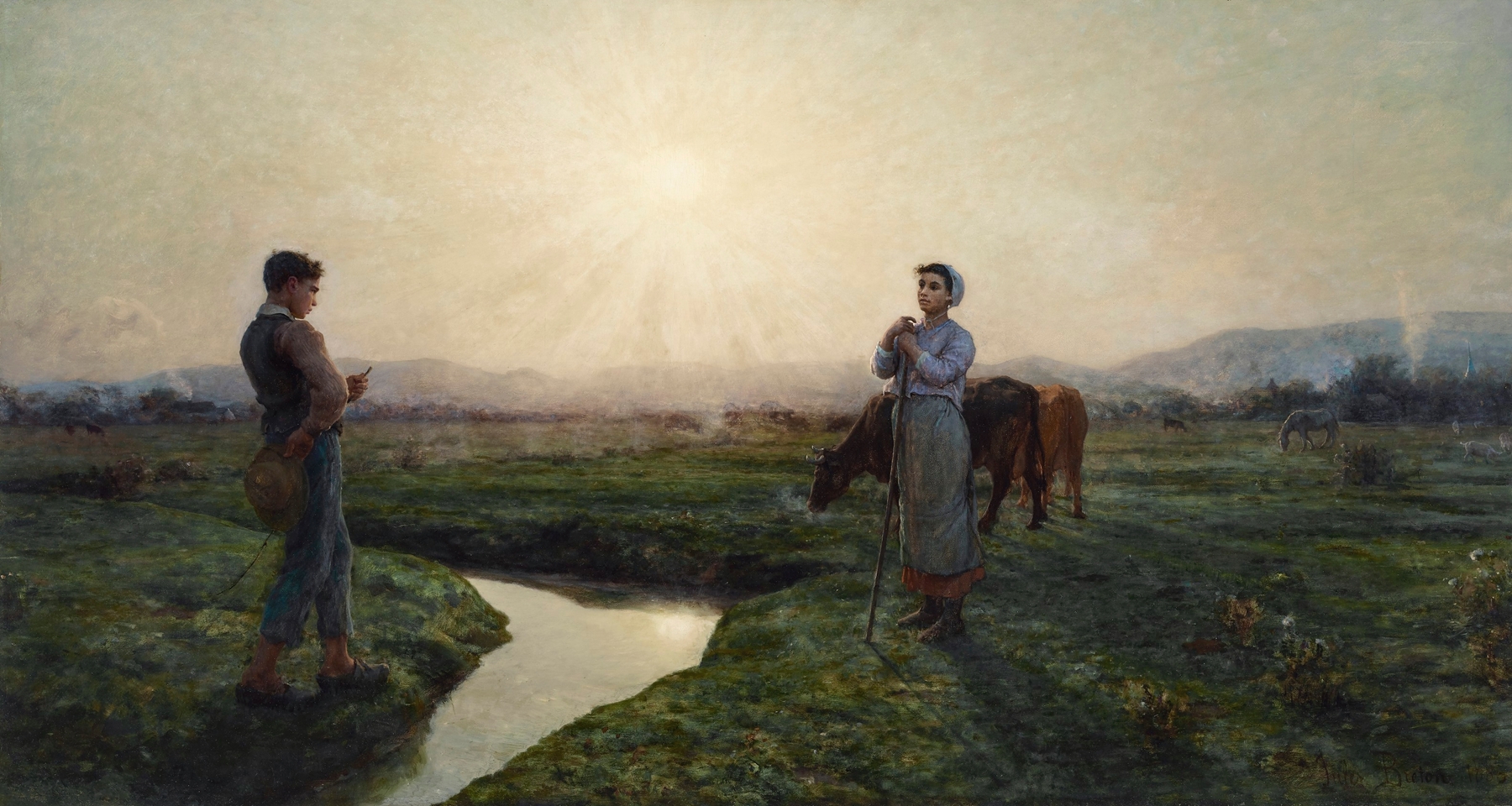
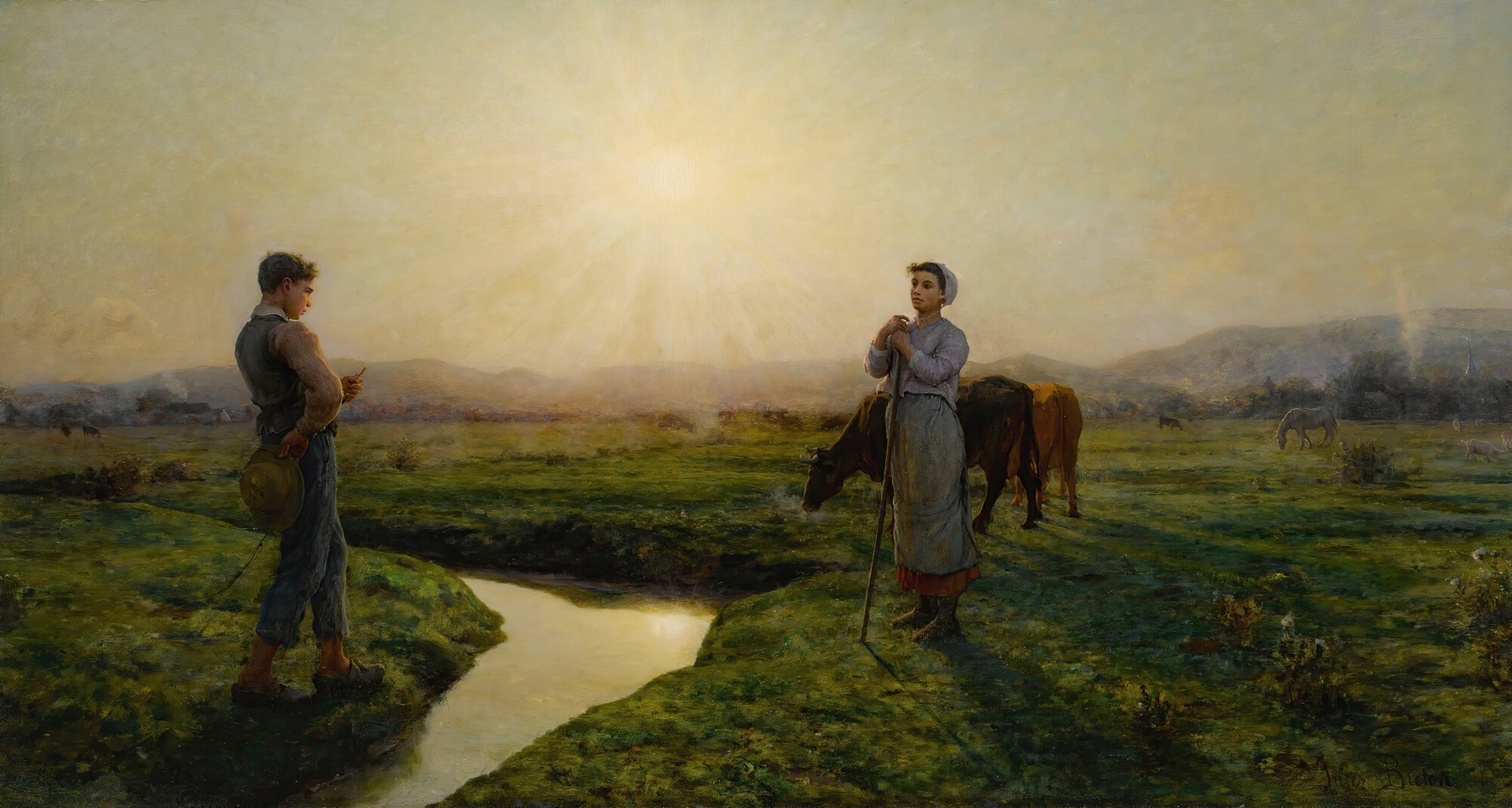
“To paint is to remember what time wants us to forget.” How do we reconcile our past betrayals with the beauty of our present? In The Song of the Lark, a moment of serenity plays out against the backdrop of nature's embrace, inviting us to explore the intricate balance between joy and sorrow. Look to the center of the canvas where a young woman, poised and contemplative, stands in a sunlit field. Her delicate figure, adorned in a simple dress, catches the warm hues of the setting sun, while a lark rises melodiously above her head.
Notice how the artist masterfully blends earthy greens and golden yellows, creating a harmonious palette that evokes both tranquility and a sense of longing. The soft brushstrokes gently guide the viewer's eye, drawing attention to the woman's serene expression, which juxtaposes the vibrant energy of the bird's ascent. As the lark ascends, one cannot ignore the underlying tension of isolation carried in the woman's stillness. The beauty of the scene belies a deeper emotional landscape—perhaps a moment of reflection on unfulfilled dreams or unspoken words, capturing the essence of betrayal that lingers in the air.
This contrast between the joyful song of the lark and the quiet contemplation of the figure offers a poignant reminder of the complexities of the human experience, where moments of beauty often conceal hidden wounds. Created in 1884, this work emerged during a period when Breton was deeply influenced by Realism and Naturalism, reflecting the everyday lives of rural communities. At this time, the artist was fascinated by the interplay between humanity and nature, seeking to immortalize life’s fleeting moments. His commitment to depicting peasant life and the themes of labor and connection to the land resonated with the social changes of the era, making The Song of the Lark a testament to both the beauty and the fragility of existence.