Landschaft bei Courrières — History & Analysis
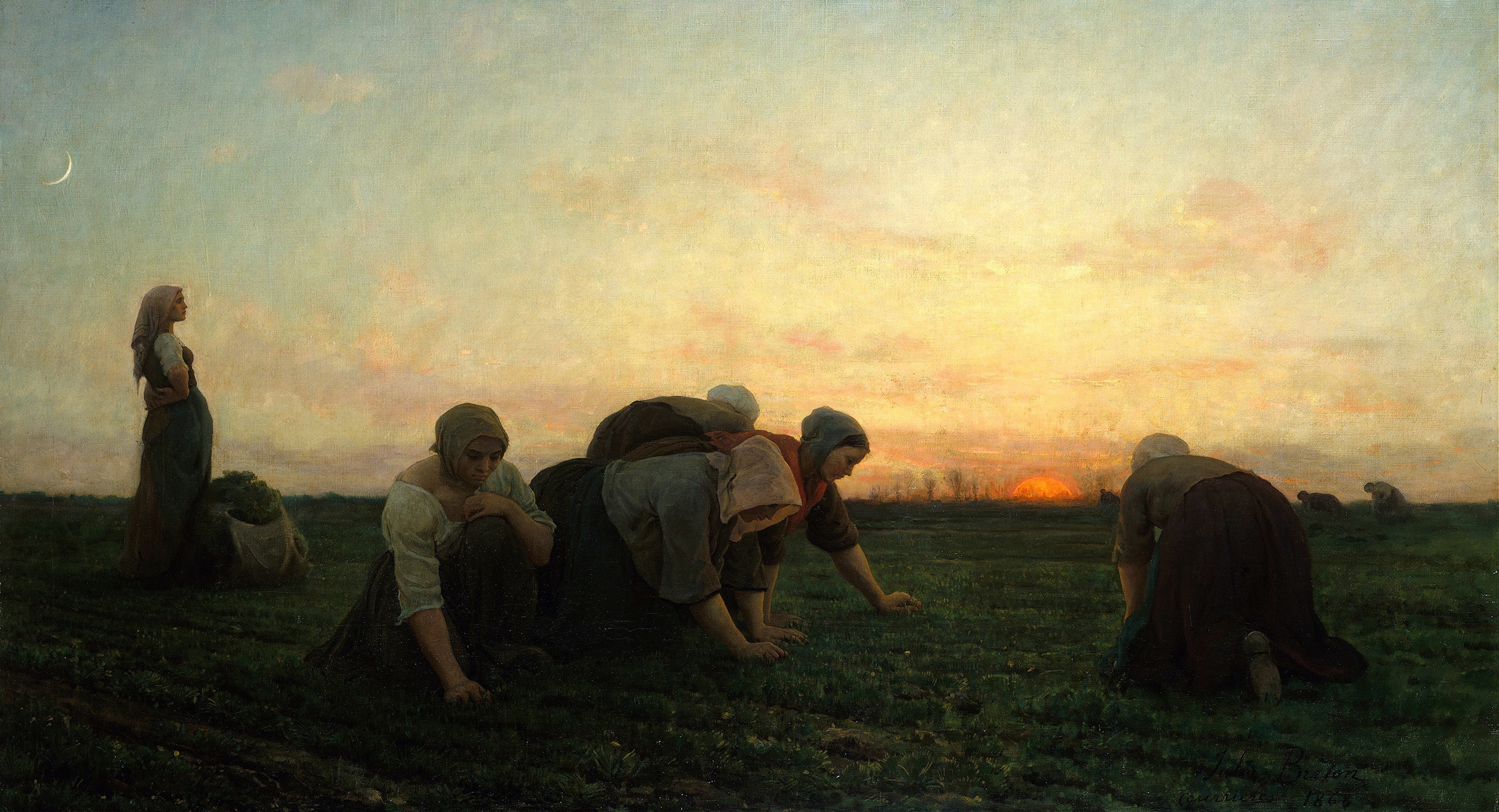
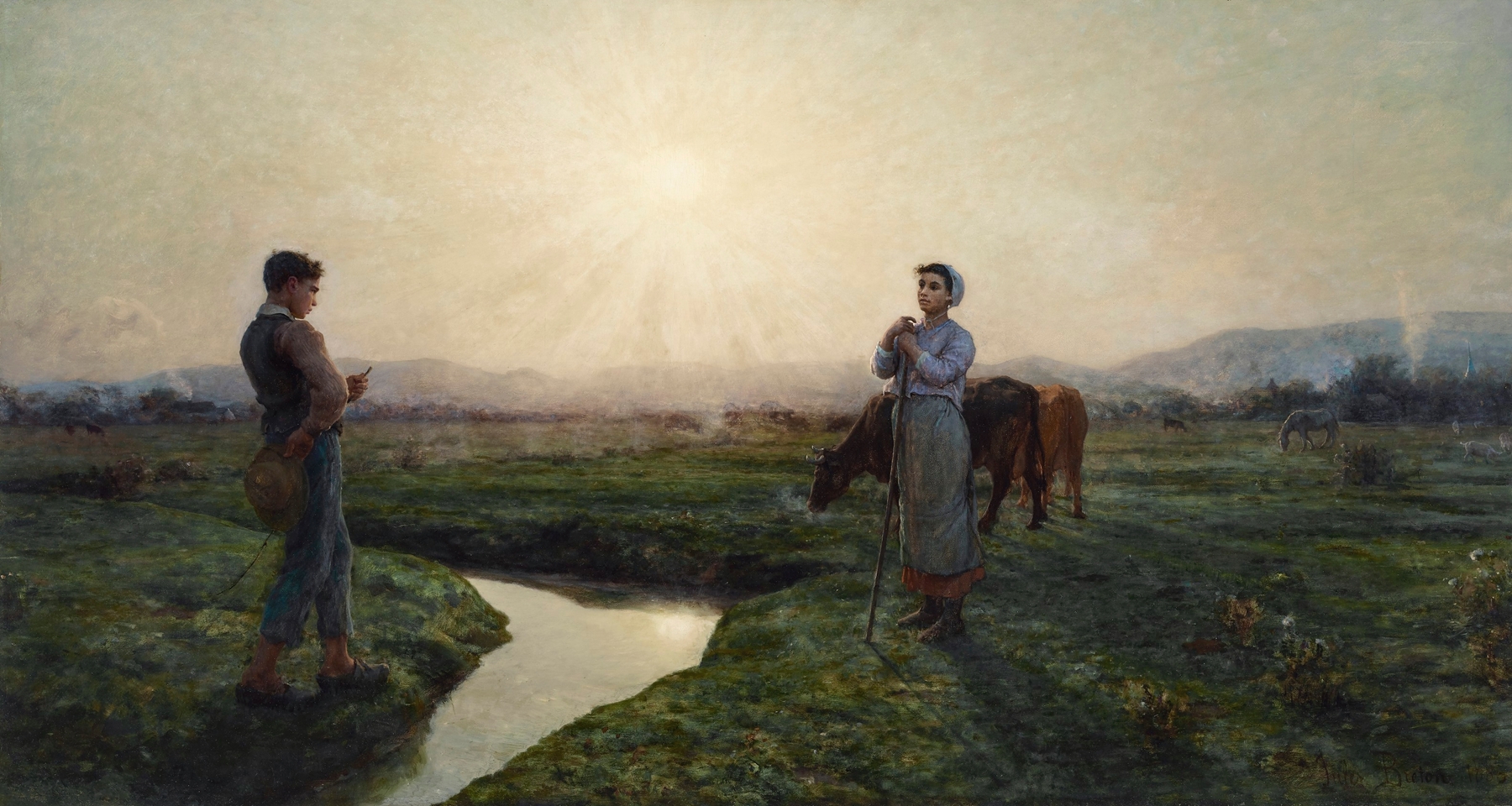
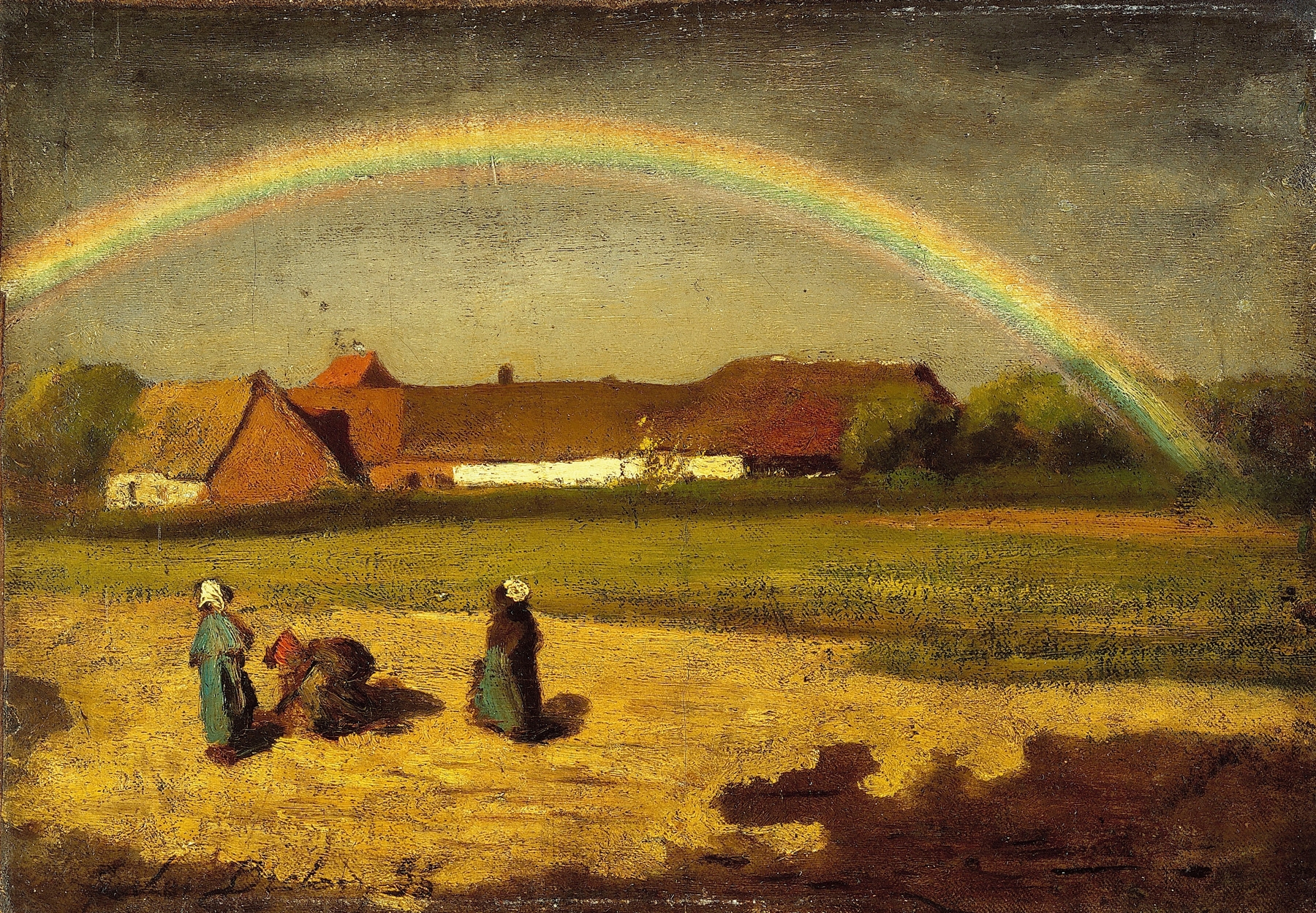
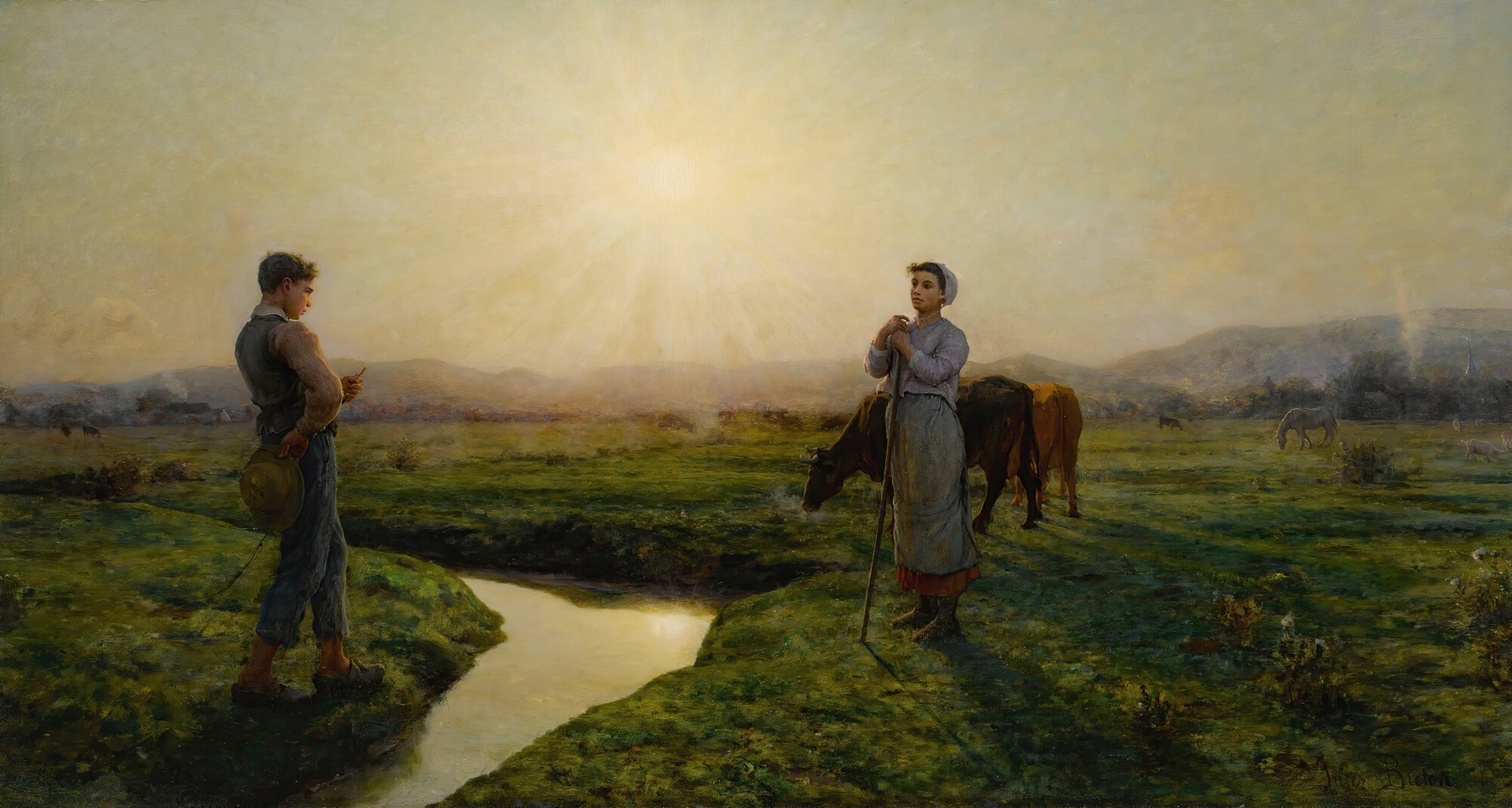
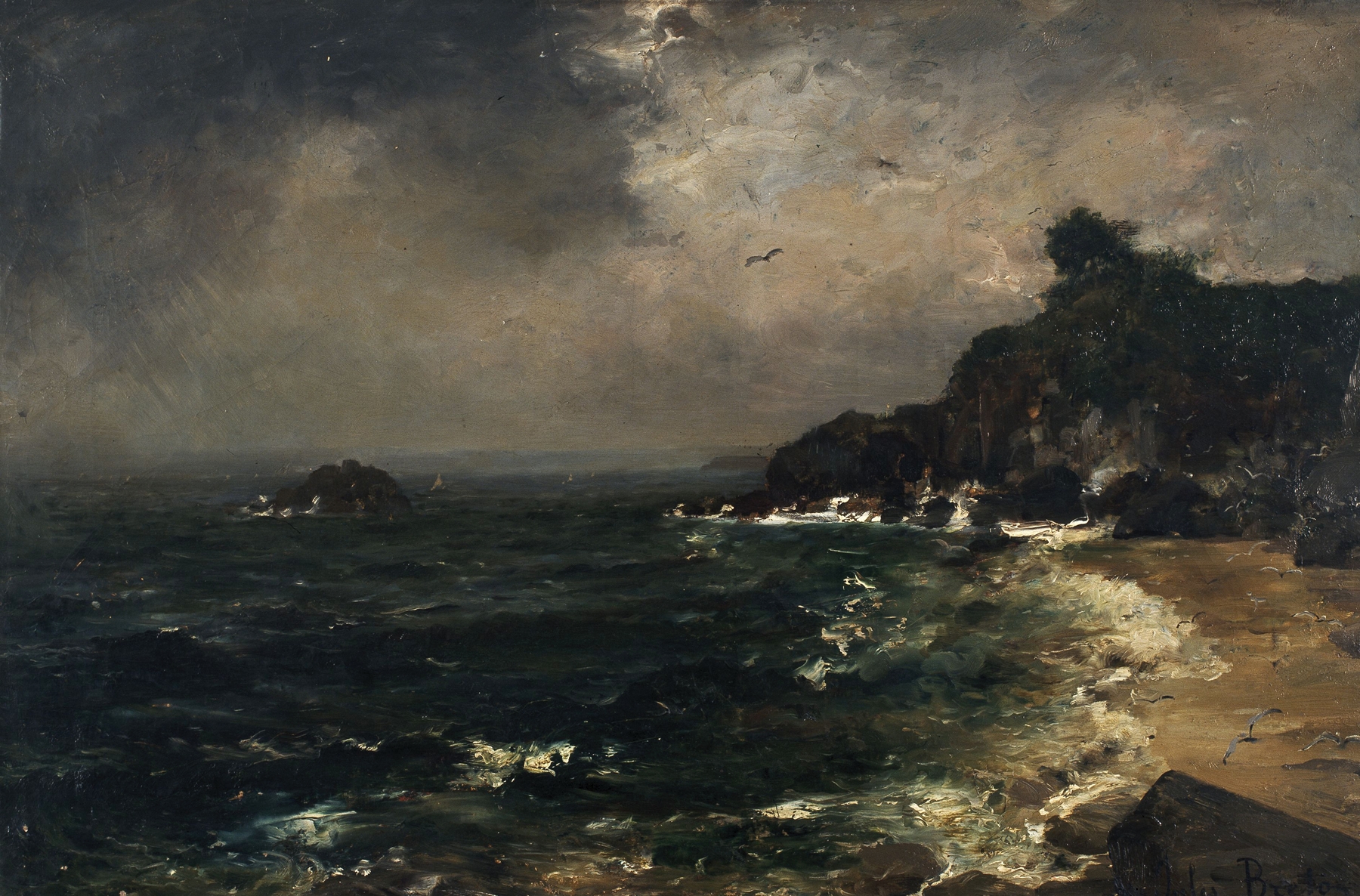
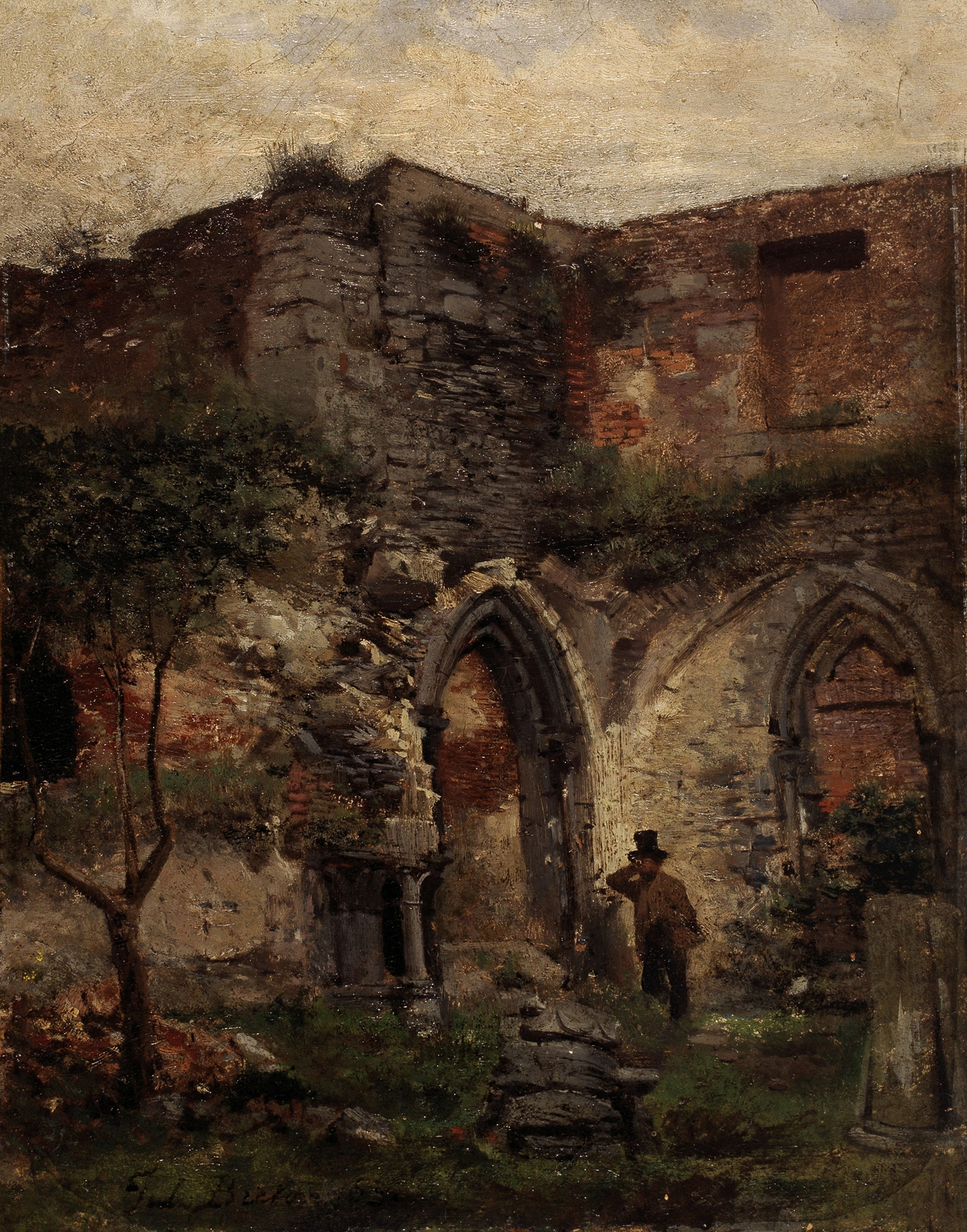
Where does light end, and longing begin? In the ethereal landscape captured in Landschaft bei Courrières, the interplay of shadow and light evokes a sense of yearning, as if the viewer stands on the brink of an elusive horizon. Look to the horizon where the golden fields meet the sky, stretching endlessly. The artist meticulously paints the gently rolling hills, their verdant greens contrasted with the deep ochres of sunlit grain, while shadows pool among the grass like whispered secrets.
Notice how the light bathes the scene, creating a luminous quality that draws the eye upward, suggesting a celestial promise just out of reach. Each brushstroke invites contemplation, revealing the quiet beauty of rural life framed in delicate harmonies. Hidden within the vast expanse are emotional tensions — the juxtaposition of light and shadow serves as a metaphor for hope and uncertainty. The shadowy areas hint at the unknown, drawing attention to the solitary figure in the distance, who stands almost wistfully against nature's grandeur.
This lone character embodies the universal quest for belonging, seamlessly integrating human experience with the natural world, suggesting that even in solitude, there is a connection to something greater. In 1860, Jules Breton was immersing himself in the rural landscapes of France, shifting his focus from the academic traditions of the time towards the naturalistic portrayal of peasant life. This was a period when Realism began to take root, reflecting social changes and a desire for authenticity in art. As he painted Landschaft bei Courrières, he was inspired by the everyday lives of laborers, aiming not only to depict the beauty of the land but also to convey the deeper emotional truths woven into its fabric.