Le bateau chargé de foin — History & Analysis
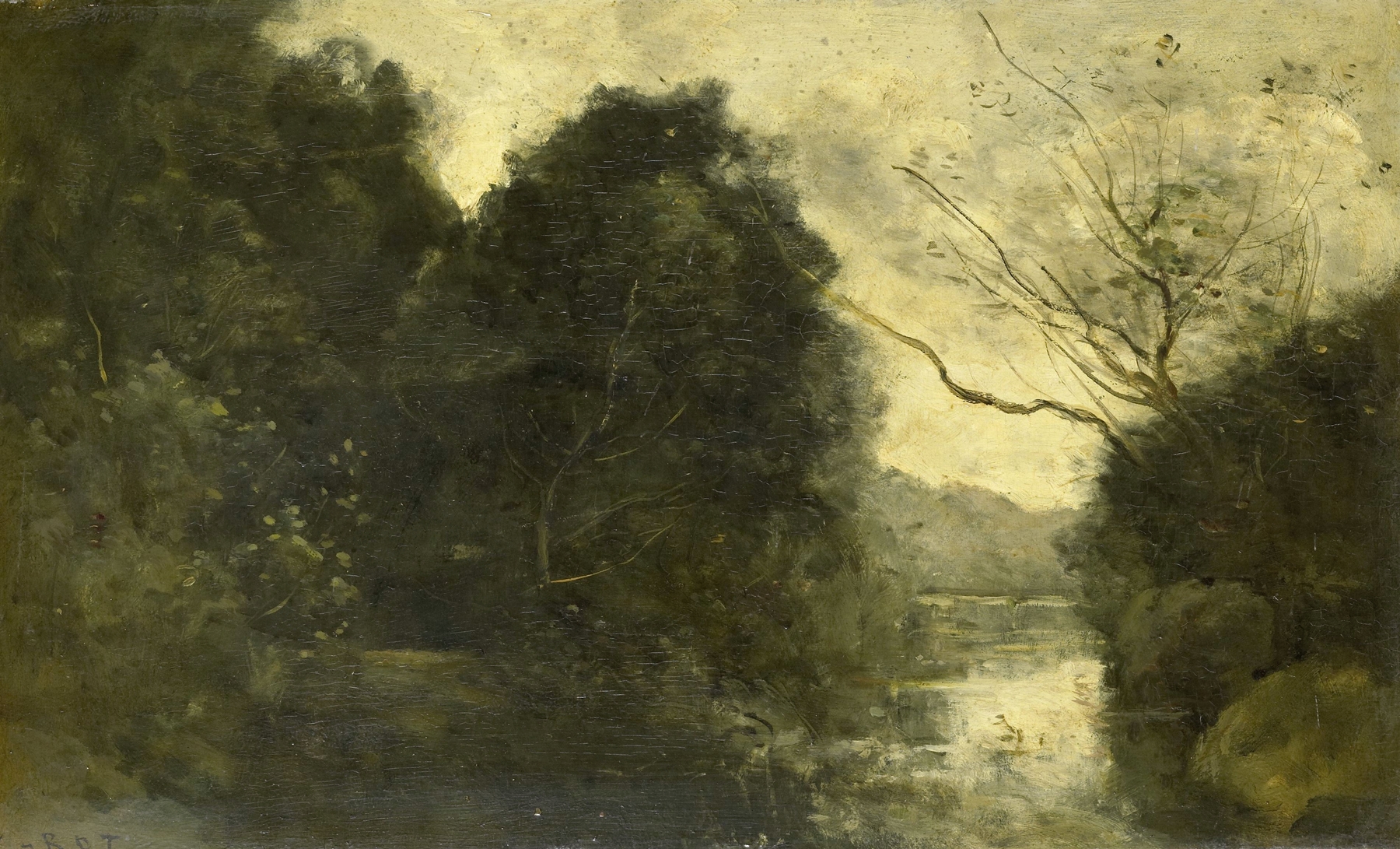
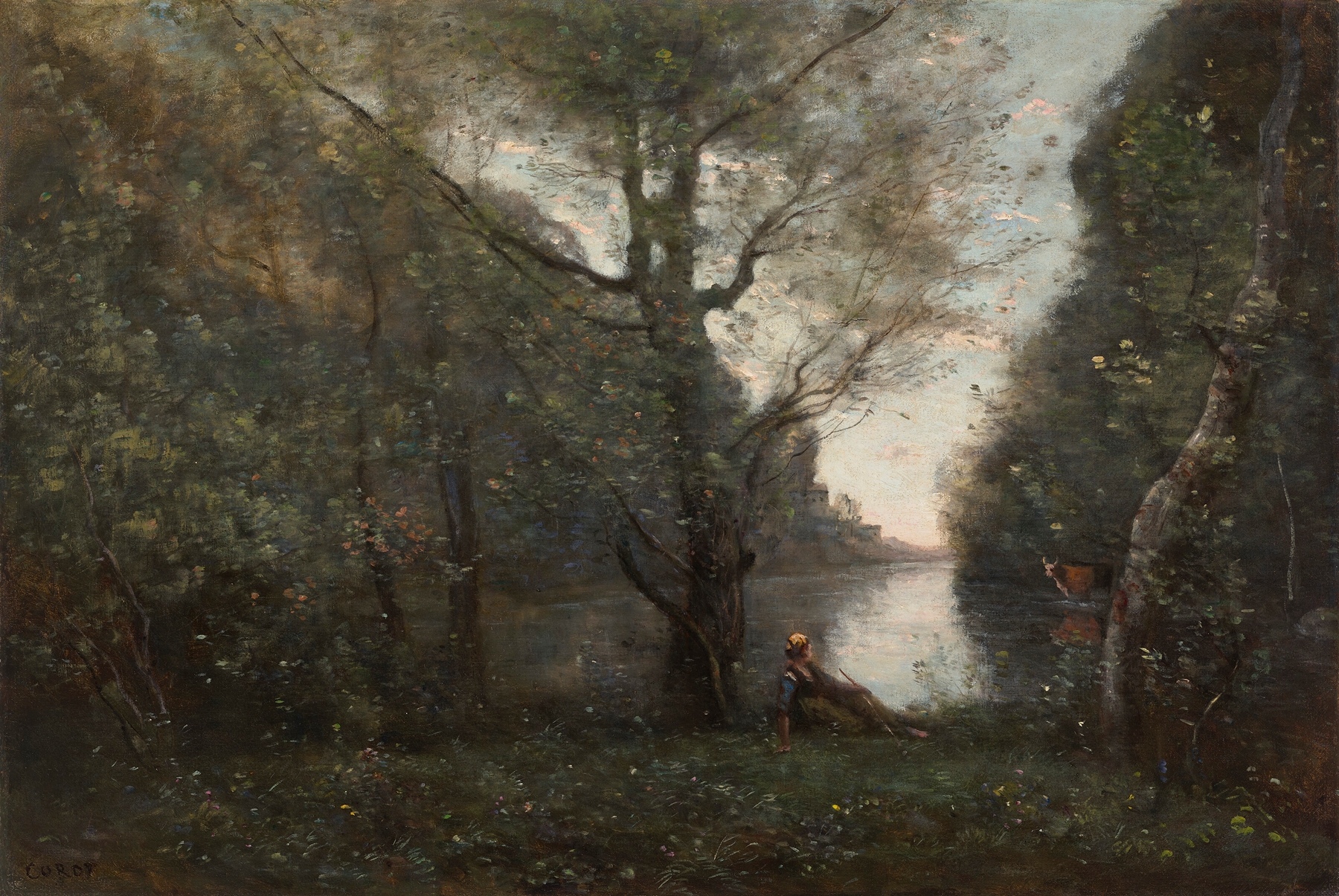
“Art reveals the soul when the world turns away.” In the delicate interplay of color and light, the fragility of existence is laid bare before us, inviting introspection and reverence. Focus on the horizon where the sky meets the earth, a tranquil blend of soft blues and muted greens. Here, the gentle curve of the river cradles a hay-laden boat, its shape barely distinct but intimately familiar. The brushstrokes are fluid, capturing the languid movement of the water as well as the quiet strength of the vessel, a testament to the labor of those who navigate these humble waters.
The interplay of light and shadow expresses a serene yet profound moment, allowing viewers to both observe and feel the tranquility of rural life. Beneath the surface, the painting speaks volumes about transience—how the light flares upon the hay, illuminating its fragile beauty, and yet, hinting at the inevitability of decay. The stillness embodies a peaceful solitude, contrasting with the chaos of the world beyond the canvas. Each blade of grass, every ripple, evokes a quiet resilience, reminding us of the gentle strength found in vulnerability.
At the time this piece was created, Corot immersed himself in the landscapes of rural France, seeking to capture everyday moments infused with emotional resonance. This period marked a shift in the art world, as artists began to embrace the nuances of nature and human experience over grand historical narratives. The changing tides of art were transitioning toward Impressionism, yet Corot’s work remained a poignant reflection of the delicate balance between nature and the human condition.