Le champ de choux — History & Analysis
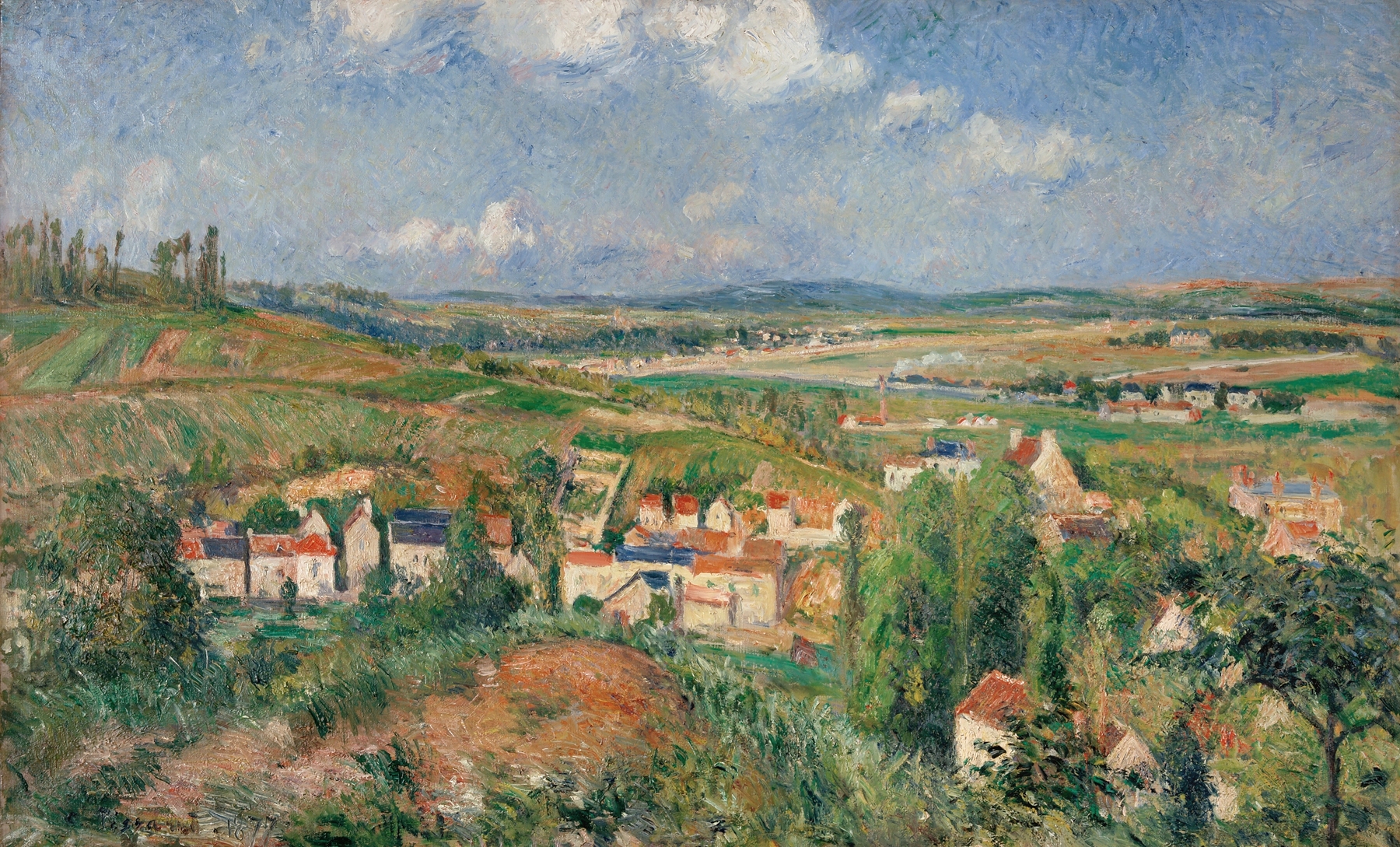
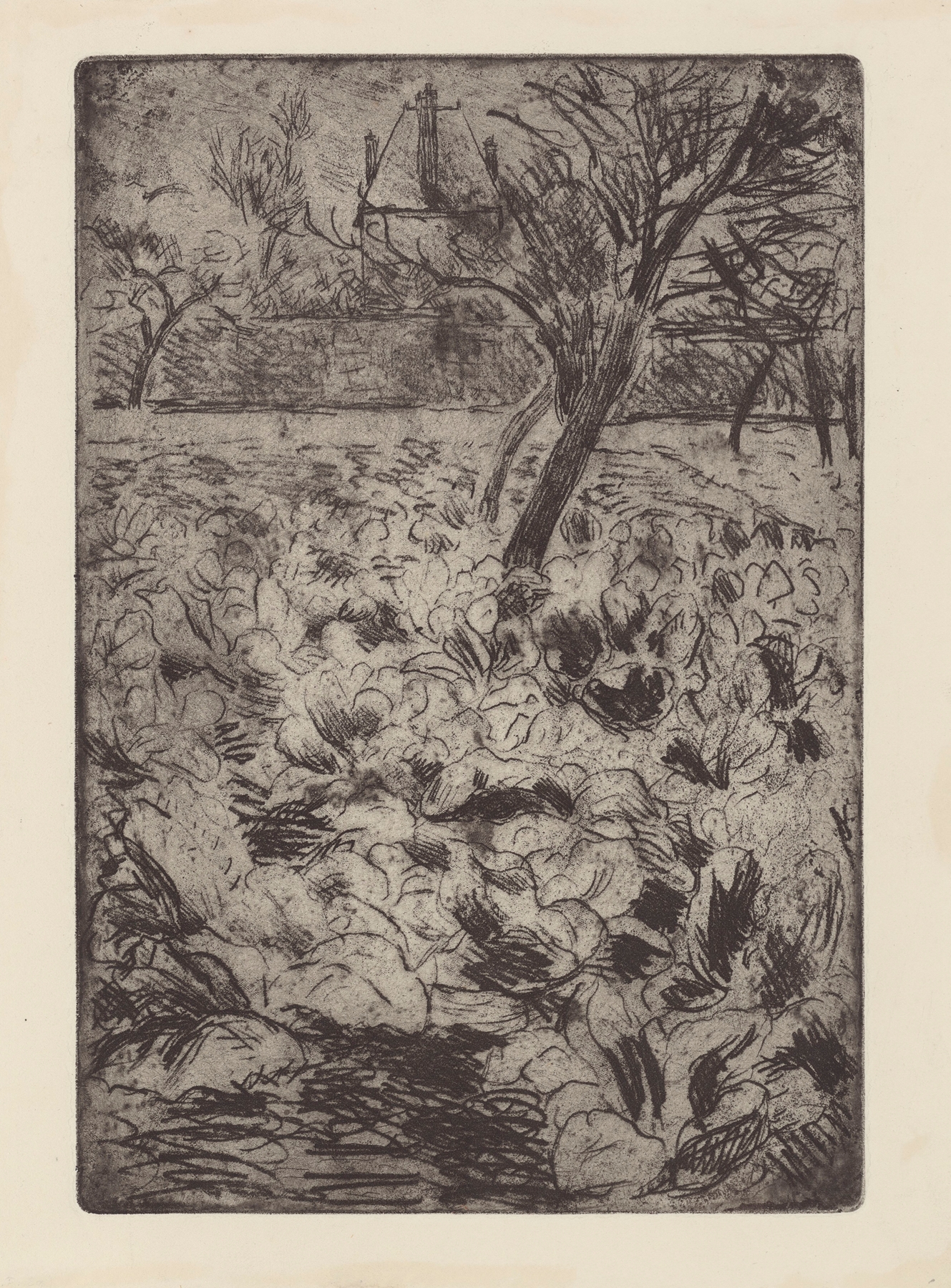
“Every brushstroke is a heartbeat remembered.” In the world of *Le champ de choux*, dreams unfurl like the petals of a blossoming flower, inviting contemplation and a deeper connection to the landscape. Here, the essence of rural life intertwines with the fleeting moments of existence, captured in vibrant hues and gentle strokes. Look to the foreground, where the lush greenery of cabbage fields stretches toward the horizon, each leaf meticulously rendered with delicate touches of light and shadow. The composition invites the eye to dance across the canvas—notice how the gentle curves of the fields lead your gaze to the workers, their figures harmoniously integrated into the scene. The warm palette evokes a sense of nostalgia, with soft greens and earthy browns pulsating with life, illustrating a profound connection between humanity and nature. Yet, within this idyllic representation lies a contrasting tension. The busy laborers symbolize the relentless passage of time, their toil echoing the fragility of dreams amidst the beauty of the landscape. The interplay of light suggests a fleeting moment—a reminder that while life is lush and vibrant, it is also transient. Each cabbage patch becomes a metaphor for potential and promise, holding within it the ephemeral nature of existence. Painted in 1880, *Le champ de choux* emerged during a time of transformation for Camille Pissarro. Living in France, he was deeply influenced by the Impressionist movement, which sought to capture moments of modern life and the essence of landscapes. This period saw a personal evolution for him, marked by a desire to explore rural themes that resonated with his own experiences and aspirations amid the hustle of urbanization.