Le coin de la rue Saint-Antoine et de la rue du Petit Musc — History & Analysis
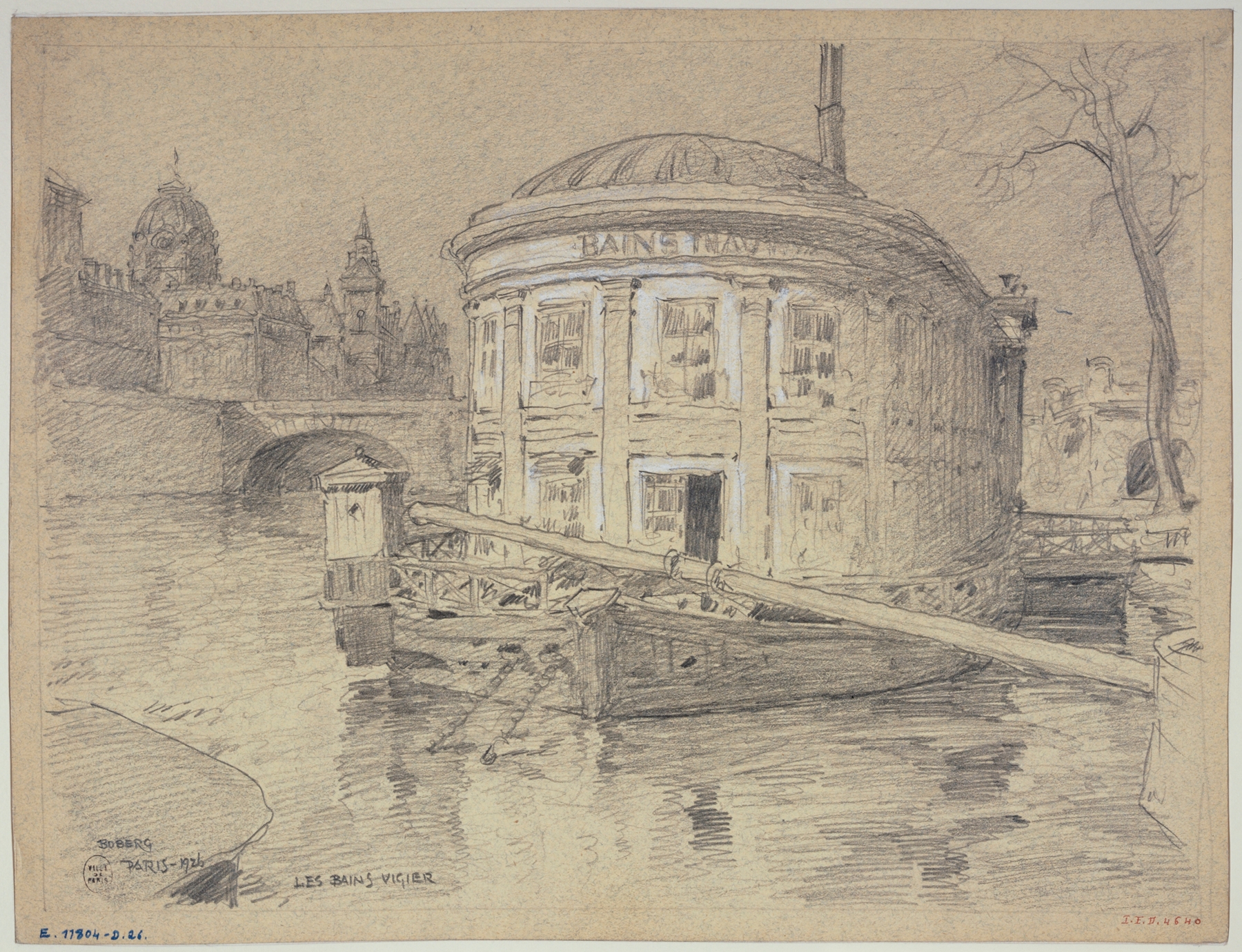
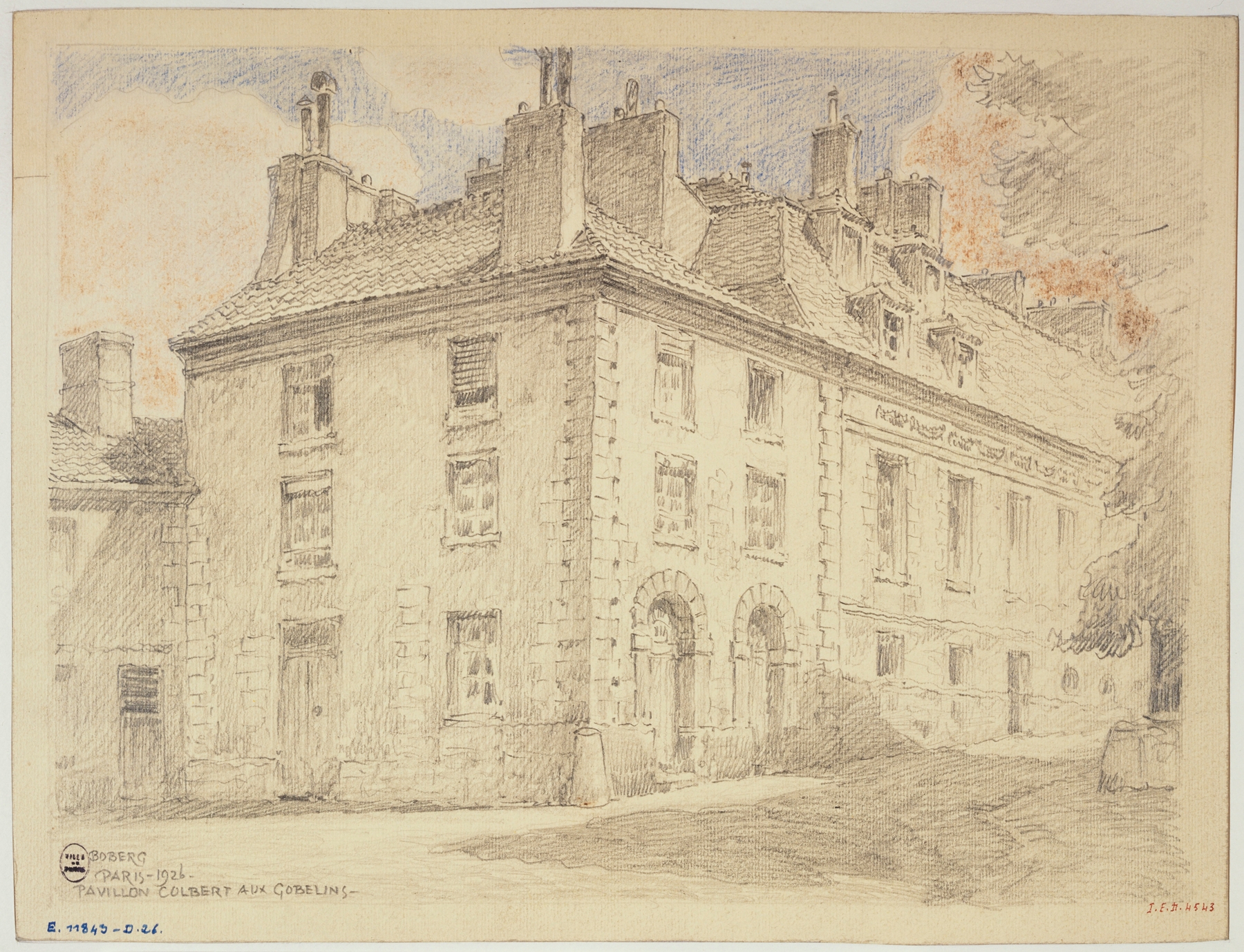
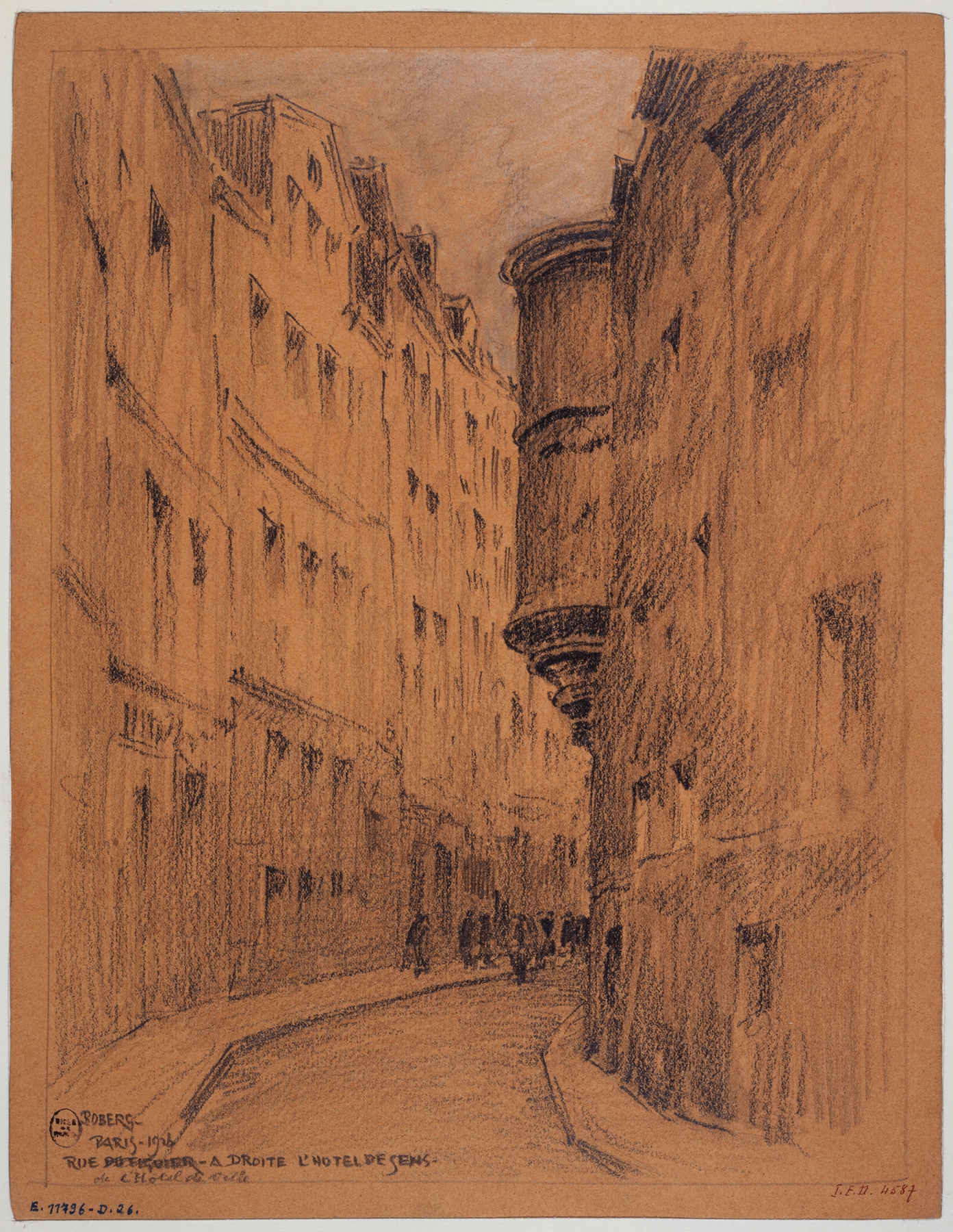
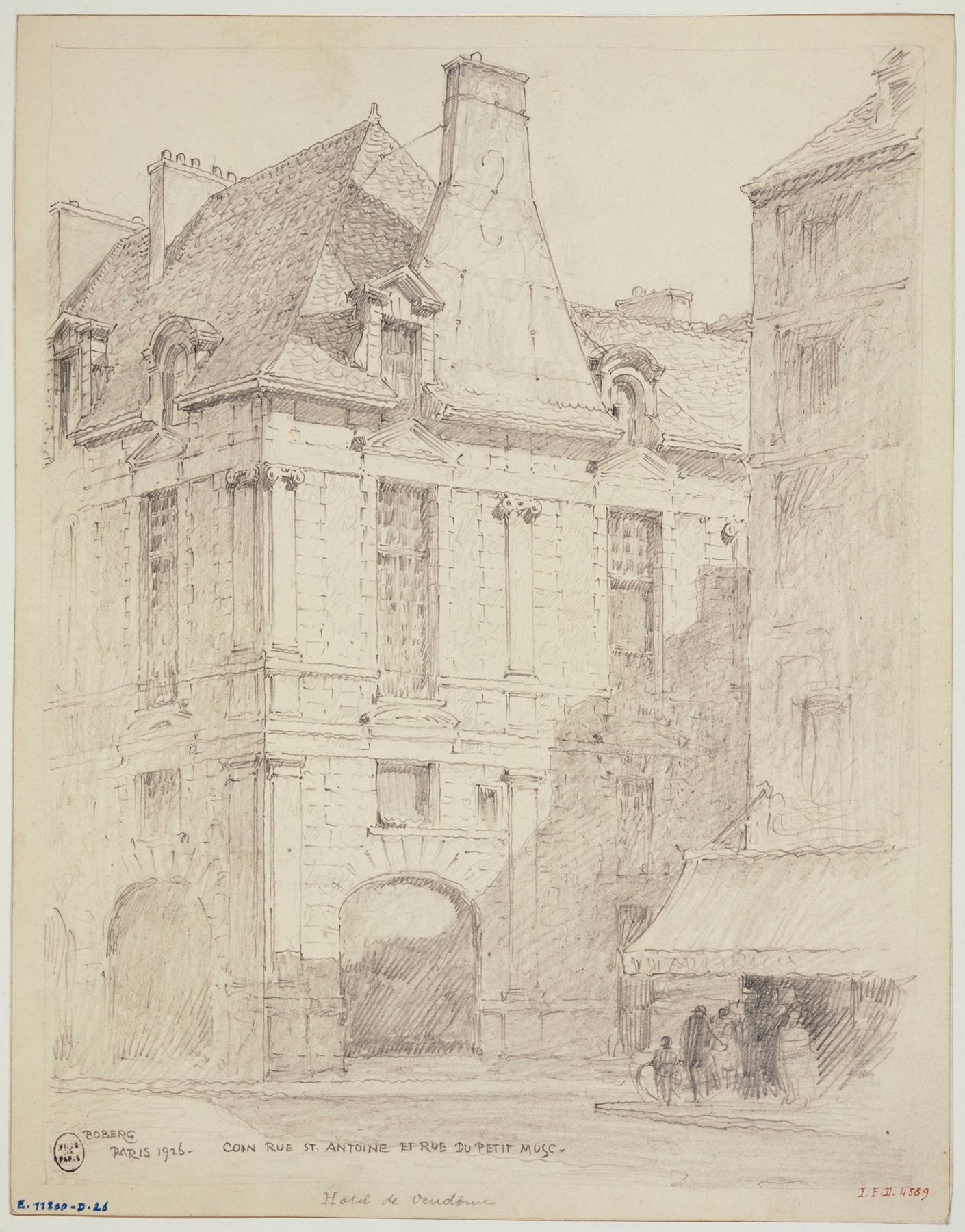
Who listens when art speaks of silence? A stillness pervades the canvas, inviting us to pause and reflect on the quiet moments that often go unnoticed in the bustling rhythm of life. Focus on the lower left corner, where a narrow street unfurls beneath a muted sky. The soft hues of gray and beige capture the essence of a Parisian afternoon, while the shimmering reflections on the cobblestones suggest a recent rain. Notice how the buildings rise gracefully, their facades a blend of classic and modern architectural elements, framing the scene and directing the eye toward the vanishing point at the street's end. The juxtaposition of the rigid structures and the fluidity of light evokes a sense of calm amidst urban chaos. The absence of human figures amplifies the feeling of solitude, making the architecture itself a silent storyteller. Each shadow cast by the buildings seems to whisper tales of those who have traversed these streets, hinting at lives intersecting in moments of connection and isolation. In 1926, Ferdinand Boberg was influenced by the changing landscape of Paris, a city in transition between tradition and modernity. He painted this work during a period when the art world was grappling with new styles and movements, reflecting both personal introspection and the broader societal shifts. This piece serves as a testament to his ability to encapsulate silence in a vibrant metropolis, inviting viewers to explore the depth of their own narratives within the stillness.