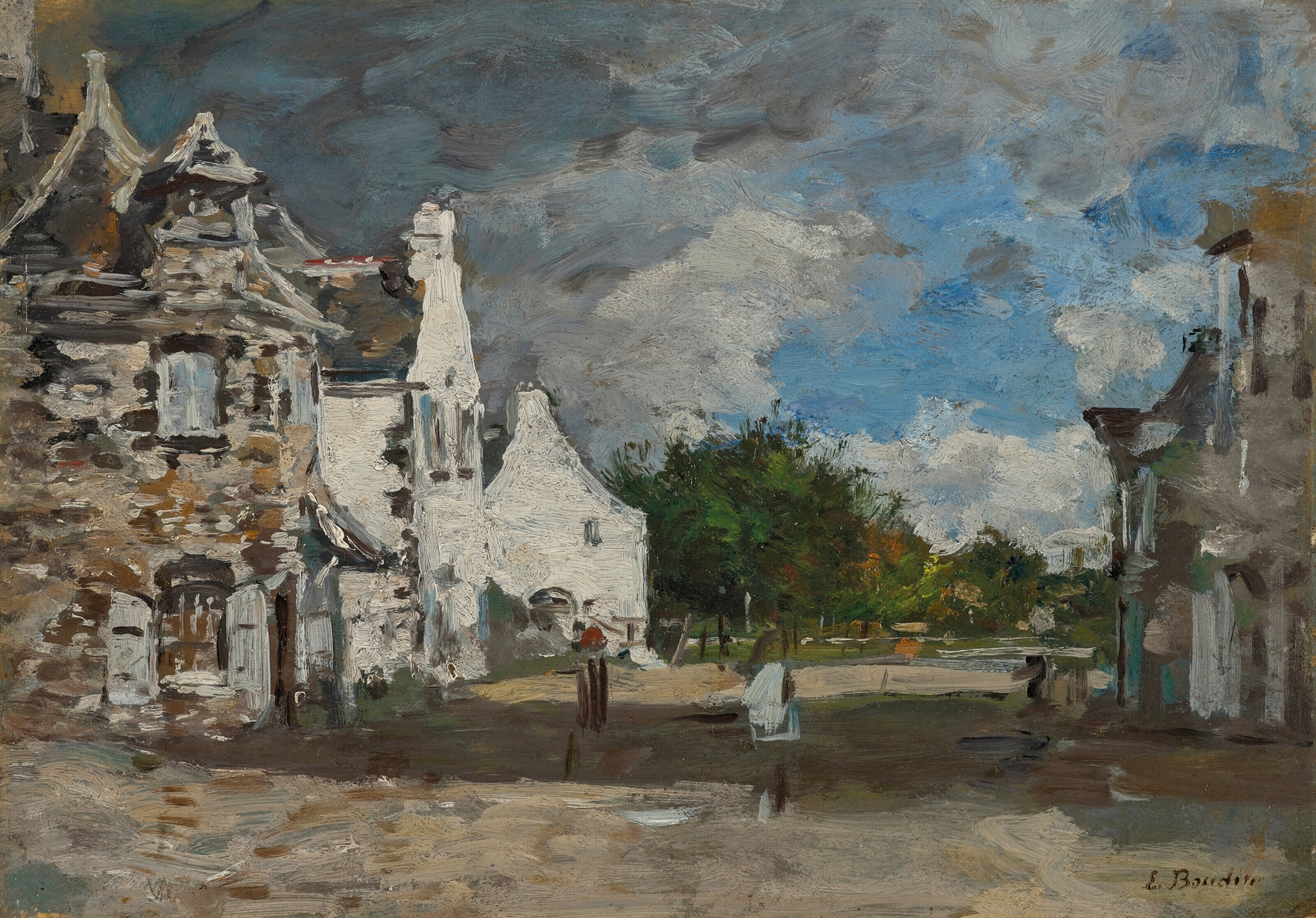
Le Faou, un coin du village — History & Analysis
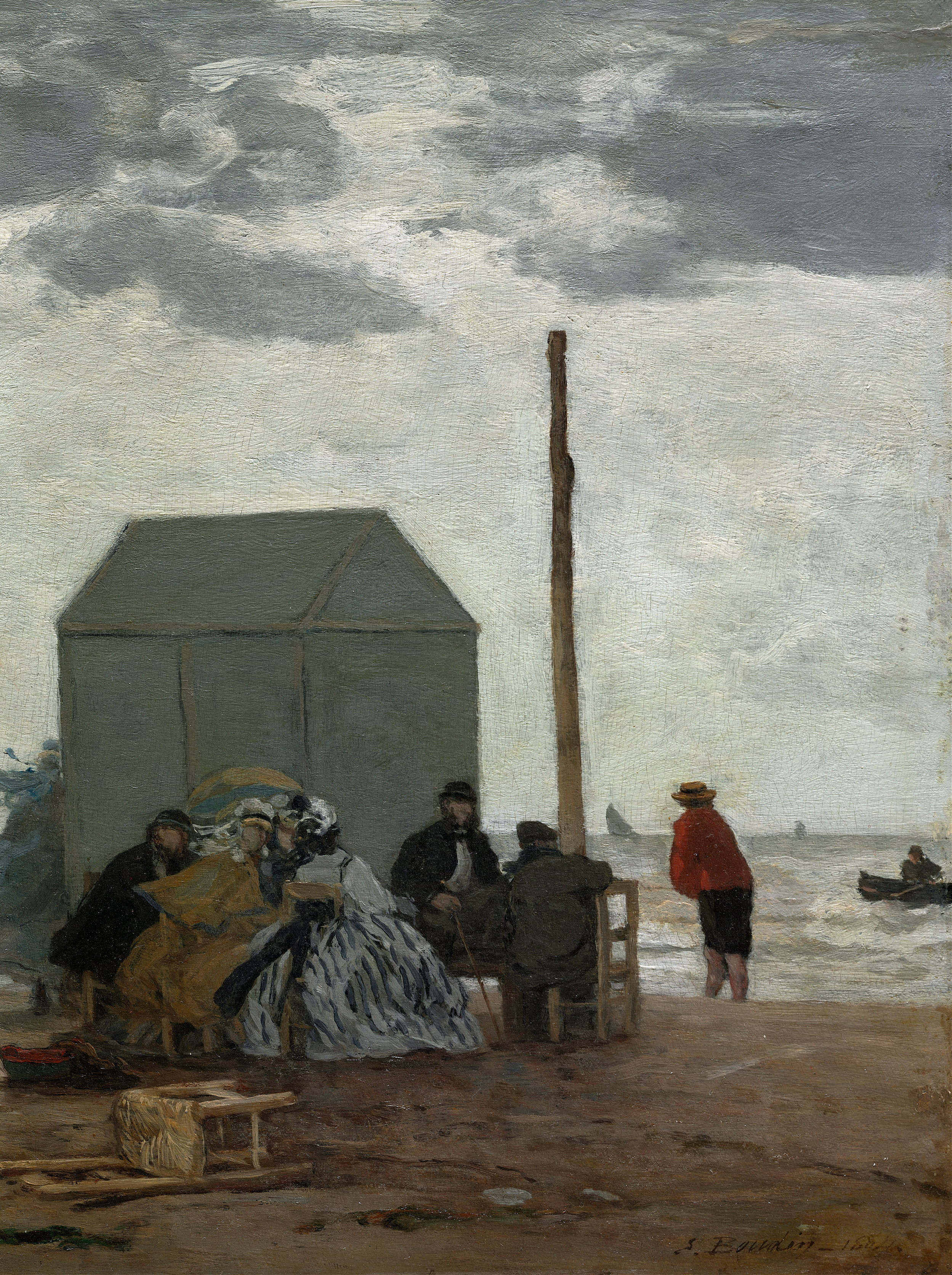
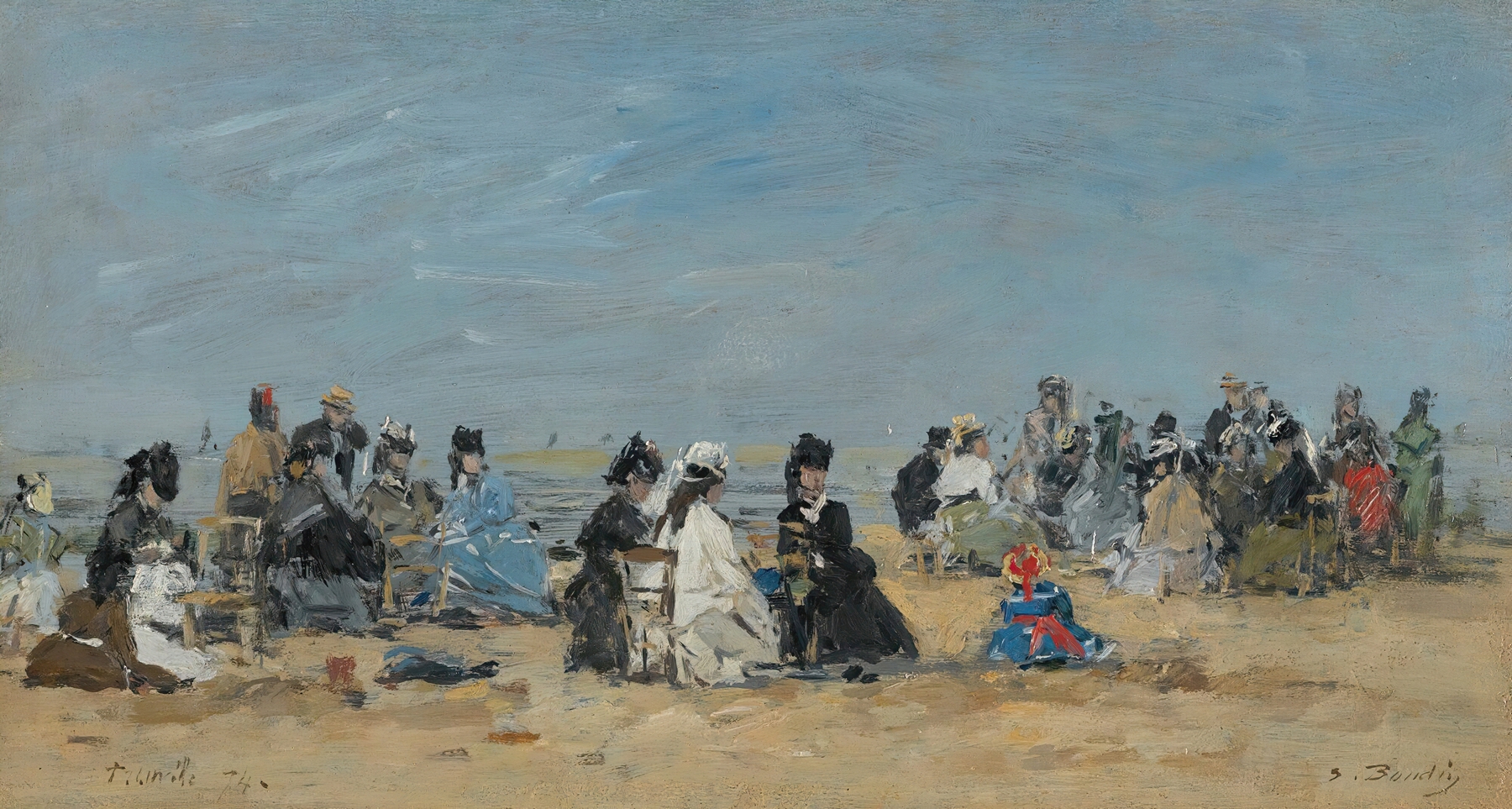
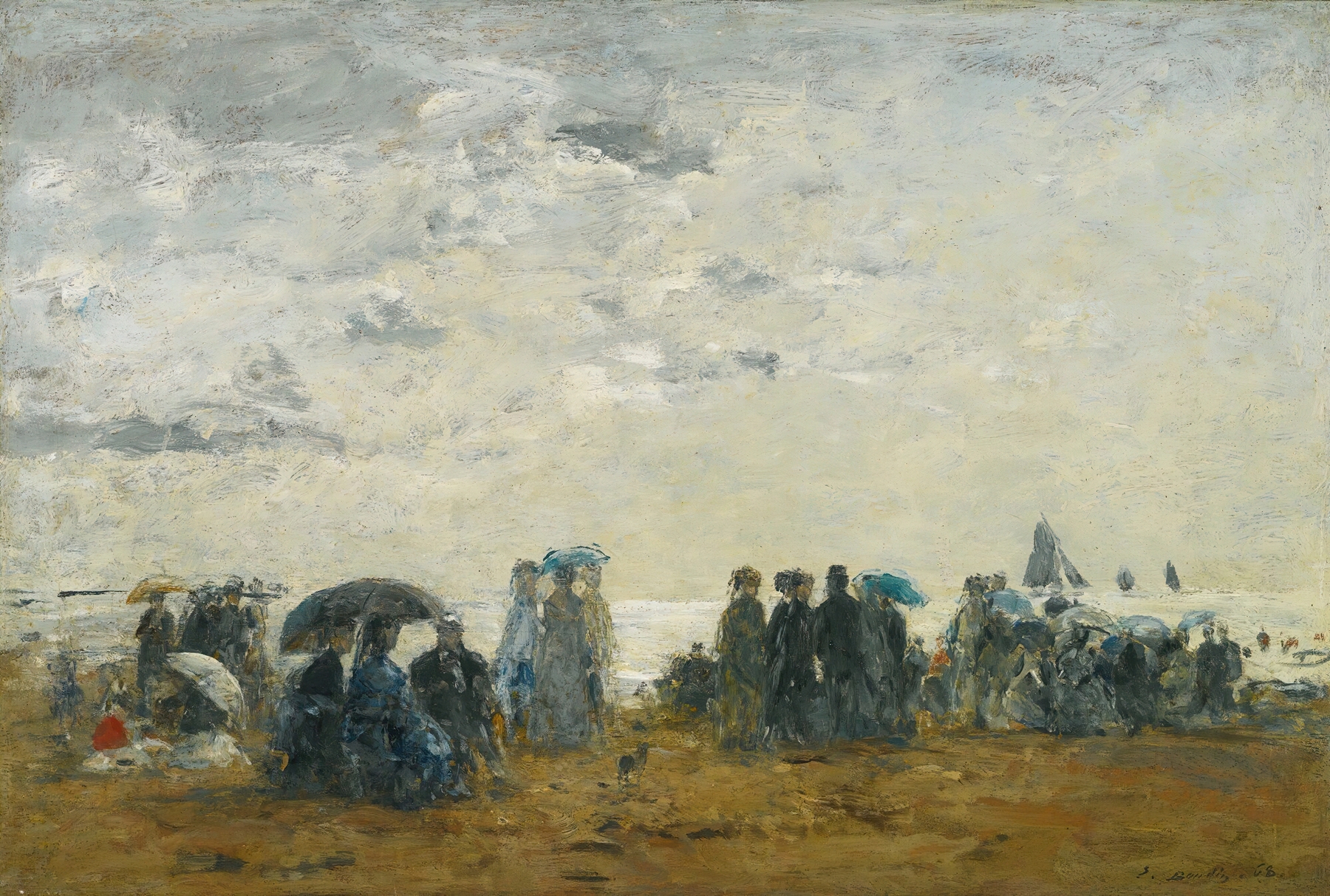
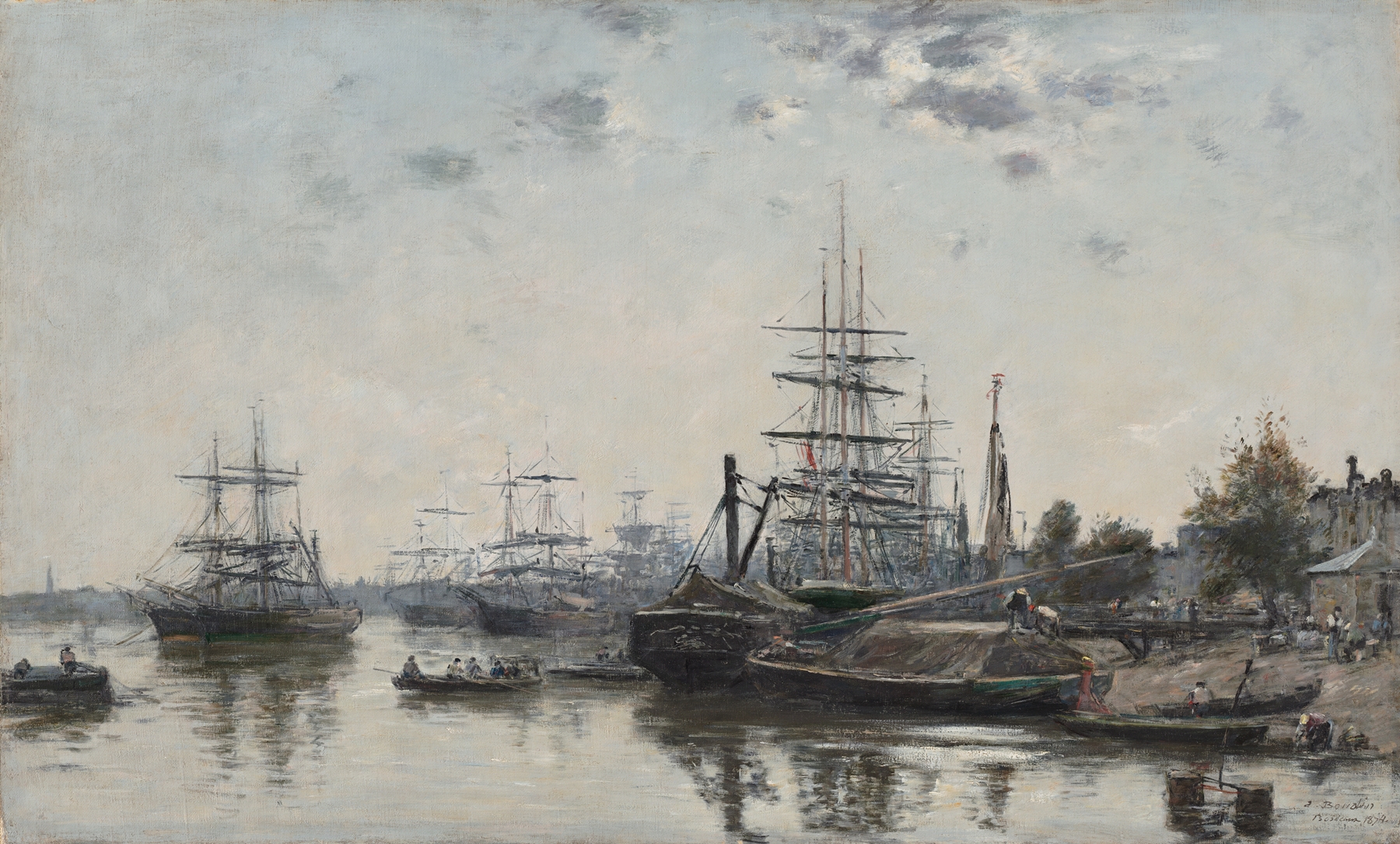
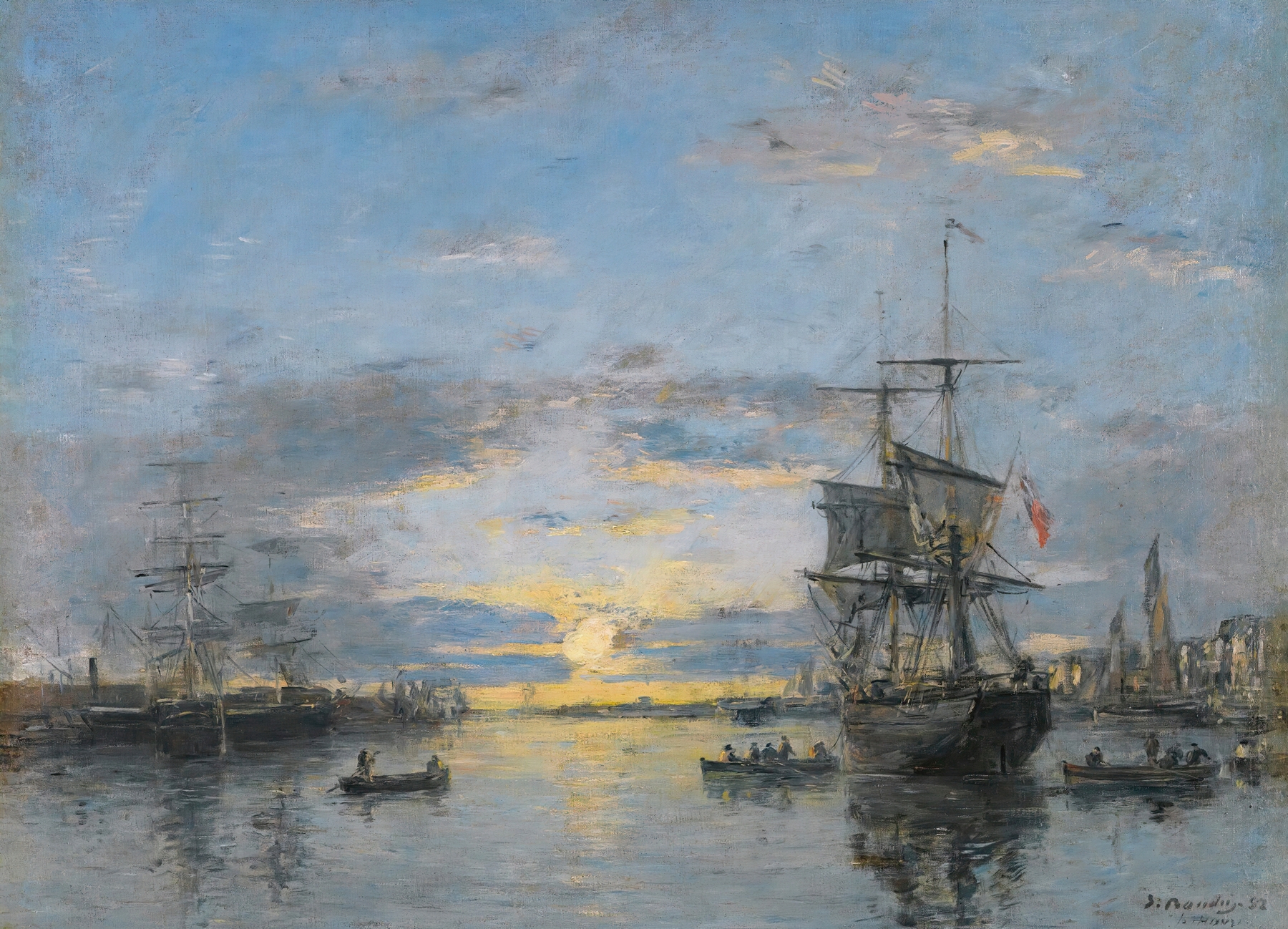
“Art reveals the soul when the world turns away.” In the delicate brushstrokes of Boudin's work, truth emerges quietly, inviting us to pause and reflect on the beauty that surrounds us. Look to the left of the canvas, where the quaint village of Le Faou unfurls like a gentle whisper. The pastel hues of the buildings meld seamlessly with the soft azure sky, while a shimmering river winds its way through the scene. Notice how the light dances upon the water's surface, capturing the fleeting moment of day transitioning into dusk, as if inviting the viewer to step into the serenity of this coastal haven.
Within this tranquil setting lies a world of contrasts. The vibrant colors of the architecture juxtapose the muted greens of the surrounding landscape, creating a harmonious tension that speaks to the balance between nature and human presence. The distant figures, rendered with loose, impressionistic strokes, embody both movement and stillness, reflecting the daily rhythm of village life intertwined with the ever-changing tides. Here, Boudin captures not just a location but a fleeting sense of time—evoking nostalgia for simpler moments that resonate deeply.
During the years between 1867 and 1870, the artist found himself caught between the burgeoning Impressionist movement and the lingering traditions of academic painting. Working primarily in France, Boudin was deeply influenced by his coastal surroundings and the effects of light on water. This period marked a pivotal moment in his career, as he began to embrace the spontaneity and emotional depth that would later define the style of his contemporaries, casting off the constraints of the past.