Le Louvre — History & Analysis
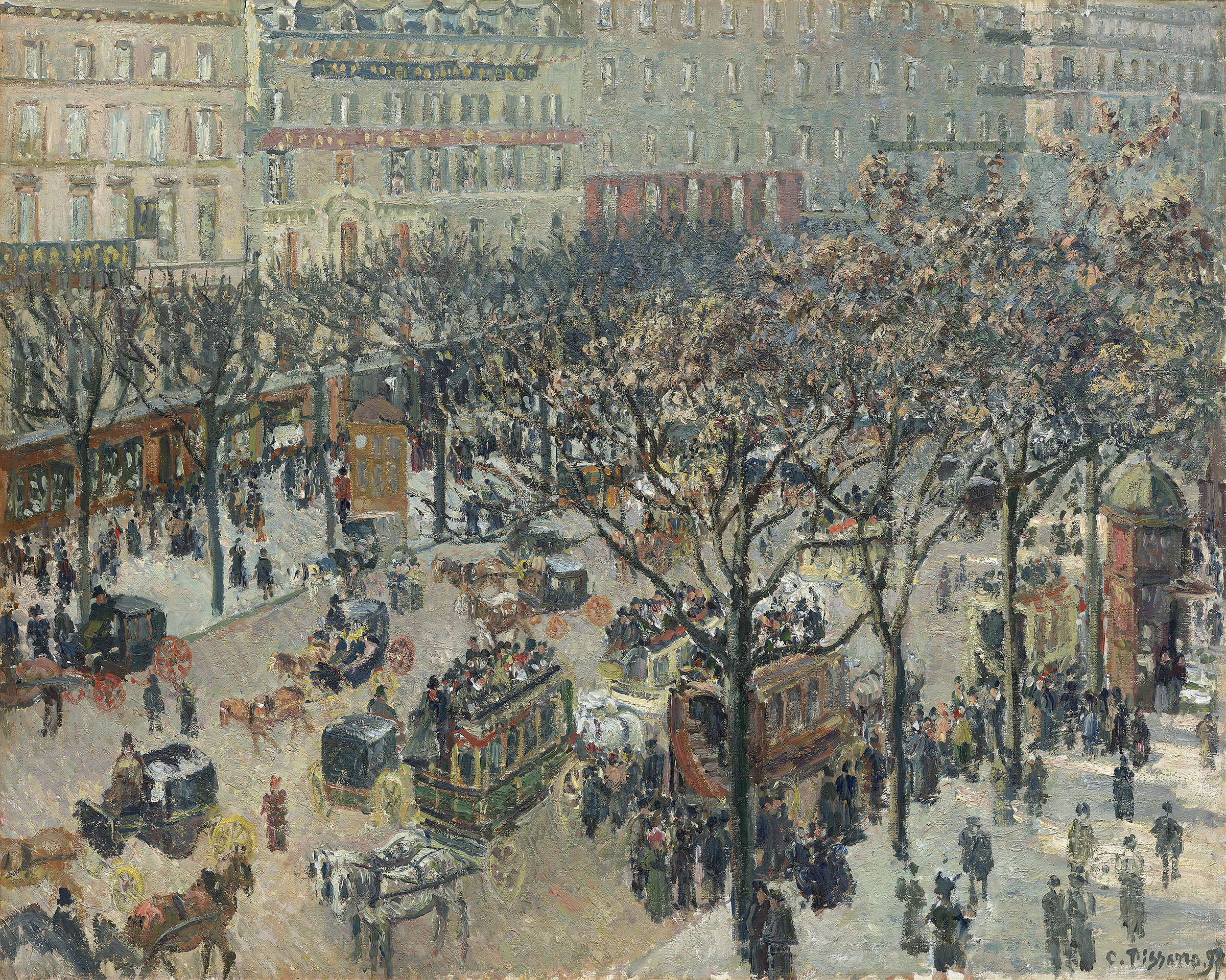
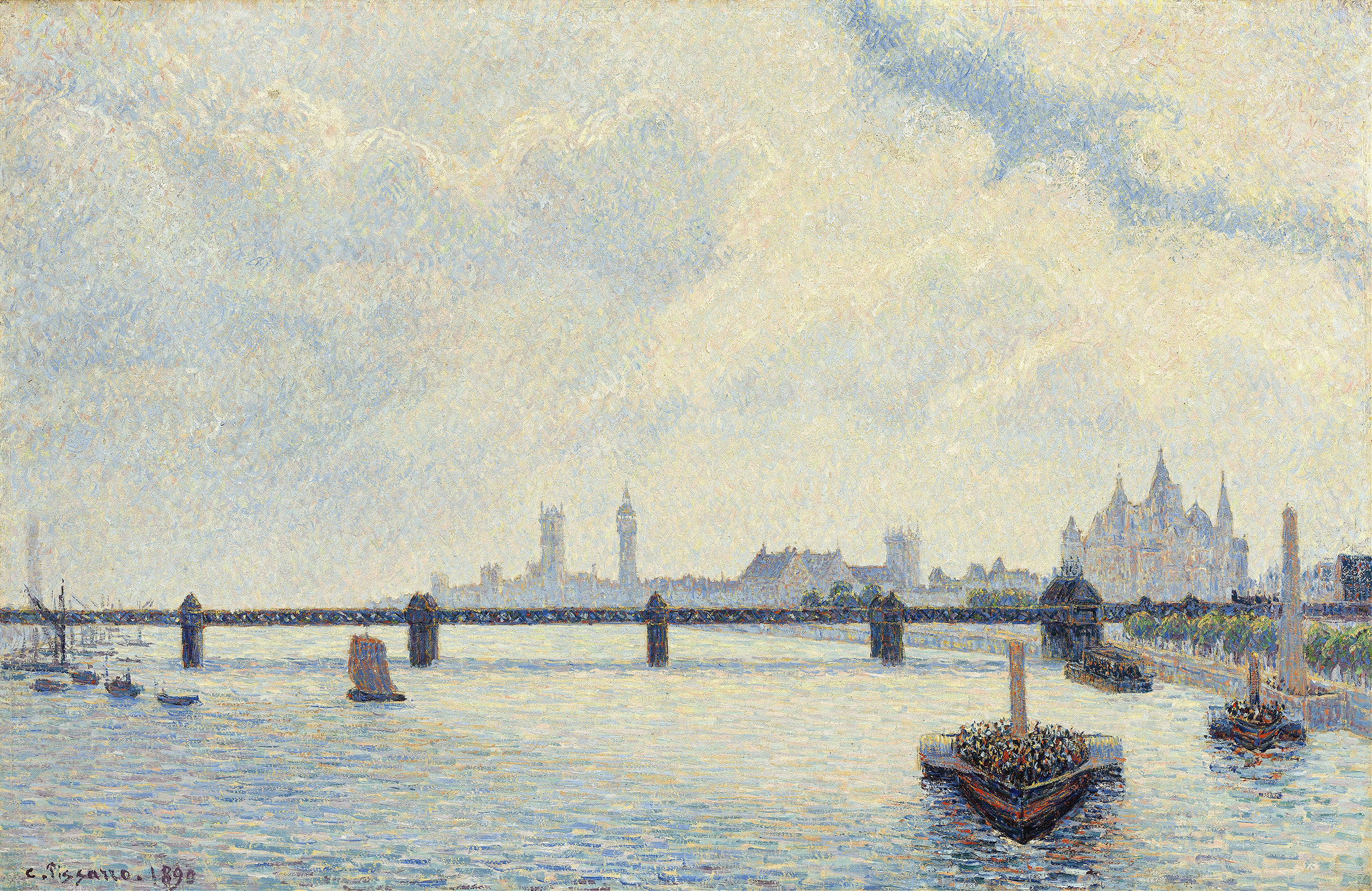
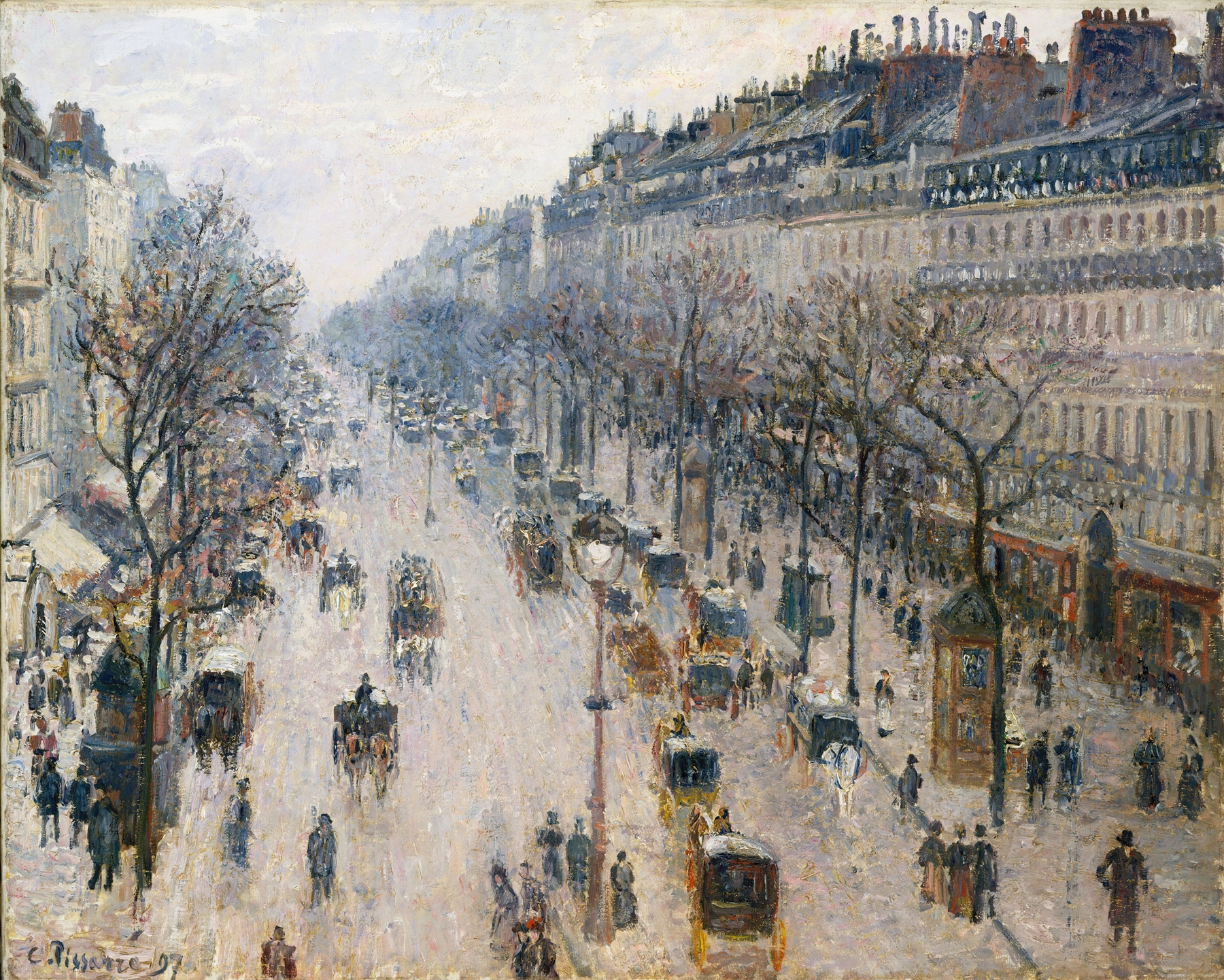
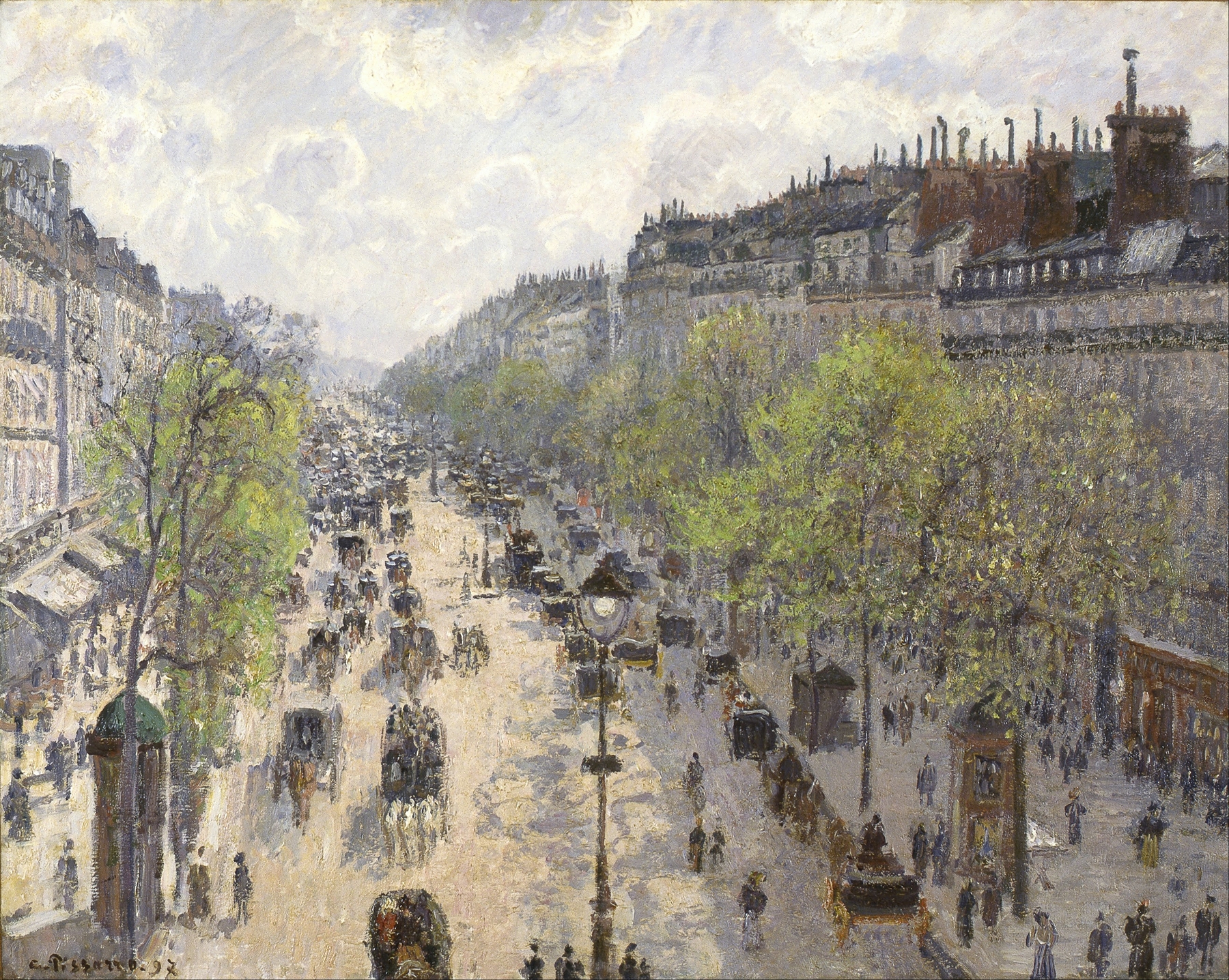
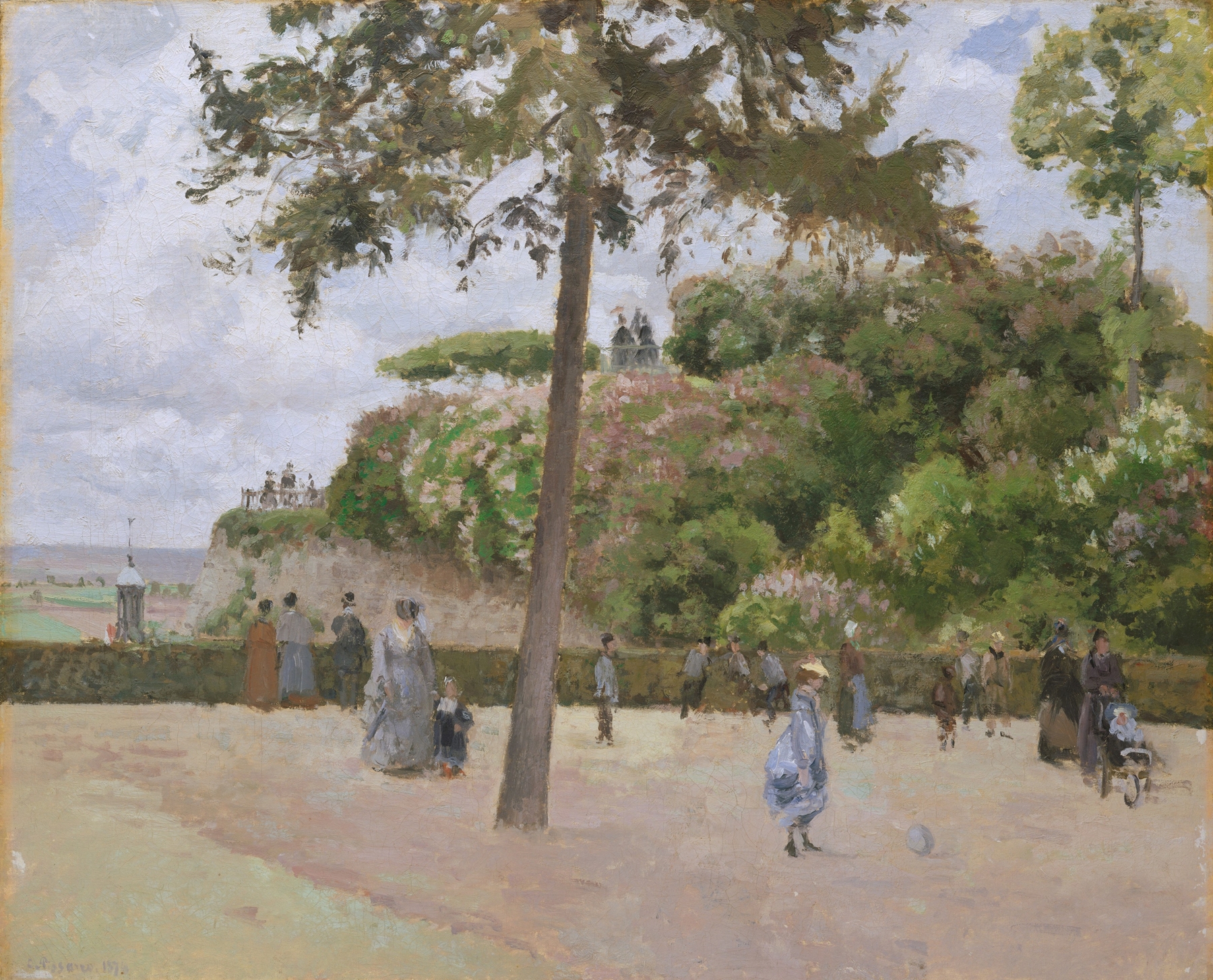
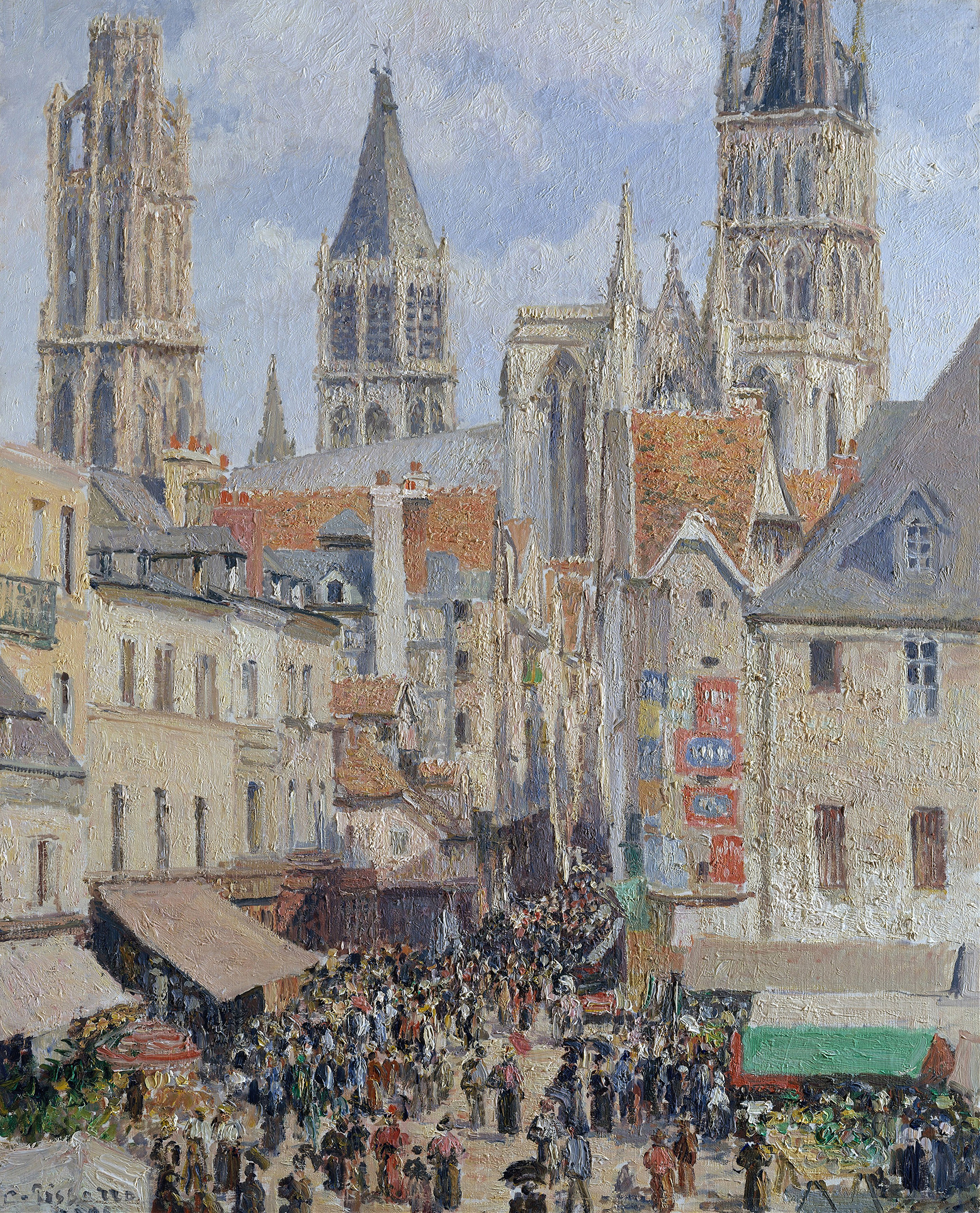
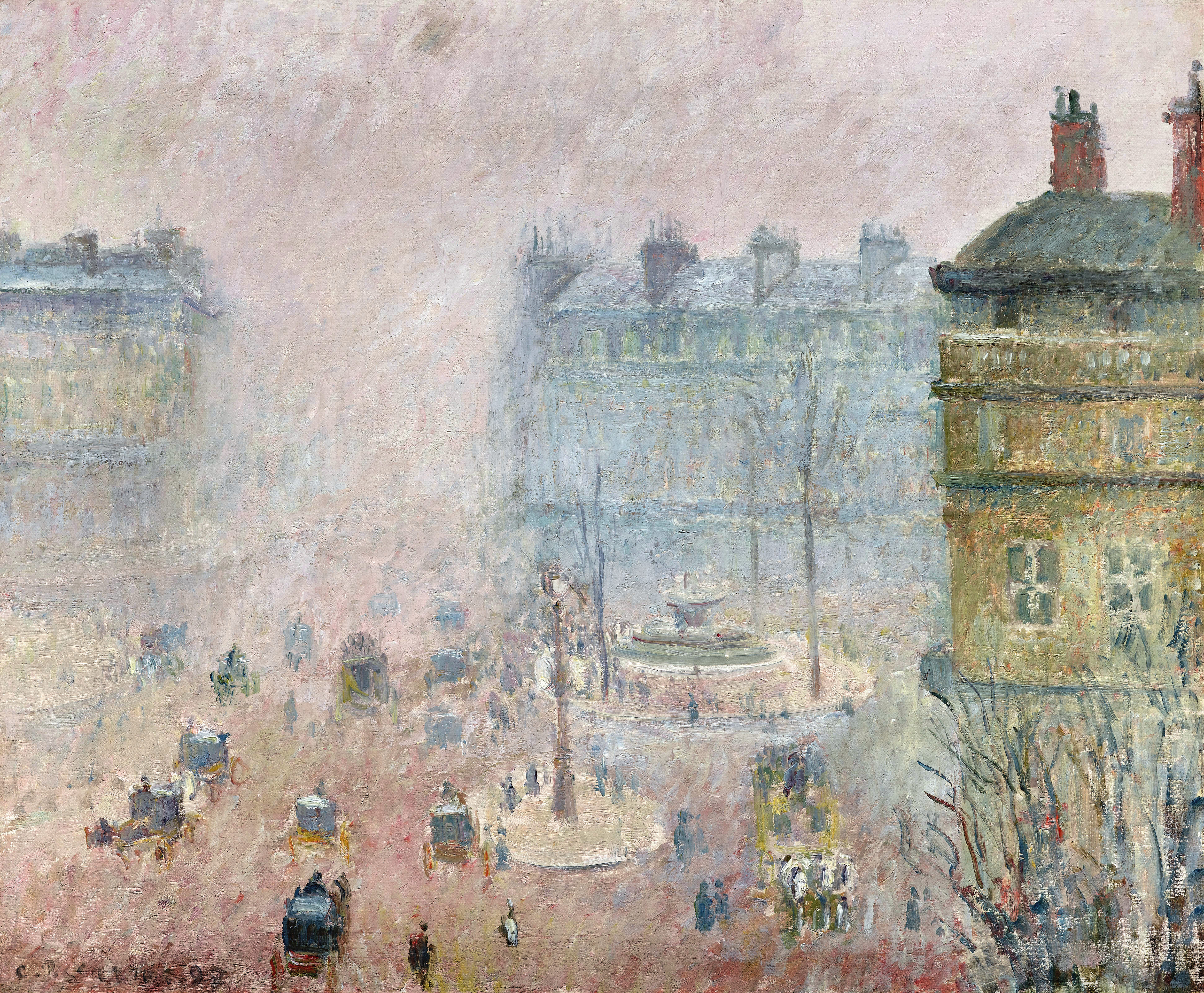
“Art reveals the soul when the world turns away.” In Le Louvre, the echo of loss reverberates through the delicate strokes of color and light, prompting contemplation in the face of beauty. Look to the center of the canvas where the iconic structure of the Louvre stands majestically yet impartially, a silent witness to countless stories. Pissarro’s meticulous brushwork captures the play of light dancing on the stone façade, drawing the eye to the intricate details of the architecture. The muted palette of browns and grays evokes a sense of nostalgia, while the soft blue sky, faintly streaked with clouds, envelops the scene in a gentle embrace, creating a harmonious balance that invites reflection.
Beneath the calm surface lies a poignant tension between permanence and ephemerality. The steadfastness of the museum contrasts sharply with the scattered figures below, who appear small and transient in comparison, emphasizing the solitude of human existence amid grand history. The shadows cast by the figures suggest a fleeting moment—a reminder of what is lost as time marches on. Each unseen visitor carries their own stories of longing and remembrance, connecting this urban landscape to a deeper emotional narrative.
Painted in 1902, during a period of personal and artistic evolution, Pissarro was deeply engaged in the Impressionist movement. Having settled in Éragny, he sought to capture the beauty of his surroundings while also grappling with the shifting dynamics of modern life. The year reflects a time when art was moving towards abstraction, yet Pissarro remained committed to depicting the real world, anchoring his work in both immediacy and emotive resonance.