Le Marché aux fleurs de la Madeleine — History & Analysis
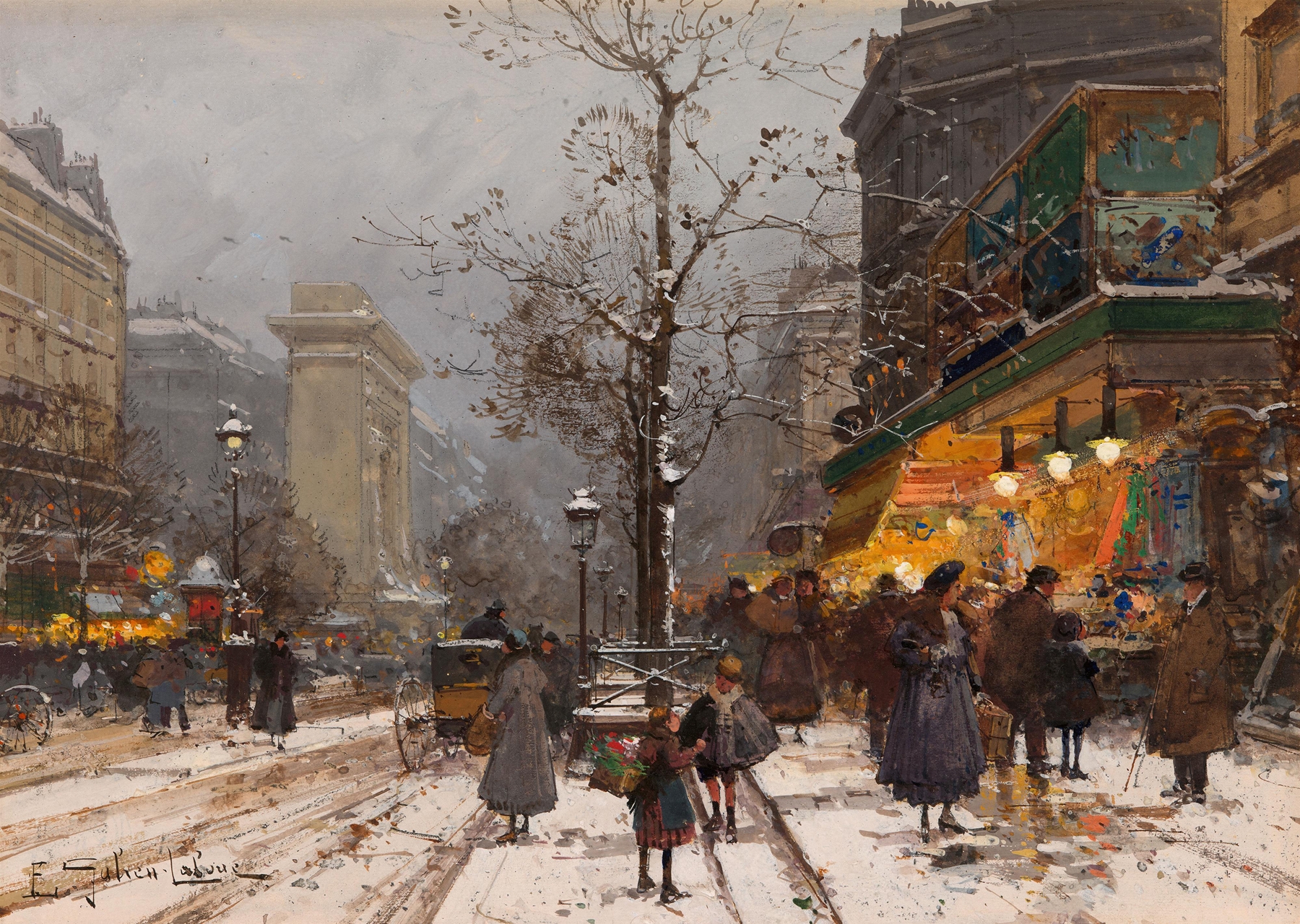
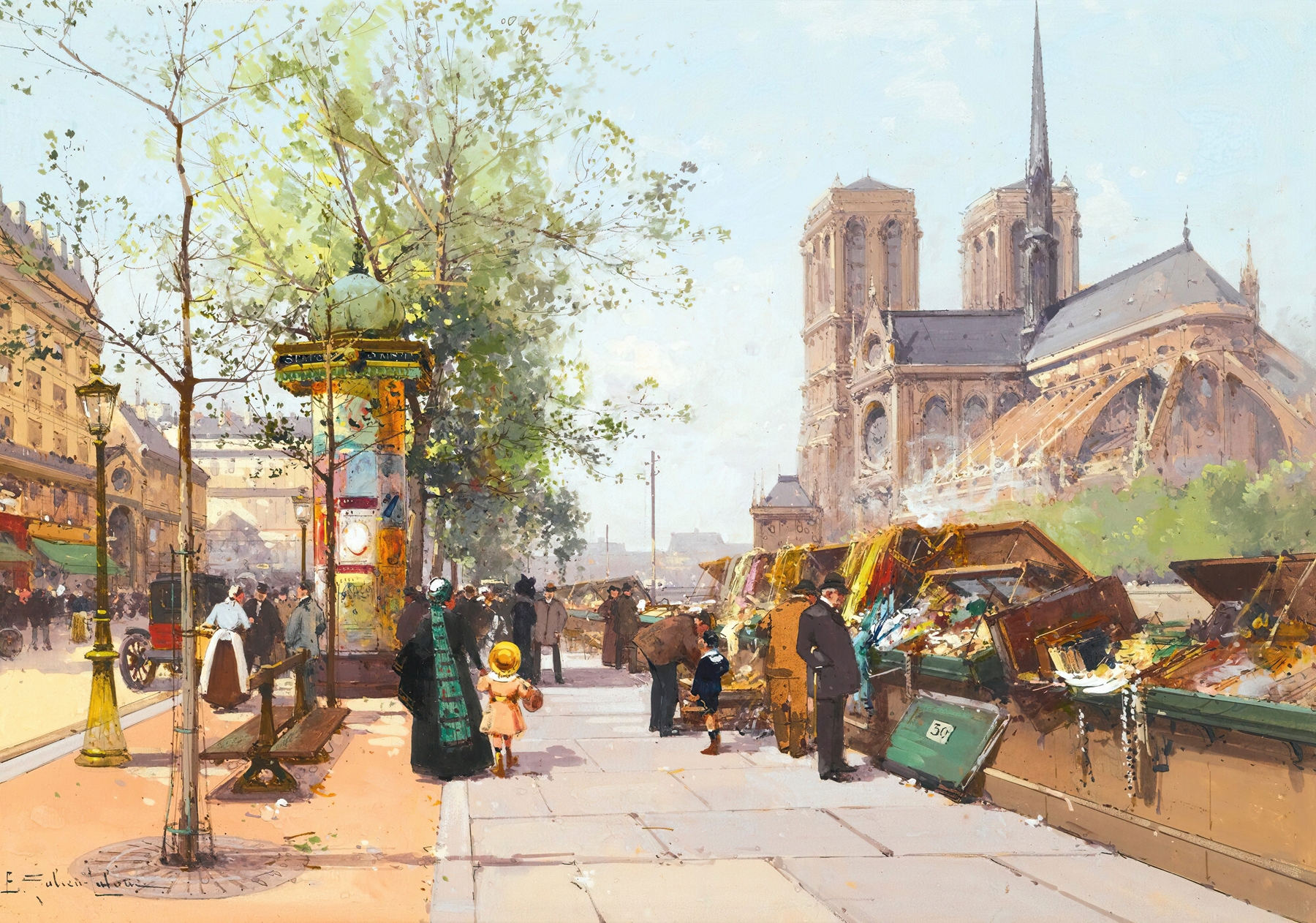
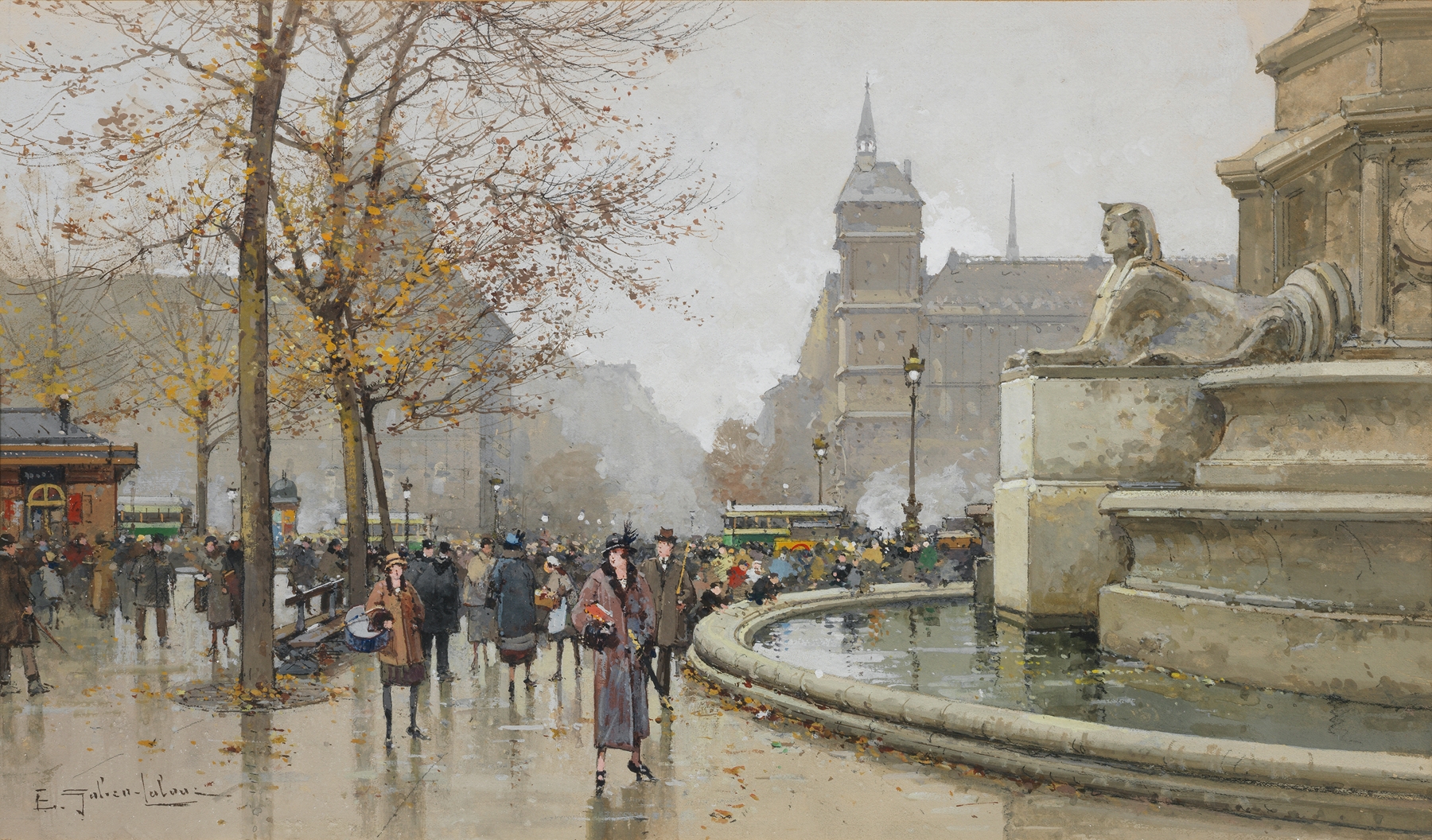
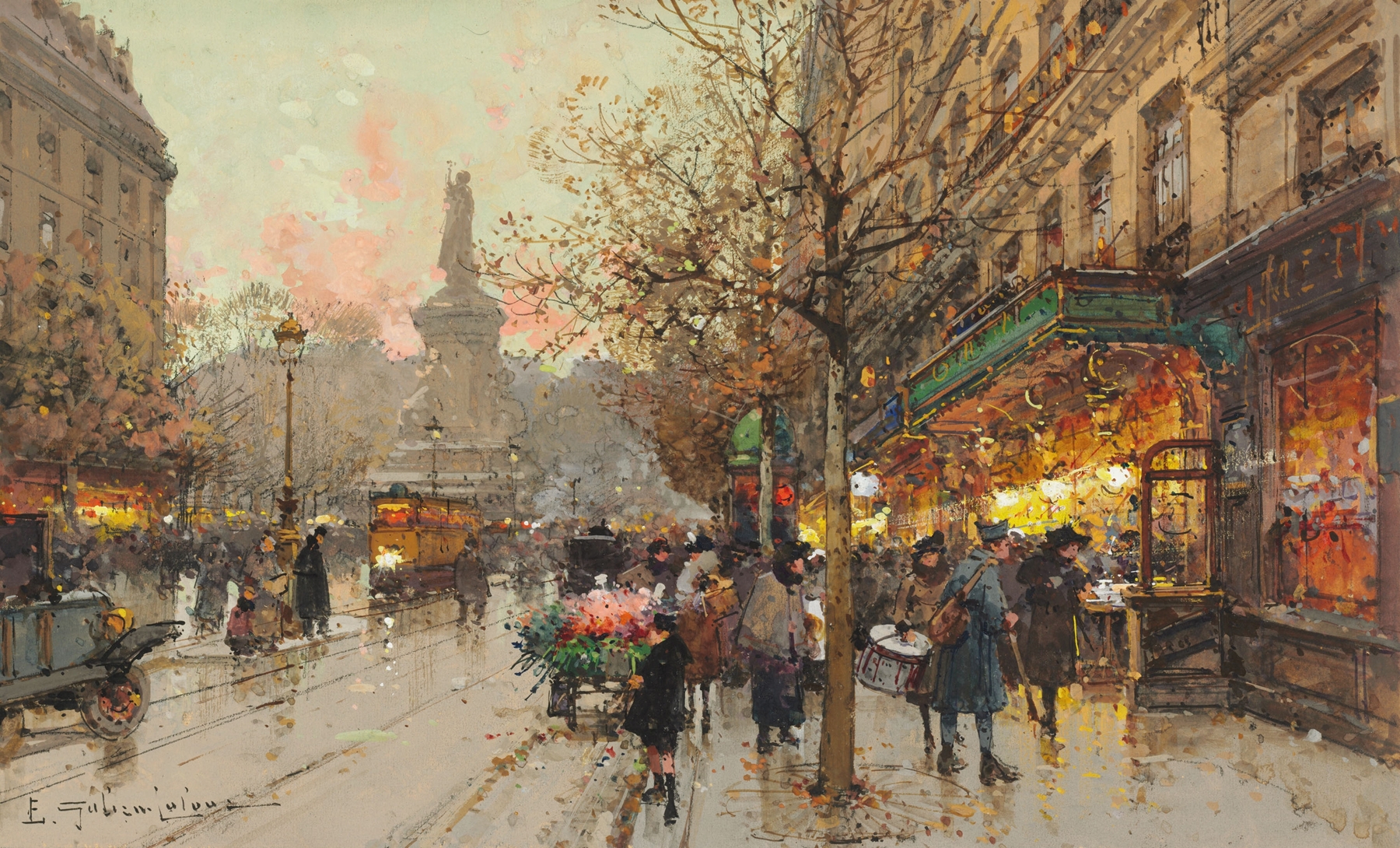
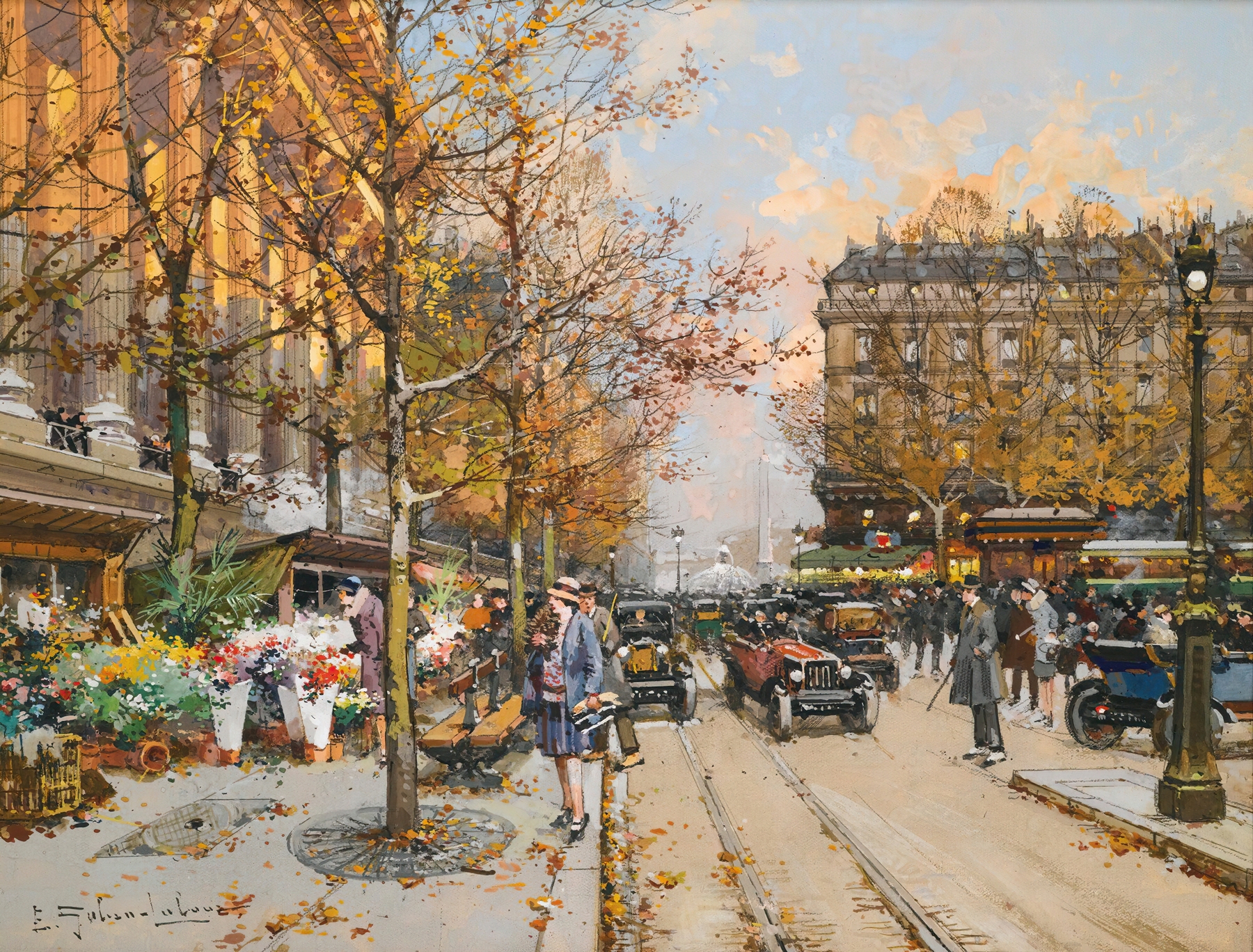
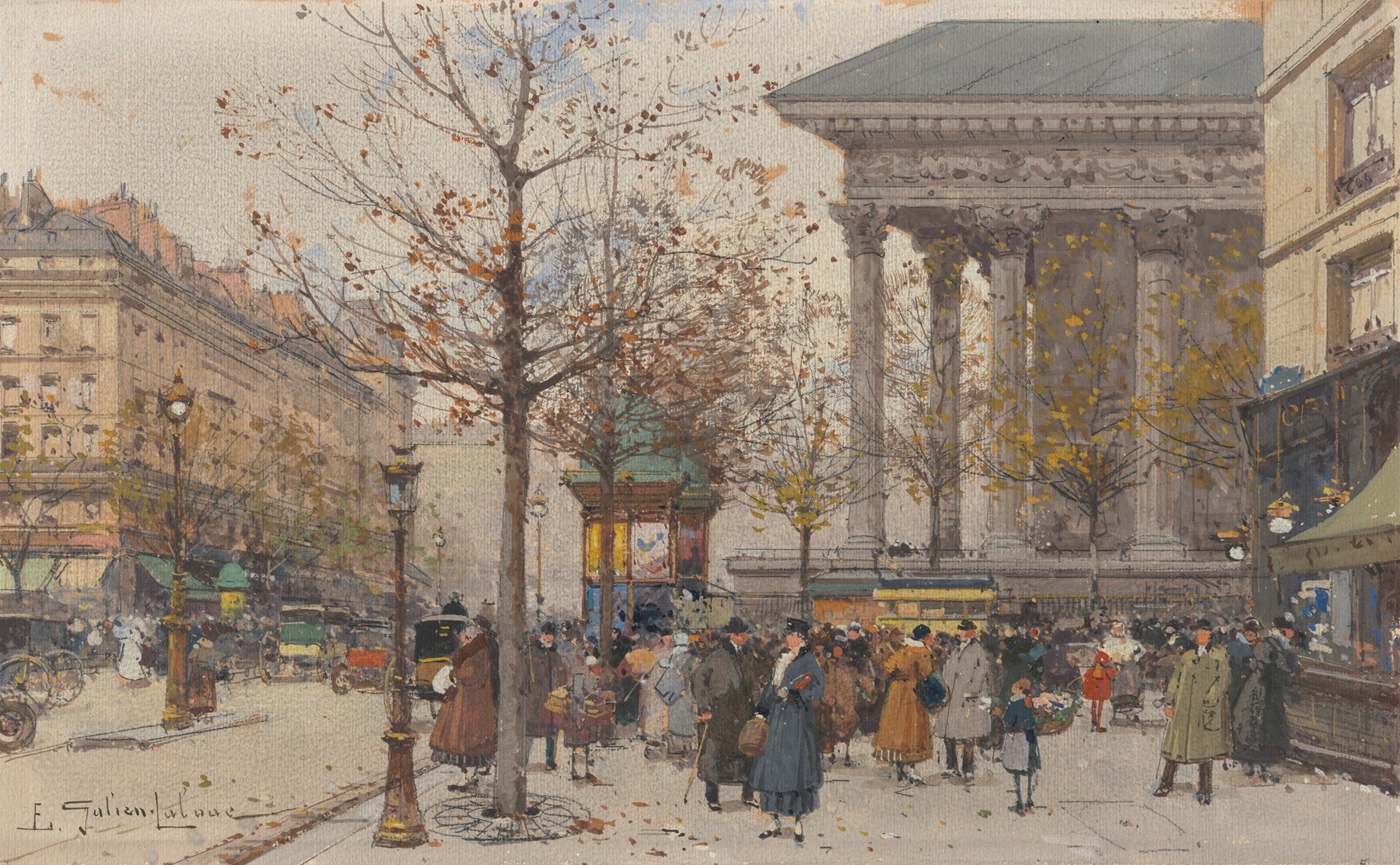
Is this a mirror — or a memory? In Le Marché aux fleurs de la Madeleine, the vibrant interplay of colors and forms hints at the delicate tether between our past and the present, weaving a tapestry of destiny within the chaos of urban life. Focus first on the vibrant blooms that dominate the canvas, their sheer exuberance spilling from the stalls. Notice how the artist employs a lively palette, blending yellows, pinks, and reds that draw your gaze, compelling you to linger over the details. The delicate brushstrokes evoke the texture of petals, inviting you to reach out and feel their softness.
The bustling figures, seemingly lost in their own worlds, flow through the scene like a river, their muted tones contrasting with the vibrant flowers, suggesting a life filled with both color and routine. Among the crowd, subtle dynamics unfold. The juxtaposition of the vibrant market against the muted, shadowy architecture reflects the tension between the vibrancy of life and the somberness of existence. Each figure carries their own narrative, some appearing hurried, others contemplative, hinting at individual destinies intertwined amid the hustle.
The light filtering through the scene casts gentle shadows, symbolizing both hope and the weight of time, suggesting that moments of beauty can exist alongside the mundane. Eugène Galien-Laloue created this evocative work during the late 19th to early 20th century, a time when Paris was undergoing rapid change. The industrial revolution was reshaping the cityscape, and artists were increasingly drawn to capturing the vibrancy of urban life. Galien-Laloue, known for his portrayals of Parisian life, painted scenes that celebrated the everyday beauty of bustling markets, immersing the viewer in the essence of a city alive with stories waiting to be told.