The Place de Clichy in Snow, Paris — History & Analysis
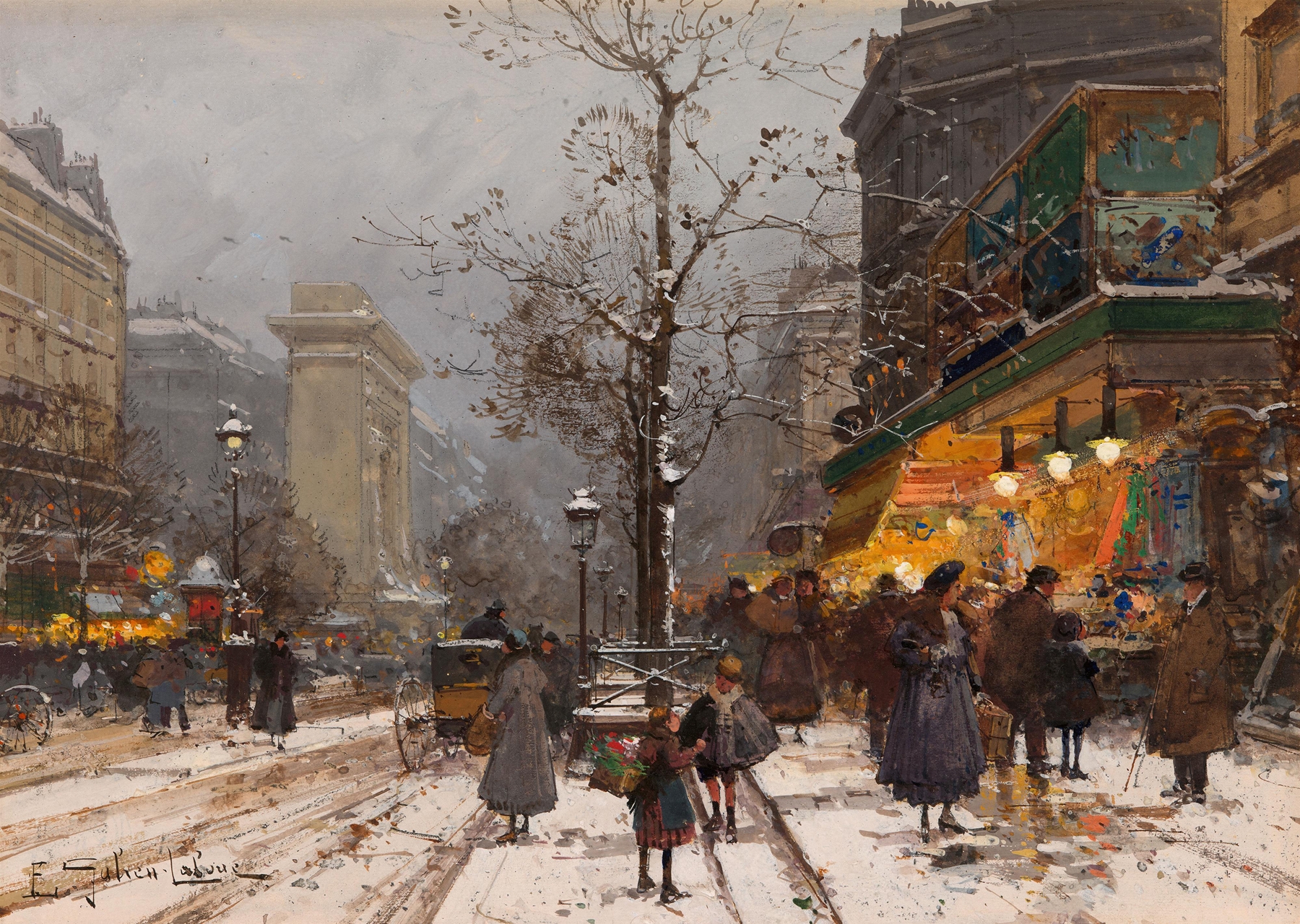
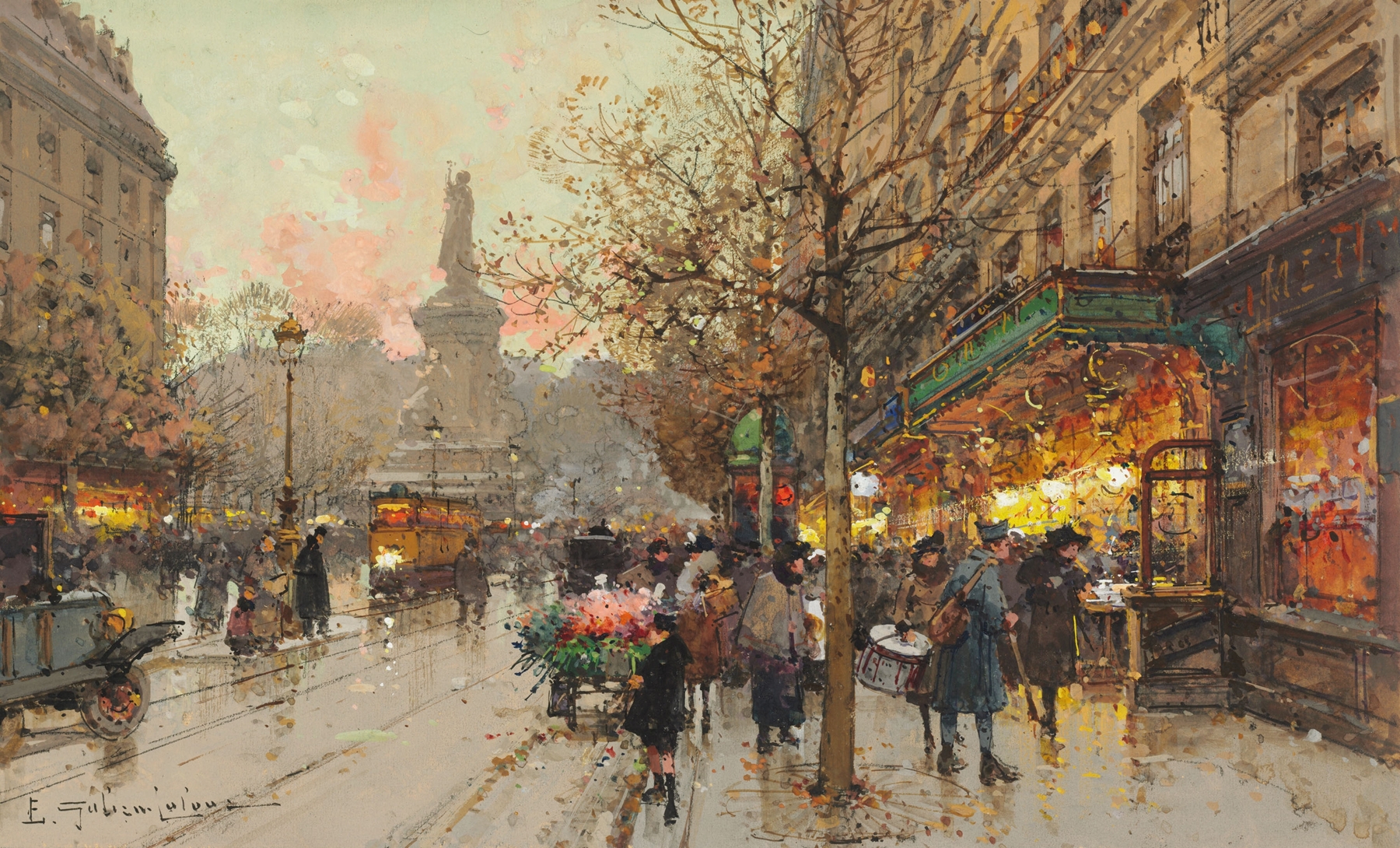
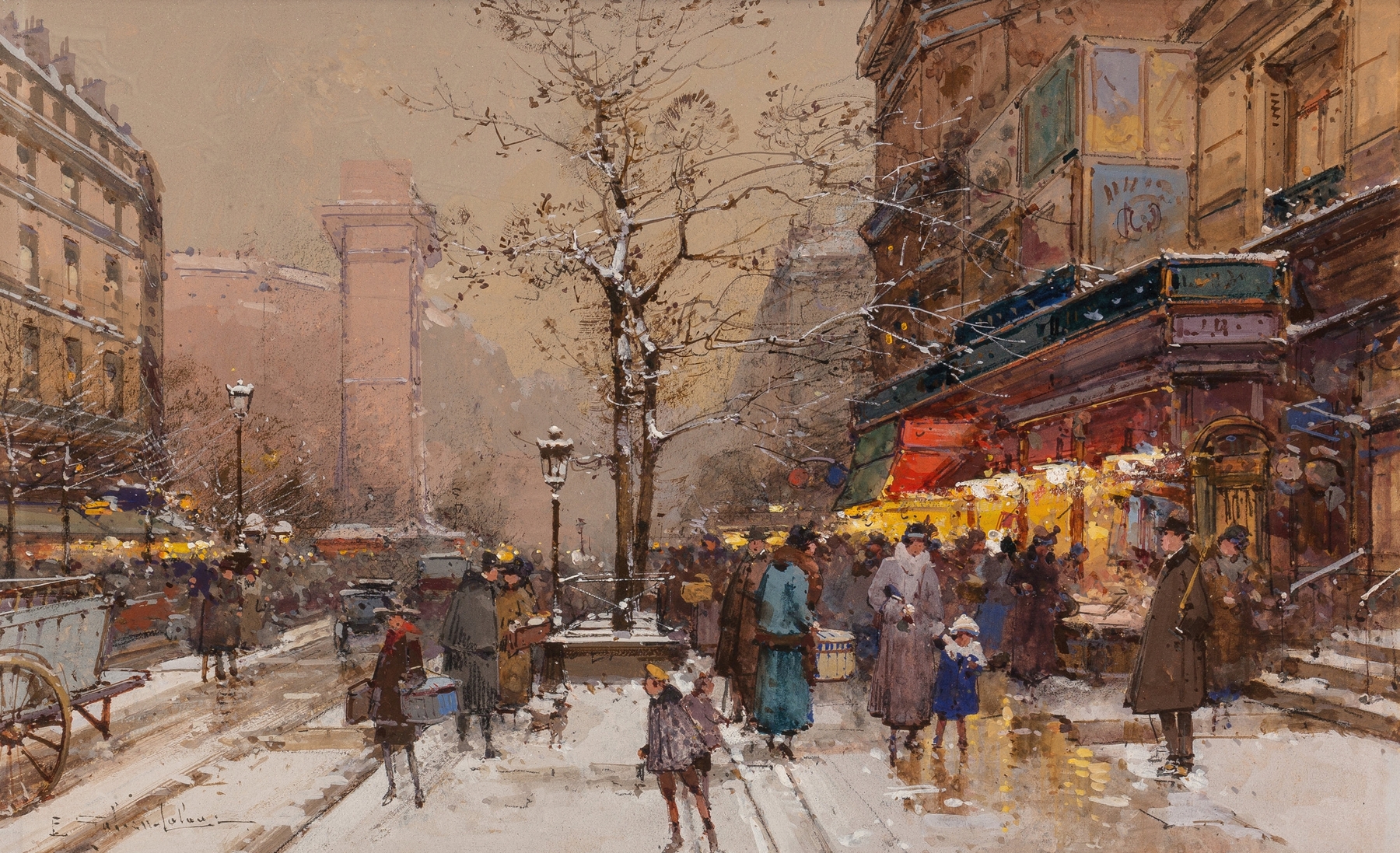
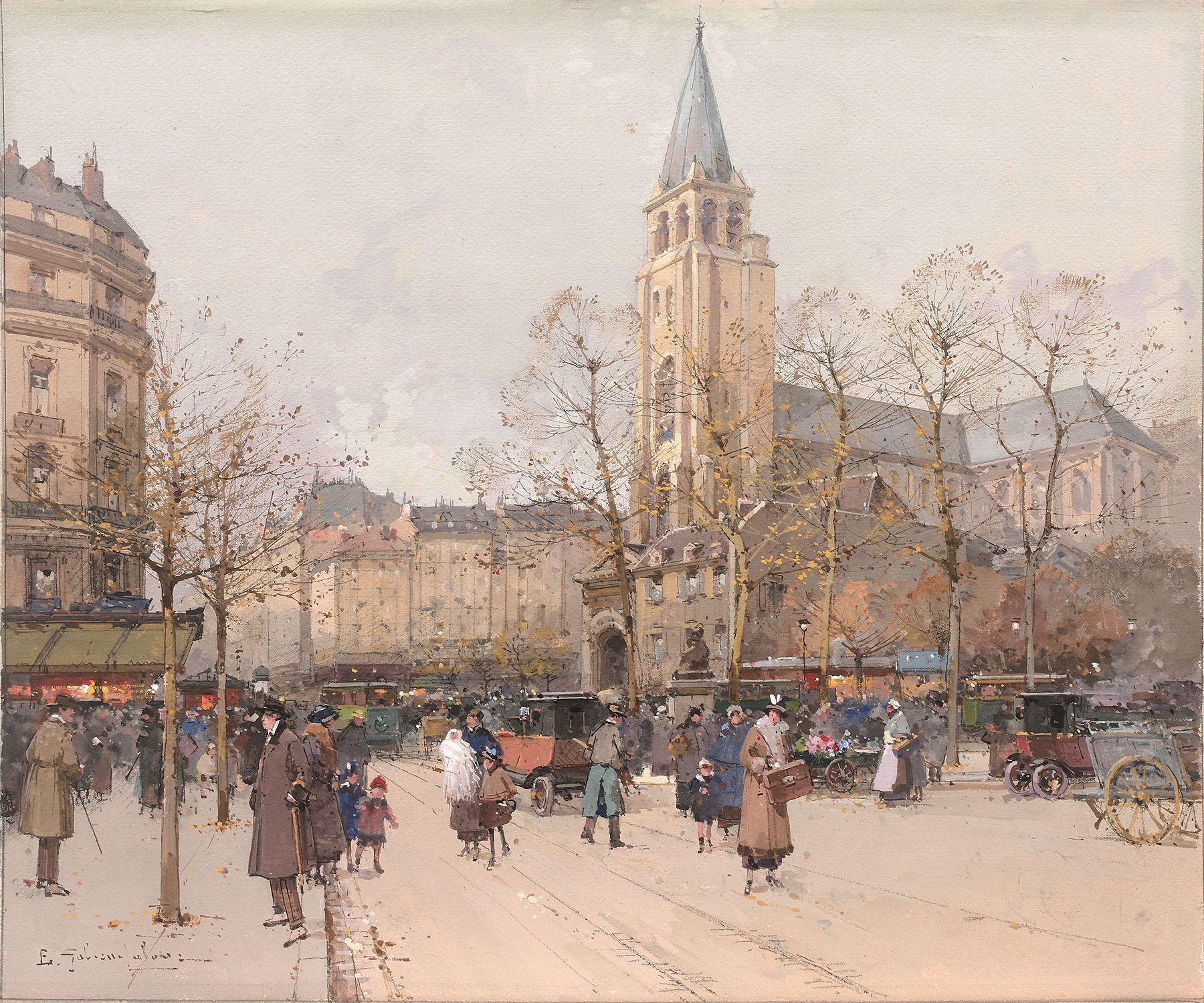
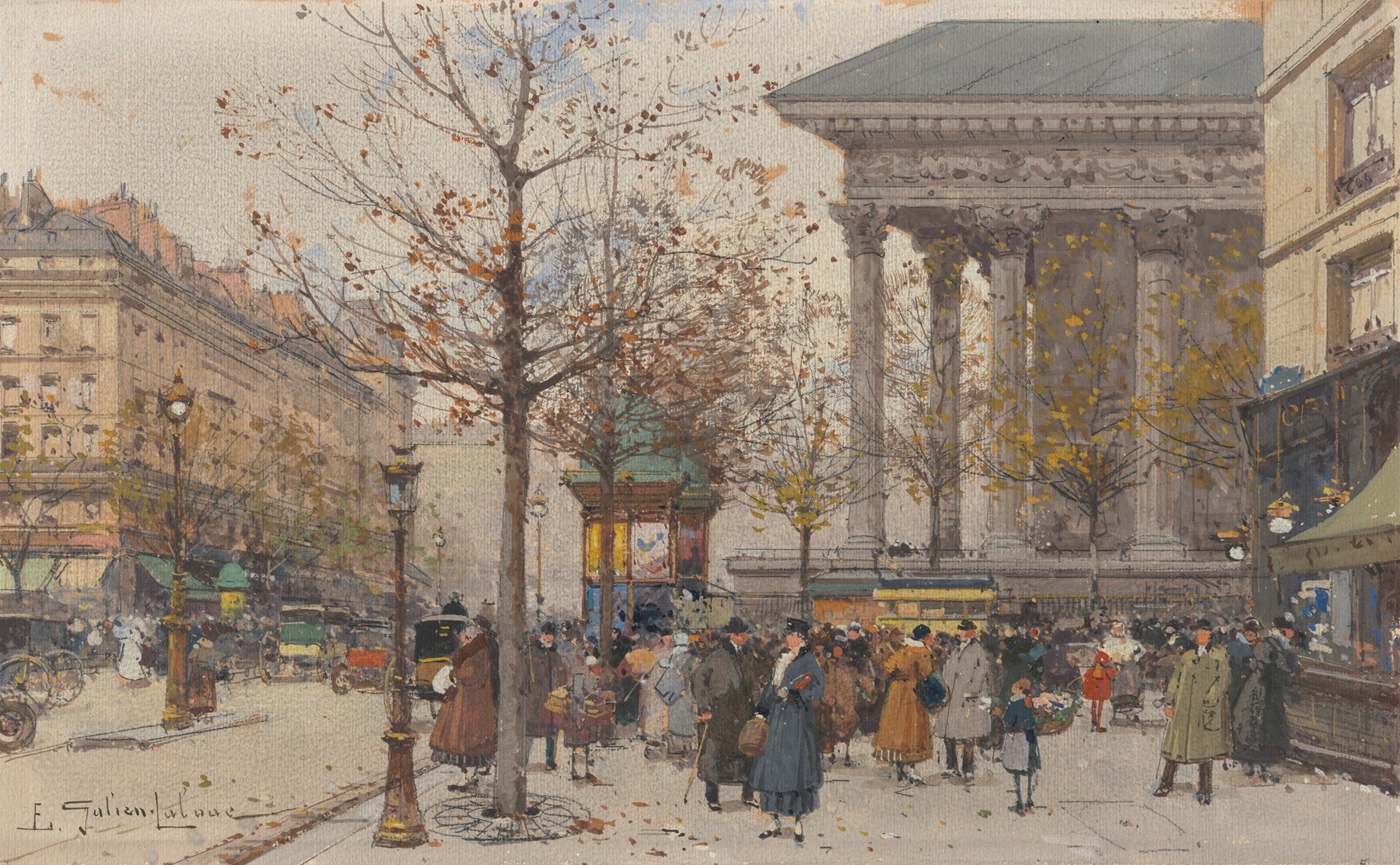
"Between color and silence, truth hides." In the quiet embrace of winter, a world transforms, revealing layers of existence beyond mere observation. This painting invites us to explore the delicate balance between the seen and the felt, where snow blankets the familiar with a veil of tranquility. Look to the foreground, where the bustling life of the Place de Clichy is captured beneath a soft, white canvas. The vibrant hues of the pedestrians’ clothing contrast with the muted tones of the snow, drawing your eye to their animated gestures amid the stillness.
The artist employs a gentle palette, harmonizing warm browns and cool blues to evoke a serene atmosphere, while the intricate brushwork adds texture to the scene, imbuing each figure with life despite the chill of the environment. Underneath this tranquil exterior lies a deeper narrative of dichotomy — the joyous energy of life juxtaposed against the weight of winter’s embrace. Notice the way light dances from the streetlamps, casting a warm glow that invites connection amidst the cold.
The subtle interactions between the figures imply stories of longing and companionship, as if the snow is a bridge between isolation and shared experience, allowing them to transcend their individual moments. Eugène Galien-Laloue painted this work during a time when Paris was experiencing both artistic revival and the onset of modernity, capturing the essence of urban life in transition. Active in the late 19th century, he was influenced by the Impressionists yet maintained his distinctive style, bridging the gap between traditional representation and the modern vibrancy of post-war Paris.