Notre Dame De Paris — History & Analysis
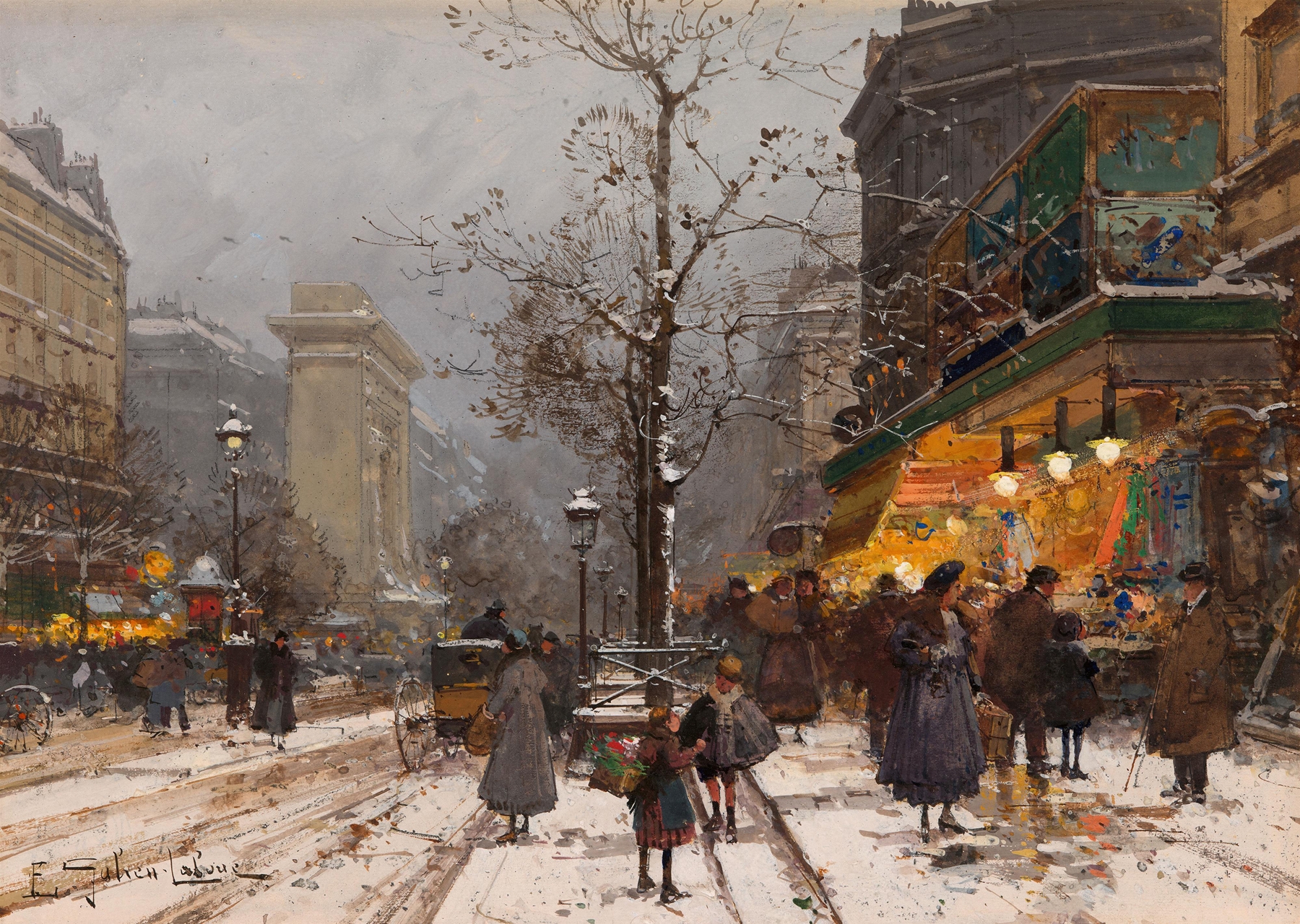
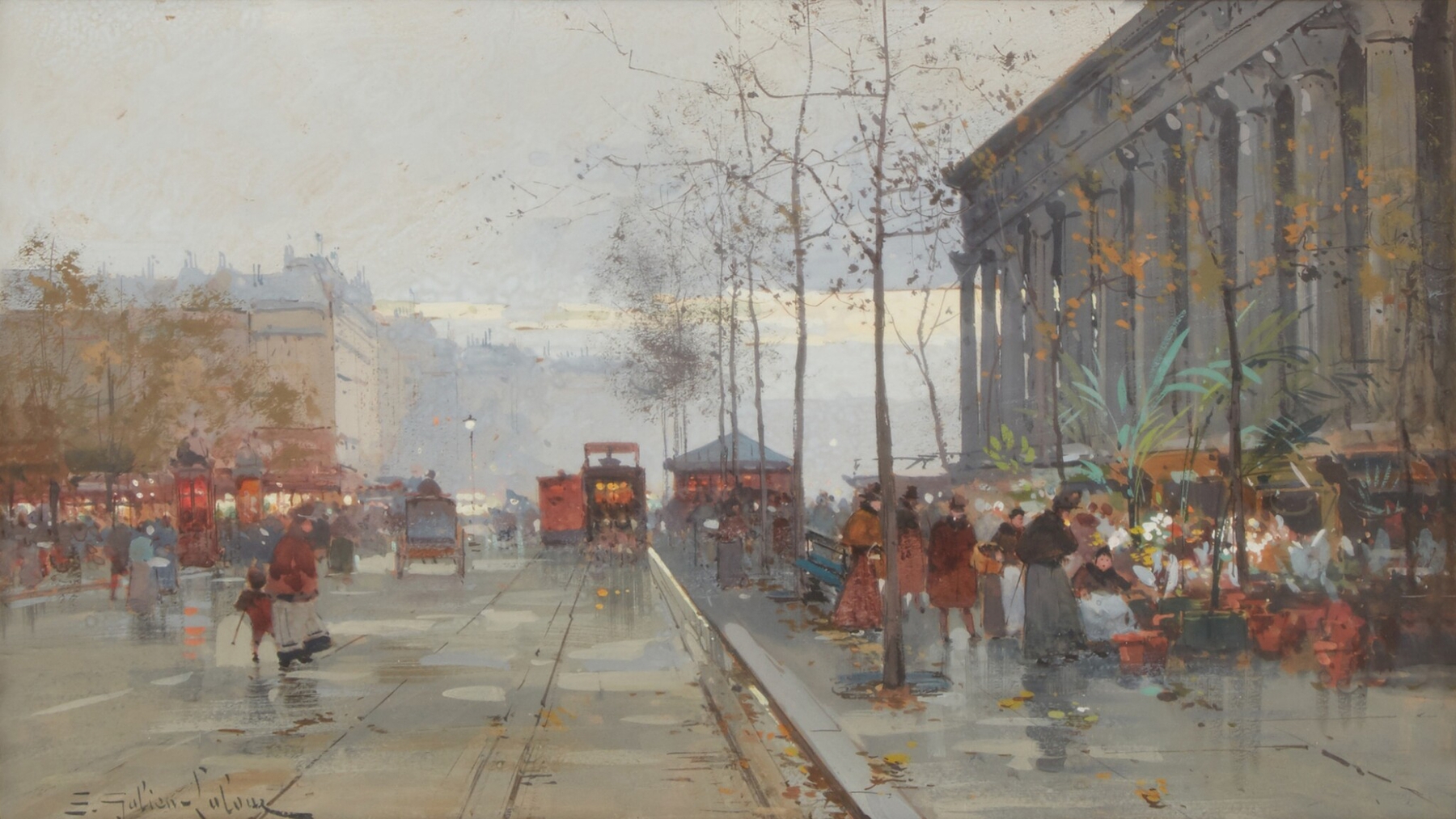
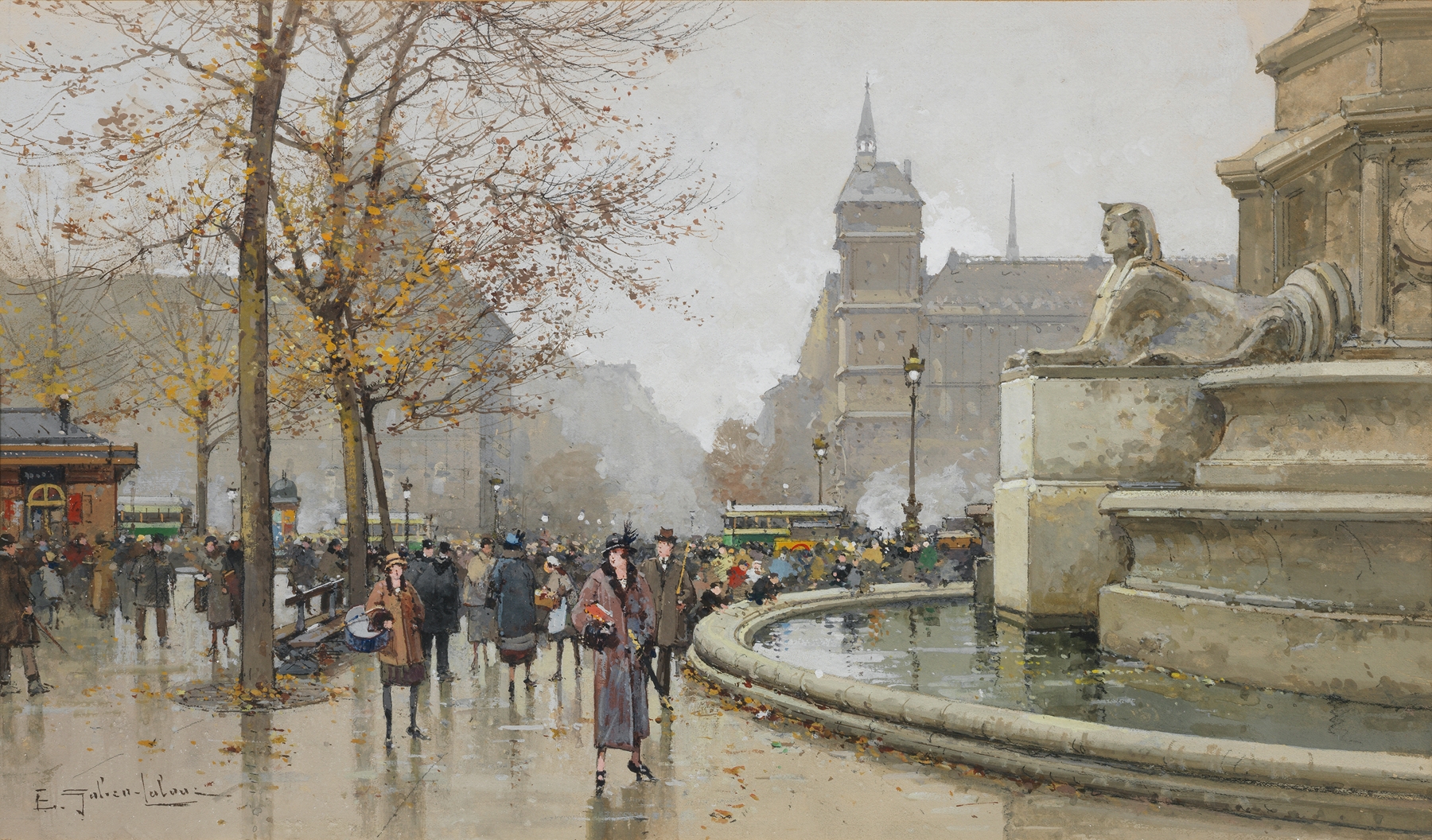
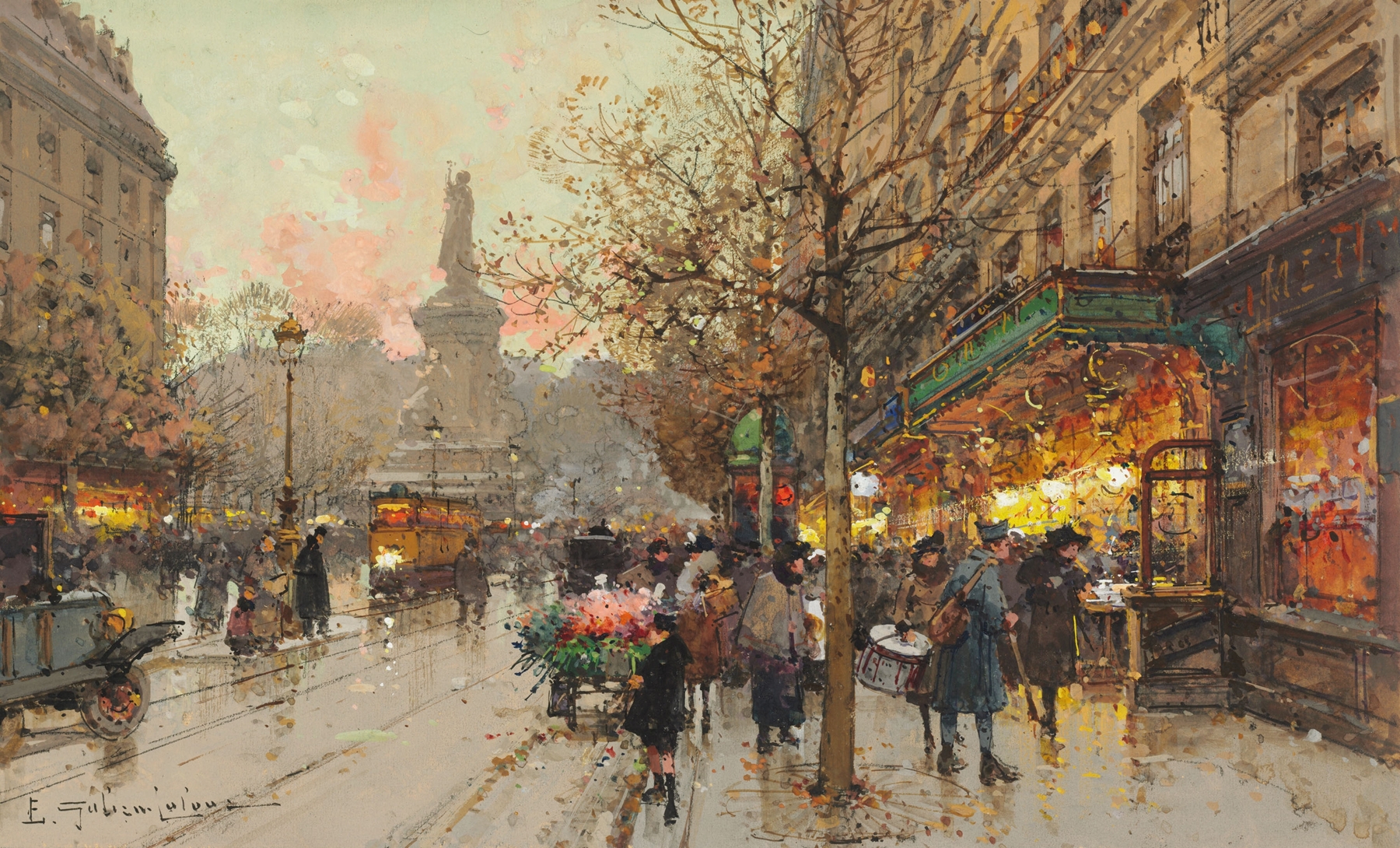
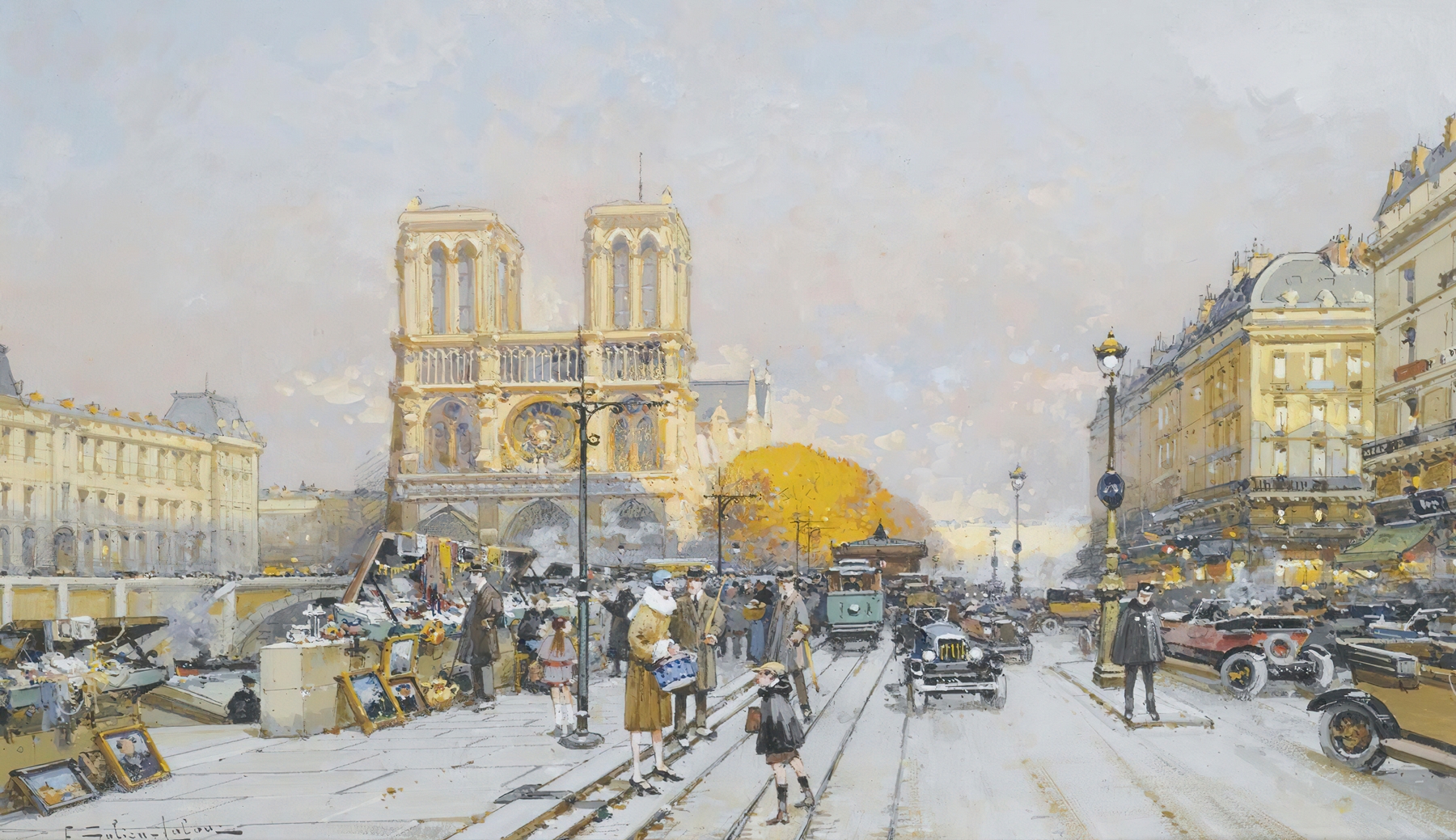
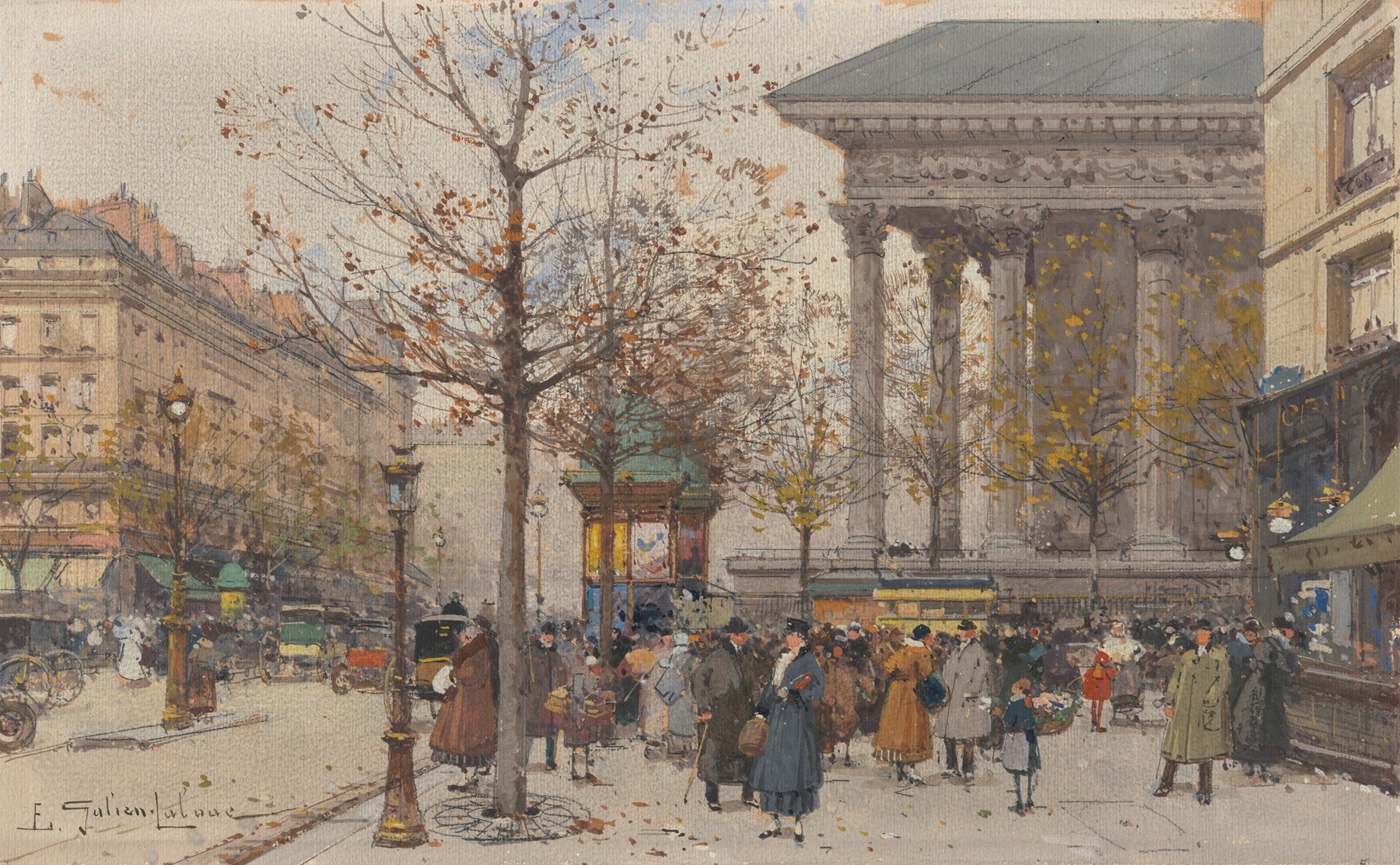
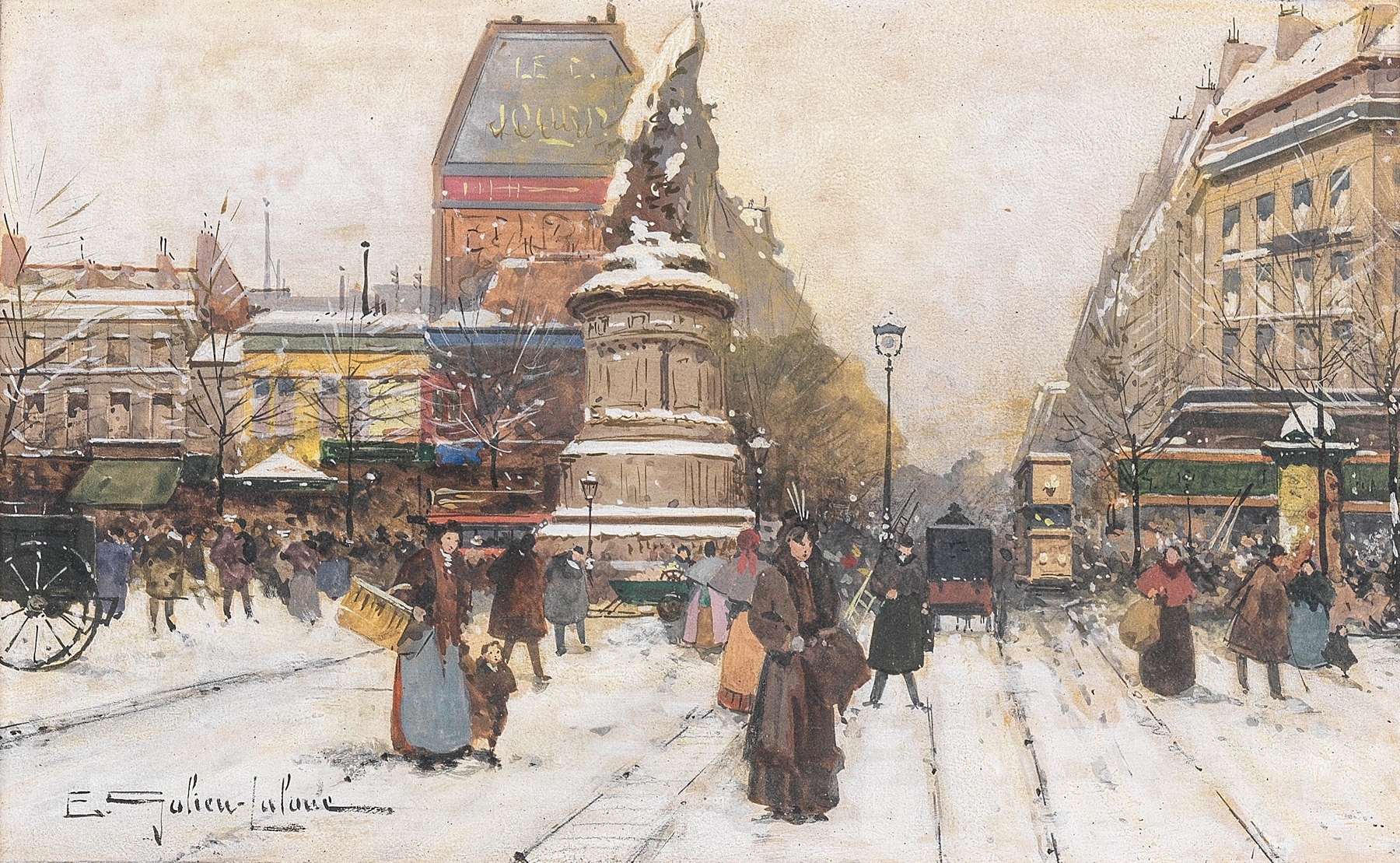
Could a single brushstroke hold eternity? In Notre Dame de Paris, the weight of history and the whisper of time converge, inviting contemplation and deep yearning. Focus on the majestic cathedral that stands as the centerpiece of the canvas. Notice how the artist captures the intricate details of its façade, the delicate gargoyles peering down as if to guard secrets of centuries past. The soft, golden hues of the setting sun cast a warm glow, illuminating the arches and spires, while the deep shadows hint at the mysteries lurking in the twilight.
The careful brushwork conveys not only architectural precision but also an emotional resonance that draws the viewer into the scene. Hidden within this depiction are layers of significance. The juxtaposition of light and shadow evokes a sense of duality—hope and nostalgia intertwine as the daylight fades, suggesting the passage of time and the impermanence of human achievements. The subtle presence of figures in the foreground infuses the painting with life, representing the enduring connection between the cathedral and the lives it has touched over generations.
Their smallness against the grandeur of the structure amplifies a profound yearning for belonging and legacy. Eugène Galien-Laloue painted Notre Dame de Paris in an era marked by a resurgence of interest in historical architecture during the late 19th to early 20th century. Living in Paris, he was influenced by the city's vibrant art scene and the romanticized notions of nostalgia that filled contemporary society. At a time when urbanization was reshaping landscapes, his work served as a reminder of enduring beauty amid change, reflecting both personal and collective sentiments of loss and reverence.