Notre Dame — History & Analysis
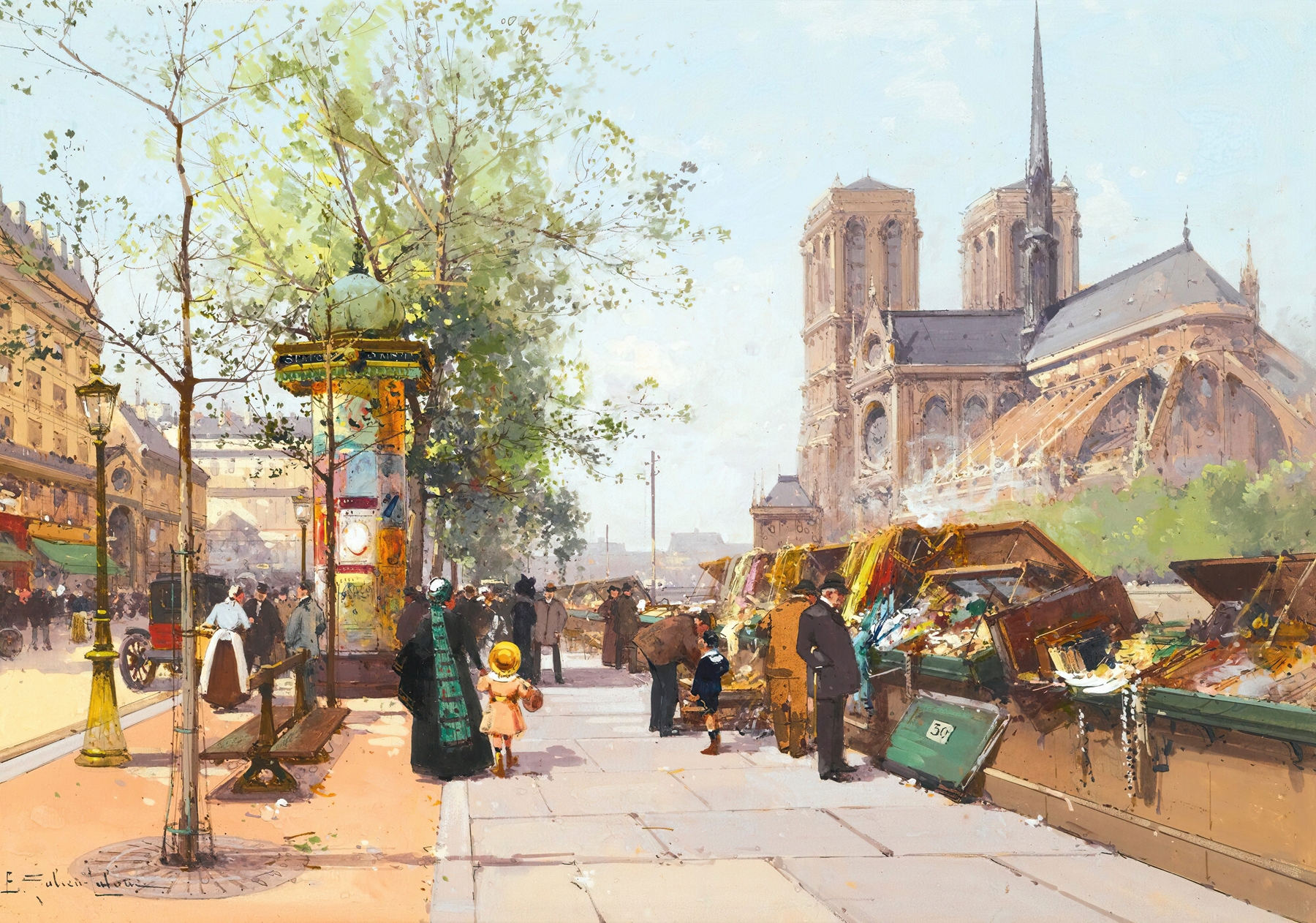
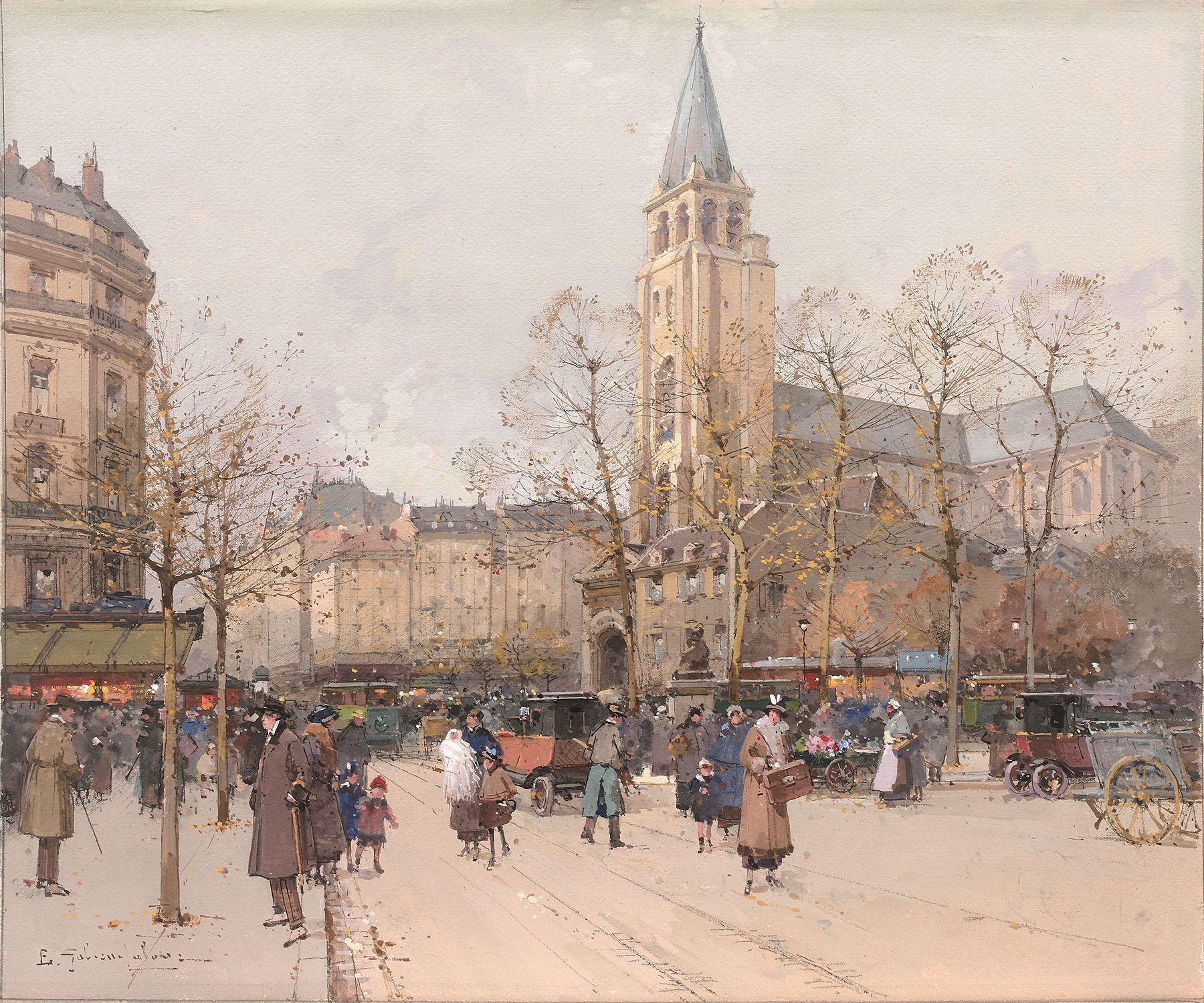
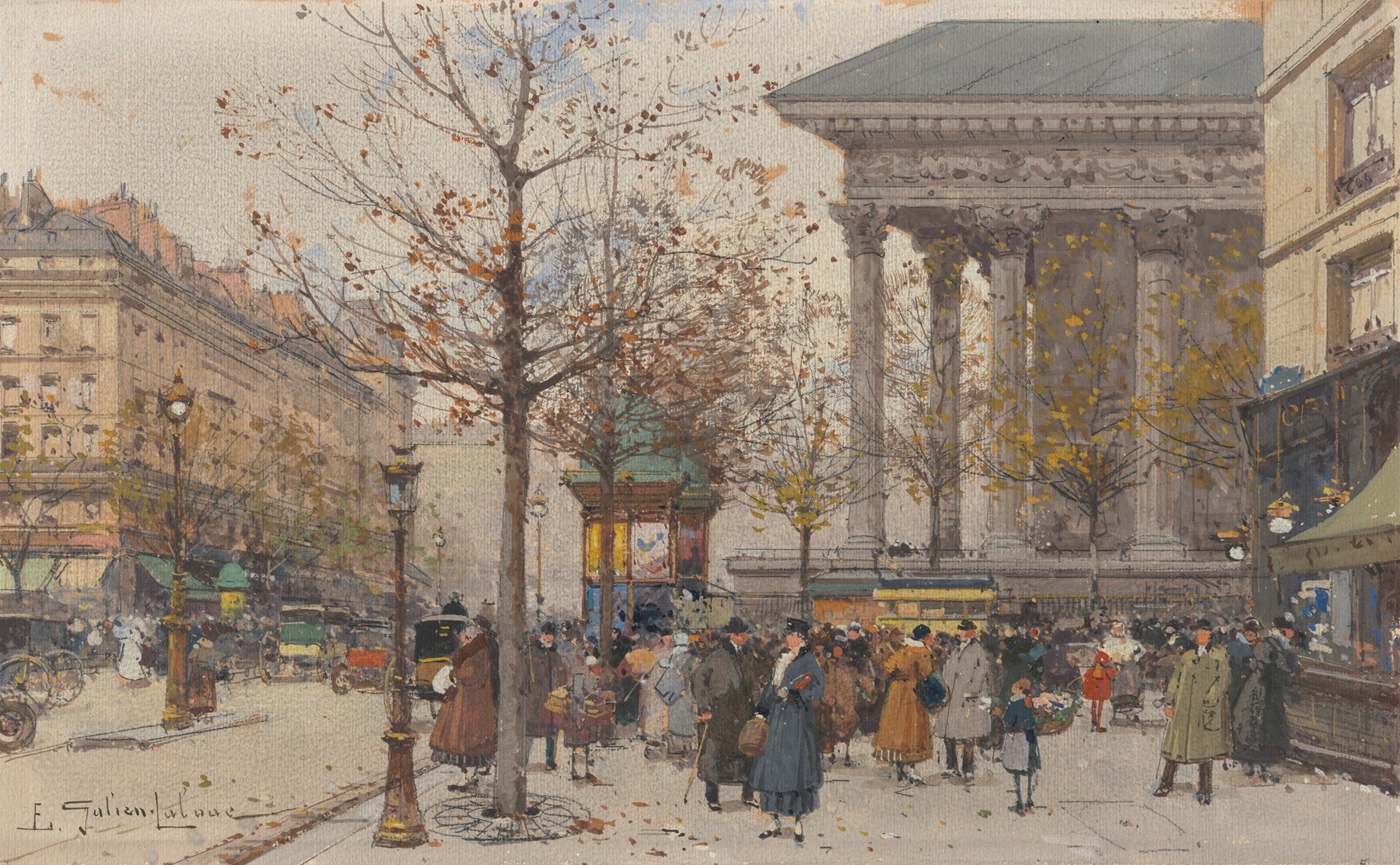
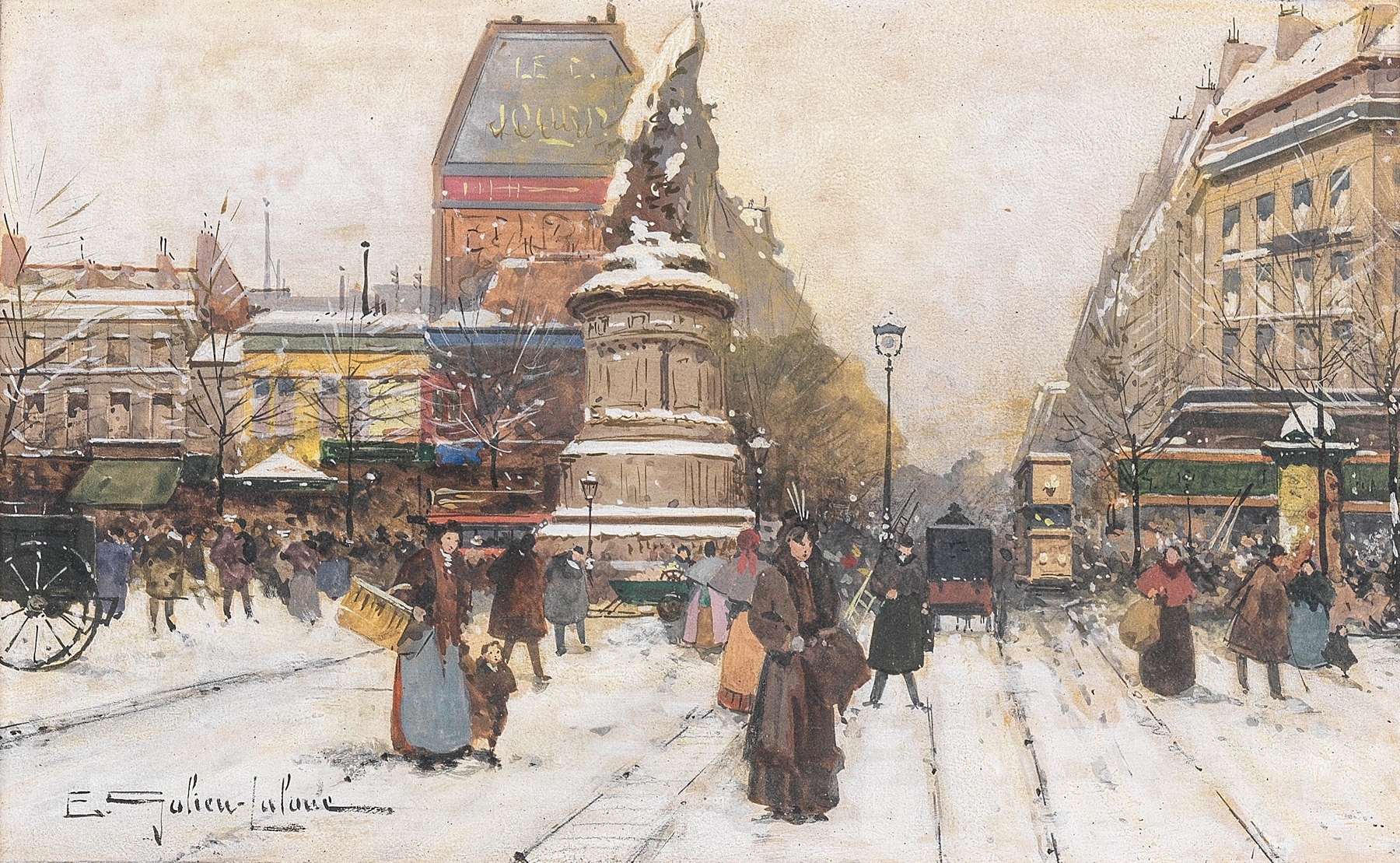
What if beauty was never meant to be finished? In the heart of Paris, the ethereal silhouette of a grand cathedral beckons the faithful, a testament to both faith and artistry entwined through time. Focus on the intricate façade of the cathedral; observe how the artist captures the interplay of light and shadow. The warm hues of the setting sun bathe the stonework in a golden glow, while deep shadows linger in the arches, emphasizing the monumental scale of the structure.
Notice the figures below, tiny in comparison, who are drawn into the sanctity of the scene, their gestures hinting at reverence, contemplation, or simply the joy of being in the presence of such beauty. In this work, the emotional tension lies in the contrast between the timelessness of the cathedral and the fleeting moments of life happening before it. The bustling figures, perhaps oblivious to the spiritual aura around them, serve as a reminder of the mundane nature of human existence, juxtaposed against the eternal quality of faith represented by the cathedral. This balance of movement and stillness encapsulates a fleeting moment in which beauty is both witnessed and experienced.
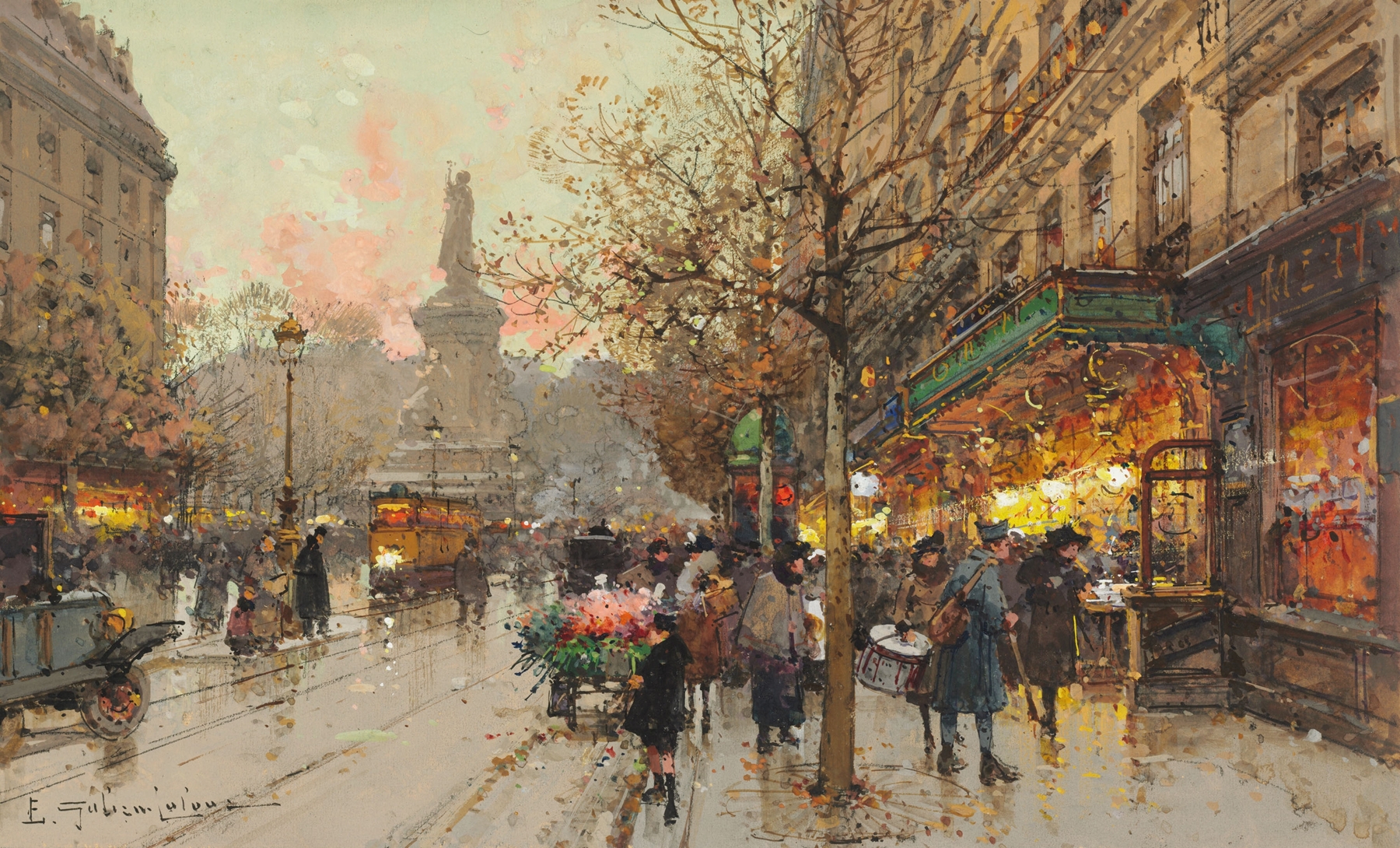
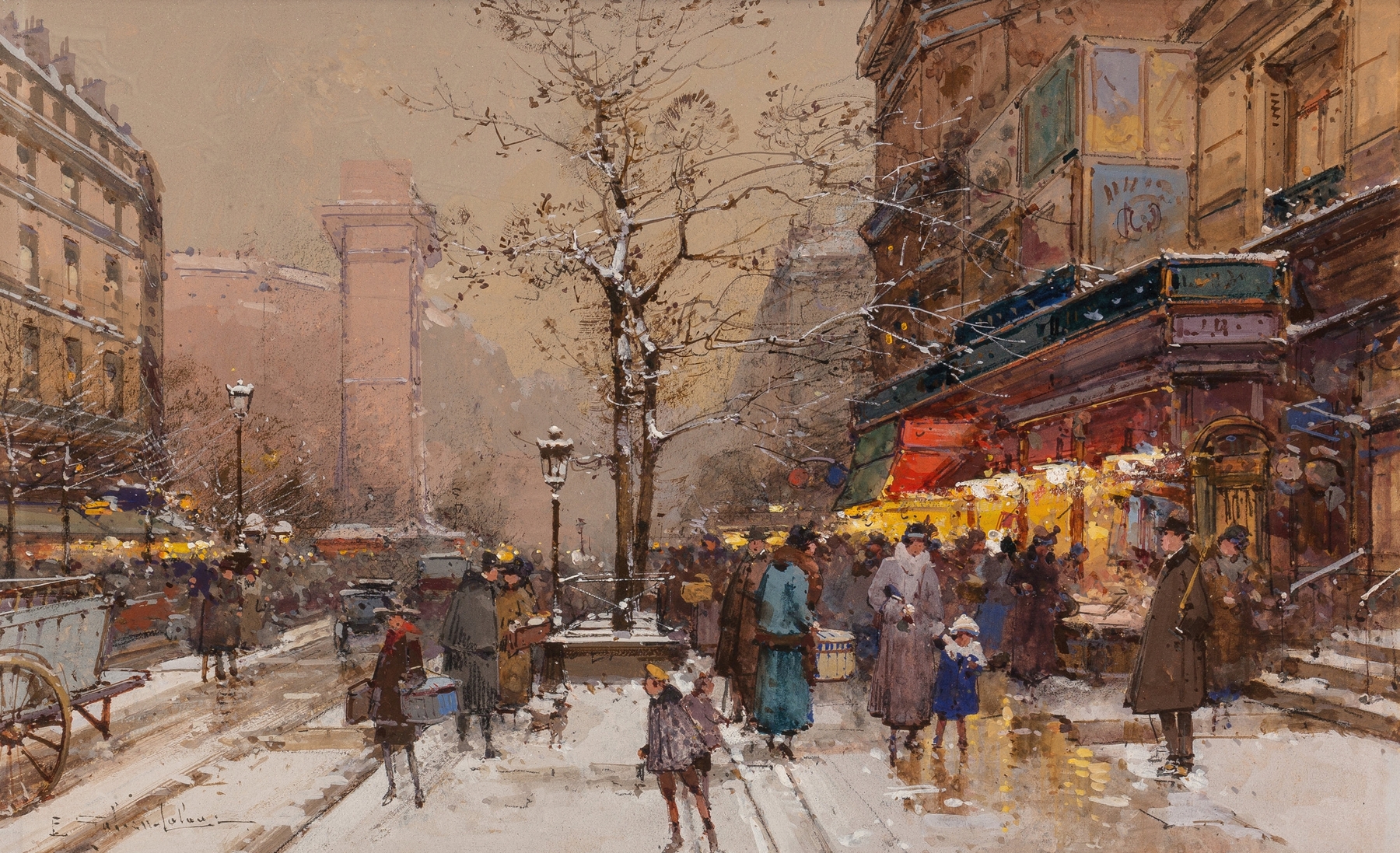
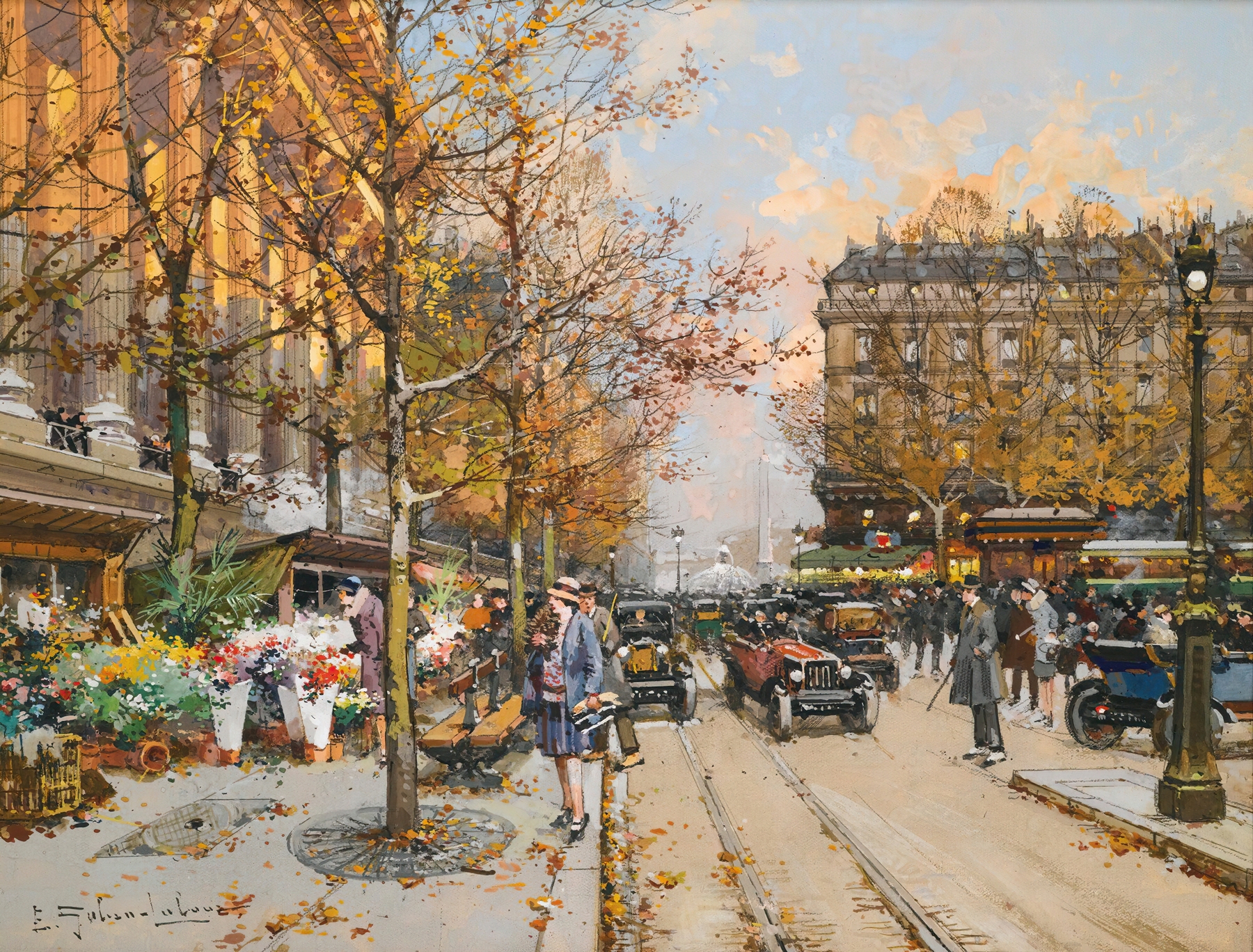
Galien-Laloue painted this during a period of artistic renewal in France, likely in the late 19th to early 20th century. Paris was a hub of creativity, rich with impressionism and emerging modernist sentiments. The artist, influenced by his contemporaries, sought to depict the charm of Parisian life while celebrating its architectural wonders, immortalizing moments that resonate with both nostalgia and a profound sense of faith.