Place De La République — History & Analysis
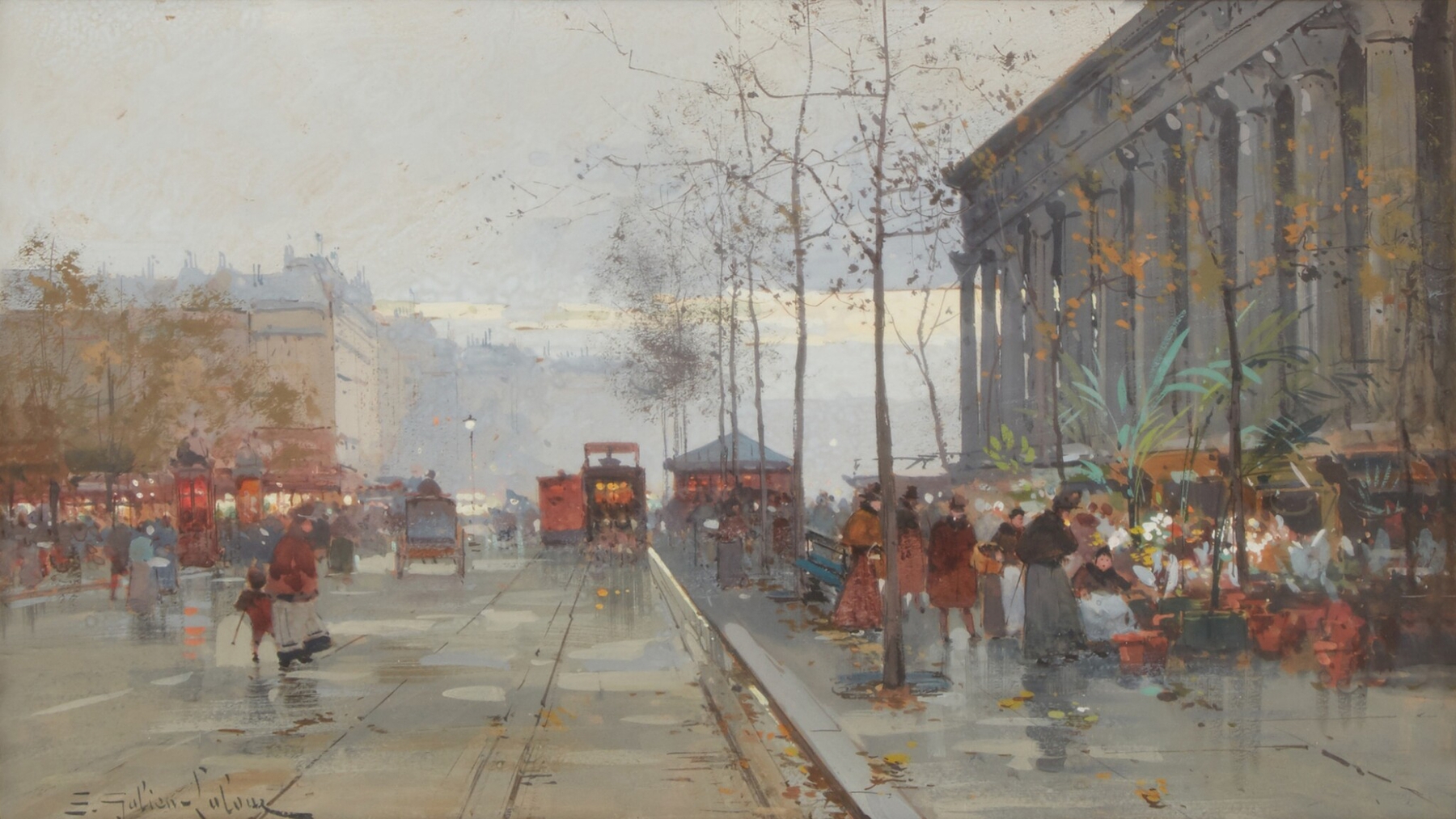
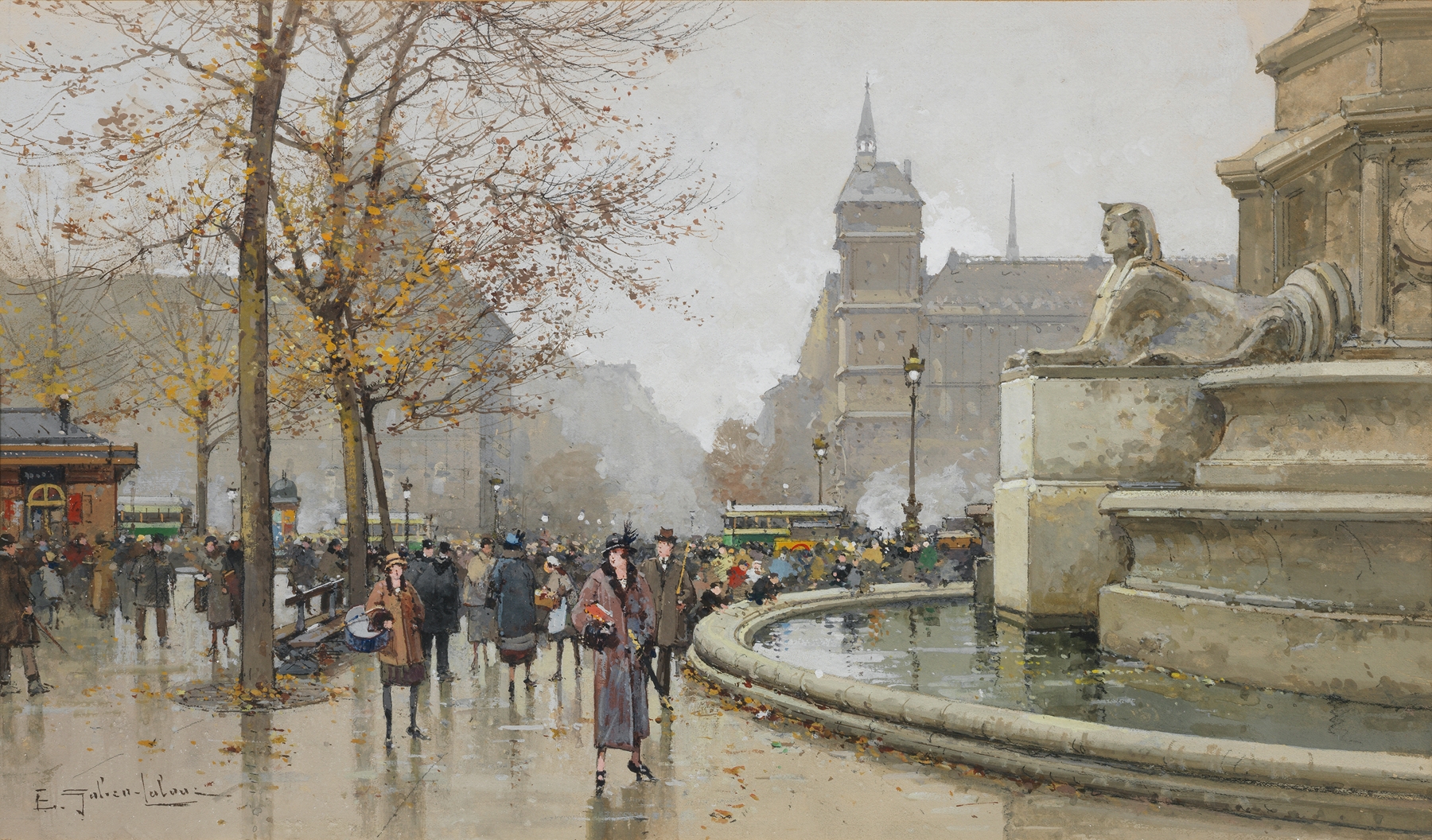
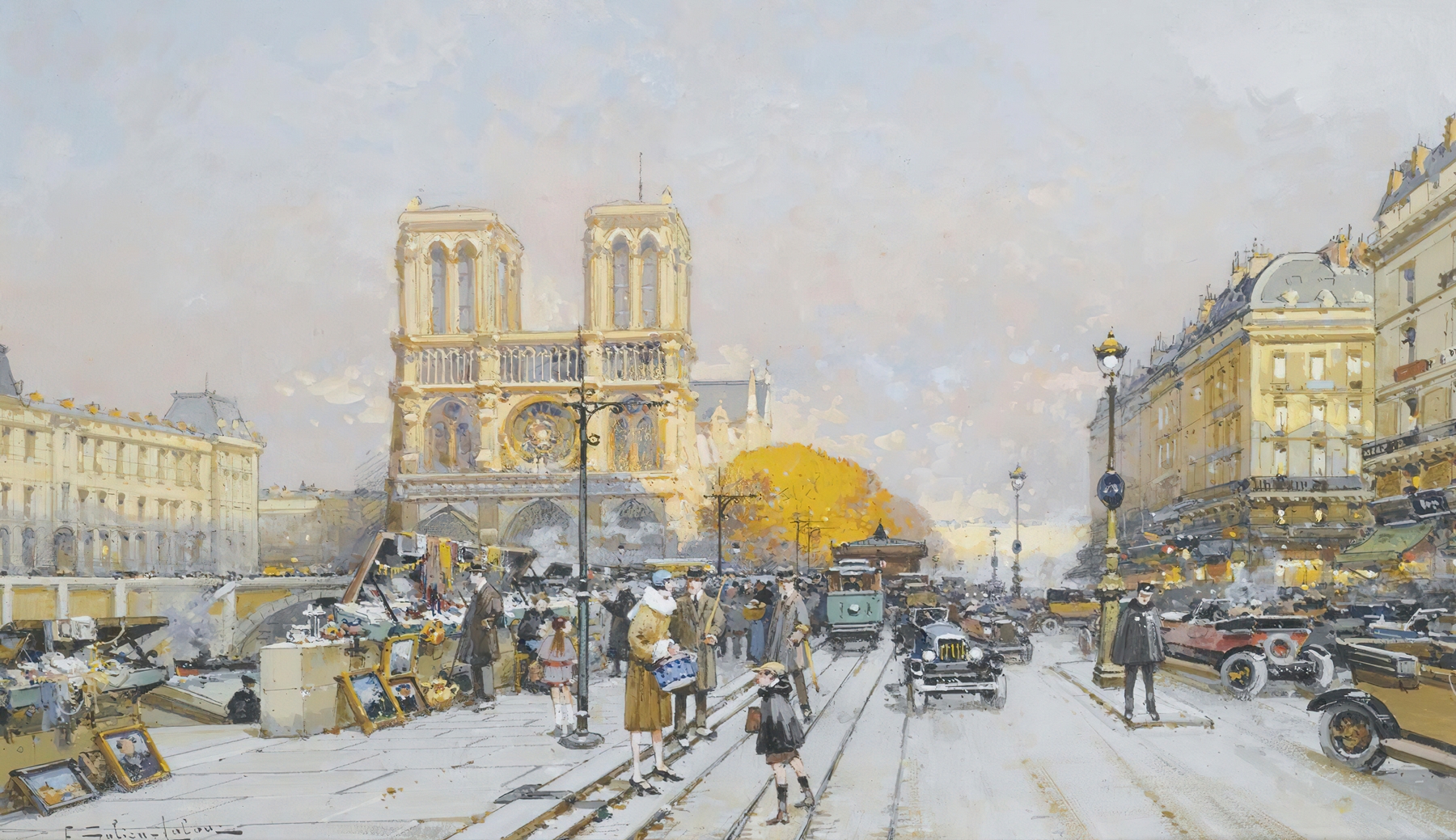
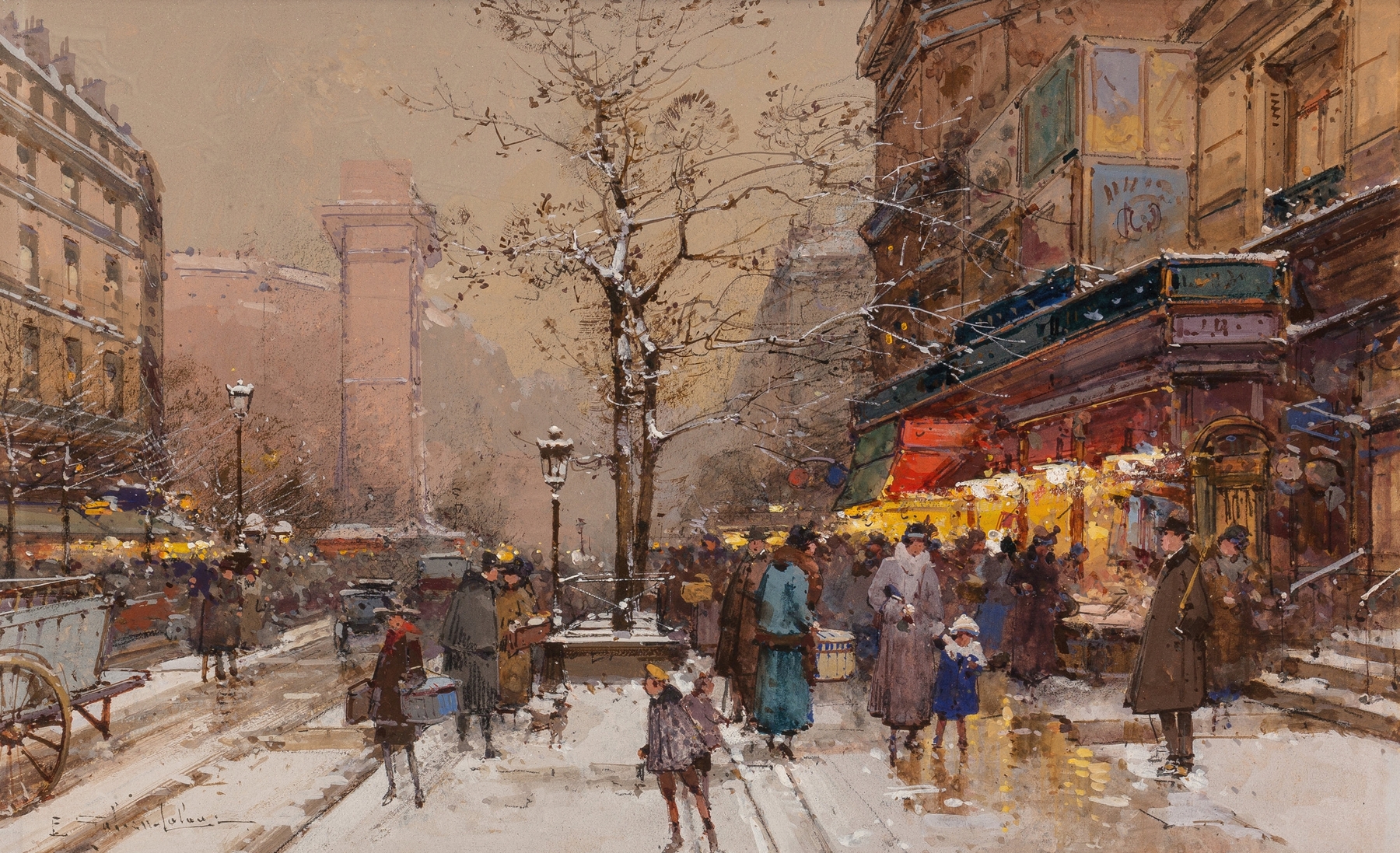
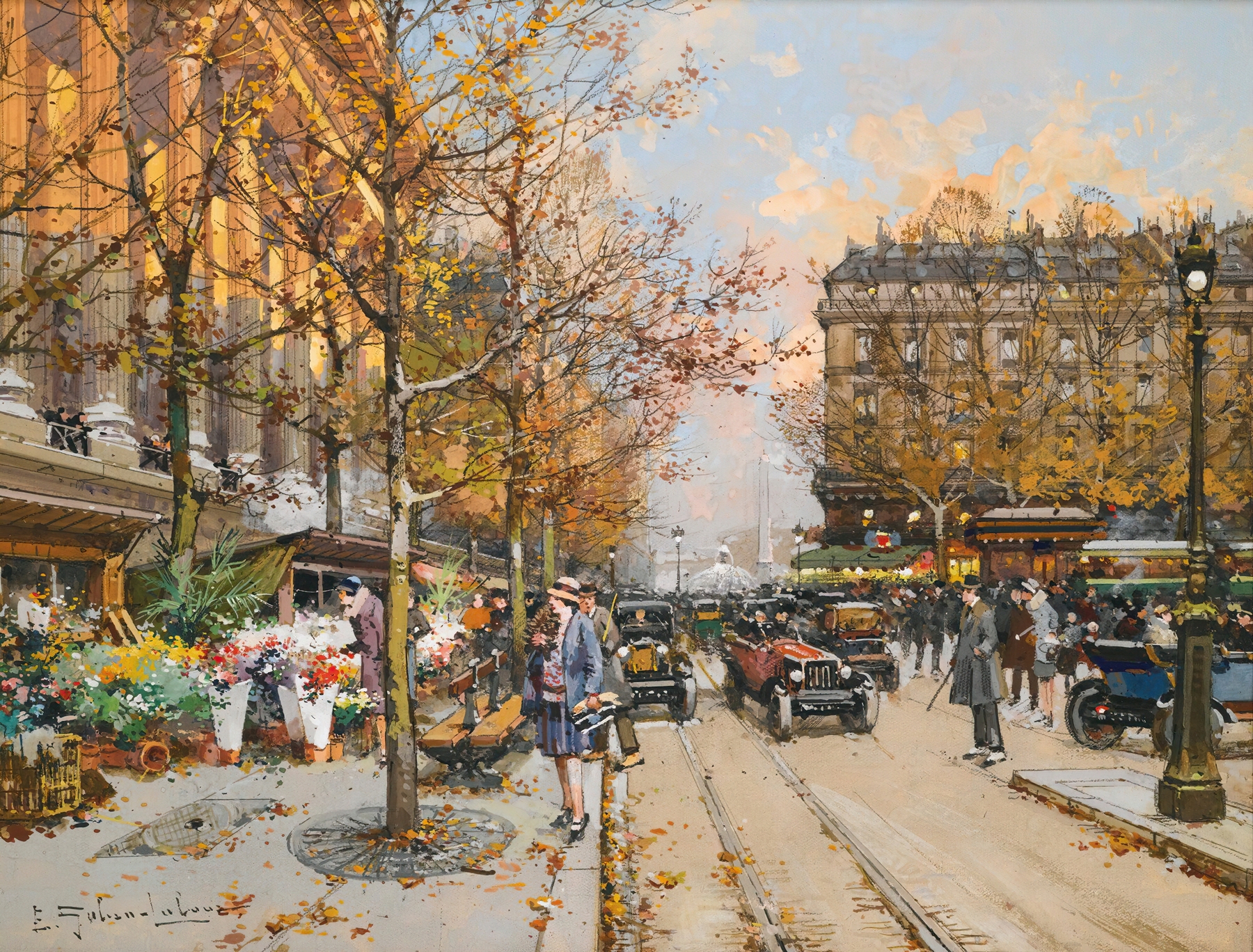
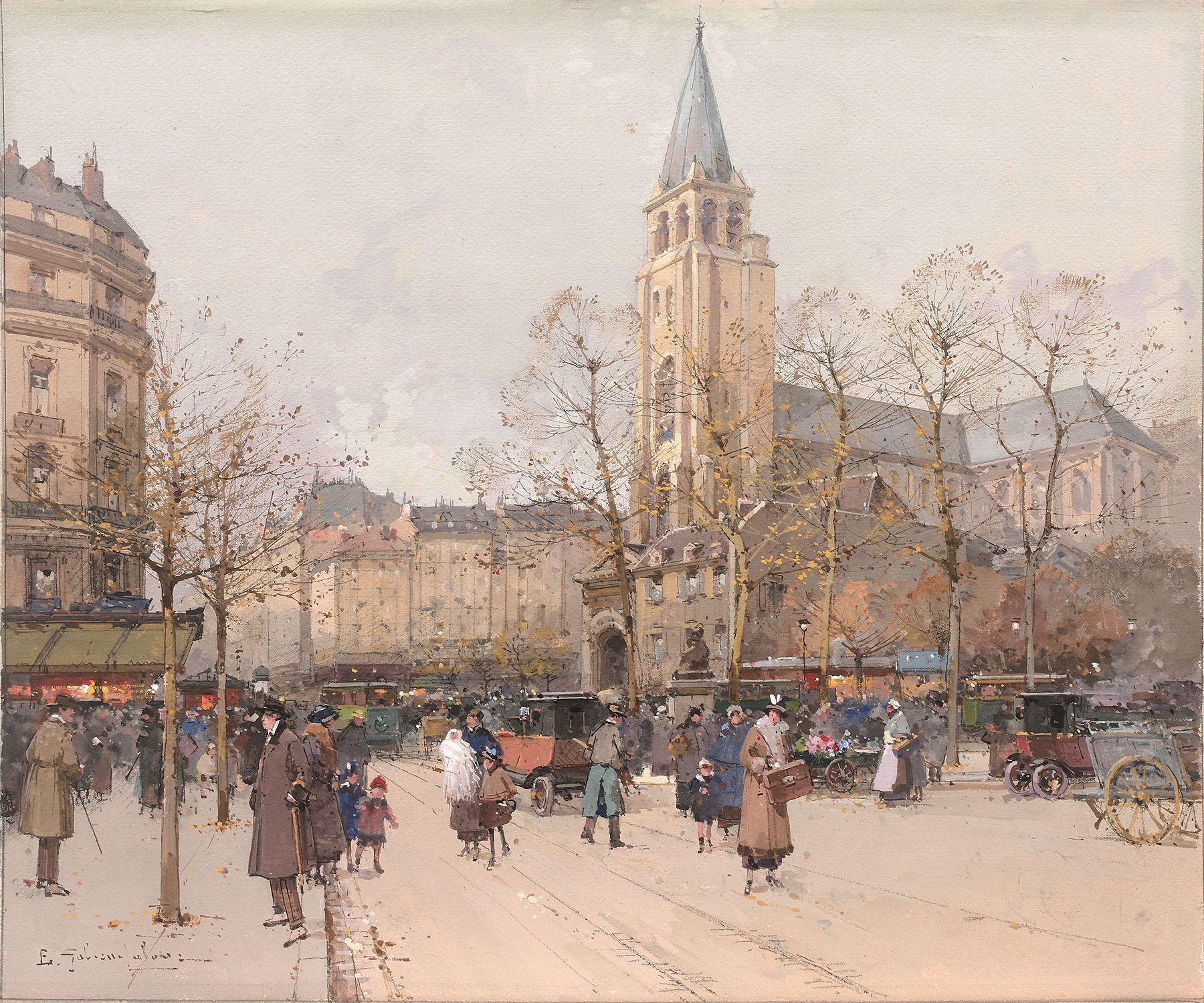
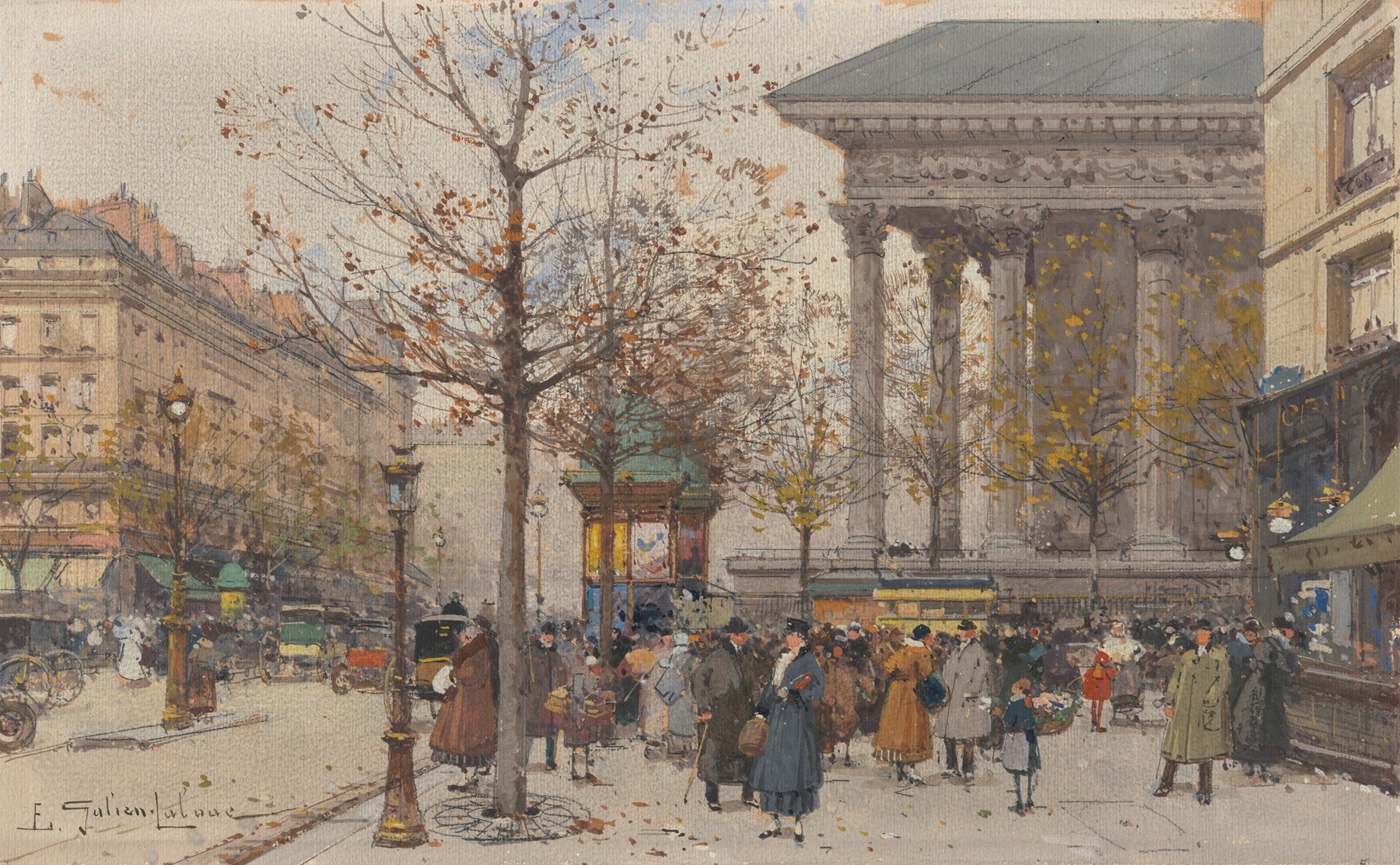
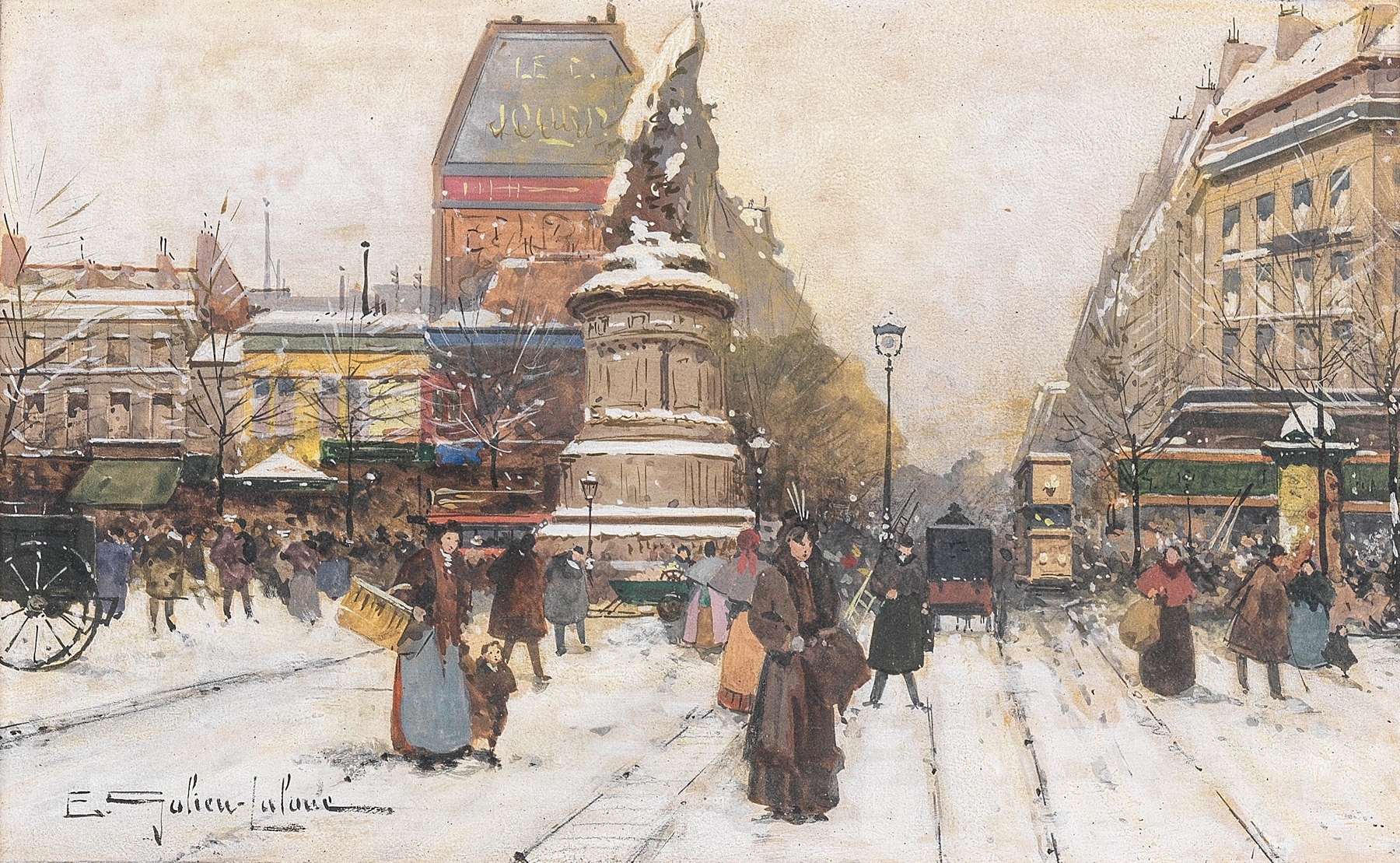
Is this a mirror — or a memory? In the twilight of an autumn day, the bustling square shimmers beneath the fading light, each reflection whispering tales of joy and heartache alike. Look to the left at the clusters of people, silhouetted against the warm, golden glow of gas lamps. Notice how their shadows stretch and sway, creating a dance of intimacy and solitude amidst the crowd.
The artist’s deft brushwork captures the texture of the cobblestones, while hints of crimson and ochre breathe life into the trees lining the square. Each stroke invites the viewer to walk among the figures, to feel the pulse of the city, and to sense the underlying tension that stirs just beneath the surface. In this lively yet melancholic scene, contrasts blossom—the warmth of the illuminated square juxtaposed with the cold shadows that linger. There’s an edge of betrayal in the atmosphere, a reminder that even in public spaces, unseen stories of love and loss unfold silently.
The gathered figures, with their varying postures and expressions, reflect a community united yet burdened by individual secrets, each person a vessel for untold narratives. Eugène Galien-Laloue painted this evocative piece during a time when Paris was evolving rapidly; its streets filled with both modernity and nostalgia. In the late 19th century, he found himself amidst the Impressionist movement, capturing the essence of urban life with a focus on light and atmosphere. This work, with its bustling energy, reflects not only the city’s vibrancy but also the artist’s mastery in portraying the emotional undercurrents that define human connection.