Le Matin Au Bord De L’eau — History & Analysis
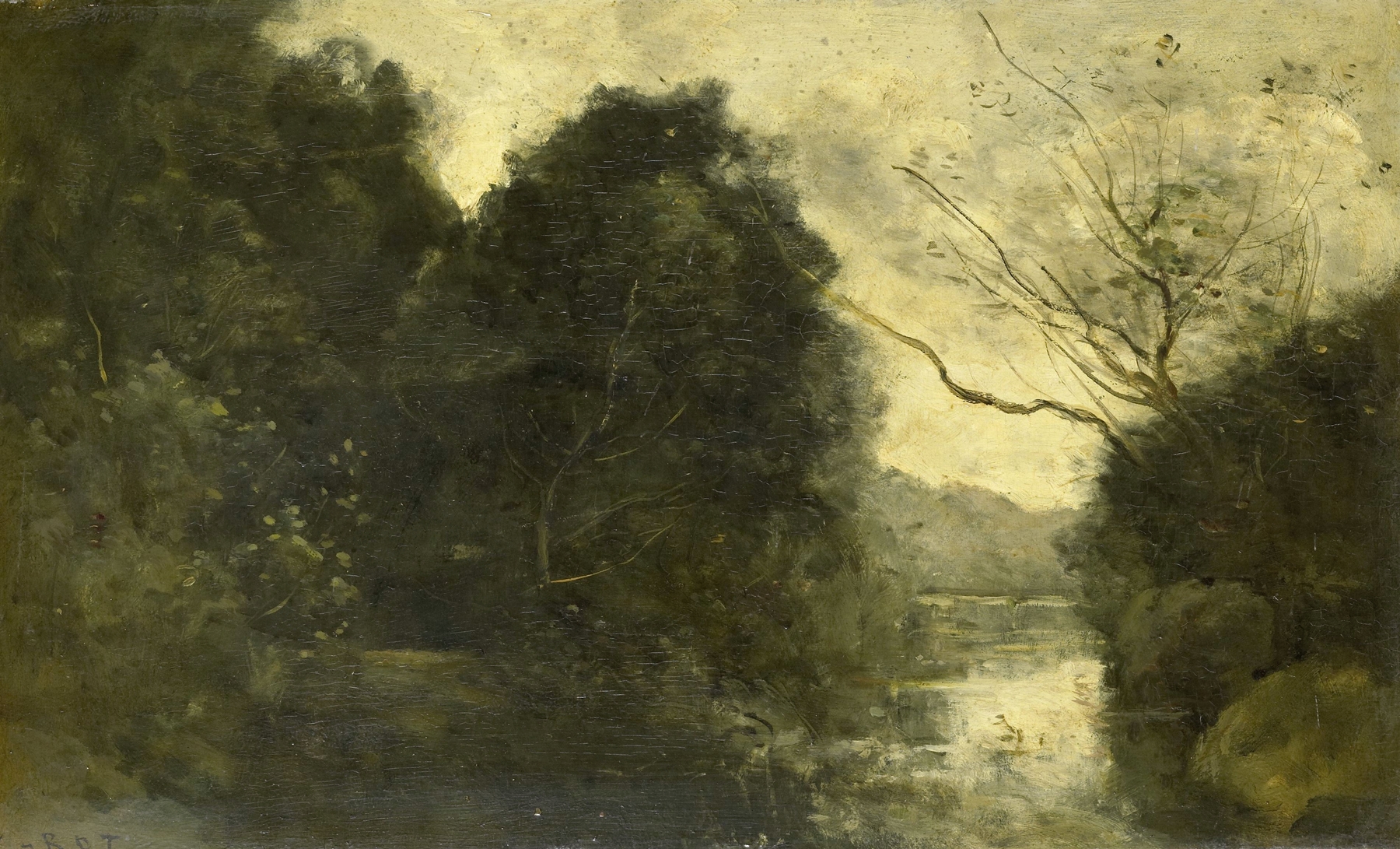
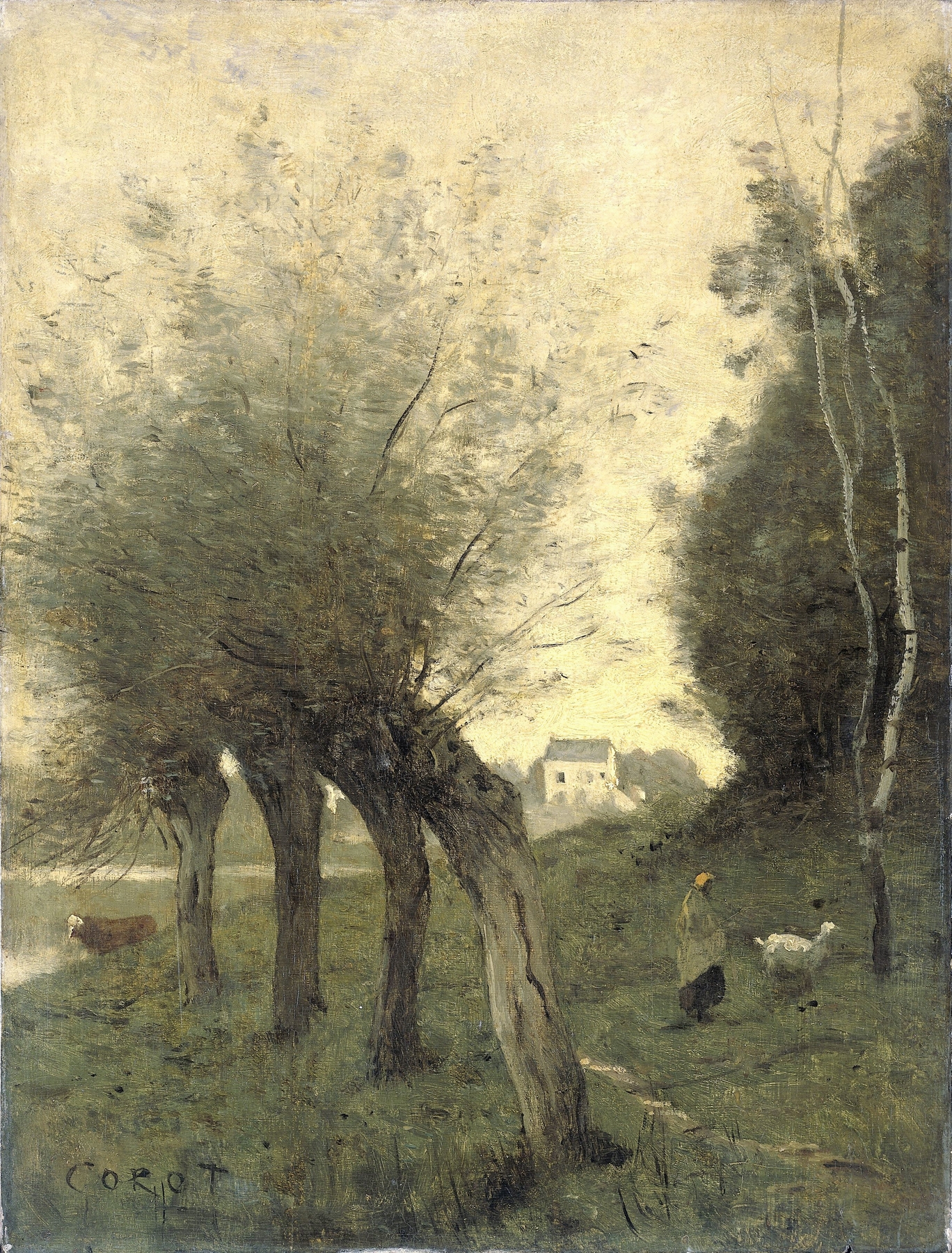
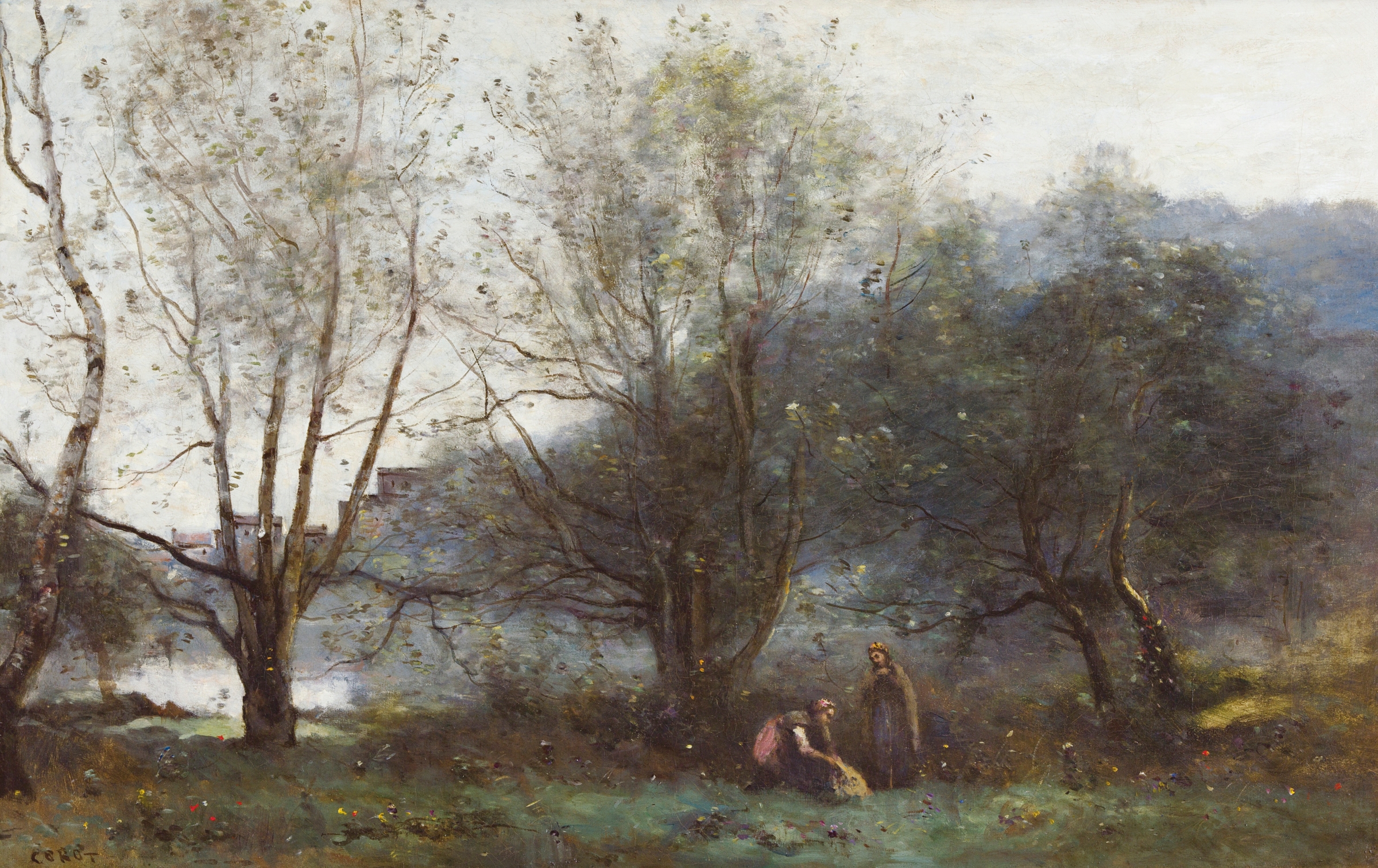
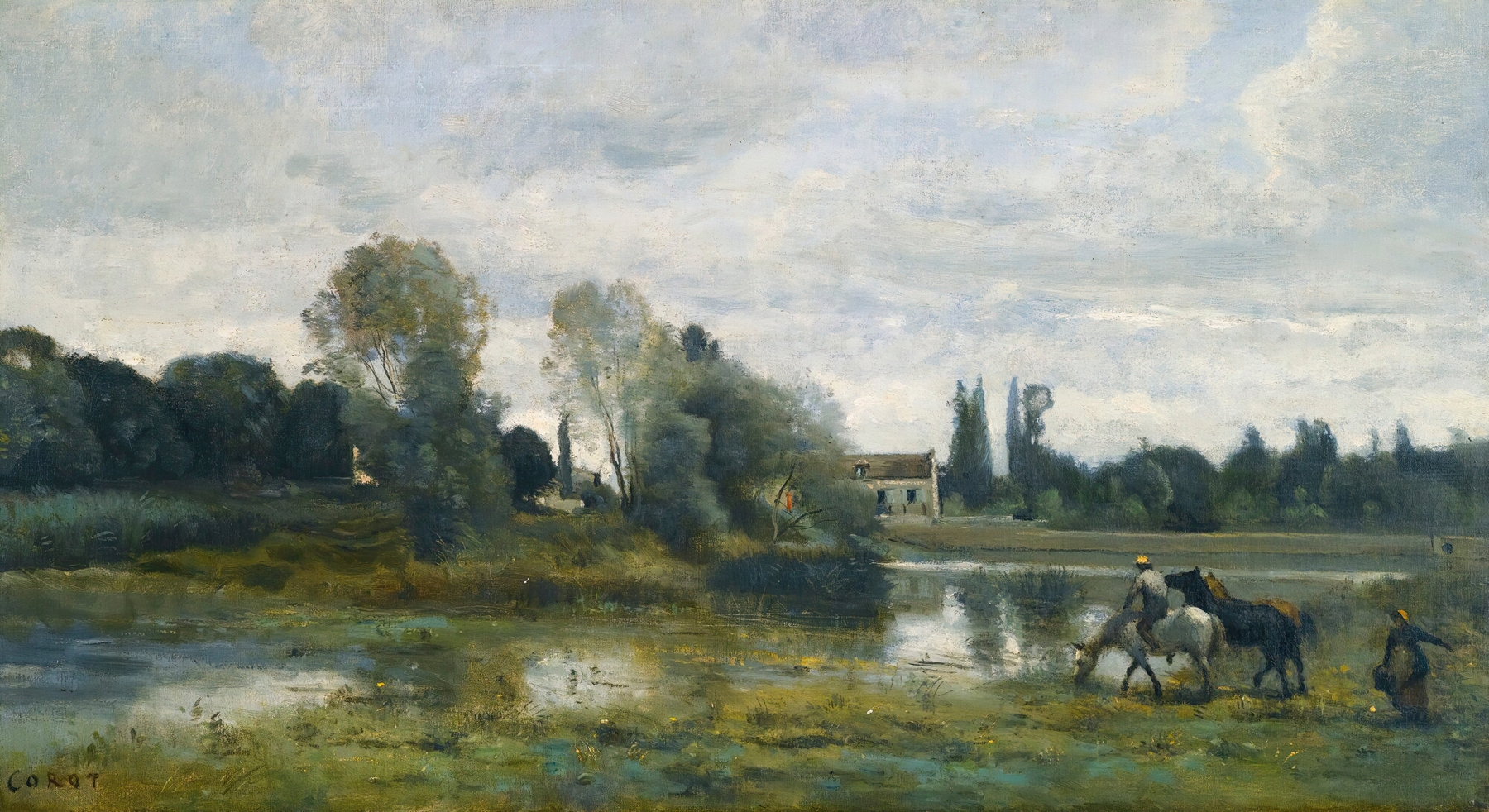
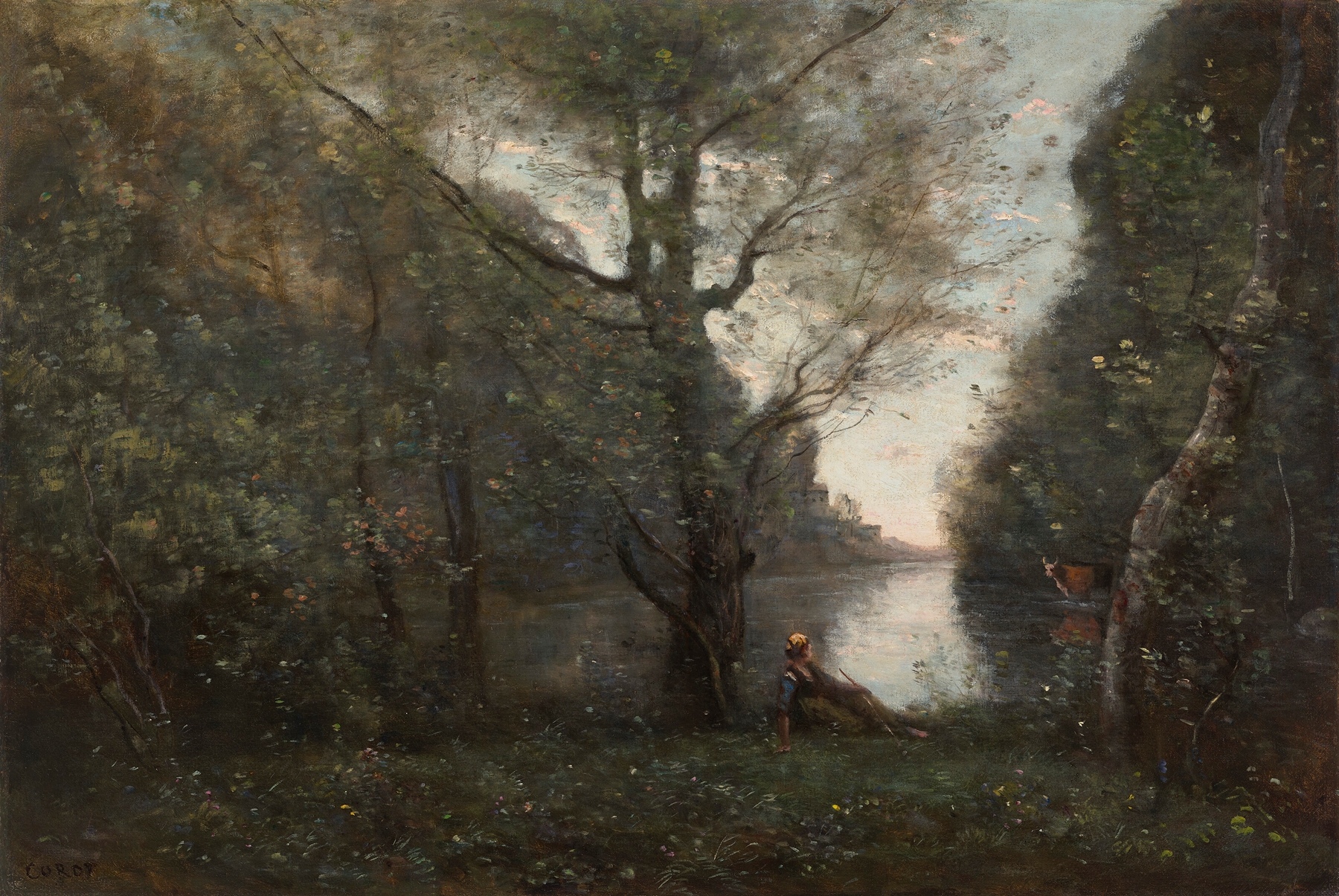
What if silence could speak through light? In the stillness of dawn, a quietude envelops the landscape, hinting at both beauty and profound loss. Focus on the tranquil waters that stretch across the canvas, reflecting the delicate pinks and soft blues of the early morning sky. Notice how the light falls upon the surface, creating a shimmering effect that invites contemplation. The subtle brushwork captures the gentle movement of the water, while the surrounding trees frame the scene, whispering secrets of past mornings.
Each stroke conveys a sense of serenity, yet beneath this calm exterior lies an unmistakable sense of longing. The interplay of light and shadow reveals emotional depths often overlooked. The faded colors suggest a world both vibrant and melancholic, echoing the passage of time and the inevitability of change. The solitary figure on the banks, almost ghost-like, embodies the theme of solitude, as if mourning something lost to the currents of time.
This figure, though present, seems disconnected from the surrounding beauty, inviting the viewer to reflect on their own experiences of loss and memory. During the years 1870 to 1873, the artist created Le Matin Au Bord De L’eau while residing in Barbizon, a village in France that attracted many artists seeking to capture the essence of nature. At this time, Corot was already recognized for his ability to weave emotional narratives into landscape painting, often influenced by the evolving Impressionist movement. Despite personal challenges and the changing tides of the art world, he continued to explore themes of light, nature, and introspection, cementing his legacy as a master of atmospheric landscapes.