Le Pont D’argenteuil Et La Seine — History & Analysis
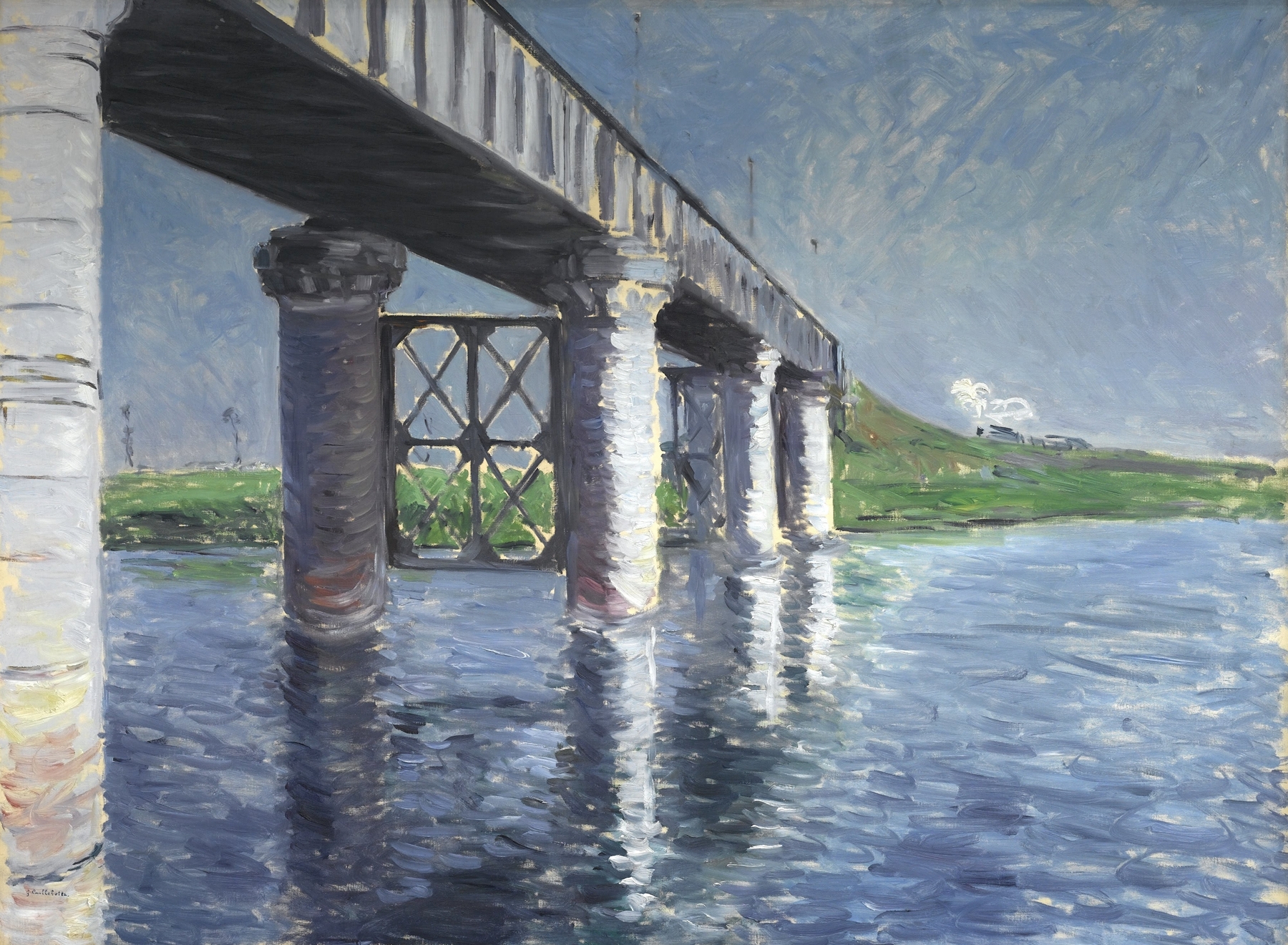
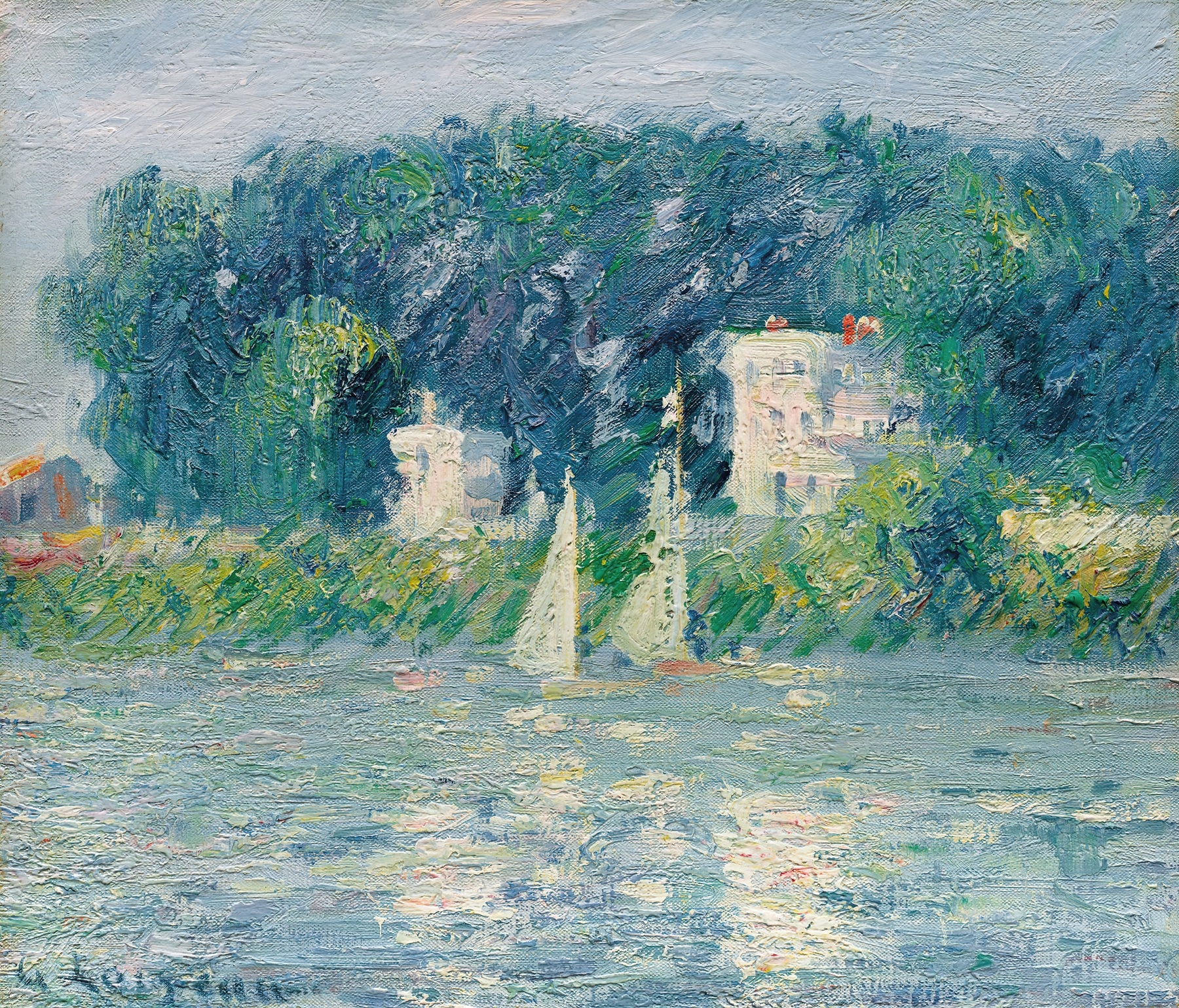
Could beauty survive in a century of chaos? In Le Pont D’argenteuil Et La Seine, one can feel the delicate balance between tranquility and the undercurrents of grief that permeate the scene. Look to the left at the elegantly arched bridge; its sturdy structure dominates the composition, drawing you into the heart of the painting. Notice how the sunlight dances on the Seine, its shimmering surface reflecting hues of blue and gold. The colors blend harmoniously, yet the subtle brushstrokes hint at a fleeting moment, capturing the essence of a summer day that feels almost nostalgic.
The figures, though small in scale, seem lost in their own thoughts, suggesting an emotional distance that contradicts the vibrancy around them. Delve deeper into the juxtaposition of light and shadow in this piece. The gentle ripples in the water contrast sharply with the solid form of the bridge, creating a tension that mirrors the struggles of urban life. The absence of a clear focal point among the figures evokes a sense of isolation, hinting at the grief that can be found even in the company of others.
This emotional dissonance resonates with viewers, prompting contemplation of their own experiences amidst beauty. In 1883, Gustave Caillebotte painted this work during a time of personal reflection and change, as the Impressionist movement was gaining traction. Living in Paris, he navigated a world rapidly transforming due to industrialization. It was a period where art strived to capture the ephemeral, yet the artist's own experiences of loss and longing deeply influenced his creative vision, infusing his works with a poignant sense of melancholy.